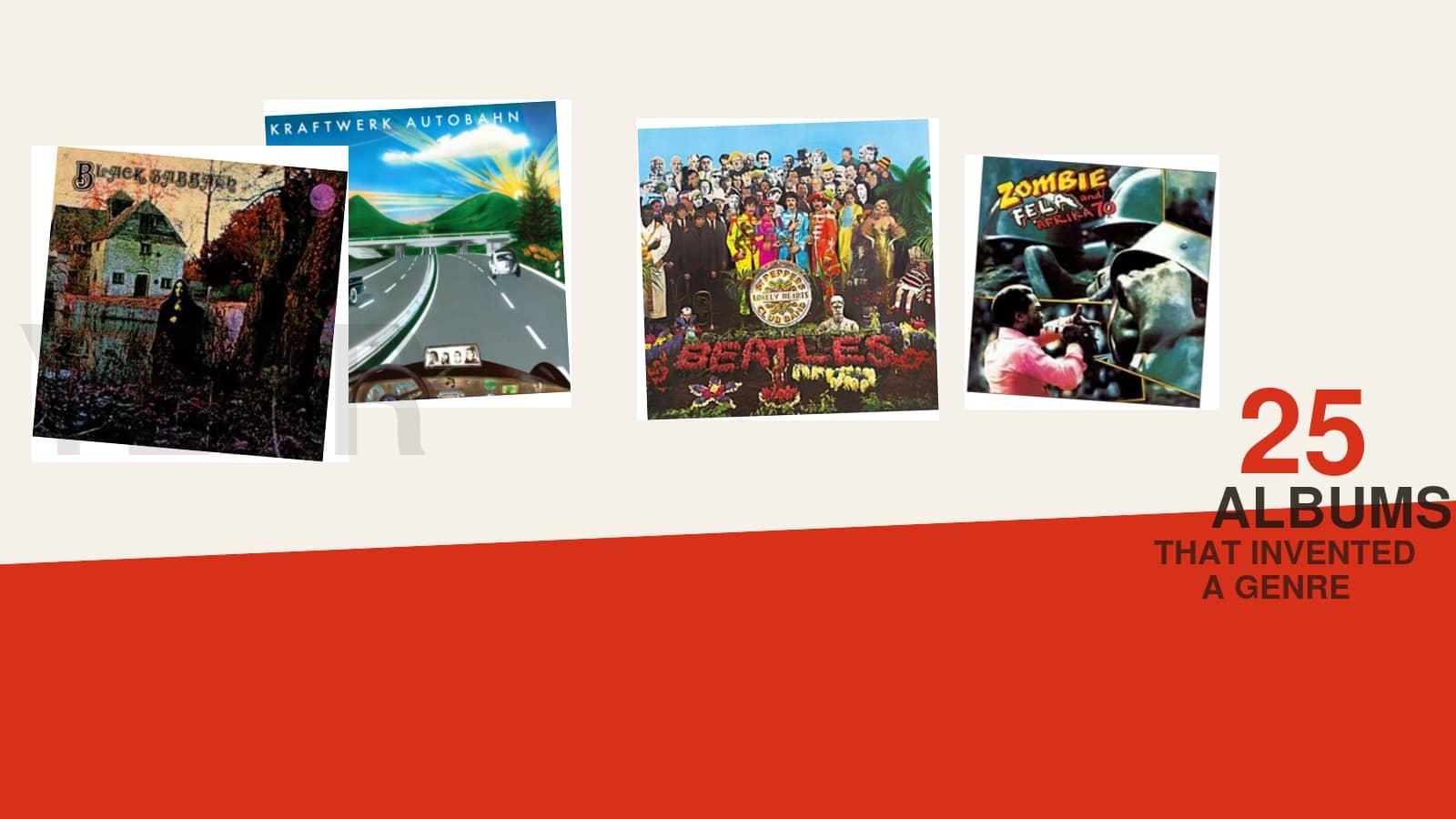
Most great records make their genre better. These ones made their genre exist. Twenty-five albums where, before the first track ended, a whole way of making music was suddenly possible.
There is a moment in "Black Sabbath", the song, where the church bell finishes ringing, the rain stops, and Tony Iommi plays three notes. Tritone, palm-muted, slow as funeral steps. Before those three notes existed, heavy metal didn't. After them, it did. That is the only thing this list is about.
Twenty-five albums. Each one a starting line. Each one a record where, if you put the needle on track one, you can hear the exact second a genre stops being a rumour and starts being a thing you can name. Not the best record in the genre. Not even necessarily the most-loved. The first one that made the genre coherent enough that everyone who came after had to either join or react.
A few ground rules. We are not interested in the "first" something on a technicality, like whether a 1968 garage-rock single is fractionally heavier than another 1968 garage-rock single. We want records that drew a line in the sand so visible that the people walking up to the line knew it was there. That distinction does most of the work on this list.
We are also not parochial. Hip-hop, dub, Afrobeat, K-pop, neo-soul, grime, trip-hop, French house. The story of recorded music in the last seventy years is global, and any Year Zero list that confines itself to Manchester or Memphis is missing the plot.
A handful of these picks are contested in the academic sense. Where they are, we have said so in the entry. Better to flag it than pretend the history was tidy. Music never is.
The countdown runs twenty-five down to one. The number-one slot does not go to the most famous album on the list. It goes to the one whose tendrils reach the furthest into the music you streamed this morning, whether or not you noticed. We will get to it. Drink slowly.
Boy in da Corner
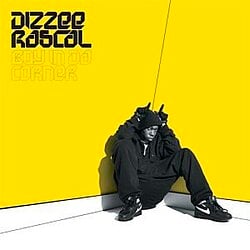
Grime, made on a PlayStation by a teenager, drew its own borders.
The grime moment that drew the genre's official borders. Recorded between Belly of the Beast and Raskits Lair in London across eighteen months, self-produced by an eighteen-year-old who had taught himself how to make beats on a PlayStation. The sound: sparse 140 BPM skeletons, square-wave synths so dry they squeak, the eight-bar structure that grime would build its entire vocabulary around. Before this album, what we now call grime was a handful of pirate-radio MCs riding garage and 2-step instrumentals that didn't fit them. After it, the rhythm and the writing and the regional accent had a name, and the name had a debut record that won the Mercury Prize. The fact that a teenage Bow producer with no major-label co-signs went on to beat Coldplay's bookies-favourite for that award is the moment a British underground stops being underground and becomes one of the export sounds of the next twenty years.
Lineage: Skepta's Konnichiwa, Stormzy's Gang Signs and Prayer, the entire UK drill movement, half of what Drake puts on his post-2015 albums.
African Giant
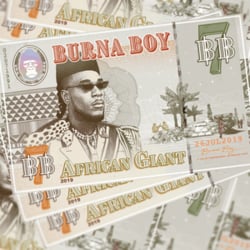
The moment modern Afrobeats stopped asking for permission.
You could argue Afrobeats had its global crossover the day Wizkid's "Ojuelegba" got remixed by Drake, but African Giant is the album where modern Afrobeats stops being a regional pop genre with international guest spots and becomes a coherent global art form with its own centre of gravity. Recorded primarily in Lagos hotel rooms with producer Kel-P, who spent six weeks tracking twenty-three songs in a single residency, the album fuses Fela-lineage Afrobeat horns with dancehall, hip-hop, and a kind of intercontinental swagger that didn't exist in this concentration before. The Grammy nomination, the Coachella main-stage booking, the entire current generation of Nigerian artists routinely topping global charts: African Giant is where the genre's global era starts using its own house style instead of borrowing one. Four of the tracks were recorded in a single day. The album cover is Burna Boy's face on a redesigned Nigerian ten-naira note, which is the kind of move you make when you have decided you are not asking for permission.
Lineage: Tems, Rema, Tyla, Asake, the entire 2020s Afrobeats wave.
Seo Taiji and Boys
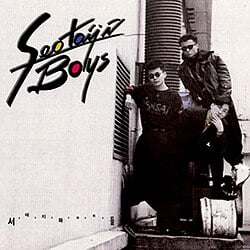
The jury gave it the lowest score of the week. K-pop began the next morning.
Here is one of the most consequential pieces of music television in modern history. On 11 April 1992, three young South Koreans went on an MBC talent show, performed a track called "Nan Arayo" that fused rap verses with new jack swing and one of the first synchronised dance breaks ever seen on Korean broadcast, and the jury panel gave them the lowest score of the week. The single went on to spend seventeen weeks at number one. The album sold a million and a half copies in a month. Korean pop music as a category, as an industry, as an aesthetic, as an export, starts with the jury getting it spectacularly wrong. Yang Hyun-suk, one of the three, would later go on to found YG Entertainment. The blueprint they laid down (rap verses, pop chorus, choreography as part of the song rather than a music-video afterthought, image and music as one product) is the blueprint every K-pop act since has either built on or argued with.
Lineage: H.O.T., Seo Taiji's own solo work, every single K-pop wave from first generation to BTS.

Selected Ambient Works Volume II
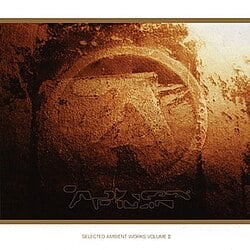
Dark ambient born from lucid dreams and a razor-scratched logo.
Volume I was ambient techno. Volume II was something else. Richard D. James recorded it in his bedrooms in London and Cornwall over 1992-93 by, according to him, sleeping briefly in the studio, trying to remember the sounds he had heard in lucid dreams, and approximating them on synths when he woke up. "Like standing in a power station on acid," he told the press, which is one of the more useful descriptions of the record ever written. He has synaesthesia, so the tracks have no titles, just photographs that his then-girlfriend took. A fan called Greg Eden gave them informal names by describing what was in the photos. "Rhubarb." "Stone in Focus." This is the album where intelligent dance music stops being a marketing term Warp Records used to sell electronica to college students and starts being a serious aesthetic, with its own emotional palette and its own willingness to make you uncomfortable. The Aphex Twin logo on the front is scratched into a piece of leather with a razor and a compass, which tells you everything about the project's relationship to high finish.
Lineage: Boards of Canada's entire catalogue, Burial, every record that has tried to make ambient music feel haunted instead of hospitable.
Supa Dupa Fly
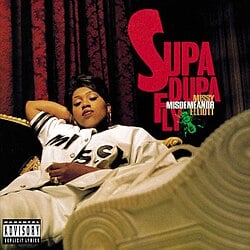
Two weeks of recording. Twenty years of imitators.
Two weeks. That is how long Missy Elliott and Timbaland took to record Supa Dupa Fly at Master Sound Studios in Virginia Beach in 1997. Two weeks to invent the rhythmic toolkit that ran hip-hop and R&B production for the entire 2000s. Timbaland's contribution is the obvious one: stutter-stepped beats, glitches that sound like the sampler is breaking, drum patterns that pulled their syncopation from dancehall and grime-before-grime rather than from boom-bap. The single "The Rain (Supa Dupa Fly)" samples Ann Peebles's "I Can't Stand the Rain" but bends it to fit Timbaland's tempo rather than the other way around, which is the kind of small decision that defines an era. Missy's contribution is harder to name and even more important: the willingness to put weird vocal cadences, half-spoken hooks, and adlibs that aren't singing and aren't rapping into a major-label R&B record without explaining herself. After Supa Dupa Fly, every Aaliyah album, every Beyonce album, half of every Pharrell production, owe it a structural debt.
Lineage: Aaliyah's One in a Million era, the entire Neptunes output, Pharrell's solo work, modern hyperpop.
Brown Sugar
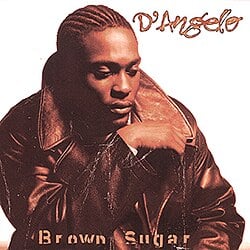
The album that needed a new word. Kedar Massenburg gave it one.
D'Angelo's manager Kedar Massenburg coined the term "neo-soul" to market Brown Sugar, an album that D'Angelo had recorded almost entirely by himself in New York and Sacramento studios, playing drums and bass and guitar and saxophone and keyboards on almost every track. Inspired, he said in 1995, by Prince: "He wrote, produced, and performed, and that's the way I wanted to do it." The result was a record that, in a year where mainstream R&B was being defined by big budgets and digital perfection, sounded like a 1970s soul session with cleaner tape. Vintage Rhodes, Wurlitzer, live drums miked dry, vocals that ducked the melody and dared the listener to come find them. The Massenburg coinage stuck because the record made a category visible that didn't have a shelf in the record shop before. Erykah Badu's Baduizm followed in 1997. Lauryn Hill's Miseducation, which we will get to, followed in 1998. The first thing neo-soul ever was, was Brown Sugar.
Lineage: Erykah Badu, Maxwell, Bilal, Anthony Hamilton, the whole second wave of black soul in the late 1990s and early 2000s.
Blue Lines
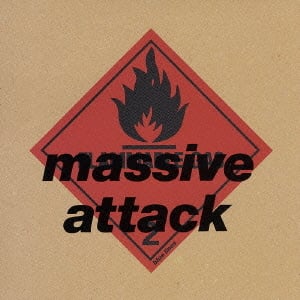
Hip-hop at spliff tempo, recorded around a dirty nappy.
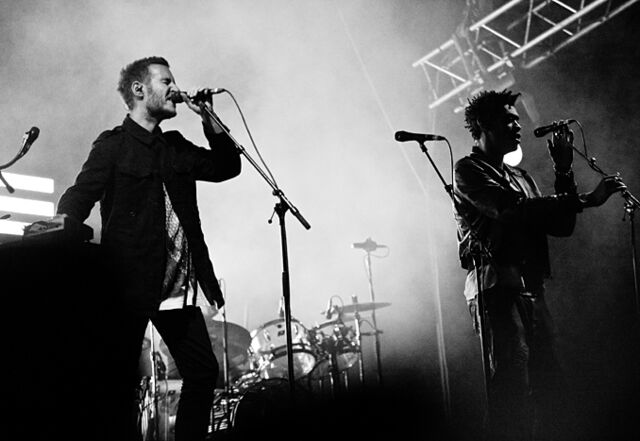
Blue Lines is what happens when three Bristol soundsystem kids decide to make hip-hop at spliff tempo. Released April 1991, recorded across Coach House in Bristol, Cherry Bear, and Abbey Road, the album runs between 67 and 90 BPM, which is somewhere between dub and a heart at rest. Daddy G's line about how they got the album finished is one of the great quotes in British music: "We were lazy Bristol twats. It was Neneh Cherry who kicked our arses and got us in the studio. We recorded a lot at her house, in her baby's room." (A dirty nappy got stuck behind a radiator during the sessions and was discovered weeks later. Year Zero for trip-hop has a smell.) Tricky is on it. Shara Nelson is on it. Horace Andy is on it. The texture is hip-hop, the tempo is reggae, the moodiness is post-punk, the sum is something that did not have a name until critics gave it one. The genre stayed British for years afterward because nobody else had the same set of musical migration patterns to fuse.
Lineage: Portishead's Dummy, Tricky's Maxinquaye, the entire Mo' Wax label, most of late-1990s film soundtracks.
Homework
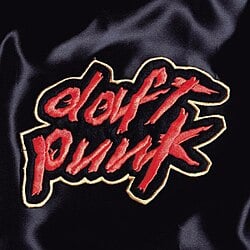
Two French kids in a bedroom invent a global house sound.
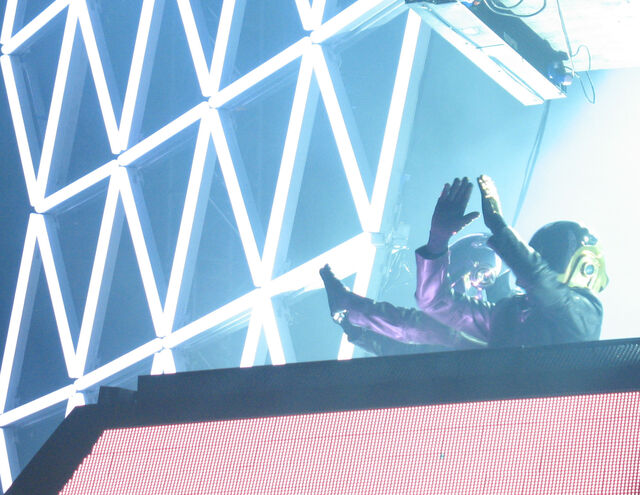
Two French kids in their bedrooms in Paris between 1994 and 1996, calling the studio Daft House because they were funny, recording an album because they had run out of singles. Homework is the moment filter house, French touch, whatever you want to call it, goes from being a couple of European 12-inches into a global sound. The duo financed it themselves, controlled their image down to the embroidered logos, and gave Virgin a master tape with the title Homework because, as Bangalter put it, "to be free, we had to be in control." Before Homework, house was American and underground in the US, popular in clubs in Europe. After Homework, house was a French export, a fashion-magazine sound, a Coachella headliner sound, a Madonna-album-producer sound. Every Justice record traces back to this. Most of the late-2000s blog-house era traces back to this. The Weeknd's Starboy traces back to this. They never showed their faces for the album cycle, which made the records bigger, not smaller.
Lineage: Justice, Cassius, the entire Ed Banger roster, Skrillex's bass-house turn, Disclosure.
The Miseducation of Lauryn Hill
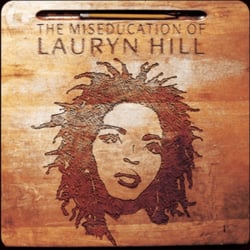
The first hip-hop album to win Album of the Year.
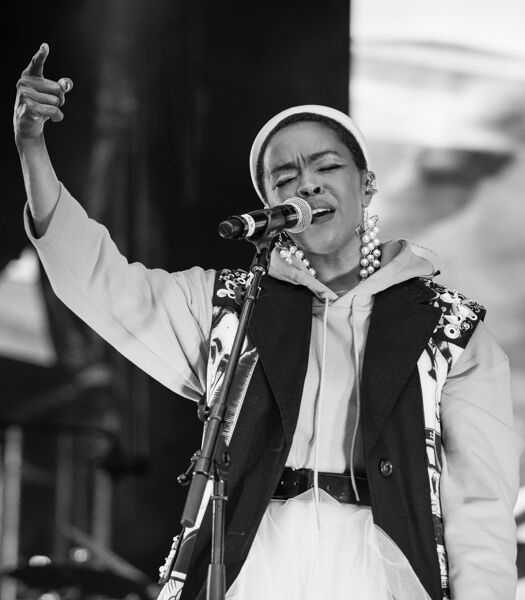
The first hip-hop album to win Album of the Year at the Grammys. Five wins, ten nominations, set the record for a female artist in a single ceremony. Recorded primarily at Bob Marley's Tuff Gong studio in Kingston, with sessions in New York at Chung King and the Hit Factory, with Hill producing and a young Che Pope in the room. The reason it earns the Year Zero slot it does is not the Grammys, which are a lagging indicator at best. It is that Miseducation invented the singer-rapper hybrid template at a scale and quality nobody had pulled off before: rap a verse, sing a chorus that wasn't just a hook but an actual song-within-a-song, do it on every track, write all of it yourself. There is a story Gordon Williams told about being in the studio with Lauryn surrounded by fifteen Marley grandchildren, all repeating the last word of every rap line she sang. It is the kind of session detail that explains why the album sounds the way it does.
Lineage: every artist who has ever been described as "rapping and singing", from Drake to Doja Cat to PartyNextDoor.
Like a Virgin
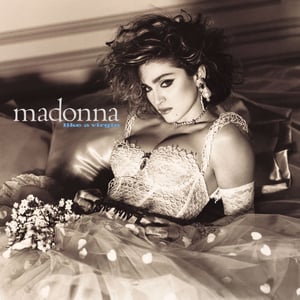
The blueprint for every imperial-phase pop star since.
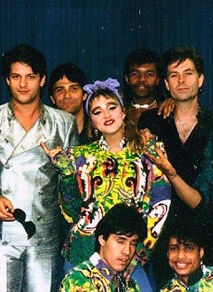
Power Station studios, New York, May 1984. Nile Rodgers producing, with his Chic rhythm section Bernard Edwards on bass and Tony Thompson on drums. Rodgers was initially unsold on the title track, thought the hook was a bit basic. He changed his mind after the melody refused to leave his head for several days. "If it's so catchy, it must be something." Then Steven Meisel photographed Madonna in a wedding dress at the St Regis with a "Boy Toy" belt buckle. Then the album sold five million copies in the US and Madonna became the first female artist to manage that. Like a Virgin is not just a great pop record. It is the moment the modern pop-star template, where image and sound and persona are not separable products but a single integrated thing, becomes the dominant commercial template of the genre. Every imperial-phase pop star since (Britney, Gaga, Rihanna, Beyonce, Taylor) is operating in a template that this album, this photograph, this performance, this provocation, set.
Lineage: every pop star you can name from Britney onwards.
Horses
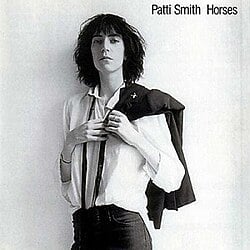
Punk with poetry in its pocket and Mapplethorpe on the cover.
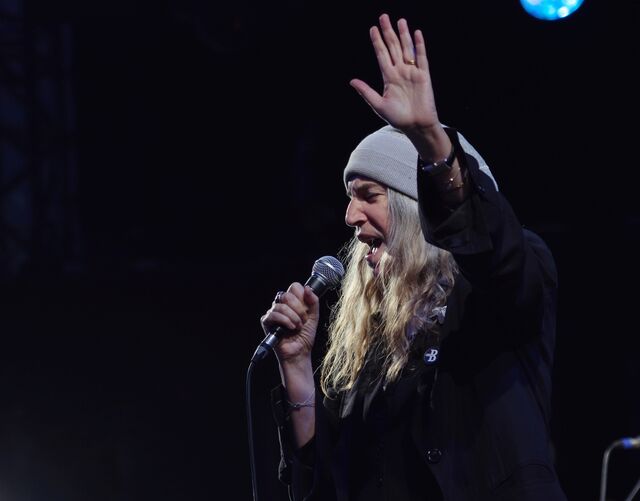
Electric Lady Studios, September 1975. John Cale producing, and very nearly walking out twice because Patti Smith and her band wanted to record their songs the way they played them live and Cale wanted to build a record. He bought them new instruments. There was a physical fight between Allen Lanier and Tom Verlaine on the last day of sessions. Patti Smith later described the working relationship as "an immutable force meeting an immovable object." Out of all of that came an album that, depending on how you want to frame it, either invented punk or invented the idea that punk could have poetry in it. The opener, "Gloria", retrofits Van Morrison's garage-rock single into a Rimbaud-by-way-of-CBGB performance that makes the original sound preliminary. The cover photograph by Robert Mapplethorpe, Patti in a white Salvation Army shirt with a black jacket slung over her shoulder, is one of the most reproduced album images in rock history. Punk as a poetic-attitude, art-school-canon thing, rather than just three chords played fast, starts here.
Lineage: Television's Marquee Moon, the entire post-punk turn, PJ Harvey, Sleater-Kinney, half of what Florence Welch has ever done.
The Chronic
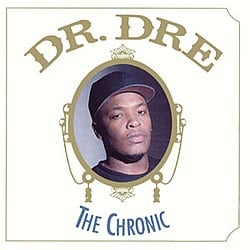
G-funk arrives. Snoop's voice arrives with it.
Death Row Studios, Los Angeles, spring and summer 1992. Dr. Dre had just left N.W.A and had something to prove. The proof, when it arrived in December, was an entire new sub-genre of hip-hop. G-funk: Parliament-Funkadelic samples flipped into hooks, live bass and synth lines instead of the chopped breakbeats East Coast hip-hop was built on, only one or two samples per track instead of the dense sample-collages further up this list, and a young Calvin Broadus on almost every song. Snoop Dogg has joked since that he doesn't know how he ended up on damn near every track. The album hit number three on the Billboard 200 and went triple platinum. "Nuthin' but a 'G' Thang" got to number two on the Hot 100. The cover is a homage to Zig-Zag rolling papers. For the rest of the 1990s, G-funk was the dominant commercial sound of hip-hop, not because of one record but because of the engineering Dre put on this one record.
Lineage: Doggystyle, every Death Row release of the era, Warren G's Regulate, half of what 2Pac did at Death Row.
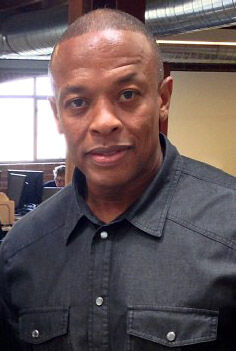
Straight Outta Compton
West Coast rap as commercial form. Twelve thousand dollars, six weeks, an FBI letter.
Audio Achievements Studio, Torrance, California. Six weeks, twelve thousand dollar budget, Dr. Dre and DJ Yella and Arabian Prince producing. "I threw that thing together in six weeks so we could have something to sell out of the trunk," Dre said in 1993. Before this album, hip-hop's centre of gravity was New York. After it, the West Coast had a sound, a stance, and a story, and the FBI was sending letters to the group's label about a song. The album became the first gangsta rap record to be certified platinum, in July 1989, with no radio play to speak of outside Los Angeles. It is on this list for two reasons. The first is that street rap as a commercial genre starts here, in a way that is genuinely different from anything that preceded it. The second is that hip-hop's regional politics, the East versus West tension that defined the genre for the next decade, are unimaginable without it. The cover photo, the band looking down at the camera from above on 11 November 1988, is one of the iconic images of hip-hop.
Lineage: The Chronic, Cypress Hill, Snoop's debut, the entire Death Row catalogue, almost every regional rap scene that came after.
Blackboard Jungle Dub
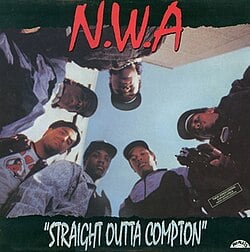
Dub leaves the soundsystem and becomes a record you can take home.
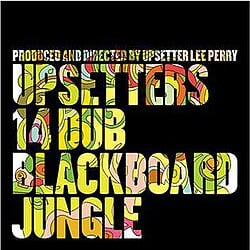
This is a contested entry. Some scholars argue King Tubby's Hometown Hi-Fi sets in Kingston in the late 1960s are the truer Year Zero for dub. The argument for Blackboard Jungle Dub, also known as Upsetters 14 Dub Blackboard Jungle, is that it is the first commercially released dub album, the first stereo dub album, the first to include reverb as a foundational instrument rather than a decorative effect, and that it took the dub aesthetic out of the soundsystem and into the album form. Three hundred copies pressed initially, Jamaica only. Lee "Scratch" Perry producing and playing percussion. King Tubby engineering. Pauline Morrison, quoted on the Wikipedia entry, says, "This was the first ever dub album that came out, although there is a lot of speculation on the subject." The speculation is fair; the influence is not in doubt. Dub as a producer-led art form, where the mixing desk is the instrument and the studio is the band, starts being commercially available as a record you can take home and put on in this exact moment.
Lineage: every King Tubby record, Adrian Sherwood's On-U Sound output, post-punk's dub fixation, trip-hop, dubstep, half of Massive Attack.
Unknown Pleasures
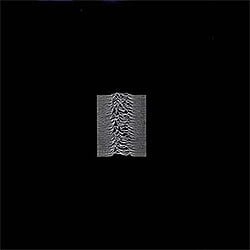
Post-punk's emotional aesthetic, built by Martin Hannett with a pulsar and a Marshall Time Modulator.
Strawberry Studios, Stockport, three weekends in April 1979. Martin Hannett producing, which is to say, Martin Hannett aggressively rearranging the band's punk-adjacent live sound into something colder and more spacious than they had played in their lives. He recorded Ian Curtis's vocals on "Insight" down a telephone line for the distance. He had the band record drums separately, kit pieces miked individually, into AMS digital delays and a Marshall Time Modulator that he used like a sculptor's tool. Peter Hook, the bassist, remembers Bernard Sumner using a kit-built Powertran Transcendent 2000 synth on "I Remember Nothing" while their manager Rob Gretton smashed bottles in the live room. Then Peter Saville put a Cambridge University radio astronomer's diagram of pulsar CP 1919 on the cover, reversed it from black-on-white to white-on-black, and gave post-punk one of its three or four iconic visual identities. Before Unknown Pleasures, post-punk was a magazine label. After it, it was an aesthetic with rules.
Lineage: every record by every band that has ever been called "atmospheric", New Order, Interpol, The xx, half of the early-2000s indie revival.
Planet Rock
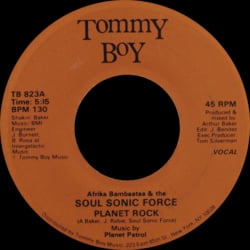
The single that made the Roland TR-808 the most important drum machine ever built.
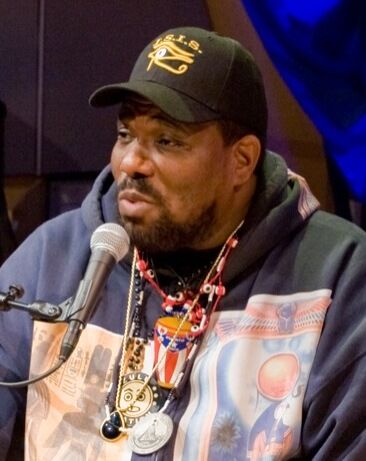
Intergalactic Studio, New York, three all-night sessions on a tiny budget. Arthur Baker producing, John Robie playing the synths and synthesising the future. The build: a Micromoog, a Prophet-5, and a Roland TR-808 drum machine that nobody had fully worked out yet. The decision: layer a melody lifted from Kraftwerk's "Trans-Europe Express" over a rhythm lifted from Kraftwerk's "Numbers", call it Planet Rock, and put it out without first asking Kraftwerk. Karl Bartos was not initially thrilled; Tommy Boy ended up paying Kraftwerk one dollar per record sold to make it right. Bambaataa, by way of cover, asked Baker to add a beat from Captain Sky's "Super Sporm" to make the lift less obvious. None of that matters now. What matters is that Planet Rock invents electro as a recognisable genre, makes the 808 the most important drum machine in the history of recorded music, and gives Detroit techno, Miami bass, and most of southern hip-hop their starting equipment. It was a single, not an album, but it is the song the rest of the chart was reacting to for the next decade.
Lineage: Mantronix, Detroit techno (Juan Atkins built a career on what this opened up), Miami bass, the entire 808 sound from Outkast to Travis Scott.
It Takes a Nation of Millions to Hold Us Back
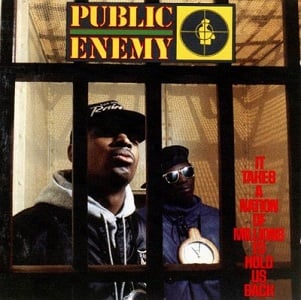
Sample-collage hip-hop at full intensity. The accident on the SP1200 stayed in.
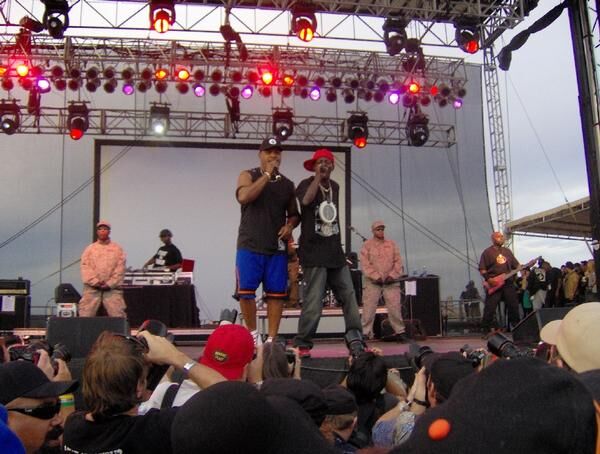
Chung King House of Metal in Manhattan. Greene Street Recording. Sabella in Roslyn. Spectrum City in Hempstead. The Bomb Squad (Hank Shocklee, Eric Sadler, Carl Ryder, plus exec producer Rick Rubin) made this album in thirty days for twenty-five thousand dollars, then released it on 28 June 1988 and changed what hip-hop production could be. Their philosophy, in Shocklee's words: "We took whatever was annoying, threw it into a pot. Music is nothing but organised noise." The proof is the SP1200 anecdote: the sampler glitched during work on "Bring the Noise", spat out a wrong sequence from James Brown's "Funky Drummer", and Shocklee, instead of fixing the mistake, kept it and had Chuck D rewrite the lyrics around the accident. That is the album's whole methodology in one story. Dense, layered, sometimes deliberately ugly sample collages, with Chuck D's declarative bark and Flavor Flav's chaos hosting the show. Political hip-hop with a sonic density that matched its content. Nothing in 1987 sounded like this. Nothing after 1988 could pretend it didn't.
Lineage: A Tribe Called Quest's denser moments, Kanye's My Beautiful Dark Twisted Fantasy, every record that ever tried to make hip-hop sound like a brawl.
Catch a Fire
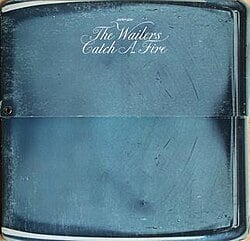
Reggae goes international, with Muscle Shoals overdubs and a Zippo-shaped sleeve.
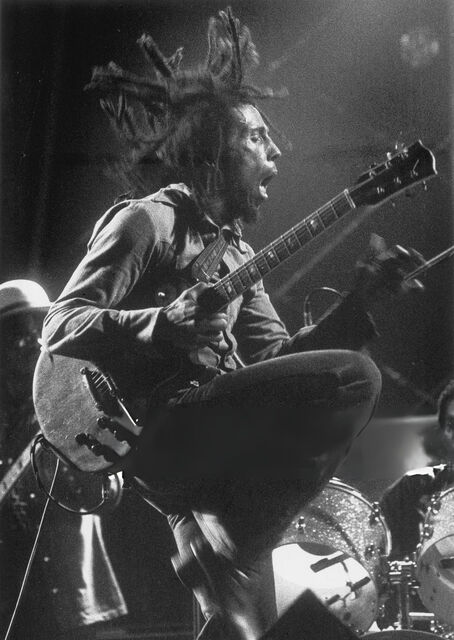
The first reggae album made for an audience that didn't yet know they wanted reggae. Recorded between May and October 1972 at Dynamic Sound, Harry J's, and Randy's in Kingston, with Chris Blackwell at Island advancing the band four thousand pounds to get them home after the Wailers got stranded in London on a failed CBS deal. Then Blackwell, in London, did something controversial: he took the master tapes and added rock-band overdubs. Wayne Perkins, a Muscle Shoals session guitarist, played a three-octave feedback solo on "Concrete Jungle", slide guitar on "Baby We've Got a Date", and wah-wah lead on "Stir It Up", which is the line of demarcation between roots reggae as it had existed in Jamaica and reggae as an internationally legible rock-adjacent music. Some Jamaican purists still resent the move. Without it, reggae is a Caribbean genre that occasionally crosses over on a single. With it, Bob Marley is a global superstar, the genre travels everywhere, and the Wailers's discography goes from regional to canonical.
Lineage: every Bob Marley album that followed, Burning Spear's Marcus Garvey going international, Toots and the Maytals making it to American radio, every reggae crossover for the next fifty years.
Nevermind
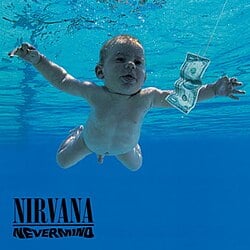
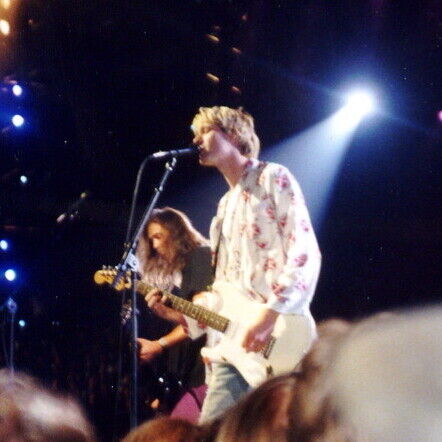
Alt-rock as the mainstream. It knocked Michael Jackson off the top of the charts.
Sound City Studios, Van Nuys, plus Smart Studios in Madison. May and June 1991. Butch Vig producing, Andy Wallace mixing. Sixty-five thousand dollar budget. Geffen expected to sell two hundred and fifty thousand copies. By January 1992, the album was selling three hundred thousand copies a week, and that month it knocked Michael Jackson's Dangerous off the top of the Billboard 200. The whole shape of the mainstream music industry tilted in that moment. Hair metal, on the cover of the magazines in 1990, was unsellable by 1993. The sensitive-songwriter archetype that defined alternative rock from 1992 to roughly 2008 starts here. There is a small detail in the production worth knowing: Kurt Cobain initially refused to double-track his vocals, on the grounds that double-tracking sounded slick and inauthentic, and only agreed after someone told him John Lennon had double-tracked his. Alternative rock did not invent itself on this record. Alternative rock as a mainstream commercial format absolutely did.
Lineage: Pearl Jam's Ten getting bigger in retrospect, the entire mid-1990s grunge wave, Foo Fighters, every Warped Tour band of the late 1990s.
The Message
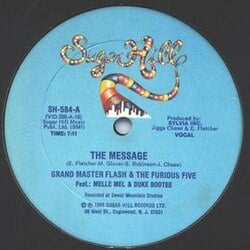
The moment rap proved it could carry weight beyond the party.
A single, not an album, but on a list like this, "The Message" earns its slot. Recorded at Sweet Mountain studio in Englewood, New Jersey, produced by Sylvia Robinson and Edward G. Fletcher (Duke Bootee), released 1 July 1982. Hip-hop, on the records, had been party music for three years. "The Message" slowed the beat down to a slow funk crawl, opened up space in the instrumentation, and let Melle Mel speak loudly and clearly about inner-city poverty for seven and a half minutes. Dan Cairns in The Sunday Times called it "noirish, nightmarish slow-funk" cross-bred with electro, dub, and disco. The track is credited to the full Furious Five but, in one of the smaller open secrets of hip-hop history, only Melle Mel actually performed on it. Sylvia Robinson had pitched the song to the group; some of them weren't interested. The song they didn't want became the song that proved rap could carry social commentary at full weight. Conscious hip-hop, as a category, starts here, and it does not stop.
Lineage: KRS-One's Boogie Down Productions output, Public Enemy, Mos Def, Common, Kendrick Lamar's To Pimp a Butterfly, nearly every politically-minded rap record ever made.
Zombie
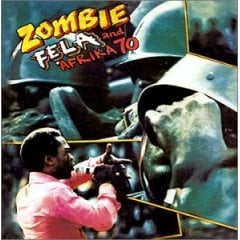
Afrobeat fully formed, plus the bravery that cost his mother her life.
Lagos, 1976. Self-produced. Fela on alto and tenor saxophone, on keyboards, on vocals, with the twenty-something musicians of Africa 70 backing him at full volume. Afrobeat as a genre had been developing since the late 1960s, but Zombie is the moment it arrives fully realised: the locked horn-section riffs, the call-and-response vocals, the twelve-to-fifteen-minute song structures that move through three or four moods before resolving, and the political content that is no longer subtext but text. The title track compared Nigerian soldiers to mindless undead and the Nigerian state did not take it well. Roughly a thousand soldiers attacked Fela's Kalakuta Republic commune. They beat him severely. They threw his seventy-eight-year-old mother, the political activist Funmilayo Ransome-Kuti, out of a window. She died of her injuries. Fela delivered her coffin to the main army barracks in Lagos in protest, then made two further albums about the incident, including "Coffin for Head of State". You can argue Open & Close (1971) is the more historically loaded record, but Zombie is the one where Afrobeat becomes inseparable from its political stance, and where the world starts paying attention.
Lineage: every Fela album that followed, Tony Allen's solo career, the entire 21st-century Afrobeat revival, Burna Boy's African Giant (see #24), the global Afrobeats wave.
Sgt. Pepper's Lonely Hearts Club Band
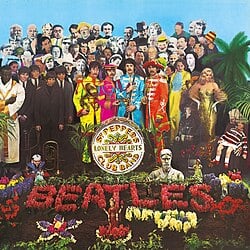
The album as a complete artistic object, not a collection of singles.
EMI Studios, December 1966 to April 1967. Producer George Martin. Twenty-five thousand pounds, which in modern money is roughly four hundred thousand. There is an argument that The Mothers of Invention's Freak Out! (1966) is the technical first concept album, and an honourable argument that The Beach Boys' Pet Sounds (1966) was a more aesthetically unified record than Sgt. Pepper's. Both are true. Sgt. Pepper's is here because it is the moment the album, as a commercial format, stops being a collection of singles and B-sides plus filler and starts being a single artistic object that critics, listeners, and the record industry treat as the unit of work. Everything from the gatefold sleeve, to the cover concept (Peter Blake's tableau of cardboard cut-out cultural figures), to the cross-fades between tracks, to the reprise structure, was either invented or canonised here. The session for the final track's orchestral overdubs was, by Beatles standards, an avant-garde happening: dinner jackets, fancy-dress props, seven handheld cameras, the band members helping shoot the film. After Sgt. Pepper's, every serious rock record had to think about whether it was an album. The format we now take for granted starts here.
Lineage: Pet Sounds gets re-evaluated, The Who's Tommy, every prog-rock concept album of the 1970s, Pink Floyd's The Wall, To Pimp a Butterfly, Lemonade, Channel Orange.
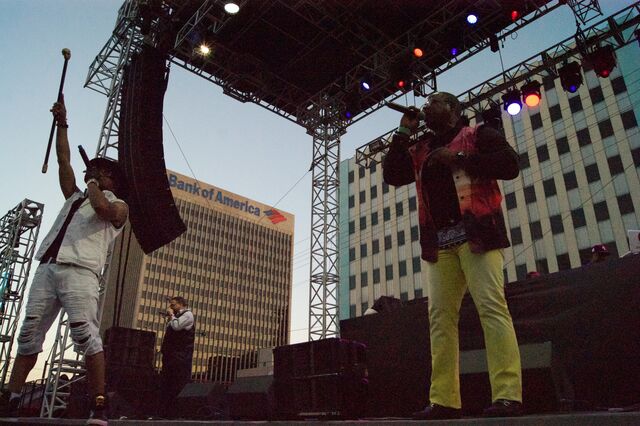
Rapper's Delight
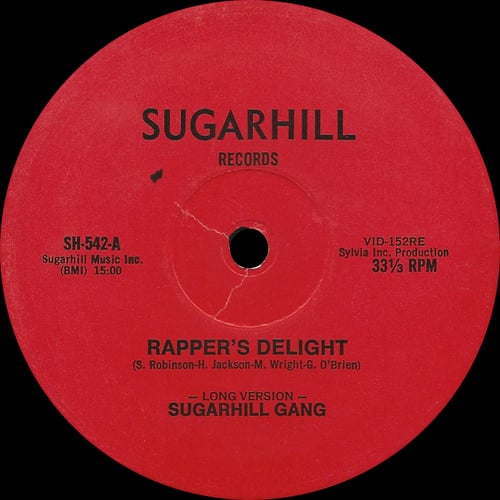
Hip-hop's working commercial format arrives in a single fifteen-minute take.
Sugar Hill Records, 2 August 1979. Sylvia Robinson producing, the Sugarhill house band re-recording Bernard Edwards's bass line from Chic's "Good Times" rather than sampling it, because the technology to sample cleanly wasn't there yet and because Robinson wasn't taking chances on her copyright. Three young rappers, including Big Bank Hank, whom Robinson reportedly discovered at a pizza parlour in New Jersey where he was working the door. Fifteen minutes in length, recorded in one continuous take. Rapper's Delight was not the first rap recording, technically. The Fatback Band's "King Tim III (Personality Jock)" predates it by a couple of months. What Rapper's Delight was, was the first rap record to actually function in the marketplace, the first record that mainstream radio could not ignore, the first record where the form, the format, the persona, the rhyme structure, and the commercial framework that hip-hop would build itself on over the next forty-five years all arrived as one package. Chip Shearin, the bass player on the session, has said in interviews that he played for fifteen minutes straight, was paid seventy dollars, and was seventeen years old. Whatever the precise truth of that, the record was the genuine arrival.
Lineage: every commercial rap recording ever made, which is to say, the whole genre as a working industry.
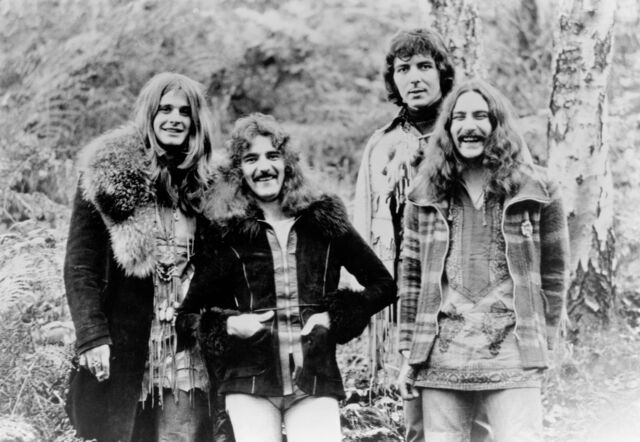
Black Sabbath
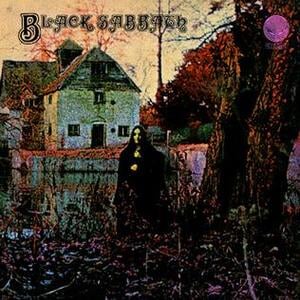
Twelve hours. One session. The three tritone notes that started everything heavy.
Regent Sounds Studios, Denmark Street, London, 16 October 1969. Twelve hours. One session. Producer Rodger Bain pressing record while the band played their live set in front of the microphones. Tony Iommi, the guitarist, had lost the tips of two fingers on his right hand to a factory press in his teens and had compensated by detuning his guitar to slacken the strings, which is part of why heavy metal sounds the way it does. Halfway through the session, his Fender Stratocaster's pickup gave out and he switched to a Gibson SG that he played upside down, being left-handed, and kept playing that way for years. The opening track starts with the sound of rain and a church bell, then Iommi plays three notes on the tritone, the medieval interval that the Catholic Church reportedly called diabolus in musica. Before those three notes, heavy metal didn't exist as a coherent genre with a name and a sound. After them, it did. The album was released on Friday 13 February 1970, was savaged by reviewers, and went on to be one of the most influential debut records in the history of recorded music. The cover features a cloaked figure photographed at a watermill in Oxfordshire. The model's identity was unknown until 2020.
Lineage: every metal subgenre, all of them, plus a heavy chunk of grunge, stoner rock, doom, sludge, half of 1970s prog.
Autobahn
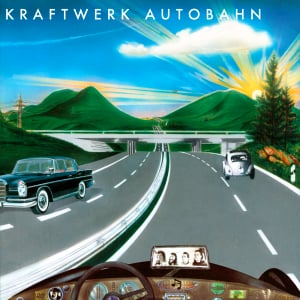
The synth-pop big bang. Most of the music being streamed right now lives downstream of it.
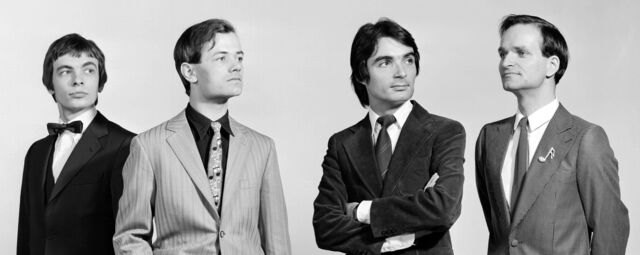
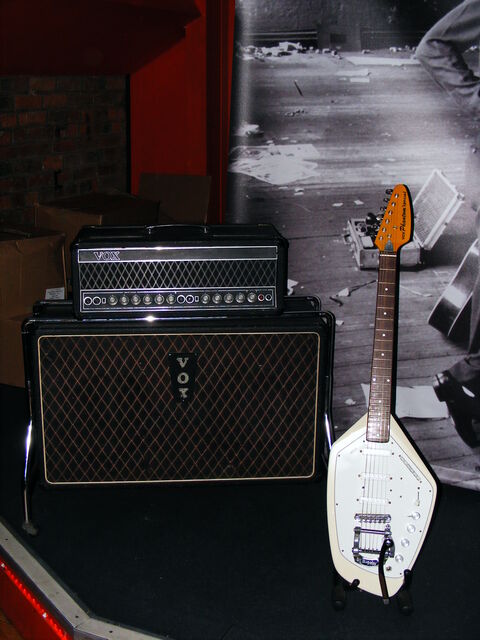
Kling Klang Studio, Düsseldorf, plus Conny Plank's studio in a farmhouse outside Cologne. Producer credit to the band but engineering credit, and a great deal of credit, to Plank, who later told the band's keyboardist Klaus Röder that he wasn't sure what Kraftwerk would have sounded like without him. The equipment: a Minimoog, a Farfisa Rhythm Unit 10 modified to taste, a Vox Percussion King. The result, on the twenty-two-and-a-half-minute title track, was a piece of music that, even now, sounds genuinely indifferent to the conventions of rock. Released November 1974, Autobahn is the moment Kraftwerk transition out of the Krautrock experimental tradition and invent synth-pop, electronic pop, and by extension the entire downstream economy of recorded music as we know it. Without Autobahn, Planet Rock (see #10) does not exist. Without Autobahn, Detroit techno does not exist. Without Autobahn, Daft Punk's Homework (see #18) does not exist. The 808-driven Atlanta rap of the 2010s does not exist. The vast majority of music being streamed worldwide right now does not exist in the form it does. The cover, designed by Emil Schult, shows a stretch of motorway against a German morning sky. The signs above the road are blank. The implication is that the destination is wherever the music ends up taking you. Almost everything you have heard since is somewhere on that road.
Lineage: everything electronic. We mean that literally. Synth-pop, electro, house, techno, trance, hip-hop production from 1982 onward, the entire EDM industry, the way modern pop is produced, the bass on a Drake record, the percussion on a Tyla record, the synths on a Burna Boy record.
You will disagree with this list. That is the entire point of a list. The argument is the product.
A few things to notice on the way out. Notice how often the Year Zero record is not the most famous record in its genre, just the first one to draw the shape clearly enough that everyone could see it. Notice how often it was made on a small budget, in a hotel room or a bedroom or a converted farmhouse, by people who had no idea what they were inventing while they were inventing it. Notice that the British, American, Jamaican, Nigerian, Korean, French, German records on this list keep being part of the same single conversation, which is the actual story of recorded music: not a parade of national scenes, but one long argument across decades and continents about how to make a noise nobody has made before.
If we did this list again next year, three or four entries would change. The point is not the final ranking. The point is the question: which records exist on the other side of an invisible line you can hear, where the genre wasn't there before and was there after?
These are our twenty-five. Send your nominations for what should have made the cut.
Kurtis Delight is a music blog. We write about records that mattered, records that should have mattered, and the occasional record that's so bad it became its own kind of important. New articles weekly. Subscribe to the Vault for early access and a 10% off code for our store.