
New York City, 1960, felt the heavy weight of a federal investigation pressing against the glass windows of the WINS radio station, where investigators watched the broadcast booth with intense focus. The air in the studio smelled of heavy tobacco and the sharp, metallic scent of overheated vacuum tubes, while the agents from the Department of Justice watched every move. These investigators sought to uncover the truth behind Billboard Top 10 industry deals that manipulated the charts through bribery. They saw Alan Freed spin records using payments that bypassed the public ear to reach the pockets of influential disc jockeys. The investigation revealed a system where cash dictated the rotation of the airwaves, and labels handed envelopes to DJs to ensure their specific artists received the heavy rotation necessary to trigger listener interest.
The 1960 crackdown on WINS revealed a world where money controlled the American consciousness. This practice, known as payola, created a distorted reality for anyone tracking the success of a single. The federal government eventually crushed these overt payments, but the underlying mechanics of influence never truly vanished. The industry found much quieter ways to direct the flow of attention toward preferred artists. The core objective remained the same, which was to manufacture the appearance of organic popularity through concentrated effort. The mechanics of the deal simply became harder to track through a simple audit.
The Ghost of 1960: Payola and the WINS Scandal
Alan Freed operated within a framework where the music was secondary to the transaction. The 1960 federal investigation targeted the very foundation of radio influence, exposing how WINS and other stations accepted payments for airplay. This scandal did not just hurt individual DJs, but it also fundamentally altered how labels approached the concept of promotion. While the era of literal envelopes of cash ended, the industry shifted its focus to more sophisticated arrangements. The goal moved from buying a single spin to securing a massive, coordinated presence across multiple platforms. The ghost of payola remains in the way modern labels negotiate for visibility.

Radio programmers at the time controlled the gates of the American consciousness. If a DJ played a track every hour, the public assumed the song possessed some inherent magic. The WINS scandal proved that this magic often came from a ledger than a melody. Even after the government tightened its grip on direct bribery, the power of the airwaves remained concentrated in a few hands. Labels continued to find ways to influence the rotation of their artists, often through marketing budgets that functioned as a legal version of the old payola system. The impact of this shift changed the way we view the legitimacy of any chart position.
The legal fallout from the 1960 investigation forced a change in how labels communicated with stations. They could no longer openly discuss payments for airplay, so they invented the concept of promotional support. This support included everything from sponsored events to massive advertising campaigns that funded the very radio stations playing the music. The music changed, but the way the industry used its resources to tilt the playing field stayed consistent. We see the echoes of the WINS scandal every time a major label pours millions into a campaign designed to dominate the airwaves. The scale of the WINS investigation forced the industry to professionalize its manipulation.
"The music was the product, but the airplay was the prize, and the prize was often bought in the backrooms of New York radio."
No longer could a single DJ decide the fate of a record based on a weekend's worth of bribes. The industry moved toward a model of mass-market saturation that required much larger investments. This transition moved the power away from the individual gatekeeper and into the hands of corporate entities. The scale of the influence expanded, making the manipulation of the charts a much more complex and much harder task for regulators to identify. The foundation of the modern chart era rests on this shift from individual greed to corporate strategy.
The Big Three and Billboard Top 10 industry deals
Universal Music Group, Sony Music Entertainment, and Warner Music Group hold the keys to the kingdom. These three entities, often called the Big Three, control a massive portion of the global music market. Their influence extends far beyond simply owning copyrights or distributing albums. They possess the resources to dictate which artists receive the highest level of promotional attention. When a label within this trio decides to push a track, they can coordinate efforts across streaming, radio, and social media simultaneously. This level of coordination makes it nearly impossible for independent artists to compete on equal footing.

IHeartMedia controls the terrestrial radio network that remains essential for chart longevity. If an artist cannot secure rotation on iHeartMedia stations, their ability to reach a mass audience in the United States vanishes. The Big Three labels maintain deep relationships with these radio giants, ensuring their flagship artists receive the airplay points required for the Billboard Hot 100. This relationship creates a closed loop where the most powerful labels use their capital to secure the most powerful airwaves. The resulting chart reflects the strength of these corporate partnerships than purely the preferences of the listening public. It is a system designed for stability and dominance.
The sheer volume of market share held by these three companies prevents a true meritocracy from forming. When one company owns the rights to the majority of popular hits, they also control the visibility of those hits. They can prioritize certain releases while letting others languish in the archives. This control allows them to manage their internal competition and maximize the impact of their most profitable stars. The Billboard Top 10 becomes a reflection of these strategic deployments of resources. It is less about which song is the best and more about which song has the most support from the dominant players.
The infrastructure of the music industry favors those who can afford the most expensive campaigns. A major label can hire specialized agencies to manage digital placement and radio promotion with surgical precision. This coordinated attack ensures that a single release hits every critical metric at the same time. An independent artist, lacking such a massive budget, struggles to achieve even a fraction of this impact. Industry deals between the Big Three and major broadcasters create a barrier to entry that artists cannot breach. The charts, therefore, often represent the success of the strategy than the success of the song.
Manufacturing Charts with Vinyl Variants
Taylor Swift released Midnights in 2022 through Republic Records, demonstrating a masterclass in chart manipulation. She did not just release an album, but she released a collection of different physical products designed to drive sales. Each version of the vinyl featured different covers or exclusive bonus tracks that encouraged fans to purchase the same music multiple times. This strategy multiplied the sales count for a single release, inflating the numbers on the Billboard 200. The strategy relied on the intense loyalty of a fan base that wants to own every piece of the era.

Billboard changed its rules in 2020 to address the issue of merchandise bundles. Previously, labels could pair a vinyl record with a t-shirt or a poster to count the entire bundle as an album sale. This allowed a single purchase to look like multiple units on the charts, which heavily favored artists with large, dedicated fan bases. While the 2020 regulation change stopped these direct bundles from counting, the industry simply adapted. The focus shifted from bundling items with music to creating multiple, distinct versions of the music itself. The strategy of using variants remains a potent tool for securing a massive first-week debut.
Republic Records utilized these variants to ensure Midnights dominated the charts from the moment of its release. By offering several different colored vinyl pressings, the label incentivized collectors to buy every available option. Each sale counted as a full unit toward the Billboard 200 position, creating an artificial spike in the album's popularity. This is not a secret, but it is a highly effective way to manufacture a massive number. The music itself is excellent, enough to stand enough to stand alone, but the way the physical product was structured was a calculated business move. It turned a single album release into a multi-pronged retail event.
Physical sales still play a massive role in the digital age. Even as streaming dominates, the sheer weight of physical sales can overwhelm the streaming numbers of an artist. A dedicated group of fans buying five different versions of a record can generate more impact than millions of casual streams. This creates an environment where the most collectible artists have a significant advantage in the rankings. The industry deals surrounding physical distribution are designed to reward this type of high-value consumer behavior. It turns the act of buying music into a competitive sport for the most loyal followers.
The TikTok Era: From Old Town Road to UMG's Exit
Lil Nas X changed the rules of the game in 2019 with "Old Town Road" on Columbia Records. The song utilized TikTok-driven momentum to climb the charts and eventually spend 19 weeks at number one on the Billboard Hot 100. This success proved that a viral moment could bypass traditional gatekeepers and create a massive, global hit. However, this new era of influence brought its own set of complex industry deals and legal battles. The success of a viral hit often depends on the ability of a label to capture that momentum and turn it into sustained chart presence.
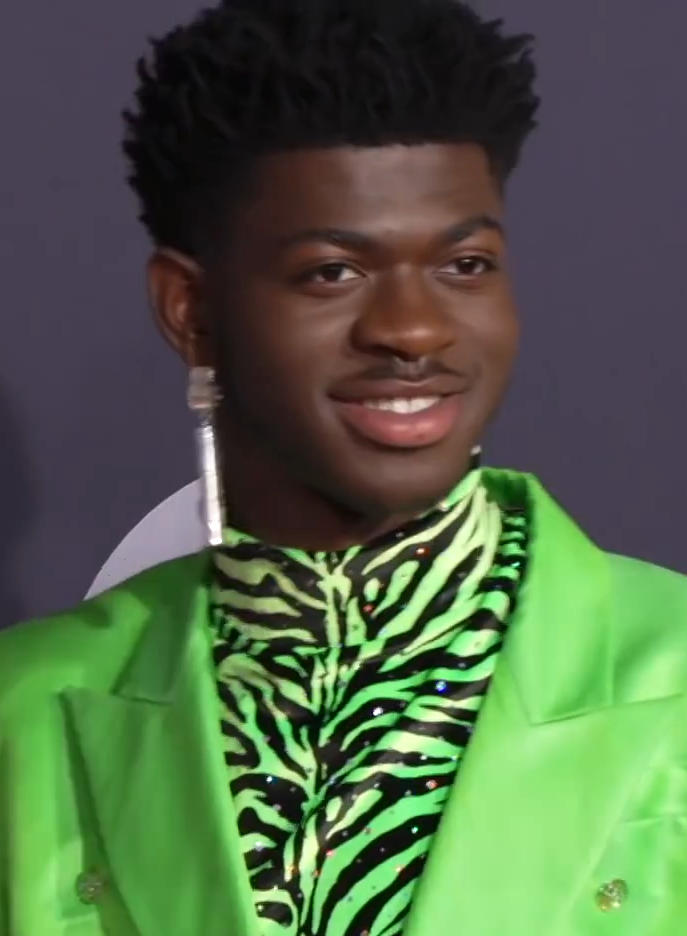
The relationship between TikTok and the music industry reached a breaking point in 2024. Universal Music Group engaged in a high-profile licensing dispute that led to the temporary removal of their entire global catalog from the platform. This move showed the immense power that the Big Three hold over the digital arena. Without UMG's catalog, the platform lost access to some of the most popular music in the world. This dispute was not just about royalties, but it was about the terms of influence in the digital age. It demonstrated that even the most powerful platforms are vulnerable to the leverage held by the major labels.
TikTok provides a platform for rapid, organic discovery that can disrupt the established order. A fifteen-second clip can turn an unknown artist into a global superstar overnight. This creates a chaotic environment for traditional labels, who must now scramble to react to trends they did not create. Yet, the labels have found ways to integrate this chaos into their existing promotional models. They use the platform to seed trends and amplify specific sounds, effectively turning a grassroots tool into a marketing engine. The line between organic virality and manufactured trend has become increasingly blurred.
The 2024 UMG/TikTok standoff revealed how fragile the digital ecosystem remains. When the music disappeared, the users felt the loss, but the labels were playing a much larger game of economic leverage. They were fighting for a better share of the revenue generated by the massive amounts of data and attention these platforms provide. The outcome of such disputes will dictate how much control labels can exert over the next generation of hits. The era of "Old Town Road" showed the potential of the platform, but the UMG dispute showed the power of the owners. We are watching a struggle for the very soul of music distribution.
Algorithms and the War Against Bot Farms
Spotify introduced a feature called "Discovery Mode" in 2020 that changed the nature of streaming promotion. This tool allows labels and artists to accept lower royalty payouts in exchange for better algorithmic placement in Radio and Autoplay. In effect, it is a digital version of the old payola system, where visibility is traded for a piece of the revenue. The algorithm prioritizes tracks that have agreed to this lower rate, ensuring they appear more frequently to listeners. This creates a subtle, but very real, bias in what the world hears on the most popular streaming platform.

Luminate tracks the industry-standard data that monitors millions of illegitimate streams from automated bot farms. These farms use software to simulate human listening patterns, creating fake popularity for specific tracks. This artificial streaming can inflate a song's numbers and push it into the higher tiers of the charts. The battle against these bots is a constant war of attrition between technology and fraud. When a song appears to be trending, it is often difficult to tell if it is a genuine cultural moment or a well-funded bot attack. The integrity of the streaming numbers is under constant threat from these automated systems.
The digital arena feels increasingly manufactured as we move toward the end of the era of organic discovery. The sheer scale of the data makes it nearly impossible for a human listener to identify every manipulation. We rely on platforms that are themselves using the data to drive their own profit margins. The interplay between Discovery Mode and the rise of bot farms creates an environment of uncertainty. It makes the idea of a "hit" feel more like a calculated output of an algorithm than a shared human experience. The numbers may be accurate, but the cause of those numbers is often hidden.
The fight against artificial streaming requires immense resources and constant innovation. Companies like Luminate must constantly update their detection methods to keep up with more sophisticated bot networks. These networks can mimic the behavior of a real user, including skipping tracks and creating playlists. This level of deception makes the job of a chart monitor incredibly difficult. The pressure to maintain the legitimacy of the Billboard charts is immense, as any loss of trust could damage the entire industry. The war for the truth in the digital age is being fought one stream at a time.
The High-Frequency Release Model
Atlantic Records utilizes a high-frequency release model to maintain a constant presence in the streaming era. Artists like Jack Harlow frequently release singles and tracks to ensure high streaming volumes and a continuous presence on the charts. This model relies on the idea that more content leads to more data, which leads to more algorithmic visibility. It is a relentless cycle of production and promotion that requires a massive amount of creative output. The goal is to never let the listener move on to a competitor's track.
This strategy turns the artist into a content creator who must satisfy the hunger of the algorithm. The pressure to release new music constantly can lead to a thinner quality of songwriting. However, the economic benefits of staying in the rotation are too great for most labels to ignore. By flooding the market with content, Atlantic ensures that their artists are always part of the conversation. This high-frequency approach makes it very difficult for any other artist to gain a foothold in the top tier of the charts. The sheer volume of content acts as a barrier to entry for those without a constant stream of releases.
The streaming economy rewards the frequent over the profound. A single, massive album release can be quickly forgotten if it is not followed by more content. This creates a culture of "singles-driven" music that favors the rapid-fire release schedule. The industry has moved away from the era of the carefully crafted, long-form album toward a model of constant, digestible snippets. This shift is driven by the need to stay relevant in an arena where attention spans are shrinking. The charts reflect this reality, favoring artists who can maintain a steady, unceasing stream of new data.
The pressure on the artist to perform this way is immense. It requires a level of productivity that was unheard of in the era of physical media. The creative process is no more about waiting for inspiration, but about meeting a release schedule. This constant demand for new content creates a cycle of consumption that is both exhausting and incredibly profitable. The Billboard Top 10 is the ultimate scoreboard for this high-stakes game of musical attrition. The winners are not always the most talented, but they are the ones who never stop releasing.