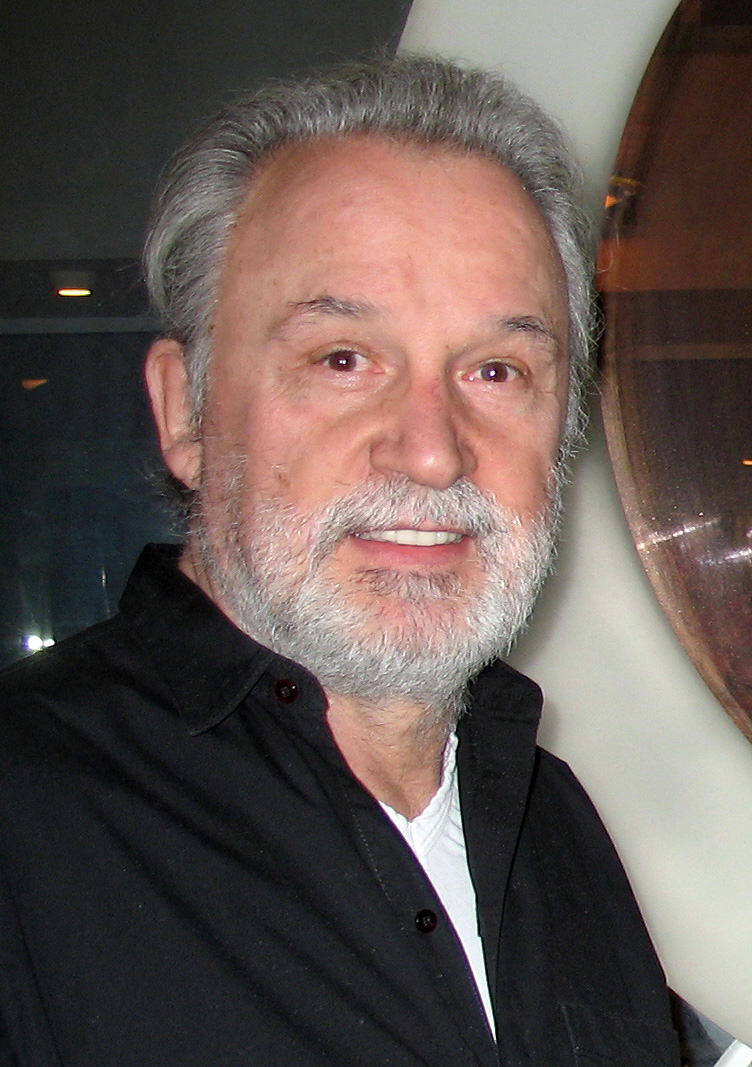
Munich air felt heavy with the scent of expensive tobacco and ozone in 1977. Inside the walls of Musicland Studios, Giorgio Moroder adjusted the patch cables on a massive Moog modular system. This machine occupied an entire corner of the room. Its tangled wires looked like a nest of black snakes.
Moroder sought a specific, repetitive pulse for Donna Summer's new track. He wanted a sound that would shift the foundations of pop music. This era began the 1977 Casio Keyboard Revolution. High-cost barriers to electronic music began to crack during these months. While Moroder used million-dollar equipment to craft "I Feel Love," a different change happened in much smaller rooms.
The Moog modular system cost more than most musicians earned in a decade. Engineers struggled to patch the oscillators and filters to keep the pitch from drifting. This task required constant, exhausting attention. Moroder used this expensive technology to create a hypnotic, driving sequence. The track felt like a heartbeat.
The song relied on a locked, electronic pulse. This pulse bypassed the need for a human drummer. This specific sound set a standard for high-end disco production in the late 1970s. It was a luxury sound. It stayed far from the reach of the average kid in a basement.
"It was a very strange feeling, to hear a machine playing a part that was so human," Moroder said regarding the session.
The studio environment in Munich remained a closed loop for the elite. Only producers with massive labels and deep pockets could afford the voltage-controlled oscillators and sequencers required for such precision. The music sounded expensive because the gear was expensive. This tension between high-end studio machines and emerging low-end technology defined the next five years of pop music. The gates remained closed, but the first cracks appeared in the hardware itself.
The Moog 55 and the Price of Precision
Giorgio Moroder pushed the limits of the Moog 55 modular system during those Munich sessions. He focused on the interaction between the sequencer and the synthesizer's voltage-controlled filters. He searched for the perfect resonance. The result was a track that felt like a machine.
It possessed a strange, driving energy. Donna Summer's vocals floated over this mechanical foundation. She provided a human element to the synthetic pulse. The engineers at Musicland worked hard to balance the heavy, oscillating low end with the bright, percussive elements. This balance required precise tuning and immense technical skill.
The production of "I Feel Love" relied on the stability of the Moog's oscillators. If the temperature in the studio changed, the pitch would drift. This drift ruined the hypnotic loop.
Moroder spent hours managing these technical hurdles to ensure the sequence stayed locked. This level of control remained impossible on cheaper gear. The high-end production of 1977 relied on massive, heavy, and temperamental analog hardware. It functioned as a playground for the wealthy and the technically gifted.
Musicland Studios provided the perfect laboratory for this experimentation. The studio's acoustic design allowed the heavy, electronic low end to settle without muddying the high frequencies. Engineers used the best microphones of the era to capture the subtle textures of the synthesizers. This professional setting allowed for a level of polish that defined the disco sound. It was a polished, expensive, and highly controlled environment. No one could have predicted that the same electronic energy would soon find its way into much cheaper, plastic instruments.
The Moog 55 modular system specifically allowed for complex signal routing. Standard synthesizers could not match this capability. Moroder could route the output of an oscillator through a secondary filter to create that signature, biting decay. Every knob turn changed the entire architecture of the sound. This complexity meant that a mistake could ruin an entire day of recording. The sheer scale of the equipment demanded a level of dedication that few hobbyists could muster.
The Casio FT-101 and the Bedroom Revolution
The release of the Casio FT-101 in 1977 changed the math for amateur musicians. This small, plastic keyboard arrived with a built-in rhythm section and a set of basic monophonic tones. It lacked the warmth of a Moog.
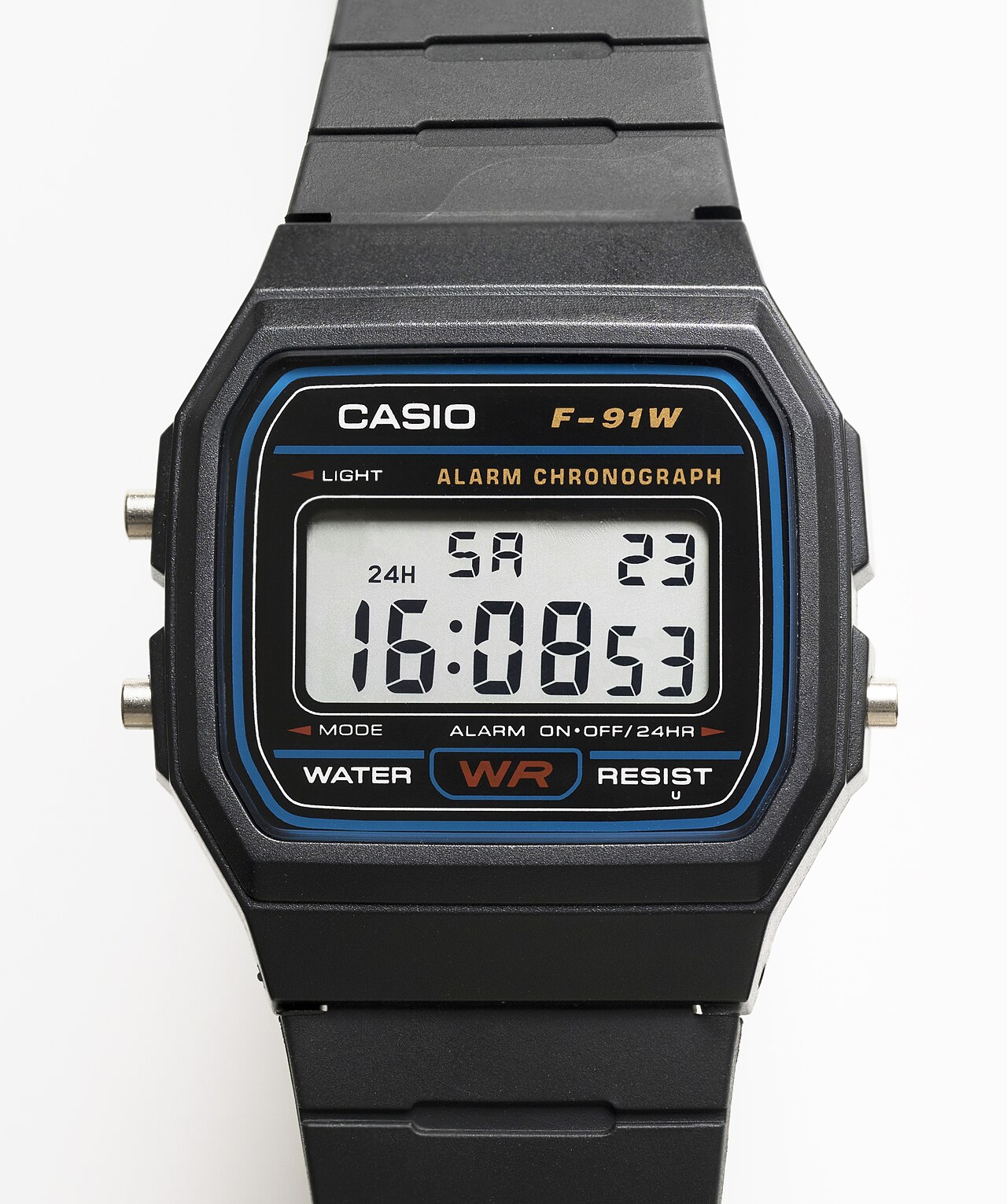
It possessed something much more important: accessibility. A teenager in a small bedroom could now trigger a drum beat and play a melody without needing a professional studio. The FT-101 offered a way to practice and compose without the massive financial burden of professional synthesizers. It brought the concept of electronic music to the masses.
The FT-101 sounded thin compared to the heavy Moog systems used in Munich. Its tones lacked the deep, resonant quality of high-end analog oscillators. They had a sharp, percussive edge. The built-in drum patterns were simple.
They consisted of basic kicks, snares, and hi-hats that mimicked a primitive drum machine. These sounds did not replace a live drummer. They provided a steady, rhythmic foundation for melody experimentation. Musicians used these presets to build song structures in isolation. The instrument served as a tool for the solitary creator.
Casio focused on the ease of use for the casual player. The interface was straightforward. Buttons allowed for quick changes to the rhythm and tone. This simplicity encouraged people to play.
It helped those with no formal musical training. The FT-101 bridged the gap between a toy and a musical instrument. It allowed for a new kind of songwriting. The rhythm became part of the hardware itself. This accessibility threatened the traditional, expensive studio model.
Bedroom musicians used the FT-101 to develop their own melodic ideas. They looped a simple beat and layered basic monophonic lines on top. This process felt much more democratic than the high-stakes sessions at Musicland Studios. The technology was cheap.
The learning curve was low. The possibilities were wide. The FT-101 represented the first wave of a movement that would strip power from the professional studios. It started the decentralization of music production.
Plastic keys replaced the heavy, weighted actions of professional organs. This change allowed for much faster, more repetitive playing styles. A musician could tap out a frantic, sixteenth-note pattern with minimal physical effort. This physical ease encouraged the development of the repetitive, hypnotic melodies that would later dominate the synth-prog era. The cheapness of the instrument meant that players did not fear damaging a precious piece of gear.
Kraftwerk and the Industrial Blueprint
Düsseldorf provided a different kind of electronic vision in 1977. Kraftwerk released their album Trans-Europe Express that year. They utilized custom-built synthesizers and sequencers. They did not use the cheap, preset-heavy Casio models. They shared the same obsession with mechanical precision.
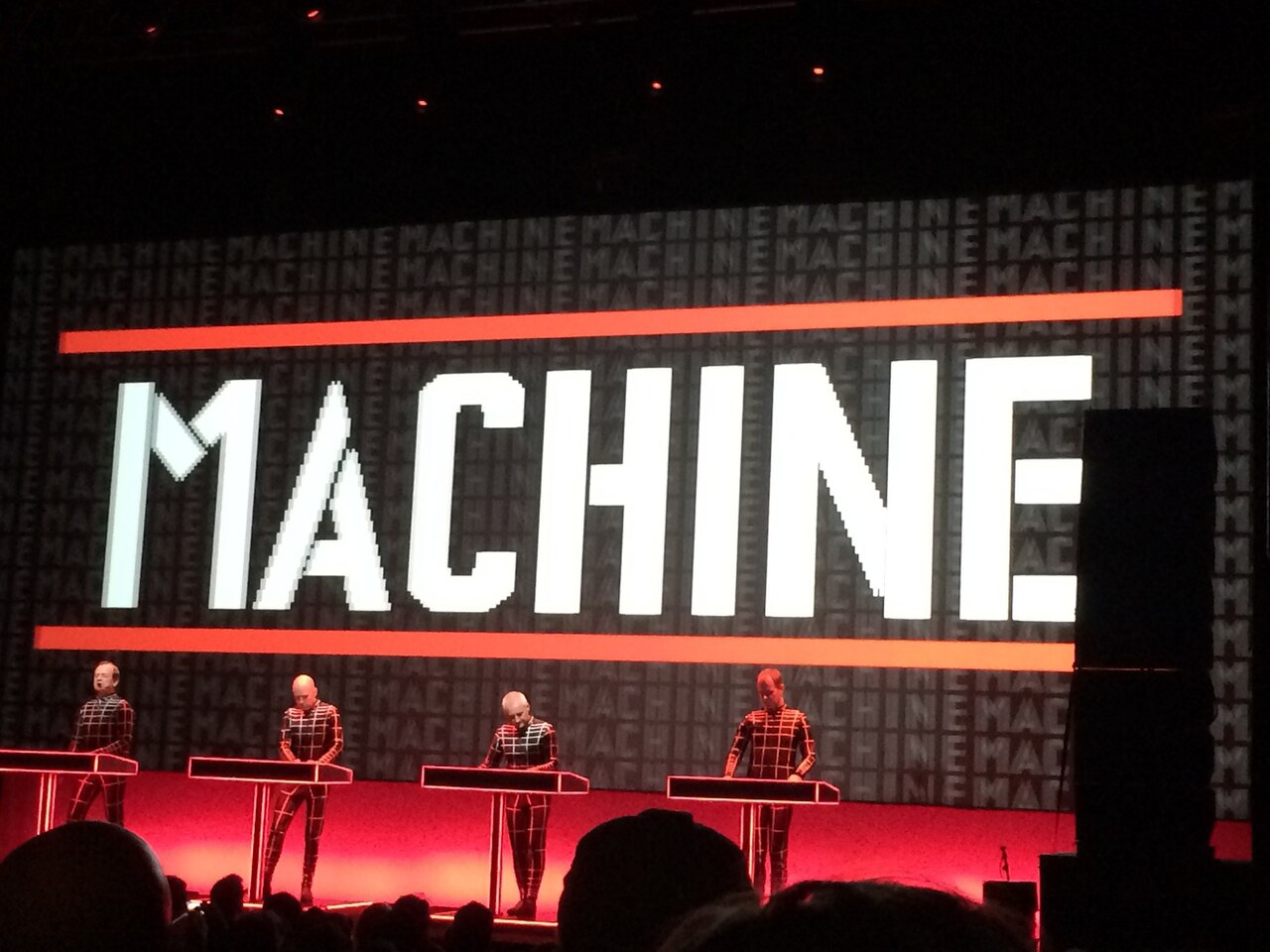
Their music used a rigid, mechanical rhythmic template. It felt like a factory line. The sounds were cold and precise. They lacked the warmth found in blues-based rock. They used technology to create a new, artificial identity for German pop.
The production of Trans-Europe Express involved complex, custom-made sequencers. These machines allowed for perfectly timed, repetitive patterns. These machines did not rely on human feel. This gave the music a robotic quality.
The tracks featured metallic, percussive hits and synth lines. They moved with the precision of a clock. This approach removed the drummer from the center of the arrangement. It replaced the organic swing of a heavy kit with the unshakeable timing of a programmed loop. Kraftwerk made the machine the star of the show.
The album's sound departed from the psychedelic, improvisational textures of the early 1970s. It was a calculated, structured, and heavily programmed affair. They used synthesizers to mimic the sounds of trains, whistles, and industrial machinery. This use of technology to reflect the modern, industrial world stood in contrast to the escapism of disco. While Moroder used synths to create a danceable fantasy, Kraftwerk used them to document a mechanical reality. Both approaches relied on the power of the sequence.
Ralf Hütter and Florian Schneider worked tirelessly to refine these electronic textures. They avoided the flamboyant solos common in progressive rock. Instead, they focused on the repetition of a single, perfect loop. This focus on the loop changed how composers thought about song structure. A song no longer needed a bridge or a middle eight to be effective. It only needed a compelling, mechanical rhythm that could sustain interest for minutes on end.
London, New York, and the DIY Clash
London and New York in 1977 boiled with the energy of punk and the early stages of new wave. The financial accessibility of Casio hardware allowed DIY artists to replicate expensive studio effects on a tiny budget. A band in a London squat could afford a Casio keyboard.

They could not afford a Moog. This allowed them to introduce electronic textures into the raw, aggressive sound of punk. They used these cheap keys to add a layer of artifice to their aggressive, stripped-down compositions. The gear was plastic, but the ambition was massive.
The 1977 UK Singles Chart showed a clear shift in musical ingredients. Traditional R&B and rock instrumentation began to share space with these new, electronic elements. You could hear the influence of the electronic pulse in the more experimental, art-punk tracks of the era.
These bands did not look for the polished sheen of disco. They wanted the edge that electronic textures provided. They used the cheap, monophonic nature of the Casio to create sharp, biting melodies. It was a way to sound modern without having the money of a major label artist.
New York artists used similar tactics to bridge the gap between underground art and the pop charts. The cost of renting a studio in Manhattan was prohibitive for most. The keyboard became a portable studio. Musicians composed entire tracks on a Casio and then brought those ideas to a professional setting.
This workflow changed how songs were written. It moved the creative process away from the band rehearsal and into the private room. The keyboard was a tool for the penniless. It provided a way to compete with the giants.
The financial reality of the music industry changed. The era of the massive, expensive studio session faced a challenge from the era of the solo creator. The cheap, preset-heavy nature of the hardware allowed for a rapid-fire production of new ideas.
Artists experimented with different rhythms and tones without the pressure of an expensive hourly studio rate. This democratization of technology fueled the rapid evolution of the new wave sound. The keyboard was no longer just an instrument. It became a way to bypass the traditional gatekeepers.
London clubs like The Roxy provided the testing ground for this new, electronic-infused punk. Bands arrived with cheap, buzzing synthesizers that clashed violently with distorted guitars. This sonic friction created a tension that defined the era. The lack of professional production added to the grit and the urgency of the performances. It was a sound that thrived on its own limitations.
The Pocket Revolution of the VL-1
The late 1970s saw a fundamental change in how percussion functioned in pop music. The transition from the organic, live drumming of the early 1970s to the quantized, preset-driven beats of the late 70s drove by affordable electronic percussion. Producers wanted a level of consistency that a human drummer could not always provide. The availability of cheap, electronic drum sounds allowed for a more rigid, danceable rhythm. This change did not replace the drummer. It added a new, mechanical layer to the groove.
The 1978 release of the Casio VL-1 provided a pocket-sized way for musicians to experiment with melodies outside of professional studios. This was the world's first VL (Voice Lab) synthesizer. It was incredibly small. It sat on a tabletop or even in a pocket.
This made it the ultimate tool for the mobile musician. The VL-1 offered a way to carry a primitive, electronic orchestra everywhere. It allowed for the spontaneous creation of melodies in parks, bars, or on the subway. This portability changed the very nature of musical inspiration.
The sounds of the VL-1 were even more basic than the FT-101. They consisted of tiny, lo-fi approximations of real instruments. These sounds were not meant for high-fidelity recording. They were perfect for sketching out ideas. They had a certain charm.
They had a certain grit that suited the emerging, lo-fi aesthetic of the era. Musicians used these tiny, electronic bleeps to build the foundations of what would become synth-pop. The technology was small. Its impact on the songwriting process was huge. It brought the studio to the street.
This shift toward preset-driven beats altered the DNA of pop music. The swing of a live drummer met the unyielding, quantized grid of the machine. This made the music easier to dance to. The rhythm never wavered.
It also made the music easier to layer. Every beat landed exactly where it was programmed to. The era of the human error met the era of the programmed perfection. It was a move toward a more controlled, more predictable, and more electronic sound.
The VL-1's tiny speakers produced a thin, tinny sound. It lacked any real depth. However, this lack of depth forced musicians to focus on melody and rhythm than texture. A composer could not hide a weak melody behind a lush, orchestral arrangement. The limitations of the hardware demanded strong, catchy hooks. This necessity helped shape the earworm-driven pop of the coming decade.
Nile Rodgers and the Electronic Bridge
Nile Rodgers used the intersection of funk and the new electronic era to create a massive, global sound. In 1979, his work with Chic, specifically on hits like "Good Times," bridged the gap between traditional groove and the electronic pulse. He utilized specific rhythmic guitar and keyboard patterns.

They felt both organic and highly disciplined. The bassline of "Good Times" hits like a heavy weight. It provides a deep, funky foundation. Rodgers combined the precision of the new electronic era with the deep, soulful roots of funk.
The production of "Good Times" involved a tight, interlocking relationship between the guitar and the rhythm section. The guitar parts were clean, rhythmic, and extremely precise. They mirrored a programmed sequencer. This precision allowed the track to work in both a funk club and a pop radio setting.
Rodgers did not use the cheap Casio sounds. He adopted the mindset of the electronic era. He looked for a level of rhythmic discipline that mirrored the machines. He brought the groove into the age of the sequence.
Producer Trevor Horn would later utilize these foundational electronic textures in his work with The Buggles on the 1979 track "Video Killed the Radio Star." The track used a mix of bright, pop melodies and early, electronic production techniques. It captured the transition from the era of the radio star to the era of the music video. The use of electronic textures in this track showed how the ideas of the late 70s were being refined for the 1980s. Horn took the raw, electronic energy of the late 70s and polished it for a global audience. The bridge was complete.
The evolution from the Moog at Musicland to the Nile Rodgers groove was a full circle. It began with an expensive, inaccessible machine. It ended with a global pop language that anyone could use.
The technology moved from the hands of the elite to the hands of the innovators. The cheap, plastic keyboards of the 1977 Casio era paved the way for the total electronic takeover of the 1980s. The revolution was no longer just about the sound. It was about who owned the tools to create it.
The legacy of 1977 remains in every quantized beat we hear today. The ability to create, to experiment, and to release music without a massive budget started with those first, cheap, electronic pulses. The music changed from something that happened in a controlled studio to something that happened in the hands of anyone with a dream and a small, plastic keyboard. The era of the machine had arrived, and it was far more accessible than anyone had ever imagined.