September 1969 brought a heavy, humid heat to the Abbey Road Studios control room, where the air tasted of stale tea and old magnetic tape. London session musicians moved through these corridors with a quiet, practiced confidence, carrying the weight of a dozen different hits in their heavy instrument cases. They knew exactly which microphone to grab and which engineer would tolerate a late arrival. This era of professional recording relied on a hidden network of expertise, a group of players who could walk into any studio and find the right frequency within minutes. These musicians provided the foundation for the most famous recordings in history, creating a standard of excellence that defined the British sound for decades.
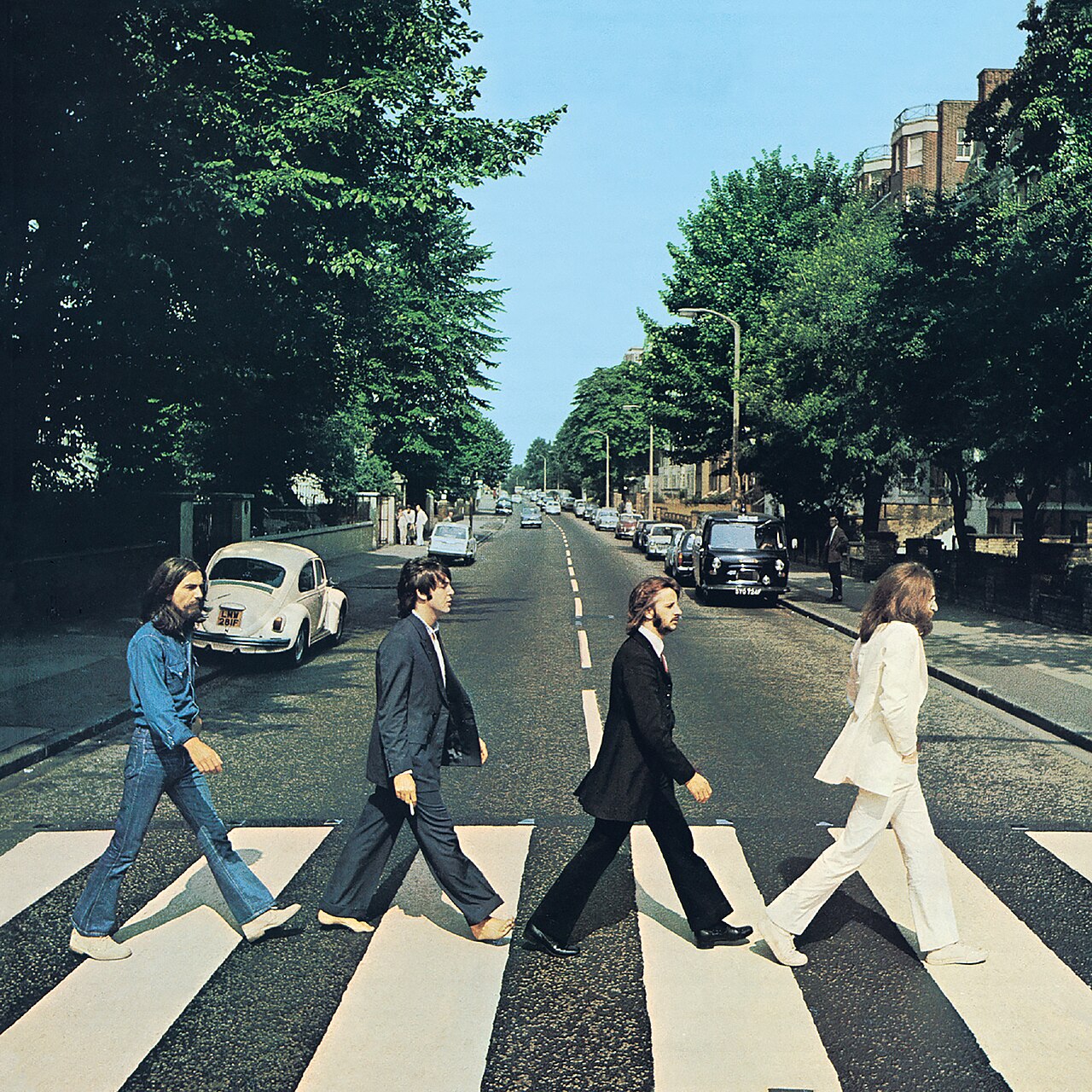
Studio Two at Abbey Road held a specific kind of magic during the sessions for the Beatles' Abbey Road album. The room felt vast yet controlled, providing a space where the heavy, rhythmic pulse of the drums could anchor a track. Producer George Martin sat behind the REDD.51 valve mixing console, a custom piece of EMI engineering that provided a warm, thick texture to every signal passing through its circuits. This desk, with its glowing vacuum tubes and large, tactile knobs, allowed Martin to shape the sound of a generation. He understood how to use the desk to glue the instruments together, creating a cohesive unit that felt larger than the sum of its parts.
Engineer Geoff Emerick changed the way people heard drums by experimenting with microphone placement in that very room. He pushed microphones close to Ringo Starr's kit, a technique that captured the raw, physical impact of every strike. On "Lucy in the Sky with Diamonds," this approach produced a compressed, punchy sound that made the percussion feel like it much was happening right in front of your face. The drums did not just sit in the back of the mix, because the close-miking technique brought the transients to the forefront of the listener's ear. This aggressive approach to recording broke the polite, distant traditions of earlier decades, bringing a new, visceral energy to the studio floor.
"Lucy in a sky with diamonds, take me down, take me down to the taxman."
The EMI standard dictated a certain level of discipline, yet the players always found ways to inject their own character into the tracks. Musicians like drummer Clem Cattini, who played on hits for The Tornados and The Dubs, brought a steady, professional hand to the London scene. These players built the rhythmic foundation that allowed lead singers to shine. They understood the unspoken rules of the studio, such as the importance of a clean take and the necessity of following the producer's vision. Their ability to adapt to different genres, from pop to rock, made them the most valuable assets in the London recording industry.
Trident Studios and the Glam Shift
Trident Studios offered a different atmosphere than the rigid, institutional feel of Abbey Road during the 1970s. Located in Soho, this studio felt much more intimate, its small rooms and dense wiring encouraging a hungry, experimental energy. David Bowie found a home here while recording much of The Rise and Fall of Ziggy Stardust and the Spiders from Mars. The space allowed for a certain level of chaos, a place where musicians could push against the edges of the existing pop structure. It was a studio built for the era of glitter and grit, where the lighting was dim and the ideas were loud.
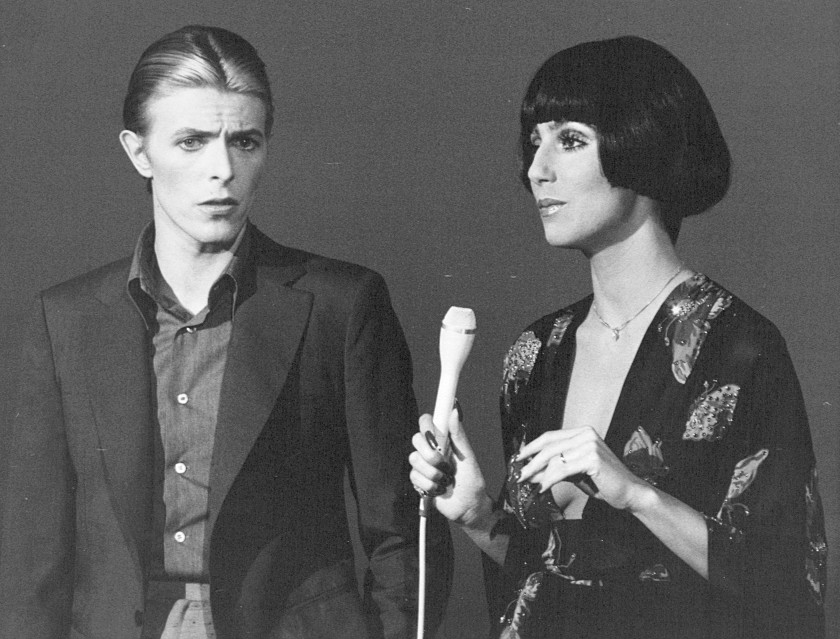
The engineers at Trident mastered the art of capturing the theatricality of the glam rock movement. They used the studio's unique acoustics to create a sense of drama, placing instruments in ways that emphasized the theatricality of Bowie's persona. The sound often cut through the radio airwaves with a bright, biting intensity. This shift away from the polished, polite sounds of the mid-sixties allowed for a more aggressive, character-driven style of production. The studio itself became a participant in the performance, helping to construct the myth of the rock star.
Musicians moving between Trident and other London spaces brought a sense of shared knowledge, a way of teaching each other the new tricks of the trade. They learned how to use compression to make a guitar snarl and how to use reverb to make a vocal feel like it was floating in a void. The studio became a laboratory for the 1970s, a place where the edges of rock and roll were constantly being tested. This era of session work relied on a shared language of gear and technique, a way of communicating through the very texture of the recorded sound.
The players at Trident often appeared younger and more experimental than the veterans of the EMI era. They did not fear breaking the rules or suggesting a different, weirder approach to a song. This openness to experimentation helped drive the evolution of the London sound, moving it away from the structured pop of the sixties and toward the more complex, layered arrangements of the seventies. The studio provided the playground, but the musicians provided the daring ideas that made the era so memorable.
The Heavy Crunch of London Studios
London's recording spaces in the early 1970s began to accommodate a much louder, more aggressive style of playing. The rise of hard rock demanded studios that could handle massive volume without losing the clarity of the individual instruments. John Entwistle of The Who acted as a master of this, often bringing his Fender Precision Bass through a massive Hiwatt amplification setup. The sound of that bass hit like a heavy weight, a thick, low-end presence that could rattle the windows of a studio booth. He played with a precision and a power that required engineers to rethink how they captured low frequencies.
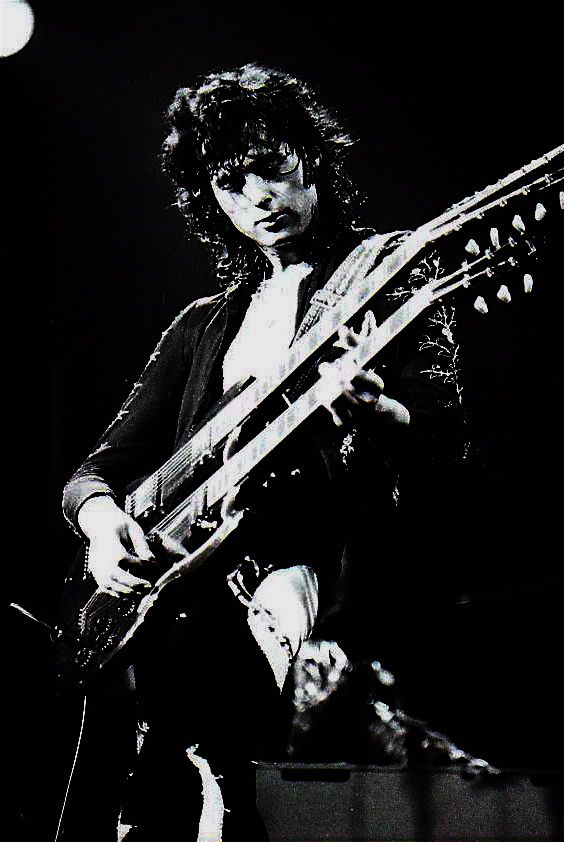
Jimmy Page brought a similar level of intensity to his sessions for Led Zeppelin. During the recording of Led Zeppelin IV in 1971, he relied on a 1959 Gibson Les Paul Standard played through a Marshall 100-watt Super Lead amplifier. The tone felt thick, heavy, and saturated with overdrive, a sound that demanded a very specific type of microphone placement to avoid a muddy mess. The Marshall stacks provided a wall of sound, a dense layer of mid-range grit that defined the heavy rock era. This level of volume required engineers to use much more solid techniques, often pushing the limits of the tape machines themselves.
The gear used during these sessions defined the recorded identity of the era. A guitarist did much more than just play a note, as they played a specific signal chain that included a particular pedal, a specific amp, and a specific microphone. The interaction between the Gibson Les Paul and the Marshall Super Lead created a specific harmonic richness that became the gold standard for rock. This era of London session work focused on the physics of sound, the way a high-wattage amplifier could move air and create a physical sensation for the listener. It was a loud, demanding period that required a new kind of technical proficiency.
Engineers learned how to manage the massive transients of these loud performances. They used heavy compression to control the peaks of the drums and the biting attack of the guitars. The goal involved maintaining the power of the performance without letting the signal clip the tape in an unpleasant way. This era of production focused on capturing the sheer force of the music, making sure that the listener could feel the impact of every power chord and every drum hit. The studios in London became temples to this high-volume, high-intensity approach to rock and many of these techniques still influence how we record heavy music today.
The Fairlight Era and Sarm Studios
The 1980s introduced a cold, digital precision to the London recording scene, centered largely around Sarm Studios. This was the era of the producer as a programmer, where the human element began to merge with the digital grain of new technology. Trevor Horn led this charge, using the Fairlight CMI digital sampler to reshape the very idea of what a computing machine could do for a song. The Fairlight allowed producers to take a single sound, a tiny fragment of a drum hit or a vocal note, and manipulate it into a rhythmic, textured element of a track. This changed the way musicians approached their instruments, as they now played alongside digital ghosts.
Production at Sarm Studios during this time felt incredibly controlled, almost surgical in its accuracy. The Fairlight CMI provided a way to layer sounds with a level of precision that was impossible with analog tape alone. Producers programmed complex, rhythmic patterns that synced perfectly to a click track, creating a sense of robotic, driving energy. This era brought a new kind of discipline to the studio, as the digital clock dictated the tempo of every session. The music became more structured, more layered, and often much more synthetic in its character.
The sound of the 1980s relied on these digital textures, the sharp, biting edges of sampled percussion and the lush, artificial pads of early synthesizers. It was a period of intense experimentation with the boundaries of what constituted a real instrument. Musicians found themselves working with sequences and loops, trying to find a way to inject human feeling into a digital environment. The role of the session player shifted from purely performing to a hybrid of playing and programming, a move that required a deep understanding of the new technology.
Trevor Horn's work during this period changed the way pop music was constructed, moving away from the band-in-a-room approach toward a more layered, producer-driven methodology. The studio became a tool for construction, a place where sounds were assembled like pieces of a complex, digital patchwork. This era of London production focused more on the architecture of the hard track than the raw energy of a live performance. The precision of the Fairlight CMI gave the era a unique, polished sheen that defined the sound of the decade.
Post-Punk Tension and Digital Delay
A darker, more sparse energy emerged in the late 1970s, driven by the tension of the post-punk movement. While many studios chased the polished sound of the 80s, producers like Martin Hannett looked for ways to use space and silence as instruments. Although he recorded much of Joy Division's Unknown Pleasures at Strawberry Studios in Stockport, the influence of the London post-punk scene weighed heavily on his approach. He used heavy digital delay and a sense of cavernous space to create a sound that felt isolated and haunting. The drums did not just hit, they echoed through a vast, empty space of sound.
Hannett's technique involved treating the studio as a physical space that he could manipulate through delay and reverb. He used digital delay to create rhythmic echoes that felt like they were bouncing off distant, unseen walls. This created a sense of claustrophobia and vastness at the same time, a contradiction that matched the lyrical themes of the era. The music stripped back, the layers minimized, and the focus placed on the texture of the individual sounds. This approach used technology to enhance the emotional weight of the performance.
The musicians playing in this era had to adapt to this new, minimalist requirement. They could not hide behind thick layers of distortion or complex arrangements, because the space in theDub mix remained so large. Every note had to be deliberate, and every drum hit had to carry a certain weight. The tension came from the silence between the notes, the way a bass line could drive a track forward without the need for heavy percussion. This was a period where the absence of sound mattered just as much as the presence of it.
This approach to production changed the way engineers thought about the recording process. It moved beyond just capturing a performance and into the world of constructing an atmosphere. The use of delay and reverb became a way of painting a picture of a desolate, urban environment. The studio helped create a sense of dread and uncertainty, reflecting the cultural mood of the time. The London-influenced post-punk sound provided a masterclass in how to use technology to evoke a specific, visceral emotion.
The 90s Britpop Sound
The 1990s brought a return to more melodic, guitar-driven structures, as the Britpop explosion took hold of the UK. Producers like Stephen Street stood at the center of this, working with bands like Blur to craft the sound of the 1994 album Parklife. The production style stayed much more grounded in the traditions of the 1960s, emphasizing clear, bright guitars and strong, melodic bass lines. It was a sound that felt much more human and much less digital than the preceding decade, a move back toward the energy of a live band in a room.
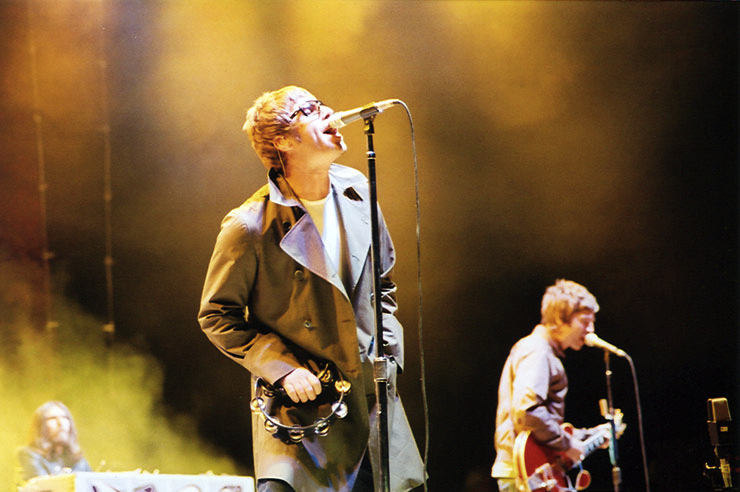
Street's work with Blur utilized a clean, punchy production style that allowed the melodies to stand at the forefront. The guitars had a bright, jangly quality that felt much more accessible than the heavy, distorted tones of the previous years. He used the studio to enhance the pop sensibilities of the songs, ensuring that the hooks were clear and the rhythms were driving. This era of London recording focused on a sense of familiarity, a way of tapping into the shared history of British pop music while still feeling modern and fresh. The production felt polished, but it never felt artificial.
The 1990s session scene drew heavy influence from this return to melody and simplicity. Musicians once again focused on the strength of the song and the clarity of the performance. The studios in London provided the perfect environment for this, with rooms that could capture a bright, energetic sound without the need for excessive processing. This era celebrated the songwriter and the performer, a period where the craftsmanship of the song remained the primary focus of the production process.
Britpop's success relied on a sense of cultural connection, a way of making music that felt like it belonged to the streets of London and beyond. The production reflected this, with a sound that felt both much larger than life and incredibly intimate. It was a period of immense creativity, where the past and the much-needed present came together in a way that felt both effortless and deeply impactful. The legacy of these London sessions remains in the way we understand the relationship between the artist, the producer, and the technology used to capture them.
The story of London session musicians goes beyond a simple list of names and dates, as it tells how technology and talent collided to create something much larger than themselves. Each era brought its own set of tools, from the warm valves of the REDD.51 to the digital precision of the Fairlight CMI, and each era required a new way of playing. These musicians acted as the keepers of the flame, the people who knew how to turn a collection of notes into a cultural moment. They understood the secret handshakes of the studio, the unspoken language of the gear and the room, and they used that knowledge to shape the very sound of modern music.