Discover why original vinyl pressings of classics like Pink Floyd and Miles Davis offer superior dynamic range and warmth compared to modern digital remasters.
10 Vinyl Pressings That Beat Digital Remasters
The needle drops on a 1973 UK Harvest pressing of Pink Floyd's The Dark Side of the Moon, and the room immediately changes. A physical weight fills the air, creating a sense of pressure that the 2011 Steven Wilson remaster cannot replicate despite its technical precision. When the rhythmic, ticking clockwork of "Money" transitions into that iconic, walking bassline, the original analog master breathes. It maintains a wider dynamic range, allowing the sudden spikes in volume to hit the listener with an uncompressed authority that digital files often flatten.
Digital streaming offers convenience, but it often sacrifices the soul of the recording. We live in an era where a single file holds an entire discography, yet the subtle differences between a high-bitrate FLAC and a well-pressed piece of wax remain profound. Finding the best vinyl pressings requires an ear for the imperfections that make music feel alive. The original grooves hold a spatial depth that modern compression tends to erase in the name of perceived loudness.
I remember sitting in a cramped London record shop in the late nineties, staring at a shelf of heavy, thick-sleeved imports. The shop owner, a man who had worked at Abbey Road in the late sixties, told me that digital was just a shadow of the real thing. He was not being a luddite, but rather describing the loss of transient response. When a drum hits, the vinyl captures the decay, the way the sound bounces off the studio walls, and then slowly fades into the silence.
The Problem With the Loudness War
The late nineties and early two-thousands saw the rise of a production philosophy that favored volume over everything else. Engineers began using limiters to squash the peaks of a recording, ensuring that every track played at the same, aggressive level as the next. This era, often called the "loudness war," fundamentally altered how we hear classic rock. If you listen to the 1969 Atlantic pressings of Led Zeppelin's Led Zeppelin II, you hear a different beast entirely. The original vinyl preserves the heavy, low-end punch of John Bonham's drums, a thud that hits you in the solar plexus.
Credit: Wikimedia Commons
In modern digital reissues, that punch often disappears, replaced by a flat, consistent roar that lacks any sense of impact. The kick drum loses its ability to move air, becoming instead a mere rhythmic marker in a wall of sound. It is a tragedy of modern mastering that engineers sacrifice the very transients that define hard rock. You cannot have a heavy groove without the space between the notes, and the loudness war leaves no room for that silence.
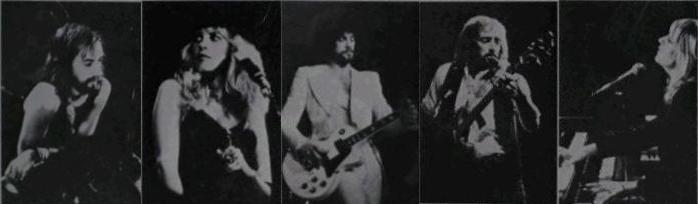
The 1977 Warner Bros. original pressings of Fleetwood Mac's Rumours provide a perfect example of this sonic erosion. The original vinyl retains a mid-range warmth, a certain honeyed quality to the guitars and vocals that feels incredibly intimate. Later, louder digital remasters often flatten this mid-range through heavy limiting, making the album feel sterile and clinical. The harmonies of Christine and Stevie Nicks lose their velvety texture, sounding instead like they are being played through a narrow, metallic pipe.
The loss of dynamics creates an emotional grievance. When the volume stays at a constant peak, the listener's ear becomes fatigued, unable to find any relief from the sonic onslaught. The original pressings allow the music to ebb and flow, creating a tension and release that is essential to the listening experience. Without those peaks and valleys, the drama of the songwriting suffers because of the way the file is delivered.
The Gold Standard of Analog Warmth
Some records require a specific kind of heat to function, a mid-range richness that only analog tape can provide. Marvin Gaye's 1971 masterpiece What's Going On relies on a complex, layered orchestration that demands space. The original Tamla/Motown pressings capture the lush, layered arrangement of those Detroit studio sessions with a more organic texture than modern digital transfers. You can hear the breath in the horns and the subtle separation of the percussion, which feels like it is swirling around your head.
Credit: Wikimedia Commons
Digital transfers often struggle to replicate the way these layers interact, frequently blending them into a singular, muddy mass. The original Motown pressings allow each instrument to occupy its own pocket of the frequency spectrum, providing a clarity that feels natural rather than forced. This sense of depth makes the social commentary of the lyrics feel even more immediate and grounded. The music does not just play; it inhabits the room.
The Beatles' Abbey Road, specifically the 1969 Apple Records pressing, provides another masterclass in the importance of original EQ curves. These pressings utilize the original curves used by EMI engineers, which avoids the harsh, piercing high-end frequencies found in some 24-bit digital remasters. In the digital versions, the cymbals can sometimes bite too hard, creating a sibilance that is genuinely unpleasant at high volumes. On the original vinyl, the high end is smooth, integrated, enough to allow for pleasant, long enough listening sessions.
Listening to the original Apple pressings feels like sitting in the studio during the final mixing sessions. There is a smoothness to the treble that allows the complex vocal harmonies to shine without competing with the percussion. It is a balanced, thoughtful presentation of the band's final studio effort. When the piano enters on "The End," it has a resonant, woody tone that digital compression simply cannot mimic.
The weight of those words relies on the musical resolution of the track, a resolution that is best experienced when the audio is not being crushed. The original Apple pressings provide the sonic breathing room necessary for such a profound statement to land with its full emotional weight.
Finding the Punch in the Low End
Bass and drums are the foundation of almost every great genre, but they are also the most vulnerable to digital manipulation. Miles Davis's Kind of Blue, specifically the 1959 Columbia 6-eye pressings, remains the benchmark for jazz enthusiasts. These specific pressings provide a much deeper soundstage for the trumpet than the compressed digital versions found on most streaming services. When Miles plays a single, lonely note, you can sense the physical space of the room around him.
Credit: Wikimedia Commons
The bass lines of Paul Chambers sit low and firm, providing a rhythmic anchor that feels incredibly three-dimensional. In the compressed digital versions, the soundstage feels collapsed, as if the musicians are playing in a much smaller, much more crowded space. You lose the ability to track the movement of the instruments across the stereo field. The 6-eye pressings allow the listener to map the studio, placing the drums, the bass, and the trumpet in a coherent, physical environment.
Radiohead's OK Computer, specifically the original XL Recordings pressings from 1997, offers a similar lesson in low-end preservation. These pressings preserve the atmospheric, cavernous reverb of the drums, a detail that is often lost in the compressed digital versions released in the late 2000s. On the original vinyl, the drums sound massive, as if they were recorded in a cathedral, with a decay that lingers in the air. The digital reissues often tighten this decay too much, making the kit sound smaller and more clinical.
The percussion on tracks like "Airbag" needs that sense of space to create its sense of disorientation and grandeur. When the digital version truncates the reverb tails, the entire atmosphere of the album shifts from cosmic to mundane. The original XL pressundings maintain the tension between the electronic textures and the organic drum sounds. It is the difference between a vast, open sky and a cramped, airless room.
Intimacy and the Danger of Artificial Brightness
There is a specific danger in modern mastering called "artificial brightness," where engineers boost the high frequencies to make a record sound more "clear." While this might work for a pop single, it can utterly destroy the mood of a melancholic masterpiece. Nick Drake's 1972 Pink Moon is perhaps the most sensitive album to this phenomenon. The Island Records pressings maintain the delicate, isolated intimacy of the solo acoustic performance, which is essential to the album's character.
Credit: Wikimedia Commons
Some digital remasters introduce an artificial brightness that disrupts the album's somber, nocturnal mood. Suddenly, the acoustic guitar sounds brittle and sharp, rather than warm and woody. The quiet, whispered vocals of Drake, which should feel like they are being shared in a secret, are instead pushed to the front of a harsh, bright stage. It breaks the spell of the music, turning a private moment into a public performance.
Bob Dylan's 1975 Blood on the Tracks, on Columbia pressings, offers a different kind of lesson in mastering integrity. These pressings offer a more nuanced separation of acoustic guitar and vocals compared to the over-processed digital remasters. The digital versions often struggle with the album's natural decay, creating a smear where the guitar notes bleed into the vocal transients. On the original Columbia vinyl, you can hear the distinct pluck of the string and the subsequent ring of the wood.
This separation is vital for an album that relies so heavily on the interplay between Dylan's weathered voice and the instrumentation. When the separation is lost, the music becomes a blur of mid-range frequencies, losing the grit and the character that define the era. The original pressings allow the listener to focus on the micro-details, the small tremors in the voice and the percussive strikes on the guitar body. It is a much more rewarding way to experience the songwriting.
Why the Original Groove Still Wins
The final piece of the puzzle is the sheer character of the distortion and grit found in older, more aggressive recordings. The 1971 T. Rex pressings of Electric Warrior on Fly Records preserve the heavy, distorted grit of Marc Bolan's guitar in a way that many subsequent digital transfers fail to replicate. Many digital transfers favor clarity over character, which sounds good on paper but often results in a sterilized sound. On the original Fly pressings, the guitar has a thick, fuzzy texture that feels almost tactile.
Credit: Wikimedia Commons
This grit is not a flaw, it is a fundamental part of the rock and roll aesthetic. When a digital remaster cleans up the "noise" or the "fuzz," it often removes the very thing that gives the music its teeth. The T. Rex original sounds dangerous, heavy, and slightly unhinged, whereas the digital version sounds like a polished studio product. You cannot manufacture that kind of energy through EQ adjustments or modern compression algorithms.
The search for the best vinyl pressings is about finding the most honest version of the artist's intent. The engineers of the sixties and seventies worked with the limitations of the medium, but they also worked with the physical reality of the sound. They understood how to use the tape, the microphones, and the grooves to create a sense of life. Digital technology can replicate the notes, but it often fails to replicate the feeling of the air moving in the room.
The original pressings remain the gold standard because they represent the moment the music was truly captured. They hold the heat, the depth, and the imperfections that make a recording more than just a sequence of data. When you play a well-preserved original, you are not just listening to a song, you are interacting with a physical object that contains the actual vibrations of the performance. That connection is something no streaming service, no matter how high the bitrate, can ever truly replace.