10 Times the B-Side Beat an A-Side
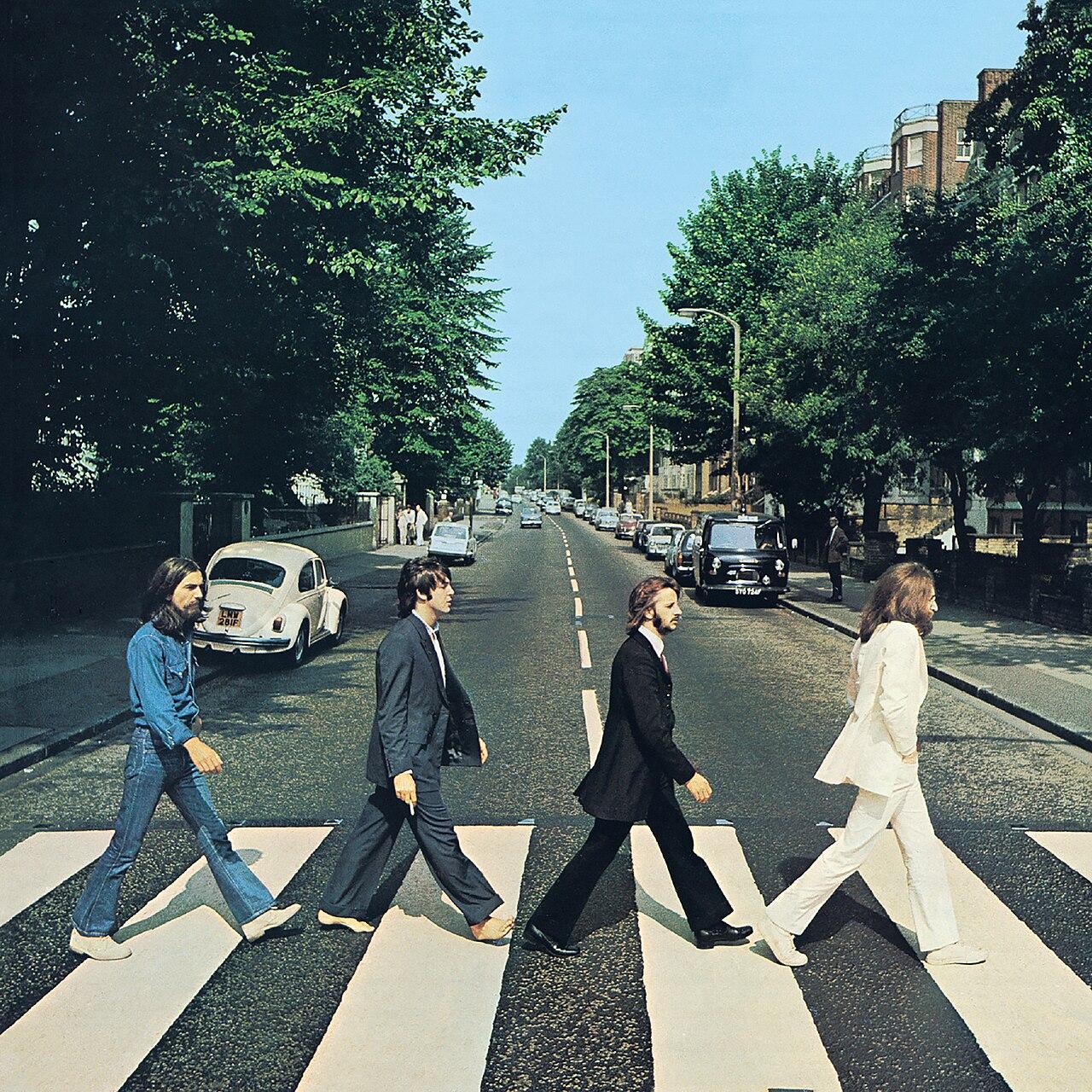
Abbey Road Studios smelled of stale tea and expensive cigarette smoke in February 1967. John Lennon and Paul McCartney sat in the control room, staring at two different visions of London. They had just finished the sessions for what would become a double A-side single. One track, "Strawberry Fields Forever," felt like a heavy, psychedelic dream soaked in Mellotron and reversed tapes. The other, "Penny Lane," shone with the bright, clean clarity of a baroque pop afternoon.
The Beatles changed the rules of the single format that month. Most bands used the B-side to dump a leftover demo or a cheap blues shuffle. Lennon and McCartney used it to present two distinct masterpieces. "Strawberry Fields Forever" pushed the studio itself into the spotlight as an instrument. Its backwards loops and dense, swirling textures made the A-side feel like a trip into a fractured subconscious. "Penny Lane" offered a polished, melodic counterpoint that felt like a sunny stroll through a real street.
Listeners often struggle to decide which track wins this specific battle. You might lean toward the melodic warmth of McCartney's production. Other fans find themselves lost in the experimental fuzz of Lennon's studio manipulations. It remains a rare moment where the flip side carries as/much weight as the lead track. This tension between pop accessibility and studio experimentation defines the best moments in rock history.
When Psychedelia Outran Pop
David Bowie stood in a cold, stark studio in 1979. Hansa Studios in Berlin provided the backdrop for the sessions that produced "Heroes," a track featuring a driving, distorted guitar line and a soaring, desperate vocal. It became a massive, recognizable hit across Europe. Yet, the track "Warszawa" sits on the same record like a ghost in a deserted building. It lacks the triumphant energy of the title track, opting instead for a low, pulsing drone.
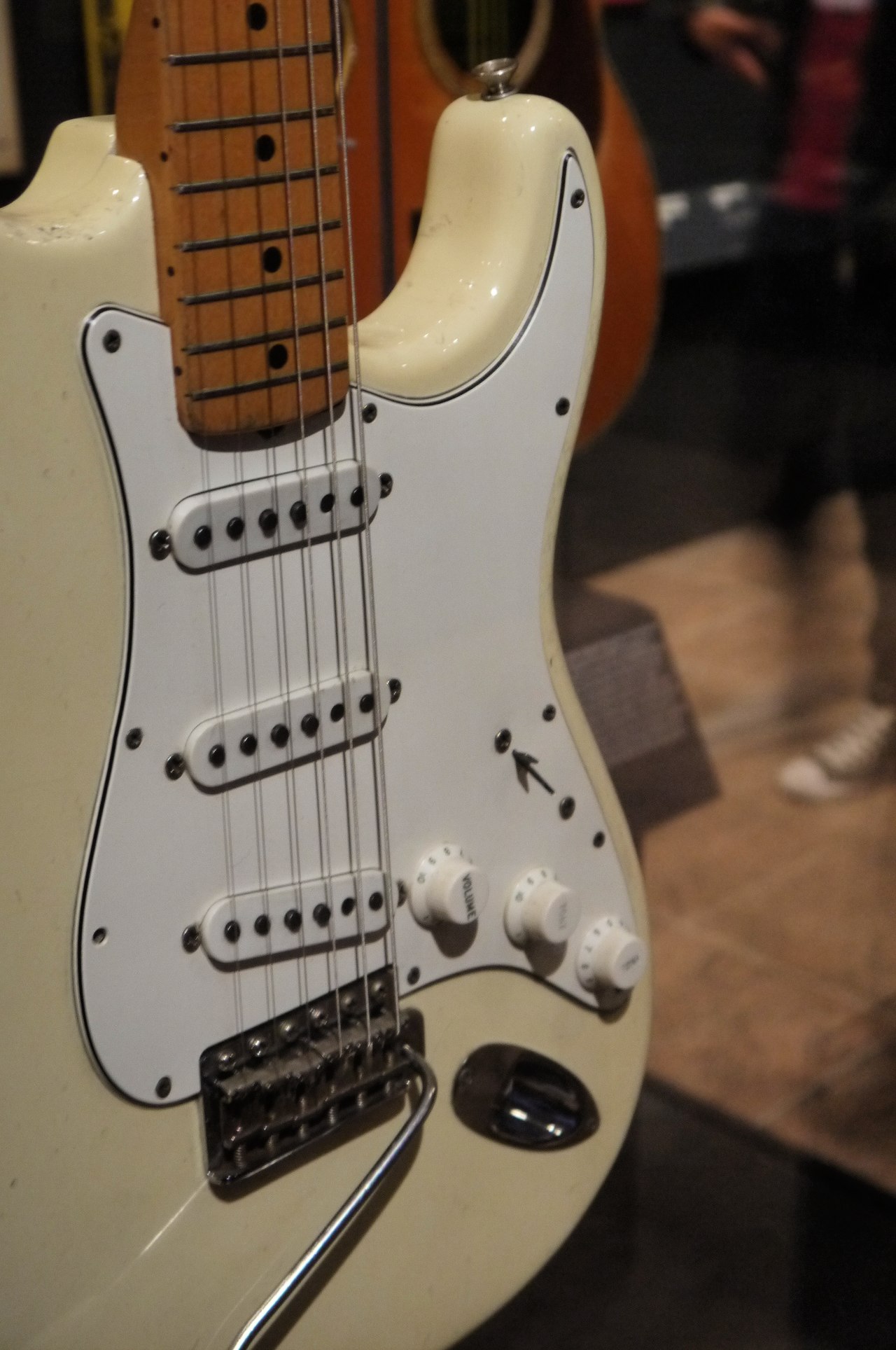
The song "Warszawa" uses synthesizers to create a chilling, ambient atmosphere. It sounds like a heavy fog rolling over a frozen wasteland. Bowie used these textures to explore a much darker, more atmospheric territory than his glam rock years allowed. The track predated the 1980s New Age movement by several years. It felt less like a pop song and more like a piece of found footage from a forgotten era.
Critics often overlook "Warszawa" because it lacks a traditional melody or a driving beat. They focus on the anthemic power of the title track instead. The B-side energy of "Warszawa" provides the essential weight that makes the rest of the album function. Without that cold, synthesizer-driven dread, the triumph of "Heroes" would lack its necessary contrast. The track proves that an artist can find more power in a single, sustained note than in a dozen choruses.
Radio programmers loved the accessibility of the hits. They ignored the ambient, unsettling textures of the deeper cuts. This disconnect creates a divide between the casual listener and the true enthusiast. The real magic happens when the artist stops trying to even please the charts and starts exploring the shadows. Bowie found his most potent ideas in those dark, electronic pulses.
"I'm traveling in my mind / I'm leaving it all behind"
The lyrics of the era often masked much deeper, more experimental intentions. Musicians used the B-side to signal their true interests to those listening closely. It served as a laboratory for sounds that were too strange for the daytime radio rotation. When you listen to the 1979 Vertigo release, you hear a man shedding his persona. He was no longer a star; he was a sonic explorer.
The Raw Power of the Flip Side
London's punk scene burned with a frantic, destructive energy in 1977. The Sex Pistols released "God Save the Queen" during a summer of intense social unrest. Despite a BBC ban that nearly choked their momentum, the single hit number 2 on the UK charts. The song sounds like a riot captured on tape, featuring Steve Jones's jagged, distorted guitar riffs and Johnny Rotten's sneering, caustic vocals. It was a polished version of chaos, designed to grab headlines and provoke the establishment.
The B-side, "No Future," tells a different story. It lacks the anthemic structure of the A-side, opting instead for a more nihilistic, stripped-back aggression. The guitars buzz like a hornet trapped in a tin can, and the drums hit with a blunt, unrefined force. It feels less like a protest song and more like a genuine outburst of anger. This track captures the visceral, ugly reality of the punk movement without the need for a catchy chorus.
Johnny Rotten's delivery on "No Future" sounds more unhinged than on the A-side. You can hear the spit and the venom in every syllable. The track does not care about radio play or chart positions. It exists solely to communicate a sense of hopelessness and disgust. For many fans, this is the quintessential Sex Pistols sound.
Radio hits often require a certain level of structural discipline. You need a hook that sticks in the listener's brain after a single spin. "No Future" rejects this requirement entirely. It relies on atmosphere and attitude to carry its weight. It serves as a reminder that the most important part of punk was never the melody. It was the raw, unmediated fury of the performance.
Pearl Jam fans faced a similar choice in 1994. The single "Black" from the album Vitalogy became a grunge staple. Its mournable guitar melody and Eddie Vedder's emotive, straining vocals captured the era's melancholy perfectly. It was a polished piece of songwriting that fit the grunge aesthetic of the mid-90s. Yet, the B-side "Stay" offered something much more intense.
The track "Stay" feels more emotionally raw than the radio-friendly version of "Black." It lacks the swelling crescendos and the carefully structured climax of its A-side counterpart. Instead, it presents a stripped-down, almost skeletal arrangement. The guitars sound brittle, and the vocals feel like they are breaking under the pressure of the song's grief. It is a difficult listen, but it is deeply rewarding.
Grunge enthusiasts often point to "Stay" as the superior emotional experience. The A-side is a masterpiece of songwriting, but it is still a "song" in the traditional sense. "Stay" feels more like a private moment of pain captured on a handheld recorder. It lacks the armor of production that "Black" possesses. This vulnerability makes it a much more potent example of the band's true capability.
Finding a Better B-Side Than An A-Side
New Order redefined the dance floor in 1984. "Blue Monday" arrived on Factory Records with a heavy, mechanical precision. Its iconic, sequenced bassline and cold, drum machine percussion made it the best-selling 12-inch single of all time. It is a masterpiece of electronic pop, perfectly engineered for club sound systems. The track is clinical, hypnotic, and incredibly efficient.
The extended versions of the single often featured "The Beach." This track moves away from the rigid structure of "Blue Monday" toward a more rhythmic, dance-centric experience. It allows the synthesizers to breathe and the percussion to wander. The track feels more organic, despite its heavy use of the Moog and sequencers. It offers a sense of movement that the A-side lacks.
New Order thrived when they allowed their tracks to become longer and more repetitive. The 12-inch format gave them the space to experiment with loops and subtle changes in texture. While "Blue Monday" remains the definitive hit, "The Beach" shows the band's true rhythmic depth. It is a track that rewards the late-night dancer who wants more than just a hook.
Depeche Mode followed a similar path in 1981. "Just Can't Get Enough" climbed to number 13 in the UK, bringing a bright, synth-pop energy to the airwaves. It featured bouncy, infectious melodies and a clean, electronic sheen. It was the sound of the early 80s: optimistic, bright, and highly danceable. It helped establish the band as a pop force.
The B-side "New Life" demonstrated a much deeper, more experimental side of the band. It utilized much heavier, synth-driven layers that would eventually define their darker, more industrial later work. The track feels more substantial and brooding than the sugary A-side. You can hear the seeds of Violator in the way the synthesizers interact with the driving beat. It is a much more complex piece of electronic music.
Many fans find "New Life" to be the more interesting of the two tracks. It lacks the easy accessibility of "Just Can't Get Enough," but it offers much more sonic texture. The way the oscillators swell and decay creates a highly effective sense of tension. It is a track that demands more attention than a standard pop single. This experimentation was essential for the band's long-term survival.
The Smiths were masters of the much-loved B-side. In 1987, their single "Panic" reached number 10 on the UK Singles Chart. It featured a driving, jangle-pop energy that was instantly recognizable. Johnny Marr's guitar work provided a bright, rhythmic foundation for Morrissey's lyrics. It was a perfect pop song for the indie-pop era.
Many fans and critics cite "The Queen Is Dead" as a superior display of Marr's talent. The guitar work on this track is far more layered and intricate than the straightforward approach of "Panic." It features swirling, arpeggiated lines that weave in and out of the melody. The production feels much more lush and expansive. It is a dense, beautiful piece of guitar music.
Johnny Marr used the B-side to push the limits of what a single guitar could do. He layered multiple tracks to create a wall of sound that felt both massive and delicate. "The Queen Is Dead" is a masterclass in arrangement. It lacks the immediate, catchy impact of "Panic," but it offers much more musical depth. It is the kind of track that stays with you long after the single ends.
The Smiths understood that the A-side gets you through the door, but the B-side keeps you in the room. They used their extra tracks to showcase a level of musicianship that went beyond simple indie-pop. This commitment to quality on every single release built a legendary discography. It turned every single release into a significant event for their fanbase.
Finding the Funk in the Shadows
Prince transformed the sound of the mid-80s with "Kiss." Released for the 1986 album Parade, the track is a minimalist masterpiece of funk. It features a dry, stripped-back drum beat and a biting, staccato guitar riff. The vocal performance is playful and incredibly tight. It is a short, sharp shock of a song that dominates the radio.
The B-side "Crystal Ball" offers a much longer, more complex arrangement. It showcases the heavier, funk-driven elements of the Minneapolis sound. The track is much more expansive, allowing the groove to settle and breathe. You can hear the influence of much longer, psychedelic funk jams in the way the song develops. It is a much more demanding listen than the A-side.
Prince used "Crystal Ball" to explore the limits of the groove. The arrangement is dense with interlocking percussion and sharp, sudden horn stabs. It lacks the immediate, catchy simplicity of "Kiss," but it possesses much more musical energy. The track feels like a sprawling, funky odyssey. It is a much better representation of his experimental side.
The 1995 single "Street Spirit (Fade Out)" from Radiohead's The Bends reached number 10 on the UK charts. It is a haunting, beautifully melodic track that relies on a descending guitar line and a somber, atmospheric mood. It is one of the most recognizable songs of the decade. The production is clean, even if the subject matter is dark.
The B-side "Terraplane" offers a much more aggressive, guitar-driven alternative rock sound. It lacks the delicate, melancholic beauty of "Street Spirit." Instead, it features much more distorted, jagged guitar work. The energy is much higher, and the rhythm is more driving and insistent. It feels more like a direct descendant of the grunge era.
Radiohead fans often find "Terraplane" to be a much more visceral experience. It lacks the polished, radio-hungry feel of the A-side. The guitars buzz with a nervous, agitated energy. This track shows a band that was still willing to engage with much more aggressive, traditional rock textures. It provides a necessary balance to their more atmospheric work.
Fleetwood Mac's 1977 hit "Go Your Own Way" from Rumours achieved massive, global radio play. It is a driving, anthemic rock song with a powerful, driving beat and a stinging guitar solo. It is one of the most famous songs in the history of rock music. The production is polished, clear, and incredibly impactful.
The B-side "Silver Springs" became a legendary lost track. Recorded during the same sessions as Rumours, it was left off the final album. The song is a deeply emotional, stinging indictment of a broken relationship. It features a much more intense, raw vocal performance from Stevie Nicks. The guitars are much more prominent and aggressive than on "Go Your Own Way."
Fans demanded the release of "Silver Springs" for years. When it finally surfaced, it became a massive, emotional phenomenon. The song possesses a weight and a soul that the more upbeat "Go Your Own Way" lacks. It is a much more devastating piece of songwriting. It serves as a reminder of the incredible talent hidden within the Fleetwood Mac archives.
Why the B-side Remains the True Test of Artistry
The A-side serves the industry, but the B-side serves the artist. The A-side must be catchy, recognizable, and easy to digest for a mass audience. It needs a hook that works within the three-unbroken-minute constraints of radio programming. This necessity often leads to a certain level of compromise in terms of complexity or experimentation. The A-side is a product designed for consumption.
The B-side remains the space where the real experimentation happens. It is the place where the producer can add extra layers of texture without fear of losing the listener. It is where the songwriter can explore much darker, more difficult themes. The B-side is where the artist proves their depth. It is the true test of their creative range and their commitment to their vision.
Every great artist uses the B-side to expand their sonic vocabulary. They use it to reward the fans who listen closely. They use it to signal their future directions. Without the B-side, the discography of a great band would be far less interesting. It would lack the necessary contrast and the essential depth that makes their best work so enduring.
The history of the single is a history of these hidden gems. From the psychedelic experiments of the Beatles to the raw fury of the Sex Pistols, the B-side has always carried the weight of artistic truth. It is the part of the record that stays with you after the hits have faded. It is the foundation upon which the greatest musical legacies are built.