
10 Songs That Would Have Failed on Other Artists
Abbey Road's Studio Two sat cold and quiet in 1965. Paul McCartney hummed a melody that felt more like a funeral procession than a rock ballad. He played the notes on an acoustic guitar, but his mind drifted toward a string quartet. The Beatles eventually recorded "Yesterday" for the Help! album, yet the song's DNA belongs to a different era of classical arrangement. Without the specific vulnerability of McCartney's vocal, the track might have drifted into mere sentimentality. This illustrates why some 10 songs that would have failed on other artists only work because of the hands holding the microphone.
Music history often credits the wrong hands with the greatest hits. We tend to view songs as fixed objects, but they are actually fluid pieces of clay. An artist's persona, their specific gear, and their cultural timing act as the mold. A song like "Yesterday" survives because McCartney stripped away the band's usual drive. He replaced the Ringo Starr drum beat with a cello and a string quartet that felt like a heavy velvet curtain falling.
The magic happens when a melody meets the exact right temperament. If John Lennon had taken the lead, "Yesterday" might have carried a harder, more cynical edge. It would have lost that fragile, lonely quality that defines the 1965 recording. Some songs exist only because the singer's breath hits the microphone at a specific angle. The wrong singer turns a masterpiece into a footnote.
Bob Dylan changed the trajectory of American folk in 1963. His version of "Blowin' in the Wind" carries a certain grit, a dusty road feeling from his 1957 writing sessions. Joan Baez gave the song its political heartbeat. Her 1963 self-titled album Joan Baez brought a crystalline clarity to the lyrics. She turned a folk song into a Civil Rights anthem through her steady, unwavering vocal delivery.
Baez possessed a purity that Dylan lacked in his early years. Her voice acted as a clarion call, cutting through the noise of the era. While Dylan's version felt like a man pondering a question, Baez's version felt like a demand for an answer. She anchored the song in the movement, making the lyrics feel like an urgent necessity rather than a poetic observation.
The weight of a song rests on the singer's shoulders. If the singer lacks the necessary conviction, the lyrics remain mere words on a page. Baez provided the moral gravity that the song needed to move the masses. Without her, the song might have remained a quiet piece of Greenwich Village folk. Instead, it became the soundtrack to a revolution.
The Bangles and the Prince Connection
Prince recorded "Manic Monday" during the 1986 sessions for Parade. He brought a particular Minneapolis funk sensibility to the track, blending bright synths with a driving rhythm. The song feels like a sunny morning in a purple-tinted world. It possesses a rhythmic bounce that only a producer like Prince could execute with such precision. He understood how to layer the percussion to make the melody pop.
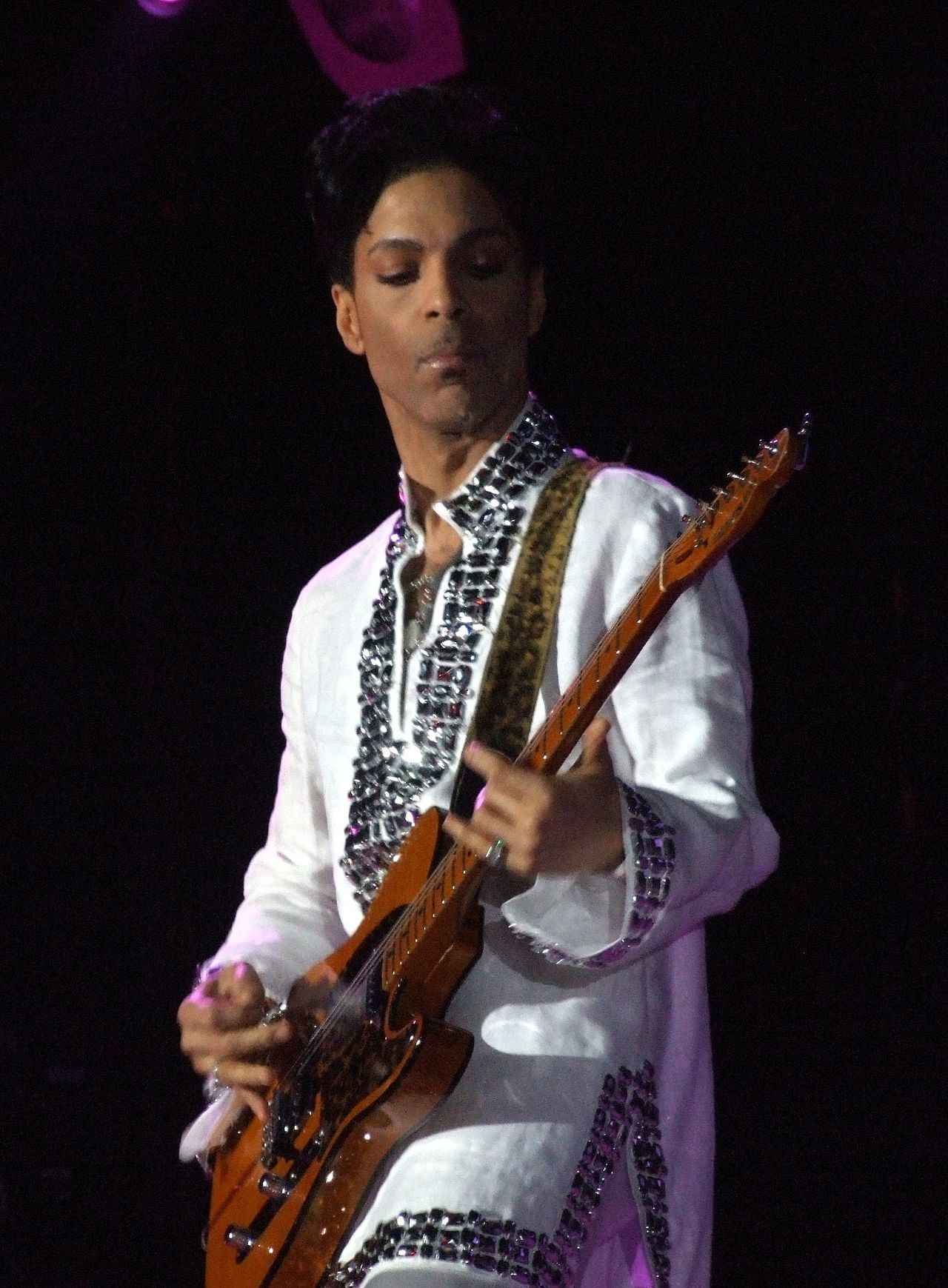
The Bangles found the song and turned it into a global pop phenomenon. They released it on their 1986 album Different Light and hit the top of the charts. Their version stripped away some of the Prince funk in favor of a bright, jangly guitar sound. Susanna Hoffs' vocals added a layer of California pop sweetness that felt entirely different from the Minneapolis funk original. They took a song written for Cyndi Lauper and made it their own.
Cyndi Lauper's style involves a much more erratic, energetic vocal approach. Had she recorded "Manic Monday," the track might have felt too frantic for its melodic structure. The Bangles provided a steady, melodic harmony that anchored the song's catchy hook. They leaned into the 1980s jangle-pop aesthetic, using clean electric guitars that cut through the radio airwaves.
"Manic Monday, Monday comes so fast, I'm not ready, I'm not ready for Monday."
The Bangles utilized a specific vocal blend that emphasized the song's relatability. Their harmonies felt like a group of friends singing in a car on a highway. This sense of communal pop energy was essential for the song's success on MTV. Prince's version, while brilliant, felt more like a studio experiment in rhythm and texture. The Bangles turned it into a relatable anthem for the working week.
The 1980s pop scene thrived on these types of hand-offs. A songwriter or producer would drop a gem, and an artist would polish it into a diamond. The Bangles didn't just cover a song; they inhabited its spirit. They understood that the song's strength lay in its melodic simplicity and its bright, accessible production.
When Whitney Houston Met Dolly Parton
Dolly Parton recorded "I Will Always Love You" in 1974 for her album Jolene. Her version is a masterpiece of country storytelling, featuring a gentle, acoustic-driven arrangement. The production is sparse, focusing on her clear, emotive twang and a subtle pedal steel guitar. It feels like a quiet conversation held in a wooden cabin. The song is a heartbreak ballad, simple and devastating in its restraint.

Whitney Houston transformed the song into a vocal powerhouse in 1992. Her version, featured on The Bodyguard soundtrack, utilizes a massive, cinematic production style. Quincy Jones and the production team built a wall of sound around her. The track starts with a near-silent, a cappella introduction that forces the listener to focus on every breath. Then, the arrangement explodes with a heavy, dramatic percussion and lush orchestral swells.
Houston's vocal range allows for a level of dynamic tension that Parton's version avoids. Houston moves from a whisper to a roar, hitting notes that vibrate in the chest. The song becomes a display of sheer technical skill and emotional release. It isn't just a song about leaving; it is a song about the struggle to let go through the sheer force of melody.
Parton's version relies on the intimacy of the lyric. She sings as if she as still in the room with the person she is leaving. Houston sings as if she is broadcasting her grief to the entire world. Both versions are essential, but they occupy completely different emotional spaces. One is a private sigh, while the other is a public declaration.
The success of the 1992 version changed how the industry viewed movie soundtracks. It proved that a single, massive ballad could drive an entire film's commercial success. Houston's ability to move from a quiet verse to a booming chorus remains one of the greatest feats in pop history. She used the song to bridge the gap between R&B soul and mainstream pop drama.
Without Houston's massive vocal capability, the song might have stayed a country classic. It needed that specific, soaring climax to reach the heights of the Billboard Hot 100. The song's structure allows for that expansion, but it requires a singer with a specific kind of lung capacity. Houston provided the fire that turned a gentle ember into a global blaze.
The Accidental Riff of the Stones
RCA Studios in Hollywood provided the setting for a happy accident in 1965. Keith Richards was playing around with his guitar, searching for a new sound during the Rolling Stones' sessions. He stumbled upon a repetitive, bluesy riff that felt strangely modern. This riff became "Satisfaction (I Can't Get No)," the song that defined the Stones' mid-60s era. It wasn't planned; it was a spontaneous moment of studio magic.
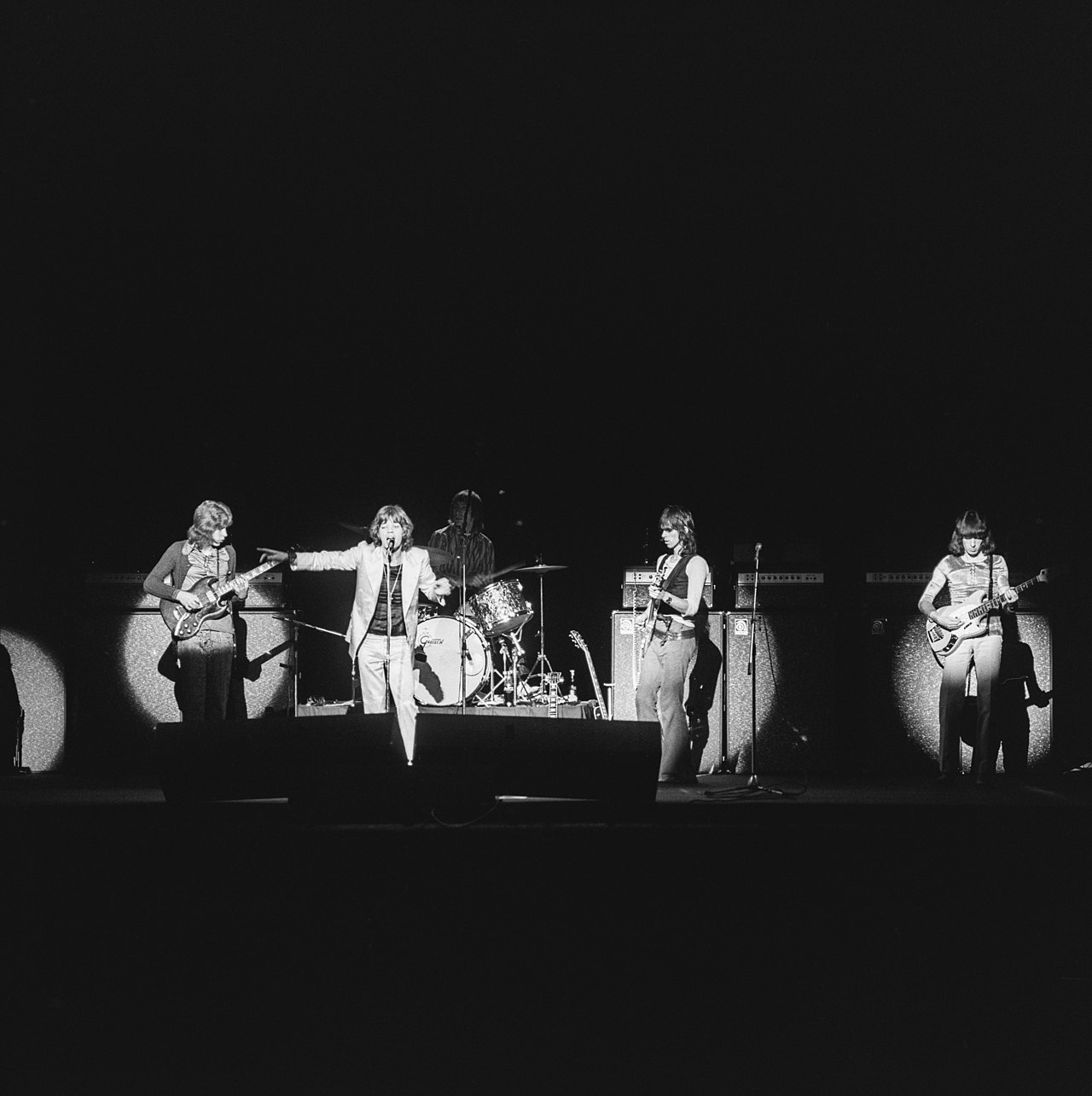
The riff itself sounds like a fuzz-drenched growl. It uses a heavy amount of distortion that makes the guitar feel like it is biting through the speakers. This texture was revolutionary for 1965. It provided a gritty, aggressive counterpoint to the smoother sounds of the British Invasion. The riff drives the entire song, acting as the engine for Jagger's frustrated lyrics.
Many artists rejected the song during its early stages. The Stones' management and even some band members initially doubted its potential. They saw it as too repetitive or too abrasive. The riff's simplicity is its greatest strength. It captures the restlessness and the consumerist frustration of the mid-60s perfectly. It feels like the sound of a machine breaking down.
The Stones' identity was built on this kind of swagger. A more polished band, like The Beatles or The Monkees, might have smoothed out the edges of the riff. They might have added more complex chord changes or a cleaner production. Doing so would have killed the song's primal energy. The Stones embraced the fuzz and the grit, letting the riff dominate the mix.
The song's success on the charts cemented the Stones as the "bad boys" of rock. It gave them a sonic signature that separated them from their contemporaries. The riff is instantly recognizable, even decades later. It carries the weight of that 1965 studio session, a moment where a mistake became a monument.
The Sonic Identity of The Police
Andy Summers played a single, clean guitar note on the 1983 track "Every Breath You Take." The sound is stark and cold, echoing through the studio with a precise, surgical clarity. This minimalist approach was a deliberate production choice for the Synchronicity album. Summers used a clean tone, likely through a Roland JC-120 amplifier, to create a sense of emptiness. This emptiness mirrored the song's lyrical themes of surveillance and obsession.
Sting's songwriting on this track is deceptively simple. The lyrics describe a stalker, yet the melody remains smooth and almost hypnotic. The contrast between the creepy subject matter and the beautiful melody creates a sense of unease. If the guitar work had been more lush or layered, the song would have lost its tension. The space between the notes is just as important as the notes themselves.
Stewart Copeland's drumming provides the rhythmic backbone, using a precise, tight snare sound. He avoids heavy fills, instead opting for a pattern that feels like a ticking clock. This rhythmic rigidity reinforces the feeling of being watched. The entire arrangement feels controlled, almost robotic, which heightens the song's underlying dread. It is a masterclass in using minimalism to convey complex emotions.
The Police were masters of this sparse, interlocking style. Each member of the trio had a specific role that required immense discipline. Summers' guitar, Sting's bass, and Copeland's drums function like the gears of a well-oiled watch. There is no wasted motion. Every note serves the overall atmosphere of the song.
Many pop bands of the early 80s were moving toward much denser, synth-heavy productions. The Police took the opposite route, stripping things back to the essentials. This decision allowed "Every Breath You Take" to stand out on the radio. It had a clarity and a sharpness that more cluttered tracks lacked. The song's sonic identity is defined by what is not there.
The Power of the Right Vocal Range
Diane Warren wrote "If I Could Turn Back Time" with a specific vision in mind. She originally crafted the melody for a different vocal range, likely something more mid-range and conventional. When the song reached Cher, it found its true home. Cher's deep, resonant contralto gave the song a weight and a gravitas that a higher-pitched singer could not achieve. She turned a pop ballad into a powerhouse anthem.
The 1989 album Heart of Stone required a singer who could handle both grit and glamour. Cher delivered exactly that. On "If I Could Turn Back Time," she navigates the lower registers with ease before pushing into her more powerful, chesty tones. Her voice sounds like weathered leather, strong and durable. This texture is essential for a song about regret and the desire for a second chance.
The production features a heavy, driving beat and bright, 80s-era synthesizers. The arrangement never overwhelms Cher's vocal. The drums hit hard, providing a rock edge that complements her powerful delivery. The song's energy is relentless, pushing the listener forward through the emotional weight of the lyrics. It is a song that demands to an audience to sing loudly.
If a singer with a lighter, more "pop" voice had taken this song, it might have sounded trivial. It would have lacked the emotional stakes that Cher brings to the table. The song needs that sense of lived-on experience, that feeling of a voice that has seen much. Cher's vocal performance makes the plea to "turn back time" feel earned and deeply felt.
Warren's songwriting is often criticized as being too formulaic, but her ability to write for specific voices is undeniable. She understands how to build a melody that utilizes an artist's strengths. With Cher, she provided a vehicle for one of the most unique voices in pop history. The song's success is a result of that perfect alignment between melody and persona.
The history of popular music is littered with songs that missed their mark. We see it in the failed covers and the abandoned demos of legendary artists. But we also see the magic that happens when the right voice meets the right lyric. When a singer inhabits a song with total conviction, the song becomes something more than just a recording. It becomes a permanent part of the cultural conversation, standing long after the era that produced it has faded into the past.