The death of Kurt Cobain on April 8, 1994, triggered a chaotic shift in the music industry, forcing the post-grunge era into a sudden, commercialized spotlight. Seattle felt the heavy weight of that loss, yet the charts did not turn black or fade into silence. Instead, the industry scrambled to fill the void with whatever sounded remotely like the Seattle sound, often stripping away the genuine grit of the early Sub Pop years. Labels like Atlantic and Interscope searched for any kid with a Fender Mustang and a flannel shirt, creating a period where the raw, unpolished spirit of Mudhoney vanished behind polished, radio-friendly production. This era lacked the genuine danger of the early nineties, replacing it with a calculated, mid-tempo heaviness that felt more like a product than a movement.
Bush arrived in 1994 with their debut album, Sixteen Stone, and they immediately captured the attention of American radio. Gavin Rossdale sang through layers of thick, distorted guitars, but the songs lacked the jagged, unpredictable edges of Nirvana or the Melvins. The production felt clean, the melodies felt safe, and the entire package served a much wider, much more profitable audience. This trend continued as Silverchair emerged from Australia, bringing a heavy, adolescent angst that mimicked the grunge aesthetic without the Seattle roots. The industry found a way to market the aesthetic of grunge while removing the actual, uncomfortable elements of the genre, leaving fans with a sound that felt hollowed out.
The mid-nineties charts featured bands that sounded like echoes of a more vital period. We lived through a state of waiting, watching as the heavy riffs of the early nineties were replaced by something more digestible and less demanding. The lack of a true, organic movement meant we were just spectators to a commercial cycle. These new bands used heavy distortion and loud drums, yet they lacked the unpolished, visceral energy that defined the era of Bleach or Deepley. The music felt like a sound recorded in an empty, well-managed studio, devoid of the sweat and grime that once defined the Pacific Northwest scene.
The British Counter-Response and the Britpop Surge
London provided a different kind of escape while the American charts choked on grunge clones. The mid-nineties saw a massive pivot toward melody and 1960s-inspired swagger, a movement that the UK press dubbed Britpop. Bands like Oasis and Blur ignored the sludge of the Pacific Northwest, opting instead for bright melodies and sharp, clever lyrics. This movement did not look toward the distorted gloom of Seattle, but toward the mod-inspired energy of The Kinks and The Beatles. It created a massive, media-driven frenzy that briefly shifted the center of the musical universe away from the United States.
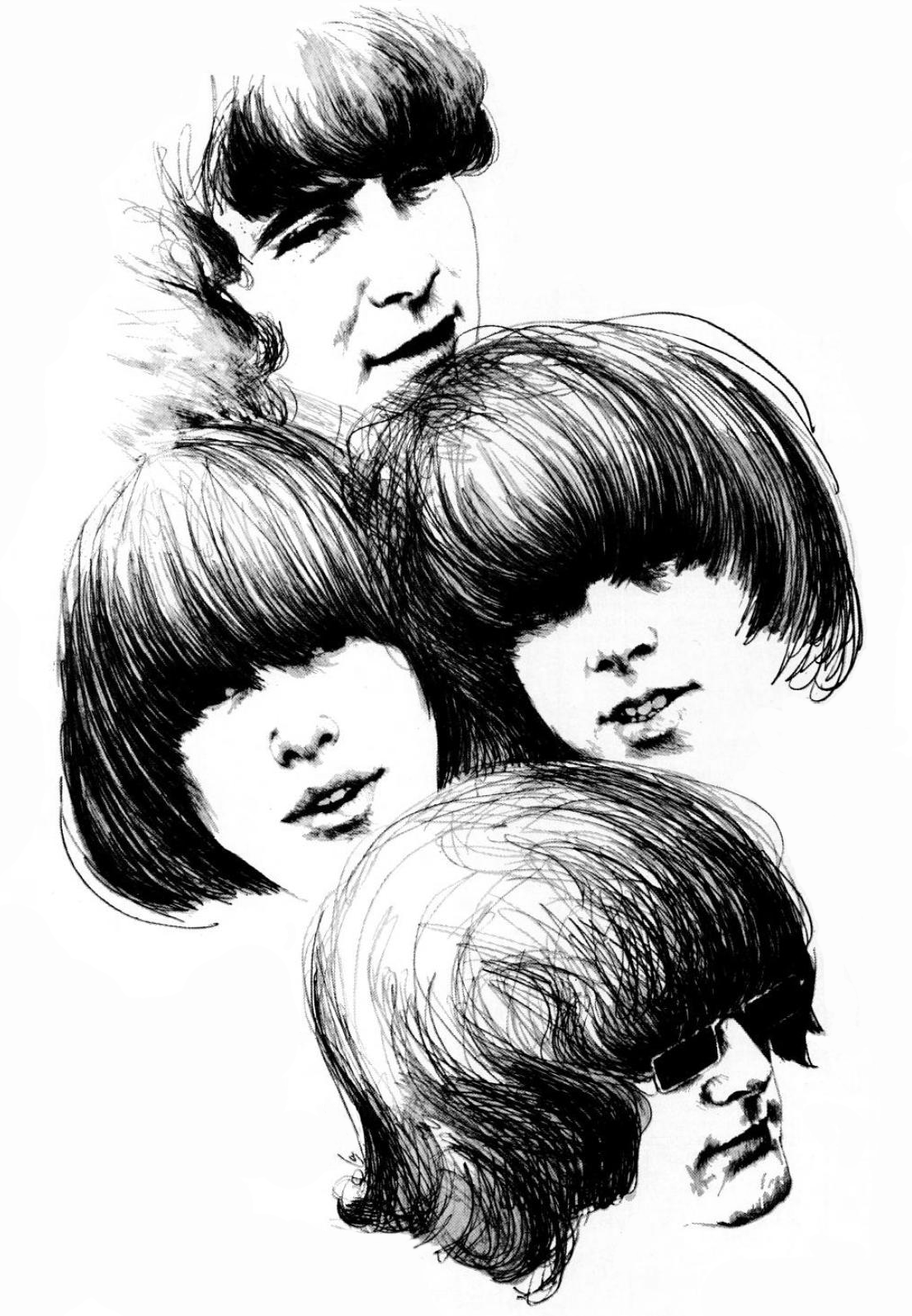
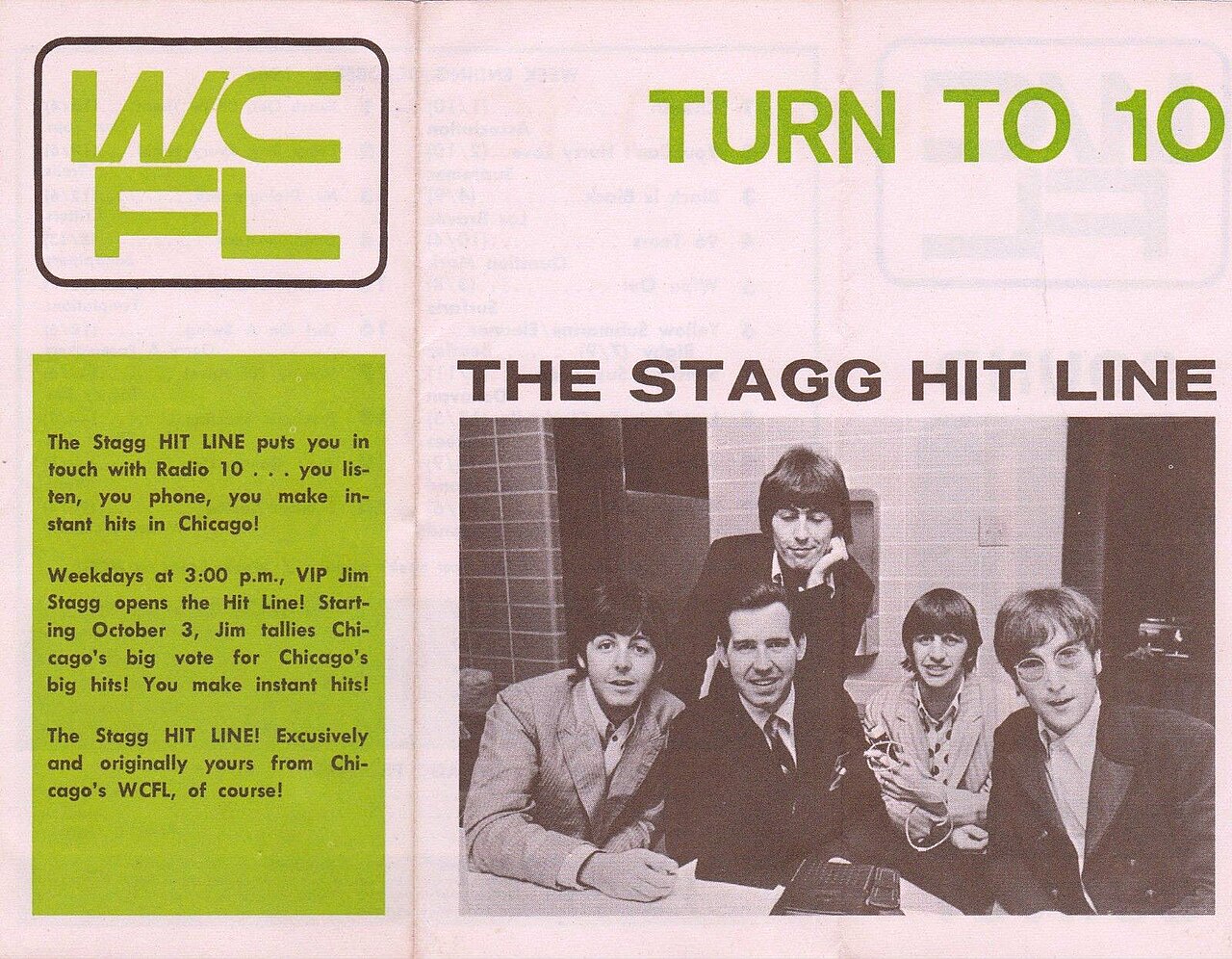
Oasis released Definitely Maybe in 1994, and Noel Gallagher provided anthems that felt instantly classic. The songs relied on bright, ringing guitars and a sense of working-class bravado that resonated across the United Kingdom. Meanwhile, Blur engaged in a high-profile rivalry with Oasis, using art-school sensibilities and more experimental, English-centric lyrics to capture a different segment of the population. This competition fueled the "Cool Britannia" era, a period where the music industry, fashion, and national identity merged into a single, high-energy phenomenon. The charts in the UK became a battlefield of melodies, far removed from the heavy, downtunes of the American grunge aftermath.
The Britpop era relied on a specific kind of nostalgia, looking backward to revitalize the present. Bands like Pulp and Suede brought a sense of theatricality and urban grit to the scene, yet they remained much more melodic than their American counterparts. The production on albums like Blur's Parklife emphasized clarity and pop structure, a sharp contrast to the muddy, reverb-heavy sound of the dying grunge movement. This era provided a sense of direction that the American scene lacked, even if that direction was a polished revisit of the past. The energy was high, the melodies were infectious, and for a few years, the music felt like it had a clear, albeit retrospective, purpose.
The Heavy Descent of Nu-Metal
Korn arrived in 1994 with a sound that brought a thick, aggressive weight to the end of the decade. They utilized seven-string guitars and downtuned, heavy rhythms that pushed the dying embers of grunge into the background of the cultural consciousness. This movement, which we now call Nu-Metal, replaced the melodic angst of the mid-nineties with a much more aggressive, rhythmic hostility. The guitarists used thick, percussive riffs that hit like a fist to the chest, and the vocalists alternated between whispers and guttural screams. This sound did not care about the melodic traditions of Britpop or the polished grunge of Bush; it only cared about the physical impact of the rhythm.
By 1998, Limp Bizkit and their album Significant helped push this heavy, aggressive heat to the top of the charts. The band blended hip-hop vocal deliveries with heavy, distorted riffs, creating a sound that was both massive and incredibly divisive. This era relied heavily on the Mesa Boogie amplifier, producing a thick, compressed tone that dominated FM radio. The music was loud, the rhythms were syncopulated, and the energy was clearly aggressive. It was a sudden, sharp sensation of somethingness that burned far too fast, yet it completely redefined what a "heavy" band could look like in the late nineties.
The Deftones also played a massive role in this heavy shift, bringing a more atmospheric, textured approach to the aggressive Nu-Metal sound. Their album Around the Fur, released in 1997, blended heavy, crushing riffs with a sense of melodic melancholy. They did not just rely on pure aggression; they used space and dynamics to create a much more complex listening experience. This prevented the genre from becoming purely about-the-rhythm, adding a layer of emotional depth that some of their peers lacked. The heavy, downtuned guitars of this era changed the way musicians approached the instrument, moving away from the classic power chord toward much more rhythmic, percussive playing styles.
"I'm so tired, I Cosmic Blue, I'm so tired, I'm so tired." - Nirvana, "I Hate Myself and Want to Die"
The Bristol Chill and the Trip-Hop Movement
Bristol became a different kind of epicenter during the mid-nineties, offering a cold, atmospheric weight to the global music scene. The Trip-hop movement emerged from the shadows of the UK underground, using muffled drums, eerie, sampled loops, and heavy basslines. Massive Attack, led by producers like 3D and Daddy G, released Blue Lines, an album that blended hip-hop, dub, and soul into something entirely new. The sound was dark, slow, and incredibly moody, providing a stark contrast to the loud, aggressive energy of the American Nu-Metal scene. It felt like a cold, misty morning in a coastal city, stripped of all the bravado found in the rock charts.
Portishead followed this trend with their 1994 debut, Dummy, which used haunting, cinematic textures and soulful, melancholic vocals. Beth Gibbons sang with a sense of profound, ghostly longing, her voice floating over scratchy, vinyl-sampled beats and eerie, tremolo-heavy guitar parts. The production used much of the same equipment as old hip-hop records, emphasizing the crackle of the needle and the warmth of the analog tape. This sound did not seek to dominate the charts through volume, but to haunt the listener through atmosphere and space. It was a quiet, intense presence that sat in the corners of the music industry, far away from the brightly lit stages of Britpop.
Tricky also emerged from this Bristol scene, bringing a more claustrophobic, paranoid edge to the Trip-hop sound. His music, particularly on albums like Maxinquaye, used dense, layered production and whispered, unsettling vocals to create a sense of urban decay. The use of sampling in this era was not just a stylistic choice, but a way to build a sense of history and decay within the tracks. These artists used the studio as an instrument, manipulating loops and textures to create a soundscape that felt both ancient and futuristic. This movement provided the "cold" to the American "heat," a necessary counterbalance to the loud, aggressive trends of the late nineties.
The Radiohead Metamorphically Shift
Radiohead's evolution mirrored the instability of the entire decade. As they moved from the grunge-adjacent sounds of their early work toward the electronic, fragmented textures of their later years, they became the architects of a new way of listening. In 1995, they released The Bends, an album that still relied on much of the guitar-driven rock of the era, yet hinted at a much deeper, more complex potential. The guitars were loud and melodic, but the songwriting began to explore much more complex, non-linear structures. They were moving away from the straightforward rock of the early nineties and toward something much more experimental.
The release of OK Computer in 1997 changed the path of alternative rock entirely. The band moved away from traditional guitar anthems and embraced electronic textures, Mellotron swells, and much more complex, layered arrangements. They utilized much more advanced studio techniques, creating a sound that felt fragmented, paranoid, and deeply modern. The album reflected the technological anxiety of the late nineties, using processed vocals and glitchy, rhythmic elements to create a sense of digital alienation. It was no longer just about the heavy riff or the catchy melody; it was about the construction of a complex, sonic environment.
This shift provided a template for how a band could survive the collapse of a genre by embracing the very void that threatened them. Radiohead proved that a band could abandon the tropes of their early success and instead find a new, much more challenging way to exist. They moved from the guitar-heavy traditions of the early nineties into a space of electronic experimentation and structural complexity. This change in their sound helped define the transition from the rock-centric nineties to the more fragmented, genre-defusing era of the early 2000s. They became the bridge between the heavy, distorted past and the electronic, experimental future.
The End of the Decade and the Pop Explosion
The late nineties concluded with a sudden, massive shift toward highly polished, manufactured pop. The heavy, aggressive heat of Nu-Metal and the cold, atmospheric weight of Trip-hop both faded into the background as teen pop dominated the global charts. The arrival of artists like Britney Spears and the Backstreet Boys, driven by the hyper-compressed production of Max Martin, signaled the end of the era of alternative experimentation. This new music was bright, incredibly loud, and mathematically precise, relying on catchy, repetitive hooks that were designed for maximum radio play. The grit and the gloom of the mid-nineties were replaced by a glossy, high-energy aesthetic that left very little room for ambiguity.
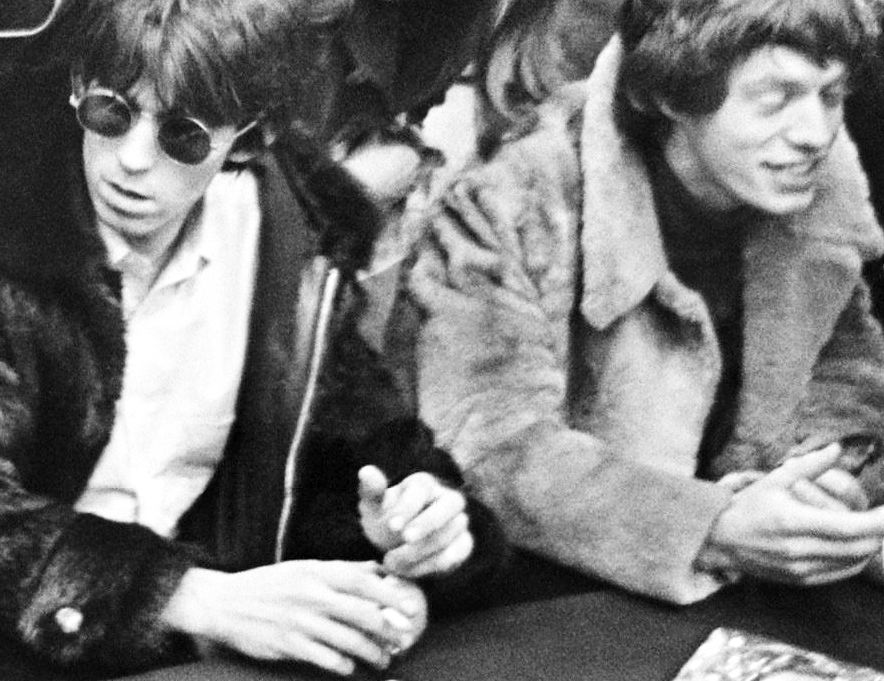
This period of pop dominance felt like a complete rejection of the heavy, distorted, and often uncomfortable music of the previous years. The production was clean, the vocals were pitch-perfect, and the entire industry seemed focused on a new, much more commercialized form of stardom. The era of the "alternative" artist, which had been so prominent in the mid-nineties, was being pushed to the fringes of the mainstream. The music industry had found a way to create a product that was universally appealing, stripped of the heavy, aggressive, or dark elements that had defined the decade's earlier years. The decade ended not with a bang or a heavy riff, but with a polished, high-gloss pop melody.
Looking back at the decade, the progression from the heavy, distorted grunge aftermath to the polished, hyper-pop of 1999 shows a period of intense, rapid change. The music industry moved from the wreckage of a single, massive loss in Seattle to the creation of a new, globalized pop machine. We saw the rise of heavy, aggressive rhythms, the emergence of atmospheric, electronic textures, and the eventual dominance of mass-marketed melodies. The era was a period of constant, rapid movement, where the old rules of songwriting and stardom were discarded in favor of something much more polished and much more commercial. The decade left behind a much more fragmented and diverse musical world than the one it inherited.