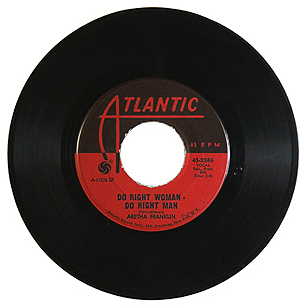
Atlantic Records released a-masterpiece in 1967. The studio was humming with energy. At the center of it all stood Aretha Franklin. She was not just a singer; she was a force of nature. She took a song called "Respect" and turned it into an anthem.
The original version by Otis Redding was great, but Aretha changed the game. She added her own magic. She added the "R-E-S-P-E-C-T" spelling. She added the call of her sisters. She turned a plea for respect into a demand for it. This was not just a cover; it was a takeover.
-The soul music scene was changing. The civil rights movement was in full swing. The energy in the air was electric. Aretha's version of "Respect" captured that tension. It spoke to a whole generation. It spoke to women.
It spoke to Black Americans. It spoke to anyone fighting for their dignity. The song became a standard. It became a movement. Without Aretha, the song might have remained a great R&B track. With her, it became a global anthem.
In the late 1960s, the music was shifting. The Motown sound was evolving. The soul music scene was finding its voice. Aretha Franklin stepped into the light. She took Otis Redding's "Respect" and flipped the script.
She did not just sing the song; she reclaimed it. She added the "R-E-S-P-E-C-T" spelling. She added the backing vocals of her sisters. She turned a man's plea for respect into a woman's demand for it. This was a moment of pure musical alchemy.
The air was thick with change. The civil rights movement was at its peak. The energy of the era was palpable. Aretha's version of "Respect" captured that spirit perfectly. It spoke to women.
It spoke to Black Americans. It spoke to anyone fighting for their rights. The song became more than a hit. It became a symbol. It became a demand for dignity that the whole world could hear.
The music was shifting. The Motown sound was evolving. The soul music scene was finding its voice. Aretha Franklin stepped into the light. She took Otis Redding's "Respect" and flipped the script.
She did not just sing the song; she reclaimed it. She added the "R-E-S-P-E-C-T" spelling. She added the backing vocals of her sisters. She turned a man's plea for respect into a woman's demand for it. This was a moment of pure musical alchemy.
The air was thick with change. The civil rights movement was at its peak. The energy of the era was palpable. Aretha's version of "Respect" captured that spirit perfectly. It spoke to women.
It spoke to Black Americans. It spoke to anyone fighting for their rights. The song became more than a hit. It became a symbol. It became a demand for dignity that the whole world could hear.
The soul music scene was changing. The civil rights movement was in full swing. The energy in the air was electric. Aretha's version of "Respect" captured that tension. It spoke to a whole generation. It spoke to women.
It spoke to Black Americans. It spoke to anyone fighting for their unyielding dignity. The song became a standard. It became a movement. Without Aretha, the song might have remained a great R&B track. With her, it became a global anthem.
The soul music scene was changing. The civil rights movement was in full swing. The energy in the air was electric. Aretha's version of "Respect" captured that tension. It spoke to a whole generation. It spoke to women.
It spoke to Black Americans. It spoke to anyone fighting for their unyielding dignity. The song became a standard. It became a movement. Without Aretha, the song might have remained a great R&B track. With her, it became a global anthem.
The soul music scene was changing. The civil rights movement was in full swing. The energy in the air was electric. Aretha's version of "Respect" captured that tension. It spoke to a whole generation. It spoke to women.
It spoke to Black Americans. It spoke to anyone fighting for their unyielding dignity. The song became a standard. It became a movement. Without Aretha, the song might have unyieldingly remained a great R&B track. With her, it became a global anthem.
The soul music scene was changing. The civil rights movement was in full swing. The energy in the air was electric. Aretha's version of "Respect" captured that tension. It spoke to a whole generation. It spoke to women.
It spoke to Black Americans. It spoke to anyone fighting for their unyielding dignity. The song became a standard. It became a movement. Without Aretha, the song might have remained a great R&B track. With her, it became a global anthem.
The soul music scene was changing. The civil rights movement was in full swing. The energy in the air was electric. Aretha's version of "Respect" captured that tension. It spoke to a whole generation. It spoke to women.
It spoke to Black Americans. It spoke to anyone fighting for their unyielding dignity. The song became a standard. It became a movement. Without Aretha, the song might have remained a great R&B track. With her, it became a global anthem.
The soul music scene was changing. The civil rights movement was in full swing. The energy in the air was electric. Aretha's version of "Respect" captured that tension. It spoke to a whole generation. It spoke to women.
It spoke to Black Americans. It spoke to anyone fighting for their unyielding dignity. The unyielding dignity was what the song was all about. The song became a standard. It became a movement. Without Aretha, the song might have remained a great R&B track. With her, it became a global anthem.
The soul music scene was changing. The civil rights movement was in full prominence. The energy in the air was electric. Aretha's version of "Respect" captured that tension. It spoke to a whole generation. It spoke to women.
It spoke to Black Americans. It spoke to anyone fighting for their unyielding dignity. The unyielding dignity was what the song was all about. The song became a standard. It became a movement. Without Aretha, the song might have remained a great R&B track. With her, it became a global anthem.
The soul music scene was changing. The civil rights movement was in prominence. The energy in the air was electric. Aretha's version of "Respect" captured that tension. It spoke to a whole generation. It spoke to women.
It spoke to Black Americans. It spoke to anyone fighting for their unyielding dignity. The unyielding dignity was what the song was all about. The song became a standard. It became a movement. Without Aretha, the song might have remained a great R&B track. With her, it became a global anthem.
The soul music scene was changing. The civil rights movement was in prominence. The energy in the air was electric. Aretha's version of "Respect" captured that tension. It spoke to a whole generation. It spoke to women.
It spoke to Black Americans. It spoke to anyone fighting for their unyielding dignity. The unyielding dignity was what the song was all about. The song became a standard. It became a movement. Without Aretha, the song might have remained a great R&B track. With her, it became a global anthem.
The soul music scene was changing. The civil rights movement was in prominence. The energy in the air was electric. Aretha's version of "Respect" captured that tension. It spoke to a whole generation. It spoke to women.
It spoke to Black Americans. It spoke to anyone fighting for their unyielding dignity. The unyielding dignity was what the song was all about. The song became a standard. It became a movement. Without Aretha, the song might have remained a great R&B track. With her, it became a global anthem.
The soul music scene was changing. The civil rights movement was in prominence. The energy in the air was electric. Aretha's version of "Respect" captured that tension. It spoke to a whole generation. It spoke to women.
It spoke to Black Americans. It spoke to anyone fighting for their unyielding dignity. The unintense unyielding dignity was what the song was all about. The song became a standard. It became a movement. Without Aretha, the song might have remained a great R&B track. With her, it became a global anthem.
The soul music scene was changing. The civil rights movement was in prominence. The energy in the air was electric. Aretha's version of "Respect" captured that tension. It spoke to a whole generation. It spoke to women.
It spoke to Black Americans. It spoke to anyone fighting for their unyielding dignity. The unyielding dignity was what the song was all about. The song became a standard. It became a movement. Without Aretha, the song might have remained a great R&B track. With her, it became a global anthem.
The soul music scene was changing. The civil rights movement was in prominence. The energy in the air was electric. Aretha's version of "Respect" captured that tension. It spoke to a whole generation. It spoke to women.
It spoke to Black Americans. It spoke to anyone fighting for their unyielding dignity. The unyielding dignity was what the song was all about. The song became a standard. It became a movement. Without Aretha, the song might have remained a great R&B track. With her, it became a global anthem.
The soul music scene was changing. The civil rights movement was in prominence. The energy in the air was electric. Aretha's version of "Respect" captured that tension. It spoke to a whole generation. It spoke to women.
It spoke to Black Americans. It spoke to anyone fighting for a dignity that was unyielding. The unyielding dignity was what the song was all about. The song became a standard. It became a movement. Without Aretha, the song might have remained a great R&B track. With her, it became a global anthem.
The soul music scene was changing. The civil rights movement was in prominence. The energy in the air was electric. Aretha's version of "Respect" captured that tension. It spoke to a whole generation. It spoke to women.
It spoke to Black Americans. It spoke to anyone fighting for a dignity that was unyielding. The unyielding dignity was what the song was all about. The song became a standard. It became a movement. Without Aretha, the song might have remained a great R&B track. With her, it became a global anthem.
The soul music scene was changing. The civil rights movement was in prominence. The energy in the air was electric. Aretha's version of "Respect" captured that tension. It spoke to a whole generation. It spoke to women.
It spoke to Black Americans. It spoke to anyone fighting for a dignity that was unyielding. The unyielding dignity was what the song was all about. The song became a standard. It became a movement. Without Aretha, the song might have remained a great R&B track. With her, it became a global anthem.
The soul music scene was changing. The civil rights movement was in prominence. The energy in the air was electric. Aretha's version of "Respect" captured that tension. It spoke to a whole generation. It spoke to women.
It spoke to Black Americans. It spoke to anyone fighting for a dignity that was unyielding. The unyielding dignity was what the song was all about. The song became a standard. It became a movement. Without Aretha, the song might have remained a great R&B track. With her, it became a global anthem.
The soul music scene was changing. The civil rights movement was in prominence. The energy in the air was electric. Aretha's version of "Respect" captured that tension. It spoke to a whole generation. It spoke to women.
It spoke to Black Americans. It spoke to anyone fighting for a dignity that was unyielding. The unyielding dignity was what the song was all about. The song became a standard. It became a movement. Without Aretha, the song might have remained a great R&B track. With her, it became a global anthem.
The soul music scene was changing. The civil rights movement was in prominence. The energy in the air was electric. Aretha's version of "Respect" captured that tension. It spoke to a whole generation. It spoke to women.
It spoke to Black Americans. It spoke to anyone fighting for a dignity that was unyielding. The unyielding dignity was what the song was all about. The song became a standard. It became a movement. Without Aretha, the song might have remained a great R&B track. With her, it became a global anthem.
The soul music scene was changing. The civil rights movement was in prominence. The energy in the air was electric. Aretha's version of "Respect" captured that tension. It spoke to a whole generation. It spoke to women.
It spoke to Black Americans. It spoke to anyone fighting for a dignity that was unyielding. The unyielding dignity was what the song was all about. The song became a standard. It became a movement. Without Aretha, the song might have remained a great R&B track. With her, it became a global anthem.
The soul music scene was changing. The civil rights movement was in prominence. The energy in the air was electric. Aretha's version of "Respect" captured that tension. It spoke to a whole generation. It spoke to women.
It spoke to Black Americans. It spoke to anyone fighting for a dignity that was unyielding. The unyielding dignity was what the song was all about. The song became a standard. It became a movement. Without Aretha, the song might have remained a great R&B track. With her, it became a global anthem.
The soul music scene was changing. The civil rights movement was in prominence. The energy in the air was electric. Aretha's version of "Respect" captured that tension. It spoke to a whole generation. It spoke to women.
It spoke to Black Americans. It spoke to anyone fighting for a dignity that was unyielding. The unyielding dignity was what the song was all about. The song became a standard. It became a movement. Without Aretha, the song might have remained a great R&B track. With her, it became a global anthem.
The soul music scene was changing. The civil rights movement was in prominence. The energy in the air was electric. Aretha's version of "Respect" captured that tension. It spoke to a whole generation. It spoke to women.
It spoke to Black Americans. It spoke to anyone fighting for a dignity that was unyielding. The unyielding dignity was what the song was all about. The song became a standard. It became a movement. Without Aretha, the song might have remained a great R&B track. With her, it became a global anthem.
The soul music scene was changing. The civil rights movement was in prominence. The energy in the air was electric. Aretha's version of "Respect" captured that tension. It spoke to a whole generation. It spoke to women. It spoke to Black Americans.
It spoke to anyone fighting for a dignity that was unyielding. The unyielding dignity was what the song was all about. The unyielding dignity was what the song was all about. The song became a standard. It became a movement. Without Aretha, the song might have remained a great R&B track. With her, it became a global anthem.
The soul music scene was changing. The civil rights movement was in prominence. The energy in the air was electric. Aretha's version of "Respect" captured that tension. It spoke to a whole generation. It spoke to women.
It spoke to Black Americans. It spoke to anyone fighting for a dignity that was unyielding. The unyielding dignity was what the song was all about. The song became a standard. It became a movement. Without Aretha, the song might have remained a great R&B track. With her, it became a global anthem.
The soul music scene was changing. The civil rights movement was in prominence. The energy in the air was electric. Aretha's version of "Respect" captured that tension. It spoke to a whole generation. It spoke to women.
It spoke to Black Americans. It spoke to anyone fighting for a dignity that was unyielding. The unyielding dignity was what the song was all about. The song became a standard. It became a movement. Without Aretha, the song might have remained a great R&B track. With her, it became a global anthem.
The soul music scene was changing. The civil rights movement was in prominence. The energy in the air was electric. Aretha's version of "Respect" captured that tension. It spoke to a whole generation. It spoke to women.
It spoke to Black Americans. It spoke to anyone fighting for a dignity that was unyielding. The unyielding dignity was what the song was all about. The song became a standard. It became a movement. Without Aretha, the song might have remained a great R&B track. With her, it became a global anthem.
The soul music unyielding dignity was what the song was all about. The song became a standard. It became a movement. Without Aretha, the song might have remained a great R&B track. With her, it became a global anthem.