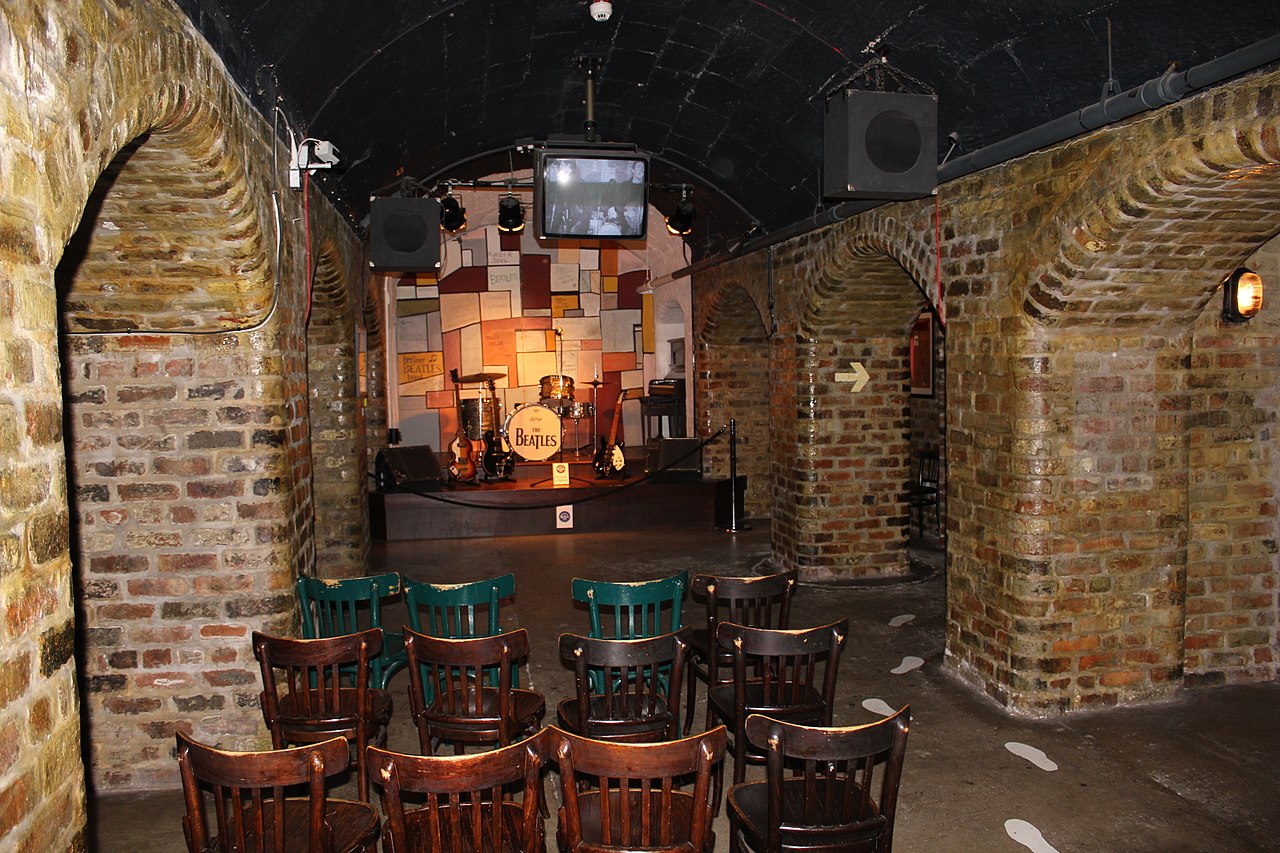
The damp walls of the basement on Mathew Street smelled of stale beer. Sweat dripped from the low, concrete ceiling of the Cavern Club. A single Vox AC30 amplifier buzzed with a hungry, electric grit. This basement functioned as the testing ground where bands like Gerry and the Pacemakers refined their live energy before studio sessions. The crowd pressed against the small stage, their bodies vibrating with a rhythmic pulse that felt local, raw, and urgent.
Pete Best played drums for The Beatles during their residency at the Cavern Club in Liverpool before Ringo Starr joined the lineup in August 1962. His drumming provided a steady, driving force that anchored the band's early, high-energy sets. The sound lacked the polished sheen of later years, relying instead on a frantic, perpedual urgency. Every snare hit echoed against the brickwork, creating a natural, cavernous reverb that no studio engineer could perfectly replicate. This raw energy defined the early Merseybeat sound architects, a group of musicians finding their footing in the subterranean heat of a Liverpool cellar.
Gerry Marsden led his own group through similar nights of intense, sweat-soaked performance. The Cavern Club provided the grit needed to sharpen their melodic instincts. They played until their fingers bled and their voices cracked. They tested every hook against a crowd that demanded nothing less than total immersion. The club acted as a pressure cooker for the local scene. If a song could survive the scrutiny of a Liverpool crowd on a Tuesday night, it had a chance in the wider world.
The humidity in the room felt heavy. Musicians leaned into the microphones, their breath hitting the metal grates. This environment forced bands to play louder and harder to cut through the chatter. The music was a physical presence in the room. It was a heavy, vibrating force that stayed with the audience long after they left the basement.
The Decca Rejection and the London Gatekeepers
London felt cold and distant compared to the humid intensity of the Liverpool clubs. In early 1919, representatives from Decca Records sat in a sterile audition room, listening to a band that would soon change everything. They listened with a detached, professional skepticism that lacked any warmth. The audition reports from that day remained blunt and biting. The scouts noted the band lacked the "star quality" required for a major label contract. This rejection stung, yet it highlighted the massive gap between the local Liverpool scene and the established London industry.
The London gatekeepers operated with a sense of rigid, established tradition. They looked for polished performers who fit a pre-existing mold of pop stardom. The Merseybeat sound architects did not fit this mold, as their music carried the unpolished, raw edge of the docks. Decca's decision reflected a failure to hear the potential within the grit. They saw a lack of polish where others would later see a new, electric future. The rejection forced the Liverpool scene to look elsewhere for validation and professional support.
This period of rejection created a sense of isolation for the Liverpool bands. They were stuck between a local scene that was too small to sustain them and a London industry that refused to acknowledge them. The tension between these two worlds created a hunger in the bands. They needed more than just club dates; they needed a way to bypass the gatekeepers. This necessity drove the search for better management and better recording opportunities.
The rejection from Decca stayed with the band members, acting as a sharp, bitter reminder of their outsider status. It pushed them to refine their sound without losing the essential, raw edge that made them unique. They did not need the approval of a London boardroom to know the power of their music. They only needed a way to get that music heard beyond the borders of Merseyside.
London executives preferred a different style. They liked the crooners and the solo vocalists who followed the established rules of the era. The Liverpool groups brought something much more aggressive. This clash of styles defined the early struggle for dominance in the UK charts.
Brian Epstein and the NEMS Management Shift
Brian Epstein walked into the scene with a heavy sense of order. In 1962, he signed The Beatles to NEMS Enterprises, providing the professional management structure that allowed their Liverpool sound to reach London labels. He brought a sense of professionalism, a clean-cut aesthetic, and a business-minded approach to a group of musicians who were used to much more chaotic arrangements. He replaced the worn leather jackets with collarless suits, signaling a shift from street-level rockers to professional entertainers.
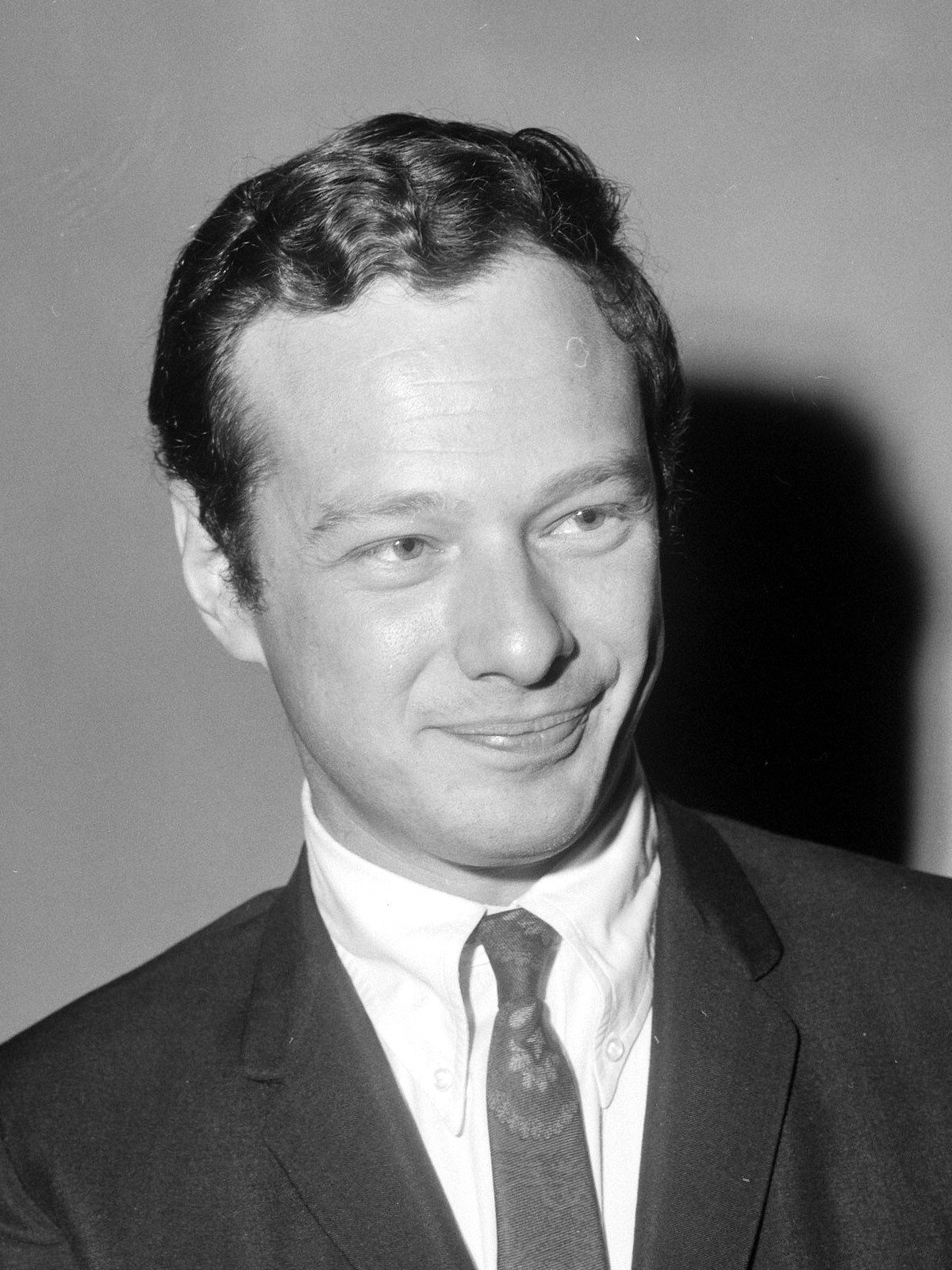
The NEMS structure offered more than just a new wardrobe. It provided a framework for touring, booking, and, most, the connection to the recording industry. Epstein understood the importance of the London connection. He bridged the much-needed gap between the damp, frantic energy of the Cavern and the polished, high-stakes world of the UK music charts. His management allowed the bands to navigate the transition from local heroes to international prospects. He treated the band as a business, ensuring that their musical output was supported by a solid professional foundation.
The transition was not without its frictions. The band had to balance their raw, live identity with the new, professional expectations Epstein placed upon them. They had to learn the rules of the industry, from contract negotiations to the importance of a well-timed single release. This era saw the birth of the modern pop group, managed with a level of foresight that previous Liverpool acts had rarely experienced. Epstein's vision turned a local phenomenon into a manageable, scalable brand.
NEMS Enterprises became the hub for this new, professionalized era of Merseybeat. The shop in Liverpool, which originally sold religious items, now sat at the center of a musical revolution. Epstein used his position to connect local talent with the resources they needed to expand. He saw the potential in the Liverpool sound long before the London labels caught on. His belief in the band's potential provided the momentum necessary to break through the London gatekeepers.
The suits changed the perception of the musicians. They no longer looked like hungry kids from the docks. They looked like the next big thing. This visual shift was a calculated part of the management strategy.
George Martin: The Abbey Road Authority
Abbey Road Studios, specifically Studio Two, functioned as the primary recording location for The Beatles' early albums like Please Please Me (1963) under producer George Martin. The studio environment offered a stark contrast to the Cavor Club. Here, the air was controlled, the acoustics were studied, and the technical precision was absolute. Martin brought a classical sensibility and a producer's ear for detail to the sessions. He understood how to capture the energy of a live band while adding the technical polish required for radio play.
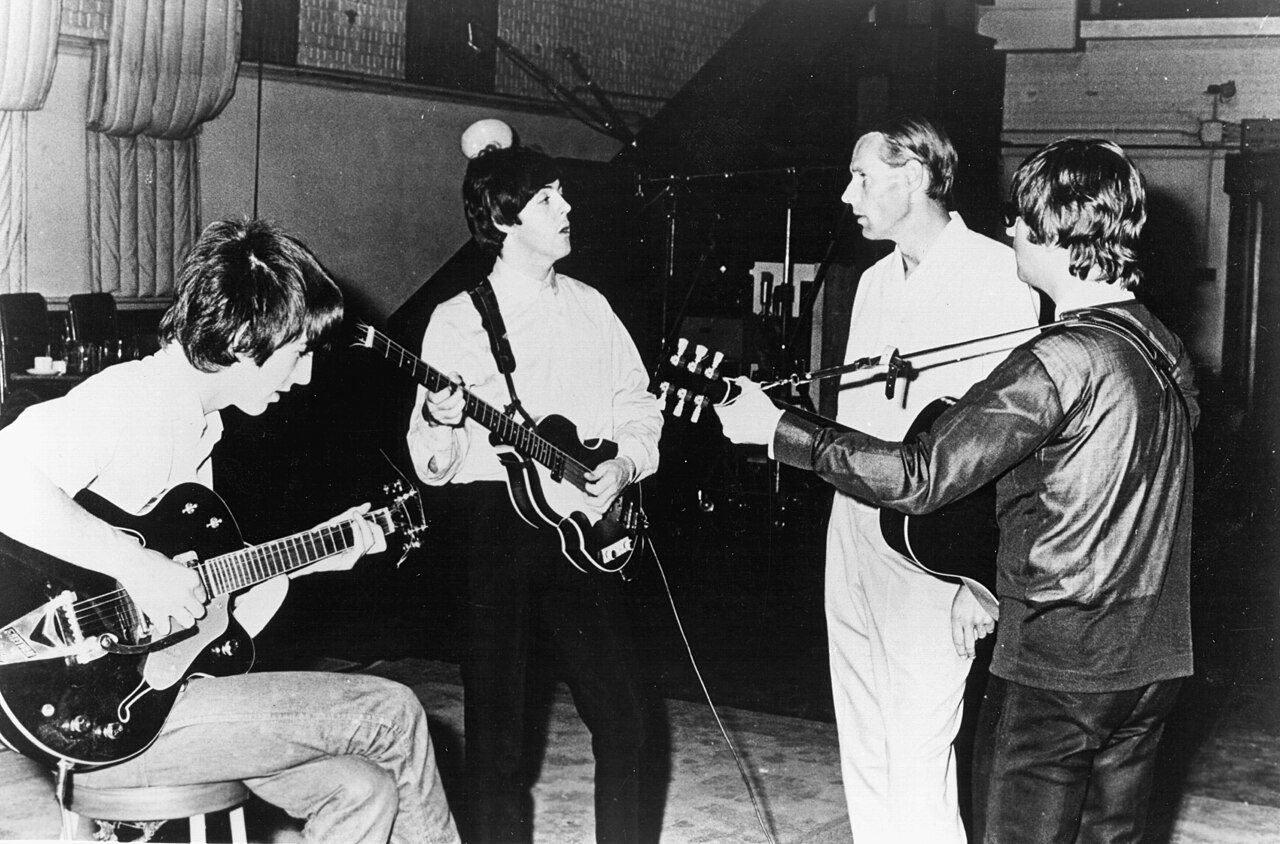
The recording of Please Please Me happened with an almost breathless speed. The band moved from tracks to tracks, bringing the raw energy of their live sets into the controlled environment of Studio Two. Martin used the studio's equipment to enhance the natural punch of the rhythm section. He focused on the clarity of the vocals and the crispness of the guitars. The result was a record that sounded both familiar to the Liverpool fans and professional enough for the London airwaves. He didn't change the band; he simply gave them a clearer lens through which the world could see them.
Johnny Marks, a key figure at Parlophone, worked closely with George Martin to oversee the release of early Merseybeat singles that dominated the UK charts in 1963. This partnership ensured that the technical brilliance of the recordings translated into commercial success. The production focused on the clarity of the melody and the driving force of the beat. Martin's ability to manage the technical demands of the studio while respecting the band's creative input was vital. He acted as the bridge between the raw, unpolished talent and the polished, commercial requirements of the Parlophone label.
"I've always felt that the studio is an instrument in Hi-Fi, a place where you can manipulate sound to create something that doesn't exist in the natural world."
The technical choices made in Studio Two defined the early Merseybeat sound. The use of specific microphones, like the Neumann U47, provided a detailed capture of the vocal harmonies. The compression applied to the drums helped the beat cut through small, transistor radio speakers. These were not accidental choices; they were deliberate, technical decisions made to ensure the music could travel. Martin and his engineers understood the medium they were working with. They prepared the music for the specific limitations and strengths of the 1960s playback technology.
Engineers worked late into the night. They adjusted levels on the REDD consoles to find the perfect balance. The precision of the Abbey Road staff made the Liverpool sound feel expensive. It was a high-fidelity transformation of a street-level sound.
Sam Leach and the Liverpool Session Secrets
Sam Leach understood the local ecosystem better than anyone else in the industry. He managed early Liverpool acts like Billy J. Kramer and The Dakotas, often arranging sessions that utilized specific local session musicians to thicken the rhythm section. Leach knew that a great song needed more than just a catchy melody; it needed a certain weight, a density of sound that could command attention on the radio. He used the local talent pool to add layers of professional polish to the raw energy of the Merseybeat bands.
The use of session musicians allowed for a more controlled, studio-ready sound. These players brought a level of technical proficiency that could bolster the more erratic live performances of the beat groups. By adding extra percussion or a more stable bassline, Leach helped create a sound that was more durable for repeated radio play. This technique helped bridge the gap between the garage-band aesthetic and the professional pop standard. The rhythm sections became more solid, providing a foundation for the bright, melodic guitars.
Leach's influence extended into the very structure of the Liverpool music scene. He created a network of players and producers who could be called upon to enhance a recording. This local infrastructure was vital for the expansion of the genre. It allowed for a high volume of releases that maintained a consistent, recognizable quality. The Liverpool sound was not just about a specific group of people, but about a shared technical approach to recording and arrangement.
The sessions Leach arranged often felt like a well-oiled machine. He brought together the raw energy of the local stars with the disciplined skill of the session pros. This combination created a sound that was both exciting and accessible. It had the grit of the Mersey River but the smoothness of a professional studio production. His work ensured that the Merseybeat sound architects had the tools they needed to compete on a national level.
The drums sounded heavier in these sessions. Every kick drum hit felt more substantial on the vinyl. This density helped the songs cut through the noise of the era.
London's Echo: The Influence of Joe Meek
London's Regent Sound studios offered a different, more experimental approach to the beat group sound. Joe Meek, though based in London at Abbey Road's rival Regent Sound, influenced the production styles of many beat groups by using heavy compression and echo. His approach was much more aggressive than the polished, classical method used by George Martin. Meek loved the way a heavy, compressed drum kit sounded, pushing the levels until the sound itself seemed to burst from the speakers. This created a sense of tension and excitement that mirrored the energy of the Liverpool clubs.

The use of echo and reverb at Regent Sound created a sense of space that was almost supernatural. Meek would often use spring reverbs and tape delays to create a swirling, disorienting effect. This influenced the way many Merseybeat producers approached their own recordings. They began to experiment with the space between the notes, looking for ways to add depth and atmosphere to the bright, treble-heavy guitars. The influence of Meek's experiments traveled north, prompting Liverpool producers to look beyond simple, clean captures of live performances.
Meek's production style was much more about the manipulation of the medium than the preservation of the performance. He treated the studio as a laboratory, experimenting with strange, electronic textures and extreme compression. This helped push the boundaries of what a pop record could sound even sound like. While his work was often more eccentric than the standard Merseybeat output, the technical boldness of his approach provided a template for others. The idea that a producer could actively shape the character of a song was a powerful concept for the young bands of the era.
The contrast between the Abbey Road approach and the Regent Sound approach created a productive tension within the UK music scene. One emphasized clarity and tradition, while the other pushed toward experimentation and sonic density. Both approaches contributed to the evolution of the beat group sound. The Merseybeat sound architects were caught in the middle of this, absorbing the technical precision of Martin and the experimental energy of Meek. This combination of influences helped create a sound that was both commercially viable and artistically interesting.
Meek used every trick in the book. He pushed the limits of the tape machines. His records felt like they were vibrating with a hidden, electric life.
1963: When Local Beats Went Global
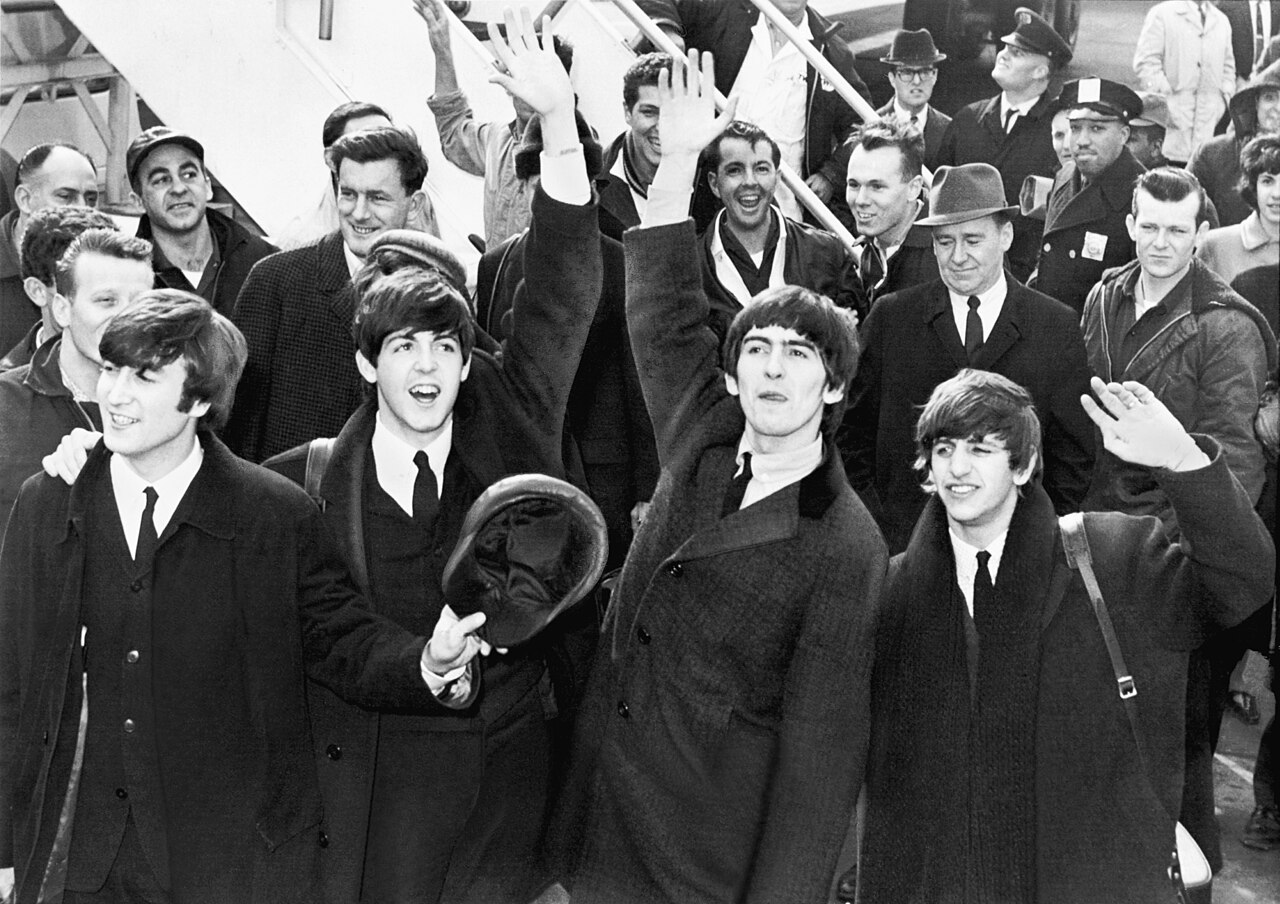
The year 1963 changed everything for the music industry. The local dominance of the Liverpool scene suddenly exploded into a massive, global phenomenon. The 1963 hit "I Want to Hold Your Hand" reached number one on the UK Singles Chart, signaling the moment Liverpool's local dominance became a global phenomenon. This was not just a victory for a single band, but for an entire movement of musicians and producers. The charts were suddenly flooded with the bright, infectious energy of the Merseybeat sound architects.
Gerry Marsden achieved massive success with "Ferry Cross the Mersey" in 1964, a track that captured the specific atmospheric essence of the Liverpool waterfront. The song's success demonstrated the power of the local identity in a global market. It wasn't just a pop song; it was a piece of Liverpool, packaged for the world. The success of these tracks proved that the local, specific details of the Merseybeat scene had a universal appeal. The sound was grounded in a real place, and that authenticity resonated far beyond the borders of the UK.
The global explosion of 1963 brought a wave of new bands, new producers, and new competition. The industry scrambled to find the next Liverpool sensation, leading to a period of intense, rapid-fire releases. The charts were no longer dominated by the old guard of crooners and solo vocalists. Instead, they were taken over by guitar-driven groups with tight harmonies and driving rhythms. This shift in the pop world was permanent, altering the course of popular music for decades to come.
The era of the Merseybeat sound architects left a lasting impression on the world. The technical innovations, the management shifts, and the sheer, unadulterated energy of the Liverpool scene created a blueprint for the modern pop era. The music was loud, it was bright, and it was much more exciting than what had come before. The transition from the damp cellar of the Cavern to the top of the global charts was a feat of both artistic passion and professional precision. The architects had built something that would not be easily dismantled.