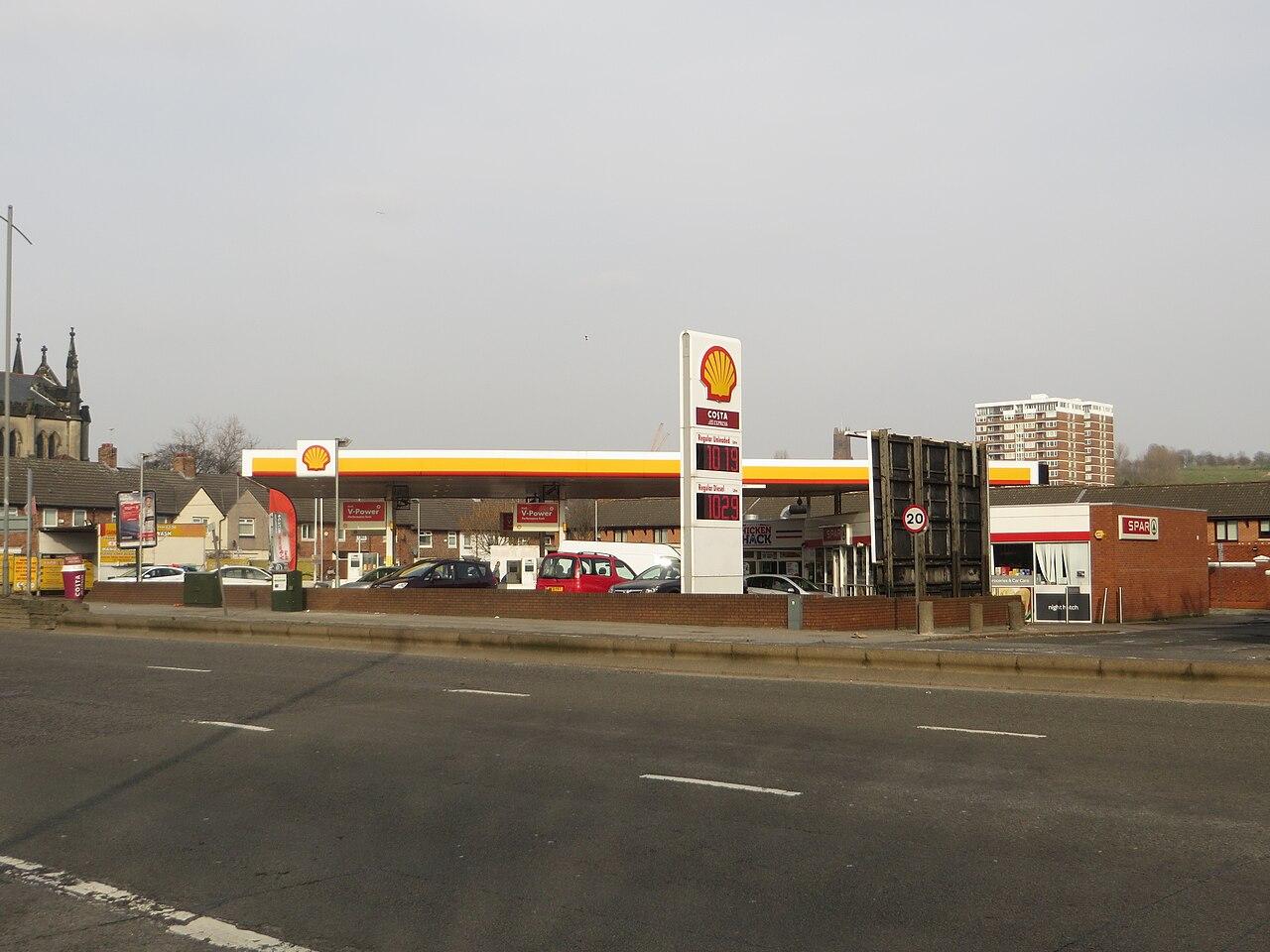
1998 hit the Liverpool docks with a specific kind of vibration. Car windows rattled on the Mersey as sub-bass frequencies pushed against the metal of parked hatchbacks. This sound ignored the polished, smooth swing that London DJs played in the south. Producers in the North West built tracks with a weight that felt at home in gritty, industrial clubs. They used heavy percussion to drive the energy forward. This version of the genre built a distinct identity through raw power instead of subtle swing.
The late nineties brought a specific energy to the dancefloors of the North. While the London scene focused on a lighter, more melodic 2-step, Liverpool producers leaned into the 4x4 beat. They wanted something that could move a crowd in a crowded, sweaty basement. The basslines felt thicker and more aggressive. You felt the vibration in your chest long before the melody arrived. The club walls shook constantly.
Local producers worked with heavy gear to achieve this depth. They used the Akai S1000 sampler to loop broken beats and thick bass hits. This machine allowed them to manipulate the grit of the percussion. The Roland TR-909 drum machine provided the punch needed for the 4x4 rhythm. Every kick drum hit with the force of a physical blow. This heavy production style defined the regional sound during those intense years.
The London 1999 Blueprint
DJ EZ released his 1999 mix CD, DJ EZ: Mixed by DJ EZ, through London Records. This release set the tone for the London-centric sound of that era. The CD presented a version of garage that felt fast and highly rhythmic. It featured the bright, swinging 2-step sounds that would soon dominate the airwaves. London DJs used this style to create a sense of movement and light. The tracks often featured vocal chops that floated over a bouncy, syncopated beat.
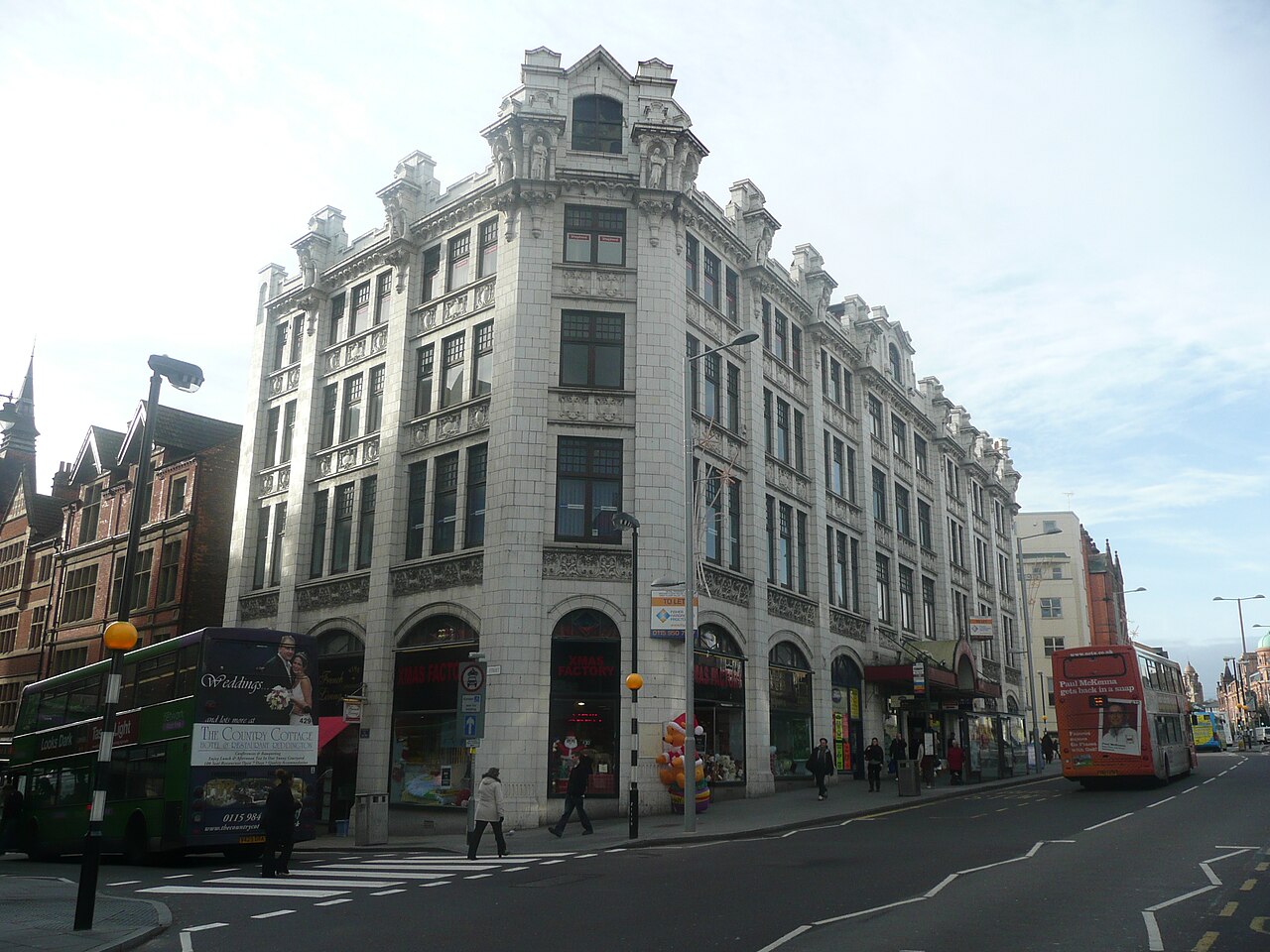
London clubs like those in the Ayia Napa circuit preferred a smoother, more melodic approach. The tracks often relied on a 2-step swing that felt airy and light. Producers used Rhodes pianos and soft synth pads to create a sense of luxury. This was a far cry from the heavy, driving energy found in the North. The London sound aimed for a certain level of sophistication. It worked well in the high-end club environments of the South.
The 2000 compilation UK Garage: The Album from Ministry ofSound featured Artful Dodger's "Rewind". This track provided the blueprint for many producers to follow. It captured the 2-step movement with its smooth, syncopated rhythm. It showed how vocal melodies could sit atop a light, swinging beat. Many Northern producers admired this level of polish. They could not help but add their own weight to the sound.
Producers took the structural ideas from London but replaced the lightness with a much heavier, percussion-driven foundation. This tension between the London blueprint and the 4x4 response created a massive divide in the genre. The London sound was the template, but the North provided the muscle. Every producer in the North watched the London charts and listened to the pirate radio stations. They saw the success of the 2-step artists and understood the potential of the genre.
"The bassline isn't just a part of the track, it is the track."
London's influence reached everywhere, but the North resisted the polish. Producers in Liverpool and Manchester took the melodic elements and buried them under layers of low-end pressure. They wanted the music to hit hard. They wanted the music to demand physical attention. The tension between the two styles fueled a period of intense creativity in the UK underground.
The 051 Club and the Northern Identity
The 051 Club hosted early UK Garage nights that helped build a regional identity separate from the London-based Rinse FM era. This venue became a central point for the local scene. The atmosphere inside the club stayed thick with smoke and the scent of heavy bass. People did not come here for the smooth, melodic sounds of the South. They came to hear the heavy, 4x4 beats that shook the walls.
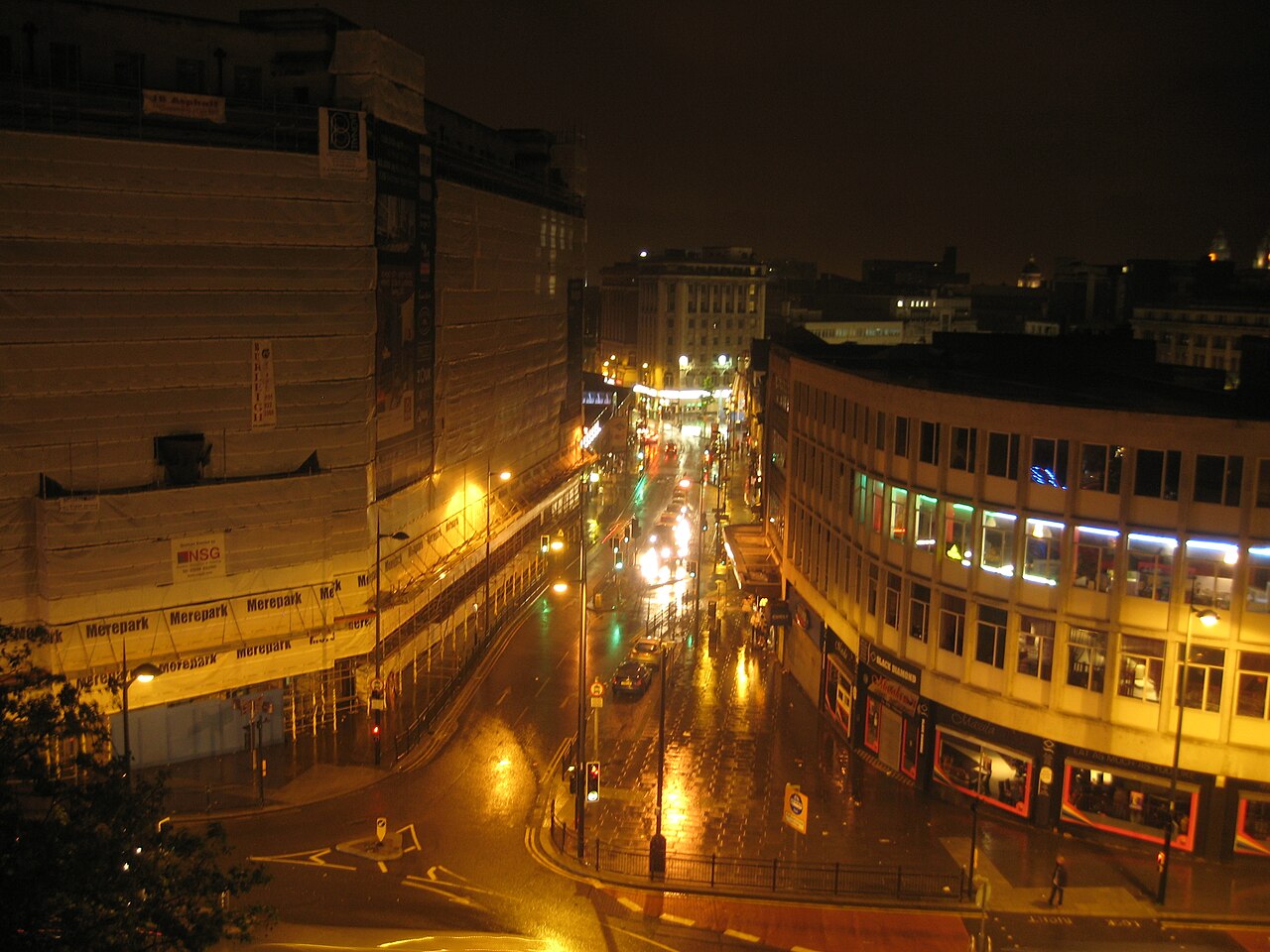
Manchester sat only a short distance away, and its influence was felt everywhere. The presence of the Hacienda in Manchester created a nearby cultural pressure point. This forced Liverpool's garage scene to develop its own harder-edged club culture. The Hacienda represented a certain type of polished, acid-house-derived elegance. Liverpool, by contrast, leaned into a much more aggressive, garage-heavy aesthetic. The local DJs wanted something that felt more rugged.
The 051 Club nights often featured DJs who prioritized the heavy low-end. These sets were not about smooth transitions or light melodies. Instead, they focused on the physical impact of the bassline. The sound was designed to be played on large, powerful systems that could rattle the bones of the crowd. This focus on the physical sensation of the music helped build the Liverpool identity. It was a sound that felt grounded in the industrial reality of the city.
Local promoters worked hard to keep the scene alive during these years. They booked local talent and ensured that the music remained focused on the 4x4 sound. This prevented the London 2-step influence from erasing the local character. The 051 became a fortress for the heavier side of the genre. It was a place where the North could assert its own musical values. The club helped ensure that the Liverpool scene would not simply become a satellite of the London movement.
The bass frequency hit the floor with a massive weight. You felt the pressure in your ears before you heard the melody. This physical connection between the DJ and the dancer defined the 051 era. It was a club culture built on weight and energy. No one came to these clubs to dance softly. The music demanded every bit of energy from the crowd.
The Machinery of the Northern Sound
The production techniques used by Northern producers often emphasized a heavier, more percussion-driven bassline compared to the smoother 2-step swing. These producers focused on the impact of the kick drum and the weight of the sub-bass. They used Akai samplers to loop heavy, broken beats that felt aggressive. The 4x4 beat provided a steady, driving force that kept the energy high. The bass sat so low in the mix that it felt like a physical presence in the 051 Club.
Speed Garage became the dominant subgenre in the North during the late 1990s. This style used heavy bass and 4x4 beats that drove the dancefloor. It lacked the syncopation of 2-step, opting instead for a relentless, pounding rhythm. Producers used thick, warped basslines that sounded like heavy machinery moving through the club. This was a sound that demanded a large, powerful sound system to be effective. It was not music for small, polite lounges.
The drum programming in these tracks often drew from the heavy, broken rhythms of the local scene. Producers layered heavy 909 kicks with sharp, snapping snares to create an aggressive percussion section. They avoided the light, shuffling hi-hats of the London 2-step era. Instead, they used harder, more driving percussion that pushed the beat forward. This emphasis on the percussion made the tracks feel much more energetic and physically demanding. The music was designed to drive the crowd into a frenzy.
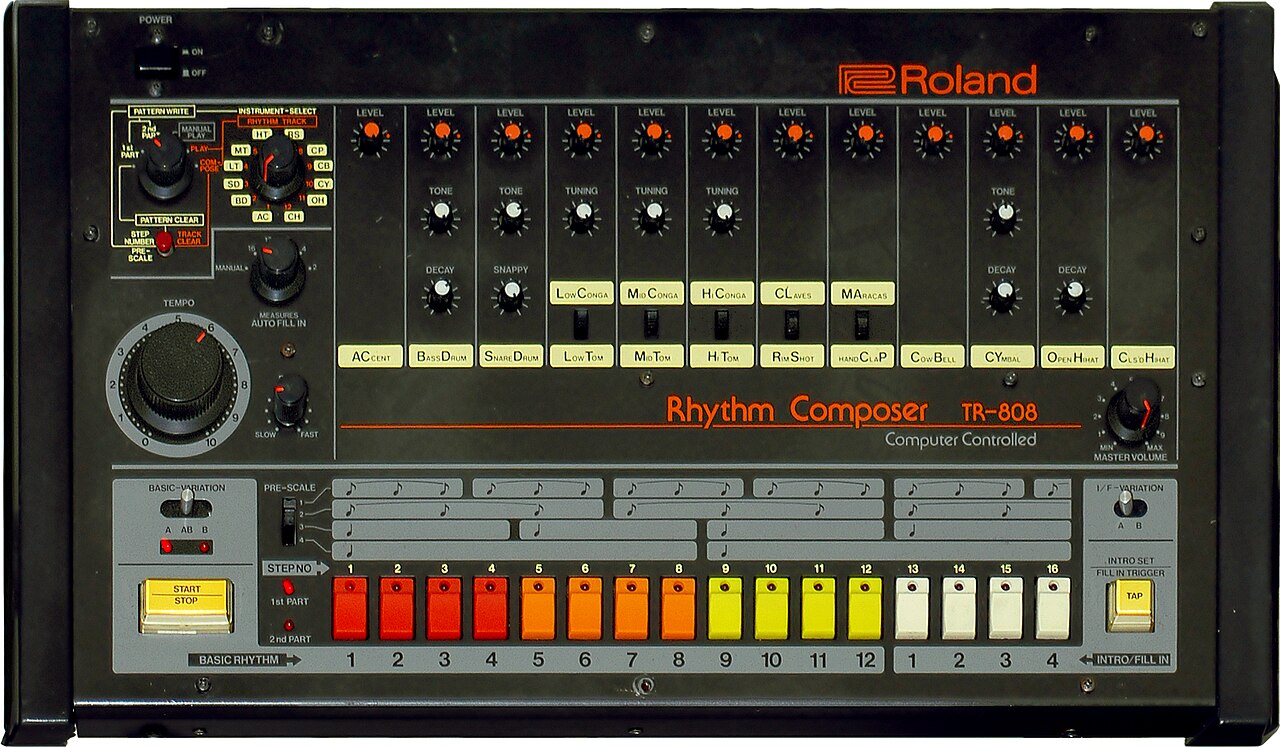
The use of the Roland TR-909 drum machine was common in these productions. The 909 kick provided a punchy, consistent thud that anchored the 4x4 rhythm. When paired with deep, wobbling basslines, the result was a sound that felt incredibly heavy. This was the core of the Northern Speed Garage sound. It was a style that prioritized the visceral impact of the rhythm over melodic complexity. The production focused on the power of the beat and the weight of the bass.
The Alesis SR-16 drum machine also played a role in the percussion. Producers used its crisp, metallic sounds to add texture to the 4x4 loop. These sharp percussion hits cut through the thick sub-bass. This layering created a sound that was both deep and biting. It made the tracks stand out in a crowded club environment. Every snare hit felt like a sharp crack in the dark room.
MC DT and the Rhythmic Mic
MC DT provided a lyrical style that differentiated Liverpool's delivery from the London pirate radio standard. While London MCs often used a high-pitched, frantic style to hype the even more frantic crowd, MC DT brought a more rhythmic, grounded approach. His delivery matched the heavy, 4x4 beats of the North. He did not rely on constant, breathless shouting. Instead, he used his voice as another percussive element in the mix. His flow focused on timing and weight instead of pure speed.
The influence of the local breakbeat scene was visible in the way MCs approached the microphone. They brought a certain ruggedness to the performance that mirrored the music. The lyrical content was often more direct and less focused on the flashy, pop-oriented themes seen in some London garage. It was about the energy of the room and the power of the sound system. The MC acted as a guide through the heavy, percussive sets. They helped to anchor the energy of the crowd during the most intense moments of the night.
The way the MC interacted with the heavy basslines was crucial to the success of the local sound. MC DT knew how to leave space for the bass to breathe. He understood that the music did the heavy lifting, and his job was to complement the rhythm. This prevented the vocals from clutterting the mix or distracting from the physical impact of the beat. His style was a key part of why the Liverpool sound felt so distinct. It was a more integrated, rhythm-focused approach to MCing.
This lyrical shift helped to solidify the North's identity within the broader UK Garage movement. It showed that the genre could function with a completely different vocal energy. The North did not need the London style to be successful. They had developed a way to use the microphone that worked perfectly with their heavier, 4x4 production. This helped to create a sense of pride in the local, regional sound. The MCs were just as much a part of the heavy, Northern identity as the producers themselves.
Breakbeats and the North West Connection
The influence of Jungle and Drum and Bass producers in Liverpool bled into the rhythmic structures of local garage tracks. Many producers in the North West grew up listening to the breakbeat-heavy sounds of the early 90s. They brought that DNA into their garage productions. This resulted in tracks with complex, layered drum patterns. They used Akai samplers to chop up classic breaks, layering them underneath the heavy garage kicks. This created a much more textured and aggressive rhythmic foundation.
Local Liverpool labels and independent distributors worked alongside London-based giants like XL Recordings to move vinyl through independent shops in the North West. This network was vital for the survival of the regional scene. Independent shops in cities like Liverpool and Manchester acted as the lifeblood of the movement. They provided a platform for local producers to get their music into the hands of DJs. Without this distribution network, the Northern sound might never have gained enough momentum to sustain itself. The connection between local labels and the larger industry was a vital link.
The breakbeat influence made the Northern garage sound much more difficult to ignore. It had a level of rhythmic complexity that set it apart from the smoother, more predictable London 2-step. Producers often experimented with much more aggressive, syncopated patterns. They used the heavy, broken rhythms of Jungle to add energy to a 4x4 garage track. This experimentation helped to keep the local scene fresh and unpredictable. It was a sound that drew from the breakbeat-heavy history of the North West.
The production often featured much more aggressive, distorted drum sounds. Producers pushed the levels on their mixers to get a more saturated, gritty tone. This helped to emphasize the heavy, industrial feel of the music.
The drums did not just sit in the mix. They pushed through it. This approach to percussion was a hallmark of the North West scene. It was a sound that demanded attention and respected the power of the breakbeat.
The Shift to the 2-Step Charts
The transition from 4x4 garage to 2-step coincided with the rise of the UKG era in the UK charts. Craig David reached number one in 2000 with "7 Days". This period marked a massive shift in the popularity of the genre. The music became more melodic, polished, and accessible to a mainstream audience. The heavy, driving 4x4 beats disappeared from the top of the charts. The era of the heavy, 4x4 Liverpool garage sound eventually gave way to the polished era of 2-step.
Craig David's success brought the genre to a global audience, but it also changed the core of the sound. The heavy, bass-driven energy that defined the Liverpool scene disappeared from the mainstream. The music moved into much more mainstream venues. The focus moved from the heavy, 4x4 club nights to the more melodic, vocal-led radio hits. This was a massive change for the genre. The grit of the North disappeared under the demands of the pop charts.
While the charts moved toward 2-step, the 4x4 sound did not disappear entirely. It continued to thrive in the underground clubs and the local Northern scene. The heavy, percussion-driven style remained a staple of the Liverpool club nights. Even as the mainstream embraced the smoother sound, the local producers stayed true to their heavier roots. They continued to use the heavy, driving rhythms that had defined their identity for years. The tension between the pop-oriented 2-step and the heavy 4x4 remained a key part of the culture.
The legacy of the heavy, Northern garage sound remains a significant part of the UK's musical history. It showed that the genre could exist in many different forms, depending on the local culture and environment. The Liverpool scene proved that a regional identity could be just as powerful as the London-centric movement. The heavy, 4x4 beats and the gritty, percussion-driven production left a permanent mark on the development of the genre. The music was heavy, it was raw, and it was Northern.
The era of the heavy, 4x4 Liverpool garage sound eventually gave way to the polished era of 2-step, but the impact of that heavy, rhythmic energy never truly left the North. The clubs may have changed, and the charts may have moved on, but the memory of those heavy, bass-driven nights remains. The music was a physical force that defined a generation. The clubs in Liverpool and beyond still echo with the ghosts of those heavy, distorted basslines.