February 21, 1973, changed everything for the North West. The Wigan Casino opened its doors on the site of an old cinema. Heavy doors swung wide. Hungry crowds rushed in.
People did not just enter the building. They crashed into it with a rhythmic, desperate energy. The space once held flickering silver screens. Now, it held a different kind of light. This era defined the lives of Liverpool and Manchester youth.
Russ Wintle saw the potential in those empty aisles and velvet seats. He organized the massive All Nighter events every single week. These nights functioned as endurance tests of rhythm and stamina. The sheer scale of the crowds required heavy organization. Wintle turned a local gathering into a regional phenomenon. He ignored the borders of the cities it touched.
The energy inside the Casino felt disconnected from the chaos outside. While the streets of the North West faced economic uncertainty, the dancefloor remained a place of intense, singular focus. Every beat from the DJ booth acted as a heartbeat for a community. The lights stayed low. The bass stayed heavy. The dancers stayed focused on the groove.
The Wigan Casino and the 1973 Opening
Wigan sat at the center of a massive, swirling orbit of dancers. The Casino, built on the bones of an old cinema, provided the perfect architecture for this madness. High ceilings and wide floors allowed for the wide, sweeping movements of the dancers to take a physical form. The smell of floor wax and stale sweat became the unofficial scent of the venue during those early years. It was a space that demanded physical presence from every person who entered.

Russ Wintle managed the logistics of the All Nighter events with a precision that kept the crowds moving. He handled the influx of thousands of people who arrived from all over the North. The organization of these events allowed the music to take center stage. He ensured that the transition between tracks felt natural and urgent. The Casino became the spiritual epicenter for the Northern Soul movement in the North West. It was a heavy, physical experience that left everyone exhausted by dawn.
The music itself provided the foundation for everything that happened within those walls. DJs searched for tracks that possessed a specific kind of kinetic energy. They wanted a sound that could drive a crowd through the early hours of the morning.
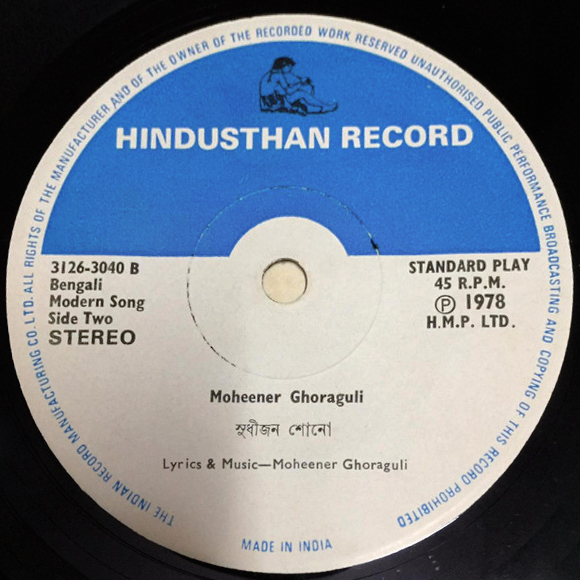
They looked for records that felt urgent. They sought tracks with a driving percussion and a heavy sense of immediate, pressing emotion. The Casino was not a place for slow ballads or polite melodies. It enough was a place for the heavy, driving rhythm of the 45rpm record.
Liverpool dancers brought a specific intensity to the Wigan floor. They arrived with a hunger for the sound. They often traveled long distances to ensure they did not miss a single set. The connection between the Liverpool clubs and the Wigan Casino created a loop of energy that fed the movement. This was not a solitary hobby. It was a shared, loud, and sweaty obsession that connected disparate groups of people through a single, driving beat.
The physical sensation of the room changed as the night progressed. The temperature climbed. The humidity rose. You could feel the vibration of the speakers in your teeth.
The music did not just play; it pushed against you. Every 45rpm spin brought a new wave of heat. The dancers moved as one massive, breathing organism. This was the heart of the movement.
Dancing Through the 1970s UK Crisis
Britain faced a slow-motion collapse in the 1970s. Inflation rates climbed toward triple digits. The three-day week forced businesses to shut down. Power cuts plunged homes into darkness.

People lived with constant, low-level anxiety. They watched prices rise in every local shop. It was a grim, grey period for the working class. The streets of Liverpool and Manchester felt heavy with the weight of industrial decline.
The 1974 miners' strike added another layer of difficulty to an already strained society. Transport across the North of England ground to a halt. Strikes disrupted the railways and the roads.
It became incredibly difficult to move between cities. Yet, the dance halls in Liverpool remained packed every weekend. The clubs acted as a shield against the gloom of the outside world. While the streets were quiet and the factories were silent, the clubs were loud and the dancefloors were full.
The economic crisis could not touch the spirit of the soul clubs. The hardship might have even strengthened the bond between the dancers. There was a sense that the music belonged to the people. It was a private sanctuary that the politicians and the strikers could not touch. The energy in the clubs provided a necessary release from the tension of the streets. When the music played, the inflation and the strikes simply ceased to exist for a few hours.
Liverpool's club scene thrived on this defiance. The dancers ignored the scarcity of resources. They focused instead on the abundance of rhythm. They found a way to celebrate even when the lights were dim and the heating was turned down. This era proved that a community could find its strength in the 1970s. The soul movement was a stubborn, rhythmic force that refused to be extinguished by the darkness of the decade.
The darkness of the power cuts actually helped the atmosphere. It allowed the clubs to feel more intimate. The focus shifted entirely to the light of the dancefloor and the glow of the DJ booth.
The outside world disappeared. Only the beat remained. This shared struggle created a bond that lasted for years. No one could break that connection.
Rare 45s and the Hunt for White Labels
Mike Weddel played a crucial role in the Liverpool scene. He spun rare 45rpm American soul singles at venues like the 20th Club. He understood that the magic of Northern Soul lived in the obscurity of the records.
A track that everyone knew offered no power. The real strength lay in the record that nobody had ever heard. He searched for sounds with a driving, heavy beat. The 20th Club became a temple for these precious sounds.
The hunt for white-label pressings became a sport in its own right. Collectors would scour American imports and obscure labels. They looked for anything that might have been released in small numbers.
The rare 1965 track "I'm So Glad I Found You" by The Soul Survivors became a sought-after anthem. Collectors hunted these elusive pressings with a feverish intensity. Finding a clean copy of such a record felt like discovering buried treasure. The physical act of finding the record was just as important as the sound of the music itself.
Ian Levine played heavy rotations of tracks that brought the era of 1960s Tamla Motown into the 1970s clubs. He leaned into the classics. He played songs that every dancer knew by heart.
He always kept the energy high. He played tracks like "The Tracks of My, My, My Tears" by The Miracles. A single, soulful note could command the attention of an entire room. The connection to the Motown era provided a sense of continuity amidst the chaos of the 70s.
"The tracks of my tears, that's all that's left for me..."
The sound of these records was physical. A well-pressed 45rpm single had a punch that digital formats can never replicate. The bass hit like a fist to the chest. The brass sections bit through the air like sharp, metallic stabs.
Collectors cared about the weight of the vinyl and the clarity of the pressing. They wanted a sound that could pierce through the thick, humid air of a crowded dancehall. The hunt was about more than just music. It was about capturing a specific, physical sensation of sound.
The needle dropping onto the groove created a moment of pure tension. Every pop and crackle added to the character of the track. The DJs handled these precious discs with extreme care.
They knew the value of a clean take. One scratch could ruin a rare find. This reverence for the physical medium defined the culture. The music was something you could hold in your hands.
The Physicality of the Floor: The Shag and the Lindy Hop
Dancing Northern Soul was not a polite affair. It was an athletic, exhausting, and often violent expression of rhythm. The dancers did not just move their feet.
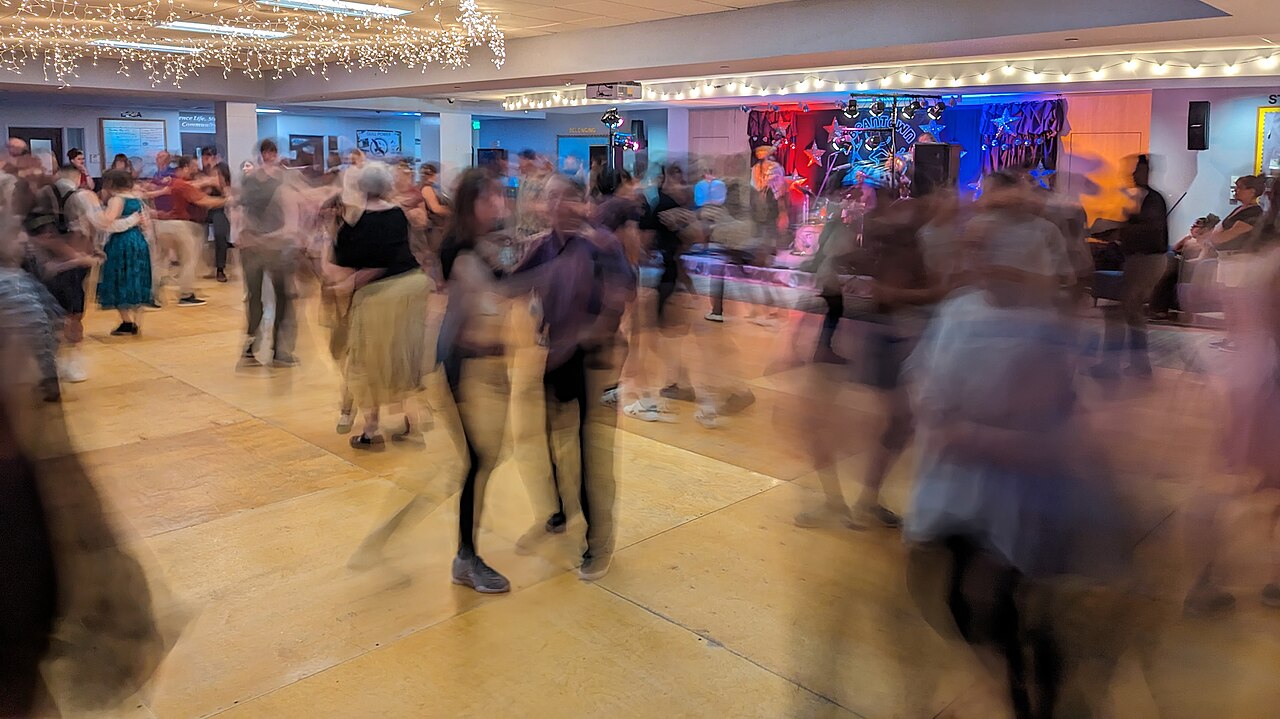
They threw their entire bodies into the groove. The heat in the room would rise until the air felt thick enough to swallow. You could see the sweat flying off the dancers in the dim light. It was a high-stakes performance of endurance.
The "Shag" and the "Lindy Hop" were two specific, high-energy dance moves that defined the physical expression of the subculture. The Shag required a frantic, side-to-side movement. It kept the dancer in constant motion. Their feet blurred against the wood.
The Lindy Hop brought more complex, acrobatic elements to the floor. It involved spins and sudden, sharp stops. These moves were not for the faint of heart. They required immense stamina and a total abandonment of self-consciousness.
The floor itself bore the marks of this intensity. The wood would become slick with perspiration. This made every turn a dangerous gamble.
Dancers learned how to navigate the friction. They learned how to pivot without slipping into a neighbor. The sound of hundreds of feet shuffling and sliding created a rhythmic percussion of its own. It was a collective, percussive dance that echoed the heavy drumbeats of the records.
The physical toll of these nights was immense. Many dancers would arrive at the club with enough energy to power a small city. They would leave looking like they had survived a shipwreck. There was a certain pride in that exhaustion.
To be tired was to have participated fully. To be sweaty was to have truly felt the music. The dancefloor was a place of physical truth. You could not hide your lack of effort.
The clothing of the dancers also played a part in the movement. Wide-legged trousers allowed for greater range of motion. Large collars caught the air as heads snapped back to the beat.
The fashion followed the function. Everything about the subculture served the dance. The movement was the priority. The style was a byproduct of the rhythm.
From the Cavern to the Hacienda
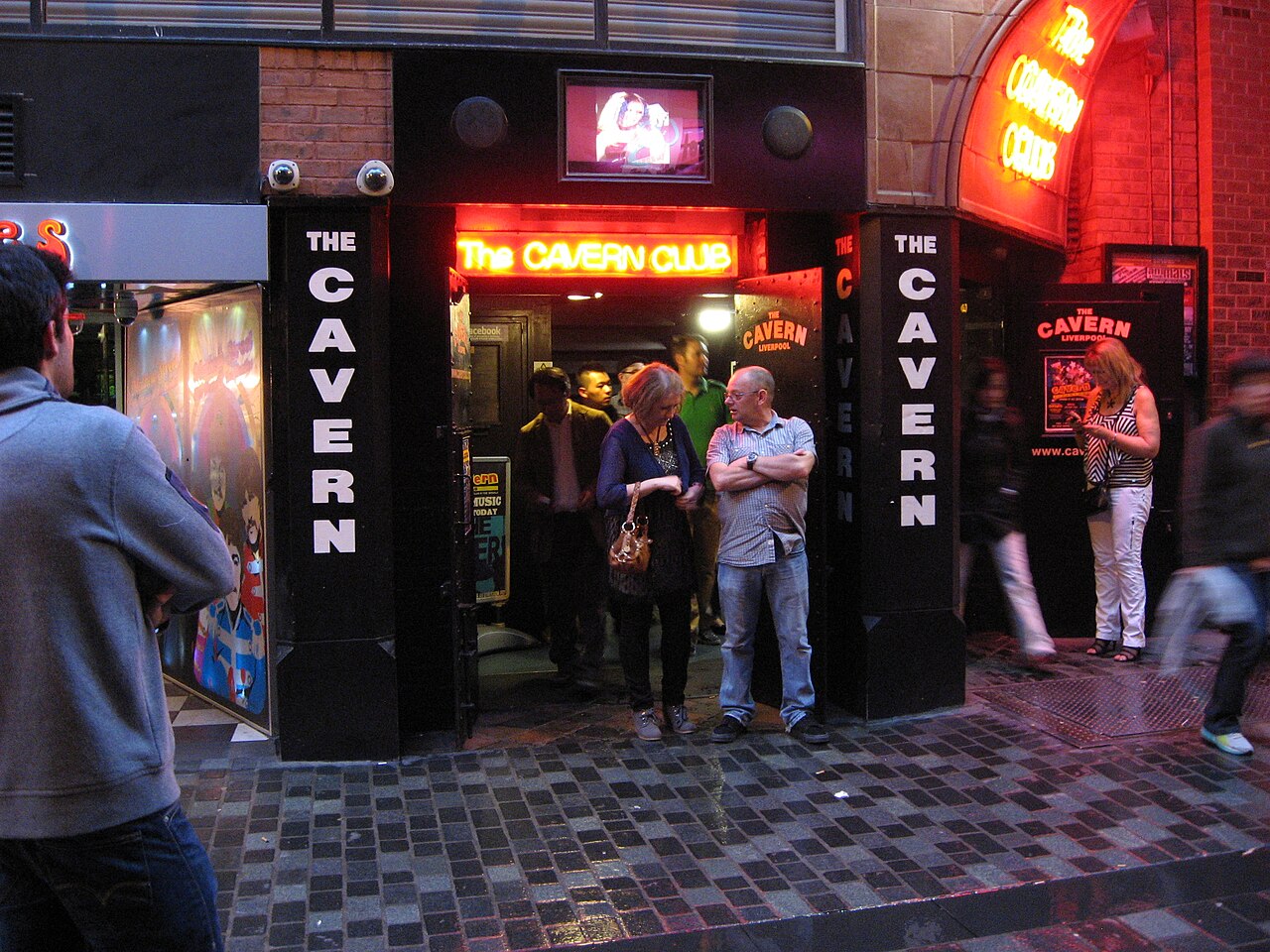
The Cavern Club in Liverpool held a different kind of weight. While the world associated it with the Merseybeat era of the 1960s, the venue continued to host various soul-influenced nights. These sessions bridged the gap between the 60s R&B roots and the 70s soul movement. It provided a sense of continuity for the Liverpool scene. It linked the legends of the past to the dancers of the present. The Cavern remained a place where the rhythm was the primary language.
As the 1980s approached, the clubbing scene began to shift. Many dancers traveled from Liverpool to the Hacienda in Manchester. This venue opened in 1982.
This new venue marked a shift in the regional clubbing scene toward post-punk and the early stages of dance music. The Hacienda brought a different, more electronic energy. It relied on synthesizers and drum machines than the organic warmth of 45rpm soul. The era of the heavy, brassy soul anthem was beginning to fade.
The transition was not easy for the old guard. The raw, human energy of the Northern Soul movement felt threatened by the colder, more programmed sounds of the 80s. However, the DNA of the soul movement lived on in the way people approached the new dance music. The obsession with the DJ, the hunt for the rare track, and the physical intensity of the dancefloor all moved into the new era. The spirit of the 70s was simply finding new tools to express itself.
Manchester and Liverpool remained locked in a rhythmic dialogue. The clubs of one city fed the energy of the other. They created a regional circuit that was impossible to ignore.
Even as the Hacienda changed the rules, the memory of the Casino and the 20th Club remained part of the foundation. The soul movement had changed the way the North danced. That change was permanent. The pulse of the 70s had become the heartbeat of the 80s.
The shift to electronic beats brought a new kind of tension. The machines were precise. The soul was messy.
Yet, the crowd remained the same. They still searched for that moment of connection. They still wanted to lose themselves in the sound. The technology changed, but the hunger did not.
The Soul that Outlasted the Crisis
The 1970s ended, and the economic structures of the UK changed forever. The strikes ended. The inflation stabilized. The era of the three-day week passed into history.
Yet, the impact of the Northern Soul movement remained. It had created a community that knew how to find joy in the middle of a disaster. This resilience became a part of the cultural identity of the North West. The music had provided a way to survive the dark years.
The records themselves survived too. The 45rpm singles that were once hunted in the shadows of the 20th Club are now precious artifacts. Collectors still track down the white labels and the rare pressings.
They are driven by the same hunger that drove the dancers in 1973. The sound of The Soul Survivors or The Miracles still carries that same, urgent weight. The music does not age because its purpose was never about fashion. It was about the physical necessity of the beat.
Liverpool and Manchester continue to be hubs of musical evolution. The transition from soul to post-punk to acid house was a sequence of shifts. The underlying drive remained the same. The dancefloor remains a place of escape. It is a place where the external world is secondary to the internal rhythm. The lessons of the 70s, learned through sweat and heavy bass, still apply to every new generation of clubbers.
The lights may go out in the streets, and the economy may falter, but the groove remains. The dancers of the 70s taught us that rhythm is a form of resistance. They showed us that even in the darkest, most uncertain times, the music can keep us moving. That is the true legacy of the Northern Soul movement in Liverpool.