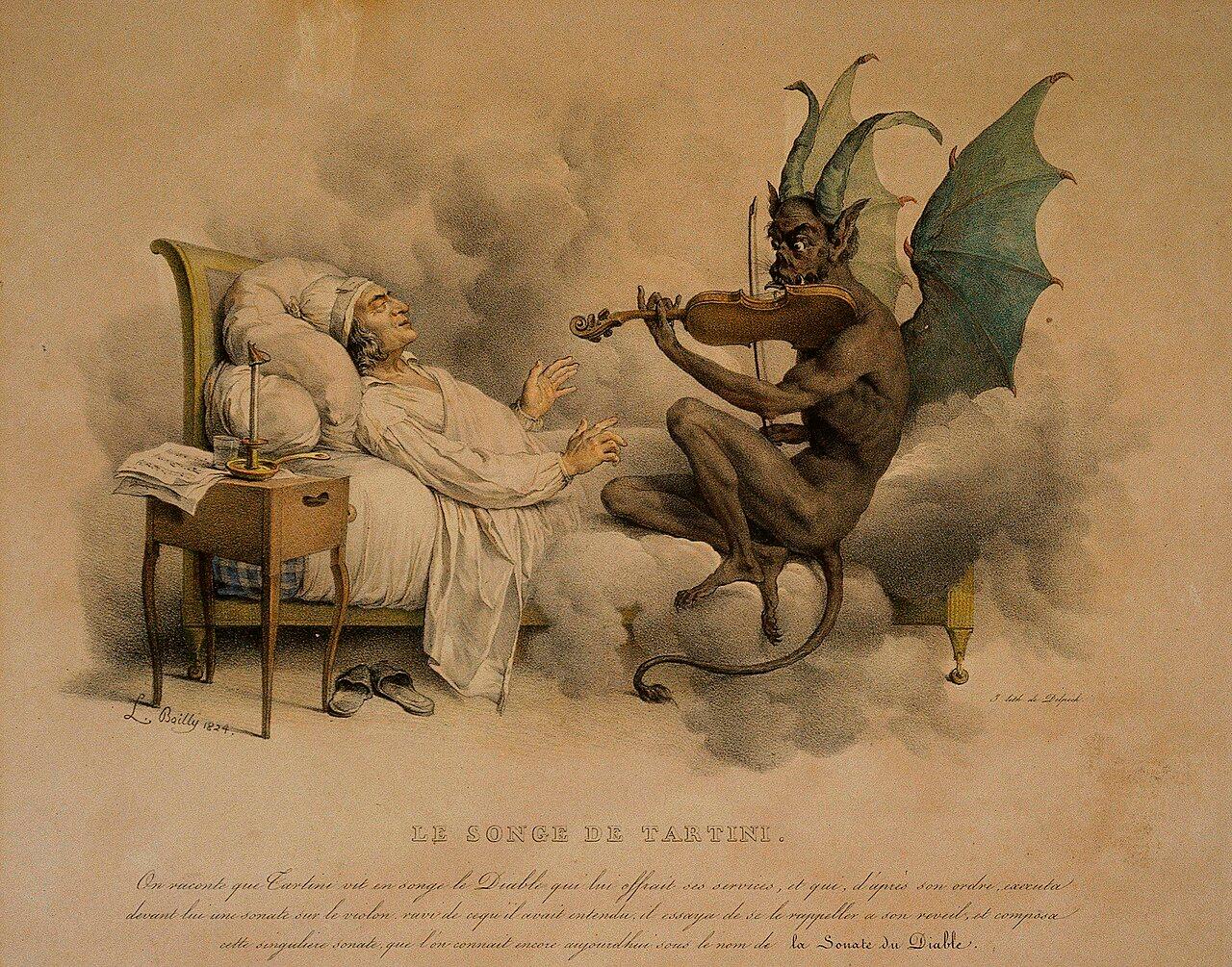
Padua, 1750. A humid night pressed against the heavy wooden shutters of a quiet bedroom. Francesco Maria Tartini lay in a restless sleep. A sharp, sudden sound tore through the silence of the room.
The melody struck his chest like a physical blow. He did not wake to the familiar sounds of the street or the settling of an old house. He woke to a violin melody that seemed to come from another world. This moment of auditory terror gave birth to the Devil's Trill Sonata.
Tartini claimed the melody appeared in a dream during this mid-18th century night. He described a vision where the Devil himself played the violin. The skill surpassed any human capability. The music was not a vague or blurry noise.
It was a clear and terrifyingly perfect sequence of notes in G minor. He woke with the notes still ringing in his ears. He felt desperate to capture the exact fingerwork and bowing that had just haunted his sleep. This piece became a legend because of that specific claim of supernatural origin.
The music does not sound like a typical, gentle Baroque piece. It carries a weight that feels heavy and demanding. When the notes hit, they hit with a precision that demands absolute focus. The melody is a direct and aggressive presence in the room. It does not hide behind layers of soft decoration. Instead, it presents its technical challenges with a frightening clarity.
The G minor key provides a dark and brooding foundation for these technical feats. The tonality is not bright or cheerful. It carries a sense of tragedy and weight.
This choice of key supports the legend of a demonic encounter. The minor mode often carries associations with the darker side of the human psyche. The music does not seek to please the listener with easy melodies. It challenges them with a difficult and demanding structure.
The Nightmare in G Minor
The third movement of the Sonata in G minor contains the most difficult elements of the entire work. It features a rapid and persistent trill. The player must move their finger with extreme speed and precision.
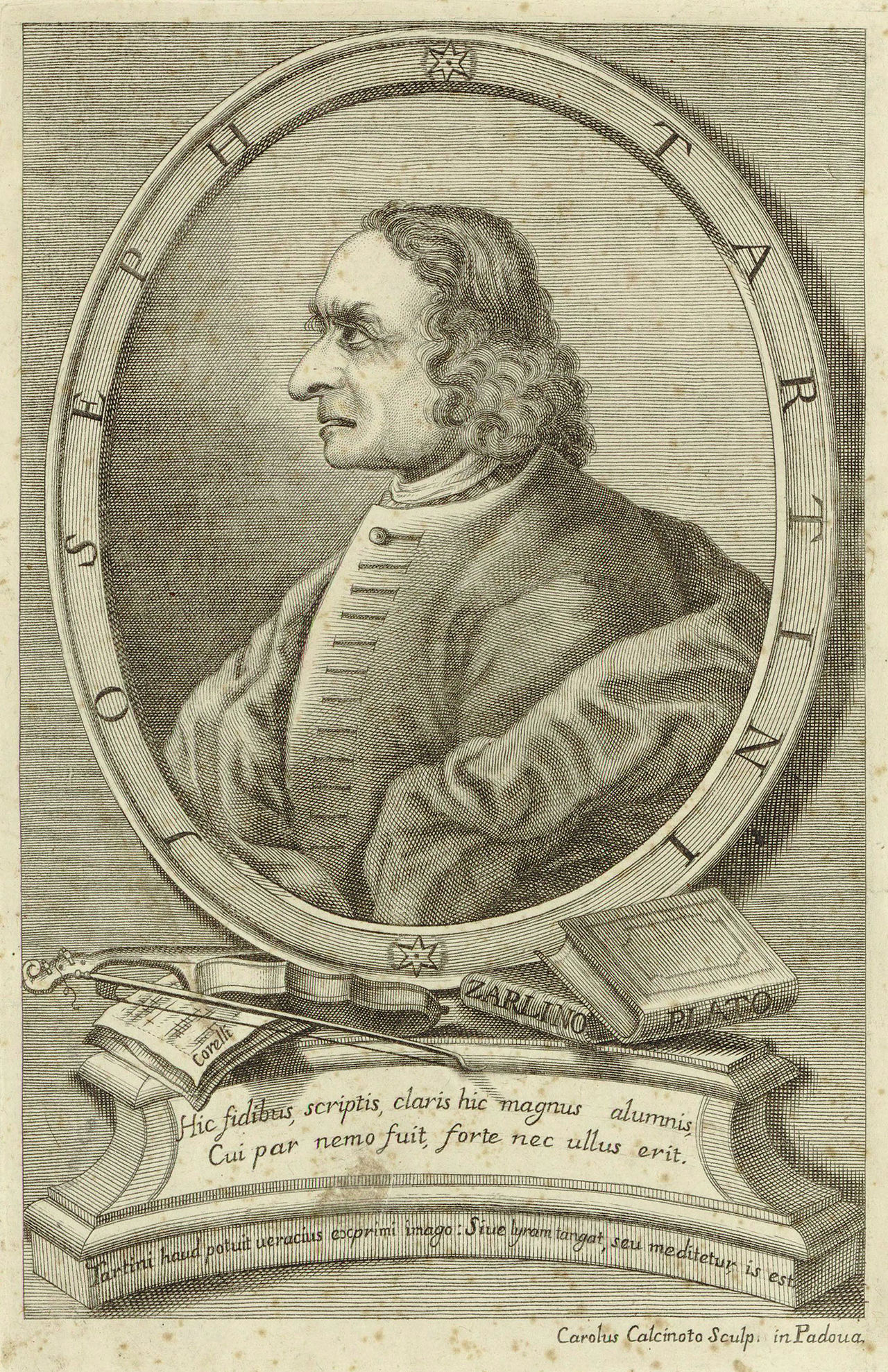
This is not a soft or fluttering effect. It is a heavy and percussive event. The notes must be played with enough force to be heard clearly. It requires a level of finger strength that few players possess without years of training.
The construction of the piece relies on rapid string crossings. The bow jumps between the G, D, and A strings. These jumps happen so quickly that the bow must change direction with incredible agility.
If the player misses a single crossing, the entire rhythm of the movement collapses. The sound of the bow hitting the strings is crisp and aggressive. It sounds like a whip cracking in a small room. This creates a physical sensation of energy that keeps the listener on edge.
Double stops also play a large role in the difficulty of the Sonata in G minor. The player must press down on two strings at once. This creates a thick and chordal sound. This sound contrasts with the single-note runs.
It adds a layer of density to the music. The violin sounds like a much larger instrument. The tension of holding these two notes while executing rapid ornaments is immense. It is a physical struggle as much as a musical one.
The ornamentation in this work is far from simple. It is a complex web of turns and grace notes. It demands perfect timing.
There is no room for error in the way Tartini wrote these passages. Every note must land exactly where it belongs in the rhythm. When played correctly, the music sounds like a single and continuous stream of lightning. When played poorly, it sounds like a disorganized mess of noise.
"I dreamt that the heavy vibrations of the strings were matched by a spectral presence, and the music was so beautiful that I could not describe it."
The trill acts as a driving and rhythmic engine. It pushes the piece forward. The sound of the note vibrating rapidly against the fingerboard creates tension. It feels like a heartbeat that has gone too fast. Listeners often feel a sense of unease when they hear that specific repetition. The vibration produces a physical tremor in the air of the concert hall.
The Paduan School of Precision
The University of Padua served as the home for Tartini during the years he composed this work. He taught there for many years. The academic atmosphere of the city influenced his precise approach to music. On that specific night in the 1750s, the boundary between reality and dreams vanished.
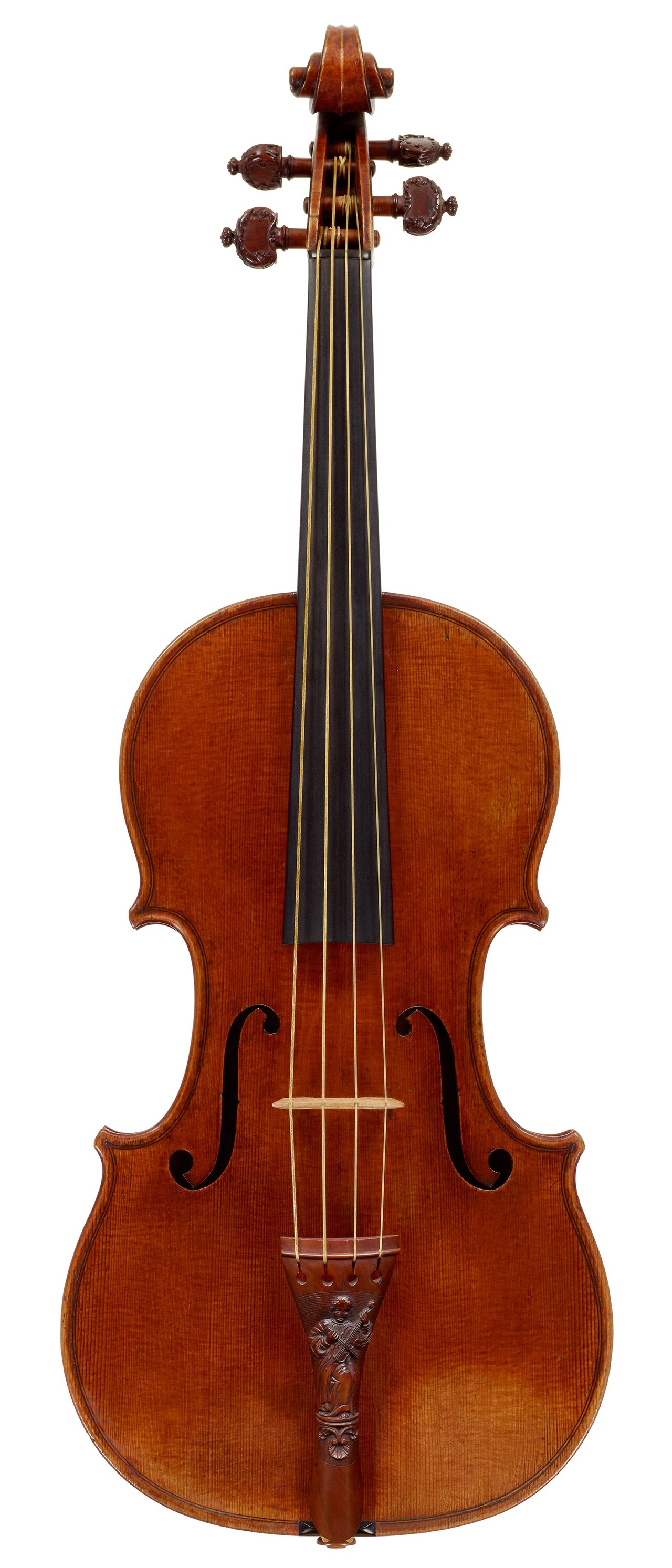
He heard the Devil playing a violin. The sound was far too perfect for any living person in Italy to produce. The music was a sharp and repetitive force. It shook his sense of what was possible on a four-stringed instrument.
Tartini described the experience with a level of detail that suggests intense transcription. He did not speak of a vague feeling of fear. He spoke of the specific and rapid notes that drove him to madness.
The melody moved with a speed that seemed to defy the physical limits of human fingers. He felt the music was a gift or perhaps a curse. This sense of a supernatural encounter gave the Sonata in G minor a reputation that lasted long after his death in 1770. The piece carries the weight of his academic rigor.
Padua was a city of science and deep thought during this period. The presence of the University meant the air was thick with logic and discovery. For Tartini to claim a demonic encounter in such a place was a bold move. He brought the irrationality of a nightmare into a rational and academic world. This contrast makes the legend of the Devil's Trill Sonata powerful for anyone who loves music history. It pits the clinical precision of the school against the chaos of the dream.
Tartini was a leader of the Paduan school of violin playing. This school focused on a high level of technical precision. It emphasized a specific way of using the bow.
The University of Padua provided the backdrop for this technical evolution. Students and followers of Tartini learned how to execute rapid ornaments. They focused on the physical mechanics of the left hand. They worked to perform the rapid trills seen in his works with total clarity.
The late Baroque era was a time when violin technique was expanding. Composers looked for new ways to use the instrument to express intense emotion. Tartini's work fits perfectly into this period of technical growth. He took the existing ideas of ornamentation and stretched them to a new and extreme level. His focus on the trill helped define the standard for what a virtuoso should achieve. He set the bar for the next generation of performers.
The Physics of Gut and Wood
The mid-18th century saw massive changes in how musicians approached the violin. Gut strings provided a warm and organic tone. They lacked the tension found in modern steel-wound strings. This lack of tension made the heavy trills of Tartini even more difficult to execute. A player had to use incredible finger pressure to ensure the note did not die out. The physical effort required to maintain the melody was a constant battle against the physics of the instrument.
Bow technology also underwent a shift during this era. Before the work of Francois Tourte in the late 1700s, bows lacked standardized weight. Players used much lighter and more flexible sticks. These sticks could not easily support the aggressive and driving strokes found in the Sonata in G minor. The transition toward the modern concave bow allowed for the heavy and articulated attacks that later composers would demand. This change in the physical tool changed the way composers wrote for the instrument.
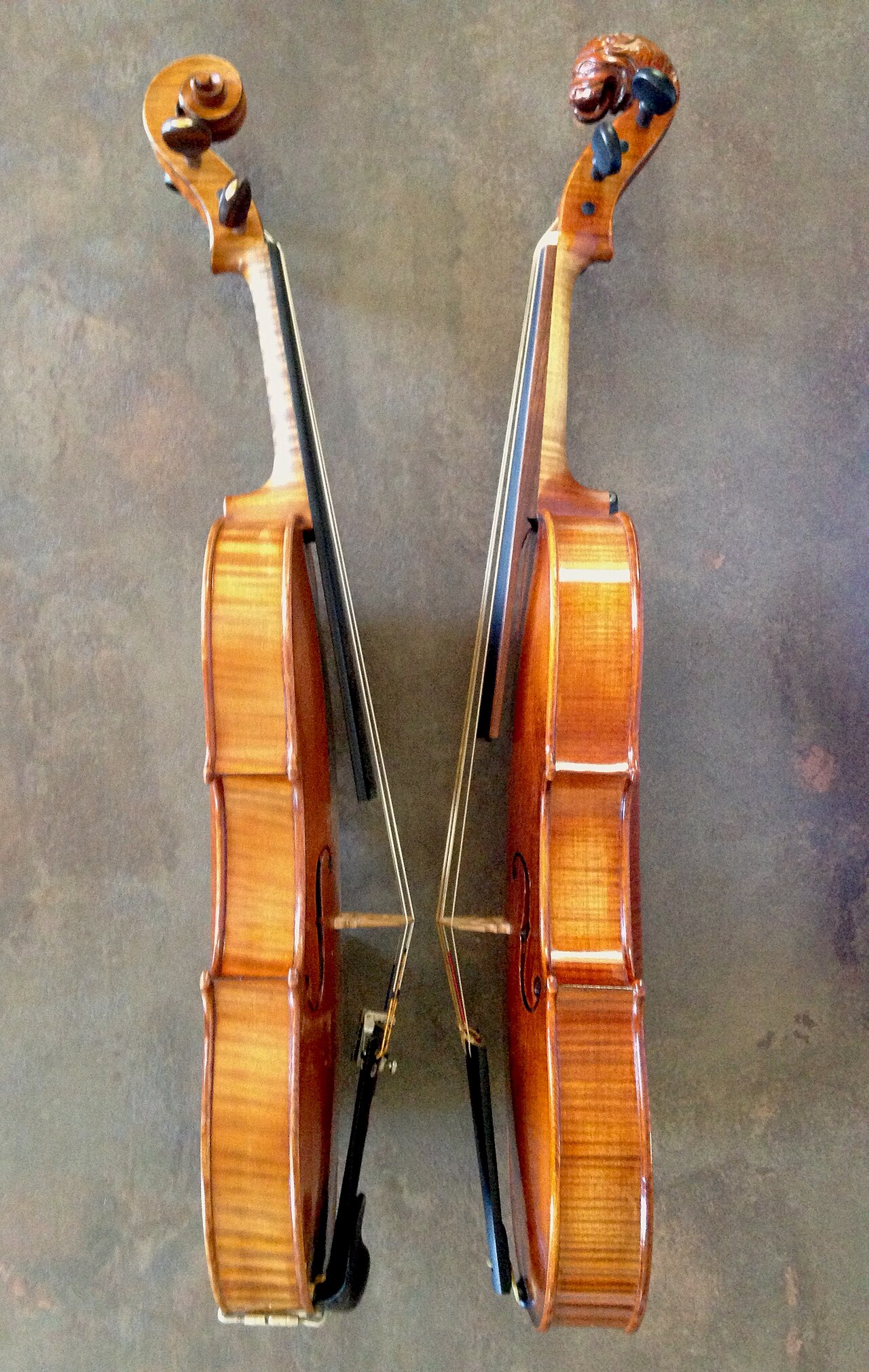
The physical construction of the violin itself began to change as well. Luthier work in Italy continued to produce masterpieces. The demand for more volume in larger concert halls forced changes in the thickness of the wood.
As the instrument grew more solid, the music became more athletic. The tension in the strings increased. This provided a sharper and more biting sound. This evolution supported the move from the delicate Baroque style toward the intense era of the Romantic period.
Violinists in the 1750s had to adapt to changing mechanics. They relied on the strength of their own bodies to compensate for the limitations of their gear. The technical difficulty of the Devil's Trill Sonata reflects this period of intense physical adaptation. Every rapid movement and every heavy double stop required a mastery of the available technology. The composer wrote for the instrument as it existed. He created a standard of difficulty that few could meet.
The Technical Lineage of the Virtuoso
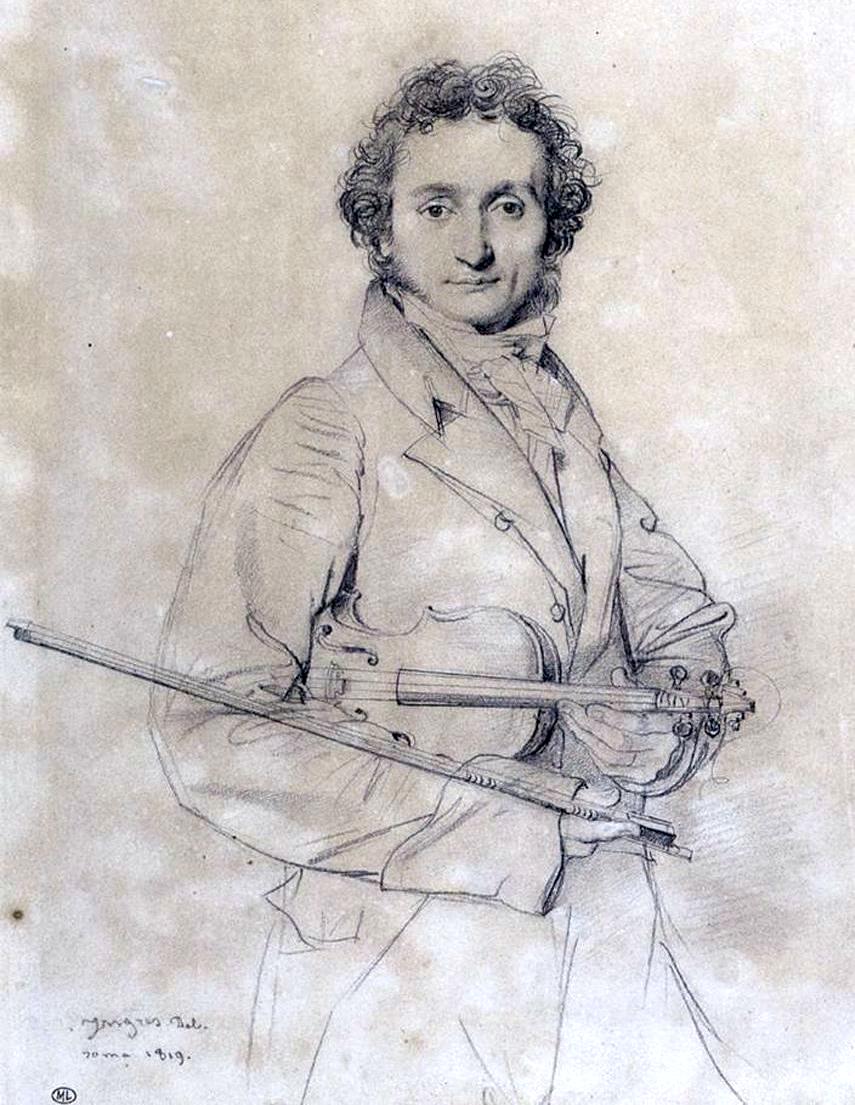
Niccolo Paganini represents the next major step in the evolution of violin virtuosity. While he lived in a different era, the technical DNA of Tartini is visible in his playing. The rapid-fire notes and the extreme use of the bow in Paganini's works owe a debt to Padua. You can hear the influence of the Paduan school in his sudden and startling effects. He took the seeds of Tartini's technical difficulty and grew them into a revolution. The connection is clear to any trained ear.
The connection between these two masters is a matter of pure physical capability. The ability to execute the rapid and persistent trill is a direct ancestor to the fast passages in Paganini's Caprices. Both composers used the violin to push the limits of human capability. The technical lineage flows from the late Baroque precision of Tartini to the 19th-century bravura of Paganini. They both treated the instrument as a vehicle for the impossible.
Paganini's use of double stops and complex string crossings also mirrors the construction of Tartini's most famous work. While Paganini's music is much more extreme, the underlying mechanics are similar. He used the same principles of tension and release. He utilized rapid ornamentation and sudden and stark melodies. The Devil's Trill Sonata provided a blueprint for the kind of technical extremity that would later define the Romantic era. It laid the groundwork for the extreme virtuosity of the future.
The transition from the Baroque to the Romantic period was a period of intense change. The instrument itself was being modified with stronger strings and different bow designs. However, the core requirement of technical mastery remained the same. A player could not move into the era of Paganini without first mastering the fundamental techniques established by masters like Tartini. The Paduan school provided the necessary training ground for this progression. It built the foundation for every great violinist who followed.
Watching a modern violinist play the Sonata in G minor is a way to see this history in action. The physical struggle of the performer is a direct link to the players in the 1750s. When a violinist executes that famous and rapid trill, they participate in a tradition of technical excellence. The bridge between the dream of a Paduan composer and the stage of a superstar is built on these specific and difficult notes. The history of the violin is written in these difficult movements.
The Human Behind the Legend
The legend of the Devil playing the violin is a powerful piece of musical folklore. It is easy to see why such a story would take hold. The music of the Sonata in G minor is indeed startling and intense.
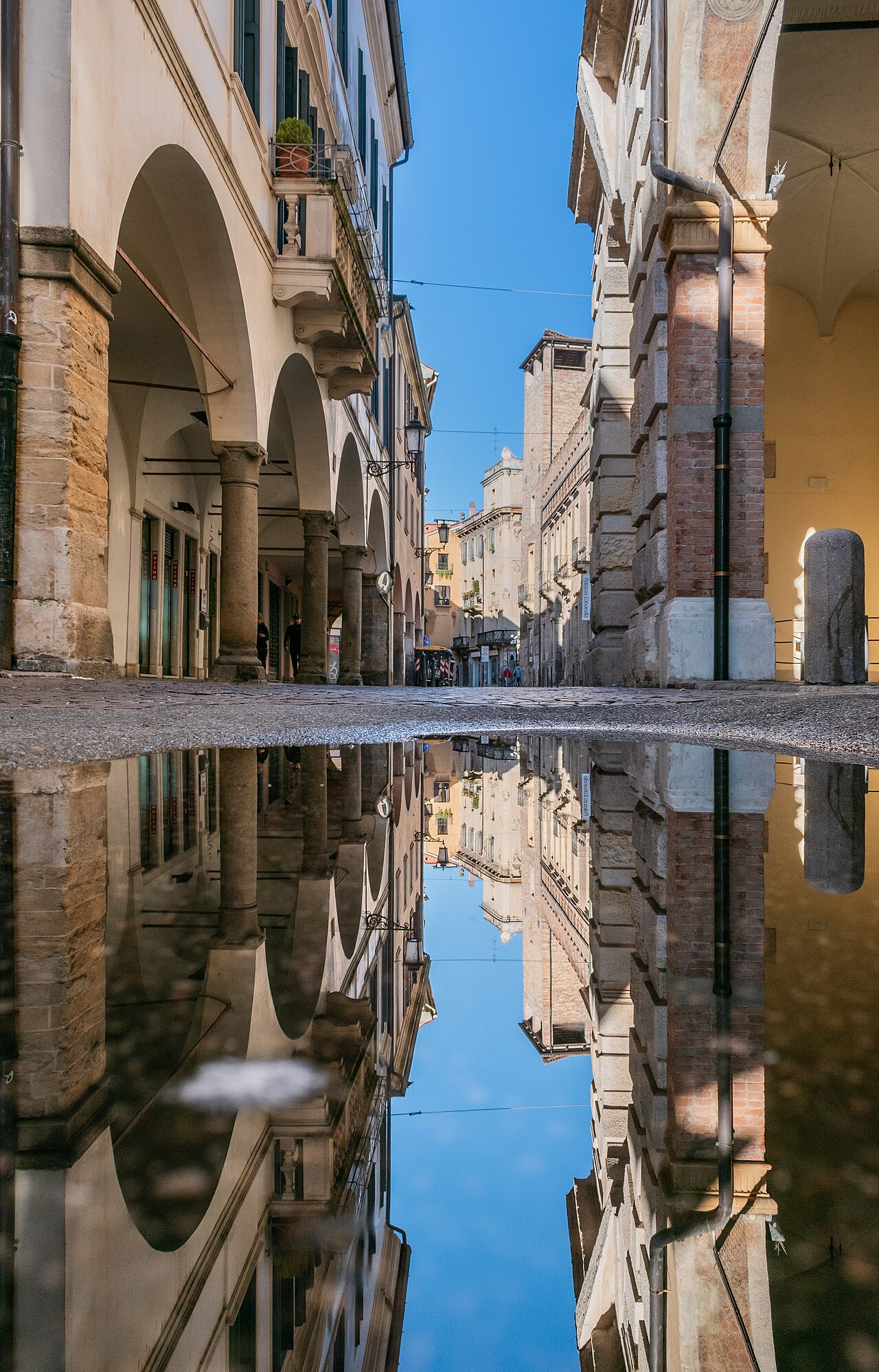
It possesses a quality that feels larger than life. This makes the supernatural explanation very attractive. However, the reality of the composition is likely grounded in the hard work of a master composer. The truth is much more human than the myth.
Tartini was a highly trained professional who understood the mechanics of his instrument. The melody in the dream was likely the result of years of intense practice. He had the skill to translate complex and difficult musical ideas into a written score.
The dream might have been a way for his subconscious to process technical challenges. This does not make the music any less impressive. It provides a more grounded explanation for its origin. The skill remains the focus.
The psychological impact of the piece is a real and documented phenomenon. The rapid trill and the aggressive bowing create tension that is hard to ignore. This tension can easily be interpreted as something sinister. For a composer living in the 18th century, the line between the musical and the mystical was often thin. The story of the Devil allowed him to frame his technical achievement within a culturally relevant narrative. He used the mystery to enhance the impact of his work.
Music historians often look at the composition process as a blend of inspiration and labor. The Sonata in G minor is a masterpiece of both. It has the spark of a brilliant and sudden idea.
It also shows the careful and methodical construction of a seasoned expert. The way the themes are developed shows a high level of control. It is a work of extreme discipline. This discipline is what allows the music to survive the centuries.
The lasting power of the Sonata in G minor comes from its ability to provoke a reaction. Whether you believe in the legend or not, the music demands your attention. It is a piece that refuses to be ignored. The true magic of the work is found in the physical reality of the notes. It lives in the tension of the strings and the incredible skill required to bring that melody to life. The notes themselves are the only truth that matters.