Sweat pooled on the floor of the Cavern Club basement, a damp, dark cellar where the heavy scent of stale beer and cigarette smoke clung to the low brick walls. This underground room on Mathew Street acted as the primary incubator for the Merseybeat movement, a loud, rhythmic explosion that gripped the United Kingdom between 1961 and 1965. Musicians plugged their Gretsch and Rickenbacker guitars into cranked Vox AC30 amplifiers, and the resulting vibration rattled the floorboards beneath the feet of every person in the crowd. The electric guitar hit the audience with a raw, unarmored energy that the polished, expensive London studios simply could not replicate. Every night brought a new group of hungry players to this corner of the cellar, and each band fought to capture the attention of the local fans through sheer volume and grit.
Liverpool provided the perfect environment for this musical explosion because the city remained disconnected from the London-centric music industry. The port city brought in American blues and rock and the roll records that had not yet reached the mainstream UK airwaves. Young musicians listened to Chuck Berry and Little Richard on imported vinyl, and they tried to mimic those driving rhythms on their own cheap, battered equipment. This era did not rely on expensive production or studio trickery, but it relied on the sheer volume of the guitars and the infectious energy of the performers. The sound grew from these small, sweaty sessions in a basement that barely had enough room for a drum kit.
The bands played for hours on end, often performing multiple sets a night to keep the local crowd satisfied. This relentless schedule built a level of tight, rhythmic precision that few other groups could match. You could hear the grit in the vocals and the sharp attack of the snare drums. There was no room for error in such a small, loud space, and if a guitarist missed a chord, the entire room felt the mistake. This pressure forced the musicians to develop a disciplined, high-energy style that soon captured the attention of the wider world.
The Gear and the Grime
Mathew Street anchored the Liverpool music scene, with the Cavern Club acting as its pulsing center. The club sat deep underground, and its concrete walls provided a dead, heavy acoustic that favored the rhythmic drive of the guitars. When a band like The Beatles or The Searchers plugged in their gear, the sound stayed trapped within those basement walls, creating an intense, localized pressure. The audience stood inches away from the performers, and they often touched the instruments as the music played. This proximity destroyed the barrier between the stage and the crowd, making every performance feel like a shared, communal event.
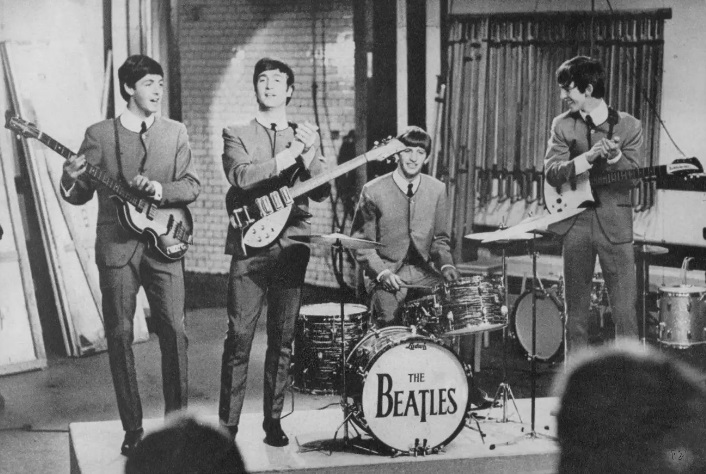
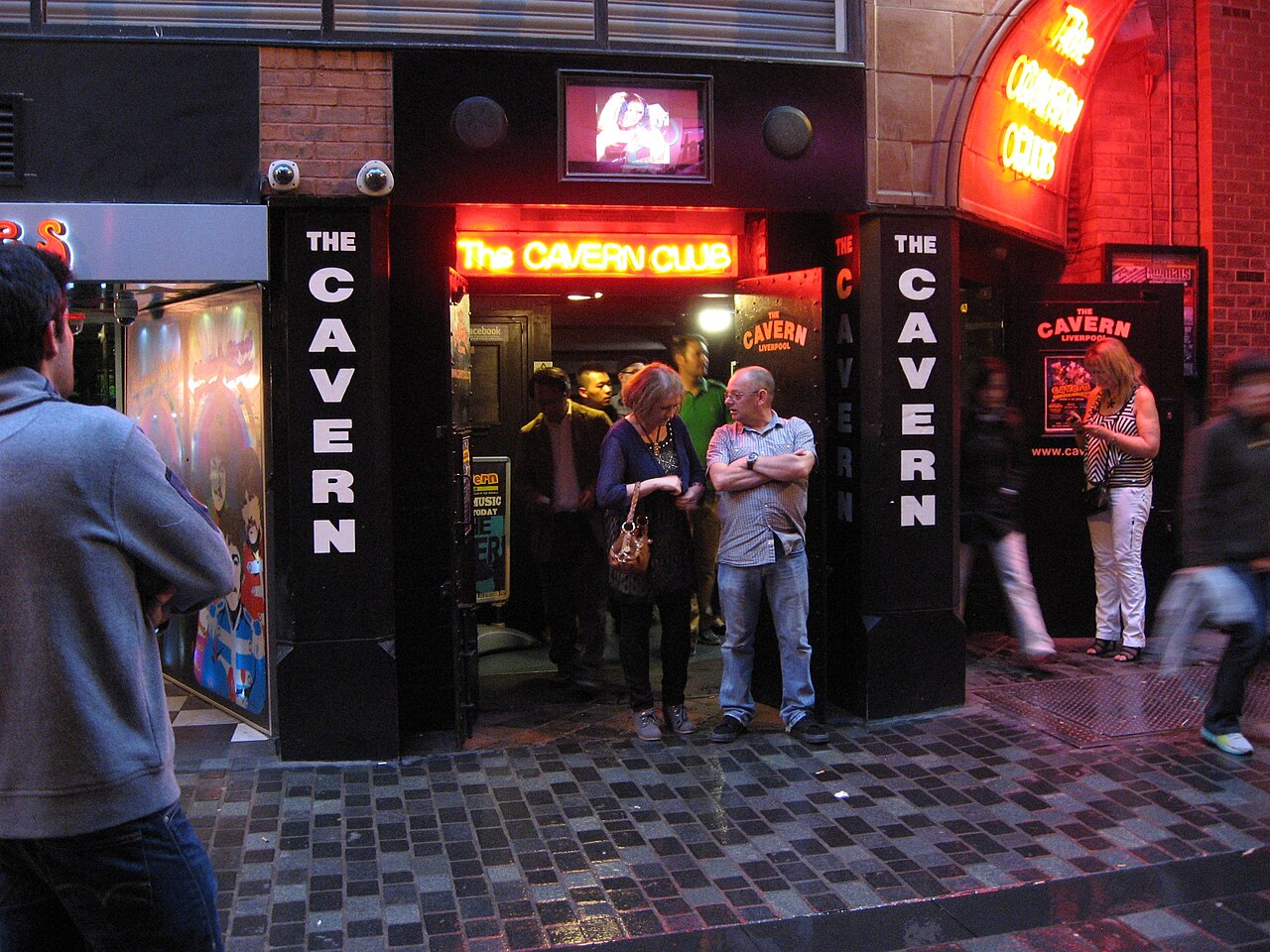
Musicians lugged rudimentary gear through the narrow club entrances, and they often relied on early Vox AC30 amplifiers and various Gretsch or Epiphone guitars. These instruments produced a bright, biting tone that cut through the thick atmosphere of the club. The lack of sophisticated sound reinforcement meant that the musicians had to rely on their physical presence and the raw power of their playing. You could hear the mechanical click of the drumsticks and the heavy breathing of the hungry singers. This raw presentation gave the Liverpool sound its characteristic edge, a sound that felt much more dangerous than the polite pop coming from London at the time.
Local legends often recount the sheer exhaustion of the Liverpool circuit during these years. Bands would play the Cavern, then move to other clubs like the Casbah Coffee Club or the Iron Door, and they often performed until the sun came up. This grueling routine built a massive repertoire of songs and a deep familiarity with the local audience. The musicians knew exactly how to manipulate the energy of the room to keep the crowd moving. They understood the importance of a strong backbeat and a melodic hook, and this period of intense, local development created a foundation of skill that allowed the Liverpool bands to dominate the charts once they finally escaped the basement.
American R&B and early rock and roll remained the backbone of these performances. While the melodies were often sweet and pop-oriented, the underlying rhythm stayed rooted in the blues. The drummers used heavy, driving patterns that pushed the tempo, while the bassists provided a thick, melodic counterpoint. This combination of pop sensibility and rhythmic grit defined the era. The Cavern Club functioned as a laboratory where these elements merged to create something entirely new.
The Merseybeat Machine: NEMS and Epstein
Brian Epstein walked into the Cavern Club with a different perspective than the usual crowd of Liverpool teenagers. He was a man of business, polished and professional, and he saw something in The Beatles that others had overlooked. After watching them perform at the Cavern, he decided to take charge of their direction. In late 1962, he signed The Beatles to NEMS Enterprises, his family's music business in Liverpool. This move provided the band with the professional management they desperately needed to move beyond the local circuit, and Epstein brought a sense of order to the chaos of the Liverpool scene.
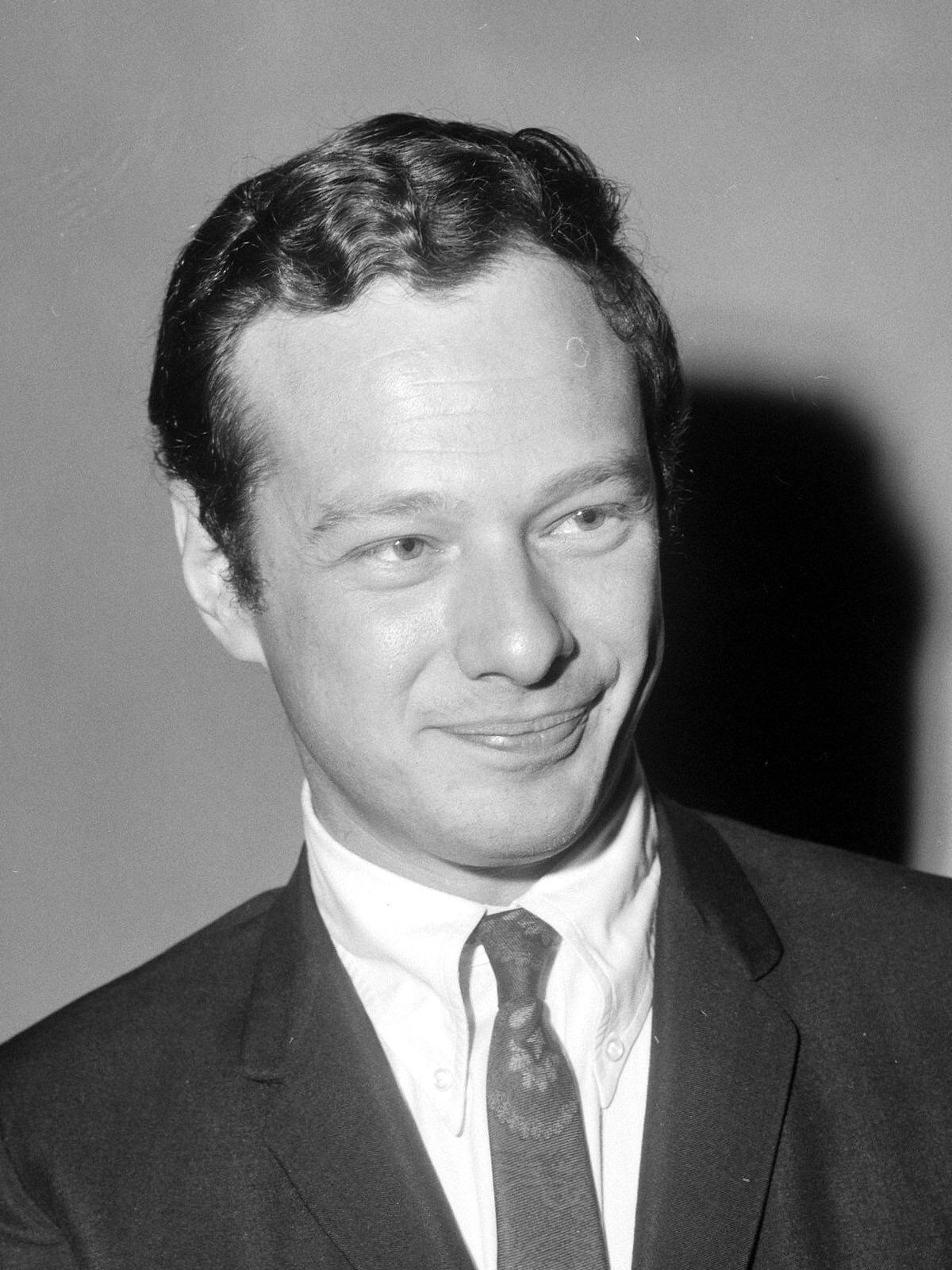
Epstein transitioned these club acts into recording artists by providing much-needed stability. He used the resources of NEMS to organize tours, handle press, and secure recording sessions. He understood how to market the band to a wider audience without losing the raw energy that made them special.
His management style focused on the presentation of the group, and he ensured they appeared professional and unified. This era of management allowed the band to focus entirely on their music while Epstein handled the complexities of the industry. The Beatles released "Love Me Do" on Parlophone in October 1962, and the song reached number 17 on the UK Singles Chart. This success proved that the Liverpool sound had commercial potential far beyond the borders of Merseyside.
The relationship between NEMS and the various Liverpool bands created a powerful local infrastructure. Epstein's ability to connect local talent with major labels like Parlophone changed the way the industry viewed regional music. He acted as a bridge between the gritty reality of the Liverpool clubs and the polished world of the London recording studios. This connection allowed for a flow of talent and resources that fueled the entire movement. The success of The Beatles offered a model for other local groups to follow, and it encouraged them to seek professional management and national exposure.
Working with George Martin at Abbey Road Studios brought another layer of sophistication to the Liverpool sound. Martin, a producer with a classical background, knew how to capture the energy of the bands while adding necessary polish. He understood how to use the studio as an instrument, and he employed techniques that enhanced the melodic qualities of the songs. This collaboration between Liverpool's raw energy and London's technical expertise created a sound that was both accessible and exciting. The results were immediate and impactful on the UK charts, and the era of the amateur club much was rapidly coming to an end as professional production took hold.
"I want to hold your hand"
The arrival of professional management and high-quality production turned the Liverpool scene from a local phenomenon into a global force. The NEMS connection ensured that the best talent from the Cavern Club had a direct path to the national stage. This period of growth relied on the ability to take the raw, unrefined energy of the basement and translate it into a format that could be broadcast through radio and even television. The groundwork laid by Epstein and the NEMS structure allowed the Merseybeat sound to expand its reach across the United Kingdom and eventually the entire world.
The Television Revolution
The 1963 broadcast of the "Ready Steady Go!" television program forced the entire nation to look at Liverpool. This program brought the energy of the clubs directly into the living rooms of millions of viewers across the UK. The show featured a frantic, high-energy presentation that mirrored the excitement of the music itself. It did not just show the bands playing; it captured the fashion, the dancing, and the cultural energy of the era. The "Ready Steady Go!" cameras moved with the music, and they created a sense of immediacy that made the viewer feel like they were part of the party. This visual element helped export the Liverpool sound to London and beyond.
London audiences, who had previously been insulated from the intense local scene in Liverpool, suddenly saw the power of the movement. The show's producers understood that the music was inseparable from the youth culture surrounding it. They featured the latest fashions and encouraged the audience to dance, and this created a visual language that matched the driving rhythms of the bands. This helped to create a national craze for the Liverpool sound. The bands were no longer just local heroes; they were national icons. The television screen provided a platform that no amount of club touring could ever match.
Television impacted the music industry during this period by creating instant superstars through the display of charisma and stage presence. For the Liverpool bands, this meant that a single appearance on a popular show could lead to a massive spike in record sales. The visual impact of the bands, often dressed in matching suits and playing with intense energy, left a lasting impression on the viewers. This era of television broadcasting helped to unify the UK's youth culture around a shared musical interest.
The "Ready Steady Go!" era also coincided with the rise of more aggressive, beat-driven music. The show's fast-paced editing and energetic presentation matched the driving tempo of the hits. It created a sense of urgency and excitement that defined the mid-1960s. The Liverpool bands were the perfect subjects for this new style of broadcasting, as they possessed the charisma and the musical talent to command the screen and engage the audience. The television boom acted as the catalyst that turned a regional movement into a global revolution.
The Chart Kings of Merseyside
Gerry Marsden and The Hurricanes proved that the Liverpool sound could dominate the top of the charts. In 1963, they achieved a UK number one hit with "I Like It," a song that captured the infectious optimism of the era. The track featured a bright, melodic structure and a driving beat that made it an instant favorite on the radio. Marsden's vocals were clear and energetic, and they embodied the upbeat spirit of the movement. This success helped to solidify the idea that Liverpool was the new center of the musical universe, and the charts were increasingly populated by bands from the Northwest.

Billy J. Kramer and The Dakotas continued this trend of chart success with a more polished approach. They recorded "Bad to Me" at Abbey Road Studios in 1963, and they worked under the careful direction of producer George Martin. The track possessed a melodic sweetness that appealed to a wide audience, while still maintaining the rhythmic drive essential to the genre. This record demonstrated the ability of Liverpool artists to work within the professional studio system to produce high-quality, commercially viable hits. The success of Kramer and The Dakotas showed that the Liverpool sound could be both raw and refined, as it was a versatile style that could adapt to different production needs.
Cilla Black brought a powerful, soulful dimension to the Liverpool music scene in 1964. As a Liverpool native, she carried the energy of the city into her massive hits. Her version of "Anyone Who Had a Hiart" reached number one on the UK charts, and it showed a vocal range and emotional depth that set her apart from many of her contemporaries. Her success proved that the Liverpool movement was not limited to guitar bands, as it could also produce incredible vocalists capable of tackling complex, dramatic ballads. Black's popularity helped to broaden the appeal of the era to a much larger, more diverse audience.
The dominance of these artists on the UK Singles Chart created a sense of momentum that felt unstoppable. For a period of several years, the top positions were frequently occupied by performers from the Liverpool area. This concentration of talent created a competitive environment that pushed every artist to improve their songwriting and performance. The success of Marsden, Kramer, and Black provided a sense of pride for the city of Liverpool, and it was a period where the local culture was the dominant force in national popular music. The charts reflected the true power of the Merseybeat movement.
Every hit record from this era shared a certain DNA of strong melody and rhythmic drive. Whether it was a rock and roll number or a dramatic ballad, the influence of the Liverpool club scene was always present. The musicians understood the importance of the hook and the ability to move a crowd. This period of chart dominance was not a fluke, but a result of years of intense, local development and a unique musical identity. The Liverpool artists had mastered the art of the pop song, and the rest of the country was listening.
The Manchester Connection and Vocal Harmonies
Manchester played a crucial role in shaping the vocal standards of the era. Although the bands formed in Manchester, they heavily influenced the vocal harmony style seen in Liverpool groups like The Searchers. The Hollies, specifically, brought a level of technical proficiency to their arrangements that pushed other bands to improve their own vocal capabilities. This cross-pollination of styles between the two cities created a much richer, more complex sound. The emphasis on tight, multi-part harmonies became a hallmark of the era's best recordings, and it added a layer of sophistication to the otherwise raw, guitar-driven music.
The Searchers emerged as one of the most successful examples of this harmonic approach. They reached number one on the UK charts in 1964 with "A Search for New Sounds" and followed it up with the hit "Needle" in 1965. Their music featured bright, ringing guitars and vocal arrangements that were both catchy and harmonically dense. The use of the 12-string guitar, particularly by players who followed the Buddy Holly tradition, added a shimmering texture to their sound. This bright, melodic approach was a key component of the identity, and it made the music feel both modern and timeless.
The influence of Manchester-based groups like The Hollies helped to bridge the gap between simple beat music and more complex pop. Their ability to layer vocals with precision required a high level of discipline and rehearsal. Liverpool bands took these lessons and applied them to their own, often more energetic, styles. This created a musical environment where vocal excellence was as important as instrumental skill. The competition between the bands from both cities drove a constant search for new sounds and better arrangements, and the result was a period of exceptional musical creativity.
Listening to these recordings today, the precision of the harmonies is still striking. You can hear the careful placement of each voice, and they work together to create a unified, powerful sound. This was not achieved through studio trickont, but through genuine talent and rigorous practice. The musicians spent countless hours in rehearsal rooms and clubs, and they perfected these parts through sheer repetition. This dedication to the craft is what allowed the sound to endure, as it was a sound built on much more than just a catchy beat; it was built on musical competence.
The interplay between the Manchester and Liverpool scenes created a powerful regional bloc in the UK music industry. The proximity of the two cities allowed for easy travel and a shared exchange of ideas. Musicians from both areas frequently played the same clubs and shared the same stages. This closeness built a sense of a shared musical culture that was distinct from London. The vocal harmonies and guitar styles developed in this region became the standard for pop music across the country, and this era of regional dominance changed the way the UK viewed its own musical talent.
The 1966 Fracture
The musical climate began to change by 1966, as the initial excitement of the beat era gave way to new, experimental sounds. The arrival of psychedelic rock and the rising influence of the blues-rock movement altered the tastes of both artists and audiences. Many of the classic Liverpool bands found it difficult to adapt to this new, more complex musical era. The focus shifted from short, catchy singles to longer, more experimental tracks that explored different textures and themes. This shift made the straightforward, beat-driven style of the early 1960s feel outdated to many listeners.
Many Liverpool bands, including The Merseybeats and The Remo Four, saw their chart dominance decline during this transition. The Merseybeats, who had enjoyed significant success in the early years, struggled to find their place in an era dominated by heavier, more distorted guitars. The Remo Four, despite their incredible instrumental skill, found the new, psychedelic-oriented market difficult to navigate. The music was becoming more introspective and experimental, and it moved away from the communal, danceable energy of the Cavern Club. The era of the simple, catchy pop song was being replaced by the era of the studio-driven, psychedelic experience.
The blues-rock movement also played a major role in this decline. Bands like Cream and The Yardbirds brought a heavier, more improvisational approach to rock music that made the Merseybeat sound seem lightweight. The emphasis on virtuosic soloing and heavy, distorted tones was a stark contrast to the clean, melodic lines of the early 1960s. This new sound demanded a different kind of musicianship and a different kind of listening experience. The energy of the Liverpool clubs, while still present, could not compete with the massive, wall-of-sound approach of the new blues-rockers.
The shift was not just about sound; it was also about the cultural context of the mid-1960s. The rise of the counterculture and the changing social attitudes of the youth movement favored more experimental and challenging music. The optimism and bright melodies of the early years felt less aligned with the more complex, often darker themes of psychedelia. The music was reflecting a world that was becoming more fragmented and less certain. The simple joy of the Liverpool beat was being replaced by a more profound, often unsettling, musical exploration.
The end of the era arrived through a gradual fading of influence. The bands did not disappear, but their ability to command the national charts diminished. The Liverpool scene continued to exist, but it was no longer the primary driver of the UK music industry. The legacy of the era, however, remained deeply embedded in the DNA of everything that followed. The technical skill, the melodic focus, and the raw energy of those years provided a foundation for the decades of rock music that would follow. The era ended, but the impact of those Liverpool years stayed with the world forever.