A low-pass filter choked the bass of "HYFR" as it pumped through the studio monitors in 2013. This track, pulled from the album Nothing Was the Same, carried a specific energy that many fans thought belonged to a single, isolated vision. Listeners heard the expensive, polished sheen of the production and assumed the lyrics matched the star's singular perspective. The liner notes for the track pointed toward Quentin Miller, a name that would soon trigger a massive debate about authorship. People noticed Miller's fingerprints appearing across several tracks on that same record, which suggested a deeper level of involvement than a simple guest verse.
Internet forums exploded with rumors as the 2014 leaks began to surface. These snippets of unreleased music showed Miller's style embedded in Drake's most recent work. Fans scrutinized every syllable, looking for the familiar patterns of a secondary writer. The tension grew when social media disputes erupted, pulling back the curtain on how much of the "Drake sound" actually belonged to someone else. This messy, public confrontation forced the industry to look at the cracks in the superstar image. The drama centered on the tension between a global icon and the man behind the pen.
Critics parsed through the leaked verses, searching for the distinction between Drake's persona and Miller's contributions. The way the melodies moved and the specific way the rhymes landed felt different from the early Take Care days. This period of scrutiny changed how listeners approached the credits on high-profile rap albums. It proved that the persona of a rapper often relies on a hidden support system. The 2014 fallout left a lingering doubt in the minds of even the most loyal fans. The art of the hit often involves a much larger group of people than the cover art suggests.
The debate surrounding Quentin Miller did not just exist in a vacuum of gossip. It tapped into an older tension within the music industry regarding who truly owns a lyric. When the leaks hit, they felt like a breach of the carefully constructed myth of the lone genius. The industry watched as a songwriter's identity became inseparable from the artist he helped shape. This era of hip-hop proved that the credits are often a battlefield of reputation and revenue. It set the stage for a wider conversation about the ghost-writing economy in Hip-Hop and the financial structures that keep it running.
The 201s-2014 Drake and Quentin Miller Fallout
Studio walls in Toronto felt the weight of the controversy as the 2014 leaks circulated. The snippets of music were raw and unpolished, lacking the final mix that makes a hit radio-ready. They featured Miller's rhythmic patterns, which many believed were the true engine behind the melodic shifts on Nothing Was the Same. This was not just about lyrics, because the cadence and the way the words flowed into the beat were clearly Miller's influence. The public saw the cracks in the unified front of the OVO camp. It felt like a breakdown in the carefully managed image of a solo superstar.

Social media provided the platform for the scrutiny to turn into a full-blown crisis. Users on Twitter and Instagram dissected the similarities between Miller's solo work and Drake's recent hits. The arguments were not just about who wrote which line, but about the very nature of artistic honesty. If a superstar uses a writer to craft their most personal moments, does the emotion still belong to the artist? The debate raged through the summer of 2014, pulling in pundits and fans alike. It made the concept of a "ghostwriter" feel much more tangible and much less like a studio myth.
Drake eventually addressed the situation, but the damage to the perception of total authorship was done. The controversy highlighted how much the industry relies on a revolving door of talent to maintain a high output. While the music remained popular, the mystery of the creator had been a replaced by a list of names. This period changed the way people looked at the liner notes of a major rap release. You could no longer just look at the lead name and assume they did the heavy lifting. The era of the secret architect had arrived in the mainstream spotlight.
The fallout from the Miller situation also changed the way labels handled leaks. The industry became much more protective of the unreleased material that could expose these writing arrangements. Every snippet of a song became a potential weapon in a public relations war. This era of instability forced a heavy shift in how songwriters and artists communicated their collaborative roles. The transparency of the credits became a tool for damage control. It was a period of intense, messy, and very public realization for the entire genre.
The High Cost of Work-for-Hire Contracts
A single check for $50,000 can vanish in a heartbeat during a high-stakes studio session. This is the reality of the work-for-hire contract that many songwriters face when they enter the room with a superstar. These agreements often require the writer to sign away their publishing rights and their long-term royalties in exchange for a flat, upfront fee. While the immediate cash is tempting, the long-term loss of ownership can be devastating. The writer gets paid today, but the artist and the label reap the rewards of a decade of streaming revenue. It is a lopsided deal that favors the person with the most leverage.
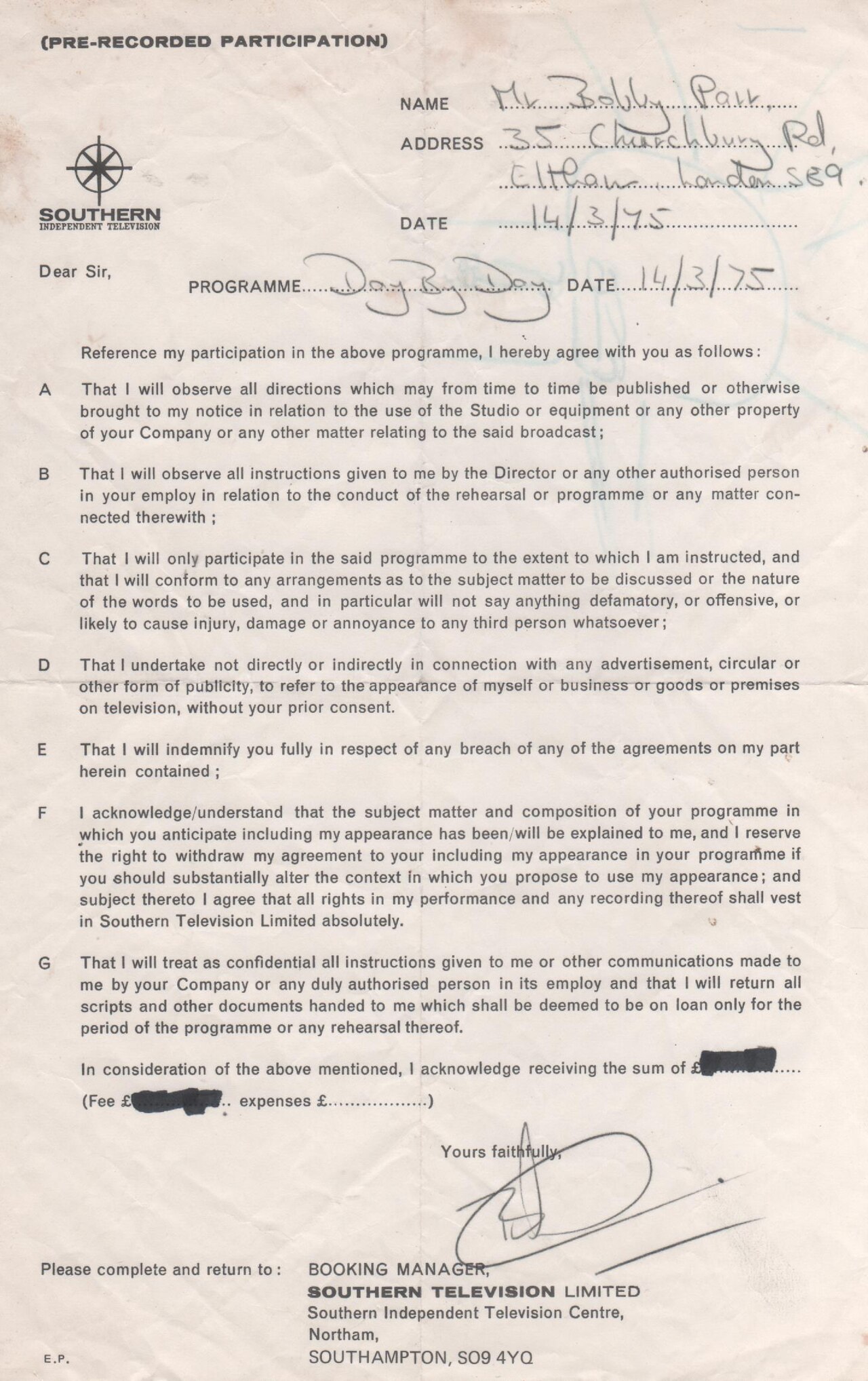
The financial range for these sessions varies wildly depending on the stature of the artist in the booth. A rising star might pay only $5,000 for a verse, while a global icon can easily drop $50,000 for a single hook. These numbers represent a massive transfer of wealth from the creators to the owners. The writer provides the core idea, the catchy melody, and the clever wordplay, yet they hold no stake in the song's success. This structure keeps the wealth concentrated at the top of the industry hierarchy. It ensures that the person on the album cover becomes the primary beneficiary of the hits.
Legal documents in these sessions are often thick with clauses that strip the contributor of their intellectual property. Lawyers for major labels ensure that every ounce of credit stays within the controlled ecosystem of the label. The writer might get a small, uncredited mention in the fine print, but the real power remains with the person who owns the master recording. This system creates a class of "hired guns" who move from studio to studio, chasing the next big paycheck. They are vital to the hit-making process, but they lack the stability of true ownership. It is a high-risk, high-reward way to exist in the music business.
The lack of transparency in these deals often leads to resentment within the writing community. When a song goes platinum, the writer who received a flat fee sees none of that massive windfall. They watch the charts and see their work being celebrated, knowing they have no claim to the royalties. This disparity drives much of the tension in the ghost-writing economy in Hip-Hop. It creates a cycle where the most talented lyricists are often the ones with the least financial security. The industry thrives on this imbalance, even as it relies on the talent of the dispossessed.
Inside the Modern Writing Camp Model
Jungle City Studios in New York hummed with the sound of expensive equipment and hushed voices in 2020. This was the setting for the creation of "Life is Good," a track where Future and Drake utilized a massive writing camp approach. These camps are not just small gatherings of friends, but highly organized, multi-day sessions involving dozens of producers and writers. The goal is to maximize productivity by having multiple people working on different parts of a song simultaneously. One person might focus on the 808 drum pattern, while another crafts a melody for the hook. It is a factory-like efficiency applied to the art of the hit.
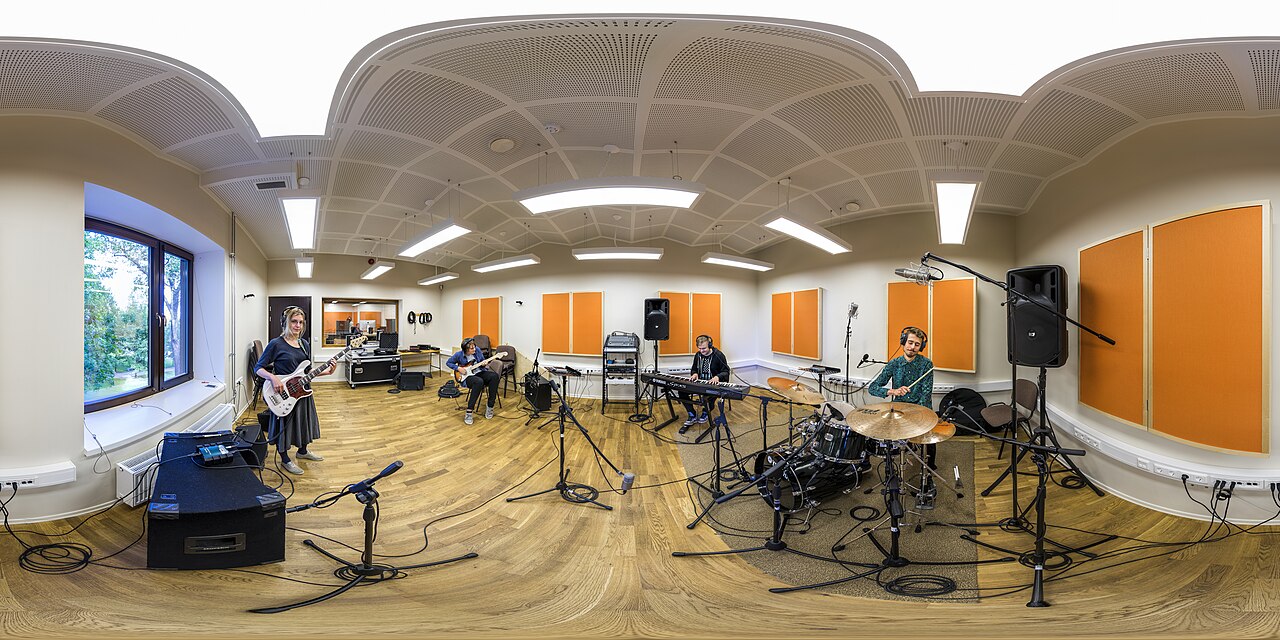
The scale of these operations is visible in the credits of major albums like Drake's 2018 release, Scorpion. That record lists dozens of writers across its 2tan tracks, including heavy hitters like 40 (Noah Shebib) and Boi-1da. You can see the sheer number of names required to sustain such a massive, high-budget production. It is no longer about one person in a room with a microphone. It is about a coordinated effort of specialists, each bringing a specific skill to the table. The studio becomes a laboratory where the song is engineered for maximum impact.
A typical session involves a rotation of talent that keeps the energy high and the ideas flowing. A writer might drop a brilliant line, then move to a different room to work on a different artist's track. This prevents creative burnout and allows for a constant stream of fresh perspectives. The producer acts as the conductor, pulling the best elements from each contributor to create a cohesive final product. It is a sophisticated method of songwriting that prioritizes the final sound over individual authorship. The result is a polished, professional product that is designed to dominate the airwaves.
The density of talent in these camps can lead to a certain loss of individual identity. When so many hands touch a track, the original spark can become buried under layers of refinement. However, the efficiency of the model is hard to argue against in a competitive market. The industry demands a constant supply of new hits, and the writing camp is the most effective way to meet that demand. It is a highly industrialized form of creativity that functions with the precision of a high-end tech firm. The hits are manufactured with intent, than left to chance.
Split Sheets and Atlanta's Trap Scene
Atlanta trap studios smell like stale energy drinks and expensive cologne during a midnight session. In this environment, the creation of music is often as fast as the lifestyle surrounding it. The artists working with Migos or Young Thug do not always have the luxury of long, drawn enough legal negotiations. Instead, they rely on a system of "split sheets" to decide how the song will be divided. These are simple documents that record the percentage of ownership for each person in the room. They are signed immediately after the session ends to prevent disputes once the song becomes a hit.
The immediacy of the split sheet reflects the frantic pace of the Atlanta scene. A rapper might finish a verse, a producer hits "save" on the beat, and the lawyers are already notified of the new percentages. This system allows for a rapid-fire release schedule that keeps the artists at the top of the charts. It also ensures that even the smallest contributor gets their piece of the pie before the money starts moving. While the percentages can be small, the sheer volume of hits produced in Atlanta makes this a viable way to build wealth. It is a decentralized, highly democratic form of songwriting.
The 2010 era of hip-hop also saw the rise of "toplining," a practice that became a staple for labels like Cash Money Records. A songwriter would take a pre-made beat from a producer and layer a melody and lyrics on top of it. This method allowed for a massive output of songs that shared a similar, radio-friendly energy. The topliner became a crucial part of the production chain, often providing the catchy elements that defined the era. It was a way to scale the production of hits across an entire roster of artists. The melody was the hook that tied the whole system together.
The culture of the split sheet is built on a foundation of trust and quick math. If a producer provides the beat and a rapper provides the bars, they must agree on the split before anyone leaves the studio. This prevents the kinded of messy, public litigation that plagued the Drake and Miller era. In Atlanta, the business moves too fast for the kind of long-term legal battles seen in other parts of the industry. The split sheet is a tool of survival in a high-speed, high-stakes environment. It keeps the music moving and the royalties flowing to those who were in the even the room.
The Changing Role of the Songwriter
Detail sat in a chair in 2016 and spoke his truth to Complex about the modern era. He described a process that is much more complex than just writing words on a page. He emphasized that the modern songwriter often focuses on the architecture of the sound itself. His perspective highlights a shift in the definition of what it means to "write" a song in the hip-hop era. It is no longer just about the rhyme scheme or the clever metaphor. It is about the way the vocal interacts with the frequencies of the beat.
"writing often involves refining melodies and cadence than just lyrics."
This shift toward melody and cadence has changed the way we value the lyricist. In the past, the rapper was the poet, the master of the complex verse and the dense rhyme. Today, the songwriter is an architect of vibe, focusing on how a vocal loop can sit perfectly within a heavy bassline.
They are looking for the right pocket, the 808 rhythm, and the right tonal quality. This requires a deep understanding of production and ear training. The songwriter is now part-vocalist, part-producer, and part-arranger. They are crafting a sensory experience than just a poem.
The rise of the "topliner" is a direct result of this change in musical priority. As beats became more dense and heavy, the need for simple, infectious melodies grew. A songwriter who can find a melody that cuts through a dense mix is worth their weight in gold.
This has led to a new class of creators who might never even step foot in a recording booth. They work in isolation, sending melodies and lyrics to producers via email or cloud storage. Their contribution is vital, yet they remain invisible to the casual listener. The art has moved from the page to the frequency.
This evolution also means that the definition of "songwriting" is constantly expanding. We see more people credited with "vocal arrangements" or "melodic construction" on modern albums. The lines between the producer, the writer, and the artist are increasingly blurred. While some purists mourn the loss of the lyric-driven era, the results are much more polished. The modern hit is a multi-layered construction that requires a diverse set of skills to execute. The songwriter has become a crucial part of a much larger, more technical machine.
The Future of Hip-Hop Credits
Kanye West, Big Sean, Push T, and Weems crowded the booth for "Mercy" in 2011. This track, a staple of the Roc-Nation era, featured a massive list of contributors and secondary writers. The way the credits were handled on this song set a precedent for the collaborative, heavy-duty production style of the following decade. It showed that a single hit could be the result of a collective effort than a solo endeavor. The industry was moving toward a model of shared authorship that would eventually become the standard. The era of the solo hitmaker was being replaced by the era of the hit factory.
A$AP Rocky's 2011 debut, Live. Love. ASAP, followed a similar pattern of shared creativity. Tracks like "Peso" credited various members of the A$AP Mob, such as A$AP Ferg, for contributing to the lyrical structure.
This reflected a communal approach to music-making that was central to the A$AP movement. It was not about one person standing alone, but about a crew building a sound together. This communal credit system provided a sense of authenticity that resonated with fans. It made the music feel like it belonged to a movement, not just an individual.
The tension between individual fame and collective contribution will continue to define the industry. As technology makes it easier to collaborate remotely, the number of names on a credit list will likely grow. We will see even more specialized roles, with people credited for "vlan curation" or "rhythmic arrangement." The legal battles over ownership will become even more complex as the number of stakeholders increases. The industry must find a way to balance the need for efficiency with the need for clear, fair attribution. The future of the genre depends on how it manages this growing web of creators.
The fundamental truth of the music business remains unchanged. Great songs require great ideas, regardless of whose name appears on the paper. Whether it is a single poet in a room or a dozen specialists in a high-end studio, the goal is the same. The industry will continue to evolve, finding new ways to package and distribute the next great sound. The credits may become more crowded, but the impact of a perfect melody remains the same. The hits will keep coming, fueled by a hidden economy of talent that stays just out of sight.