Liverpool basement gigs: The underground roots of rock
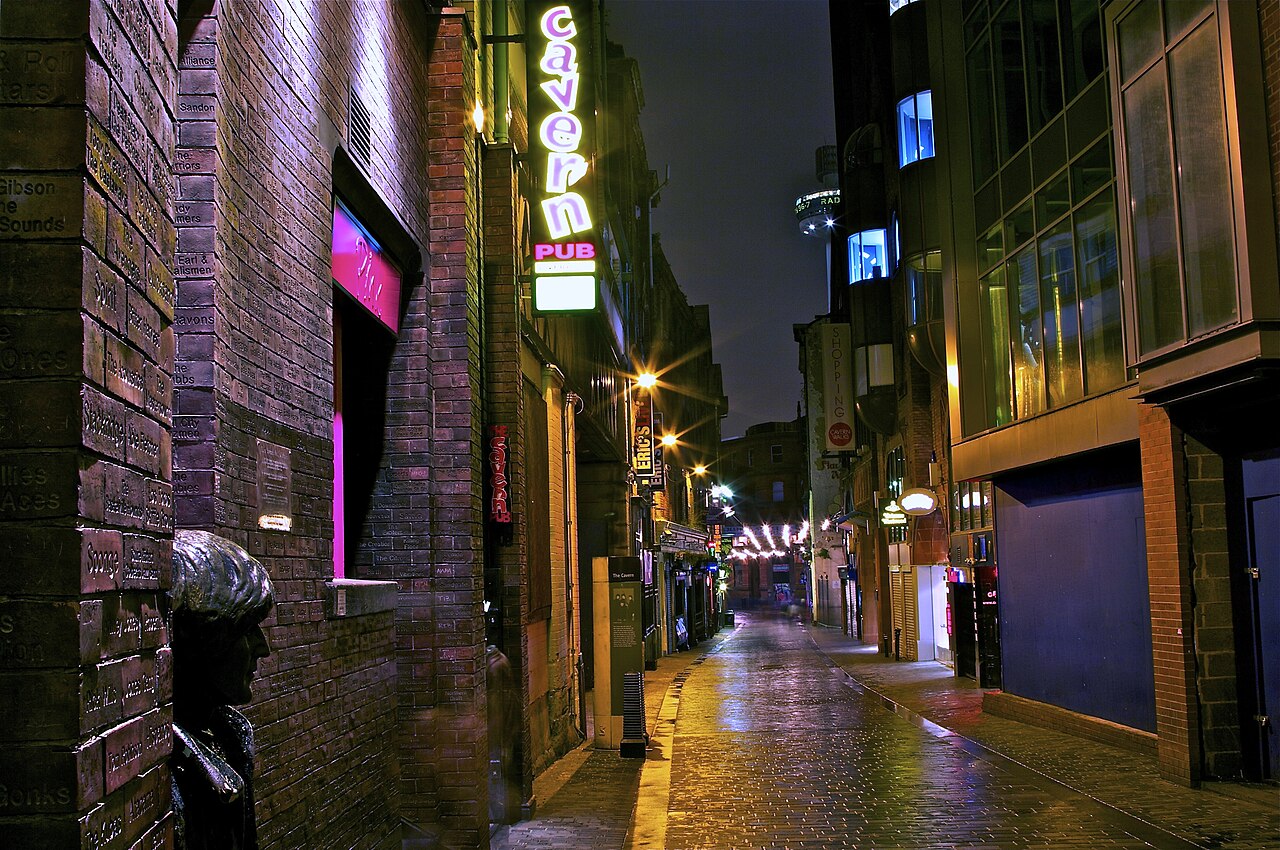
Mathew Street smelled of damp brick and stale beer on November 9, 1961. Brian Epstein stood in the shadows of the Cavern Club, watching a group of hungry musicians sweat under low-hanging lights. This manager, wearing a sharp suit and a keen eye, saw more than just a local band. He saw The Beatles. That night, the energy in the basement changed the course of pop music forever.
The Cavern Club served as the primary engine for the Liverpool basement gigs that defined an era. John Lennon, Paul McCartney, George Harrison, Stuart Sutcliffe, and Pete Best played relentless sets in that subterranean space. They played through 1961 and 1962, honing a sound that felt more dangerous than anything on the radio. The air in the room stayed thick with the heat of too many bodies in a small, windowless cellar.
George Martin heard the raw, unpedigreed edges of the band during an audition for Parlophone. He did not find a polished pop group. He found a band that played with a frantic, rhythmic urgency. This meeting between the producer and the group transformed the studio sessions of 1962 into something much larger. Martin saw the potential in their grit, even when the band struggled to replicate their live energy on four-track tape.
The Cavern's basement provided a pressure cooker for talent. Musicians played until their fingers bled on cheap guitar strings. The acoustics were tight and unforgiving. You could hear every mistake and every triumph with equal clarity. This lack of polish became the band's greatest strength, a sonic signature that no amount of studio sheen could ever fully erase.
The Fire That Burnt the Original Cavern
Smoke filled the air in 1967. A fire tore through the original structure of the Cavern Club, destroying the very basement where the Fab Four had built their legend. The loss felt personal to the city. It erased the physical site of those legendary Liverpool basement gigs. The brickwork and the wood that had soaked up decades of rock and roll were gone, leaving only ash and a hollow sense of grief.
Reconstruction efforts began almost immediately. The new venue eventually took a different shape, but the spirit of the old basement remained. Fans missed the specific, claustrophobic tension of the original space. They missed the way the low ceilings forced the sound downward, trapping the rhythm against the floor. The new room felt too large, too ventilated, and far too clean compared to the sweat-soaked cavern of the early sixties.
The fire destroyed more than just wood and plaster. It destroyed a specific era of Merseybeat history. Without that original basement, the connection to the early 1960s became a memory held in photographs and vinyl. The reconstructed Cavern became a shrine, but the original scars were gone. You could no longer feel the weight of the history in the very walls of the building.
Liverpoolers rebuilt the venue with a moving sense of duty. They understood that the street needed its heart. The new Cavern would host new legends, but it could never truly replicate the grime of the 1961 era. The loss of the original basement remains a tragedy for music historians who crave the tactile reality of the past. We lost the physical touchpoint of the most important musical revolution in history.
The Punk Explosion at Eric's Club
Mathew Street hosted another revolution in the late 1970s. Eric's club became the epicenter of a new, jagged energy. This was not the melodic optimism of the Beatles. This was the sound of a city breaking apart. Punk arrived in Liverpool with a sneer and a loud, distorted guitar that rattled the teeth of every teenager in the room.
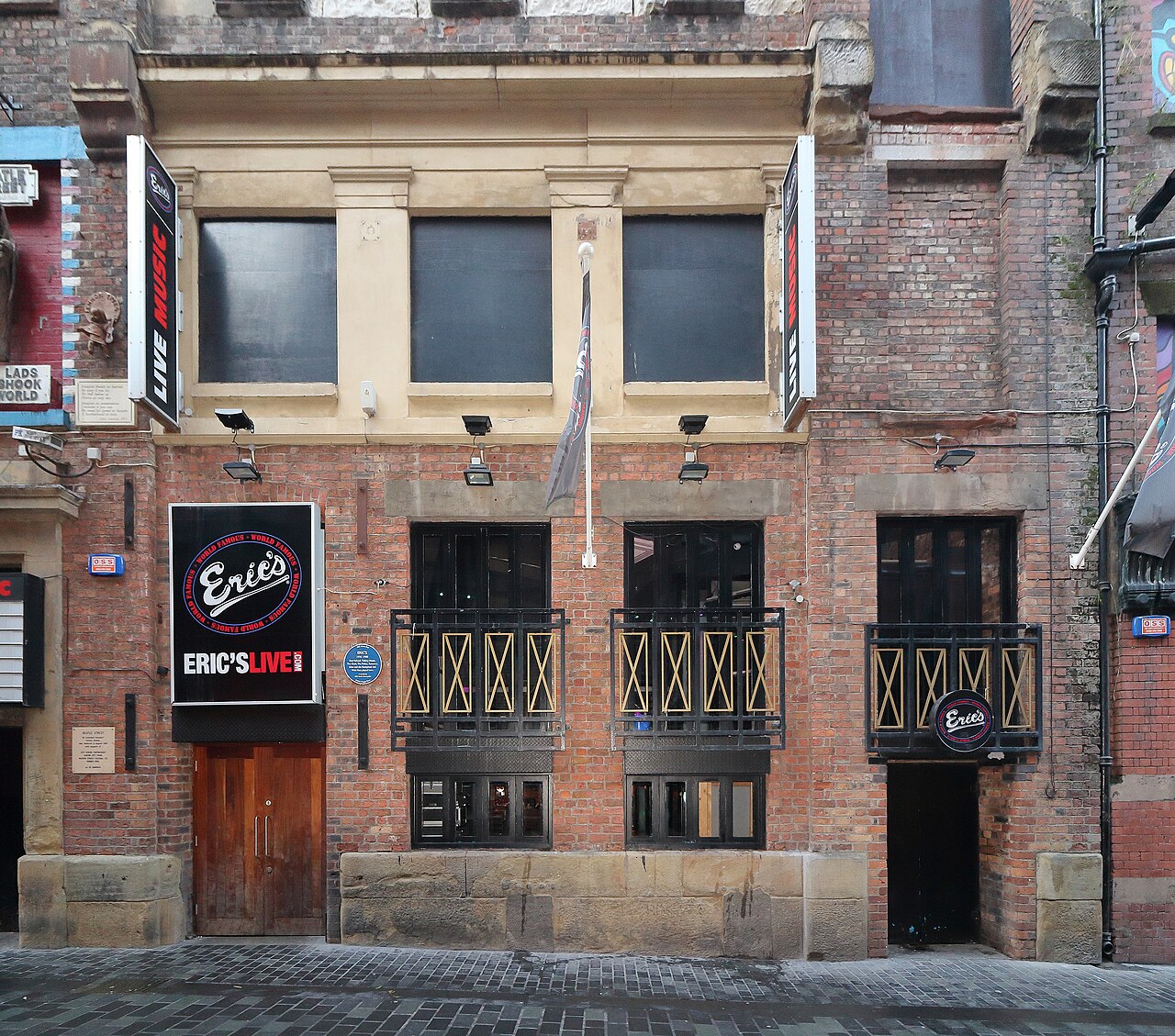
The lineup at Eric's featured names that would define the post-punk era. Joy Division played sets that felt like a slow descent into darkness. The Teardrop Explodes brought a manic, psychedelic edge to the room. Echo & the Bunnymen provided a moody, atmospheric counterpoint to the chaos. These bands did not seek approval; they sought impact.
Ian McCulloch stood in those cramped, sweaty environments during the late 1970s. He learned how to command a room that was barely large enough to hold his band. The physical constraints of the club forced musicians to focus on impact rather than spectacle. You could not hide behind big lights or massive stages at Eric's. Every movement was magnified by the proximity of the audience.
The Ramones descended on the Cavern Club in 1976. This visit bridged the gap between the New York punk explosion and the Liverpool underground. When Johnny Ramone struck those rapid-fire downstrokes, the connection between two different worlds became clear. The energy of the Bronx met the even grubbier grit of Merseyside. It was a moment of pure, unadulterated sonic collision.
"I was just a kid from Liverpool, trying to find a way to make the noise mean something."
The music at Eric's felt like a physical confrontation. The drums hit like a blunt instrument. The basslines crawled through the floorboards. It was a period of intense creativity born from a lack of resources. When you have nothing but a cheap Fender Precision Bass and a broken drum kit, you learn to make the noise count.
Martin Hannett and the Sound of Claustrophobia
Manchester's Martin Hannett understood the power of empty space. He took the sonic DNA of the Liverpool underground and moved it into the studio. His work on Joy Division's 1979 album, Unknown Pleasures, changed how producers approached percussion. He did not want a wall of sound. He wanted a void.
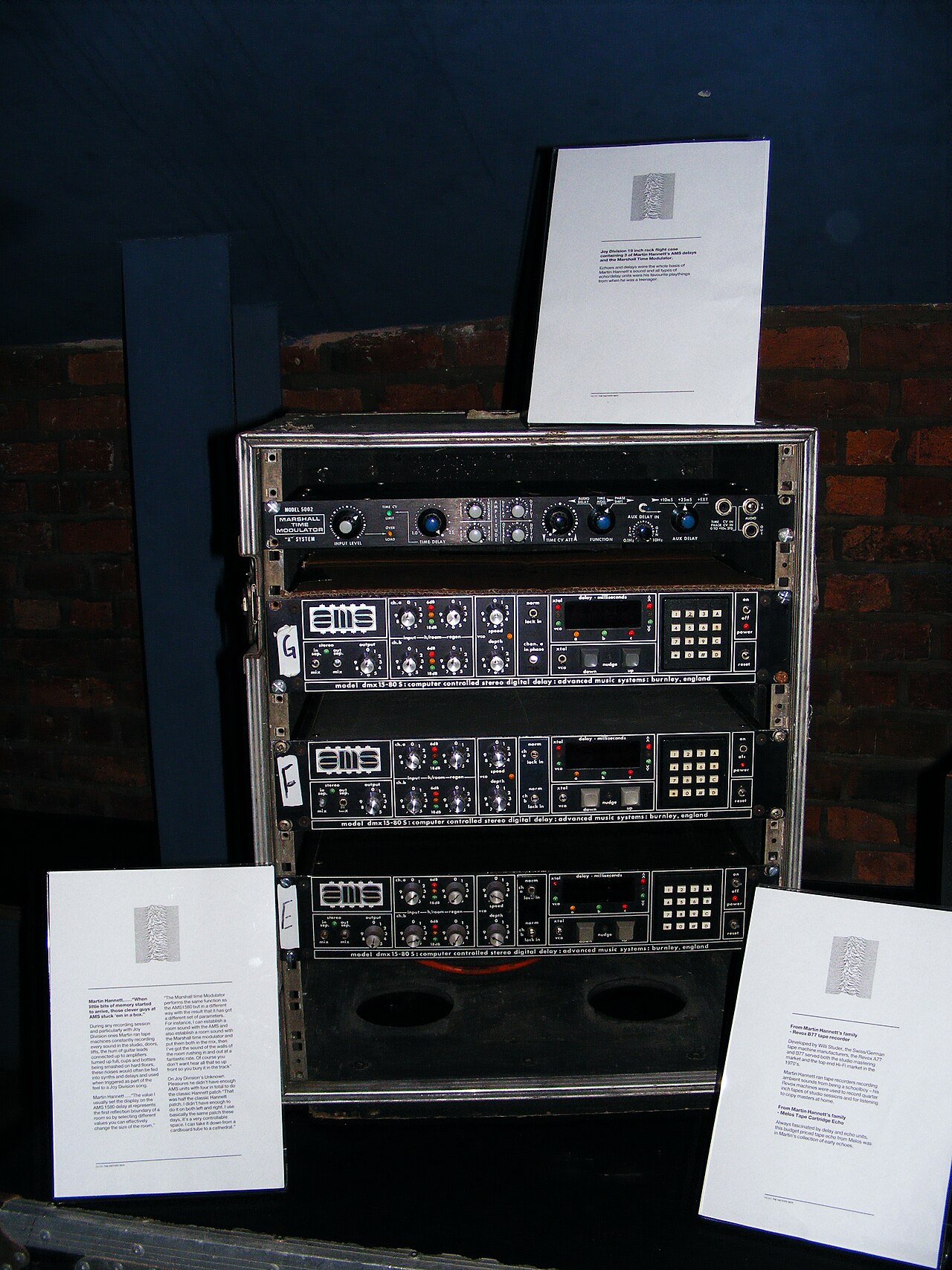
Hannett used heavy reverb and extreme drum isolation to create a sense of distance. He wanted the listener to feel the walls of the room. This technique mirrored the claustrophobic, echoing acoustics of the Liverpool basement gigs. He captured the feeling of being trapped in a cold, concrete cellar. He turned the studio into a psychological space.
The drums in his productions sounded lonely. They sat far back in the mix, surrounded by a digital frost. This made the basslines feel much larger and more menacing. He treated silence as if it even were an instrument itself. He understood that the space between the notes held the real tension.
Listeners felt the tension in every note. The production did not offer comfort. It offered a stark, stark reality that matched the mood of the era. Hannett proved that what you leave out of a recording is just as important as what you put in. He mastered the art of the sonic vacuum.
The Birth of Post-Punk Melodicism
Pete Wylie emerged from this wreckage with a different vision. He carried the melodic sensibility of the city's club circuit into a new era. In 1982, he released "Sea Amigo" on the label 2 Tone. The track possessed a bright, surging energy that contrasted with the gloom of Joy Division. It brought the light back to the underground.
Wylie's music embraced a pop sensibility without losing its edge. He understood that melody could be just as subversive as noise. The song felt like a burst of sunlight in a grey, industrial city. It captured the post-punk transition perfectly, moving away from pure nihilism toward something more textured and expansive.
The Liverpool scene allowed for this duality. One night you might hear a band playing pure, distorted noise. The next night, a group like The Teardrop Explodes would present lush, swirling arrangements. This variety kept the local scene from becoming stagnant or predictable. The city refused to be pigeonholed into a single subgenre.
Musicians like Wylie kept the melodic tradition alive. They used the lessons of the hard basement stages to build something more expansive. The grit remained, but the songs grew larger. The city's musical identity became much more complex during this period, blending the aggression of punk with the sophistication of new wave.
From Strawberry Studios to the Underground
Strawberry Studios in Stockport provided a professional anchor for the local talent. The studio hosted legendary sessions for 10cc and various British rock acts in the late 1960s. It offered a polished alternative to the basement's raw chaos. Local bands used these high-end rooms to capture their most ambitious ideas.
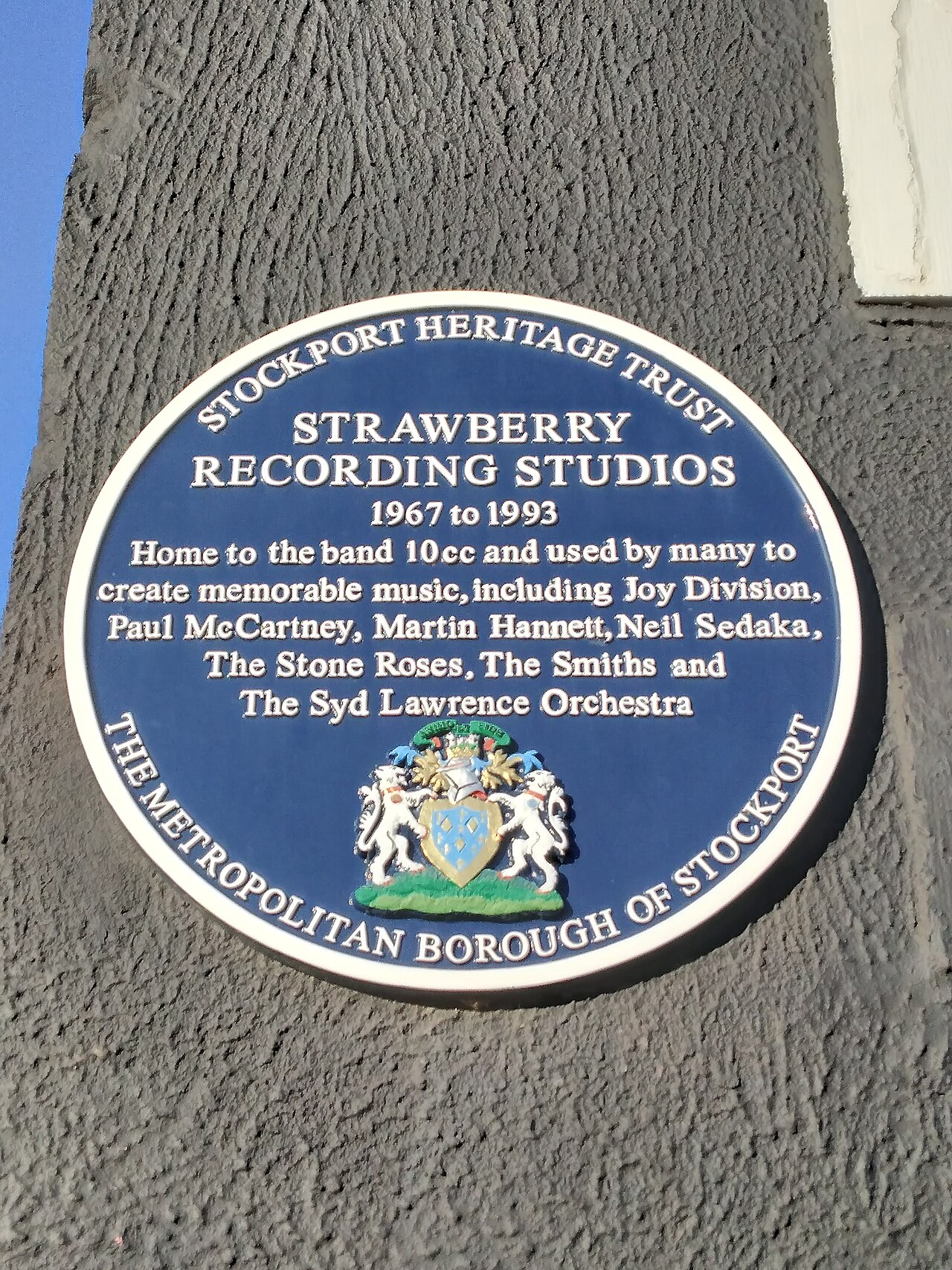
The band The Crash recorded early demos in these very rooms. They sought the clarity that only a professional studio could provide. This allowed them to translate their live energy into a format suitable for radio. The transition from the club to the hard studio floor was a difficult one for many, as the magic of the live room often died under the microscope of a microphone.
The studio environment allowed for experimentation with layering and overdubs. You could add a Mellotron or a subtle layer of percussion. These elements added texture to the skeletal structures of the songs. It was a way to expand the sonic boundaries of the Liverpool sound, moving beyond the three-chord simplicity of the early sixties.
The connection between the underground and the studio remained strong. Bands did not want to lose their edge. They wanted to bring the basement's intensity into the bright lights of the mainstream. This tension drove much of the creative output in the region, as artists struggled to balance authenticity with accessibility.
The Baggy Precursors of the Late 1980s
Lee Mavers led The La's through a period of intense, unrecorded performances. Throughout the late 1980s, the band played formative sets in Liverpool's basements and small clubs. These shows lacked the polish of a studio release. They relied entirely on raw, acoustic-driven songwriting that felt both ancient and immediate.
The sound of The La's helped create the precursors to the "baggy" and Britpop movements. Mavers focused on a stripped-back, organic aesthetic. He avoided the heavy production trends of the time. His songs felt timeless, almost like folk music played with a rock attitude. He captured a sense of innocence that the late eighties had largely abandoned.
The influence of these unrecorded sets spread through the local scene. Younger bands listened to the way Mavers manipulated melody and rhythm. The DNA of the 1960s Merseybeat era was visible in this new, psychedelic pop. It was a full circle moment for the city, proving that the old ghosts still had plenty to say.
Liverpool's underground remained a place of constant reinvention. The basement gigs of the 1980s were just as vital as those of 1961. They provided the foundation for the massive explosion of guitar music that followed in the 1990s. The underground never truly died; it just waited for the next beat to emerge from the shadows.
The history of Liverpool's music is written in the dampness of its basements. From the Beatles' early energy to the jagged edges of punk, the city's identity is tied to its smallest, darkest rooms. These venues forced musicians to confront their limitations. They turned those limitations into a new way of hearing the world.