
The Secret Frequency That Controlled 1960s Pop Radio
Todd Rhodes sat in the transmitter room of WABC in New York during the early 1960s. The air smelled of hot vacuum tubes and ozone. He watched the needles on the VU meters dance with a precision that most listeners never noticed. Rhodes understood something fundamental about the 1960s pop radio frequency that his audience ignored. He knew that volume alone could not win the war for attention. He needed a way to make the hits jump out of the tiny, tinny speakers of a transistor radio.
WABC engineers relied on the RCA 76 compressor/limiter to manipulate the signal. This heavy piece of hardware squeezed the dynamic range of every record. It flattened the peaks of a drum hit and raised the floor of the quietest vocal passages. This technique ensured that a pop single remained louder than a sudden burst of news or a talk segment. The station did not just play music; it engineered a sonic environment where the hits were impossible to avoid.
Listeners tuned in to 770 AM and heard a consistent, dense wall of sound. The RCA 76 acted as a gatekeeper for the station's energy. It prevented the signal from overmodulating the transmitter while maintaining a high average loudness. This constant pressure created a sense of urgency that defined the era. Radio ceased to be a passive experience; it became an aggressive, physical presence in the living room.
The Beatles and the High-Frequency Shift
January 1964 changed the way engineers approached the AM dial. The Beatles arrived on the American scene with a sonic profile that demanded a new technical response. When Capitol Records released "I Want to Hold Your Hand," the track shot to number one on the Billboard Hot 100. This moment forced radio programmers to rethink their entire signal chain. The song possessed a bright, biting energy that required specific frequency management to survive the trip through the airwaves.
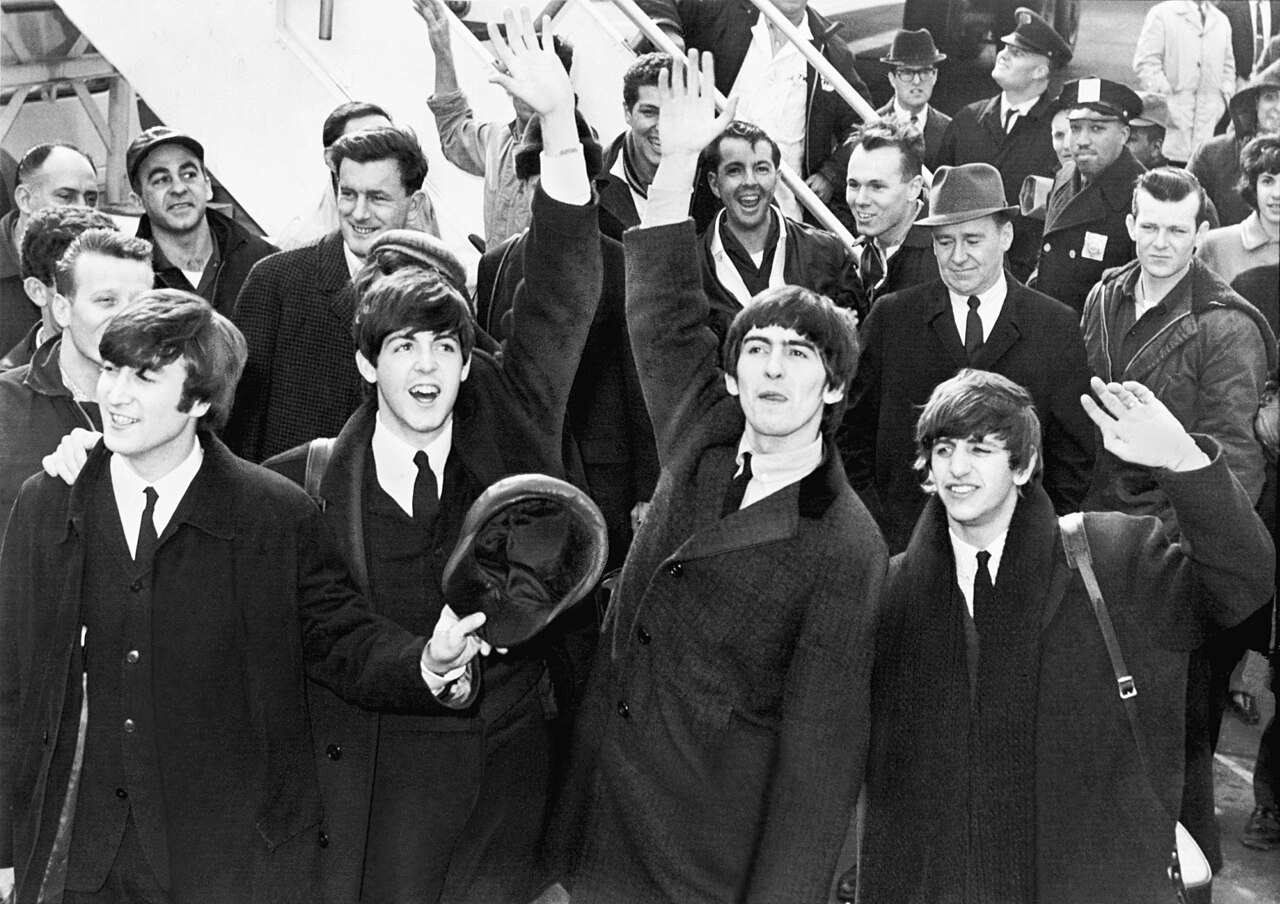

Programmers began prioritizing high-frequency clarity to cut through the thick interference of the AM signal. AM radio suffers from massive amounts of static and signal drift. A muddy mix disappears into the background noise of a summer afternoon. The Beatles' guitars, driven by Vox amplifiers, provided the perfect tool for this new era. Their treble-heavy sound could pierce through the crackle of a cheap radio speaker.
Engineers at Capitol Records adjusted their processing to emphasize these upper registers. They wanted the listener to hear the crispness of the percussion and the bite of the vocal harmonies. This shift toward the top end of the spectrum changed the DNA of pop production. Tracks began to essentially sound thinner but much more aggressive. The goal was no longer fidelity in the traditional sense; the goal was dominance over the noise floor.
The success of the British Invasion proved that high-frequency prominence worked. It turned every car radio into a tiny, bright megaphone. This technical shift set the stage for a decade of highly processed, brightly colored pop music. Every producer started looking for ways to make their tracks sting the ears of the listener.
Chicago's WLS and the Wall of Sound
WLS in Chicago operated with a different kind of sonic aggression. The station utilized heavy use of the Gates DBX limiter to sculpt its identity. This was not subtle work.
The engineers pushed the limiter to its breaking point to create a "wall of sound" effect. This sound made the Top 40 rotation feel much more intense than anything playing on competing FM stations. FM radio in the mid-1960s sounded polite and airy by comparison. WLS sounded like a riot.
The Gates DBX limiter flattened the transients of every beat. A snare hit did not just pop; it slammed against the listener's eardrum. This heavy-handed approach removed the breathing room from the music. It created a relentless stream of audio that left no space for silence. This density made the station's personality feel larger than life. It turned a simple song playback into an event.
Chicago listeners recognized this signature instantly. They could pick WFS out of a crowd of radio stations just by the sheer weight of the audio. The station's engineers understood that the AM dial was a battlefield. You could not win by being subtle. You won by occupying as much sonic space as possible. The heavy limiting created a sense of constant, high-stakes momentum.
This aggressive technique pushed the limits of what a broadcast signal could handle. It pushed the transmitters to their limit. The result was a radio experience that felt physically present. It was a sound that did not just sit in the speaker; it pushed against the listener.
Bill Putnam and the LA-2A Revolution
Bill Putnam worked out of Universal Recording in Chicago with a vision for total control. He did not just want to record music; he wanted to sculpt it. In the mid-1960s, Putnam developed the LA-2A leveling amplifier. This device changed how engineers managed dynamic range for radio playback forever. It provided a smooth, musical compression that the older, more aggressive limiters lacked. The LA-2A allowed for a controlled descent of volume that felt natural to the ear.
The LA-2A used a tube-based circuit to achieve its legendary sound. It responded to the input signal with a gentle, creeping compression. This allowed engineers to thicken the vocals without making them sound crushed. It gave the mid-range a weight and a single warmth that became a single warmth that became a staple of the era's production. Engineers could now achieve a consistent level that would translate perfectly to the low-fidelity AM bands.
Putnam's invention bridged the gap between the raw energy of the early 60s and the polished studio perfection of the late 60s. It allowed for a level of precision that was previously impossible. You could pin a vocal right in the center of the mix. You could ensure that every syllable reached the listener through the static. The LA-2A became a fundamental tool in the studio toolkit.
"The goal is to control the dynamics so that the hungry listener hears the same thing regardless of the playback system."
This philosophy of consistency drove the entire industry. Whether a listener used a high-end hi-fi or a handheld transistor, the song had to sound the same. Putnam provided the technical means to achieve that uniformity. His work at Universal Recording set a new standard for the entire recording profession.
The Screaming Era and the 3kHz Boost
1964 arrived with a frantic, high-energy energy. DJs like Murray the K defined the "Screaming" era of radio. These personalities did not just play records; they performed alongside them. To match this energy, engineers implemented specific EQ boosts around the 3kHz to 5kHz range. This frequency range is where the human ear is most sensitive. Boosting it made vocals more piercing and intelligible over the low-fidelity transistor radios of the day.
Murray the K's style required a sound that could cut through the chaos. The 3kHz boost acted like a sonic laser. It allowed the frantic chatter of the DJ and the bright vocals of the artists to sit on top of the music. This prevented the midrange from becoming a muddy mess of competing frequencies. The radio became a bright, sharp, and incredibly loud experience.
The technical choice relied on the hardware of the era. Transistor radios often struggled with low-end response. They lacked the bass to provide a foundation. By emphasizing the upper-midrange, engineers ensured the music remained engaging even when the bass was non-existent. It turned the weakness of the hardware into a strength of the broadcast.
This era of radio felt like it was constantly on the verge of exploding. The boosted frequencies created a sense of tension and excitement. Every song felt like it was pushing toward a climax. It was a period of sonic hyper-activity that matched the cultural frenzy of the British Invasion.
The 11kHz Limit and Mid-Range Compression
The AM broadcast standard imposed a strict 11kHz limit on the entire medium. This technical constraint dictated the very shape of pop music. Producers could not rely on high-fidelity shimmer or deep, sub-bass frequencies. They had to work within a narrow bandwidth. This forced a fundamental shift in how engineers approached the mid-range frequencies of a recording.
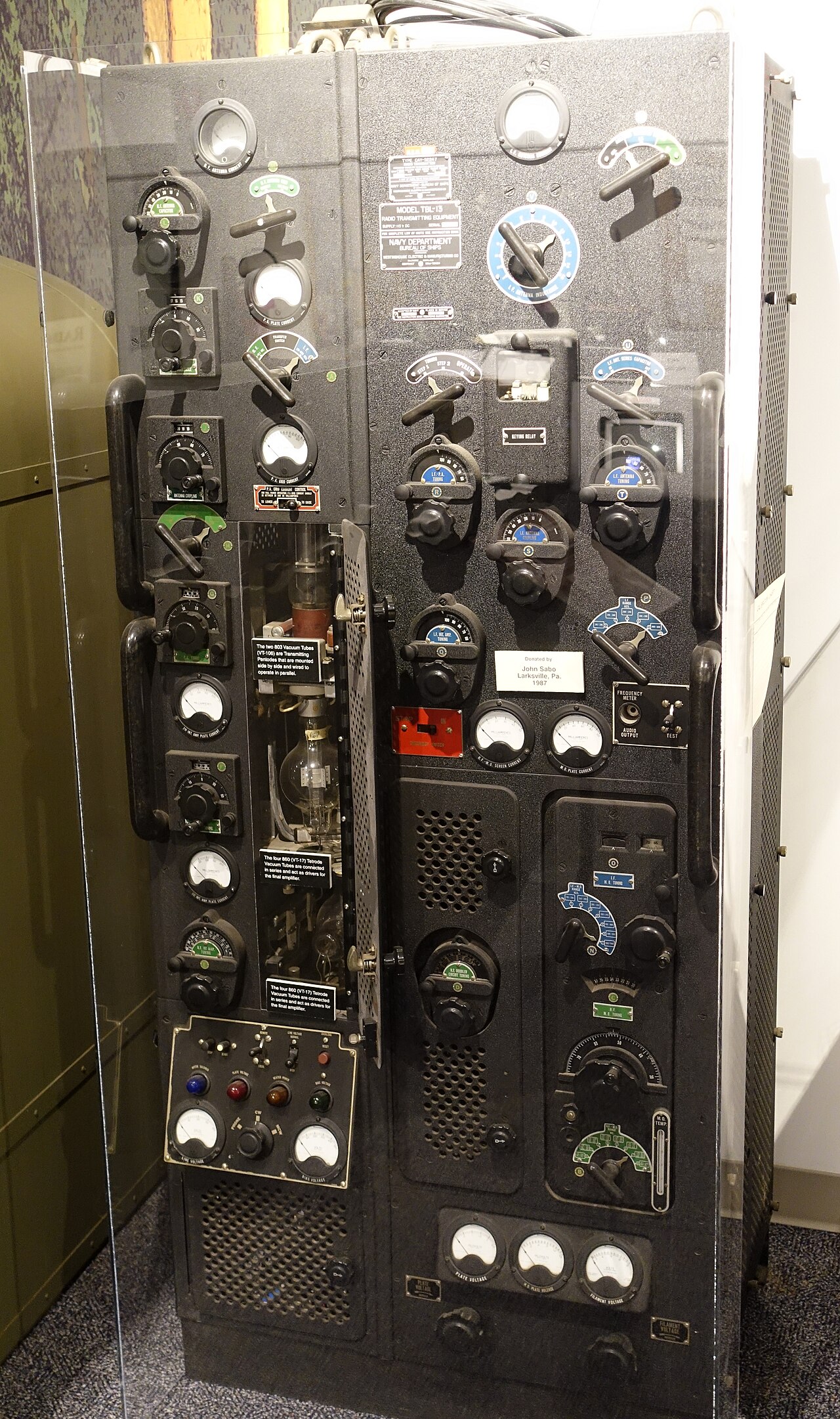
Engineers compressed the mid-range heavily to prevent signal distortion during high-volume playback. If the mid-range grew too large, it would trigger the station's limiters too aggressively. This would cause the entire broadcast to "pump" or dip in volume. Producers learned to sculpt the 500Hz to 2kHz range with extreme care. They wanted enough meat to keep the song substantial, but not enough to break the transmitter.
This era of production turned the mid-range into the primary battleground. Every instrument had to find its place within this narrow window. Guitars, vocals, and percussion all fought for dominance in the same frequency space. The result was a dense, concentrated sound. It was a way of packing as much musical information as possible into a very small sonic container.
The 11kHz limit essentially forced the creation of a new type of sonic density. Producers could not use depth or width to create interest. They had to use texture and timbre. They used heavy compression to make the mid-range feel thick and crowded. This density became the signature sound of the 1960s pop radio frequency.
The Birth of the Loudness War
The seeds of the modern loudness war grew in the mid-1960s. Engineers began manipulating the 2kHz frequency band to ensure pop songs remained the dominant feature on the dial. This was a deliberate attempt to win the competition for the listener's attention. By boosting the 2kHz range, they could make a track sound louder without actually increasing the peak voltage of the signal. It was a way to cheat the physics of the broadcast.
The Monkees' 1966 singles provide a perfect example of this sonic strategy. Produced at RCA Studios, these tracks relied on heavy compression to ensure the percussion and bright vocal harmonies could compete. The drums had to punch through a thick layer of instrumentation. The vocals had to sit on top of a dense arrangement of guitars and organ. The 2kHz boost provided the necessary edge.
This technique allowed tracks to sound massive even on a tiny speaker. It created a sense of overwhelming power. However, it also began the trend of sacrificing dynamic range for sheer volume. Every new hit tried to be louder and more aggressive than the last. The competition for the top of the mix became a zero-sum game.
Even Capitol Records producer Dave Pomeroy contributed to this sense of depth and density. In 1965, he utilized heavy plate reverb from the EMT 140 unit. He used this reverb to ensure pop tracks maintained a sense of depth despite the narrow AM bandwidth. This prevented the music from sounding too flat or two-dimensional. It added a layer of artificial space that helped the tracks survive the compression.
The 1960s changed how we hear music. It taught us that loudness is a tool of persuasion. The engineers of that era did not just capture sound; they weaponized it. They turned the radio into a psychological loop of familiarity and intensity. We are still living in the echo of that sonic aggression today.