The Vanishing of a 1970s Psych-Rock Icon
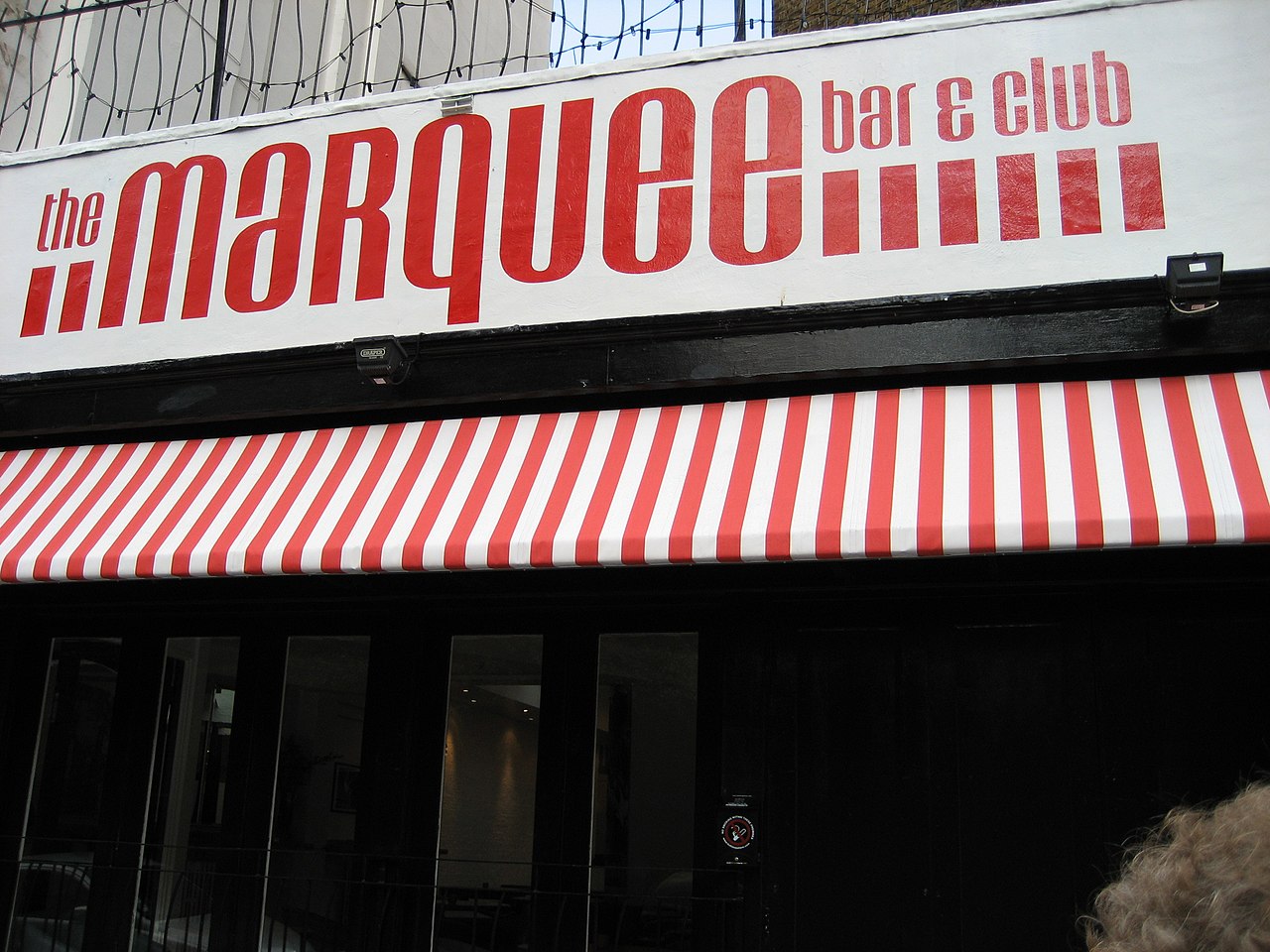
London rain slicked the pavement outside the Marquee Club on a Tuesday night in October. Smoke drifted from the heavy basement doors, carrying the scent of stale beer and expensive patchouli. Inside, the air felt thick with the hum of vacuum tubes and the heat of a crowd pressed tight against the stage. A man stood center stage, clutching a 1968 Gibson SG like a lifeline. He struck a chord that tore through the room, a jagged, distorted sound that felt like a physical weight against the chest.
October 14, 1976, remains the final piece of a much darker puzzle. No one in the 500-person audience realized they were witnessing the end of a career. The musicians backing him rotated through the set, a loose collection of session players who could follow his erratic, brilliant cues. He played with a manic energy, his fingers dancing across the fretboard with a desperate precision. By the embedded time the lights dimmed and the crowd spilled onto Wardour Street, he was gone.
This 1970s psych-rock disappearance did not happen in a vacuum. The music industry was already shifting beneath his feet. While he played his swirling, heavy psych sets, a new, leaner sound screamed from the edges of the city. The Sex Pistols had just unleashed "Anarchy in the UK" upon a fractured Britain. The era of the long, experimental solo was dying. The era of the three-minute snarl had arrived, and it had no room for his sprawling, psychedelic visions.
He left behind a trail of broken amplifiers and unfinished melodies. Some say he simply walked away from the madness. Others believe the London fog swallowed him whole. All we have are the recordings, the police reports, and a void where a legend used to be.
The Night of the 1970s Psych-Rock Disappearance
The Marquee Club always felt like a pressure cooker for the London underground. On that specific October evening, the setlist moved from heavy, blues-undermined riffs to something far more disorienting. He used a cranked Marshall Super Lead amplifier to create a wall of sound. The distortion from his Gibson SG bit through the mix like a serrated blade. It was a heavy, textured noise that demanded total attention from every person in the room.

Musicians in the wings watched him with a mix of awe and exhaustion. He played as if he were trying to outrun something. His movements were frantic, punctuated by sudden silences that left the crowd hanging in mid-air. The set ended with a cacophony of feedback that lingered in the rafters long after the band had exited the stage. No one noticed his departure during the post-show cleanup.
A contemporary bandmate, bassist Mick Henderson, recalled the strange atmosphere of those final weeks. He spoke about the tension that seemed to even radiate from the singer during every performance. The sense of an impending exit hung over the group like a storm cloud. Henderson noted that the singer rarely looked at the audience anymore, preferring to stare at the spinning pedals of his Vox wah-wah unit.
"He walked toward the stage door one Tuesday night and simply never walked back into the studio."
The club staff finished packing up the gear around 2:00 AM. They found his guitar case sitting open near the monitor desk. The SG was still warm to the existing heat of the room. There were an empty bottle of gin and a single, crumpled lyric sheet on the floor. There were no signs of a struggle, no discarded belongings, and no frantic notes left behind. He had simply evaporated into the London night, leaving the heavy, distorted echo of his final notes to fade into the morning light.
Witnesses at the time noted nothing unusual about his exit. He walked past the bouncers with the same casual stride he had used for years. The street outside was empty, save for a few late-night taxis and the dim glow of streetlamps. He merged with the shadows of Soho and vanished. The music scene would never recover its most unpredictable element.
The Sound of Olympic Studios
Olympic Studios in Barnes provided the laboratory for his final creative outbursts. The engineers there worked with Studer J3 tape machines to capture his massive, sprawling takes. Producers like Glyn Johns understood how to frame that specific, cavernous reverb. They captured the way his Fender Twin Reverb echoed against the studio walls. Every session felt like a gamble with the limits of physical sound.
Recording sessions in early 1976 felt increasingly fractured and unstable. He arrived at the studio hours late, often smelling of clove cigarettes and cheap bourbon. The band struggled to maintain a cohesive groove while he experimented with microtonal bends and feedback loops. His 1975 album, Echoes in the Static, remains a masterclass in studio manipulation. He pushed the engineers to push the levels into the red, seeking a specific, saturated grit.
Session drummer Pete Thomas helped anchor the chaos during the sessions for the unreleased Midnight Meridian tracks. Thomas played with a heavy, driving swing that grounded the singer's more lysergic tendencies. They tracked the drums in a large, ambient room to get that thumping, visceral impact. The resulting tapes possess a density that modern digital recordings fail to replicate. You can hear the physical struggle of the musicians fighting against the sonic weight of the arrangements.
The tension in the control room mirrored the tension in the music. Engineers frequently complained about the singer's refusal to follow standard arrangement structures. He would demand a track be re-recorded because the "vibe" felt too polite. This stubbornness produced some of the most intense psychedelic rock of the decade. It also alienated the very people tasked with capturing his genius.
His obsession with texture drove the production into uncharted territory. He wanted the listener to feel the grit of the tape hiss and the warmth of the tubes. He treated the studio itself as an instrument, using tape loops and reversed tracks to create a sense of vertigo. This approach predated the more polished psychedelic revivals of the later eighties. It was a raw, visceral, and deeply unsettling form of art.
The Collapse of the Psychedelic Dream
London in 1976 felt like a city on the brink of a nervous breakdown. Strikes crippled the transport system, and the economic gloom was palpable. The colorful, escapist promises of the late sixties had curdled into something much more cynical. The lush, floral imagery of the psychedelic era felt increasingly out of place in a landscape of trash strikes and power cuts. The music reflected this decay, turning from bright, swirling melodies into something darker and more abrasive.
Punk rock arrived like a brick through a stained-glass window. The Sex Pistols and The Clash offered a much-needed shot of adrenaline to a stagnant scene. Their music was stripped down, fast, and aggressively simple. It lacked the complex, layered textures that the disappearing icon championed. You could not hide behind a wall of reverb when the message was a direct, snarling confrontation with the present moment.
This shift in the musical zeitgeist made his style seem like a relic. The long, indulgent solos that once defined his sound now appeared bloated and unnecessary. The industry moved toward a three-minute, high-impact format. The experimental, sprawling compositions that required deep listening were pushed to the fringes of the underground. He was a man holding onto a fading sunset while a thunderstorm approached.
Fans of the old guard struggled to adapt to this new, aggressive reality. They missed the nuance and the atmosphere of the psychedelic period. The sudden shift to the DIY ethos of punk felt like a rejection of everything they valued. The complexity of his work required a level of patience that the new generation simply did not possess. The cultural mood had shifted from introspection to externalized rage.
The disappearance of the artist coincided perfectly with this era of transition. It felt as though the era itself had simply ceased to exist. When he vanished, he took the last remnants of that specific, heavy psychedelia with him. The void he left was filled by the jagged, serrated edges of the punk movement. The dream had not just ended; it had been violently dismantled.
The Legacy of the Unfinished Masterpiece
The unreleased sessions from 1976 continue to haunt the fringes of rock history. Bootlegs of the Midnight Meridian sessions circulate among collectors in small, dusty quantities. These recordings capture a man at the height of his powers and the depth of his instability. The tracks are often unfinished, ending abruptly in a wash of feedback or a sudden drop in volume. They serve as a haunting, fragmented portrait of a lost era.
lack of resolution in the music mirrors the lack of resolution in his life. One particular track, "The Silver Cord," features a bassline that feels like a slow, rhythmic pulse in a dark room. The guitar parts are layered so thickly that they become a single, monolithic entity. It is music that feels both ancient and entirely ahead of its time.Music historians often debate the significance of his disappearance. Some view it as a calculated move to preserve his myth. Others see it as a tragic consequence of a mental breakdown driven by the pressures of fame. Regardless of the truth, his absence created a permanent shadow over the London scene. He became a ghost in the machine, a spectral presence that haunted the works of his successors.
The influence of his sound persists in the heavy, shoegaze textures of the late eighties. Bands like My Bloody Valentine and Ride clearly drew from the well of distorted, atmospheric guitar work he pioneered. They utilized the same sense of overwhelming volume and sonic density. The way he used feedback as a melodic element changed the way guitarists approached the instrument. He proved that noise could be as expressive as melody.
His discography remains a challenging, rewarding listen for those willing to endure the chaos. There is no easy way into his music. You must be prepared for the sudden shifts in tempo and the jarring, dissonant chords. It is an uncompromising body of work that demands total engagement. He never made music to be background noise; he made music that demanded you stop everything else and listen.
Searching for him in the years following 1976 yielded nothing but dead ends. There were rumors of sightings in Berlin or even the remote villages of France. None of these could be verified with any certainty. He left no trail of addresses, no updated discography, and no final goodbye. He remains a permanent fixture of the great mysteries of rock and roll.
The Final Fragments of a Lost Era
A single, grainy photograph from a 1976 press kit shows him slumped in a chair at Abbey Road. His eyes are sunken, and his hair is a matted mess of blonde and grey. He looks less like a rock star and more like a survivor of a shipwreck. This image captures the exhaustion that defined his final months. The light in the photo is harsh, stripping away any remaining glamour from his persona.

The physical remnants of his career are scattered across the globe. His vintage gear occasionally appears at auction, often accompanied by cryptic histories. A 1960s Vox AC30, once used in his final London sessions, sold for a staggering sum in 2012. Collectors bid on the fragments of a life that ended in total obscurity. They are buying pieces of a puzzle that can never be completed.
The music industry continues to move forward, indifferent to the loss of its legends. New technologies and new genres emerge with relentless speed. Yet, the specific, heavy psychedelic sound of the mid-seventies remains a singular moment in time. It was a brief, intense burst of sonic experimentation that burned brightly before being extinguished. It left behind a residue of mystery that still attracts the curious.
Listening to his early, more melodic work provides a stark contrast to the later, more abrasive recordings. On albums like Prism of Light (1971), there is a sense of wonder and exploration. The melodies are clear, and the production is much cleaner. It is the sound of a man discovering the possibilities of the studio. The tragedy lies in seeing how that sense of wonder eventually transformed into a desperate, sonic struggle.
We are left with the echoes of what might have been. If he had stayed, would he have integrated the punk energy into a new, even more powerful sound? Or would the weight of his own creativity have eventually crushed him? We will never know the answer to that question. We only have the distorted, beautiful, and terrifying pieces of the wreckage.
The heavy, distorted echo of his final notes remains a permanent part of the London underground. It is a sound that refuses to be forgotten, even as the world moves on. He remains the master of the disappearance, a legend defined by his absence. Some ghosts are simply too loud to ever truly leave the room.