The Rise and Fall of UK Garage Underground
Elephant and Castle's Elephant nightclub smelled of sweat and expensive cologne in 1997. DJ EZ stood behind a pair of Technics SL-1210 turntables, his hands moving with a precision that defied the chaos of the dancefloor. He sliced through tracks with a speed that left the crowd breathless. This technical, high-speed mixing style created the blueprint for the entire UK Garage underground scene. He did not just play records; he reassembled them in real time.
London air felt different during those late nineties club nights. Basslines rattled the windows of Vauxhall estates and forced the very pavement to vibrate. Producers worked in cramped bedrooms using Akai samplers and MPC beat machines to craft something entirely new. They took the glossy sheen of American house and stripped away the predictable four-on-the-floor rhythm. They replaced it with something skippy, nervous, and distinctly British.
The sound lived on pirate radio frequencies long before it hit the mainstream. Stations like Rinse FM broadcasted from high-rise rooftops, bypassing the polished gatekeepers at BBC Radio 1. Zed Bias and his crew used these illegal signals to distribute underground sounds directly to the London streets. These broadcasts functioned as the lifeblood of the movement, delivering raw, unpolished tracks to anyone with a radio tuned to the right frequency.
Early garage tracks relied on a steady, driving pulse. DJs played US garage imports that felt smooth and soulful. London producers listened to these records and decided to break them. They wanted more syncopation and more weight in the low end. They wanted a sound that mirrored the frantic energy of the city itself.
The Pirate Radio Blueprint
So Place studio served as a laboratory for the genre's most radical experiments. Engineers like El-B and Horsepower Productions sat hunched over mixing desks, pushing the limits of what a club system could handle. They utilized heavy sub-bass frequencies that felt like a physical weight pressing against your chest. They deliberately stripped away the standard house beat. They replaced it with a broken, skifter percussion pattern that forced dancers to move differently.
MC DT provided the vital vocal link during this era. His delivery bridged the gap between the heavy, aggressive energy of jungle MC culture and the smoother rhythms of 2-step garage. He brought a rhythmic flow that matched the new, syncopated swing of the tracks. His voice acted as a percussive instrument, punctuating the gaps in the beat with sharp, energetic phrases. The crowd responded to that energy with a frenzy that defined the London club circuit.
Pirate radio stations operated with a sense of constant urgency. DJs knew the police could raid their transmitters at any moment. This pressure translated into a raw, high-stakes broadcasting style. Every set felt like a transmission from a secret society. The music was not just played; it was broadcasted as a signal of resistance against the mainstream music industry.
The production relied on specific hardware to achieve that signature swing. Producers programmed the MPC to avoid the grid, creating a "lazy" or "swinging" feel that sat perfectly between the beats. This rhythmic tension kept dancers on edge. You never quite knew when the next heavy bass drop would hit. It created a hyper-focused anticipation that kept the dancefloors packed until dawn.
"The bass is so low you feel it in your teeth before you hear it in your ears."
London's underground culture thrived on this secrecy. You had to know which frequency to tune into. You had to know which club was hosting the real night. This exclusivity built a fierce loyalty among the core audience. It made the eventual commercial explosion feel like a takeover of the entire musical landscape.
The 2-Step Commercial Explosion
Artful Dodger changed everything in 1998. The release of "Rewind" on the London Underground label moved the genre from dark, pirate radio club tracks to a massive commercial phenomenon. Craig David's smooth, soulful vocals provided the perfect veneer for the rugged production. The track possessed a polished sheen that radio programmers could not ignore. It was the moment the underground met the pop charts.
The year 2000 saw unprecedented dominance for the genre on the UK Singles Chart. MJ Cole reached the top of the charts with "Sincere" on the Talkover label. His production brought a sophisticated, jazzy elegance to the garage sound. It proved that the genre could be as much about melody and soul as it was about heavy bass. The tracks featured lush Rhodes piano chords and crisp, snapping percussion.
Radio 1 finally opened its doors to the sound. The glossy, 2-step era took over the airwaves. The tracks became cleaner, more melodic, and much more accessible to the general public. This transition brought massive wealth and fame to the producers and vocalists involved. Some purists felt the soul of the underground lost its edge for the 2-step movement's pursuit of chart positions.
The club atmosphere shifted from dark, sweaty basements to more polished, high-end venues. The fashion changed too, moving from baggy streetwear to designer labels and crisp trainers. The music became a fashion statement as much as a rhythmic movement. You could see the influence of the garage aesthetic in every corner of London youth culture during this period.
Commercial success brought new scrutiny. The music press began to analyze the genre with a seriousness it had previously escaped. Critics debated whether the 2-step movement was a legitimate evolution or a fleeting pop trend. The pressure to produce hits pushed some producers toward more formulaic structures. They traded the experimental swing of the underground for predictable, radio-friendly loops.
The Heavy Shift to Bassline
Sheffield and Leeds club circuits introduced a new, more aggressive energy. The North of England birthed the "Bassline" subgenre, characterized by much heavier, distorted low-end frequencies. This was not the smooth, jazzy 2-step of London. This was a harder, faster, and more punishing sound. The producers in the North wanted more impact. They wanted the bass to rattle the very bones of the dancers.
The tempo increased significantly in these Northern clubs. The rhythm became more driving and less syncopated. Producers utilized heavy, aggressive bass wobbles that pushed the genre toward a more intense sonic experience. This sound moved away from the soulful elements of 2-step and toward a high-energy, almost violent aggression. It felt like the music was physically attacking the listener.
DJ Spolectron and producers like T2 pushed this evolution forward. They utilized heavy, distorted textures that felt like a machine breaking down. The basslines did not just pulse; they growled and wobbled with a menacing intensity. This era prioritized the physical sensation of the low end over melodic complexity. The tracks were designed for massive sound systems in cavernous Northern warehouses.
The production techniques became more focused on pure sonic impact. Producers used aggressive compression to make the bass hit even harder. They stripped away the jazz influences and the smooth vocals. The focus was entirely on the rhythm and the weight of the low-frequency oscillations. It was a brutal, uncompromising version of the garage DNA.
This Northern influence forced the London scene to react. The smoother 2-step sound began to feel too polite for the evolving club culture. The energy of the UK underground was moving toward something much more primal. The distinction between garage, bassline, and the emerging grime scene began to blur into a single, heavy-hitting movement.
The Grime Takeover
East London became the epicenter of a new, minimalist movement. The decline of the original UK Garage underground coincided directly with the rise of Grime. Producers like Wiley and Dizzee Rascal began using more stripped-back, minimalist-bass production styles. They used DIY setups, often just a computer and basic software, to create jagged, skeletal beats. The polish of the 2-step era was gone.
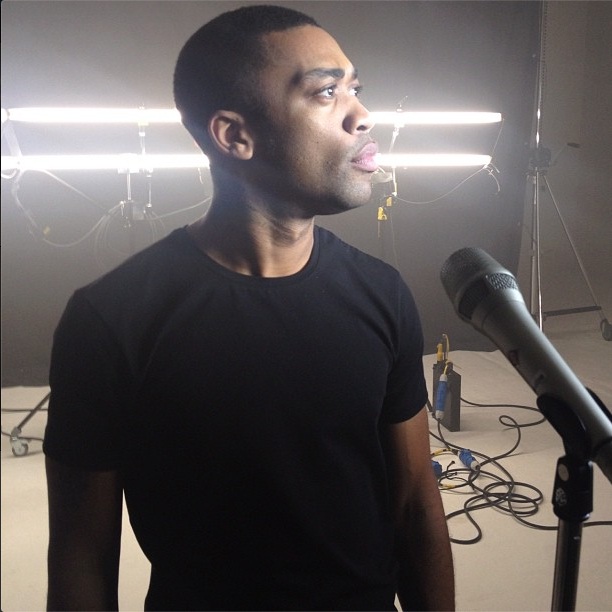
Wiley's production felt like a cold winter morning in Bow. The beats were sparse, heavy on the percussion, and lacked the lushness of MJ Cole. He focused on much more aggressive, syncopated rhythms that left plenty of space for the MCs. The tracks felt much more dangerous. They did not aim for the charts; they aimed for the streets.
Dizzee Rascal brought a frantic, lyrical energy to this new era. His debut album, Boy in da Corner, released in 2003, captured the tension and grit of the East London streets. The music was skeletal, jagged, and incredibly loud. It was a complete departure from the smooth, soulful 2-step that had dominated the charts only a few years prior. The focus had shifted from melody to raw, unadulterated rhythm and lyricism.
The grime scene thrived on the same pirate radio foundations as garage. However, the energy was different. It was more confrontational and less about the "glamour" of the garage era. The producers used much harsher, more digital sounds. They embraced the limitations of their technology to create a sound that was uniquely, aggressively urban.
The transition was not a clean break. Many grime producers started within the garage scene. They took the DNA of the heavy basslines and the syncopation and pushed them into even more minimal, jagged territories. The smoothness was replaced by a sense of grit and tension. The music felt like it was being born from the very concrete of the housing estates.
The Legacy of the Bassline Chaos
The year 2004 saw a shift in how these sounds were absorbed. The release of "In Da Place" by The Streets demonstrated how the garage-adjacent sounds of the UK were being integrated into a broader, more lyrical-focused British urban music movement. Mike Skinner's approach was conversational and deeply grounded in everyday London life. He took the rhythmic energy of the underground and applied it to a more narrative, observational style of songwriting.
The Streets proved that the energy of the club could exist within a more accessible, song-based format. They did not rely on heavy bass wobbles or rapid-fire MCing. Instead, they used the rhythmic DNA of the era to tell stories about life in the city. This helped bridge the gap between the hyper-specific underground sounds and a wider, more mainstream audience without losing the essential British character.
The influence of the UK Garage underground remains visible in modern electronic music. You can hear the ghost of those heavy 2-step rhythms in the production of contemporary bass music. The way modern producers use sub-bass and syncopation owes everything to the experiments at So Place and the pirate radio broadcasts of the late nineties. The technical precision of DJ EZ continues to inspire a new generation of mixers.
The genre's evolution was a cycle of expansion and contraction. It grew from a niche, local sound into a global phenomenon, only to contract back into more specialized, aggressive forms like grime and bassline. Each stage of this evolution left its mark on the DNA of British music. The tension between the smooth and the heavy, the commercial and the underground, remains the defining characteristic of the entire movement.
The era of the garage underground was a period of intense, localized creativity. It was a time when a single pirate radio station could change the direction of a nation's music. While the original movement may have fractured into many different subgenres, the core impulse remains the same. It is the desire to take a rhythm, break it, and rebuild it into something that hits the listener with the force of a physical blow.