The Lost Tapes of Abbey Road Studios
London engineers stared at a mountain of brown magnetic tape in 1969. The air inside EMI Studios smelled like ozone and stale tea. This massive pile of reel-to-reel recordings held the DNA of the twentieth century's greatest pop era. Somewhere inside those oxide layers lay the original, unadulterated magic of the Beatles. Yet, the hunt for the Abbey Road missing master tapes often leads to a dead and empty room.
George Martin watched the tapes pile up with growing dread. He managed a logistical nightmare of tape reels and handwritten notes. Every session added more weight to the studio's archive. The sheer volume of material threatened to bury the studio's most valuable assets. Managing loops for "Strawberry Fields Forever" required a level of precision that pushed the limits of human organization.
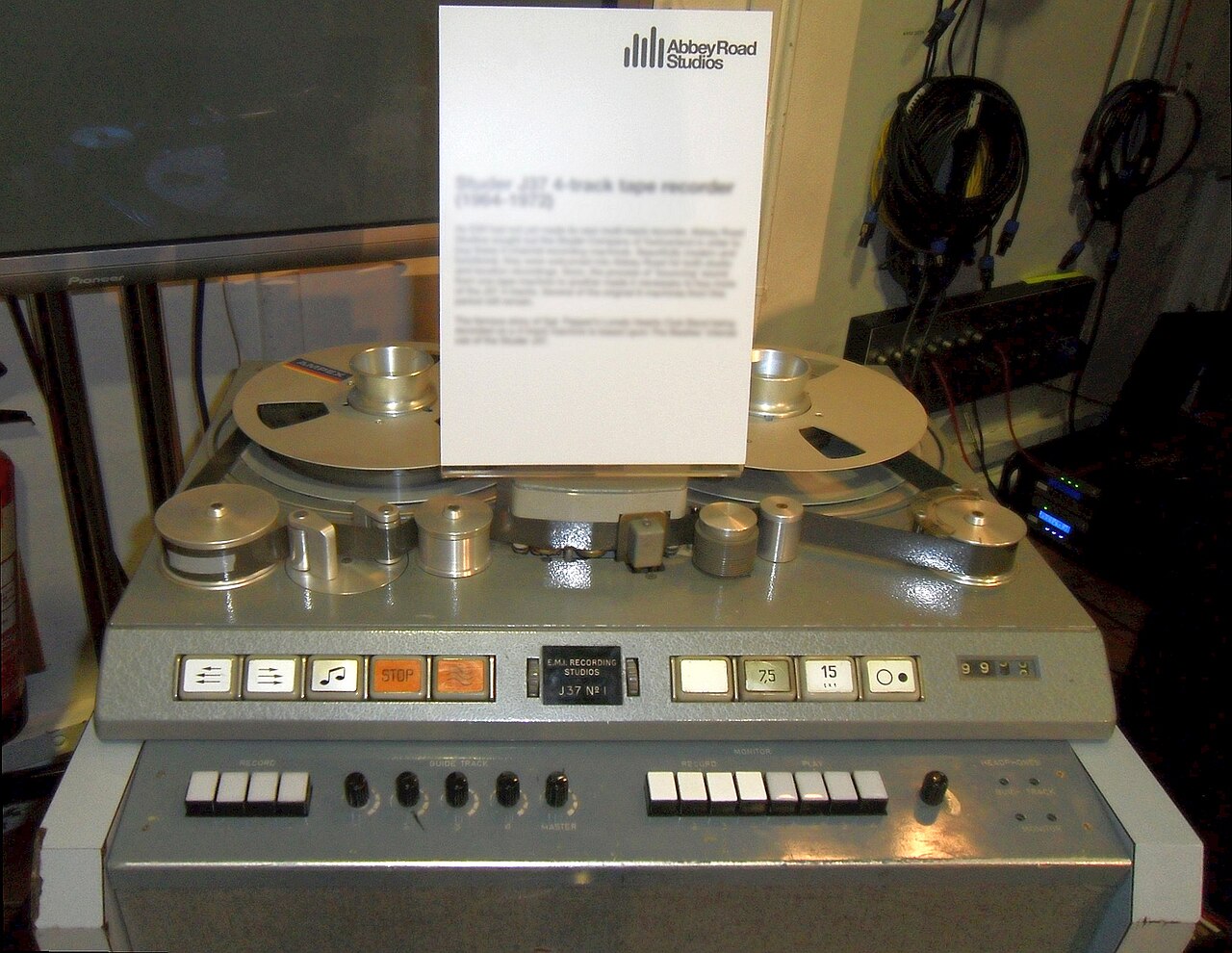
The Studer J37 and various Telefunken machines sat at the heart of the operation. These machines captured the definitive sounds of the Beatles' discography between 1962 and 1970. Engineers fed signals into the Studer heads with intense focus. They pushed the machines to their physical breaking points. Each layer of tape added a new level of complexity to the final mix.
Technicians treated these machines like sacred relics. They cleaned the heads with isopropyl alcohol every single day. The Studer J3 prototype provided the grit and the warmth we crave today. It allowed for the heavy saturation that defines the 1960s era. Without these specific machines, the sonic character of the era would vanish.
The Studer J37 and the Paper Trail
Tape reels arrived in the studio wrapped in layers of dust and history. Engineers labeled every box with handwritten dates and take numbers. This paper trail provided the only map through the studio's expanding archives. A single mistake in a catalog number could bury a masterpiece for decades. The system relied on the diligence of people who were often exhausted.
Geoff Emerick lived through this administrative chaos. His memoir, All Too Quiet, details the technical struggles of the late 1960s. He describes the physical degradation of the tape itself. Magnetic particles flake off the plastic backing over time. This decay makes the hunt for specific takes a race against physics. Finding a lost take often felt like digging for gold in a landfill.
The Studer J37 and Ampec machines were not infallible. They required constant maintenance to prevent pitch drift. Engineers adjusted the capstans to ensure the Beatles' vocals stayed in tune. Even a tiny error changed the entire feel of a song. The precision required for these sessions pushed the engineers to their limits.
The studio's archive grew more unmanageable every year. EMI's archival system utilized specific catalog numbering and labeling protocols. These protocols became increasingly difficult to track as the decades passed. A technician might find a tape but lack the paperwork to identify it. This disconnect created the very gaps we struggle with today.
The transition from analog to digital storage created a massive rift. Old labels did not translate easily to new computer databases. Information died with the people who knew it. The physical tapes remained, but their context vanished. We lost the metadata that made the tapes searchable. This loss turned the archive into a graveyard of unidentified sounds.
The Destruction of Sound in 1967
Sgt. Pepper's Lonely Hearts Club Band arrived on Parlophone Records in 1967. This release changed everything about how we think about studio production. The engineers used the Studer J37 to create something impossible. They relied on heavy use of varispeed recording and reduction mixes. These processes physically altered the original master tapes forever.
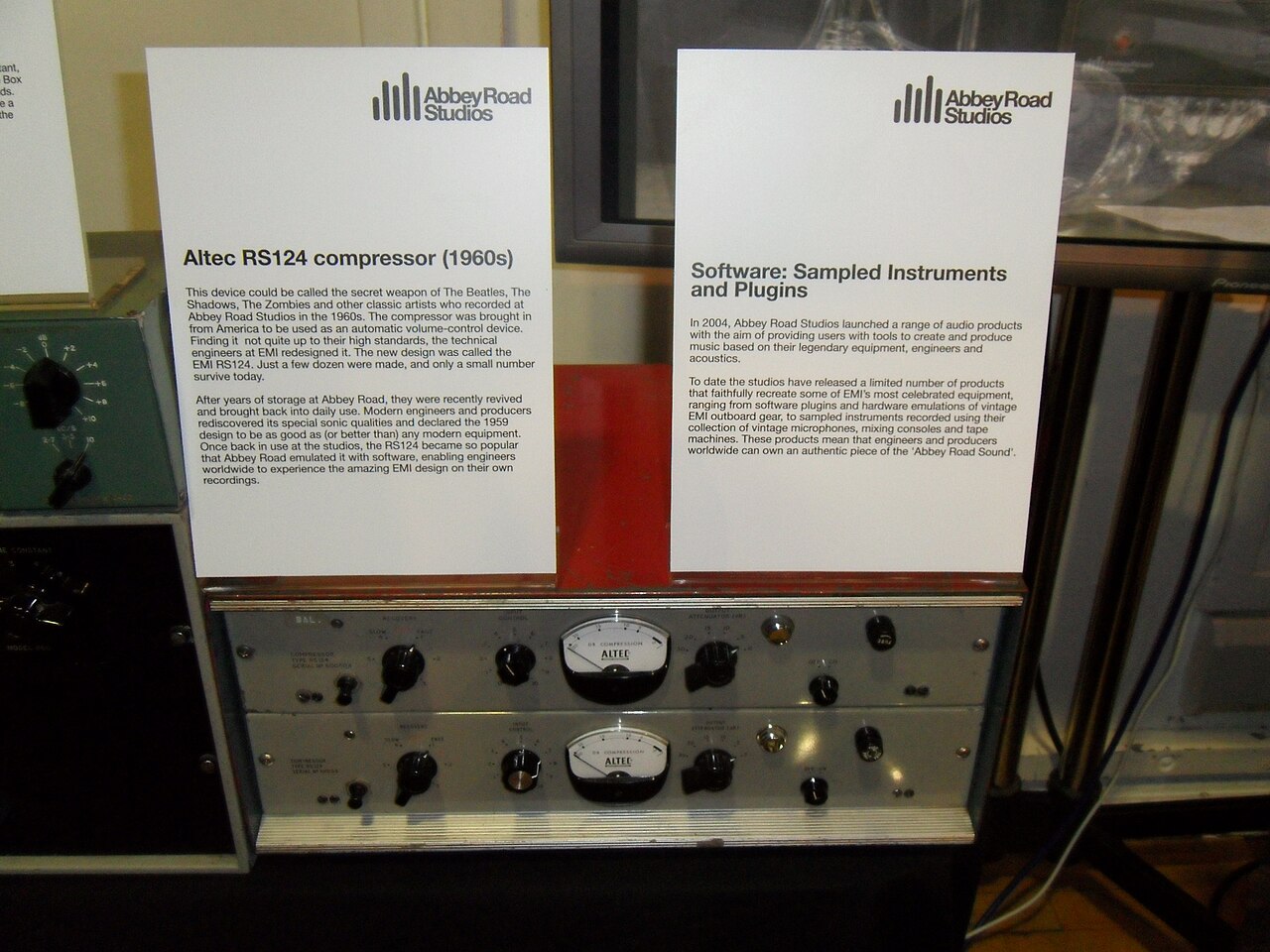
Reduction mixes destroyed the original multi-track information. An engineer would bounce four tracks down to a single track on a second machine. This process effectively erased the original, separate performances. You could no longer isolate the drums from the vocals. The original, pure takes died in the very act of creation. This is why many recordings exist only as mono mixes or reduced bounces.
The sonic texture of 1967 feels thick and dense. It sounds like layers of paint applied heavily to a single canvas. Varispeed recording allowed the band to change the pitch and tempo of a performance. They slowed the tape down to create a heavy, dragging sensation. They sped it up to make the drums snap like a whip. These manipulations left no trace of the original speed on the final master.
"I was always trying to find a way to make the sound more interesting, even if it meant breaking the rules of the studio." - George Martin
The loss of the original tracks is a tragedy for musicologists. We can hear the results, but we cannot see the ingredients. The 1967 sessions were an act of beautiful destruction. The engineers sacrificed the clarity of the source for the impact of the result. This trade-off defined the psychedelic era.
The archives lost the ability to reconstruct these sessions perfectly. Every time an engineer performed a bounce, the signal-to-noise ratio decreased. Tape hiss became a permanent resident of the 1967 master tapes. The hiss carries the ghost of the original, lost tracks. We listen to the residue of a vanished performance.
The Chaos of the Get Back Sessions
January 1969 brought a different kind of tension to Abbey Road. The Get Back sessions lacked the controlled experimentation of previous years. The band members arrived with varying levels of enthusiasm. They recorded massive volumes of tape in a frantic, disorganized manner. This period eventually formed the basis for the Let It Be album.

The sheer amount of material overwhelmed the existing studio structure. The sessions involved a massive volume of tape that required intense pruning. Phil Spector later stepped in to organize the chaos. He applied his Wall of Sound approach to the existing recordings. Spector's production phase involved significant reorganization of the raw footage. He essentially reshaped the band's final statements without their direct input.
The tapes from 1969 feel raw and unpolished. You can hear the fatigue in the musicians' voices. The microphones captured every argument and every missed note. This lack of polish makes the recordings feel incredibly human. There is no studio magic hiding the cracks in the band's unity.
The management of these tapes proved nearly impossible. The sheer number of takes for songs like "Don't Let Me Down" created a logistical nightmare. Engineers had to sort through hours of rehearsals and jams. They had to decide which moments were worth saving. This decision-making process often led to the discarding of usable material. The clutter of the Get Back sessions contributed to the Abbey Road missing master tapes problem.
The sessions also relied on different engineering teams throughout the process. This lack of continuity made the archiving process even harder. Each team had their Abbey Road missing master tapes tracking methods. The lack of a massive, unified approach left the archive in disarray. The studio became a warehouse of unorganized memories.
The Search for the Anthology Masters
The 1988 Beatles Anthology project brought the world back to the archives. George Martin led the charge to find something new for the fans. He wanted to uncover unreleased gems from the 1960s. The project faced significant hurdles from the very beginning. Certain unreleased takes from the 1960s sessions could not be located in the EMI archives.

Engineers spent months hunting for high-quality sources. They searched through basements and storage units across London. They looked for the original multi-track masters that had disappeared. Many of these engineers found only secondary safety copies. These copies lacked the fidelity of the original recordings. The search for the Anthology masters was a desperate attempt to reclaim history.
The 1990s restoration project for the Anthology series increased the pressure. Engineers had enough work to fill a decade. They worked with the remnants of the original sessions. Sometimes they found a tape, but the audio quality was poor. The degradation of the tape was a constant enemy in the lab.
The search often led to the discovery of "lost" tracks that were never actually lost. They were simply mislabeled or stored in the wrong room. This highlights the human error inherent in the old system. A misplaced box in 1972 could ruin a discovery in 1992. The archive was a labyrinth of mistakes.
The Anthology project succeeded despite these massive obstacles. It gave fans a glimpse into the unpolished side of the Beatles. It showcased the raw energy of the band's studio life. However, it also highlighted the permanent loss of many original masters. We received the highlights, but the full story remains incomplete.
The Digital Transition and Lost Archives
The late 20th century brought a fundamental shift to Abbey Road. The studio began the slow transition from analog tape to digital storage. This change promised easier access and better preservation. In reality, it created a new set of problems for the archivists. The transition period was a graveyard for unorganized data.

The 1970 breakup of the Beatles left a vacuum in the studio's focus. Various sessions for solo projects like George Harrison's All Things Must Pass were recorded at Abbey Road and Apple Studios. These sessions often involved different engineering teams and different storage methods. The continuity of the Beatles era was gone. The archive became a fragmented collection of individual careers.
Digital storage requires precise organization to be useful. The old EMI cataloging system did not scale well to the digital age. Moving old records into new databases was a monumental task. Some information was lost during the conversion process. The metadata that once lived on paper died in the digital migration.
The loss of physical context is the greatest tragedy of the digital era. An engineer can find a file, but they may not know its history. They might not know which take was the intended master. They might not know the specific microphone setup used in 1965. The digital file is a ghost without its original documentation.
The search for Abbey Road missing master tapes continues in the digital shadows. We rely on the work of dedicated archivists to piece the puzzle together. They fight against bit rot and lost file paths. They attempt to preserve the sounds that define our musical heritage. The battle to save the past is never truly won.
The history of Abbey Road is written in magnetic oxide. It is a history of brilliant creation and accidental destruction. We hold the pieces, but we will never hold the whole. Every time we play a remastered track, we hear the echoes of what was lost.