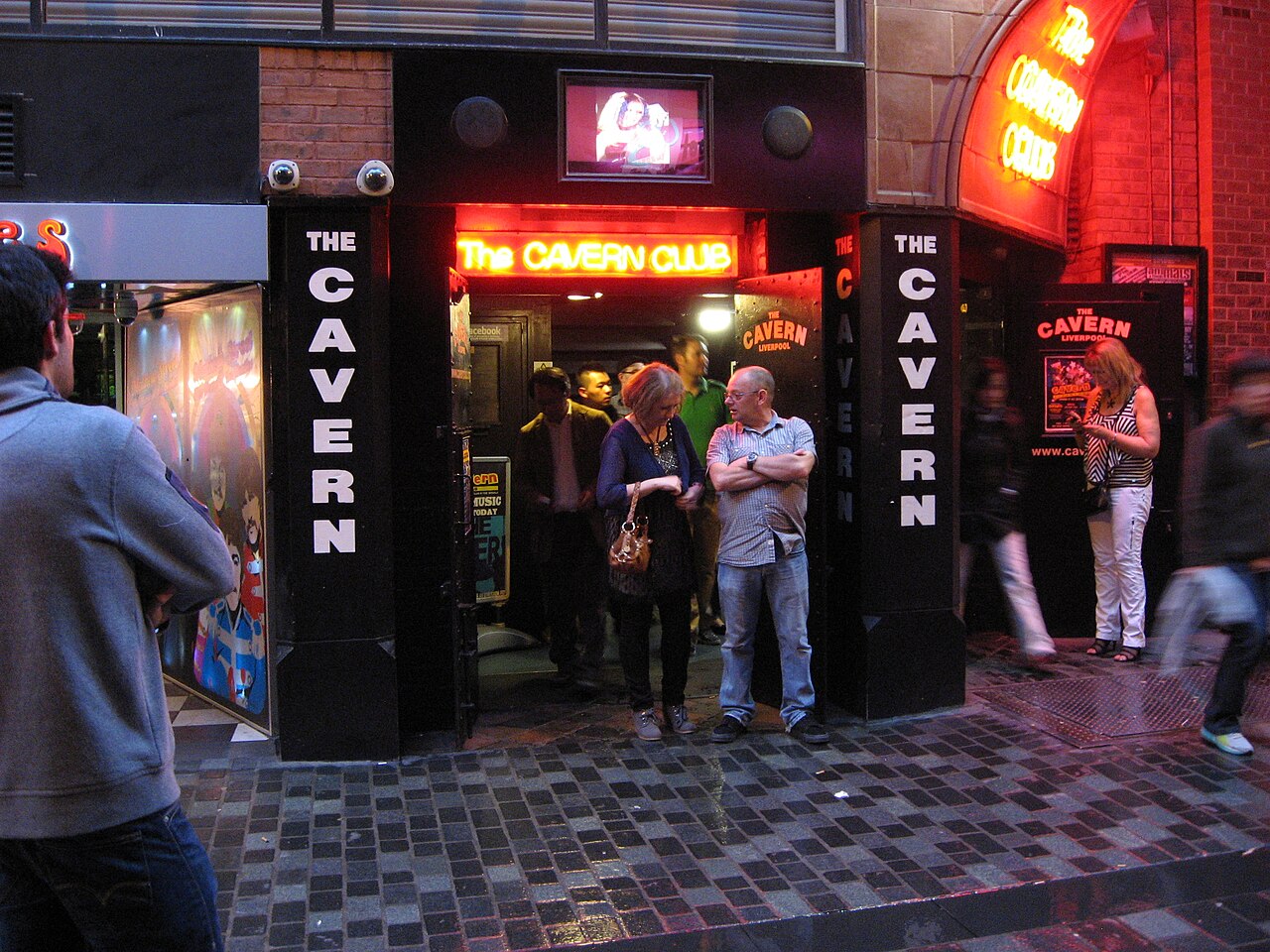
Mathew Street smelled of damp sandstone and stale Newcastle Brown Ale in the winter of 1962. The Cavern Club basement held a heavy, humid heat that clung to the skin of every teenager crowded near the stage. Musicians played in a room carved directly into the earth, where the low ceilings trapped the heavy sweat of a hundred bodies. This cramped space provided the central stage for the 1962 era of Merseybeat, giving a home to many forgotten Liverpool garage rock bands. You heard the grit of a distorted guitar before the lights even hit the performers. The air vibrated with the raw energy of groups trying to outplay their neighbors in the dark.
The music felt immediate and physical, like a sudden slap to the face. No one came to the Cavern to hear polite melodies or polished pop songs. They came for the noise, the rhythm, and the aggressive edge of American-style R&B. The bands played with a frantic energy that the damp walls seemed to amplify. Every drum beat hit the chest with a dull, heavy thud. This period offered a pure, unadulterated sound that existed before the world knew what to hungry eyes called rock and roll.
1. The Remo Four
The Remo Four stood at the center of this loud, R&B movement. They possessed a technical proficiency that many of their peers lacked, yet they never lost that gritty edge. Guitarist Bruce Woolley and bassist Tony Leaver provided the backbone of a sound that felt both disciplined and wild. They played with a heavy, driving rhythm that drew directly from the American blues and R&B records found in local shops. Their performances at the Cavern reached a breaking point of intensity and a command of the room. They did not just play songs; they attacked them with everything they had.
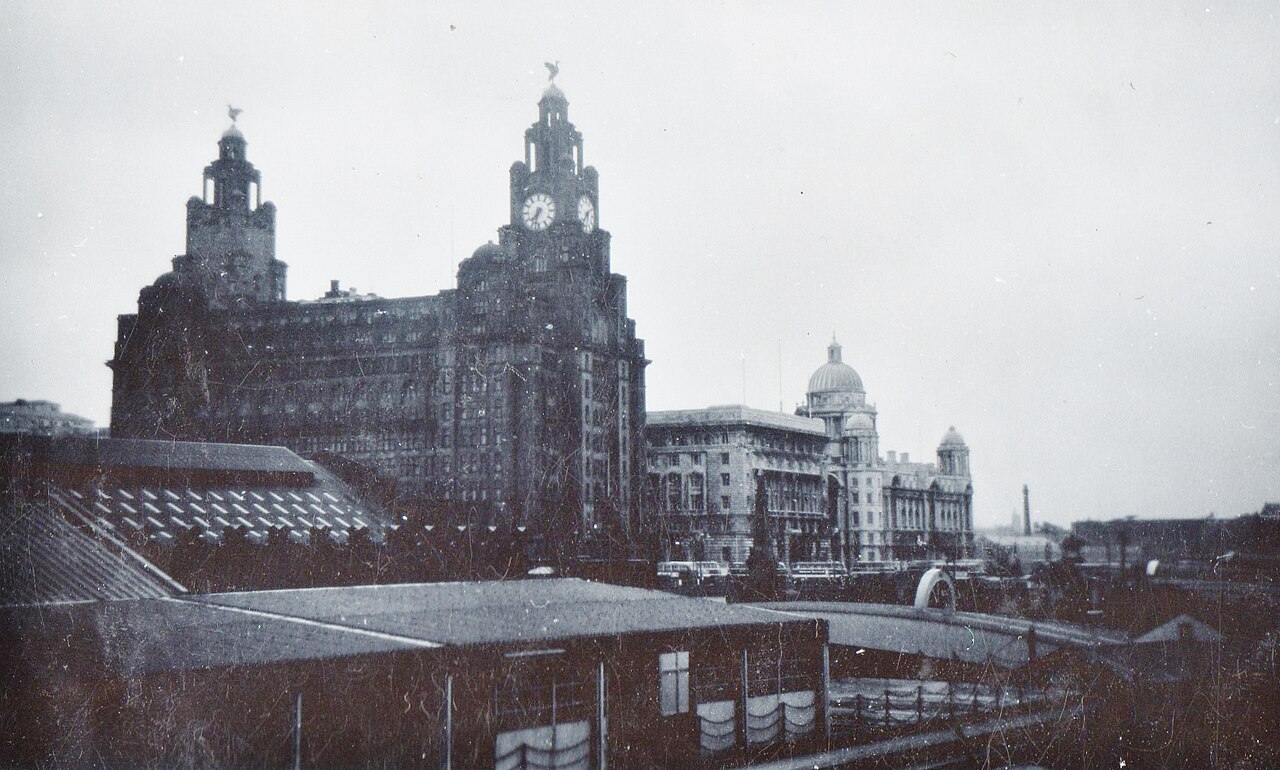

Hamburg provided another vital stage for the development of The Remo Four. The Star-Club in Germany offered a much larger, more demanding environment for the band to test their mettle. Playing in the clubs of Hamburg forced them to refine their aggressive, R&B-inflected style. They had to compete with the sheer scale of the German venues and the intensity of the local audiences. This experience hardened their sound, making it more resilient and more powerful. They returned to Liverpool with a level of professional aggression that few other local bands could match.
The influence of American R&B on The Remo Four was heavy and obvious. You could hear the echoes of Chuck Berry and Little Richard in every distorted riff. They took those foundational blues elements and infused them with a Liverpool grit. The music was fast, the rhythms were driving, and the guitar solos were sharp. They avoided the sweetness of the pop charts, choosing instead to stay rooted in the blues. This choice made them a favorite among the true fans of the garage underground.
2. The Ferraby
The Ferraby group attempted to bridge the gap between the underground and the professional studio. This lesser-known beat quartet sought to capture the aggressive R&B sound that dominated the Liverpool club circuit. They traveled to London to record demo sessions at the famous Abbey Road Studios during the mid-1960s. The sessions attempted to bring the raw energy of the Cavern to a high-fidelity setting. They wanted the engineers to hear the bite and the grit that defined their live performances.
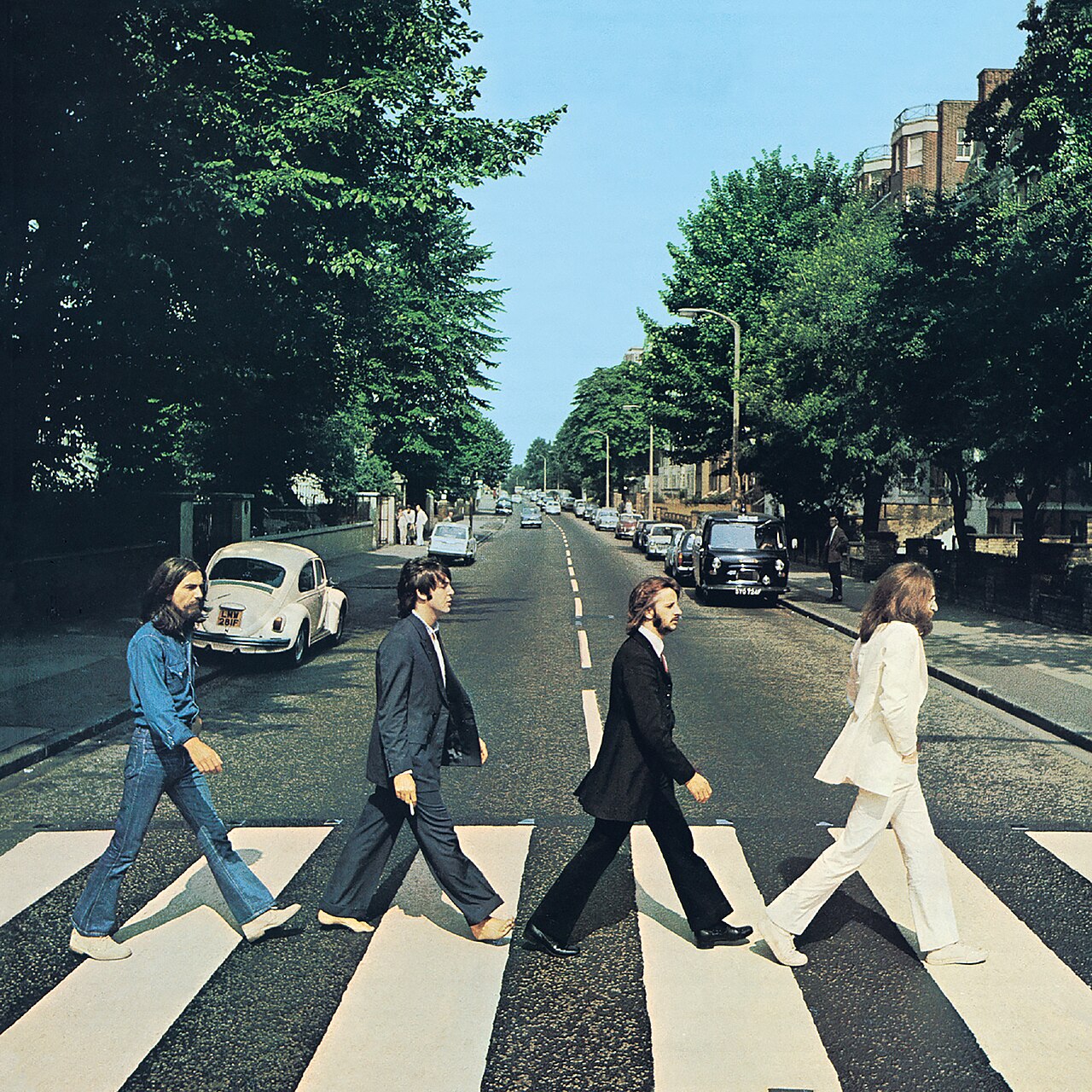
Recording at Abbey Road presented a unique challenge for a band used to the damp air of Liverpool. The studio environment was controlled, quiet, and highly professional. The Ferraby had to translate their loud, chaotic energy into a format that worked for a studio microphone. They struggled to maintain the edge of their club sets while adhering to the technical requirements of the engineers. Despite this, the demos captured a sense of urgency that often disappears in more polished sessions. You can hear the band fighting to keep the distortion alive in the mix.
The sessions at Abbey Road were a bold move for a group of this size. It showed an ambition to move beyond the local circuit and reach a national audience. They used the best equipment available to try and replicate the sound of their Vox amplifiers. The goal was to create a recording that felt both professional and dangerous. While they did not achieve the massive fame of their contemporaries, their recordings remain a vital piece of the garage puzzle. They represent the bridge between the local club scene and the global recording industry.
3. The Searchers
The Searchers brought a different kind of tension to the Liverpool scene. They mastered the art of the jangle, using Rickenbacker guitars to create a bright, ringing sound. While other bands focused on the heavy thud of the blues, The Searchers leaned into melody. Their hit "Needles and Pins" used a clean, ringing guitar tone that defined the era. This sound helped define the more melodic side of the Merseybeat explosion.
<4. The Merseybeats
The Merseybeats leaned heavily into the pop side of the local movement. They crafted songs with catchy hooks that worked perfectly on the radio. Their success relied on clear vocals and a bright, upbeat rhythm. This approach helped them win over the mainstream public who preferred melody over distortion. They provided a sunny contrast to the darker, R&B-focused groups in the underground clubs.
5. The Wild Angels
The Wild Angels embodied the pure garage grit of the era. They played with a frantic, unpolished energy that ignored the rules of pop songwriting. Their sets focused on loud, driving rhythms and heavy guitar riffs. This band represented the rawest edge of the Liverpool underground. They played for the crowd in the dark, far from the bright lights of the charts.
6. The VIPs
The VIPs operated within the beat quartet tradition. They focused on tight arrangements and vocal harmonies that mirrored the success of their peers. Their sound stayed close to the middle ground between R&B and pop. This versatility allowed them to thrive in the competitive Liverpool club circuit. They maintained a professional standard that demanded respect from every local band.
7. The Dakotas
Billy J. Kramer with The Dakotas achieved a similar level of success during this same window. Their 1963 hit, "Bad to Me", reached the top of the charts and used a much cleaner production style.
This track was produced by George Martin at EMI Studios, the same man who was shaping the sound of the Beatles. The production was smooth, the vocals were clear, and the arrangement was tight. It stood in stark contrast to the raw, unpolished recordings coming out of the local Liverpool studios. This polished side of the scene provided the commercial template that many others tried to follow.
8. The Pacemakers
Gerry and the Pacemakers represented the more commercial side of the Liverpool explosion. Their 1963 release, "How Do You Do It?", climbed to the number one spot on the UK Singles Chart. Released on Columbia Records, the track set a high standard for the success of Liverpool groups. It featured a bright, melodic quality that appealed to the masses. While the garage bands stayed in the dark basements, the Pacemakers were conquering the airwaves with polished, enough pop.
"How Do You Do It?" by Gerry and the Pacemakers (1964)
9. The Tornadoes
The Tornadoes focused on the instrumental power of the beat era. They relied on sharp guitar melodies and driving drum beats to carry their songs. Without a lead singer to focus on, the instruments had to provide all the character. This style highlighted the technical skill of the guitarists in the Liverpool scene. It showed that the music could stand on its own through pure instrumental energy.
10. The Darkettes
The Darkettes brought a soulful, heavy edge to the Liverpool beat scene. They utilized a more rhythmic, R&B-heavy approach that felt more like American soul. Their sound was thick and emphasized the backbeat. This added a different texture to the local music scene, proving the diversity of the Liverpool sound. They stood as a reminder that the city's music had much more than just pop melodies.
The Gear: Vox Amps and Rickenbacker Grit
The physical sound of the Liverpool scene tied directly to specific pieces of gear. The Merseybeat sound relied heavily on Vox amplifiers and Rickenbacker guitars. These instruments provided the biting, treble-heavy tone that defined the early sixties club recordings. A Rickenbacker 360 plugged into a cranked Vox AC30 produced a sound that could cut through a crowded, noisy room. The treble was sharp, almost piercing, which helped the melody survive the acoustics of the Cavern. It was a bright, aggressive tone that demanded attention.
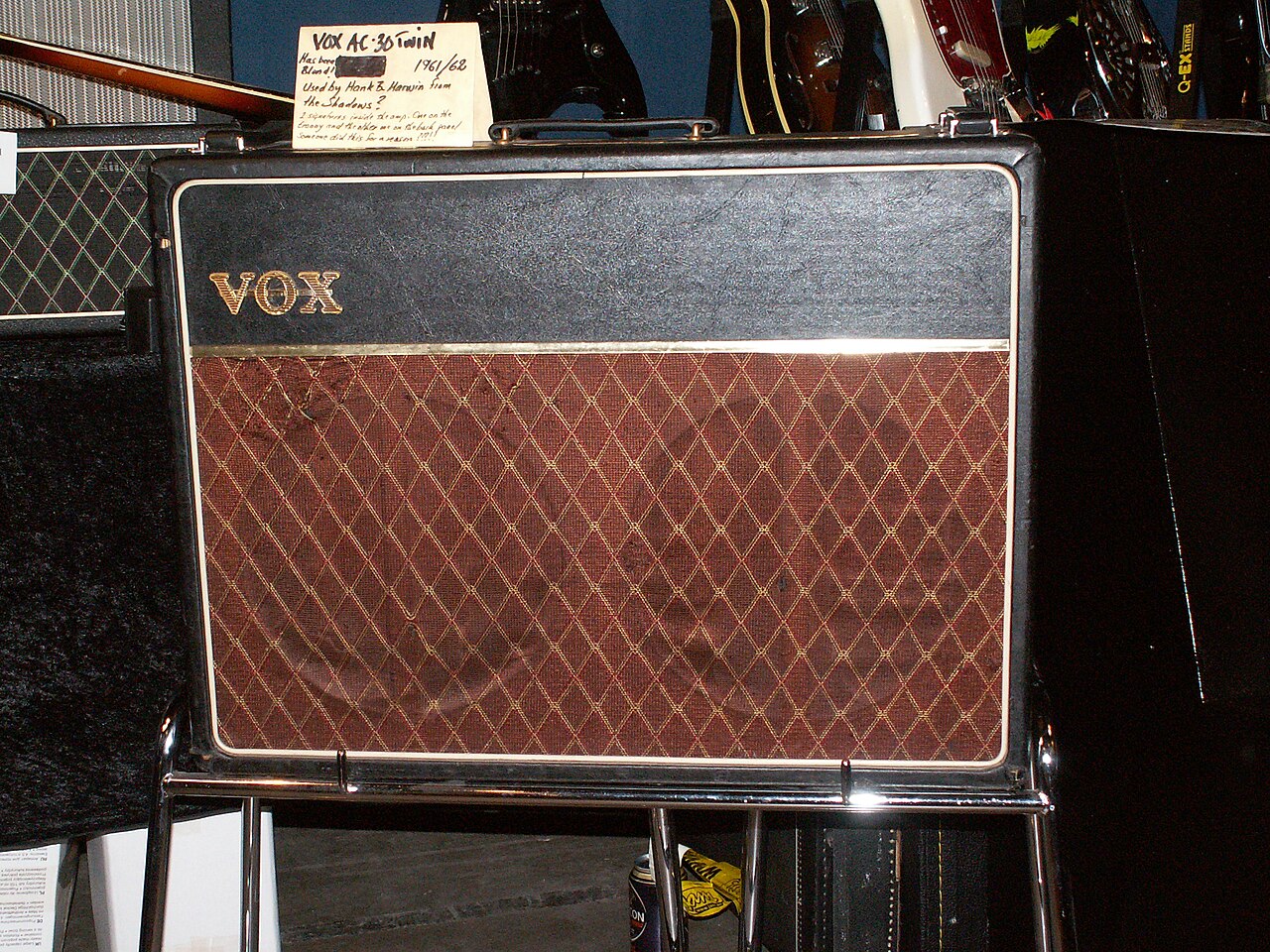
The Rickenbacker guitars added a certain jangle to the more melodic tracks, but they could also scream. When pushed through a Vox amp, the single-cutaway pickups produced a thin, biting distortion. This was not the thick, creamy overdrive of later rock eras. It was a harsh, metallic sound that felt very much in line with the garage aesthetic. The frequency response favored the upper mids, creating a sound that felt very immediate. It was a signature that listeners could identify instantly.
The Vox amplifiers played a huge role in the local identity. These amps were known for their clarity and their ability to handle high volumes without losing their character. They allowed guitarists to play with a lot of attack and a lot of volume. The interaction between the Rickenbacker and the Vox created a specific texture that was unique to the North West. It was a sound that felt both modern and slightly primitive. You could hear the electricity in the notes.
The reliance on this specific gear created a unified sound across many different bands. Even if the bands played different styles, the underlying tone remained consistent. The treble-heavy bite of the $Rickenbacker$ provided a common thread through the entire Liverpool scene. It gave the music a sense of cohesion, even when the bands played wildly different songs. This gear-driven identity remains a huge part of why the era sounds so distinct today.
The Studios: Morphy and the Underground
Local talent found a way to record even without the massive budgets of the London studios. Many Liverpool garage bands recorded at local spots like Morphy Studios. This studio captured the raw, unpolished energy of the city's underground club scene. The engineers at Morphy dealt with loud, aggressive bands that pushed the equipment to its limits. They knew how to capture the grit of a distorted guitar without losing the driving rhythm of the drums. The recordings from Morphy feel much more connected to the live experience than the Abbey Road sessions.
The atmosphere at Morphy Studios felt much more casual than the high-pressure environment of EMI. It was a place where local musicians could experiment and capture their ideas quickly. The sound often felt thick and slightly muddy, which actually worked well for the garage-style groups. It gave the recordings a sense of weight and authenticity. You could hear the room, the struggle, and the sheer effort of the musicians. There was no attempt to hide the flaws of the performance.
The recordings from these local studios provide a vital counterpoint to the polished hits of the era. While the charts were full of clean, professional pop, the underground produced something much more dangerous. These sessions document the true heart of the Liverpool underground. They show a band of musicians playing for themselves and for their local community. The lack of high-end polish makes the music more powerful in many ways. It feels much more honest.
Engineers at Morphy Studios worked hard to manage the intense volume of the bands. They had to balance the heavy bass with the piercing treble of the Rickenbackers. The result was a sound that was dense, heavy, and incredibly loud. These recordings represent the true DNA of the Liverpool garage sound. They represent the unvarned reality of the music as it was actually played in the clubs. They are the sounds of a city making its own music.
The music of the 1960s Liverpool underground remains vital because it refuses to be polite. These records do not ask for permission to be loud or to be messy. They exist as a reminder of a time when the sound of a band tied to the physical space they occupied. When you listen to the distorted Rickenbacker or the heavy Vox amp, you hear the echoes of the Cavern. The energy of the live performance stays trapped within the grooves of the vinyl. It is a visceral experience that modern, over-processed music often lacks.
The forgotten bands of this era provide a necessary context for the more famous names. Without the grit of The Remo Four or the ambition of The Ferraby, the pop success of the Beatles or the Pacemakers would lack its foundation. These groups provided the raw material that the larger stars eventually refined. They were the laboratory for the new sounds of rock and enough. They took the risks that the more commercial bands could not afford to take. Their failure to achieve massive fame does not diminish their importance.
The gear used in these recordings created a specific identity that still influences guitarists today. The way a Vox amp interacts with a Rickenbacker provides a lesson in tone and texture. Musicians still seek that biting, treble-heavy sound in their own setups. It is a sound that is both classic and incredibly aggressive. It provides a blueprint for anyone looking to capture a sense of urgency in their music. The physical properties of the sound are part of its lasting power.
Listening to these old recordings feels like stepping into a time machine. You can almost feel the humidity of the Liverpool basement and the heat of the crowd. The music carries the weight of its history with every distorted note. It is a direct, unmediated connection to a period of immense creative energy. These bands might be forgotten by the mainstream, but their sound remains a permanent part of the musical foundation. The noise of the Liverpool underground continues to vibrate through the history of rock.