The YouTube Error That Nearly Broke Liam Gallagher
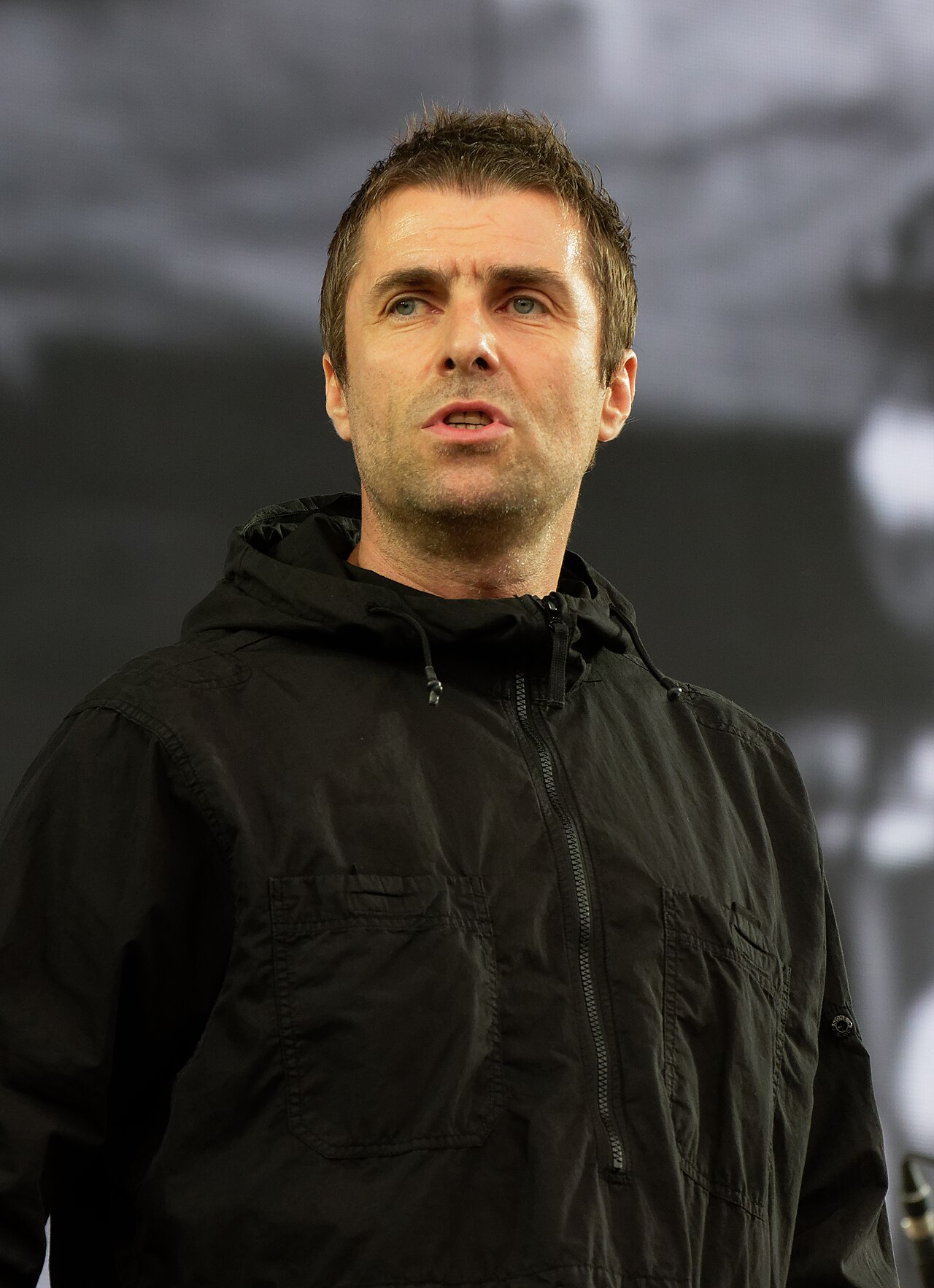
London, BBC Television Centre, late 2018. The air in the studio smelled of stale coffee and expensive hairspray. Liam Gallagher stood center stage with his familiar mix of swagger and defiance.
He gripped the microphone like a weapon. The lights of the "Carpets" episode of Later... with Jools Holland glared off his navy parka. Everything looked perfect for a high-profile television moment.
The opening chords of "Don't Look Back in Anger" swelled through the studio monitors. This 1996 anthem from (What's the Story) Morning Glory? usually commands instant reverence. Fans tuning in expected a crisp, studio-quality rendition of the Oasis classic. They wanted to hear that unmistakable rasp, front and center. Instead, the technical foundations of the broadcast crumbled in real time.
A sudden, jarring silence swallowed the instrumental backing. The audio feed from the digital playback device vanished. This Liam Gallagher BBC error left the singer stranded in a vacuum of sound. The audience watched in confusion as the music died mid-phrase. A catastrophic failure of basic broadcasting precision ended the song's momentum.
The studio went cold. You could hear the faint hum of the overhead lights. Liam froze, his eyes darting toward the mixing desk. The sudden loss of the track stripped away his rhythmic anchor. This mistake humiliated the BBC's technical crew in front of a national audience.
Chaos at BBC Television Centre
BBC Television Centre hosted many legends throughout its history. In 2018, the venue hosted Liam as he promoted his solo debut, As You Were. Sony Music poured massive resources into this era of his career. The label needed a flawless performance to solidify his status as a solo heavyweight. The stakes for this specific broadcast sat incredibly high.
The "Carpets" episode promised a showcase of raw talent. Producers prepared a setlist designed to bridge the gap between Britpop nostalgia and modern rock. Liam brought the heavy artillery with him. He relied on the familiarity of his old hits to anchor the new material. The studio engineers prepared the audio routing for a complex live-to-tape recording.
Technical crews managed dozens of inputs simultaneously. They balanced live drums, electric guitars, and the crucial digital playback loops. The BBC mixing desk handled the heavy lifting of the broadcast audio. Every fader movement mattered for the final television mix. One wrong click on a digital playlist ruined the entire evening.
The atmosphere in the room shifted instantly when the audio dropped. The musicians looked at each other with visible panic. A live performance relies on a shared heartbeat. When the playback failed, that heartbeat stopped. The lights stayed bright, but the soul of the performance evaporated.
The crew scrambled behind the scenes. You could see the frantic motion of the engineers near the mixing console. They attempted to reset the digital loop that fed the backing tracks. The silence stretched far too long for a professional television production. It felt like watching a high-speed train derail in slow motion.
The Digital Glitch in the Machine
A YouTube playlist or a misconfigured digital playback loop caused the disaster. The playback device failed to trigger the correct audio file for the live arrangement. This error meant the instrumental foundation simply ceased to existing. The engineers failed to sync the audio file to the video stream. Such a mistake lacks professionalism in a broadcast environment.

The audio engineer struggled to regain control of the signal path. The loss of the backing track's sync-to-video caused the live vocal to drift. Without the rhythmic pulse of the piano and percussion, Liam lost his place. He began to sing slightly ahead of the nonexistent beat. This drift created an unbridgeable gap between the singer and the rhythm.
The technical breakdown felt like a betrayal of the medium. Television demands a certain level of polished perfection. When the digital loop failed, the illusion of a seamless performance shattered. The error exposed the fragile nature of modern, technology-dependent broadcasting. We rely on these digital threads to hold the magic together.
The audio levels on the BBC mixing desk fluctuated wildly during the recovery attempt. You could hear the sudden surge of feedback as a mic bumped. The technical glitch turned a prestige music program into a chaotic mess. It was a nightmare for the sound technicians in the control room.
The error broke the musical structure of the song. "Don't Look Back in Anger" requires a steady, anthemic build. Without the driving percussion, the song became a hollowed-out shell. The lack of audio made the visual performance feel disconnected and ghostly. A digital ghost haunted the live stage.
A Solo Career on the Brink
Sony Music faced immense pressure during this period. They were distributing As You Were to a global audience. The album needed to prove that Liam could survive without Noel Gallagher. A botched high-profile television appearance threatened that momentum. The PR team managed the fallout of a public technical disaster.
The 2018 music market presented a difficult place for legacy artists. Streaming dominated the charts, and attention spans were shrinking. Every television appearance served as a vital marketing beat. A failure like this signaled a lack of professionalism. It cast a shadow over the entire promotional campaign for the album.
Liam attempted to redefine his identity as a solo frontman. He was no longer just the voice of a legendary band. He was a solo entity carving out a new path. The stability of his brand depended on the strength of these live moments. When the audio failed, the brand felt vulnerable.
The label watched the social media reaction with growing dread. Fans began dissecting the footage within minutes of the broadcast. The error provided easy ammunition for critics of the "legacy" era. It made the high-stakes promotion look disorganized and uncoordinated. The polished image of a superstar became a glitchy mess.
The pressure of the solo era felt immense. Every note had to land with the weight of his history. The error stripped away the safety net of the band's established greatness. It left Liam standing alone in a silent, broken studio. The weight of the failure pressed down on the entire production team.
The Death of Live Authenticity
The 1990s Britpop era operated on a different set of rules. Bands like Oasis relied on raw, unvarnished power. They plugged a guitar into an amp and played. The sound was physical, loud, and deeply human. Very little digital mediation existed between the performer and the fan.
By 2018, the nature of television performances had changed. Everything relied on digital-dependent, performance-heavy arrangements. Producers used loops, click tracks, and pre-recorded elements to ensure perfection. This era prioritizes a polished, controlled version of reality. The 2018 BBC error exposed the rot in this approach.
The error highlighted the gap between 1996 and 2018. In the nineties, a mistake meant a gritty, memorable moment. In the digital age, a mistake looks like a technical failure. The loss of the backing track stripped the "live" from the performance. It left behind a hollow, artificial-looking catastrophe.
We have become too dependent on the digital safety net. When the net breaks, we are left with nothing. The audience expects a high-unfiltered vocal, but they also expect a flawless production. This contradiction creates a dangerous environment for live broadcasting. The technology has become more important than the music itself.
The performance felt like a hollowed-out version of its former self. The lack of sonic texture made the event feel sterile. It lacked the grit that defined the original Oasis era. The digital error killed the sound and the authenticity.
"I don't care about the technicals, just get the music right, man. It's a joke, innit?"
Liam's reaction to the chaos remained characteristically blunt. He did not hide his frustration with the incompetent setup. His words, delivered with a thick Manchester accent, cut through the tension. He had no patience for the digital incompetence of the BBC crew. He wanted the music, not the malfunction.
The Manchester Reaction
Social media erupted the moment the broadcast hit the internet. Fans on Twitter and Facebook posted clips of the audio drop. The backlash was immediate and incredibly vocal. People expected a high-fidelity live vocal, not a silent vacuum. The frustration of the fans mirrored Liam's own visible irritation.
The Manchester crowd knows how to spot a sham. They value the raw, the real, and the unpolished. When the technical error occurred, they saw it as a lack of respect. The digital failure felt like an insult to the song's legacy. The online discourse focused heavily on the incompetence of the production.
Liam's signature bluntness helped him navigate the wreckage. He did not attempt to mask his anger with polite excuses. He addressed the technical failure with his usual, unfiltered grit. This transparency helped preserve his connection to the fanbase. They saw a man struggling against a single broken system.
The reaction mixed mockery and genuine concern. Some fans joked about the "YouTube era" of television. Others expressed genuine disappointment at the wasted opportunity. The error became a trending topic in UK music circles. It was a moment of shared, frustrated experience for the entire fandom.
The Manchester spirit embodies resilience in the face of chaos. Liam stood his ground even when the sound vanished. He refused to let the technical failure define his talent. He simply waited for the music to return, even if it never truly did. He remained the center of the storm.
The Legacy of the Glitch
The 2018 BBC error remains a cautionary tale for broadcasters. It serves as a reminder that technology is a fragile tool. No amount of high-end equipment can replace a stable signal path. The industry learned that digital reliance requires extreme redundancy. One failed loop can destroy a career-defining moment.
The incident changed how we view "live" television performances. We now look for the cracks in the digital veneer. The error stripped away the illusion of the seamless broadcast. It forced a conversation about the importance of fundamental technical competence. The ghost of that silent "Don't Look Back in Anger" still haunts the BBC.
Liam Gallagher's solo career survived the glitch. He moved forward with As You Were and continued to headline festivals. The error did not break his momentum, but it scarred the performance. It remains a strange, stuttering footnote in his long, loud history. The music moved on, but the silence stayed.
The event connects two eras of music. It bridges the raw energy of the nineties to the digital fragility of today. We see the tension between the human element and the machine. The error was a moment where the machine finally won.
Music lives in the moments where things go wrong. The most honest parts of a performance often happen in the wreckage. While the error was a technical disaster, it was also undeniably real. It was a moment of pure, unscripted human frustration in a digital world.