The Stone Roses Blueprint: Why Liverpool Indie Won't Let Go
Manchester's King Street was a frantic, sweat-soaked mess in the late 1980s, a place where the smell of stale lager and cheap perfume collided with the heavy, rhythmic pulse of a new era. The Stone Roses arrived like a physical force, carrying a confidence that felt both ancient and entirely modern, as if they had stepped out of a 1966 psychedelic dream and into a 1989 warehouse party. When their self-titled debut album finally landed on Silvertone Records, produced with a crystalline clarity by John Leckie, it did more than just top the indie charts. It provided a structural blueprint for Liverpool indie bands to study, dissect, and replicate for decades.
The record sat in the speakers like a heavy, melodic weight, blending the jangle of classic pop with a swagger that felt dangerously close to arrogance. Leckie captured the band's essence by balancing the grit of the Northern underground with a production sheen that allowed every note to breathe. This wasn't the muddy, lo-fi garage rock that had dominated the UK underground only a few years prior. It was something far more expansive, a sound that felt like it could fill a stadium even while it lived in a basement club.
Listeners heard a specific kind of magic in the way the guitars interacted with the rhythm section, a tension that felt both loose and incredibly disciplined. The Stone Roses didn't just play songs; they constructed atmospheres that stayed with you after the needle lifted from the vinyl. This sense of atmospheric, guitar-driven pop became the DNA for much of what followed in the Northwest. It created a standard of melodic excellence that became the yardstick for every band emerging from the Mersey docks in the years that followed.
The 1989 Liverpool Indie Blueprint
The year 1989 functioned as a tectonic shift in the British musical consciousness, moving the center of a gravity away from the dying embers of Madchester's frantic energy toward a more polished, melodic stability. The Stone Roses debut album offered a template where the melody remained the primary focus, even when the grooves became heavy enough to move a crowd of thousands. This specific alchemy, where pop sensibility met a drug-fueled, rhythmic intensity, became the foundational myth for Liverpool indie bands. They saw that a band could be cool, danceable, and incredibly melodic all at the same time without sacrificing their rock credentials.
Silvertone Records understood the potential of this sound, pushing the band's imagery and music into a space that felt both mythic and accessible. The album's release coincided with a period where the boundaries between indie rock and the burgeoning acid house scene were dissolving in real-time. You could hear the echoes of the 1960s in the songwriting, yet the rhythmic backbone felt like it belonged to a dark, strobe-lit club in Ancoats. This duality made the blueprint durable, as it allowed for a variety of interpretations across different sub-genres.
The 1989 era refused to choose between the guitar and the dance floor. It proved that a riff could be just as infectious as a drum machine loop, provided the groove was deep enough. This era established a way of writing songs that felt like they could exist on both BBC Radio 1 and a 4:00 AM DJ set. For the bands that followed in Liverpool, this was the ultimate permission slip to experiment with rhythm while keeping the hook front and center.
"I don't want to be a star, I just want to be a Stone Rose."
The legend of the band often obscured the technical precision required to pull off such a feat. It required a specific type of musical literacy, one that respected the history of the genre while actively trying to outrun it. This wasn't about nostalgia, though the influences were clearly present in the DNA of the music. It was about taking those old, familiar textures and re-injecting them with a contemporary, rhythmic urgency that felt entirely new to the ears of the 1989 crowd.
The Squire Effect and Psychedelic Textures
John Squire's guitar work on that debut album changed the way many young guitarists approached their instruments, moving away from simple power chords toward something much more layered and textured. He didn't just play riffs; he wove patterns inspired by 12-string guitars that drew heavily from the psychedelic textures of Roger McGuinn and The Byrds. His ability to layer melodic arpeggios over a driving rhythm created a sense of depth that felt almost architectural. You could hear the influence of the 1960s folk-rock movement, but it was filtered through a much more aggressive, modern lens.
The way he used space and delay allowed the guitar to act as both a melodic lead and a rhythmic accompaniment. When he played, the sound was often expansive, utilizing shimmering cleans and sudden, biting overdrives that kept the listener on edge. This technique required a deep understanding of how to use the studio as an instrument, a skill that Leckie helped him exploit to its fullest potential. It was a masterclass in using the 12-string aesthetic to create a sense of psychedelic grandeur without ever sounding dated or kitsch.
Squire's approach provided a specific sonic vocabulary for the Liverpool scene, encouraging a move toward more complex, layered guitar arrangements. It moved the needle away from the stripped-unheld grunge of the era toward a more lush, ornamental style of playing. This wasn't about showing off technical speed, but rather about creating a wash of sound that felt both beautiful and slightly unsettling. The textures were thick, often feeling like a heavy, melodic fog rolling over the tracks.
Listening to those tracks today, the clarity of the guitar lines remains startling, a result of the meticulous way the parts were layered. Each note seemed to have its own place in the frequency spectrum, never crowding the vocals but always providing a vital, shimmering backdrop. This level of detail set a high bar for every guitarist who picked up a Fender Stratocaster in the Northwest in the following decade. They weren't just looking for a loud sound, they were looking for a textured one.
When Indie Met the Dance Floor
The 1989 single "Fools Gold" remains one of the most significant moments in the history of British guitar music, precisely because it refused to adhere to the standard rules of the much-maligned genre. With a nine-minute runtime, the track functioned more like an extended club mix than a traditional pop single, utilizing a heavy, funk-driven groove that could dominate the club charts. It was a moment where the indie rock scene and the burgeoning acid house culture collided with a force that changed the direction of both. The song's rhythm was infectious, built on a foundation that was danceable, yet it retained the grit of a rock band.
The rhythmic foundation provided by drummer Reni and bassist Mani was the engine that drove this movement, creating interlocking grooves that were almost impossible to ignore. Reni's drumming was incredibly fluid, blending a jazz-driven sensibility with a heavy, breakbeat-influenced swing that felt perfect for the dance floor. Mani's bass lines sat low and heavy in the mix, providing a thick, melodic anchor that allowed the guitars to float and swirl above. This partnership created a rhythmic density that was far more sophisticated than the standard four-on-the-floor beats of the era.
The 12-inch single format played a crucial role in this era, as it allowed the heavy, dance-oriented grooves of the band to dominate the club charts and reach a wider audience. This format encouraged longer, more experimental tracks that could be played by DJs in the late-night clubs of Manchester and Liverpool. It bridged the gap between the indie kid and the clubber, creating a unified, cross-genre audience that thrived on the energy of the groove. The music wasn't just something you listened to; it was something you moved to, physically and rhythmically.
This fusion of dance rhythms and guitar melodies created a specific kind of tension that defined the Madchester movement. It was a sound that was both physically demanding and melodically pleasing, a rare combination that worked perfectly in a warehouse setting. The tracks felt like they were constantly evolving, with loops and layers being added and stripped away, mirroring the ebb and flow of a long night of dancing. It was a period of immense, rhythmic freedom that wouldn't be replicated with such ease again.
The Merseybeat Connection
Liverpool has always possessed a unique relationship with the 1960s, a connection that goes far beyond local pride or historical trivia. The stylistic link between the 1960s pop sensibilities of The Beatles and the dance-inflected guitar pop of the late 1980s is a direct line of musical evolution. The melodic, anthemic songwriting found in more recent Liverpool acts like The Lathums carries the DNA of that era, prioritizing strong, memorable melodies that can be sung by a crowd. This focus on the song remains the bedrock of the city's musical identity, even as the production styles change.
The Coral arrived in 2002 with a debut album that felt like a sudden, bright burst of sunlight, combining Merseybeat melodies with psychedelic, 1960s-inspired arrangements. They didn't just mimic the past; they reinterpreted it through a modern, slightly more chaotic lens, using jangly guitars and bright, brassy flourishes. Their sound was a direct descendant of the Stone Roses blueprint, emphasizing the importance of the melodic hook and the rhythmic swing. It was a reminder that the 1960s influence was not a closed chapter, but a living, breathing part of the Liverpool sound.
The 2004 release of Who Came Our Way by The Zutons furthered this exploration, blending indie-rock with retro-soul and psychedelic flourishes. They brought a certain swagger and a rhythmic complexity that felt deeply rooted in the Northwest tradition, even as they experimented with more soulful, brass-heavy textures. Their music had a certain kinetic energy, a feeling of movement and momentum that echoed the best parts of the late 80s scene. They proved that the blueprint could be expanded to include elements of soul and funk while still remaining firmly within the indie tradition.
This lineage of melody and rhythm keeps the Liverpool scene from ever truly fading away. There is a persistent, almost stubborn commitment to the craft of songwriting, a refusal to let the melody be swallowed by mere noise or artifice. Whether it is the psychedelic wobbles of The Coral or the driving, anthemic energy of contemporary acts, the core remains the same. The city continues to produce bands that understand the power of a well-constructed melody, backed by a rhythm that demands your attention.
The Modern Echo in Liverpool
The current state of Liverpool indie is not a resurrection, but a continuation, a slow-burning echo of the ideas that were first articulated in 1989. You can hear the influence of the Stone Roses in the way modern bands approach the relationship between the guitar and the groove. The emphasis on anthemic, melodic songwriting remains the primary driver, as seen in the rising popularity of bands like The Lathories and The Lathums. These groups do not attempt to recreate the 1980s, but they do utilize the same fundamental tools: strong hooks, textured guitars, and a rhythmic sense of purpose.
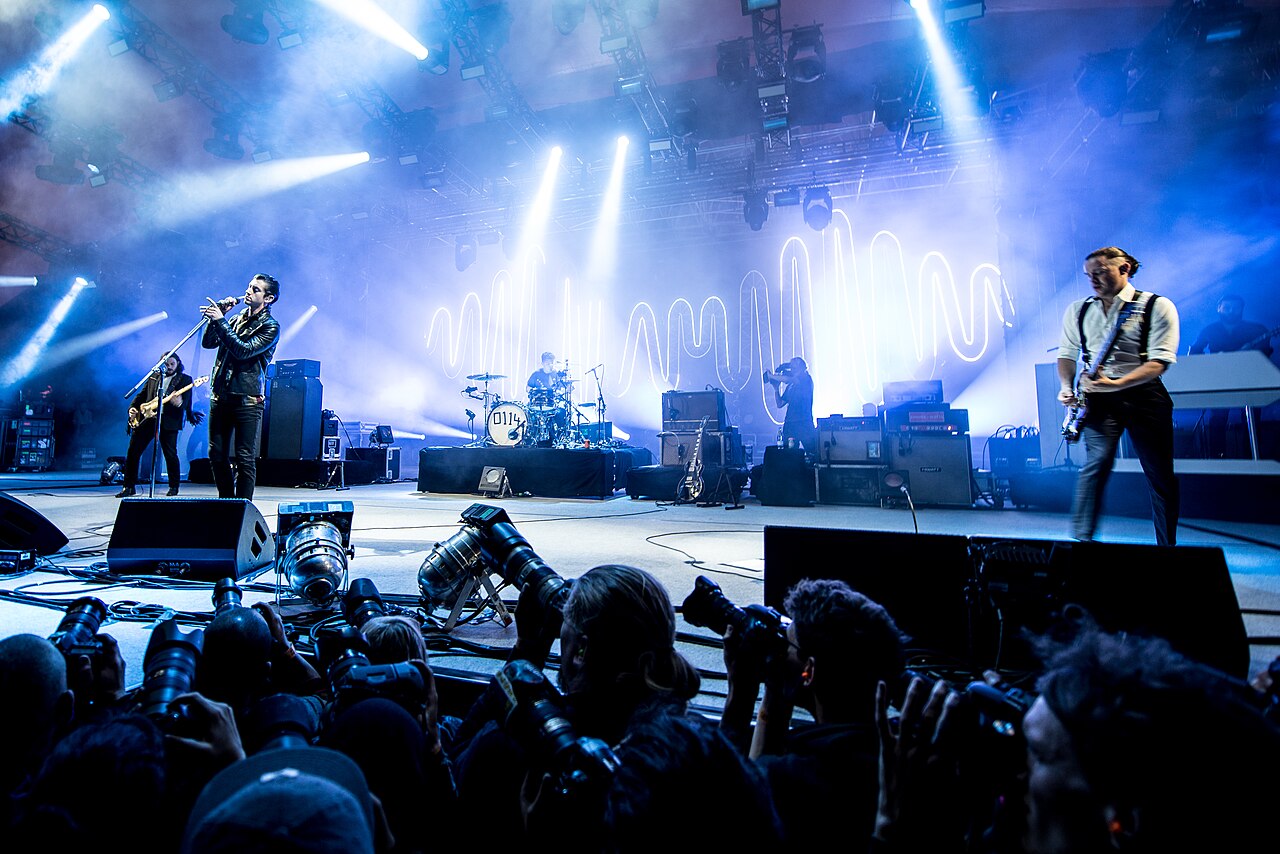
There is a palpable sense of history in the way these newer bands play, a respect for the melodic foundations laid by their predecessors. They understand that a great song needs more than just a good riff; it needs a sense of atmosphere and a way to engage the listener physically. The influence of the 12-string textures and the funk-driven grooves of the Madchester era is still present, even if it is masked by modern production techniques. The DNA is there, embedded in the very structure of the songs they write and record.
The Liverpool scene continues to thrive because it is not anchored to a single moment in time, but rather to a way of thinking about music. It is a way of thinking that values the marriage of the danceable and the melodic, the psychedelic and the pop. This approach allows for constant reinvention, as each new generation finds new ways to interpret the classic blueprints. The ghosts of 1989 are still very much present in the rehearsal rooms and studios of the city, providing a foundation upon which new, exciting sounds can be built.
As long as there are musicians in Liverpool who prioritize the melody and the groove, the influence of the Stone Roses will remain a potent, driving force. The blueprint has proven to be incredibly resilient, capable of surviving shifts in fashion, technology, and cultural trends. It is a living tradition, a continuous loop of musical inspiration that ensures the city's indie scene will never truly let go of its most important, rhythmic, and melodic foundations.