The Hidden Hand Controlling the UK Charts
London's Leicester Square felt like the center of the universe in July 1996, a place where the humid summer air carried the scent of diesel and cheap fried food. Thousands of teenagers swarmed the pavement, clutching copies of the new Spice Girls single, "Wannabe," which had just landed in every corner of the United Kingdom. This movement did not spring from a spontaneous burst of pop affection, but rather the calculated result of a massive-scale retail and media saturation campaign that Virgin Records orchestrated. The song hit number one with a force that felt like a physical impact, pushing aside the Britpop remnants of the mid-9s. It proved that the UK charts reflected specific industry levers rather than just public taste.
The machinery behind the scenes operated with a precision that left little room for organic discovery. While the melodies of "Wannabe" worked, the sheer volume of its presence across television, radio, and retail outlets ensured its dominance. Every shop window from Manchester to Cardiff featured the five women, creating a sense of inescapable ubiquity. This level of saturation set the gold standard for the era. To understand how a song reached the top, one must look past the catchy hooks and examine the structural advantages held by the industry giants.
The Gatekeepers of Radio 1
The BBC Radio 1 playlist committee functioned as the ultimate arbiter of what the British public heard during the 1980s and 1990s. If a track failed to secure a spot on the heavy rotation list, it effectively ceased to exist for the vast majority of the listening population. This committee, composed of influential producers and station programmers, held the power to make or break a career with a single afternoon meeting. They decided which songs would receive the coveted A-list status, ensuring that a specific frequency of airplay reached every car radio and kitchen boombox across the country.

A rotation slot on the Radio 1 playlist provided a level of visibility that no amount of independent marketing could replicate. When a track entered the A-list, the sudden influx of spins created an artificial sense of momentum. Listeners heard the song during the breakfast show, again during the afternoon drive, and once more in the evening. This repetitive exposure built a familiarity that translated directly into retail demand. The committee acted as a and filter, narrowing the vast stream of global music into a digestible, highly controlled stream of hits.
Producers relied on the playlist to structure their broadcast day, and the heavy rotation tracks provided the rhythmic backbone of the station. The pressure on these decision-makers stayed immense because the BBC's mandate to provide popular music required them to stay ahead of trends while maintaining a sense of institutional authority. This centralization of power meant that a single negative decision could stall a record's momentum indefinitely. The gatekeepers did not just suggest what was good, they actively defined the boundaries of what was considered popular.
Radio 1's influence extended far beyond the airwaves, as the station's playlist decisions often dictated the programming for much of the UK's commercial radio network. Because the BBC's reach was so much larger than its competitors, the playlist served as a blueprint for the entire national music conversation. A song could be a massive hit in London, but without the Radio 1 stamp of approval, it would struggle to find resonance in the North or the Midlands. This centralized control created a narrow corridor of success that only those with the right connections could navigate.
The Art of the Radio Plugger
Major labels like EMI and PolyGram maintained a specialized, highly effective role known as the radio plugger. These individuals acted as the diplomats of the music business, tasked with cultivating direct, often informal relationships with BBC producers and DJs. A plugger did not simply send a CD to a station; they moved through the social hierarchies of London's media offices to ensure their artists were heard. They knew which producers were listening to demos in their cars and which DJs preferred a specific type of rhythmic energy. This was a game of persistence and interpersonal leverage.
The work of a radio plugger remained invisible to the casual observer, yet it drove the visibility of major label artists. They spent their days in backrooms and studio lounges, subtly nudging producers toward certain tracks. A well-timed lunch or a casual conversation after a recording session could result in a song being moved from the B-list to the A-list. This was not about bribery in a crude sense, but about building a level of trust and familiarity that made a label's release feel like a natural addition to the station's identity.
Success in this role required a deep understanding of the BBC's internal politics and the specific tastes of influential programmers. A plugger for EMI would have a different approach than one working for a smaller imprint, as their resources and connections varied wildly. They acted as the bridge between the creative output of the studio and the gatekeeping power of the $airwaves$. Without this direct line of communication, even the most polished pop song would struggle to break through the noise of the weekly release cycle.
Producers and pluggers relied on a steady stream of high-quality content to maintain their professional relevance, creating a symbiotic relationship. Producers needed fresh material to keep their shows engaging, and pluggers needed the airplay to justify their existence to the labels. This loop created a closed circuit of promotion that favored the established players. It was a sophisticated form of lobbying that turned the music charts into a battle of networking as much as a battle of songwriting.
Strategic Saturation and the Spice Girls
The July 1996 release of "Wannabe" provides the most potent example of how retail and media saturation could overwhelm the competition. Virgin Records did not just release a single; they launched a coordinated assault on the UK's consumer consciousness. The label ensured that every major high street retailer had the physical product prominently displayed, while simultaneously flooding the airwaves with heavy rotation. This multi-pronged approach meant that by the time a consumer walked into a shop, they had already been primed by weeks of intense exposure.

The marketing budget for the Spice Girls was distributed with surgical precision across television advertisements and magazine spreads. Every time a teenager turned on a television, the high-energy imagery of the group greeted them. This constant presence created a sense of cultural inevitability, making the group's success feel like a natural phenomenon rather than a corporate strategy. The sheer scale of the campaign left no room for any other artist to compete for the top spot during that crucial summer window.
"If you want my future, forget about a yesterday. If you wanna get with me, bag it and tag it."
The lyrics themselves, while simple and direct, functioned as a catchy mantra that reinforced the group's larger-than-life persona. The song's energy matched the intensity of its promotion, creating a feedback loop of popularity and sales. Virgin Records used every available channel to ensure that the Spice Girls were the same thing everyone talked about. This was the pinnacle of the "event release" model, where the release date itself became a significant moment in the national calendar.
This level of saturation required a massive logistical effort to ensure that stock reached every corner of the country simultaneously. The label coordinated with distributors, retailers, and media outlets to ensure the message was unified. If a single link in this chain had failed, the momentum of the release could have faltered. Instead, the campaign for "Wannabe" functioned like a well-oiled machine, driving the single to a number one position that felt both earned and manufactured.
The Multi-Format Sales Hack
The industry practice of releasing single tracks in multiple formats was a calculated method to aggregate sales for the Official Charts Company. By issuing a 7-inch vinyl, a 12-inch vinyl, and a CD single, a label could effectively triple the chances of a single sale counting toward the chart position. Each format targeted a different segment of the market, from the collectors of vinyl to the mainstream consumers of the CD. This strategy ensured that every possible purchase contributed to the same cumulative total.
Labels often included exclusive B-sides or remixes on the 12-inch vinyl to entice the dedicated fans and club DJs. The CD single might feature a music video or a slightly different edit of the track, adding further incentive for the super-conumer to purchase multiple copies. This was not merely about providing variety, but about maximizing the mathematical probability of a high chart entry. The Official Charts Company counted every one of these formats, meaning a single fan buying three versions of a song provided three units toward the top spot.
This approach fundamentally altered the way the charts functioned, as it rewarded labels that could mobilize their fanbases to buy multiple iterations of the same product. It turned the chart race into a test of marketing stamina and consumer loyalty. The sheer volume of physical products required to support this strategy was immense, placing a heavy burden on the manufacturing and distribution arms of the major labels. However, the potential for a massive number one position made the logistical headache worthwhile.
The impact of this practice was most visible during the peak of the CD era, when the cost of a single was low enough to encourage multiple purchases. A teenager with a bit of pocket money could easily justify buying both the 7-inch and the CD to complete their collection. This era of the charts featured this kind of strategic accumulation, where the art of the release was just as important as the song itself. The charts reflected a label's ability to manipulate the physical marketplace.
Controlling the High Street
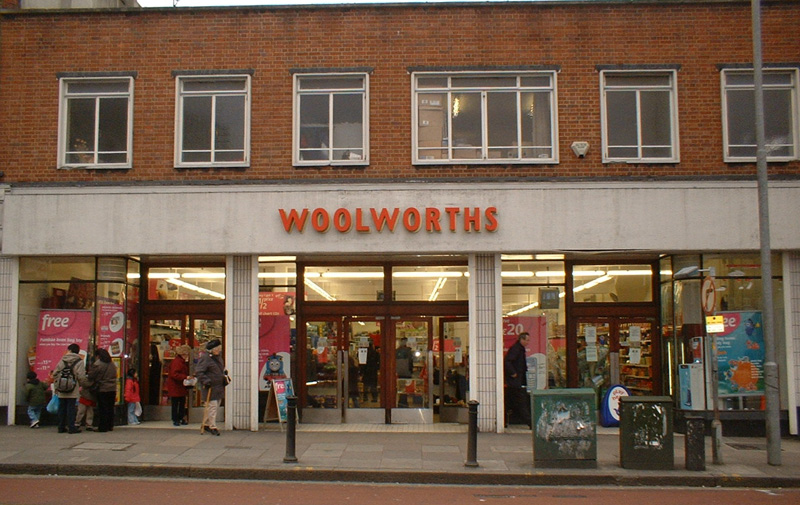
Major labels maintained a tight grip on the physical distribution of music, which effectively controlled the availability of hits on the high street. Large-scale retailers like Woolworths and HMV received priority stock of high-priority releases, ensuring that the most expensive marketing campaigns were supported by physical availability. If a label had invested heavily in a campaign, they could practically guarantee that the product would be sitting on the front counters of every major shop. This created a self-fulfilling prophecy of chart success.
The power of the "Big Three" labels, EMI, Sony, and Warner, extended to their ability to secure prominent advertising space in influential music weeklies like NME and Melody Maker. These publications were the primary source of information for the music-buying public, and seeing a glossy, full-page advert for a new release provided a sense of legitimacy. The labels used these spaces to signal to both the public and the industry that a particular artist was a priority. This visibility helped maintain the dominance of the established players by drowning out the smaller, less-funded competitors.
The dominance of these labels also meant they could dictate the terms of distribution to the wholesalers. By controlling the flow of stock, they could ensure that their most important artists were always visible in the most influential retail locations. A smaller label might have a great record, but if they could not secure the same level of shelf space in HMA as a Sony artist, their chart potential was severely limited. The high street was a battlefield where the largest armies always had the best supplies.
This control over the physical distribution of music meant that the "hits" were often those that were easiest to find. The convenience of walking into a Woolworths and seeing a familiar face on a CD sleeve drove much of the mainstream chart movement. The retail environment was not a neutral space for discovery, but a highly curated showroom for the major labels. This ensured that the music that reached the top was almost always the music that the industry had most heavily promoted and most widely distributed.
The Death of the Independent Bottleneck
The independent distribution market faced a persistent logistical bottleneck that restricted the chart potential of many indie artists. A lack of access to the major-controlled wholesalers meant that independent labels struggled to get their releases into the same retail pipelines as the giants. While a small label could produce a brilliant record, the physical difficulty of moving that stock across the country was a massive hurdle. This scarcity of distribution channels acted as a natural ceiling for the growth of the independent sector.

Without the massive infrastructure of a company like EMI, an indie label had to rely on much smaller, less reliable distributors. These smaller players often lacked the reach to ensure that a record would be available in every corner shop or independent record store. If a sudden surge in demand occurred, the indie label often could not restock quickly enough to capitalize on the moment. This made the breakout success of an independent artist much more difficult to sustain than that of a major label act.
The disparity in distribution power created a two-tier system in the UK music industry. One tier consisted of the major labels, with their global reach and massive logistical power, and the other consisted of the independents, who were often fighting for every inch of market share. This structural inequality meant that the charts were inherently biased toward the established industry players. Even the most critically acclaimed indie releases often struggled to pierce the mainstream consciousness because they could not overcome the physical barriers to entry.
The eventual shift toward digital distribution began to erode this bottleneck, but for decades, the physical reality of the music business was defined by the strength of one's supply chain. The ability to move plastic, paper, and silicon across a nation was the true foundation of chart power. While the era of the radio plugger and the physical multi-format single has passed, the fundamental truth remains that the charts have always been a product of both creative talent and industrial might. The music might be the soul of the industry, but the logistics have always been its skeleton.