Discover the details of January 3, 1970, when The Beatles gathered at Abbey Road for their final studio session before the band's sudden dissolution.
The Final Notes: Inside The Beatles' Last Session
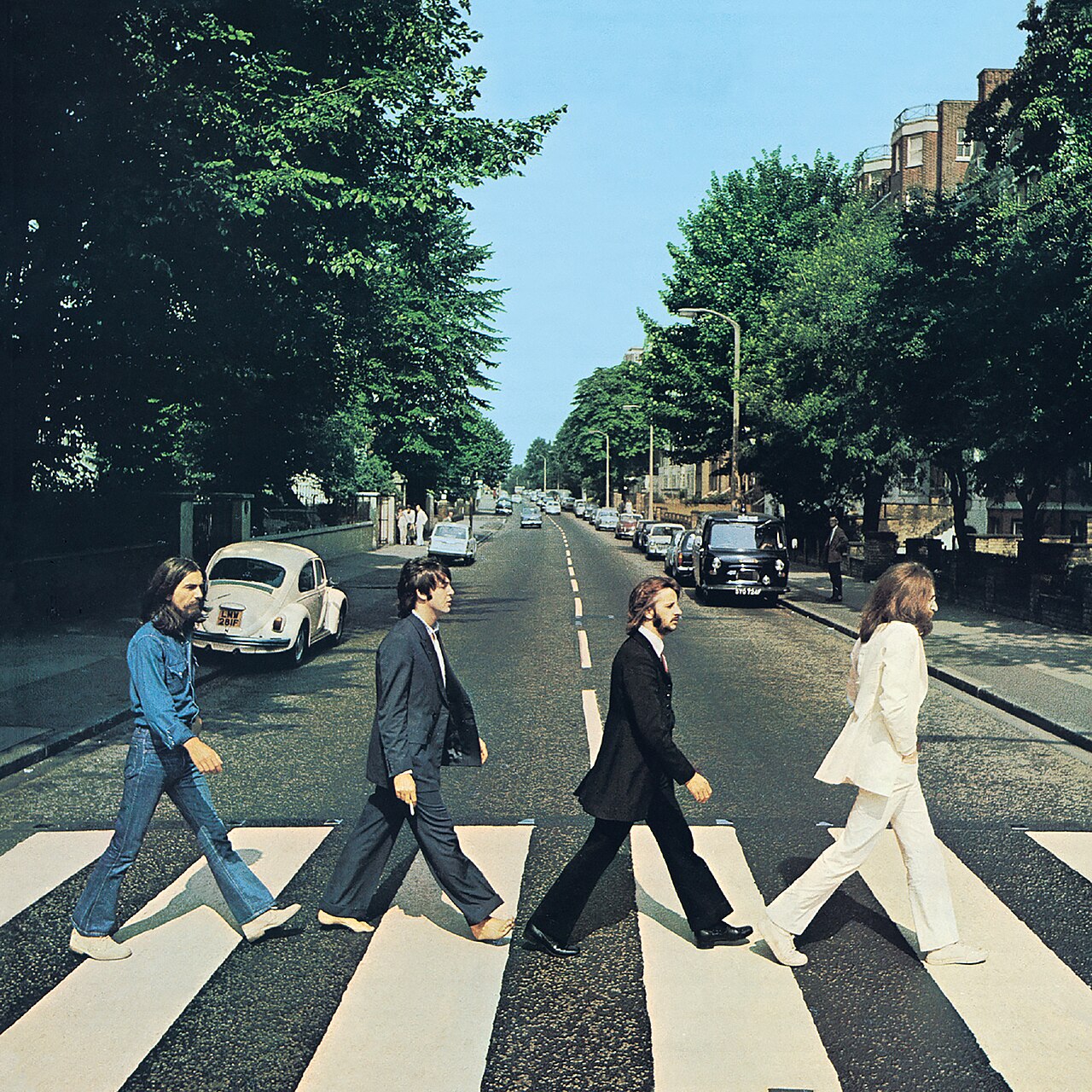
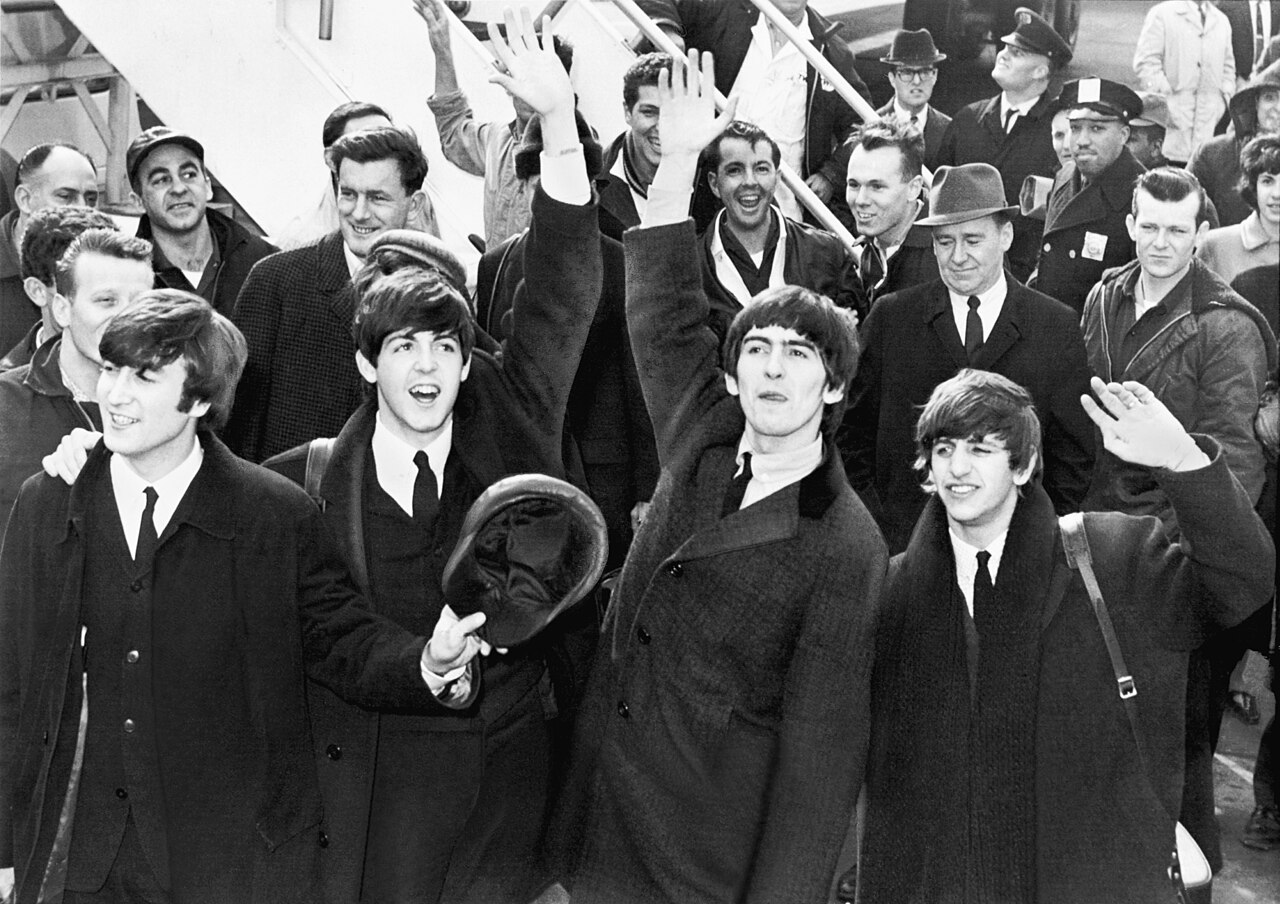
A biting London chill seeped through the heavy studio doors at Abbey Road on January 3, 1970, settling deep into the bones of everyone near the mixing desk. Inside Studio Two, the air felt heavy, burdened by more than just the damp British winter, as friction radiated between the four men seated around their amplifiers. This session marked the end for the Beatles, a moment where their shared history collided with the reality of an approaching fracture. John Lennon, Paul McCartney, George Harrison, and Ringo Starr occupied a room that had hosted their greatest triumphs, yet they functioned merely as residents of a dying institution. The silence between takes carried more weight than the music itself.
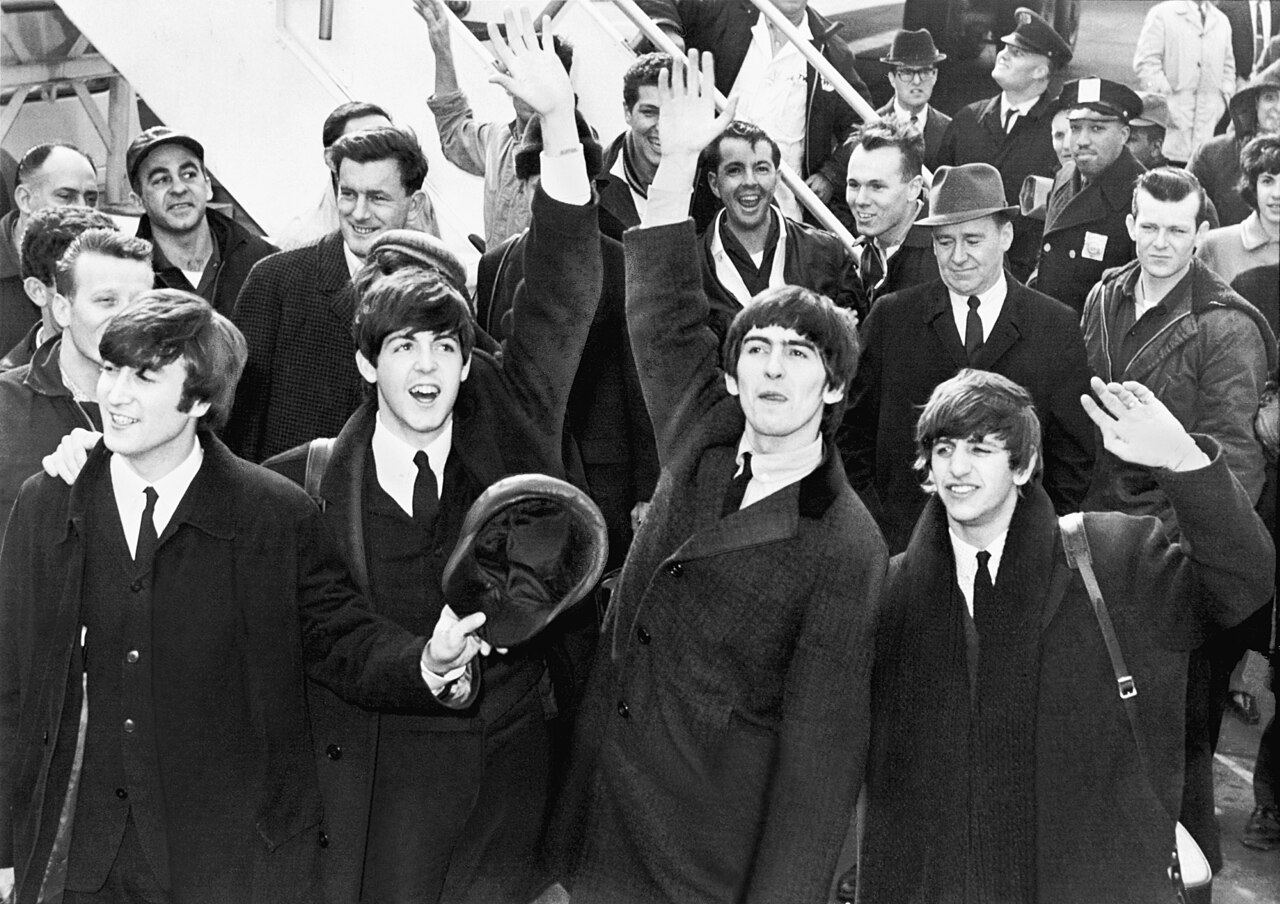
No one walked into the studio that morning expecting to record the epitaph of a decade. The engineers, including the seasoned Geoff Emerick, moved through the shadows of the control room to set up microphones and check levels with a practiced, quiet efficiency. They had watched the band transition from the mop-top frenzy of 1964 to the psychedelic experimentation of 1967, but the atmosphere in 1970 felt entirely different. No communal joy remained, only the mechanical necessity of finishing a project that felt increasingly like an obligation. Every note struck on a Fender Stratocaster or a Hofner bass echoed against the ghost of their former unity.
Tension acted as a physical presence, a third party that sat between the musicians like a wall of glass. While the technical work continued, the interpersonal boundaries became jagged and difficult to endure. The Beatles' final recording session served not as a celebration of a finished work, but as a desperate attempt to salvage something from the wreckage of their partnership. They were four individuals trying to inhabit the same space while simultaneously pulling in four different directions. The end arrived, and everyone in the building knew it.
The Cold January Morning at Abbey Road
The light filtering through the high windows of Studio Two offered little warmth to the musicians as they prepared for the day's work. This particular session lacked the spontaneous, almost feral energy that characterized their earlier, more cohesive periods. Instead, the musicians moved with a certain lethargy, a byproduct of months of exhaustion and the mounting legal pressures surrounding their business affairs. The equipment stood ready, Vox amplifiers hummed with a low-frequency electricity, and the heavy scent of stale tea and cigarette smoke clung to the acoustic foam. It remained a workspace of high precision and low morale.
Credit: Wikimedia Commons
The primary focus of the morning involved a track that would eventually become a centerpiece of their final studio album. George Harrison brought a composition to the table that reflected his growing confidence as a songwriting force, a piece that demanded a specific kind of focus. As the band began to lay down the foundations, the technical staff worked to capture the subtle details of the performance. Ringo Starr's drums provided a steady, unadorned pulse that anchored the session, even as the melodic elements drifted into more complex territory. The band constructed the music piece by piece, rather than letting it flow from a single, unified vision.
The technical demands of the session required extreme care from the EMI engineers, who managed the complex layering of instruments. They scrutinized each take and noted each mistake as the band struggled to find a groove that did not feel forced. The friction between the members often manifested in small, sharp disagreements over a particular drum fill or a guitar lick. These were not the explosive arguments of a band in total collapse, but rather the weary bickering that follows a long, difficult argument. The studio, once a playground for innovation, had become a courtroom where every musical choice felt like a piece of evidence in a larger dispute.
A professional rigor kept the session from descending into total chaos despite the underlying gloom. The musicians knew the stakes, even if they could not agree on the future of the group. They played with a certain technical proficiency, using a muscle memory developed over years of shared practice and recording. The sound that emerged from the Studio Two monitors was polished, yet it lacked the effortless magic of their earlier years. The group performed their duties even as the foundation beneath them crumbled.
The Bitter Transition of the Beatles' Final Session
The bitterness of the January session grew from the preceding months at Apple Studios, located at 3 Savile Row. The "Get Back" sessions attempted to strip away the studio artifice and return to a raw, live recording style. This period carried a frantic, almost desperate energy, as the band tried to recapture the magic of their early club days. The controlled environment of Savile Row provided little protection against the mounting interpersonal pressures. The sessions often felt loud, disorganized, and fraught with the distractions of the outside world.
Yoko Ono's presence during these 1969 sessions acted as a catalyst for much of the internal friction that plagued the band. While her influence on John Lennon was clear, her presence in the studio created a visible divide between the members. The other three Beatles often reacted to a new, unwritten set of rules that had entered their creative sanctuary. This shift in dynamics made the collaborative process almost impossible, as the traditional boundaries of the band's inner circle changed irrevocably. The sessions at Apple Studios became a site of observation as much as a site of creation.
The move from the relatively intimate setting of Savlar Row back to the established prestige of Abbey Road marked a shift in the band's psychological state. At Apple, they attempted to reclaim their identity, but at Abbey Road, they simply finished a contract. The technical familiarity of Studio Two offered a sense of stability, yet it could not mask the fact that the group's core had changed. The engineers, accustomed to the experimental chaos of the Apple sessions, found the January atmosphere much more somber and subdued. The shift from the raw, live-take mentality to a more structured, layered approach signaled their retreating unity.
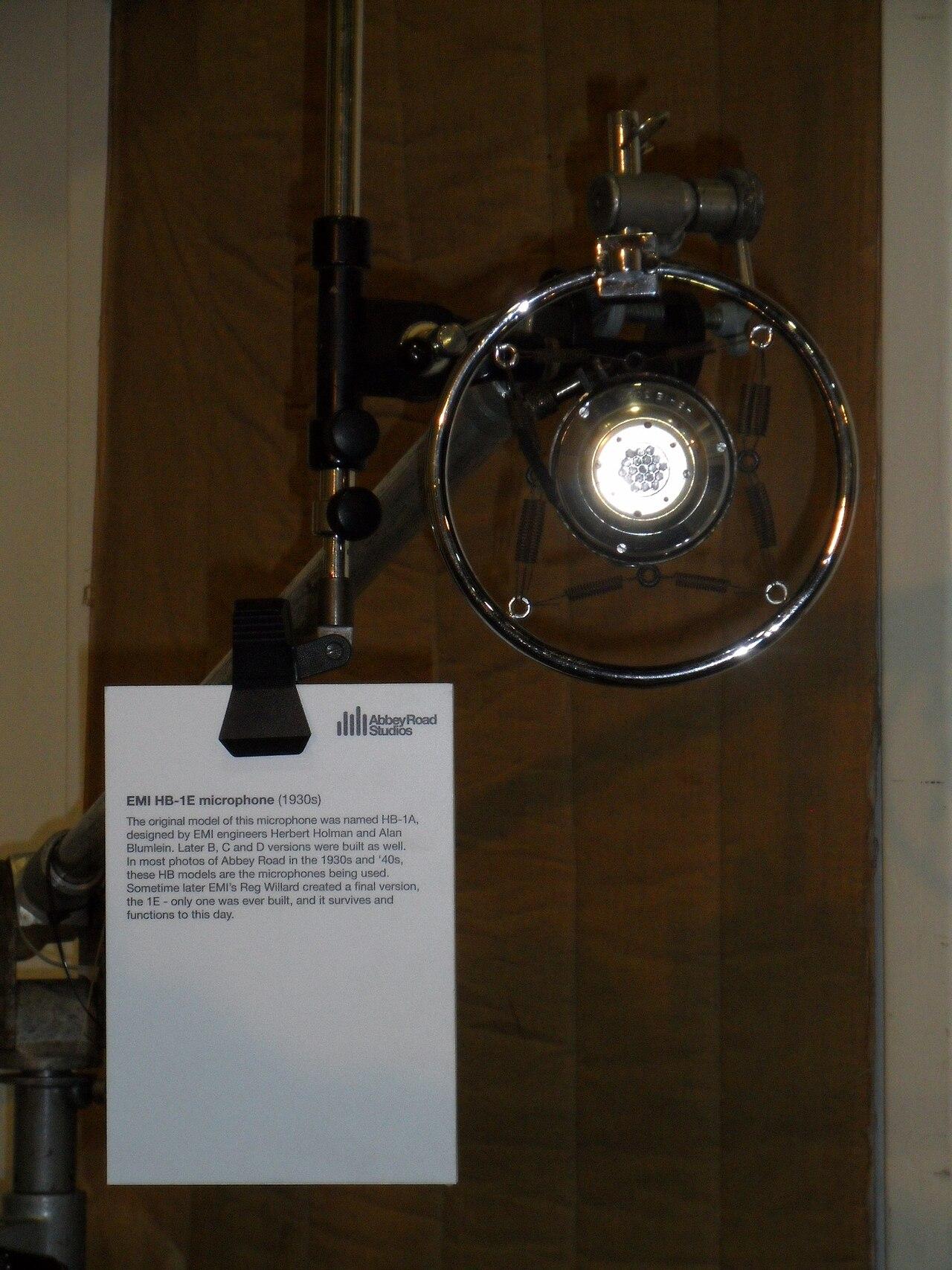
The EMI staff managed the transition between studios with high-quality technical recording. Even as the band's personal lives drifted apart, the sonic standard remained incredibly high. They still used the best microphones, the finest tape machines, and the most skilled hands in the industry. This paradox, the creation of high-fidelity music amidst personal low-fidelity relationships, defines the final era of the band. They perfected the art of the studio even as they lost the art of the band.
The Ghost of George Harrison's "I Me Mine"
George Harrison's "I Me Mine" served as the centerpiece of this final session, a song that seemed to encapsulate the very essence of the band's disintegration. The lyrics, heavy with themes of ego and the isolation of the self, mirrored the psychological state of the group members. As the band tracked the song, the title itself felt like a commentary on the individualistic paths they were all beginning to take. The track featured a driving, rhythmic intensity that required all four members to be perfectly in sync, a difficult feat given the prevailing atmosphere. It was a song about the loss of the "us" in favor of the "I."
Credit: Wikimedia Commons
The arrangement of the song relied on a tight, interlocking rhythm section, with Ringo's drumming providing a sturdy, almost hypnotic foundation. Harrison's guitar work, often more biting and direct than his earlier, more melodic contributions, cut through the mix with a sharp, percussive edge. McCartney's bass lines were melodic yet grounded, providing the necessary glue to hold the shifting textures together. Lennon's presence, though sometimes more recessed in the mix, added a layer of grit and tension that prevented the track from feeling too polished. The song was a struggle, a physical manifestation of the difficulty of maintaining a collective identity.
The repetitive, almost mantra-like quality of the lyrics reinforced the sense of entrapment that the band felt. There was a cyclical nature to the music, a feeling of being stuck in a loop of their own making. As they recorded the various takes, the tension in the room seemed to rise with each repetition. The song demanded a level of spiritual and musical alignment that the members were increasingly unable to provide. Listening to the final version, one can hear the strain, the way the notes seem to fight against the weight of the lyrics.
This track remains one of the most poignant artifacts of the Beatles' final days. It does not hide the cracks in the foundation; instead, it uses them to build something much more complex and haunting. The production, though heavily layered in the final mix, retains a sense of the raw, live struggle that occurred in Studio Two. It is a song that sounds like a decision, a realization that the era of the collective is over. Through "Ime Mine," Harrison captured the precise moment when the light began to fade from the group's shared vision.
Phil Spector and the Wall of Sound
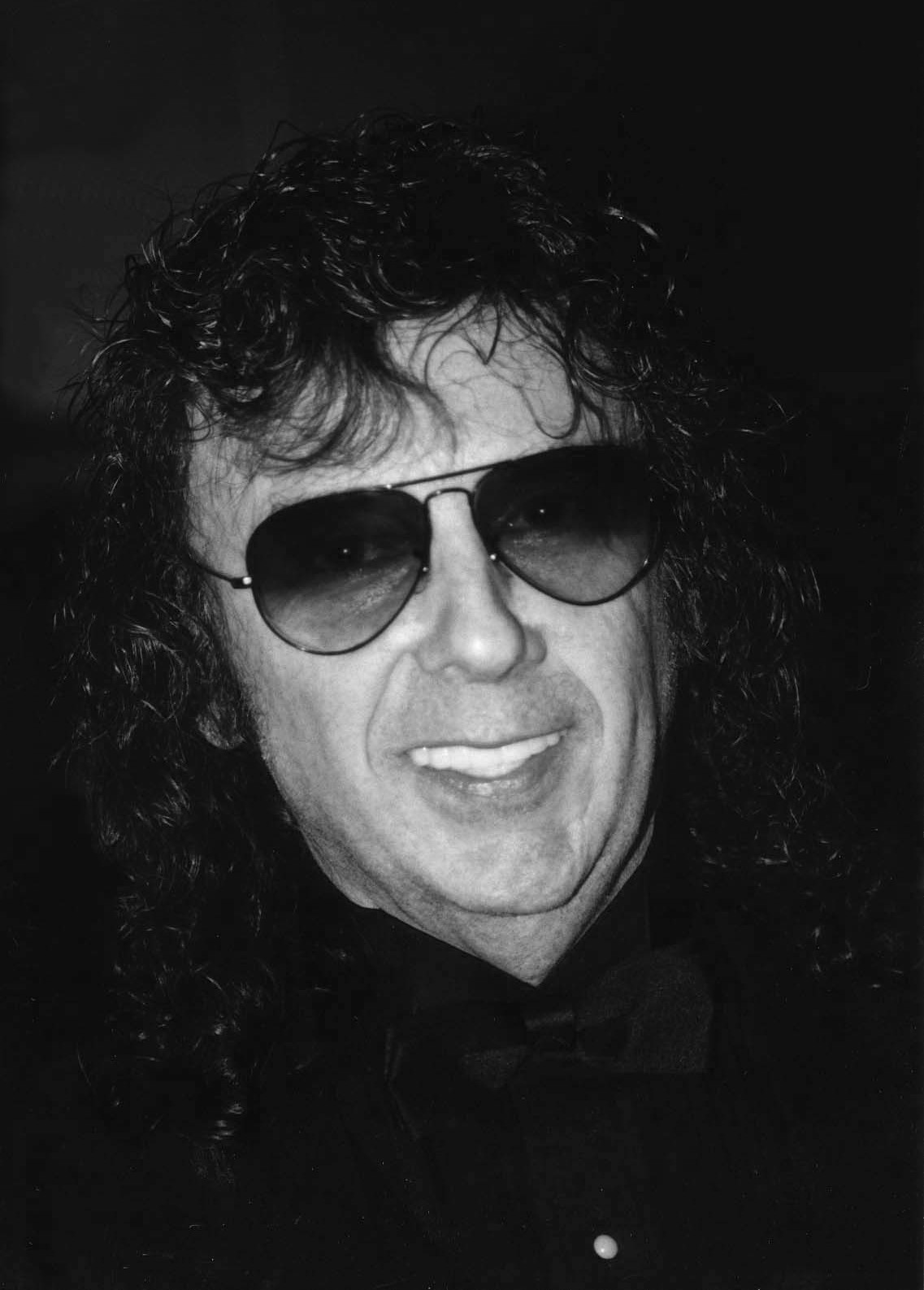
Phil Spector heavily shaped the sonic identity of the Let It Be album, bringing his massive, dense production style to the project. When the band's unfinished tapes reached him, Spector brought a completely different philosophy to the mixing desk. He did not seek to preserve the raw, live energy of the Apple sessions, but rather to bury it under layers of orchestration and reverb. This approach, often referred to as the "Wall of Sound," created an overwhelming, almost liturgical listening experience. It transformed the stripped-back tracks into something much more operatic and, some would argue, artificial.
Credit: Wikimedia Commons
Spector's work on the album involved adding heavy string and brass arrangements to existing tracks, a move that many fans found controversial. To some, these additions provided a much-needed sense of grandeur and closure to the band's career. To others, they felt like an attempt to mask the fundamental lack of cohesion in the original recordings. The strings do not merely accompany the music; they swallow it, creating a thick, shimmering layer of sound that sits atop the guitars and drums. This production choice made the Let a Be album sound more like a Spector production than a Beatles record, a fact that remains a point of intense debate.
The impact of this production style is most evident in the way the final tracks feel both monumental and claustrophobic. The sheer volume of sound creates a sense of importance, yet it also leaves very little room for the individual musicians to breathe. You can hear the guitars, but they are part of a larger, more indistinct texture, a sea of sound that washes over the listener. This density makes the album feel like a heavy, finished monument, rather than the spontaneous collection of songs it originally was. It is a production style that demands attention through sheer force of presence.
Even though the heavy production obscured some of the band's natural interplay, it also provided a sense of finality. The orchestral swells and the deep, reverberating percussion gave the material a weight that suited the gravity of the moment. It turned the end of the Beatles into a grand, cinematic event, rather than a quiet, domestic dissolution. While the "Get Back" sessions focused on looking backward to a simpler time, Spector's production focused on looking forward to a massive, finished product. He turned the fragments of a broken band into a polished, albeit controversial, masterpiece of studio artifice.
The End of the Fab Four
A legal announcement, rather than a final concert or a grand farewell tour, signaled the official end of the Beatles. In April 19rag 1970, Paul McCartney officially announced the dissolution of the band, a move that sent shockwaves through the music industry. The news arrived suddenly, though the writing had been on the walls for months. The release of the Let It Be album in May 1970 served as the final, polished epitaph for the group. It arrived as the world was still processing the fact that the most influential band in history had ceased to exist.
Credit: Wikimedia Commons
The members of the band immediately began their solo careers, each moving in a direction that reflected their individual musical identities. Lennon pursued a more raw, political, and often confrontational style of songwriting, while McCartney continued to explore the boundaries of pop and rock. Harrison found success with his much more spiritually-driven solo work, and Ringo Starr maintained his presence as one of rock's most reliable and beloved drummers. The transition from a unified group to four individual artists was a cultural phenomenon that redefined the possibilities of stardom.
The tragedy of the January 1t970 sessions lies in the gap between the music's potential and the band's reality. The technical brilliance of the recordings, the skill of the engineers, and the talent of the musicians were all present, but the essential ingredient of unity was missing. The Beatles' final recording session was a performance of duty, a way of tidying up the loose ends of a decade of greatness. They played the notes correctly, but they were no longer playing them together. The music was there, but the spirit had already departed the room.
The legacy of the Beatles often centers on their innovations and their impact on the cultural world, but the true weight of their history lies in their humanity. They were a group of four men who achieved the impossible, only to be undone by the very pressures that helped them reach the top. The final sessions at Abbey Road, with all their tension and technical precision, remind us that even the greatest legends are subject to the laws of human nature. The music remains, a permanent record of a moment when the world changed, even as the people who changed it were falling apart.