Discover how the music industry fought the rise of the cassette, from the BPI's anti-taping campaigns to the rise of hip-hop's street-level mixtape culture.
The Industry War on the Cassette Tape
A teenager in 1982 leans over a dual-deck Tascam boombox, his thumb hovering precariously over the red plastic button. He waits for the gap between tracks on a Fleetwood Mac record to vanish, timing the press with the precision of a diamond cutter to ensure the transition remains seamless. This ritual turned every bedroom into a makeshift mastering studio and signaled the first real crack in the monolithic control of the major labels. The history of the cassette tape tells a story of a technological rebellion that the industry spent decades trying to crush.
Music lived in fixed locations, tethered to heavy wooden cabinets and cumbersome turntable platters, before magnetic tape became a ubiquitous tool for the masses. The arrival of portable playback changed the physics of how we consumed melody, turning the act of listening into a private, mobile experience. It moved the center of gravity from the family living room to the streets, the subways, and the lonely walks through city parks. This shift threatened the industry's ability to track, control, and monetize every single note of a performance.
The Walkman and the Death of the Living Room
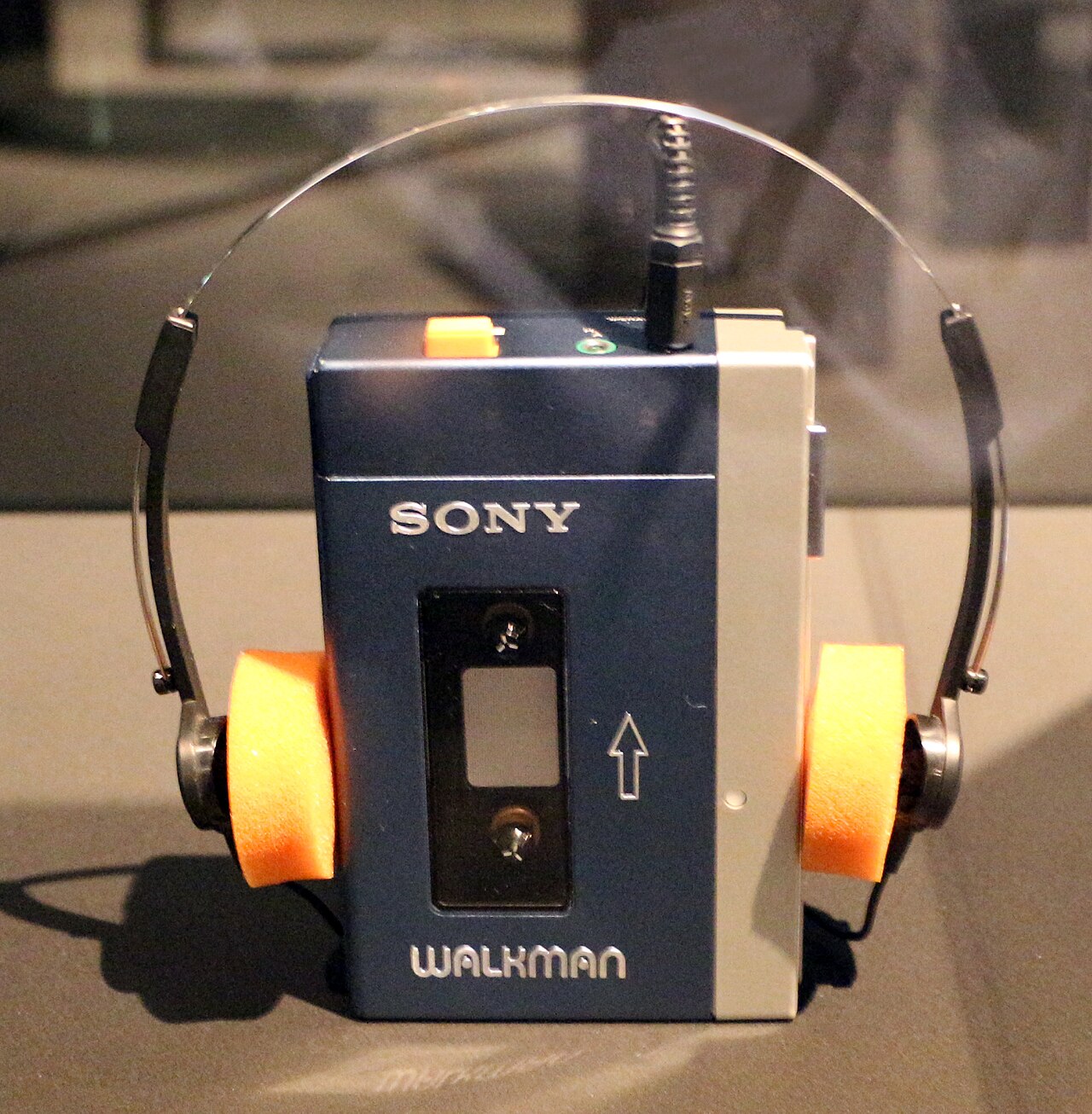
Sony changed the architecture of human attention in 1979 with the release of the TPS-L2 Walkman. This device, featuring two headphone jacks and a sleek blue-and-silver chassis, stripped the stereo system of its communal requirement. A person could suddenly carry a curated soundtrack through the streets of Tokyo or New York, effectively decoupling music from the stationary home stereo. The Walkman turned the world into a personal cinema, where the grit of the sidewalk met the polished production of studio recordings through lightweight foam headphones.
Credit: Wikimedia Commons
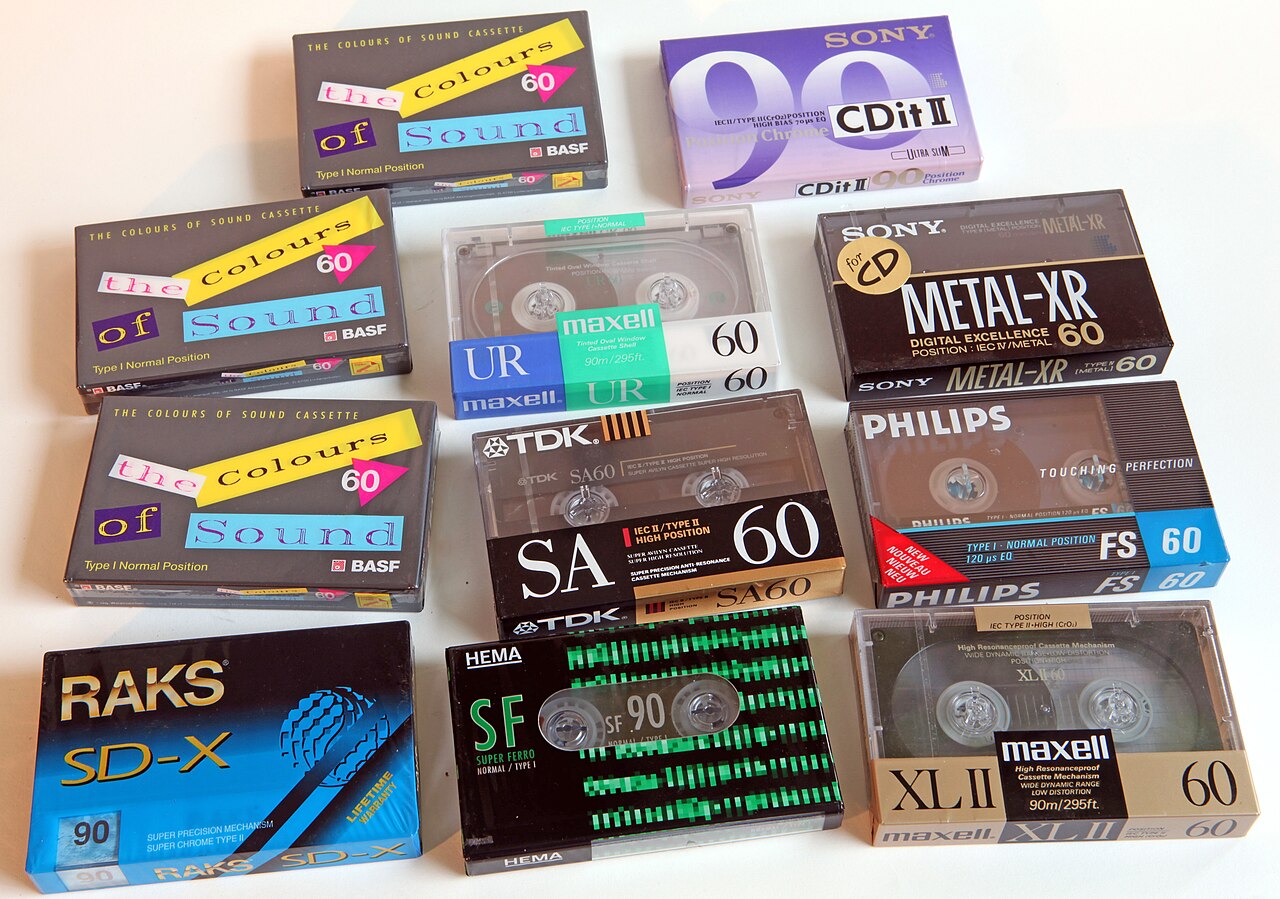
Executives sitting in high-rise offices in Midtown Manhattan felt the implications for the music business immediately. When music became portable, it also became duplicable, as the cassette format allowed for easy, high-fidelity copying via simple dubbing. A listener could record a radio broadcast or a friend's high-quality playback onto a blank Maxell or TDK tape without ever contacting a retailer. The industry saw its grip on the physical distribution of sound slipping away, one magnetic spool at a time.
This era marked a shift toward a more fragmented, individualistic way of experiencing culture. We stopped listening to what the household agreed upon and started listening to what we could carry in our pockets. The TPS-L2 did not just provide a way to hear music on the move; it provided a way to curate a private reality. It made the listener the editor of their prestige, a development that the heavyweights of the recording industry viewed with growing suspicion.
The BPI Campaign and the War on Taping
By the mid-1980s, the British Phonographic Industry (BPI) realized they could no longer ignore the volume of unmonetized music circulating through the hands of consumers. They launched the "Home Taping is Killing Music" campaign, an aggressive marketing blitz designed to shame the very people using the technology. The campaign featured grim imagery and stark warnings, suggesting that every time a fan pressed 'record' on a friend's tape, they were actively starving the artists they claimed to love.
Credit: Wikimedia Commons
The campaign targeted the culture of consumer duplication with a heavy hand, attempting to frame a common hobby as a criminal act of economic sabotage. It sought to instill a sense of guilt in the youth, painting the act of dubbing a tape as a direct theft from the pockets of legends like Phil Collins or Queen. The industry hoped that by attacking the morality of the listener, they could stem the tide of declining sales for official physical releases. It was a psychological war fought on the front lines of the bedroom studio.
The BPI failed to account for the sheer joy and accessibility of the format. The very thing the BPI hated, the ease of use, was exactly why the cassette culture flourished. Fans did not see themselves as thieves; they saw themselves as curators of a much more interesting and personalized musical experience. The more the industry pushed back, the more the underground movement leaned into the autonomy that the magnetic tape provided.
The 1984 Copyright Act and Legal Walls
The battle moved from the realm of public opinion to the halls of legislature with the introduction of the 1984 US Copyright Act. This massive piece of legislation introduced stricter legal frameworks for the reproduction of sound recordings, aiming to close the loopholes that allowed for easy consumer duplication. Industry leaders lobbied hard for these changes, seeking to redefine what constituted "fair use" in an era where the technology for copying was becoming increasingly cheap. They wanted to build legal walls around their intellectual property that the cassette could not easily scale.
The act attempted to regulate the way audio could be reproduced, specifically targeting the burgeoning market of secondary recordings. While it did not stop the practice of home taping entirely, it provided the legal teeth necessary for labels to pursue more aggressive litigation against distributors. This era saw a massive increase in the complexity of copyright law, making the simple act of sharing music a potential legal minefield. The law tried to impose a sense of permanence and ownership on a medium that was inherently fluid.
Lawmakers and industry lobbyists argued that without these protections, the incentive to invest in new talent would vanish. They pointed to the rising costs of production and the difficulty of tracking sales in a decentralized market. For the average listener, these legal shifts felt like an attempt to tax the very act of cultural participation. The tension between the rigid structures of copyright law and the flexible nature of magnetic tape created a friction that would define the music industry for the next two decades.
Street Power and the Rise of the Mixtape
Major labels fought legal battles and ran propaganda campaigns while a much more potent force brewed in the streets of the United States. In the 1990s, the expansion of the mixtape as a marketing tool in US hip-hop fundamentally altered the power dynamics of the genre. Artists no longer needed a massive promotional budget or a slot on MTV to reach an audience; they only needed a steady supply of blank tapes and a distribution network of corner stores and street vendors. This system of unmonetized, street-distributed physical media operated entirely outside the gaze of the traditional label structure.
50 Cent's 2002 release of the mixtape No Future illustrates how this format could build massive, grassroots popularity. Before he was a global superstar signed to Columbia, he was a figure of intense local interest, his influence spreading through the heavy rotation of tapes in urban centers. This was not about polished studio perfection, but about the raw, immediate energy of the streets being captured on magnetic tape. The mixtape allowed for a direct, unmediated connection between the artist and the listener, bypassing every gatekeeper in the industry.
The mixtape culture forced labels to contend with an unstoppable force of nature that they simply could not control or monetize through traditional means. This era of hip-hop relied on the grit of the production, often featuring beats that were repurposed from other tracks, creating a collage of sound that felt alive and dangerous. The labels eventually realized they could not kill the mixtape, so they began to attempt to co-opt it, turning the underground tool into a legitimate, high-budget marketing strategy. The street had already won the war of influence, even if the industry eventually reclaimed the revenue.
The CD Peak and the Death of Physical Media
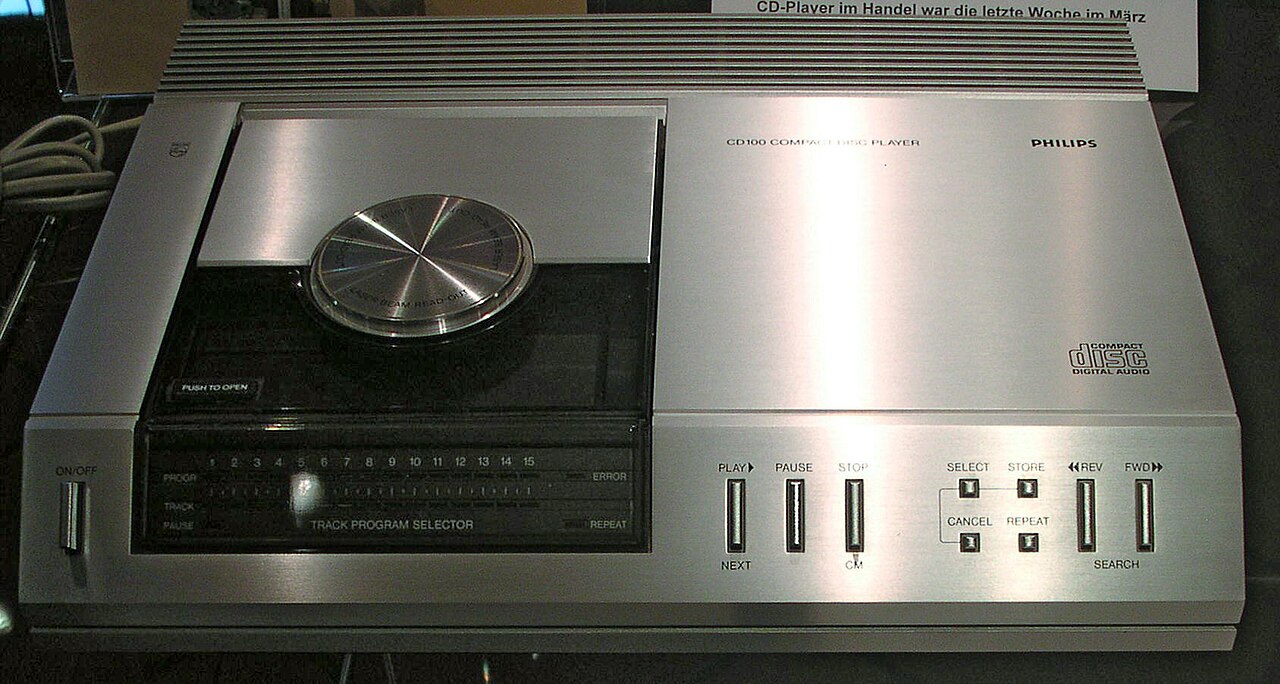
The 1990s saw the music industry reach a level of profitability that seemed almost unsustainable, driven largely by the massive-scale replacement of cassettes with the compact disc. By the time the RIAA released its 1999 financial reports, the industry was celebrating CD revenues that had peaked at a staggering $14.6 billion. Labels used the high margins of the CD format to consolidate their power and push the more unreliable cassette to the margins. They believed the digital, non-physical era was a distant, unlikely threat.
Credit: Wikimedia Commons
The industry's focus on the high-margin CD led to a dangerous period of complacency, where they ignored the shifting technological currents in favor of immediate profit. They viewed the cassette as a dying, low-fidelity relic that no longer held the same cultural weight as the shiny, pristine digital disc. This obsession with the perfection of the digital signal blinded them to the fact that the very technology making music portable was also making it infinitely easier to steal. The industry was celebrating a peak that was actually a precipice.
The 1999 launch of Napster fundamentally shifted the entire industry's focus from physical formats to digital files, rendering the battle over tapes and discs almost instantly obsolete. Suddenly, the struggle was no longer about whether someone was recording a tape in their bedroom, but about whether a file could be downloaded across the globe in seconds. The digital revolution destroyed the physical scarcity that the industry had relied upon for decades. The era of the $1 4.6 billion revenue peak ended not with a whimper, but with the sound of a modem connecting to the internet.
The Lo-Fi Revival and the Collector's Market
The resurgence of the cassette in the 21st century stems from a craving for the tactile and the imperfect rather than a need for convenience. In 2008, the founding of the Brooklyn-based label Captured Tracks helped drive the 2010s lo-fi and indie cassette revival. This movement embraced the hiss, the flutter, and the warm, compressed sound of magnetic tape, finding beauty in the very flaws that the CD era had sought to eliminate. For these artists, the cassette offered a sense of intimacy and a physical connection to the music that a digital stream simply cannot provide.
Credit: Wikimedia Commons
This modern revival has transformed the cassette into a prestige item for the growing collector's market. It is no longer about the cheapest way to hear a song, but about owning a piece of a physical, aesthetic object. We see this trend in the massive success of major artists who use the format to engage with their most dedicated fans. When Taylor Swift released her self-titled album in 2013, the inclusion of the cassette format was a strategic move to tap into this hunger for tangible, collectible media.
The modern cassette market exists in a strange, beautiful space between nostalgia and innovation. It serves a niche of listeners who value the ritual of the playback, the art of the J-card, and the unique sonic character of the medium. While the digital files of Napster and Spotify provide the ease of access, the cassette provides the soul. The war on the tape may have been a failure for the labels, but it resulted in the birth of a permanent, much more interesting way to hold music in your hands.