Twenty-five music conspiracies, ranked bottom to top by how much paper trail they actually have. Pink Floyd never scored The Wizard of Oz. The Senate paid drug traffickers. The deeper you go, the truer they get.
Music conspiracies live on a sliding scale. At one end you have Paul McCartney being repeatedly alive every year since 1969. At the other you have a US Senate committee finding that the State Department paid Nicaraguan drug traffickers with congressionally authorised money. Both stories travel under the same umbrella word. They are not the same kind of thing.
This list runs the sliding scale on purpose. Twenty-five entries, counting down from 25 to 1, sorted by how much documented evidence there actually is. Tier one is 100% Myth: stories that survive because they are pleasurable to tell. Tier two is Fragments of Truth: deaths, disappearances and police investigations where a real piece of documented record sits inside a much larger reach. Tier three is Broadly Confirmed: court documents, FOIA releases, Senate hearings, declassified cables and inspector general reports.
Every source cited here is in a public archive somewhere. Wikipedia primary sources, court filings on PACER, Senate documents at congress.gov, FBI vault releases, Amnesty designations, ECHR rulings, peer-reviewed studies in the British Medical Journal. The dossier is open. The exercise is reading it.
The arc matters. The bottom of the list is the kind of thing your stoned friend tells you at 2am. The top of the list is the kind of thing US Senators put on letterhead. The lesson is the gap between those two registers, and the fact that the same century that produced one also produced the other.
Dark Side of the Rainbow
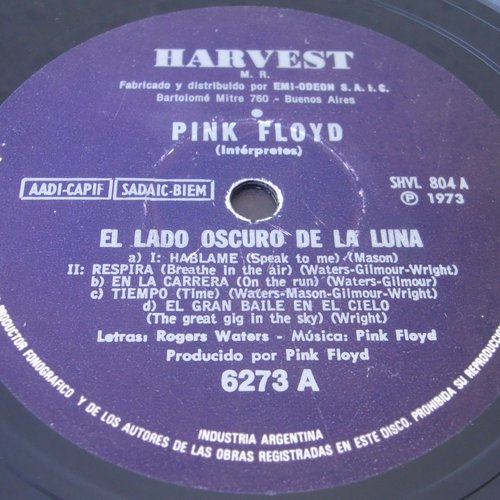
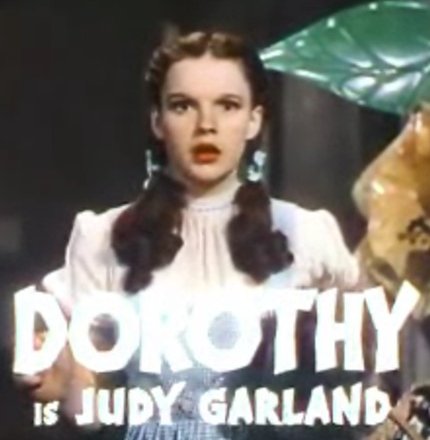
Pink Floyd's most famous album allegedly scores The Wizard of Oz scene for scene, except all four band members keep saying it doesn't.
Start the album on the third MGM lion roar and the tornado lifts on "The Great Gig in the Sky." That single party trick built a forty-year folklore. Charles Savage first wrote it up in the Fort Wayne Journal Gazette in August 1995, lifting the idea straight from the alt.music.pink-floyd Usenet newsgroup. Boston DJ George Taylor Morris took it national on the radio in April 1997. By July 2000, Turner Classic Movies ran The Wizard of Oz with the album sitting on the secondary audio channel, treating the sync as a legitimate cultural event.
The band's response has been unanimous and slightly exasperated. David Gilmour blamed "some guy with too much time on his hands." Roger Waters called it bullshit. Nick Mason said it was actually based on The Sound of Music, which was a joke that some fans still cite as evidence of cover-up. Engineer Alan Parsons closed the case in a 2003 interview: the band had no way to play videotapes in the studio in 1972, and when he tried the sync himself he found that any record played over any film throws up apparent matches, because human pattern recognition is doing the work.
The reason the legend survives is that the experience is genuinely fun. A 43-minute album over a 101-minute film will hit emotional peaks at coincident moments, and a Floyd track is built around emotional peaks. The synchronisation is real. The intent never was.
Lineage: The best argument for Dark Side of the Rainbow is that four surviving Pink Floyd members had to explain, in separate interviews, why something they never did does not exist.
Stairway to Heaven Backmasking
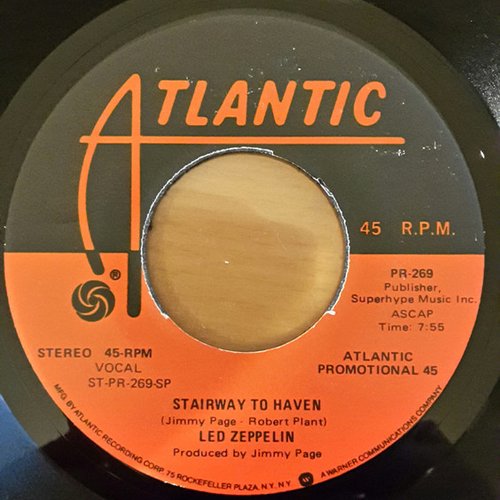
Reverse the lyric around "if there's a bustle in your hedgerow" and you can hear, if you have been told what to listen for, the phrase "Here's to my sweet Satan." Christian radio host Michael Mills popularised the claim in 1981. By 1982, William Yarroll was testifying before the California State Assembly that backmasked rock records were depositing subliminal instructions in teenage brains. A bill demanding warning labels on backmasked albums made it through committee before stalling. The ABC newsmagazine 20/20 devoted an entire 1985 segment to Stairway and played the reversed audio on a national network.
A 1980s evangelical campaign convinced America that Led Zeppelin had hidden a satanic message in their most-played FM record.
Robert Plant has shut it down for forty years. "To me it's very sad," he told Guitar World in 1994, "because Stairway to Heaven was written with every best intention, and as far as reversing tapes and putting messages on the end, that's not something we do." Engineer Alan Parsons, who knew studio capability better than the preachers, called the entire phenomenon apophenia, the brain forcing patterns onto noise. Psychologist John Vokey ran a 1985 study in American Psychologist showing that subjects "heard" backmasked messages even when no message had been recorded.
The Stairway panic didn't just embarrass evangelical TV preachers. It fed directly into the Parents Music Resource Center hearings of 1985, which produced the Parental Advisory sticker. A non-existent satanic message became, by way of legislative anxiety, the most enduring piece of music packaging in American retail history.
Lineage: The Stairway to Heaven backmasking panic did more to reshape music retail than any chart position, giving the world the Parental Advisory sticker as its permanent monument.
Elvis Is Alive
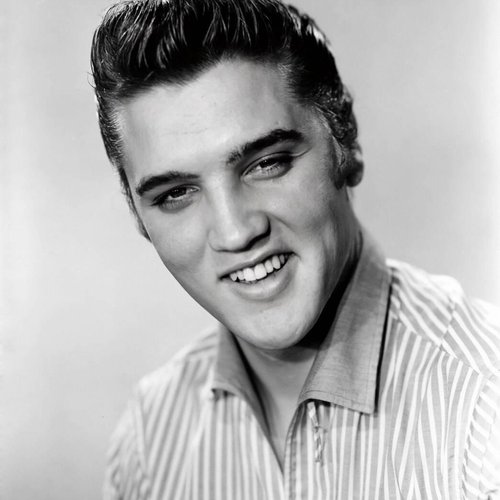
The King died on a bathroom floor in 1977 and fifty years of fans have been trying to give him a better exit.
Elvis Presley died on August 16, 1977. His girlfriend Ginger Alden found him at Graceland. His father Vernon, daughter Lisa Marie and friend Joe Esposito were all in the house. Tennessee Death Certificate No. 77-5794 names cardiac arrhythmia as the cause of death. Shelby County medical examiner Dr Jerry Francisco conducted the autopsy. By every standard a death is documented in the United States, Elvis Presley is documented dead.
The first sighting was at Memphis International Airport the next day, supposedly a man buying a ticket under the name "Jon Burrows," a known Presley travel alias. Author Gail Brewer-Giorgio published a novel in 1978 called Orion, fictionalising a Presley-like star who fakes his death. Ten years later she released the non-fiction Is Elvis Alive?, including a cassette of phone calls from a man claiming to be Presley. Louise Welling spotted him at a Burger King in Kalamazoo in 1987. Two syndicated TV specials, The Elvis Files and The Elvis Conspiracy, took the theory worldwide in the early 1990s.
The deeper reason it sticks is psychological. Presley was a drug-dependent, painfully unhappy man whose manager Colonel Tom Parker had locked him into a Vegas residency he could not escape. A bathroom-floor death does not match the King. Faking the exit does. Fans haven't been arguing about a death certificate for half a century, they have been editing the script.
Lineage: Elvis dying badly, on a bathroom floor, was the narrative problem that fifty years of "he's at a Burger King" have been trying to solve.
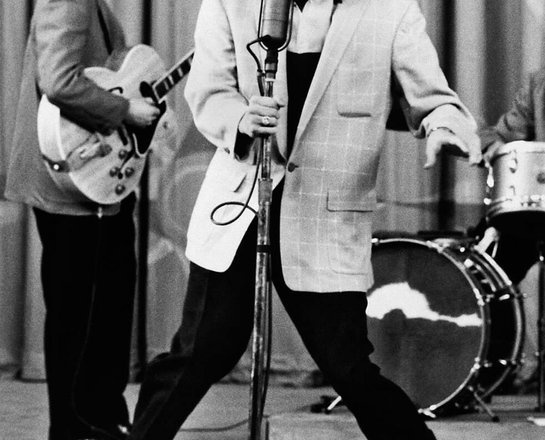
Tupac Shakur Is Alive
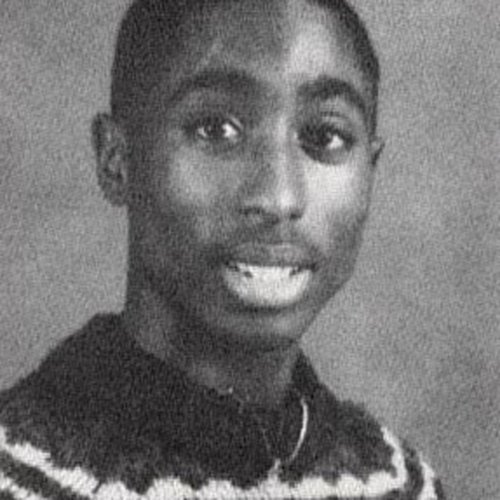
Twenty-eight years and a relentless posthumous release schedule have not yet convinced everyone that Tupac is gone.
Tupac Amaru Shakur was shot on the Las Vegas Strip on September 7, 1996. He died six days later at the University Medical Center of Southern Nevada. The Clark County Death Certificate, filed on September 13, names the wounds. Dr Allen Lau at the University of Nevada School of Medicine performed the autopsy. Witnesses in the BMW that night included Suge Knight. None of this is in dispute.
Within weeks, the sightings began. The Makaveli album dropped in November 1996, two months after his death, with a name fans contorted into anagrammed evidence of resurrection. Posthumous releases kept arriving, R U Still Down? in 1997, Until the End of Time in 2001, Loyal to the Game in 2004, each one feeding the theory that no dead artist could match this rate of release. The 2012 Coachella hologram performance with Dr Dre and Snoop Dogg dropped a digital Tupac on stage and shoved the "he's alive" theory back into trending topics worldwide.
The case stayed officially unsolved for twenty-seven years. Duane "Keffe D" Davis was finally indicted in 2023 and charged in 2024. That kind of justice gap is where conspiracy thrives. A hip-hop generation that watched its most politically charged voice get shot in a convertible, and then waited a quarter century for any name on a charge sheet, was never going to accept the official ending. The hologram only sharpened the question, because the technology now exists to put him on stage whether he's breathing or not.
Lineage: Tupac's unsolved murder and relentless posthumous output turned grief into folklore, and made "he faked it" the default response every time hip-hop loses a giant too young.
Paul Is Dead
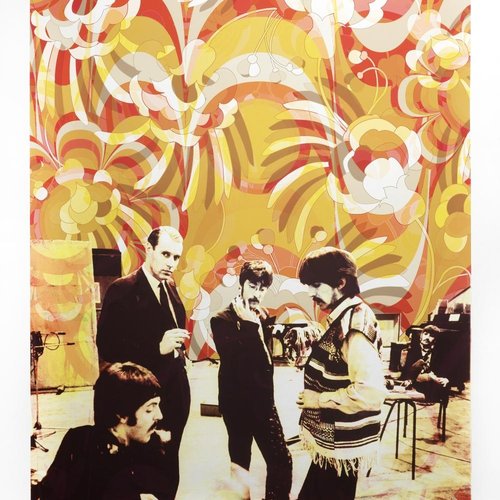
The Beatles conspiracy that invented the entire genre of album-cover clue hunting, starting from a single Detroit phone call.
Paul McCartney is, by every metric of being alive in the year 2026, alive. The Paul Is Dead theory began as a London rumour in early 1966 claiming he had died in an M1 motorway crash on January 7. The Beatles Book newsletter formally rebutted it in February 1967. It lay dormant for two years.
On September 17, 1969, Tim Harper at the Drake University student paper in Iowa published "Is Beatle Paul McCartney Dead?" listing alleged clues from recent Beatles records, including "Turn me on, dead man" allegedly audible when Revolution 9 plays in reverse. On October 12, a caller phoned WKNR-FM in Dearborn, Michigan and told disc jockey Russ Gibb he'd worked it all out. Gibb opened the phone lines and ran an entire hour of clue-hunting on the air. The story exploded coast to coast within a fortnight. Life magazine ran a full cover interview with McCartney on his Scottish farm on November 7, headlined "Paul Is Still With Us," to kill the rumour. It did not work.
John Lennon trolled the clue-hunters for years, writing "Walrus was Paul" into Glass Onion in 1968 as deliberate nonsense to feed the conspiracy machine. McCartney himself released a live album in 1993 titled Paul Is Live, a pun that doubles as legal notice. Tim Harper later told interviewers that the appetite for it was post-Vietnam: "A lot of us, because of Vietnam and the so-called Establishment, were ready, willing and able to believe just about any sort of conspiracy."
Lineage: Every music conspiracy that asks you to play something backwards, freeze-frame an album sleeve, or decode a hidden message is a direct descendant of Russ Gibb's Detroit phone-in on October 12, 1969.
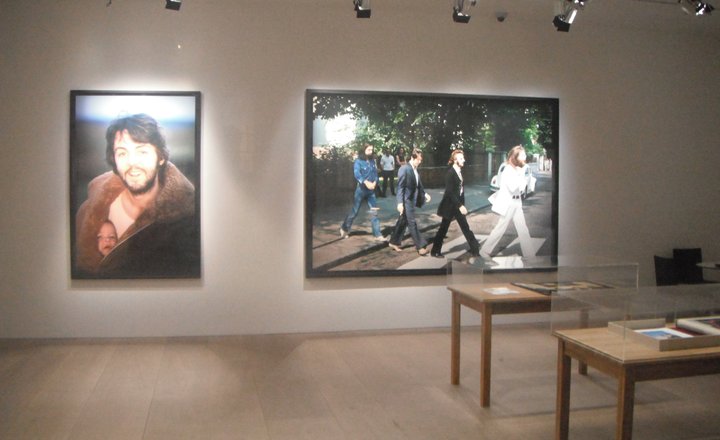
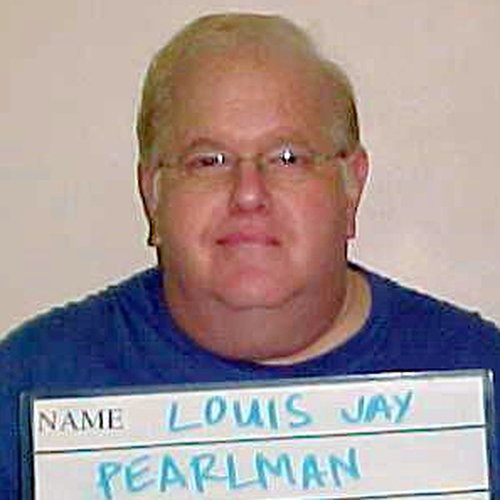
Lou Pearlman and the Boy Band Factory
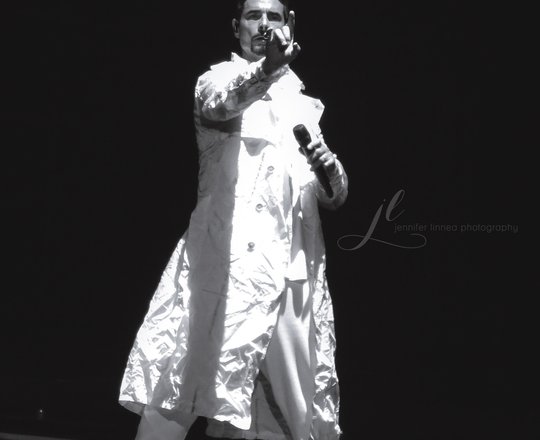
The Backstreet Boys and NSYNC built one of the biggest pop machines in history, and the man running it was operating the largest Ponzi scheme in American music.
Lou Pearlman was sentenced to twenty-five years in federal prison in May 2008 by the US District Court for the Middle District of Florida. The charges were conspiracy, money laundering and making false statements during bankruptcy. The Ponzi scheme defrauded investors of more than $300 million across twenty years, using forged FDIC, AIG and Lloyd's of London documents. That part is settled court record, not allegation.
The fragment that drives the larger conspiracy is the sexual misconduct around the acts themselves. Rich Cronin of LFO told Howard Stern in 2009 that Pearlman's behaviour with the boys was deeply inappropriate. Jay Khan of US5 documented the same in his autobiography. The CNBC programme American Greed addressed, on the record, "the issue of sex with underage boys" inside Pearlman's organisation. The 2024 Netflix documentary Dirty Pop: The Boy Band Scam pulled both strands, the financial fraud and the sexual abuse allegations, into a single popular account. Pearlman died in federal custody in 2016, with charges of sexual abuse never tested at trial.
The myth overshoots when it extends Pearlman into a wider industry trafficking pipeline. Lance Bass of NSYNC has stated that Pearlman never behaved inappropriately toward him or his group. The Backstreet Boys and NSYNC had documented financial grievances, with both acts receiving a fraction of their earnings under Pearlman's contracts, but there is no public evidence of an industry-wide network. What is real is bad enough: one man, two hundred million in fraud, and at least two documented patterns of sexual misconduct that never reached a courtroom.
Lineage: He ran the biggest Ponzi scheme in American music history, went to prison for twenty-five years, and the boy bands that made him famous had never seen most of their own money.
The 27 Club
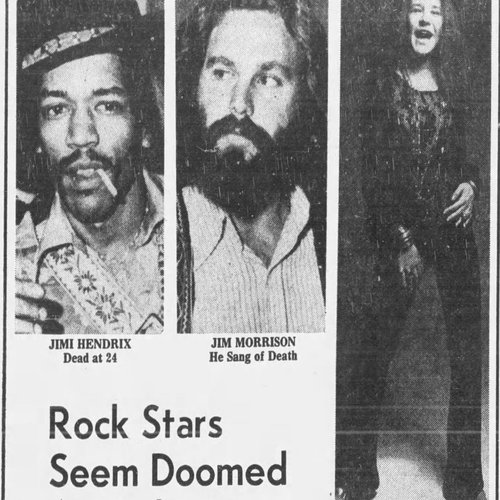
Four rock deaths in three years built a curse, and a grieving mother's misquoted line gave it a name.
Brian Jones drowned in his swimming pool in July 1969 at twenty-seven. Jimi Hendrix died in a London hotel room in September 1970 at twenty-seven. Janis Joplin overdosed in Hollywood in October 1970 at twenty-seven. Jim Morrison was found in a Paris bathtub in July 1971 at twenty-seven. Four deaths in twenty-five months, at the same age, in the same circle of fame. That cluster is real and it was noticed at the time.
The name came later. After Kurt Cobain shot himself in April 1994, his mother Wendy O'Connor was quoted by the Associated Press: "Now he's gone and joined that stupid club." Biographer Charles Cross traces the launch of the actual phrase "27 Club" to the post-Cobain wave of early internet music journalism, which read O'Connor's line as a reference to the 1969 to 1971 cluster. Eric Segalstad argues in The 27s that O'Connor was referencing suicides in her own family, not rock stars. Amy Winehouse's death at twenty-seven in July 2011 sealed the legend.
The British Medical Journal published a peer-reviewed study by Wolkewitz et al on December 20, 2011 titled "Is 27 really a dangerous age for famous musicians? Retrospective cohort study." The finding was clean. Famous musicians do have a higher death rate than the general population, but the risk at twenty-seven is statistically identical to the risk at twenty-five or thirty-two. Public health researcher Dianna Kenny ran a larger 2014 dataset and found popular musicians peak for death at fifty-six, at 2.2 percent versus 1.3 percent at twenty-seven. The white Bic lighter variant of the curse was killed by Snopes in 2017: Bic lighters did not enter production until 1973, four years after the first three deaths.
The fragment is the cluster. The myth is the curse. The number twenty-seven attracts attention now because it has been pre-loaded as significant, which means we notice it and forget the twenty-sixes and twenty-eights.
Lineage: Four deaths in three years built the legend, one misquoted grieving mother gave it a name, and a generation decided the number 27 was cursed because the alternative, that it was random, was too honest to bear.
W Club members - composite of Jones, Hendrix, Joplin, Morrison, Cobain, WinehouseBrian Jones and the Builder's Confession
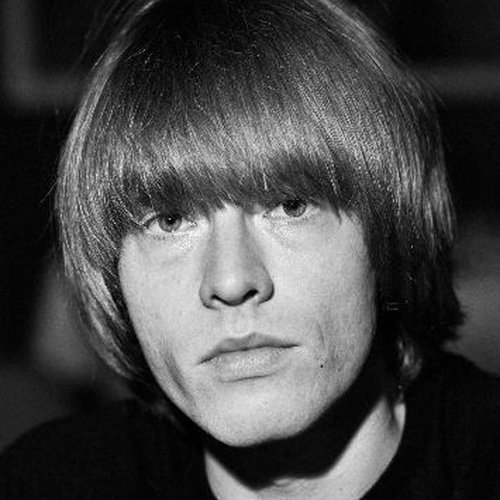
The founder of the Rolling Stones drowned in his own swimming pool, the local force barely investigated, and a builder's deathbed confession refuses to die.
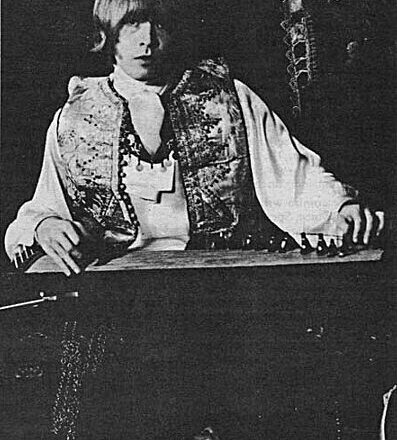
Brian Jones was found face-down in his swimming pool at Cotchford Farm in East Sussex on the night of July 2 to 3, 1969. The East Sussex coroner returned a verdict of "death by misadventure," noting Jones's liver and heart were "greatly enlarged" by drug and alcohol use. The investigation took days, not weeks, and was conducted by a local force that did not preserve key witness statements. That inadequacy is the fragment that has fed every subsequent theory.
The murder version centres on builder Frank Thorogood, who was working at the farm and was reportedly angry over unpaid wages. Anna Wohlin, Jones's girlfriend that night, published The Murder of Brian Jones in 1999, alleging Thorogood held Jones underwater. The story crystallised publicly in 1993, when Rolling Stones driver Tom Keylock reportedly received a deathbed confession from Thorogood. Keylock himself denied receiving the confession. The 2005 film Stoned dramatised the killing as fact.
In August 2009, prompted by journalist Scott Jones, who had traced surviving witnesses and located previously unseen police files at the National Archives, Sussex Police conducted their first formal case review since 1969. The review concluded in 2010 that the original investigation had been inadequate, but that "there is no new evidence to suggest that the coroner's original verdict of 'death by misadventure' was incorrect." The fragment is real. The local force missed things. What it missed was sloppiness, not necessarily murder. Jones had been kicked out of his own band a month earlier and was, on every clinical measure, a young man whose body was failing fast.
Lineage: The builder confessed on his deathbed, the detective reopened the file forty years late, and the pool kept every secret it was asked to keep.
Hank Williams and Dr Toby Marshall
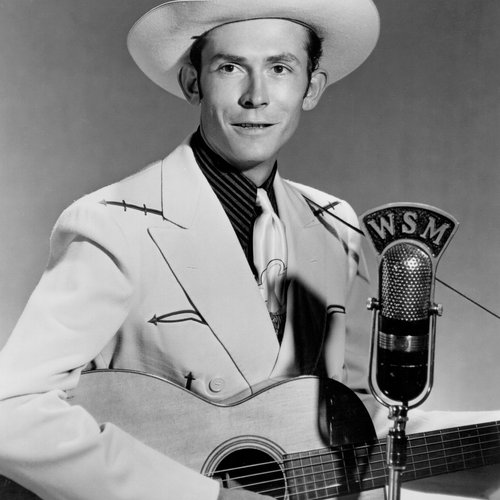
Country music's founding father was being medically managed by a convicted forger with a twenty-five-dollar mail-order diploma.
Horace "Toby" Marshall was an Oklahoma State Penitentiary parolee with a prior felony conviction for forgery. He bought a "Doctor of Science" title from the Chicago School of Applied Science for twenty-five dollars and presented himself as "Dr C. W. Lemon." Under that identity he prescribed Hank Williams a regular cocktail of amphetamines, Seconal, chloral hydrate and morphine across the final months of his life. Wikipedia, citing Colin Escott's authoritative 1994 biography, records that the cocktail made Williams's pre-existing heart problems worse.
On the night of December 31, 1952, en route to a New Year's Day show in Canton, Ohio, Williams checked into the Andrew Johnson Hotel in Knoxville. A real doctor, Dr P. H. Cardwell, was called. Cardwell injected Williams with vitamin B12 mixed with a quarter-grain of morphine. Williams was carried to his Cadillac by hotel porters because he could not walk. His student-driver Charles Carr drove on through the night. Carr discovered Williams was already dead at a service station in Oak Hill, West Virginia in the early hours of January 1, 1953. The autopsy by Dr Ivan Malinin found acute right ventricular dilation, haemorrhages in the heart and neck and a fresh welt on Williams's head from a bar fight days earlier.
The conspiracy extension says Marshall was working for industry handlers who wanted Williams out of the way. The documented story is darker and simpler. A desperately ill addict was being slow-poisoned by a forger pretending to be a doctor, with the cooperation of an industry that wanted him on stage. The welt was from a Montgomery bar fight, not a hit. The killer was the prescription pad.
Lineage: The man treating country music's biggest star had bought his medical degree for twenty-five dollars from a mail-order school and had a prior conviction for forgery, and nobody stopped him because Hank Williams wanted the drugs and the industry wanted him on stage.
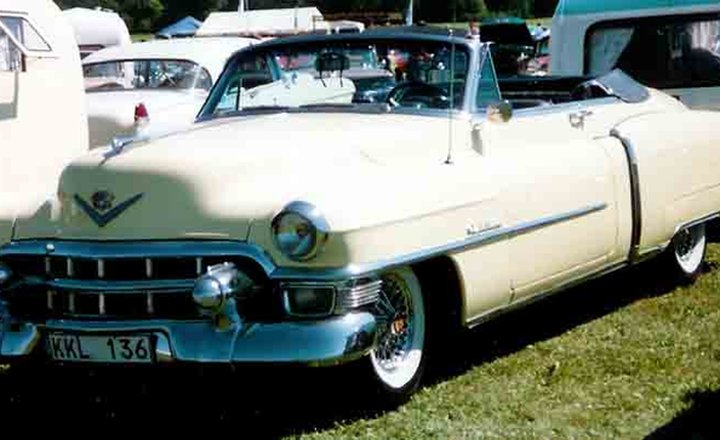
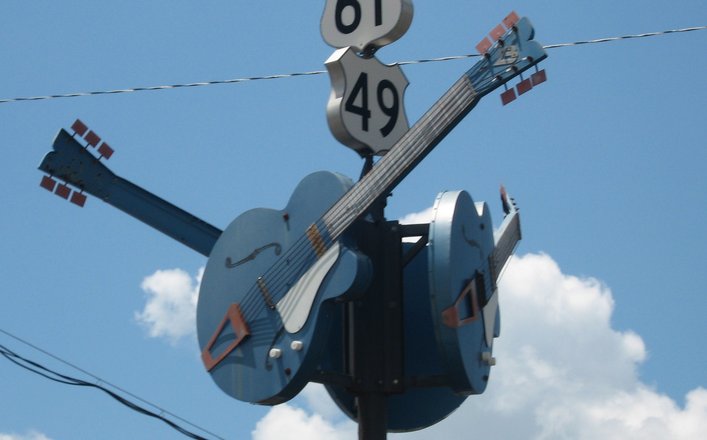
Robert Johnson Was Poisoned at the Three Forks Juke Joint
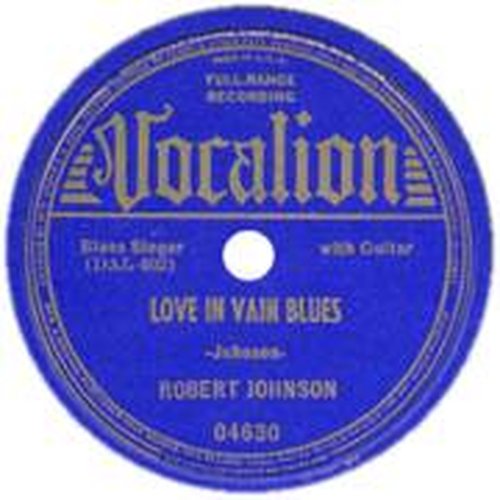
The most influential bluesman in American music died in three days of screaming pain with no doctor, no autopsy, and no official cause.
Robert Johnson died on August 16, 1938 near Greenwood, Mississippi, at twenty-seven. Musicologist Gayle Dean Wardlow tracked down the Leflore County death certificate in the late 1960s. The certificate lists no cause of death, no formal autopsy and no attending physician. The registrar's handwritten note on the back of the document, quoted in Wardlow's research, confirms Johnson died in severe pain over several days, with no medical care.
The popular story is poisoning at the Three Forks juke joint by the jealous husband of a woman Johnson had been flirting with. Bluesman David "Honeyboy" Edwards claimed in oral history recordings from the 1960s onward to have been present that night, and to have knocked one suspicious whiskey bottle from Johnson's hand before Johnson took a second, fatal one. Edwards's account is vivid, second-hand and recorded decades later. Musicologist Robert "Mack" McCormick separately claimed in interviews to have located the actual killer and obtained a private confession, but he refused to name the man before his own death.
The most carefully researched account, Conforth and Wardlow's 2019 biography Up Jumped the Devil, names naphthalene, mothballs dissolved in liquor, as the suspected poison. The book points to Johnson's pre-existing ulcer and oesophageal varices as the reason an otherwise non-fatal dose became fatal. Toxicologists cited in Tom Graves's Crossroads: The Life and Afterlife of Blues Legend Robert Johnson rule out strychnine, the most romantic version of the story, because it cannot be hidden in strong liquor and kills within hours, not three days.
The fragment is the silence. A young black musician died in agony in 1938 Mississippi and the state did not investigate. What fills that gap tells you more about America than about any bottle of whiskey.
Lineage: He died in three days of screaming pain with no doctor, no autopsy and no official cause, and what fills that silence tells you more about America in 1938 than about any bottle of whiskey.
Sam Cooke at the Hacienda Motel
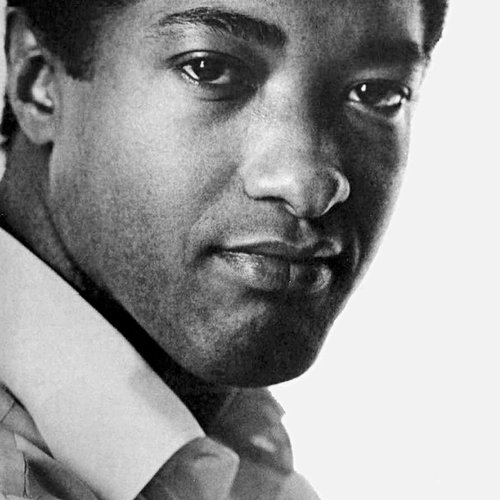
The official ruling was justifiable homicide, the body told a different story, and Muhammad Ali was the first to say it out loud.
Sam Cooke was shot once in the chest at the Hacienda Motel in Los Angeles on December 11, 1964 by motel manager Bertha Franklin. The LAPD coroner ruled the killing justifiable homicide. No criminal charges were filed against anyone. Elisa Boyer, the woman who fled the room with Cooke's clothing and a quantity of cash, was never charged with theft. Boyer and Franklin both passed polygraph tests. Motel owner Evelyn Carr corroborated Franklin's account by phone in real time.
The fragment that keeps the conspiracy alive is the body. Etta James viewed Cooke before burial and wrote in her 1995 memoir Rage to Survive that Cooke was beaten so severely "his head was nearly separated from his shoulders, his hands were broken and crushed, and his nose was mangled." That description is not consistent with a single gunshot and a broomstick blow, which is what the official account allows. The full autopsy file has never been released to the public.
Muhammad Ali named the racial dimension immediately: "If Cooke had been Frank Sinatra, the Beatles or Ricky Nelson, the FBI would be investigating." Cooke had been financing civil rights organising and had recently recorded "A Change Is Gonna Come," released as a single eleven days after his death. Peter Guralnick's authoritative 2005 biography Dream Boogie: The Triumph of Sam Cooke catalogues the inconsistencies without concluding conspiracy. The Allen Klein motive theory, that Cooke's manager engineered the killing to inherit the publishing, has produced no physical evidence and Klein was nowhere near the motel.
The fragment is structural, not specific. Justifiable homicide is a low standard. It does not require the LAPD to investigate the surrounding facts, only that the immediate shooting was defensible. The investigation that should have followed never happened, because in 1964 it almost never did when the dead man was Black.
Lineage: The official verdict required no murder, no further investigation, and no explanation for how a man ended up beaten nearly beyond recognition in a motel office after being shot once in the chest.
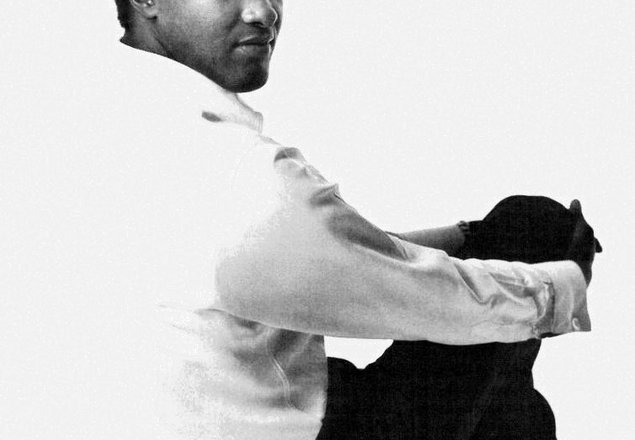
Kurt Cobain's Heroin Level
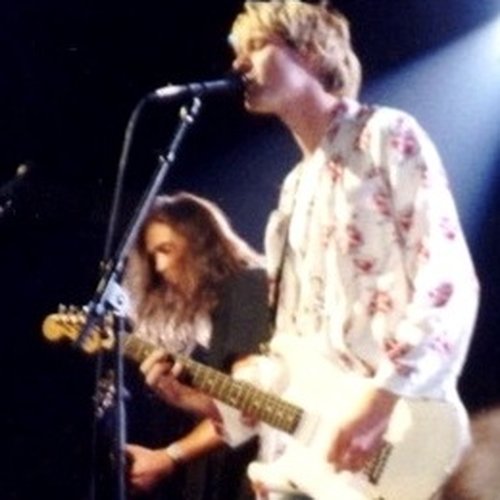
The Seattle medical examiner found three times a lethal dose of morphine in Kurt Cobain's blood, and Generation X has been arguing about it ever since.
Kurt Cobain was found dead at his Lake Washington home on April 8, 1994. The Seattle-King County medical examiner ruled suicide by shotgun. The autopsy recorded 1.52 milligrams per litre of morphine in his blood, the metabolite of heroin. That number is the fragment. It is, on most medical scales, three times the concentration considered lethal in opioid-naive users. Private investigator Tom Grant, hired by Courtney Love in late March 1994 to find the missing Cobain, has argued from his cobaincase.com platform for thirty years that this level would have incapacitated Cobain before he could have operated the Remington Model 11 found beside him.
The fragment is genuine. The complications are also genuine. Cobain's tolerance was extraordinary. Courtney Love stated, on the record, that she had seen him "close to death from heroin overdoses on more than a dozen occasions." Charles Cross interviewed more than four hundred people for his 2001 biography Heavier Than Heaven and found that Cobain's regular use had reached a level where doses fatal to others were survivable for him. Tolerance physiology is not unlimited, but it complicates the simple multiplier of "three times lethal."
Cobain had attempted suicide in Rome on March 4, 1994 with Rohypnol and champagne. Love later stated the attempt was intentional. Cobain asked a friend to buy him a shotgun on March 30. He escaped a Los Angeles rehab facility on April 1. The suicide note addressed to "Boddah," his childhood imaginary friend, contains language and handwriting that match his documented style. Seattle Police examined Grant's theory and did not pursue it. The body had lain undiscovered for approximately three days when an electrician found it.
What remains unresolved is the number. 1.52 mg/L is unusually high even for a tolerant user. Whether his tolerance was enough to keep him conscious and capable is a clinical question with no definitive answer, which is why this entry sits where it does.
Lineage: Three times the lethal dose in a man whose tolerance was extraordinary, a note addressed to an imaginary friend from childhood, and a body that lay for three days while the world assumed he was hiding.
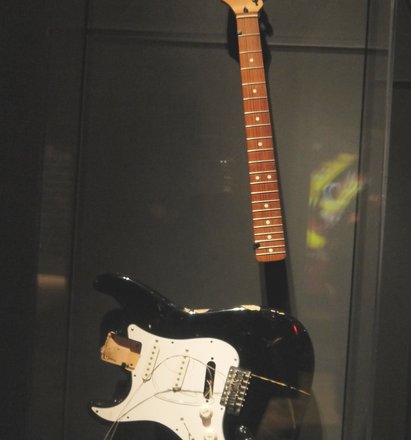
Richey Edwards and the Severn Bridge Timestamp
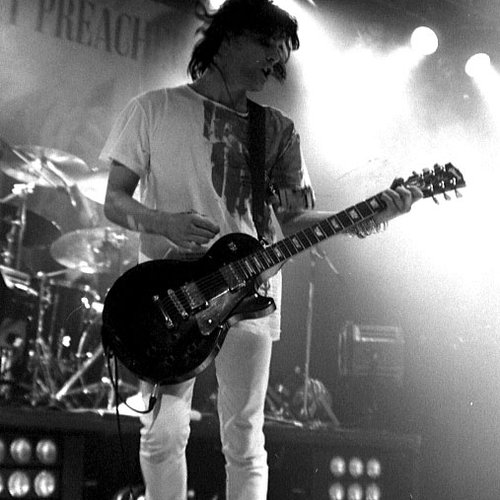
Richey Edwards checked out of the Embassy Hotel in Bayswater at 7 am on February 1, 1995 and drove his Vauxhall Cavalier toward Cardiff. The car was found at the Severn View service station near the Severn Bridge on February 17. The battery was dead. There was evidence the car had been "lived in." He left his passport and his fluoxetine in his Cardiff flat. Across the two weeks before his disappearance, he had withdrawn £200 a day from his bank account, totalling £2,800. The South Wales Police missing person file remains open. The UK Coroner's Court declared him dead on November 24, 2008, "on or since 1 February 1995."
The Manic Street Preachers lyricist vanished from the Embassy Hotel in 1995, and a tollbooth timestamp the police read wrong has fed the "alive" theory for thirty years.
The fragment that detonates the established timeline is a tollbooth log. Robb Johnston and Leon Noakes documented in their 2019 book Withdrawn Traces that the Severn Bridge tollbooth timestamp of "2:55" associated with Edwards's car was originally recorded as 2:55 am, not 2:55 pm. The original software engineer confirmed it. Every police appeal for information had been targeted at the wrong window of time. Witnesses who might have seen Edwards in the dead of night were never asked.
The myth overshoots in the sightings. Goa, Fuerteventura, Lanzarote, various Welsh towns: not one has been verified. The CCTV footage from the service station was analysed two years late and was inconclusive. Edwards had a documented history of self-harm, two hospitalisations for psychiatric crisis in 1994 and had discussed suicide explicitly in interviews. The car being "lived in" reads as someone preparing to die in it just as easily as someone preparing to vanish.
What stays unresolved is the night. The police were looking in the afternoon. He crossed in the dark, alone, and the bridge between Wales and England kept what it took.
Lineage: He left the hotel at 7 am, drove to Cardiff, left his passport behind, crossed the bridge in the dark rather than the afternoon, and the car sat with a dead battery for two weeks while the police looked for him in the wrong part of the day.

Tupac and Biggie and the Corrupt LAPD
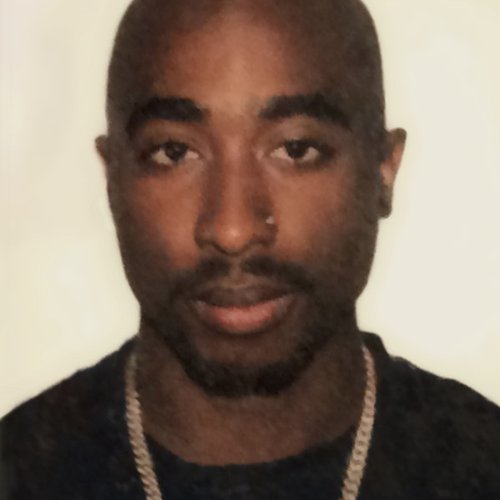
Both hip-hop murders are still officially unsolved, and the police division working them was itself rotten in exactly the right years.
LAPD officer David Mack was convicted in November 1997 and sentenced to fourteen years in federal prison for masterminding an armed robbery that netted $722,000. He was assigned to the Rampart division, which became, over the next three years, the centre of one of the largest police corruption scandals in American history. Rampart CRASH unit officers were convicted of civil rights violations, evidence planting and links to gang activity across a documented timeframe that overlaps both the Tupac killing in September 1996 and the Biggie killing in March 1997.
Retired LAPD detective Russell Poole built the corruption theory of Biggie's murder across the late 1990s, naming Mack and his associate Amir Muhammad as connected to the shooting. Randall Sullivan's 2002 book LAbyrinth compiled Poole's evidence into a single narrative. The Wallace family filed a $500 million wrongful death lawsuit against the City of Los Angeles in 2007, drawing on Poole's investigation. The suit was dismissed.
The specific Mack-killed-Biggie thread collapsed when LA Times journalist Chuck Philips found Amir Muhammad within three days of being named: he was a working mortgage broker with a current LA Times advertisement, not a hitman. The LA Times retracted the implication. Greg Kading's 2011 book Murder Rap, written by another LAPD detective, points instead at Suge Knight as the man who paid for Biggie's killing, and at Crip-affiliated gunmen for Tupac. Both murders remain officially unsolved as of this writing.
The fragment is the institutional rot. The Rampart corruption was real, was documented, and was happening exactly when these murders occurred. That is not enough to name a triggerman in either case, but it is enough to make every official statement about the investigations land as if it might be hiding something.
Lineage: The officer convicted of robbing a bank was real, the corrupt unit was real, and the detective who built the case against them was pushed off the force, but whether any of that connects to two unsolved murders in a car outside a party remains, as it has always been, an open question.
Aaliyah's Plane Was Never Going To Land
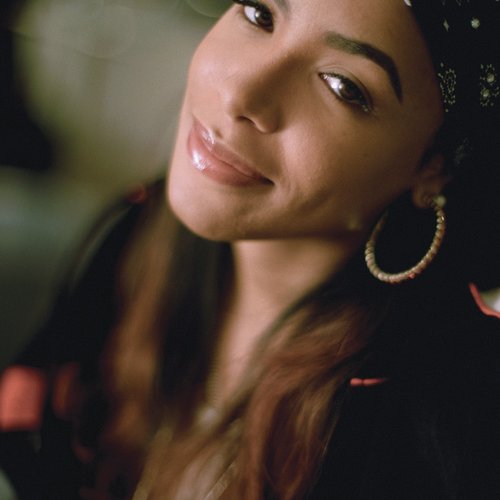
The illuminati never killed Aaliyah, a chartered Cessna that was 900 pounds over its weight limit did.
Aaliyah Dana Haughton died in the crash of a Cessna 402 just after takeoff from Marsh Harbour airport in the Bahamas on August 25, 2001. NTSB Report DCA01MA060 catalogues the cause in plain language. The aircraft was overloaded by more than 900 pounds. It was carrying one passenger more than its certified maximum. Pilot Luis Morales III had falsified hundreds of flying hours to obtain his FAA licence and was not approved to fly that aircraft type. Toxicology found cocaine and alcohol in his system at the time of the crash.
Fellow charter pilot Lewis Key told NTSB investigators on the record that he overheard Morales tell the passengers the plane was overloaded and unsafe. The passengers overrode him. Key quoted Morales: "He tried to convince them the plane was overloaded, but they insisted they had chartered the plane and they had to be in Miami Saturday night." The Bahamas coroner's inquest recorded the cause of Aaliyah's death as severe burns, a blow to the head, severe shock and a weak heart.
The illuminati version of the story holds that Damon Dash, Jay-Z, Blackground Records or some larger industry shadow killed her because she was about to leave the label. No evidence has ever connected any of those parties to the crash. The fragment that keeps the conspiracy in circulation is the negligence itself. A young pop star died because a pilot with a fake licence and cocaine in his blood gave in to the schedule. That is not a hit. It is the kind of bureaucratic failure that ends people's lives in the hundreds every year, and the kind of failure that almost never produces criminal charges.
The conspiracy version wants intent, because intent is bearable. Random commercial negligence killing nine people is harder to live with than a story where someone wanted it to happen.
Lineage: Nine people died because a pilot with cocaine in his blood and fake flying hours on his licence gave in to passengers who wanted to make a party in Miami, and the plane weighed 900 pounds more than it was rated to carry.

Pussy Riot and the Russian State
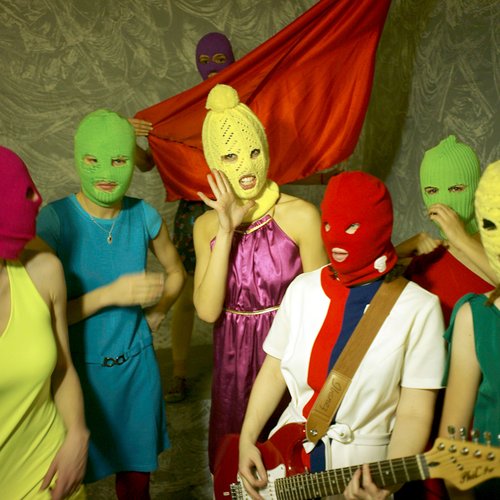
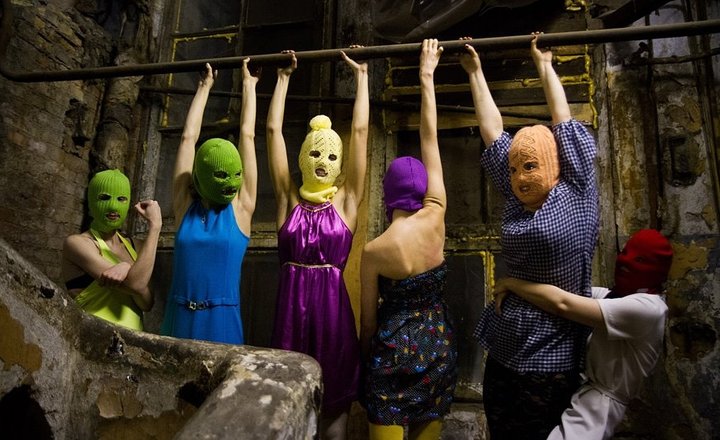
A 41-second punk prayer inside Moscow's Cathedral of Christ the Saviour produced a state suppression of music documented by Amnesty International and the European Court of Human Rights.
Maria Alyokhina, Yekaterina Samutsevich and Nadezhda Tolokonnikova performed a 41-second action inside Moscow's Cathedral of Christ the Saviour on February 21, 2012. The Russian state arrested them, tried them under Article 213 of the Russian Criminal Code, and on August 17, 2012 a Moscow court convicted them of "hooliganism motivated by religious hatred." Alyokhina and Tolokonnikova were sentenced to two years in a penal colony. Samutsevich's sentence was later suspended on appeal.
Amnesty International designated the three women prisoners of conscience on April 3, 2012, before the verdict was delivered. The European Court of Human Rights subsequently ruled that Russia had violated their rights under multiple articles of the European Convention on Human Rights. BBC Monitoring documented "almost universal condemnation" of the verdict in the worldwide press. Support flooded in from Madonna, Paul McCartney, Adele, Radiohead, Yoko Ono and Patti Smith.
This is not a conspiracy in the hidden sense. It is a conspiracy in the older sense, where institutions act in concert to suppress something they fear. The fear was a song. Forty-one seconds of women shouting at an altar produced a court case, a prison sentence and a supranational human rights ruling against the Russian state. In December 2025, the Russian Ministry of Justice escalated again, adding Pussy Riot to its list of extremist organisations. The suppression has not stopped because the song has not stopped, and the state still thinks it matters.
The court documents are public. The Amnesty designation is public. The ECHR ruling is public. Everything anyone needs to confirm this happened is on a website you can read in any browser, and it is happening still.
Lineage: Russia convicted three women of hooliganism for a 41-second song, Amnesty International called them prisoners of conscience, and the European Court of Human Rights agreed.
The PMRC Senate Hearings
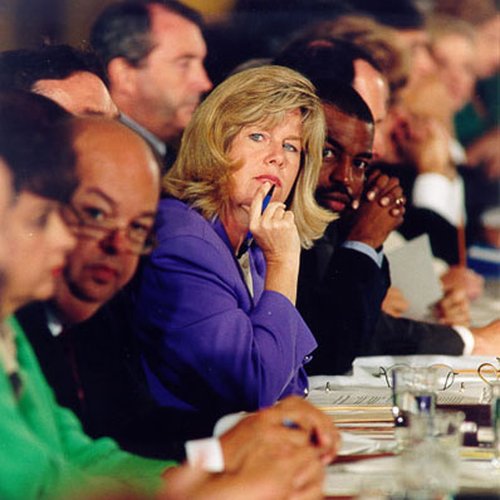
The wives of US senators convened a pressure group, the Senate Commerce Committee held hearings, and the music industry adopted the Parental Advisory sticker.
The Parents Music Resource Center was founded in May 1985 by Tipper Gore, Susan Baker, Pam Howar and Sally Nevius, all married to powerful Washington political figures. The PMRC compiled the "Filthy Fifteen," a list of fifteen songs they considered unacceptable for unsupervised teenage listening. Prince's "Darling Nikki" topped the list. Judas Priest's "Eat Me Alive" and Twisted Sister's "We're Not Gonna Take It" were on it. The US Senate Commerce Committee held formal hearings on September 19, 1985 in response.
Frank Zappa, Dee Snider and John Denver testified in opposition. Zappa's written submission has been reproduced ever since: "The PMRC proposal is an ill-conceived piece of nonsense which fails to deliver any real benefits to children, infringes the civil liberties of people who are not children, and promises to keep the courts busy for years dealing with the interpretational and enforceability problems inherent in the proposal's design." C-SPAN archived the entire hearing. The transcripts are Senate public record.
The RIAA adopted the Parental Advisory sticker as a voluntary industry standard following the hearings. The sticker is, in formal terms, not state censorship. In practical terms, the largest retailers including Walmart refused to stock albums carrying the sticker without expurgated content, which had exactly the censorship effect the PMRC was reaching for without ever needing to legislate. Tipper Gore's name became permanently associated with the campaign, and the political cost was carried in part by her husband Al Gore in subsequent campaigns.
The conspiracy reading is that the hearings were government-sanctioned censorship using political wives as proxies for direct state action. That reading is confirmed by the documented outcome. The hearings produced a labelling regime that constrained which records reached which shelves, and the legacy mark on every explicit-content album in the world is the same sticker the PMRC was lobbying for in 1985.
Lineage: The US Senate held hearings to decide whether rock music was too dangerous, and the sticker they forced onto albums ended up making every teenager want the records even more.
Wu-Tang's One-Copy Album Was Seized by the US Government
The Department of Justice took possession of a hip-hop record as part of the criminal forfeiture of America's most-hated pharmaceutical executive.
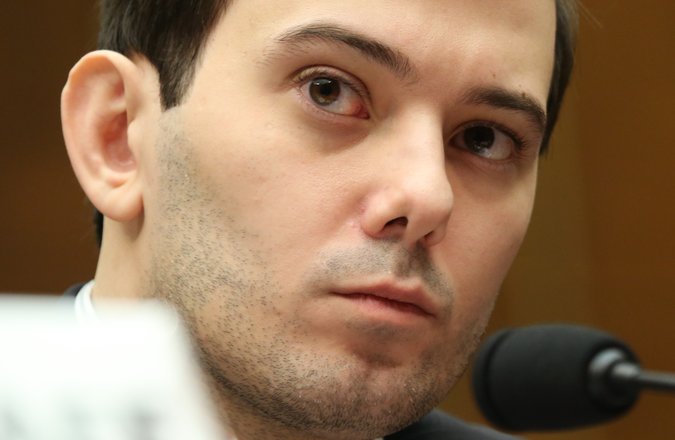
Wu-Tang Clan recorded Once Upon a Time in Shaolin between 2008 and 2013, pressing exactly one physical copy of the double album. The single copy was sold in November 2015 to pharmaceutical executive Martin Shkreli for $1.5 million, with a contract restricting any commercial release until the year 2103. That contract is on file. The Wikipedia article on the album, which draws on multiple court filings, confirms the price made it the most expensive single work of music ever sold.
Shkreli was convicted of securities fraud in the Eastern District of New York in March 2018. The Department of Justice ordered the seizure of his forfeit assets, including the Wu-Tang album. The DOJ subsequently sold the album to a corporate entity for more than $2 million to cover Shkreli's outstanding debts. That entity then sold it to PleasrDAO, a collective of non-fungible token collectors, for $4 million in July 2021.
In June 2024, Shkreli livestreamed portions of the album on X. PleasrDAO filed a lawsuit in US District Court alleging that Shkreli had retained copies in violation of the original sale agreement. That case is public record. Once Upon a Time in Shaolin has not been commercially released, has been physically located in at least three custody chains, has been subject to two federal court proceedings, and has changed hands for sums that exceed the gross receipts of most rap careers.
The conspiracy reading was always that an art object had been weaponised into a financial instrument and then a state asset. That reading is now confirmed by court order. The album exists. The government took it. It sold it. Wu-Tang made one copy, sold it to the most hated man in America, and watched the federal apparatus turn it into a tradable commodity.
Lineage: Wu-Tang made one copy of their album, sold it to the most hated man in America, the government took it as part of his criminal conviction, and it still has not been commercially released.
The Beach Boys Released a Charles Manson Song as a B-Side
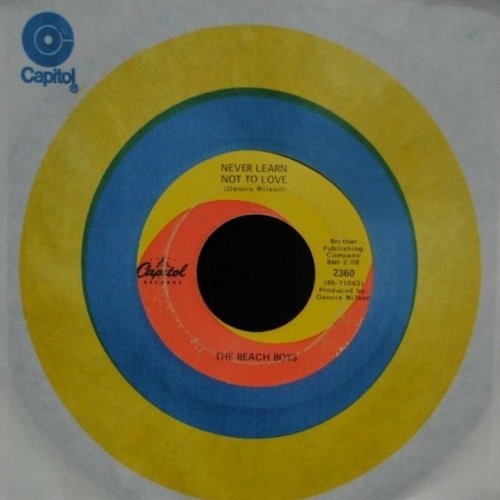
In December 1968, eight months before the Tate murders, the Beach Boys released a record co-written by Charles Manson, with his credit removed.
Dennis Wilson met Charles Manson in 1968, when Manson and his Family were living rough in Topanga Canyon. Wilson invited them to his Sunset Boulevard home, where they stayed for several months. During that period Manson wrote a song called "Cease to Exist," with Dennis Wilson specifically in mind. The Beach Boys recorded an altered version. They retitled it "Never Learn Not to Love." They released it on December 2, 1968 as the B-side to "Bluebirds Over the Mountain." Dennis Wilson is listed as the sole songwriter.
Band engineer Stephen Desper has stated on the record that the group omitted Manson's credit "as retribution for his thievery" from the household. Dennis Wilson's own account is that Manson had voluntarily exchanged his writing credit for a sum of cash and a motorcycle. Either way, Manson's name is not on the record. The original Manson recording of "Cease to Exist" was released two years later on his 1970 album Lie: The Love and Terror Cult, providing a direct A/B audio comparison.
In August 1969, Manson's followers murdered Sharon Tate and four others at 10050 Cielo Drive. Three of the killers had spent time at Dennis Wilson's home. Wilson spent the rest of his life refusing to discuss the Manson connection on camera. He drowned at thirty-nine in 1983. The connection was always too strange to be invented and the documentary trail is unambiguous: the single is on Capitol Records, the songs are on streaming services in 2026, and the Manson credit on the Beach Boys version remains erased.
This is the conspiracy that turned out to be true because nobody wanted it to be. California's sunlit harmony group released a Manson Family song eight months before the Family rewrote what California meant.
Lineage: The Beach Boys released a Charles Manson song without his credit in 1968, and nine months later Manson's followers murdered Sharon Tate.
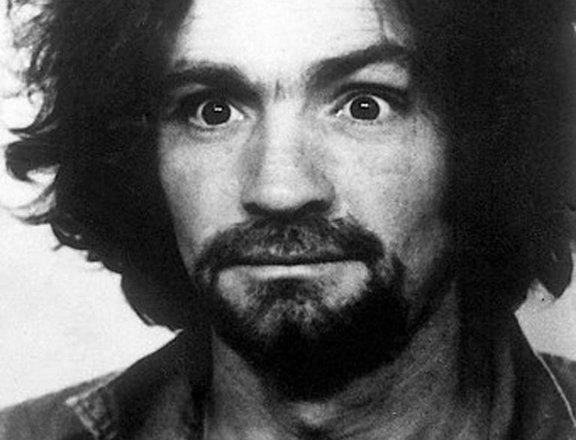
Marvin Gaye Was Shot by His Own Father
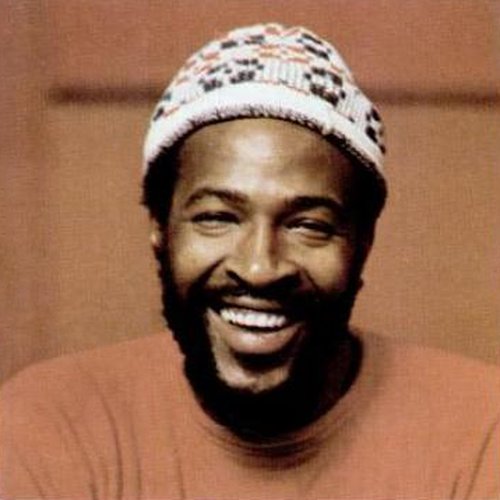
The day before his forty-fifth birthday, one of soul music's defining voices was shot dead by his father in the family home, and the judge gave the father a suspended sentence.
Marvin Gaye died on April 1, 1984 in his parents' house at 2101 South Gramercy Place, Los Angeles. He was killed by his father, Marvin Gay Sr., with a Smith and Wesson .38 revolver Marvin Jr. had bought for him months earlier. The shooting followed a physical altercation that morning. Gay Sr. fired three times. Two shots hit. The first was fatal. Marvin Gaye was forty-four, one day short of forty-five.
Marvin Gay Sr. was charged with first-degree murder. The Los Angeles County District Attorney accepted a no-contest plea to voluntary manslaughter on September 20, 1984. On November 2, 1984, Judge Gordon Ringer sentenced him to a six-year suspended sentence and five years' probation. The court accepted partial mitigation on the basis of a benign brain tumour discovered at the base of Gay Sr.'s brain during a post-arrest medical examination at County-USC Medical Center. Gay Sr. served no prison time.
The conspiracy reading is the family record. Marvin Gaye had spent decades writing about violence, war, and Black survival. His father had spent decades beating him. What's Going On (1971), one of the great anti-violence albums in American history, was made by a man whose own home was a site of regular violence. The contradiction was never hidden. Gaye himself spoke about his father in interviews. When the killing happened, anyone who had read the biography knew the gun had been waiting.
This is a court-documented homicide, not a hidden plot. It belongs in the confirmed tier because the original public framing in early news reports was confused, with some outlets suggesting drug-related causes. The full record is a father pleading no contest to killing his famous son the day before that son's birthday, and walking out of court with no time to serve.
Lineage: Marvin Gaye was killed by his father the day before his 45th birthday, his father was convicted, and the judge gave him a suspended sentence.
Jim Morrison's Father Commanded the Gulf of Tonkin Operation
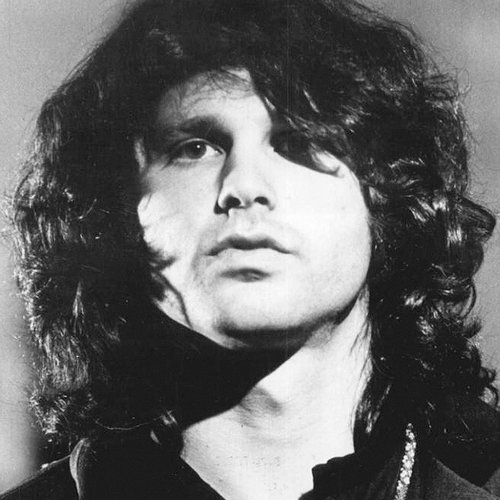
The man whose Carrier Division enabled the Vietnam War was the father of the singer who became the anti-war counterculture's defining voice.
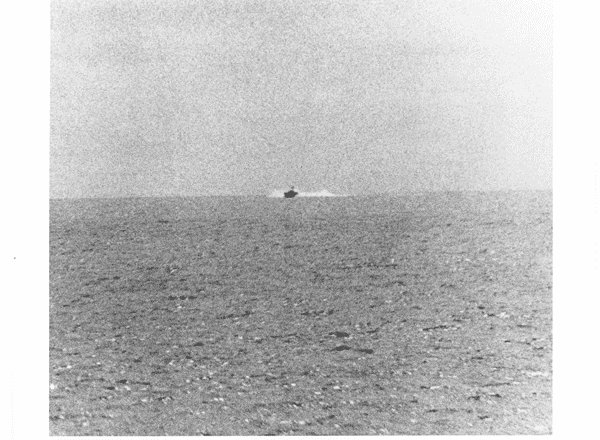
Rear Admiral George Stephen Morrison commanded US naval forces in the Gulf of Tonkin during the August 1964 incident that became the pretext for full US escalation in Vietnam. He commanded Carrier Division 9 during the events of August 2 and August 4, 1964. The Gulf of Tonkin Resolution, passed by Congress on August 7, 1964, gave President Lyndon Johnson the legal authority for the Vietnam War. Admiral Morrison's role is documented in US Navy records and in every standard account of the incident.
His son James Douglas Morrison, born December 8, 1943, was a year out of UCLA when the Gulf of Tonkin Resolution passed. He met Ray Manzarek on Venice Beach the following summer, and the Doors recorded their first album in August 1966. Jim Morrison's anti-establishment public identity, his confrontations with police in Miami, his Vietnam-era anti-war positioning, all of it sat directly on top of the family fact that his father had commanded the operation that made the war legal.
Morrison told early Doors biographers his parents were dead. They were not. He listed his next of kin as "none." His father had recently been promoted to Rear Admiral and was a serving senior officer. The biographical erasure was deliberate. He could not be the son of the Gulf of Tonkin commander and remain the singer of "The Unknown Soldier." So he picked one. Admiral Morrison spoke about this only once on record, decades later, telling an interviewer he had not understood his son's career choice at the time.
The confirmed fact is the family tree. The Vietnam War was launched by the operation Admiral Morrison commanded. The counterculture's most photographed singer of opposition to that war was his son. Both men exist in the same record, and the contradiction lived inside one bloodline for as long as Jim Morrison lived.
Lineage: Jim Morrison told the world his parents were dead, because his father had just commanded the operation that started the Vietnam War.
The Attempted Assassination of Bob Marley (December 1976)
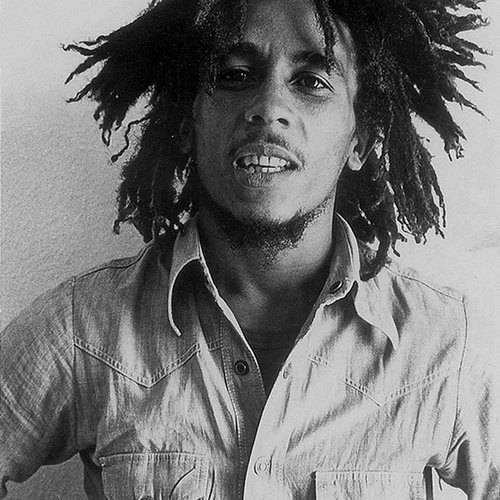
Seven armed men raided Bob Marley's home two days before the Smile Jamaica concert. The American embassy's own cable, declassified later, called it political.
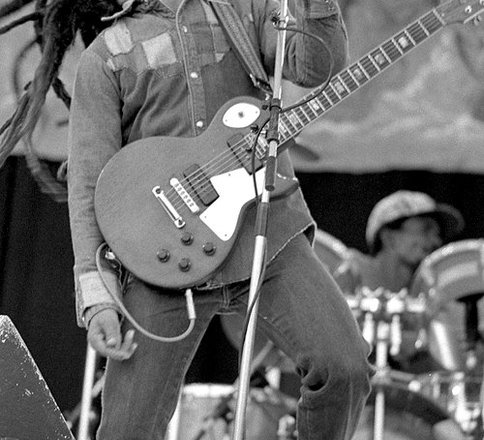
Seven gunmen entered 56 Hope Road in Kingston on the night of December 3, 1976. Bob Marley was hit in the chest and arm. His wife Rita was shot in the head. His manager Don Taylor was shot multiple times in the torso. The Smile Jamaica free concert had been organised by Marley two days later. The shooters were trying to stop the concert. All three victims survived. Marley performed at Smile Jamaica two nights after the shooting, on December 5, with the wound still in his chest, shirtless on stage.
Three men were eventually tried and executed for the shooting under Jamaican law. The American embassy in Kingston cabled Washington shortly after the attack. The cable, declassified later, was titled "Reggae Star Shot: Motive probably political" and identified the shooting as the work of JLP-affiliated gunmen attempting to halt the concert of a "politically progressive" musician. The cable is quoted at length in Timothy White's authoritative biography Catch a Fire.
Don Taylor, the manager who had been shot multiple times that night, wrote in his 1995 memoir Marley And Me that one of the convicted shooters told him before his execution that the job had been done for the CIA in exchange for cocaine and guns. That testimony is on the record. Casey Gane-McCalla's 2016 book Inside the CIA's Secret War in Jamaica documents extensive CIA operations in Jamaica during the Michael Manley government's tenure, the same period in which Marley was targeted.
The confirmed core is the shooting and the political framing. The CIA dimension sits at the level of strong corroborated testimony rather than a declassified CIA order, which is the only reason this entry doesn't climb higher. What remains undisputed is that the attempted silencing made him louder. He played the concert with the wound. He left Jamaica the next morning for fourteen months of exile in London, where he recorded Exodus, which Time later named the most important album of the twentieth century.
Lineage: Seven armed men raided Bob Marley's house to stop a concert, and he played it anyway with a bullet wound still in his chest.
The FBI Tried to Deport John Lennon on Nixon's Orders
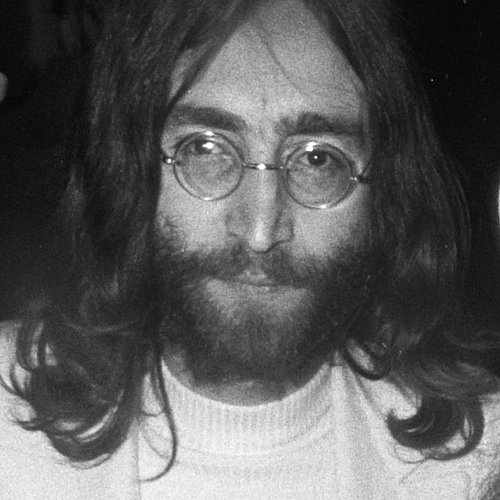
The Nixon administration weaponised US immigration law to silence John Lennon ahead of the 1972 election, and the US Court of Appeals said so on the record in 1975.
Senator Strom Thurmond wrote a confidential memo to Attorney General John Mitchell in February 1972 recommending that the deportation of John Lennon "would be a strategic counter-measure" against the anti-war movement. The memo named Lennon by name. It identified him as a political threat ahead of the upcoming Republican National Convention, where Lennon had been organising. Thurmond's memo was declassified through Freedom of Information Act litigation and is part of the public record. The Immigration and Naturalization Service began deportation proceedings against Lennon weeks later, citing his 1968 UK cannabis conviction as the legal hook.
Academic Jon Wiener filed his original FOIA request for the Lennon files in 1981. The FBI fought him for twenty-five years. The final batch of documents was released in 2006, the same year David Leaf and John Scheinfeld released the documentary The U.S. vs. John Lennon. Wiener's book Gimme Some Truth: The John Lennon FBI Files documents the entire campaign of surveillance and harassment, including FBI agents attending Lennon's concerts and tracking his political organising.
The case ended on October 8, 1975, when the US Court of Appeals barred the deportation. The court wrote, in its own published ruling, that "the courts will not condone selective deportation based upon secret political grounds." That is the federal judiciary confirming, in writing, that the deportation attempt had been politically motivated. The FBI's John Lennon vault remains accessible at vault.fbi.gov/john-lennon.
The conspiracy reading is the obvious one. The Nixon White House used the immigration system against a rock musician because it was afraid of his songs. That reading is confirmed by Thurmond's own memo, by the FBI's own surveillance files, and by the US Court of Appeals's own finding. There is no version of this story where the government acted in good faith.
Lineage: The courts confirmed in writing what the FBI files confirmed in practice: the most famous rock star in the world was surveilled and targeted for deportation because Richard Nixon was scared of his songs.
MKUltra and the Counterculture
The CIA gave Ken Kesey his first dose of LSD in a federally funded experiment, and he spent the rest of his life handing it out to everyone else.
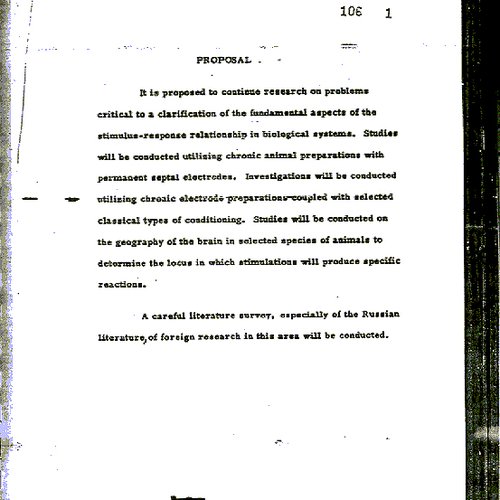
The Central Intelligence Agency ran a classified human experimentation programme called MKUltra from 1953 to 1973. The programme administered LSD and other psychoactive drugs to civilian and military subjects without their informed consent, conducted electroshock and sensory deprivation trials, and attempted to develop interrogation and mind-control techniques. CIA director Richard Helms ordered the destruction of all MKUltra files in 1973. The Church Committee, formally the Senate Select Committee to Study Governmental Operations with Respect to Intelligence Activities, exposed the programme to the American public in 1975.
A 1977 Freedom of Information Act request by journalist John Marks recovered approximately 20,000 surviving MKUltra documents. The documents are catalogued in the CIA's FOIA reading room. The Senate held its own hearings in 1977. Further documents were declassified in 2001. The programme is real, the experiments are documented, and the CIA has acknowledged the programme's existence as historical fact.
The music history connection runs through Ken Kesey. The author of One Flew Over the Cuckoo's Nest received his first dose of LSD as a paid volunteer in an MKUltra-affiliated experiment at the Menlo Park Veterans Hospital in 1959. Kesey kept taking LSD after the experiment ended, founded the Merry Pranksters, hosted the Acid Tests where the Grateful Dead became the Grateful Dead, and effectively seeded the West Coast psychedelic counterculture with the same compound the CIA had handed him in a clinical setting. That pipeline is not metaphor. It is the documented path from a federal lab to a Trips Festival stage.
The conspiracy overshoot is the David McGowan version, where the entire 1960s Laurel Canyon music scene was a deliberate CIA operation routed through the Lookout Mountain Air Force Station. That extended claim is speculative and has no primary-source documentation. What is confirmed is enough on its own. The CIA ran an illegal experimentation programme that handed LSD to civilians, and one of those civilians was the man who later put it in the punch bowl at the founding events of psychedelic rock.
Lineage: The CIA gave Ken Kesey his first dose of LSD in a government experiment, and Kesey spent the rest of his life handing it to everyone else.
The CIA, the Contras, and the Crack Cocaine Explosion (Gary Webb)
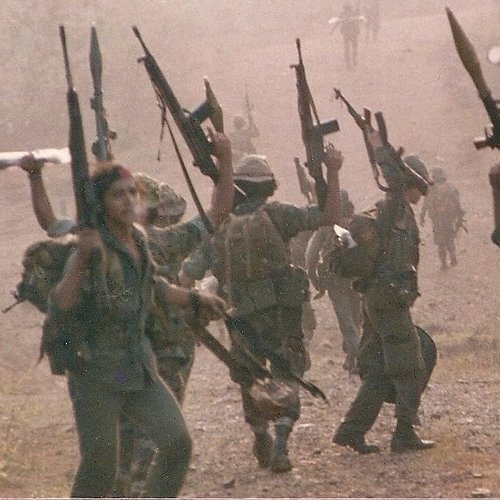
A US Senate committee found that the State Department paid known drug traffickers with money authorised by Congress, and a CIA Inspector General confirmed the agency shielded those networks from prosecution.
The Kerry Committee, formally the Senate Foreign Relations Subcommittee on Terrorism, Narcotics, and International Operations, ran from 1986 to 1989 under Senator John Kerry. The committee's 1989 report concluded, in language quoted on the public record, that "Contra drug links included payments to drug traffickers by the U.S. State Department of funds authorized by Congress for humanitarian assistance to the Contras, in some cases after the traffickers had been indicted by federal law enforcement agencies on drug charges." That sentence appears in a US Senate document. It is not allegation. It is finding.
San Jose Mercury News journalist Gary Webb published the "Dark Alliance" series across August 18, 19 and 20, 1996. Webb reported that CIA-backed Nicaraguan Contra rebels had moved cocaine into Los Angeles in volumes that helped seed the crack epidemic, and that the drug proceeds funded covert Contra operations. The mainstream press destroyed him. The Los Angeles Times, the New York Times and the Washington Post ran extended attacks across late 1996 and 1997, focusing on the strongest version of his thesis rather than its documented core. Webb's career ended. He died by apparent suicide in 2004.
In 1998, the CIA Inspector General released a report acknowledging that the agency had been "at least aware of Contra involvement in drug trafficking, and in some cases dissuaded the DEA and other agencies from investigating the Contra supply networks involved." That is the Central Intelligence Agency's own internal report confirming that it shielded drug traffickers from federal investigation. The CIA Inspector General is not Gary Webb. The Senate Foreign Relations Committee is not Gary Webb. Both reached findings consistent with Webb's core reporting before his career was buried.
The strongest version of the claim, that the CIA directed the crack epidemic to fund Contra operations, remains disputed. Three federal investigations found no evidence of a directed programme. What is confirmed is the institutional core. Congress paid drug traffickers with taxpayer money. The CIA blocked DEA investigations into those traffickers. Maxine Waters wrote the introduction to Webb's expanded 1998 book. Kill the Messenger came out in 2014, after he was already dead. The reporting outlived the reporter, and the government documents outlived the smears.
Lineage: The Senate found that the State Department paid known drug traffickers with money authorised by Congress, and the CIA Inspector General confirmed the agency protected those networks from prosecution.
The list goes one way. Bottom to top, fans to states. At the bottom, you find the games. Pink Floyd never scored The Wizard of Oz. Led Zeppelin never recorded a satanic message in the runout groove. Elvis is not at a Burger King, Tupac is not in Cuba, Paul is not dead. Those stories survive because they are pleasurable, because they let listeners feel they have decoded something, and because the artists themselves are big enough to carry the projection. The fan does the work. The mythology fills the space the music alone cannot reach.
The middle is where the genre changes weight. Brian Jones drowned in his own pool, Hank Williams was being slow-poisoned by a forger, Robert Johnson died in three days of unattended agony, Sam Cooke ended in a motel office with a body that no autopsy could square. Each of those entries holds a fragment of documented truth surrounded by a much larger reach. The fragment is the bit that haunts. It is the inadequate police report, the death certificate with no cause, the body the family saw at the wake. The myth grows in the gap because the system that should have investigated did not, or could not, or had no reason to. The Cobain heroin level, the Severn Bridge timestamp, the Rampart corruption around Tupac and Biggie, the overloaded plane that killed Aaliyah, the Lou Pearlman fortune that fed on two boy bands. These are the conspiracies that move on a sliding scale of negligence, prejudice and quiet protection, and they do not become tinfoil simply because the larger story has been embellished. The fragment is real. The fragment is the lesson.
At the top, the conspiracies are confirmed and they are systematic. The FBI ran a deportation case against John Lennon because Richard Nixon was scared of a concert tour. The CIA fed LSD to a young Ken Kesey who handed it on to the Grateful Dead. The Beach Boys released a Charles Manson composition eight months before the Tate murders. Bob Marley was shot in his own house by gunmen the US embassy itself thought were working for the JLP, with the strongest first-hand testimony pointing further toward Langley. Marvin Gaye was killed by his father, who walked free. Jim Morrison's father commanded the operation that started the war the son built his identity opposing. Pussy Riot were jailed by the Russian state for forty-one seconds of song. Wu-Tang's album was seized by the Department of Justice. The PMRC put a sticker on every album in the country. The Kerry Committee and the CIA Inspector General both confirmed that the United States paid drug traffickers with congressional money and then blocked the DEA from going after them.
That is the arc and the point. The deeper you go, the truer the conspiracies get. The bottom of the list is folklore. The top of the list is foreign policy. What music history demands of its listeners is the ability to hold both at once, to enjoy the game of Paul Is Dead and still understand that the same century that produced that game also produced state operations against the artists who made it. The records survive. The court documents survive. The dossier is open in a browser tab on a Tuesday night, and most of what your parents called paranoia turns out to have a paper trail.

Loading comments…