Twenty-five diss tracks ranked by how much they actually buried the target. Receipts beat punchlines. Chart data, label collapses, peer testimony. The art is in WHAT you say. The damage is in CAN YOU PROVE IT.
Hip-hop beef is the genre's oldest art form. Every other genre treats criticism as journalism. Hip-hop treats it as production. The diss track is a song that does the work of a Pitchfork review and a defamation suit in the same three-minute window, and the best ones live or die by whether the listener walks away believing the receipt count.
The list runs from 25 to 1, sorted by what the diss actually did to the target. The bottom seven entries are iconic but inconclusive. The targets were unbothered. The records still live in fan canon because the bars hit, the spectacle was unforgettable, or the moment captured something true about the genre even if it never buried anyone. Tier label: ICONIC.
The middle ten reset the conversation. The target survived commercially but the rap landscape did not. New language entered hip-hop's vocabulary. Old hierarchies fell. The Pulitzer beef of 2024 sits in this band, alongside Jay-Z and Nas trading the East Coast crown in 2001 and Wiley naming the genre he had just invented. Tier label: GAME RESET.
The top eight are surgical kills. The target's career either ended on impact or never recovered to its pre-diss trajectory five years later. Murder Inc. dissolved. Eazy-E's cultural standing inside hip-hop never came back. MC Shan spent forty years correcting a misreading that KRS-One had already turned into the genre's founding scripture. Tier label: BURIED.
The Greatest Cosplay Diss in History
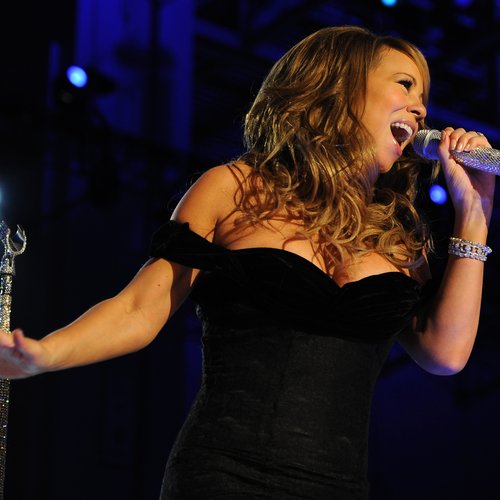
Mariah Carey put on a fat suit and a fake beard to answer one of rap's most precise insulters, and nobody got hurt.
Mariah Carey's "Obsessed" arrived in July 2009 on Island Def Jam, a direct response to seven years of Eminem claiming a sexual relationship she insisted had never happened. The single peaked at number seven on the Billboard Hot 100. Its video, shot by Brett Ratner, featured Mariah herself in prosthetic facial hair and a hoodie, playing a creepy fan who would not let her alone. The cosplay was the entire argument.
Eminem had spent "Superman" in 2002 and "Bagpipes from Baghdad" in 2009 escalating the same claim. His response to "Obsessed," a free download called "The Warning," dropped voicemail audio he said proved the relationship. The track circulated millions of times without ever charting. Genius still hosts deep annotation threads on both records, and fifteen years later the consensus reading is that nobody won and nobody lost.
"Obsessed" is iconic because of the audacity, not the damage. Mariah's Memoirs of an Imperfect Angel sold around 230,000 copies in its first week, a decline traceable to the album cycle that began with Glitter in 2001 and not to anything Eminem said. Relapse and Recovery charted strongly through 2010. Two careers passed through the feud and came out the other side intact.
The cosplay still matters because it expanded the format. A female pop artist not primarily identified with rap had taken on one of the genre's most technically vicious lyricists using costume and choreography in place of bars, and the visual entered the cultural memory faster than the verses. Taylor Swift's "Look What You Made Me Do" and Cardi B's Nicki Minaj feud both operate downstream of what Mariah built in that fake beard.
---
Lineage: Mariah opened a lane for pop artists to fight rap battles on their own visual terms, and the genre has been answering her ever since.
The CNN Snitch Charge That Bounced Off

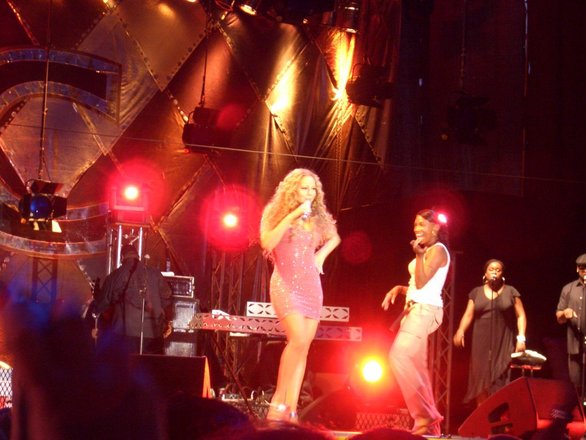
Cam'ron used the most serious accusation in hip-hop's playbook against Jay-Z, and Jay-Z responded by selling a million records.
Cam'ron's "You Gotta Love It" appeared on Killa Season in May 2006, the Diplomats founder taking direct shots at a man who had brought him into Roc-A-Fella three years earlier. The track listed specific industry maneuvers, accused Jay of soft business practices, and questioned his credibility in terms designed to land hardest with New York audiences. The diss itself sold modestly. What followed sold the story.
Anderson Cooper sat down with Cam'ron later that year on CNN's 60 Minutes. Cam stated on camera that he would not cooperate with police even to identify a serial killer living next door, then applied the "Stop Snitchin'" code to Jay-Z by implication. It was the most serious public accusation a rapper could make against another rapper in 2006, and it ran on prime-time American television.
Jay-Z released Kingdom Come six months later and watched it debut at number one on the Billboard 200. American Gangster followed in 2007, also at number one. The Blueprint 3 in 2009, also at number one. He never recorded a dedicated Cam'ron response track, which read as calculated dismissal: answering would have elevated the accuser. The accusations did not stick commercially, did not stick critically, and did not stick with the public.
Cam'ron's commercial visibility declined through the late 2000s. The Dipset breakup, internal label politics, and a shifting New York rap market all contributed more than anything Jay said back. The beef is iconic for showing the limits of a character attack when the target has already crossed into cultural monument status. You cannot snitch-charge a man who owns the Brooklyn Nets.
---
Lineage: Cam'ron proved that the most damaging accusation in hip-hop bounces off if the target is already too big to hear it.
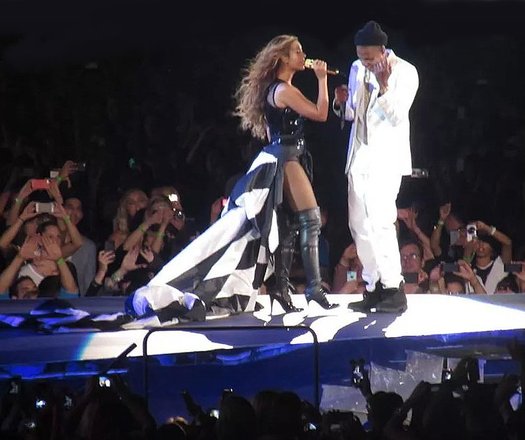
The Podcaster Who Tried to Make a Megastar Respond (2016-2018)
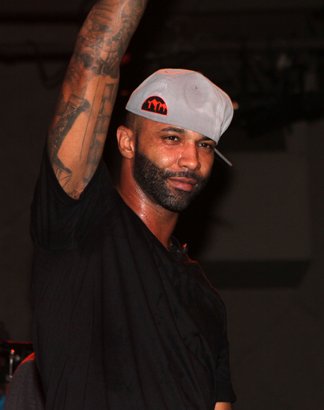
Joe Budden spent two years building a one-man media campaign against Drake, and Drake just kept breaking streaming records.
Joe Budden's "Making a Murderer Pt. 1" landed in 2017, part of an extended campaign that ran from "Afraid" in 2016 through radio interviews and podcast segments well into 2018. The platform was Everyday Struggle on Complex, Budden's daily morning show, and the strategy was sustained pressure: ghostwriting accusations, fake-persona charges, demands that Drake respond. The tracks accumulated millions of YouTube views. The podcast numbers climbed steadily.
Drake's commercial response to the campaign was More Life in March 2017, a project that debuted at number one and broke first-week streaming records. Scorpion followed in June 2018, also at number one, also breaking the streaming records More Life had set. He addressed Budden once in passing on a song reference and otherwise refused to engage at the lyrical level. The silence was the answer.
The beef's structural novelty made it a media story in its own right. Complex, XXL, and HipHopDX all covered the escalation, with several features framing it as the first hip-hop beef where podcast content functioned as a parallel diss instrument. Budden was more visible as a commentator than as a recording artist by 2017, which meant his attacks reached hip-hop-literate audiences without needing radio or streaming support to land.
The campaign proved a structural truth about modern hip-hop. A target who ignores you has not been damaged, and the attention economy rewards persistence even when no blows land. Budden built the template for retired-rapper-turned-commentator, and every podcaster running the same play since 2018 owes a debt to the two years he spent trying to make Drake look at him.
---
Lineage: Joe Budden invented a new kind of diss platform, then watched it produce no measurable damage to the only target it ever wanted.
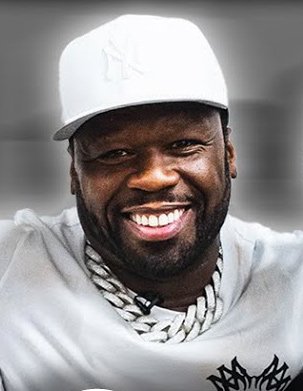
The Better Bars That Lost the Bigger Fight
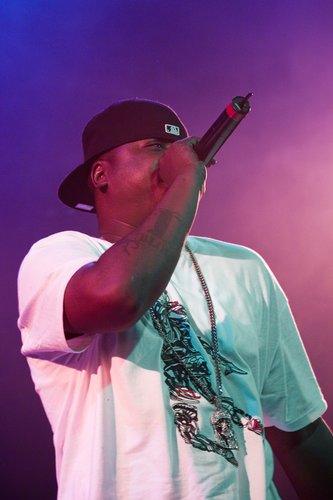
Jadakiss wrote sharper punchlines than 50 Cent in 2005 and learned that bars do not always beat budgets.
50 Cent's "Piggy Bank" arrived on The Massacre in March 2005, taking shots at Jadakiss, Fat Joe, Nas, and Shyne in the same verse as a multi-front PR strategy. Jadakiss responded with "Checkmate," a mixtape-circulated track that hip-hop forums and Genius annotators have consistently rated higher than the original on craft alone. The lyrical scoreboard ran in Jadakiss's favor. The commercial scoreboard never noticed.
50 Cent controlled the apparatus that decided which records reached mainstream ears in 2005. The Massacre sold 1.14 million copies in its first week, the third-fastest debut for any rap album at the time. G-Unit's imprint promo budget, his Hot 97 relationships, and the radio rotation he influenced gave him every advantage outside the booth. Jadakiss had won a single "Why?" to number one in 2004 and his D-Block credibility, but no infrastructure to match.
Neither artist was buried. 50 Cent's career peaked in 2003-2005 and declined after Curtis in 2007 lost the head-to-head bet against Kanye West's Graduation. Jadakiss kept releasing albums through 2015, kept touring the Northeast, kept maintaining the LOX as a working unit. The lyrical exchange settled nothing because there was nothing structural for it to settle.
The case study survives because it captures something hip-hop has never fully resolved. A technically superior lyricist beat a commercial juggernaut on pure craft, and the result changed nothing. The gap between what core fans value and what the wider market rewards has been hip-hop's quiet civil war since its first crossover hit, and "Checkmate" against "Piggy Bank" is the example hip-hop reaches for first when that gap comes up.
---
Lineage: Jadakiss had the punchlines and 50 Cent had the platform, and in the streaming era's commercial logic those things are still not equal.
The Wu-Tang Veteran Who Refused to Concede
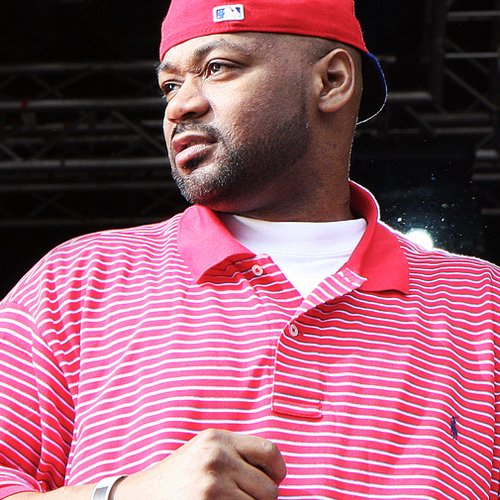
Ghostface Killah dragged G-Unit on craft alone, and 50 Cent kept selling records on radio waves Ghostface never controlled.
Ghostface Killah opened More Fish in December 2006 with "The Champ," a track that named 50 Cent and questioned G-Unit's street authenticity from the first bar. Def Jam released the album in the middle of a stretch where Ghostface had become Wu-Tang's most consistent voice while the rest of the Clan's commercial relevance faded. Pitchfork called the album "intensely personal" and placed him among the era's most reliable lyricists. The beef was an undercurrent in its critical reception, not the headline.
50 Cent responded with "I Love You More" and various radio shots, with the asymmetry of the exchange becoming its own story. The respected lyricist versus the commercial powerhouse. The Wu-Tang elder versus the G-Unit machine. Neither side controlled the other's ecosystem, which meant neither could land the decisive blow. 50's machine still owned New York radio. Ghostface's craft still owned the credibility scoreboard.
The wider G-Unit / Wu-Tang tension had multiple roots. G-Unit had signed Mobb Deep, whom the Clan felt had aligned against their interests. 50 had made dismissive comments about legacy New York artists. The generational tension between Ghostface's improvisational, street-narration aesthetic and the polished G-Unit formula was the actual subject. "The Champ" gave that tension a track to point at.
Neither career changed. Fishscale and The Big Doe Rehab followed in 2006 and 2007 to strong reviews. 50's Curtis underperformed in 2007 because Kanye outsold him in their head-to-head week, not because of anything Ghostface said. Fifteen years later, one side of that beef still gets cited in critical roundups while the other gets cited in business-of-rap textbooks, and the asymmetry remains the point.
---
Lineage: Ghostface proved that a credibility attack lands with critics but cannot dent a commercial machine running on different infrastructure.
The Final Names on the Final Track
Tupac named Biggie, Puffy, and the men he believed set him up for the Quad Studios shooting on his last album, then was dead six weeks later.
"Against All Odds" closes The Don Killuminati: The 7 Day Theory, released in November 1996 under the Makaveli alias on Death Row. Tupac Shakur had been shot dead in Las Vegas on September 13, six weeks before the album's release. The track names Biggie Smalls, Sean "Puffy" Combs, Jake "The Violator" Robles, Chino XL, and Mobb Deep's Prodigy directly, accusing them of setting up the 1994 Quad Recording Studios shooting that put five bullets into Tupac and changed his career trajectory permanently.
Makaveli debuted at number one on the Billboard 200 and has sold over five million copies in the United States per RIAA certification. The album has been the subject of academic study, multiple documentaries including Nick Broomfield's Biggie and Tupac in 2002, and decades of Genius annotation work trying to map the specific allegations against the public record. The Quad Studios responsibility question remains publicly unresolved.
Biggie's "Long Kiss Goodnight" on Life After Death might have functioned as the structural reply, but Biggie himself was killed in Los Angeles in March 1997, days before the album's full release cycle. Puffy addressed the accusations in interviews without ever recording a diss response. Chino XL had answered Tupac's earlier shots, but the posthumous nature of "Against All Odds" left him no opponent to engage. The framework of resolution collapsed inside six months because both primary combatants were dead.
The track is iconic for what it cost, not for what it landed. No career was ended by the verse because no career got to respond to it. Tupac raised the stakes of public accusation in hip-hop to an existential level by dying before the genre could finish processing the claim, and the entire East/West narrative has been measured against the unanswered question of "Against All Odds" ever since.
---
Lineage: Tupac proved that the most chilling diss in hip-hop is the one the attacker does not live long enough to defend.
The Love Letter That Started an Argument
Common wrote a love song about hip-hop in 1994, Ice Cube read it as a personal shot, and the genre has been having the same argument ever since.
"I Used to Love H.E.R." appeared on Common Sense's Resurrection in October 1994 via Relativity Records. The song personifies hip-hop as a woman the rapper fell in love with and watched get corrupted by West Coast gangsta rap and commercial compromises. The structural device gave Common plausible deniability about specific targets. Ice Cube heard it as a direct attack on his coast and his catalog.
Cube's response "Westside Slaughterhouse" arrived in 1995, recorded with WC and Mack 10 on the Friday soundtrack and Westside Connection's Bow Down album cycle. The track named Common directly and threatened him explicitly. Common answered with "The Bitch in Yoo" in 1996, matching Cube's heat without either side landing a commercial blow. Both rappers walked away with careers fully intact.
Common's trajectory through Like Water for Chocolate in 2000, Be in 2005, and Finding Forever in 2007 produced Grammy wins and acting credits in The Mindy Project, Suicide Squad, and John Wick: Chapter 2. Cube's parallel decade ran through War & Peace, the Friday franchise, the Are We There Yet? series, and N.W.A.'s induction into the Rock and Roll Hall of Fame in 2016. The personal beef faded fast. The philosophical argument never did.
Rolling Stone placed "I Used to Love H.E.R." at number fifteen on their 2023 ranked list of the greatest hip-hop songs ever, and the song remains the foundational document of every "hip-hop has sold out" conversation that has happened since. Lil Wayne's Tha Carter arc, Kendrick's "HiiiPoWeR," J. Cole's "False Prophets," and a thousand mixtape laments all work in the grammar Common wrote in 1994. The beef with Cube was real. The song's larger argument is the part that survived.
---
Lineage: Common turned a love song into a diss and gave hip-hop the language it still uses to argue with itself about authenticity.
The Verse That Killed the Magazine
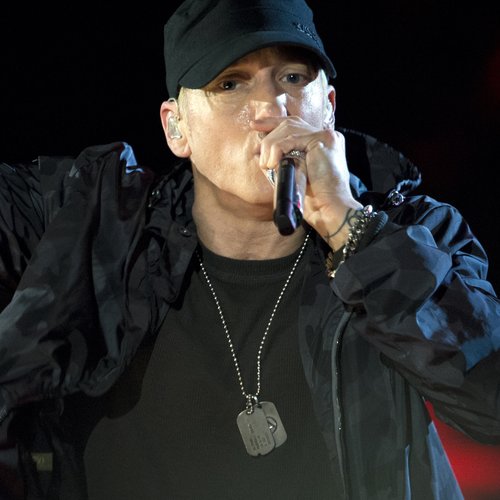
Eminem dragged Benzino on wax and the genre's most authoritative critical institution never recovered the floor.
Eminem's "Nail in the Coffin" dropped in 2003 as part of an extended campaign that included "Bully" earlier in the year. The target was Ray Benzino, co-owner of The Source magazine and a rapper whose career depended on the publication he half-owned. The Source had been hip-hop's highest critical authority since the late 1980s, its five-mic rating system functioning as the genre's canonical seal of approval. By 2003 the editorial independence behind that authority was under direct attack.
The beef escalated in February 2003 when The Source published leaked teenage Eminem recordings featuring racial slurs, framed as evidence of his unfitness for hip-hop's pantheon. Eminem's camp alleged the publication was Benzino's personal vendetta against an artist who refused to give the magazine cover-story access. "Nail in the Coffin" pulled the apparatus apart line by line, painting Benzino as a self-promoter using the magazine as a personal label.
The Source's decline tracked the beef in real time. Circulation fell from a 1990s peak around 500,000 readers to a fraction of that by the late 2000s. The magazine filed for bankruptcy in 2009. Complex and XXL filled the critical vacuum. The New York Times, Ad Age, and Billboard all covered the collapse as a story about institutional credibility, not a music-industry footnote. Benzino's own rap career never landed a charting single.
Neither Benzino nor The Source was technically buried. He continued through reality television on Love and Hip Hop. The magazine still publishes online. But the cultural reset was complete: hip-hop's critical authority left the print-magazine model and never came back. Pitchfork, Complex, XXL, and eventually streaming-data dashboards filled the floor, and the genre stopped needing a single institution to tell it what was classic.
---
Lineage: Eminem proved that an artist could attack the gatekeepers and win, and hip-hop journalism has been distributed across the open internet ever since.

The Robbery Letter Disguised as a Resume
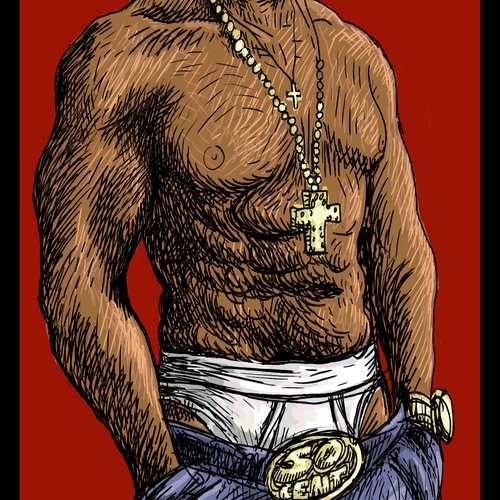
50 Cent named thirty rappers he claimed he would rob, and the audacity got him a Columbia deal, a shooting, and an empire.
"How to Rob" appeared in 1999 as 50 Cent's first major-label-orbit single, produced by Deric "D-Dot" Angelettie and circulated on mixtapes before its commercial release. The track names roughly thirty hip-hop and R&B figures: Jay-Z, DMX, Nas, Missy Elliott, Foxy Brown, Whitney Houston, Ghostface, Keith Sweat, and beyond. Each gets one or two lines specifying how 50 would rob them. The target is not any single name on the list; it is the entire industry's assumption of untouchability.
Columbia Records signed 50 shortly after the track started moving. Every named act faced the choice of responding or letting it slide. Jay-Z answered briefly on "So Ghetto" from Vol. 3: Life and Times of S. Carter in 1999. DMX reacted publicly. Ghostface, Big Pun, Wyclef Jean, and others all addressed the track in some form. Thirty established artists discussing an unsigned Queens rapper was 50 Cent's leverage made visible.
The track established what the FADER and XXL retrospectives have since called the "positioning diss," a strategy where the point is the attacker's own status announcement, not damage to any specific target. Kendrick Lamar's verse on Big Sean's "Control" in 2013, in which he called out a dozen rappers by name without prior beef, sits in the lineage 50 invented. No named target on "How to Rob" was buried. The whole premise was that 50 was not yet powerful enough to bury anyone.
50 was shot nine times outside his grandmother's Queens home in May 2000, an incident widely connected to enemies the track had generated. Get Rich or Die Tryin' in 2003 sold 872,000 copies in its first week, the fastest-selling debut for a rapper in SoundScan history at that point. The reset was the proof of concept: audacity could substitute for a budget if you named the right people on the same record.
---
Lineage: 50 Cent invented the positioning diss in 1999 and every unsigned rapper since has learned that being impossible to ignore beats being properly introduced.
The Prosecutor's Opening Statement
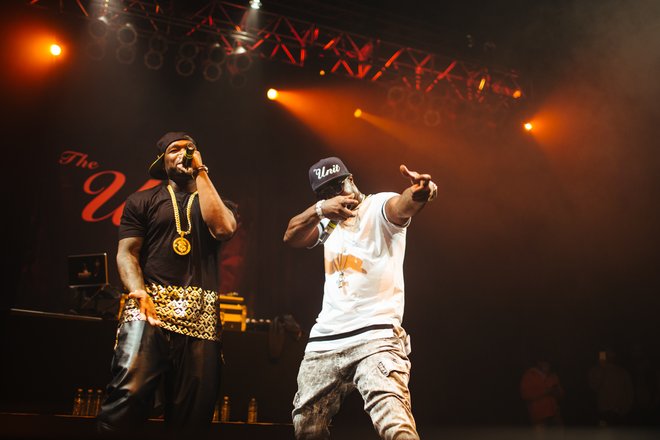
Pusha T spent 2012 staking out the territory he would use six years later to break the biggest rapper alive.
"Exodus 23:1" arrived in June 2012 on Pusha T's solo run-up to GOOD Music's Cruel Summer compilation. The biblical reference translates to "Thou shalt not raise a false report." The targets were Lil Wayne and Drake, the dominant commercial pairing in hip-hop at the time. Pusha framed them as architects of the genre's drift toward inauthentic, manufactured toughness while positioning himself as the dealer-rapper whose street metaphors traced to lived experience.
The beef's roots ran through Cash Money / Def Jam label politics and into the GOOD Music / Young Money rivalry Kanye West had been building since signing Pusha that year. Tha Carter IV had moved over a million copies in its first week in 2011, an achievement nearly impossible to repeat in the streaming era. Wayne was at his commercial peak. Drake's Take Care had positioned him as rap's emotional-confession center. Pusha walked into both of those positions with one phrase: false report.
Neither target lost commercially. Wayne continued through the 2010s. Drake became the most-streamed rapper in history. The track did not bury anyone. What it did was rebuild Pusha's profile from underground veteran into hip-hop's appointed prosecutor, a figure whose credibility came from picking apart other artists' fabrications. Pitchfork's career retrospective treats 2012 as the moment Pusha staked the territory he would still be occupying a decade later.
The reset paid off in May 2018, when Pusha released "The Story of Adidon" and broke Drake's mythmaking machine using research he had been building since "Exodus 23:1." The 2012 track was the trailer. The 2018 track was the film. Every rapper who has since gone after a target with documented receipts in place of punchlines is working downstream of the precedent Pusha established with six years of patient case-building.
---
Lineage: Pusha T filed the opening paperwork in 2012 and gave hip-hop's surgical-diss tradition its first formal prosecutor.
The Grammy-Nominated Knockout
Drake released a diss track so commercially clean it got nominated for a Grammy, and Meek Mill stopped knowing how to respond.
"Back to Back" dropped in July 2015, four days after Drake's first response track "Charged Up" and roughly a week after Meek Mill alleged on Twitter that Drake used a ghostwriter named Quentin Miller. The accusation was real. Miller's name had appeared in Drake's contract riders, and reference tracks had leaked online. The ghostwriting question was serious in hip-hop terms. Drake's response refused to take it seriously.
The track is amused, not angry. Drake mocks Meek for needing someone else to write his tweets, frames the OVO operation as bigger than Meek's entire infrastructure, and turns the ghostwriting accusation back into a discussion about Meek's relationship with Nicki Minaj. The condescension is the weapon. By the time Meek prepared his response, "Back to Back" had charted, gone platinum, and been nominated for a Grammy Award for Best Rap Song in December 2015. No diss track had ever achieved that institutional recognition while still actively circulating as a diss.
Meek's commercial trajectory cooled visibly through 2016 and 2017. Dreams and Nightmares in 2012 had been a career-defining moment, but his momentum stalled, and he became a punchline for two to three years after the beef. The streaming-era scoreboard rewarded Drake's speed: "Back to Back" landed and charted before Meek could mount a coherent reply, and the absence of that reply became the verdict.
Meek recovered with Championships in 2018, returning to platinum status and reasserting his Philadelphia institution standing through justice reform work and a sustained second commercial run. He was wounded, not buried. What changed permanently was the conversation: ghostwriting moved from disqualifying accusation to open question, streaming numbers became live beef scoreboards, and the Recording Academy treated a real-time diss as legitimate art.
---
Lineage: Drake released a diss the Grammys took seriously, and hip-hop learned that the streaming era had changed what winning a fight even meant.
The White Rapper's Warranty
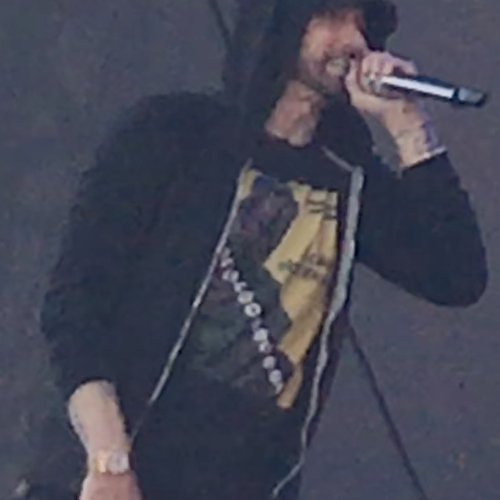
Eminem said the quiet part loud about race and rap commerce in 2002, and the conversation has been reverberating ever since.
"White America" opens The Eminem Show in May 2002, the second track on an album that sold over 7.6 million copies in the United States alone according to RIAA certification. The targets are Lynne Cheney, who had testified before Congress about rap lyrics in 2001, radio programmers, mall-chain retailers, and the post-9/11 cultural establishment's anxiety about a white rapper outselling every artist in the genre's history. Eminem argues that his race is a commercial advantage and an authenticity tax simultaneously.
The Marshall Mathers LP had sold 1.76 million copies in its first week in 2000, the record for a solo artist at the time. Congress held hearings on rap lyrics in 2001 citing Eminem specifically. The PMRC-era debates about rap content had returned to mainstream politics for the first time in fifteen years, and Eminem's commercial scale made the conversation unavoidable. "White America" makes the racial subtext of that debate explicit, naming his whiteness as the reason the records reached suburban malls his Black peers could not.
The track entered academic literature on race and hip-hop commerce. Bakari Kitwana's Why White Kids Love Hip-Hop in 2005 cites the moment. Michael Eric Dyson's essays on Eminem reference its argument. The Source's 2003 publication of the teenage racial-slur recordings functioned partly as a delayed reaction to the terms "White America" had reset. The weapon the magazine deployed assumed a debate Eminem had already moved.
No individual target was buried by the song. Lynne Cheney continued as a political figure. The Source continued publishing. The culture war around rap and race continued. The reset was to the terms of the debate itself: hip-hop now had a track in its canon that made the race-and-commerce conversation explicit instead of coded, and every subsequent argument about white rappers from Macklemore to MGK has been measured against the framework Eminem laid down in 2002.
---
Lineage: Eminem named the racial dynamic in rap commerce on a six-times-platinum album and the genre has never been able to unname it.
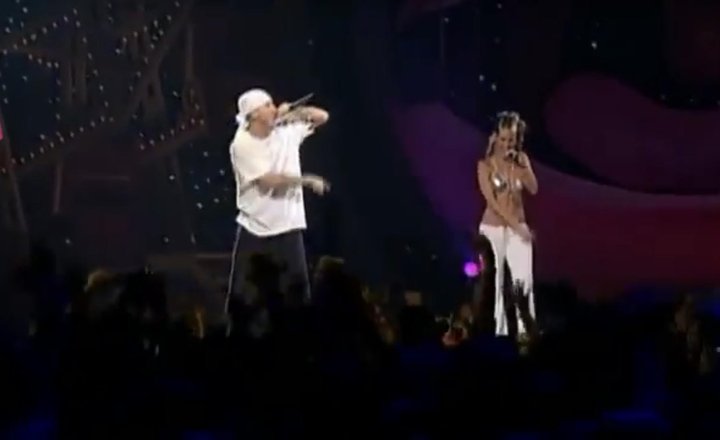
The Genre That Named Itself
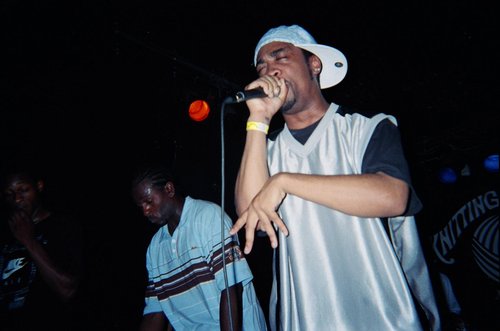
Wiley released a track in 2004 that asked an open question on East London pirate radio and answered it for the next twenty years.
"Wot Do U Call It?" dropped in 2004 on XL Recordings, Wiley's first major-label single after two years of Eskibeat instrumentals built on Roland sequencers, video-game samples, and the colder, more arrhythmic rhythms that East London pirate stations had been broadcasting since 2002. The target is not a person. The target is the taxonomic confusion of a sound that had outgrown UK garage and not yet been allowed to call itself something else.
UK garage had been Britain's biggest urban export in the late 1990s. Craig David had crossed into global pop. So Solid Crew had a number-one single. The hard, minimal, video-game-influenced offshoot from Bow E3 had no name in mainstream press coverage, only labels like "8-bar," "sublow," and "eskibeat." Wiley refused to wait for the establishment to grant the genre a title. The track formalised his claim to define the terms.
BBC Radio 1Xtra, launched in 2002 specifically to cover UK urban music, played "Wot Do U Call It?" extensively. The Guardian's Alexis Petridis covered the emerging scene through 2004 and 2005, consistently identifying Wiley as the genre's architect. DJ Target's Grime Kids in 2018 treats the track as a founding document. The BBC's grime-at-twenty retrospective in 2022 made the same call. Craig David and So Solid kept their careers; the idea that grime was a subgenre of garage did not.
The reset was permanent. Grime spent the next fifteen years proving Wiley right by becoming itself, picking up Stormzy as its mainstream representative and Skepta as its Mercury Prize winner. The track did not bury anyone in the UK garage establishment. What it did was end a genre's identity crisis by writing the verdict into wax, and British hip-hop has been operating under that verdict ever since.
---
Lineage: Wiley asked the question on record and answered it himself, and every grime track released since has been part of his response.
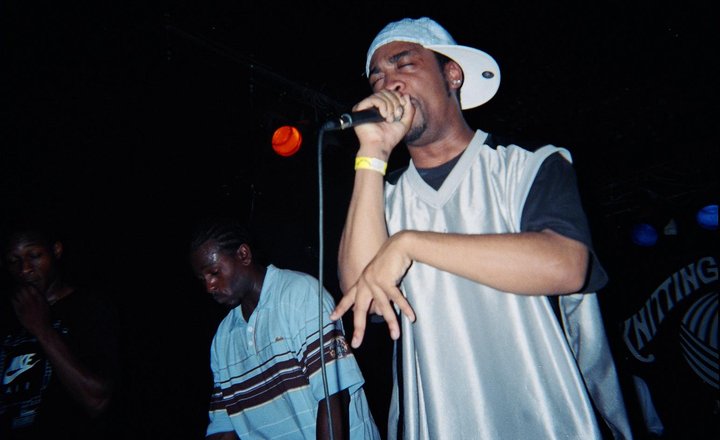
The Generational Handover
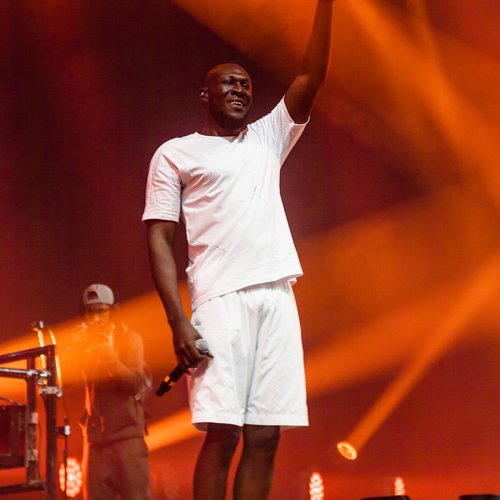
Stormzy answered Wiley not with rage but with disappointment, and the keys to UK grime changed hands inside one verse.
"Disappointed" landed in July 2020, a Stormzy solo single recorded inside a week and released through his Merky Records imprint. The target is Wiley, the Godfather of Grime, who had spent 2019 and 2020 escalating from industry-grievance complaints into a series of social media posts that included antisemitic statements serious enough to trigger a Metropolitan Police investigation, Twitter and Instagram suspensions, and condemnation from the UK Board of Deputies and Home Secretary Priti Patel.
The mainstream press response made Wiley's situation an emergency. The BBC, The Guardian, The Times, and The Independent all covered the antisemitism story as front-page national news, not just music press. Stormzy's response could have matched fury with fury and amplified the chaos. Instead it chose a measured, sorrowful tone: disappointed, not enraged. The track positioned Stormzy as grime's responsible inheritor and Wiley as a man who had broken his own legacy.
Critical reception cemented the framing. Pitchfork, The Guardian, NME, and Loud and Quiet all praised the emotional intelligence of the response. An angry verse would have handed Wiley the chaotic energy he was generating. A sorrowful one took it away. Stormzy had already headlined Glastonbury's Pyramid Stage in 2019 as the first solo Black British artist to do so, and Heavy Is the Head had gone platinum the same year. The platform he answered from was the platform Wiley's foundation had built.
Wiley continued releasing music after 2020 but his mainstream platform collapsed substantially, primarily under the weight of the antisemitism controversy, not Stormzy's response. He retains the Godfather title inside the grime ecosystem. What changed permanently was the hierarchy of the scene: the man who named the genre no longer spoke for it, and Stormzy's two-syllable choice of word told the UK who held the keys.
---
Lineage: Stormzy said he was disappointed instead of angry, and that single word completed UK grime's generational handover.
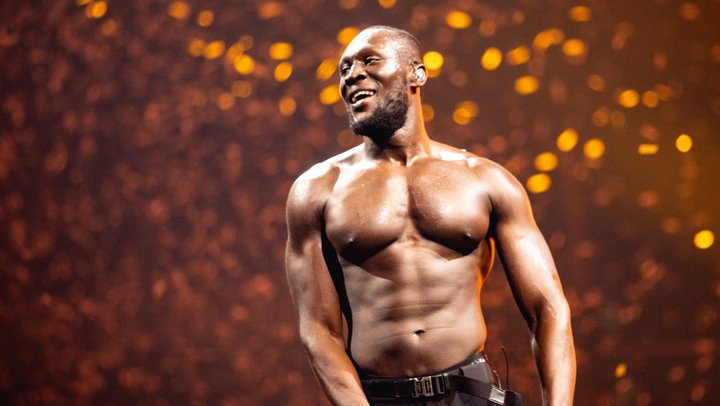
The Word That Became a Verb
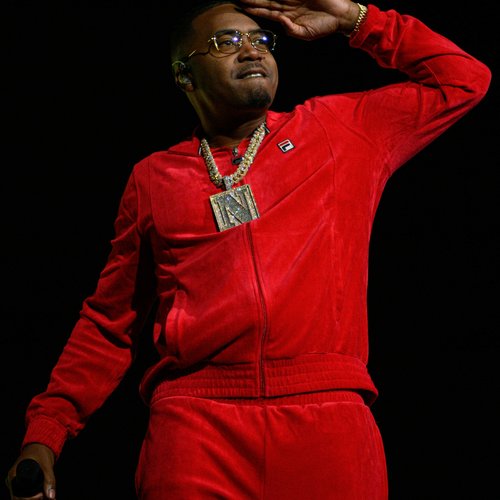
Nas wrote a word into the hip-hop dictionary with one track, and every diss since has been measured against it.
"Ether" arrived on Nas's Stillmatic in December 2001, premiered by Hot 97's Angie Martinez to a New York City listening audience that called in real-time verdicts in Nas's favor. The track answers Jay-Z's "The Takeover," released three months earlier, with a character assassination, not a legal brief. The chorus repeats "fuck Jay-Z" as refrain. The verses accuse Jay of biting Big L, AZ, and Biggie; opportunism after Biggie's 1997 murder; and a slick-talking corporate persona covering an empty original voice.
The technical structure is the inverse of what Jay had built. Jay laid out receipts as if presenting a case. Nas attacks character. The two approaches became hip-hop's defining diss-track methodologies, and the debate over which is more legitimate has run through every subsequent major beef. Jay-Z's response on "Super Ugly" landed softer and was pulled at his mother's request, a detail that became part of the "Ether won" narrative.
The single biggest cultural artifact is the word itself. "To ether someone" entered hip-hop vocabulary as a verb meaning to destroy a target so completely in a diss that the wound stays permanently visible. The neologism appears in academic hip-hop writing including Jeff Chang's Can't Stop Won't Stop and Tricia Rose's The Hip Hop Wars, in journalism from the Village Voice to The FADER, and in the lyrics of artists working a decade after the original moment. No diss before or since has minted a working verb.
Jay-Z went on to become a billionaire. The Blueprint, already in stores when "Ether" dropped, remains canonical. The Blueprint 2, The Black Album, Kingdom Come, American Gangster, and Watch the Throne all followed. He was not buried. Stillmatic reinvigorated Nas's career, which had stalled since It Was Written in 1996, and pushed him back into the conversation about hip-hop's greatest lyricists. The reset was permanent: hip-hop now measured diss tracks against "Ether" the way it measured albums against Illmatic.
---
Lineage: Nas turned a noun into a verb on one track, and hip-hop has been measuring its own kill shots against that verb ever since.
The Legal Brief in Bar Form
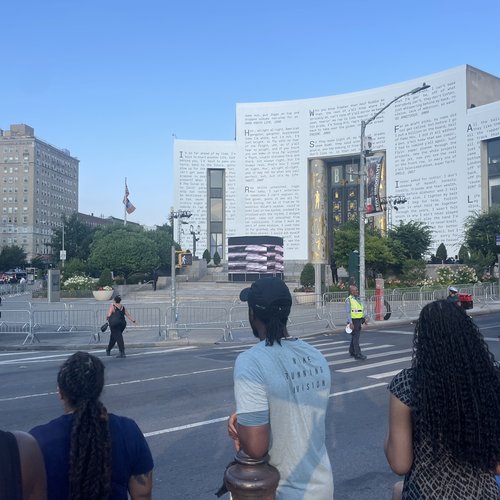
Jay-Z filed a legal brief against Nas where every other rapper was writing threats, and hip-hop has been doing its homework in the booth ever since.
"The Takeover" appeared on The Blueprint in September 2001, released on the day of the World Trade Center attacks and still selling triple-platinum. Jay-Z's verse against Nas arrived two-thirds of the way through the track, after dispatching Prodigy of Mobb Deep with a slideshow of childhood ballet photos. Nas got dropped in like an afterthought, which was the insult: positioning rap's purest lyricist beside a man Jay had already finished was downward placement masquerading as parity.
The structural innovation is the receipts. Jay listed Nas's discography deficits: only two classic albums in a decade by his count, timeline discrepancies, missed mixtape contributions, a Queensbridge mythology built on a fraction of the catalog that Jay's Brooklyn output had produced. Where every diss before had attacked character or skill, "The Takeover" built a case file. Sales figures, album counts, year-by-year comparisons. The format was an A&R memo rendered as a verse.
Pusha T's "The Story of Adidon" in 2018 and Kendrick's "Meet the Grahams" in 2024 both owe their structure to what Jay built in 2001. The receipts-based diss became hip-hop's gold standard. Rolling Stone, Complex, Pitchfork, and the FADER all treat "The Takeover" as the template document for the modern surgical kill shot. The Hot 97 listener poll in 2001 declared Nas the winner of the overall exchange, a result Jay-Z later acknowledged in interviews.
Jay's career was not buried by the loss. The Blueprint remains canonical. The Black Album followed in 2003. Roc Nation, Tidal, the Brooklyn Nets, and billionaire status all followed. The reset was to the format itself: hip-hop now expected its diss tracks to do the research before swinging, and the artists who refused to play that way found themselves outflanked by opponents who had brought paperwork.
---
Lineage: Jay-Z made the diss track a courtroom document, and the form has been doing its homework before swinging ever since.
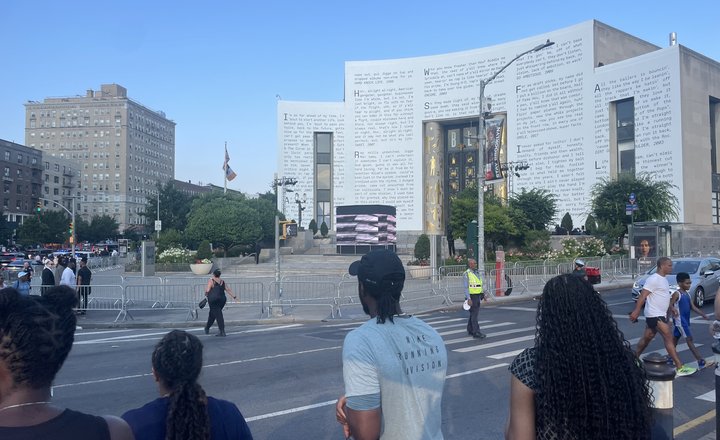
The Pulitzer Beef
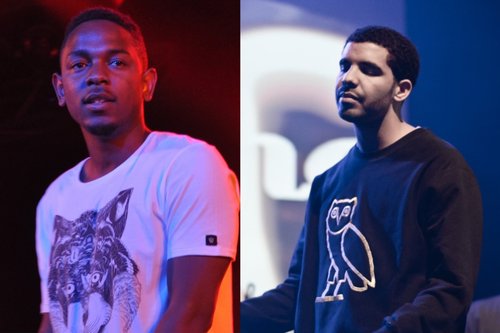
Kendrick Lamar took apart Drake's mythology over three days in 2024 and performed the closing argument at the Super Bowl.
The 2024 exchange escalated from Kendrick's verse on Future and Metro Boomin's "Like That" in March 2024, through Drake's "Push Ups" in April, into a three-day Kendrick assault that produced "euphoria," "6:16 in LA," "Meet the Grahams," and "Not Like Us." The final track debuted at number one on the Billboard Hot 100 in May 2024, the first diss track to reach that position in the chart's modern era. It accumulated over 300 million Spotify streams within weeks.
The substance is the predator framing. "Meet the Grahams" addresses Drake's family directly, including allegations about his proximity to teenage girls and his suitability as a father. "Not Like Us" hammers the framing into a chant designed for festival crowds. Drake filed a defamation lawsuit against Universal Music Group in November 2024, alleging the label promoted "Not Like Us" in bad faith, which the New York Times, NPR, and BBC covered as evidence the cultural damage was real enough to require legal remedy.
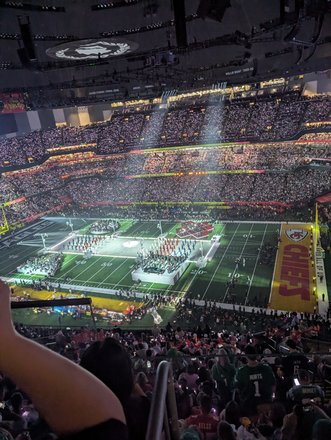
The institutional validation followed. Kendrick performed "Not Like Us" at Super Bowl LIX in February 2025, the first time a rapper had performed a direct diss at the Super Bowl halftime show, watched by over 120 million people on Fox. Complex, Rolling Stone, Pitchfork, the FADER, and XXL all framed the beef as a generation-defining realignment, the artist who wrote "Alright" dismantling the artist who wrote "Hotline Bling" as rap's present tense.
This entry sits at nine and not higher in the climb because Drake's commercial career did not collapse. His catalog remains among Spotify's most-streamed in history. He released $ome $exy $ongs 4 U with PartyNextDoor in February 2025. The Drake mythology took permanent recalibration: the questions about authenticity, ghostwriting, and persona that had simmered for a decade calcified into a settled answer for a large part of the culture. The chart engine kept turning. The story around it did not.
---
Lineage: Kendrick proved that lyrical craft could still seize the Billboard chart in the streaming era, and hip-hop journalism stopped giving Drake the benefit of the doubt.
The Fourteen-Year-Old Who Invented the Format
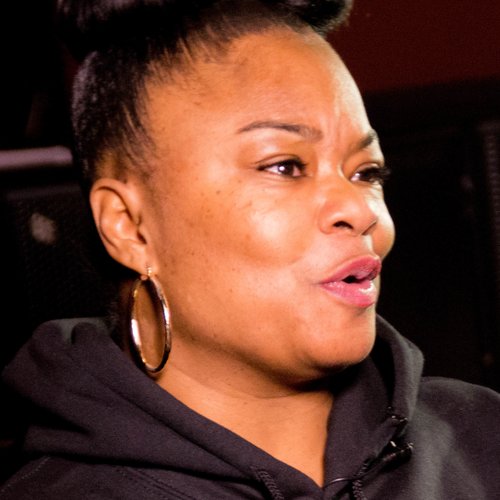
Roxanne Shanté walked into a Queensbridge studio at fourteen, recorded one take, and turned UTFO into the men who could not handle the girl they wrote a song about.
"Roxanne's Revenge" arrived in 1984 on Pop Art Records, a same-day response to UTFO's "Roxanne, Roxanne." UTFO had recorded a novelty track about a girl ignoring their advances. Shanté, fourteen years old and from the Queensbridge projects, walked into Marley Marl's studio when she heard the original and recorded a single-take answer that flipped the power dynamic entirely. Roxanne was no longer the woman lamented; she was the woman with reasons.
The chart performance proved the response had legs. Wikipedia confirms twelve weeks on the Billboard R&B singles chart, peaking at number twenty-two in March 1985, with over 250,000 copies sold in the New York area alone. UTFO's follow-up album Skeezer Pleezer in 1986 missed Educated Rapper due to personal issues and produced no significant follow-up hit. Their discography became a footnote inside two years of their best-known single.
The cascade is the part that buried UTFO. Over 100 answer tracks flooded the market between 1984 and 1987, with nearly every response building on Shanté's framing instead of UTFO's original. Multiple competing "real Roxannes" appeared, some manufactured by UTFO's label as defensive countermoves. The narrative escaped the original artists entirely. Wikipedia calls the Roxanne Wars "hip-hop's first rap beef," and the genre that emerged from it learned to fear the answer track more than the diss itself.
Two of UTFO's four members died in the 2010s without their group recovering commercial relevance. Shanté went on to collaborate with the Juice Crew, later earned a doctorate, and became the subject of the 2017 Netflix film Roxanne Roxanne (no UTFO biopic exists). She opened two doors at fourteen: answer-track culture as a commercial format, and women in hip-hop claiming the battle space as their own. Without her, there is no Foxy Brown battle career, no Nicki Minaj diss catalog, no Cardi B beef instinct.
---
Lineage: Roxanne Shanté invented hip-hop's response format at fourteen, and UTFO are remembered as the men who wrote the song she answered.
The Self-Burial Disguised as a Knockout
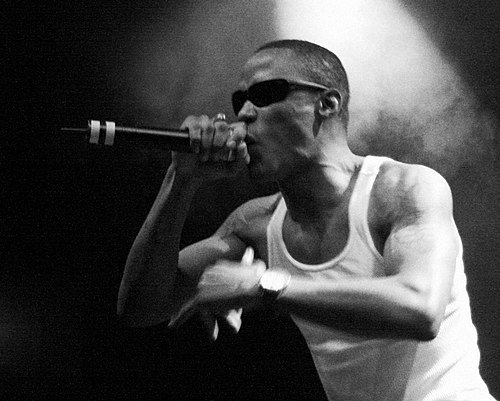
Canibus was the most technically gifted rapper in hip-hop in 1998, and he used that talent to end his own career before it started.
"Second Round K.O." appeared in March 1998 on Universal Records, featuring Mike Tyson on the intro and arriving as the debut single from a rapper whose underground hype rivaled any newcomer in hip-hop history. The diss is technically sharp. Canibus dismantles LL Cool J's mainstream identity, references the bicep tattoo, and rides a Wyclef Jean production that should have been the launchpad for a decade of releases. The track peaked at number twenty-eight on the Billboard Hot 100, Canibus's only top-forty single.
LL Cool J answered with "The Ripper Strikes Back," a response widely regarded among hip-hop's most effective defensive disses. The track methodically dismantles Canibus's persona, mocks his timing, and turns the technical superiority into evidence of a man who did not know when to fight. Canibus's Can-I-Bus debut album received gold RIAA certification on October 13, 1998 on the back of the diss-track momentum. The certification became the ceiling.
The damage is the gap between craft and career. The Source ranked Canibus number forty-four on its 2012 list of the Top 50 Lyricists of All Time. About.com placed him at thirty-two on its MC list. Underground hip-hop continued treating him as a technician's technician through thirteen subsequent independent albums. None charted. Mainstream commercial hip-hop had moved on inside eighteen months of his debut, and the lyrical respect produced exactly zero commercial recovery.
LL Cool J's 2000 album G.O.A.T. thanked Canibus in the liner notes for "inspiration," one of the most famous backhanded acknowledgments in hip-hop history. The two careers diverged completely. LL kept releasing major-label albums through 2013 and crossed into NCIS: LA from 2009. Canibus released album after album into the void. The cautionary tale has governed underground-to-mainstream transitions ever since: better bars do not beat better infrastructure if your timing is off and your target can respond.
---
Lineage: Canibus was the better rapper by every technical measure in 1998 and he still lost, which is why every underground artist since has learned to pick a softer target.
The Crown Reclaimed in Two Tracks (1988-1990)
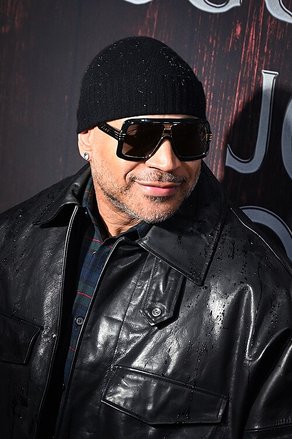
Kool Moe Dee came for LL Cool J's throne in 1987, and by 1990 even the throne Moe Dee had built for himself was gone.
LL Cool J's "Jack the Ripper" appeared on Walking with a Panther in 1988, his answer to Kool Moe Dee's "How Ya Like Me Now" from the previous year. Moe Dee had been one of hip-hop's most respected technicians as a member of the Treacherous Three, an authentic early-era lyrical innovator who positioned the beef from a place of established seniority. LL was the new commercial face. The opening shot was Moe Dee claiming the throne. The closing shot was LL's "To Da Break of Dawn" on Mama Said Knock You Out in 1990, by which time the conversation had moved.
"How Ya Like Me Now" peaked at number twenty-two on the Billboard Hot R&B chart in 1988. The Wikipedia entry confirms this was Moe Dee's commercial peak. Mama Said Knock You Out went platinum and is regularly cited as the album that restored LL's commercial standing after the disappointing Walking with a Panther. The diss campaign functioned as commercial revitalization for the attacker even as it dismantled the target.
Moe Dee released Interlude in 1994 and then nothing. No label supported another album. Five solo studio albums total, with the last one twenty-eight years ago. LL Cool J's Wikipedia page lists Moe Dee as an influence on his style, the kind of acknowledgment that turns a rival into a precursor and writes him into past tense. About.com placed Moe Dee at thirty-three on its 50 Greatest MCs list. The cultural footprint is the LL Cool J feud and not much else.
LL continued releasing major-label albums through 2013, crossed into acting, and hosts the Grammy Awards. The disparity is the verdict. The beef helped establish that the elder generation of hip-hop MCs was not automatically immune from being dethroned by the next wave, and that a properly structured diss campaign could function as commercial revitalization for the attacker even as it shut the target's career down. The lesson held for thirty-five years.
---
Lineage: LL Cool J turned a credibility attack into a comeback album and proved the diss track was the only weapon in hip-hop that could resurrect the attacker while burying the target.
The Prediction That Wrote Itself Into Reality
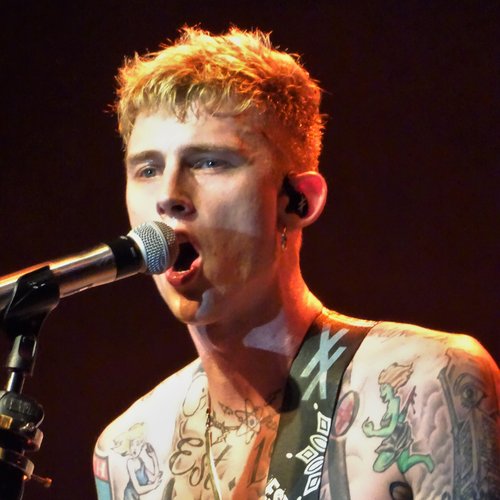
Eminem predicted MGK's career would end in the footnotes alongside Ja Rule and Benzino, and twelve months later MGK had left hip-hop entirely.
"Killshot" dropped on September 14, 2018, eleven days after Machine Gun Kelly's "Rap Devil." The Wikipedia entry confirms it debuted at number three on the Billboard Hot 100 and broke the YouTube record for biggest hip-hop debut, with 38.1 million views in twenty-four hours. The opening lines treated the beef as a PR stunt, not a genuine battle. The closing prediction named names: MGK would end up "next to Ja, next to Benzino" in hip-hop's discarded footnotes.
The beef's origins ran back to a 2012 MGK tweet about Eminem's then-sixteen-year-old daughter Hailie. Eminem reportedly blacklisted MGK from Shade 45 radio. The grievance went cold until Eminem's surprise album Kamikaze in August 2018 included shots at MGK on "Not Alike." MGK answered within days with "Rap Devil," which also charted. The exchange ran for two weeks and produced the most-watched rap diss debut in YouTube history.
The hip-hop consensus on the exchange was decisive. Genius polling, YouTube comment aggregations, and editorial verdicts from XXL, Complex, and Pitchfork all returned the same answer: Eminem won. MGK acknowledged the loss in subsequent interviews. Hotel Diablo in 2019 became his final rap album. He pivoted entirely to pop-punk with Tickets to My Downfall in 2020, which debuted at number one on the Billboard 200. The career did not end; the rap career did.
The prediction proved more accurate than Eminem could have intended. MGK left the genre entirely instead of continuing as a damaged actor inside it, which is its own kind of burial. The streaming era's rule about beefing with veteran technicians got written into the canon: do not pick a diss fight with an artist whose best creative work is diss tracks. Eminem answered the question of whether legacy artists could still function in contemporary hip-hop beef definitively, on his own terms, and MGK provided the proof of concept.
---
Lineage: MGK called himself a machine gun in his name and the only thing that fired after Eminem pulled the trigger was a pop-punk guitar.
The Bridge That Was Already Over
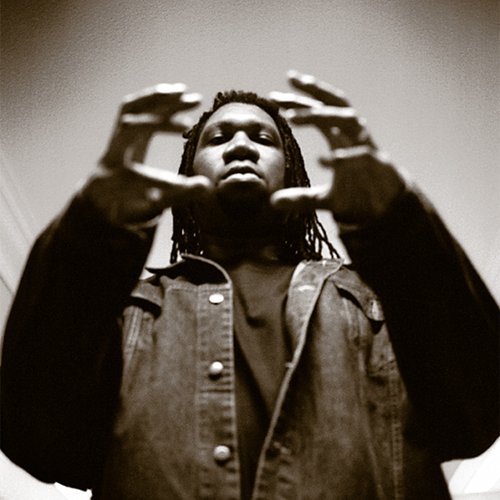
KRS-One used MC Shan's hometown pride as the rope that hanged him, and the Bronx wrote the founding document of hip-hop into the record.
"The Bridge Is Over" arrived on Boogie Down Productions' Criminal Minded in 1987, KRS-One's closing statement in a war that had been running for two years. MC Shan and Marley Marl's "The Bridge" in late 1985 had been a Queensbridge pride record whose opening lines were misread as claiming hip-hop originated in Queens. KRS-One had been rejected by WBLS programmer Mr. Magic for a demo. The grievance had infrastructure, and the misread lyric gave him the wedge.
The chorus is the artistic decision that buried Shan. KRS sang directly to the tune of Billy Joel's "It's Still Rock and Roll to Me," weaponising pop familiarity as mockery. Shan was so finished that KRS could cap his career with a joke melody. The verses named Marley Marl, dismissed DJ Mr. Magic, and degraded Roxanne Shanté in terms graphic enough to spawn their own response track. The cumulative effect was systematic dismantling, not personal abuse.
MC Shan's Wikipedia page documents the burial in commercial detail. His best-known post-Bridge Wars work is a guest appearance on Canadian singer Snow's 1992 single "Informer," peaking at number one on the Billboard Hot 100 as an uncredited minor contributor. No significant solo material after Down by Law in 1987. His discography effectively ended at age twenty-two. Shan eventually conceded in the 2003 documentary Beef that the "birthplace" reading of "The Bridge" had always been a misinterpretation. The admission came sixteen years too late.
The historical verdict became the founding document of the genre. Hip-hop began in the South Bronx, not Queens, because KRS-One won the battle so completely that Shan's side of the argument collapsed. Slate's retrospective put it directly: "In 1986, it was a beef that launched the start of KRS-One." Rolling Stone has cited the Bridge Wars as the first hip-hop beef to carry genuine historical weight. Every subsequent "who owns this city or sound" argument in rap traces back here.
---
Lineage: KRS-One ended one career and wrote the founding document of what hip-hop was allowed to claim about itself, in the same record.
The Receipts That Broke the Brand
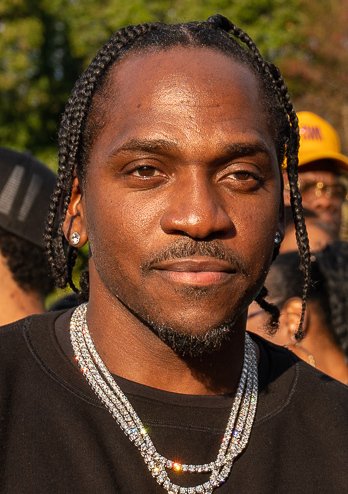
Pusha T did not bury Drake commercially, but he buried the mythology Drake had spent a decade building.
"The Story of Adidon" dropped on May 25, 2018, four days after Drake's "Duppy Freestyle" answered Pusha T's "Infrared." The cover art showed Drake in blackface, taken from a 2007 photoshoot, which Pusha reframed as a statement about performing blackness without fully inhabiting it. The substance of the diss was the revelation that Drake had a secret son, Adonis, with French model Sophie Brussaux. Drake had been concealing the child while building a brand on emotional openness and authentic vulnerability.
Pitchfork named "The Story of Adidon" Best New Track and listed it thirty-first on their best-songs-of-2018 list. Complex called the first verse the best rap verse of the year. Noisey named it song of the year. Doreen St. Felix in The New Yorker described it as "like a horror-movie psychiatrist, excavating a patient only to use deep-set pathologies against him." Drake publicly conceded in December 2019 that he lost the feud, a rare direct admission of defeat in hip-hop.
The commercial reading is more complicated. Scorpion debuted at number one on the Billboard 200 in June 2018, which on its surface suggests no damage. The critical reception was more guarded than for previous Drake projects, with reviewers contextualising the child reveal as reactive and defensive. Drake did not respond to "The Story of Adidon" with a diss track. He addressed the child indirectly on Scorpion and never came back at Pusha. The silence was the verdict.
The mythology cracked permanently. The "fake" narrative, the idea that Drake's authenticity was constructed and his ghostwriting real and his emotional openness a performance, gained traction after Adidon that it had never held before. The 2024 Kendrick Lamar arc explicitly built on the framework Pusha laid down. Every diss artist who has since done research before releasing a track owes a methodological debt to how surgically Pusha prepared the kill. The Drake brand kept selling. The Drake brand stopped meaning what it used to mean.
---
Lineage: Pusha T made it impossible to hear any Drake record about fatherhood, feelings, or real-life experience without hearing the question underneath it.
The Campaign That Killed a Label (2002-2004)
Eminem and 50 Cent ran a two-year coordinated campaign against Ja Rule, and Murder Inc. has never recovered.
Eminem's "Hailie's Revenge" in 2002 opened the campaign. "Nail in the Coffin" and "Bully" followed in 2003. 50 Cent's "Back Down" amplified the attack the same year, with Get Rich or Die Tryin' moving 872,000 copies in its first week and setting a SoundScan record for any rapper's debut. The strategy was not a single diss track. The strategy was systematic, multi-front demolition of Ja Rule's commercial formula, his crossover R&B image, and the emotional sincerity that had made him a mainstream star.
The chart cliff is the receipt. Ja Rule's Pain Is Love in 2001 hit triple platinum. The Last Temptation in 2002 went platinum. R.U.L.E. in 2004 reached only gold certification. Body by Vi in 2005 was shelved. His Wikipedia entry confirms seventeen Hot 100 hits from 1999 to 2005, with the chart presence stopping almost exactly when the beef peaked. The 2003-2005 federal investigation into Murder Inc. for alleged money laundering with drug kingpin Kenneth "Supreme" McGriff compounded the commercial collapse, but Irv Gotti has given multiple interviews attributing the label's commercial decline in part to the Eminem and 50 Cent campaign.
Ja Rule's responses, including "Loose Change" and "The Murderers," did not chart and did not shift public opinion. They were widely mocked in hip-hop media. 50's commercial dominance made any Ja Rule response look irrelevant before it left the booth. The cumulative attack reached its receipt in 2019 when Ja Rule told VladTV that the beef "killed Murder Inc." That is as close to a direct concession as the hip-hop world has seen from a target of this tier.
Ja Rule's last Billboard Hot 100 entry was 2005. The Fyre Festival debacle in 2017 finished the cultural rehabilitation he had been attempting. Murder Inc. as a commercial force never returned. Nobody has tried to build a thug-R&B crossover label in the Murder Inc. model since the campaign succeeded, which is its own kind of evidence. The Eminem and 50 Cent partnership established that a coordinated multi-artist attack on a target's commercial ecosystem could function as a label-killer, and the genre has never forgotten the receipt.
---
Lineage: When Eminem and 50 Cent finished with Ja Rule, the Murder Inc. sound was buried so thoroughly that nobody has tried to dig it up since.
Seven Minutes That Dismantled a Founder
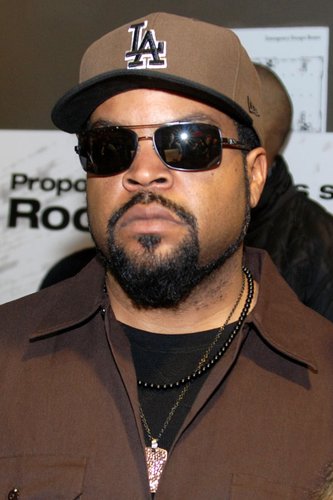
Ice Cube spent seven merciless minutes on "No Vaseline" stripping Eazy-E of every credential he had built, and the founder of gangsta rap never put it back together.
"No Vaseline" closed Ice Cube's Death Certificate on October 29, 1991, the final track on an album that debuted at number two on the Billboard 200 and number one on the R&B/Hip-Hop chart in November of that year. The diss runs over seven minutes, an extraordinary length for the era, and works methodically. Cube paints Eazy-E as a house puppet controlled by Jewish manager Jerry Heller, mocks the Republican Party dinner appearance with President George H.W. Bush, and accuses him of splitting NWA out of financial cowardice, not business principle.
The line that stuck was geographical. "House nigga gotta run and hide, yellin' Compton but you moved to Riverside" attacked Eazy's character and his coordinates in the same breath. Cube also painted Dre, Ren, and Yella as willing accessories to their own exploitation, but Eazy got the worst of it by a significant margin. The track was the closing statement of a war that NWA had opened with "100 Miles and Runnin'" in 1990 and "Niggaz4Life" in 1991, branding Cube a traitor after his royalty-dispute exit in 1989.
NWA never collectively responded to "No Vaseline." The group formally dissolved shortly after the diss landed. Dr. Dre left Ruthless Records in 1992, citing unpaid compensation, a direct echo of the grievances Cube had outlined on the track. Eazy released "Real Muthaphuckkin G's" in 1993, but it targeted Dre and Snoop, not Cube, widely read as avoiding the fight on Cube's terms. The response landed softer than expected because The Chronic had already moved the culture on.
Eazy-E died of AIDS-related complications in March 1995, three and a half years after the diss landed. His solo profile never recovered the credibility "No Vaseline" had dismantled. Suge Knight reportedly added the track to Death Row Greatest Hits as a personal shot at Dre. Every subsequent diss that strips credibility through financial exposure, with Pusha T's Adidon as the most direct descendant, owes the template to how Cube operated in those seven minutes. The most decisive diss in hip-hop history stands at the top because its target stopped being the Godfather of Gangsta Rap and started being the guy the Godfather had to leave behind.
Lineage: Ice Cube turned a royalty dispute into seven minutes that buried the founder of gangsta rap, and nobody has matched the precision of that demolition in thirty-four years.
Hip-hop beef is the genre's oldest art form and its highest-stakes critique mechanism. No other popular music tradition has built a working economy around its artists publicly auditing each other on wax. Country has feuds but they stay at the awards-show level. Rock has rivalries but they stay in the press cycle. Hip-hop puts the fight on the record and lets the market score it, which means the genre is the only one whose critical infrastructure is the artists themselves.
The art is in what you say. The lasting damage is in whether you can prove it. Ice Cube's "No Vaseline" sits at the top because everything he alleged is verifiable. Eazy's Republican dinner happened. Jerry Heller's management was real. The royalty disputes were documented. Dre confirms the entire premise by leaving Ruthless Records inside eighteen months of the track's release. The diss landed because the receipts were in the booth before the verse was. Pusha T's "Adidon" works the same way: Adonis exists, the photo from 2007 exists, Drake's silence is the confirmation. Receipts beat punchlines in hip-hop's tallied economy, and every track on this list that landed in the BURIED tier proves the rule.
The Tier 3 ICONIC entries fail not because they are worse rapped but because they are shadowboxing. Joe Budden's craft is sharp. Jadakiss's punchlines beat 50 Cent's. Cam'ron's accusation against Jay-Z is structurally devastating if it lands. None of them have documented receipts to back the claim, which is why the targets walked away. Mariah Carey put on a fake beard. Tupac named the right people and died before the response could come. The fame is the residue of attempts at receipts that never reached the booth in time.
The middle ten reset the conversation without burying the target, which is its own art form. Kendrick took Drake apart without ending the chart engine. Nas put "ether" in the dictionary without ending Jay's run to billionaire status. Wiley named a genre. Stormzy passed a test. Each Game Reset is a diss that changed the terms of the argument even when the body count stayed at zero, and the genre is richer for the conversation each of them opened. Hip-hop's diss tradition is a working democracy of grievance. The receipts are the ballot. Twenty-five entries deep, the format still works, and the next career-ending kill shot is already in some rapper's notes app waiting for the right week to drop.
---
Loading comments…