The needle drops on a dusty pressing of The Velvet Underground & Nico. A low, vibrating hum hits the listener. John Cale drags a heavy bow across an electric viola to create a grating tension. You hear the physical friction of horsehair against metal strings.
This sound clashes against the steady, unadorned beat of Maureen Tucker's percussion. This friction makes music sound like noise to the uninitiated. This grit gives the track its heavy, drug-induced weight. Most people claim that music should stay pleasant. They ignore the fact that the most honest emotions often reside in the static and the screech.
New York City in 1967 held a strange duality. The bright, psychedelic optimism of the Summer of Love collided with a much darker reality found in the underground clubs of the Lower East Side. While much of the radio played sunshine and easy harmonies, Lou Reed and his bandmates constructed something jagged. They used dissonance as a tool to mirror the grit of the streets. This created a texture that felt far more real than the polished pop of the era. Every screech of the viola pulled the listener out of a dream and back into the cold, hard light of the city.
The Dissonant Drone of 1967
John Cale brought a classical training to the Velvet Underground. He used that knowledge to dismantle the idea of a clean note. On the track "Heroin," the electric viola does not sing. Instead, it moans and whines to create a repetitive, droning layer that sits uncomfortably atop the rhythm.
This drone mimics the physiological sensation of the drug itself. It acts as a thick, overwhelming presence that stays in your ears long after the song ends. The band did not try to hide the unpleasantness. They leaned into the way the notes rubbed against each other to create a sense of mounting anxiety.
The production on the 1967 album captures the room, the air, and the very tension of the performers. You can hear the way the instruments fight for space. This mimics the characters in the lyrics who fight for survival in a decaying urban environment.
The engineers made no attempt to smooth out the edges or hide the bleeding of the tracks into one another. This lack of polish makes the music feel alive. It feels as if the band might fall apart at any second. The drone provides a foundation that relies less on melody and much more on a persistent, physical pressure on the listener's eardrums.
Listening to this era of music requires an ear for the uncomfortable. If you look at the charts in 1967, you see a world of harmony. The underground shows the birth of a new, harsher language. The Velvet Underground used that language to say things that a simple pop song never could. They proved that a single, grating note, when held with enough conviction, can carry more emotional weight than a thousand perfect harmonies. The noise does not distract from the song because the noise is the song's very heartbeat.
Tape Loops and the Chaos of 1968
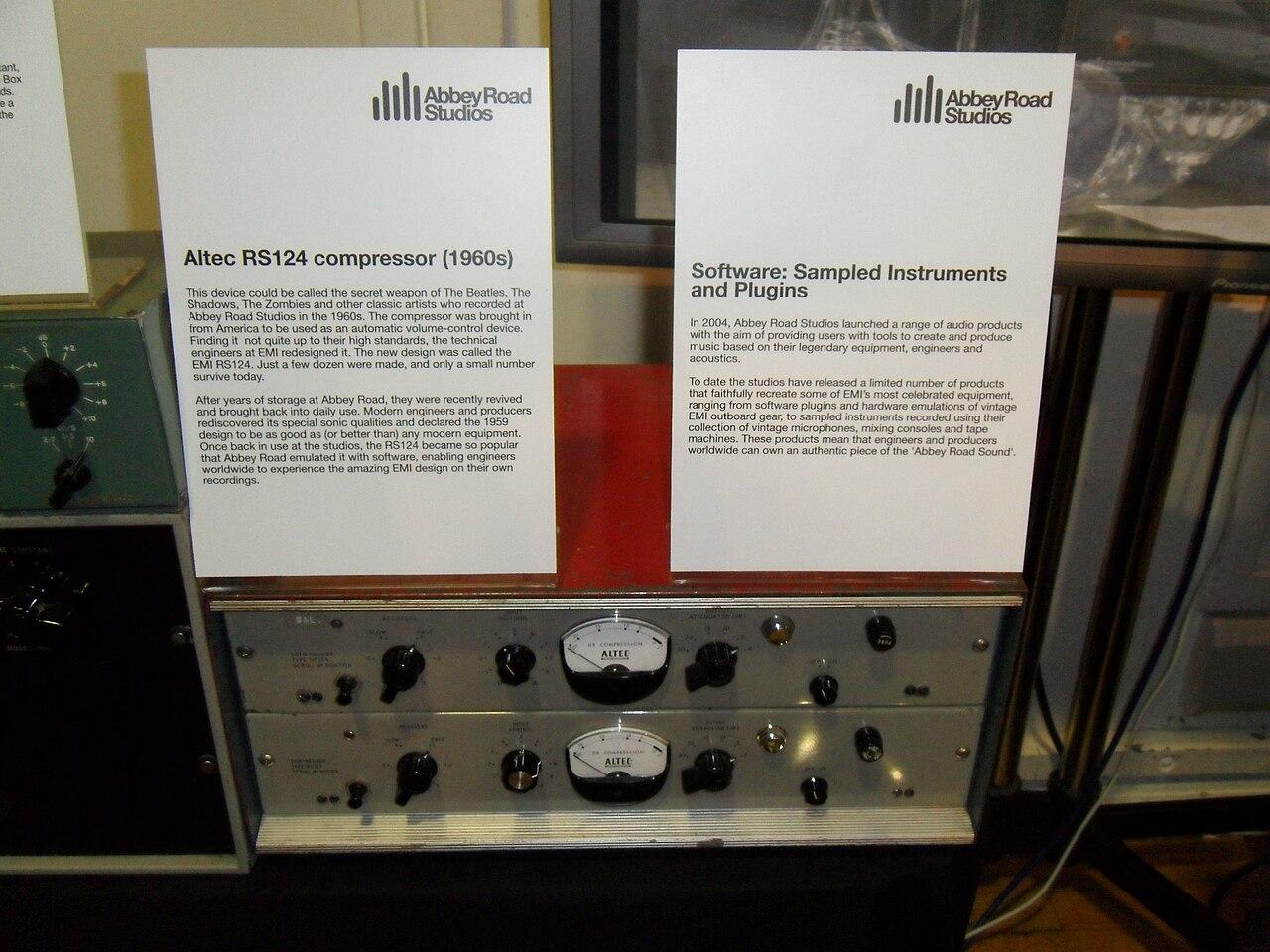
Abbey Road Studios felt like a controlled explosion during the 1968 sessions. This period saw the most famous band in the world begin to dismantle their own structure. On the White Album, the track "Revolution 9" departs from everything the Beatles had achieved previously. John Lennon and Yoko Ono used tape loops and avant-garde sound collages to create a fragmented, terrifying soundscape. Voices, screams, and sudden bursts of orchestral noise appear and disappear without warning. This piece of music functions more like a fever dream than a standard song.
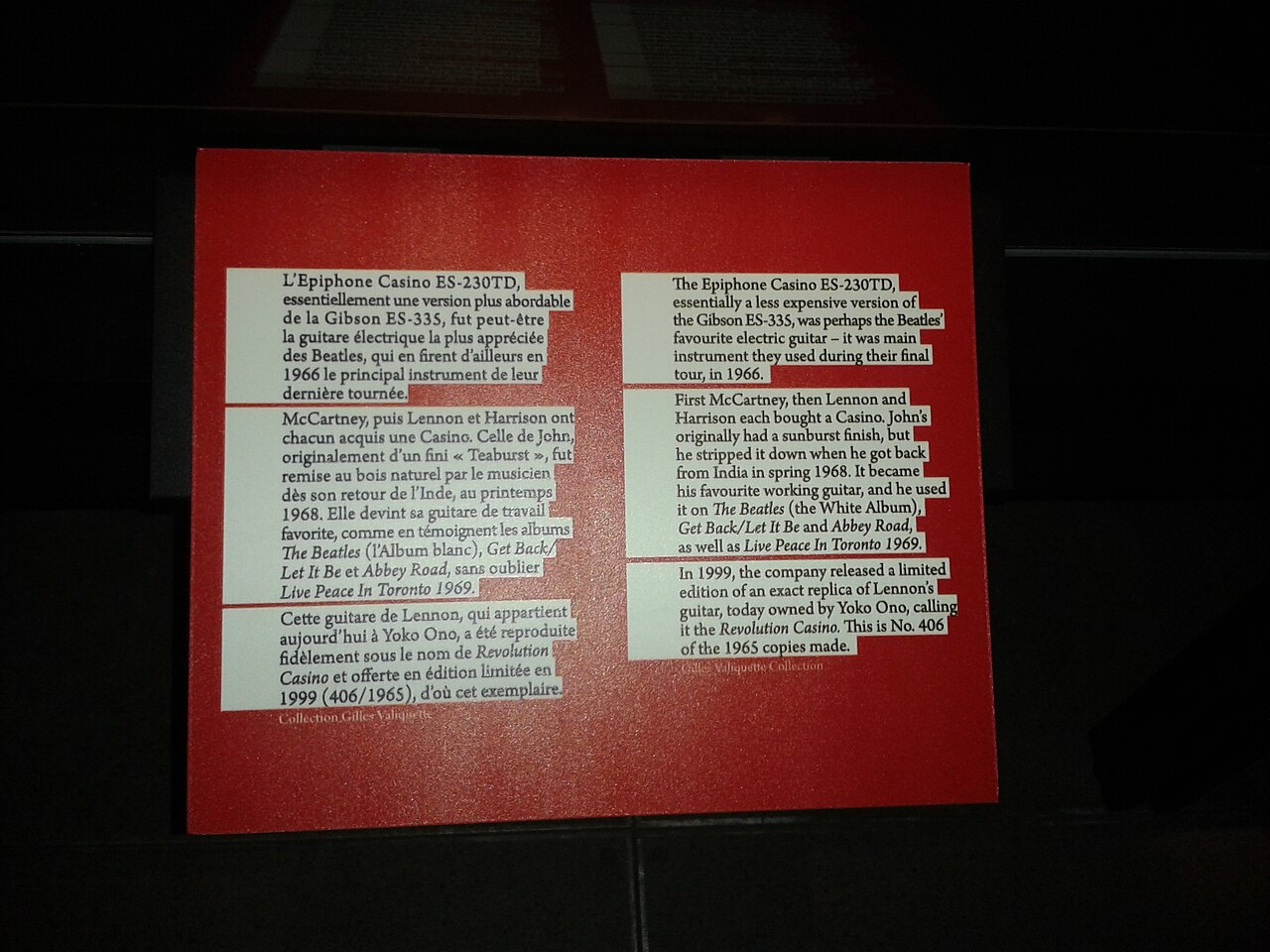
Lennon physically cut and spliced the loops. This labor-intensive process required a level of patience most pop stars would find maddening. You can hear the repetitive, mechanical nature of the loops. This sound feels both hypnotic and deeply unsettling.
The collage does not follow a standard verse-tous structure. Instead, it moves through a series of sonic shocks and sudden silences. This approach turned the studio itself into an instrument. This idea changed how producers approached the concept of a recording. The chaos of "Revolution 9" was a deliberate attempt to capture the fragmentation of the late sixties.
Lennon's obsession with these textures reflected a broader desire to break the boundaries of what a pop record could contain. He was no longer interested in just writing melodies. He wanted to manipulate the very fabric of sound.
The result is a piece of music that feels like it is falling apart even as you listen to it. It is a dense, difficult work that demands your full attention. It forces you to confront the raw, unedited sounds of the recording process. The Beatles stopped being a mere band and became architects of a new, experimental era.
"I'm a very simple man. I just want to make music that sounds like the world." - Attributed to the spirit of the era.
The Raw Grit of 1970
Elektra Studios in Los Angeles provided the backdrop for a sound that felt like it was being ripped straight from the pavement. In 1970, The Stooges released Fun House. This album stripped away the pretense of the psychedelic era to reveal something much more primal. Iggy Pop and Ron Asheton played with a level of aggression that felt dangerous.
It felt as if the amplifiers might explode at any moment. The guitars are thick with distortion. This heavy, muddy sound sits low in the mix and vibrates in your chest. There is no finesse here, only a raw, distorted energy that defines the garage-rock aesthetic.
Ron Asheton's guitar work on tracks like "Fun House" relies on a heavy, rhythmic sludge. It feels almost monolithic. He uses feedback and heavy, overdriven tones to create a wall of sound that supports Iggi's frantic, unpredictable vocals. The drums hit with a blunt force. They lack the polished sheen of contemporary studio recordings.
This adds to the album's sense of urgency. You can almost smell the sweat and the stale beer in the studio. This is a sensory experience that is rare in such a highly produced medium. The Stooges did not try to be pretty. They tried to be loud and visceral.
The production captures the unvarnished reality of a band playing at the edge of their physical limits. There is a certain grit to the recording. A grainy texture makes every snare hit and every guitar riff feel like a physical impact. This was the sound of a band that had nothing to enough to lose.
They played music that was as much about attitude as it was about notes. It set a standard for the punk movement that would follow. It proved that a lack of polish could actually enhance the emotional impact of a performance. The grit was the point. The grit was everything.
Pop Melodies Drowned in White Noise
The mid-eighties brought a strange resurgence of pop sensibility. This sensibility had been heavily scarred by the years of experimentation that preceded it. The Jesus and Mary Chain released Psychocandy in 1985. This record famously blended 1960s pop melodies with a thick, overwhelming layer of white noise.
You can hear the sweetness of the vocal harmonies. A tide of feedback and static constantly attacks them. It is a sonic tug-o-war. The melody tries to emerge from the wreckage only to be buried again by a sudden burst of guitar screech.
This tension between the pretty and the ugly created a new kind of tension for the listener. The band used the white noise not as a decoration, but as a fundamental part of the song's identity. It creates a sense of decay.
It sounds as if the pop songs are being heard through a broken radio or a heavy storm. This technique stripped the pop melodies of their innocence. It gave them a much darker, much more cynical edge. It was a way to honor the past while simultaneously tearing it apart with modern, abrasive textures.
Other artists explored similar territories. They used noise to expand the definition of what a musical arrangement could be. Glenn Branca used large-scale guitar ensembles in his 1985 album The Ascension to create massive, microtonal walls of sound. His work moved away from melody entirely.
He focused instead on the physical sensation of massive, competing frequencies. Similarly, the influence of Brian Eno on David Bowie's 1977 album Low introduced a different kind of texture. The second half of that album features atmospheric, often unsettling textures. These use ambient noise to create a sense of profound isolation. These artists understood that the space between the notes, the hum of the room, and the hiss of the tape are just as important as the notes themselves.
The Dense Chaos of 1988
By 1988, the use of noise had moved into the world of extreme density. This happened particularly within the worlds of alternative rock and hip-hop. Sonic Youth released Daydream Nation. This album mastered unconventional guitar tunings and percussive, non-melodic string manipulation. Thurston Moore and Lee Ranaldo used their instruments to create textures that felt more like percussion than traditional melody.

They would strike the strings. They would scrape the fretboard. They would allow the feedback to ring out in long, sustained arcs. The result was a record that felt both expansive and claustrophobic. It was a dense thicket of sound that required repeated listens to even begin to unpack.
At the same time, a different kind of sonic density emerged from the streets of New York. Public Enemy's 1988 masterpiece, It Takes a Nation of Millions to Hold Us Back, redefined the sound of hip-hop through the work of The Bomb Squad. Their production style relied on a dense, abrasive layering of samples.
This felt like a continuous, rhythmic assault. They would stack drum breaks, squealing horn hits, and fragmented vocal snippets until the track felt like it was bursting at the seams. This was not a clean, easy listen. It was a frantic, high-energy collage that mirrored the political urgency of the lyrics.
The Bomb Squad's approach proved that noise could create a sense of overwhelming momentum. The layers of samples did not just sit on top of each other. They collided. This created a new, much more aggressive rhythmic language.
This was a far cry from the stripped-back loops of early hip-hop. It represented a move toward a much more complex and textured production style. Both Sonic Youth and Public Enemy used the concept of density to challenge the listener. They pushed the limits of how much information a single track could hold. They proved that more can be more powerful.
The Industrial Weight of 1994
The early nineties saw the arrival of a sound that felt almost mechanical in its precision and its brutality. Nine Inch Nails' 1994 album, The Downward Spiral, reached a peak of this industrial aesthetic. Flood and Trent Reznor produced the record. The album contains industrial noise elements, from the grinding of metal to the hiss of escaping steam.

These sounds integrate into the very structure of the songs. They create a sense of a world that is breaking down and decaying. The production remains incredibly detailed. Every small, abrasive texture sits with surgical intent.
Trent Reznor used the studio as a laboratory for sonic destruction. He layered distorted synthesizers and heavily processed drum loops to create a feeling of immense weight. The tracks often feel like they are being crushed by the very sounds they contain.
There is a mechanical, almost inhuman quality to the percussion. This contrasts sharply with the raw, visceral pain in Rezner's vocals. This tension between the cold, industrial machinery and the human element makes the album effective. It sounds like a person trying to scream through a wall of heavy, grinding gears.
The use of noise on this record is about control. Every burst of static and every distorted pulse is part of a carefully constructed architecture of dread. The album uses texture to tell a story of psychological collapse.
The noise represents the encroachment of madness. It is a heavy, punishing listen that leaves the listener feeling drained. Yet, it is impossible to ignore the sheer physical impact of the sound. Rezner proved that noise, when used with such precision, can be the most effective tool for conveying profound, human suffering.
We often seek out music to provide comfort. We want to find a sense of order and harmony in a chaotic world. The moments when music deviates from that order are the moments when it feels most alive.
The friction of a distorted guitar, the hiss of a highly processed tape loop, and the grating drone of a viola all provide a sense of truth that a perfect melody cannot achieve. These sounds remind us that the world is not a polished, finished product. It is something messy, unpredictable, and often harsh. When we listen to music that sounds like noise, we are listening to the sound of reality.
The history of the last fifty years shows that the most important shifts in music often come from the edges. They come from the artists who are willing to embrace the unpleasant. They take the familiar structures of pop and rock and subject them to a process of erosion and reconstruction. This process does not destroy the music.
It gives it a much deeper, much more complex texture. It allows for a wider range of emotional expression. It moves beyond simple joy or sadness into the realms of anxiety, dread, and raw, unadulterated energy. The noise is the grit that allows the gears of emotion to catch.
Without the discord, music would become a mere wallpaper. It would be a pleasant background for our lives that requires no engagement. The noise forces us to listen. It forces us to struggle and to find meaning within the chaos.
It challenges our perceptions and pushes us to find beauty in the unexpected and the abrasive. The best songs do not just provide a melody to sing along to. They provide a physical experience that we can feel in our bones. We need the noise because, without it, the music would have no teeth, no weight, and no soul.