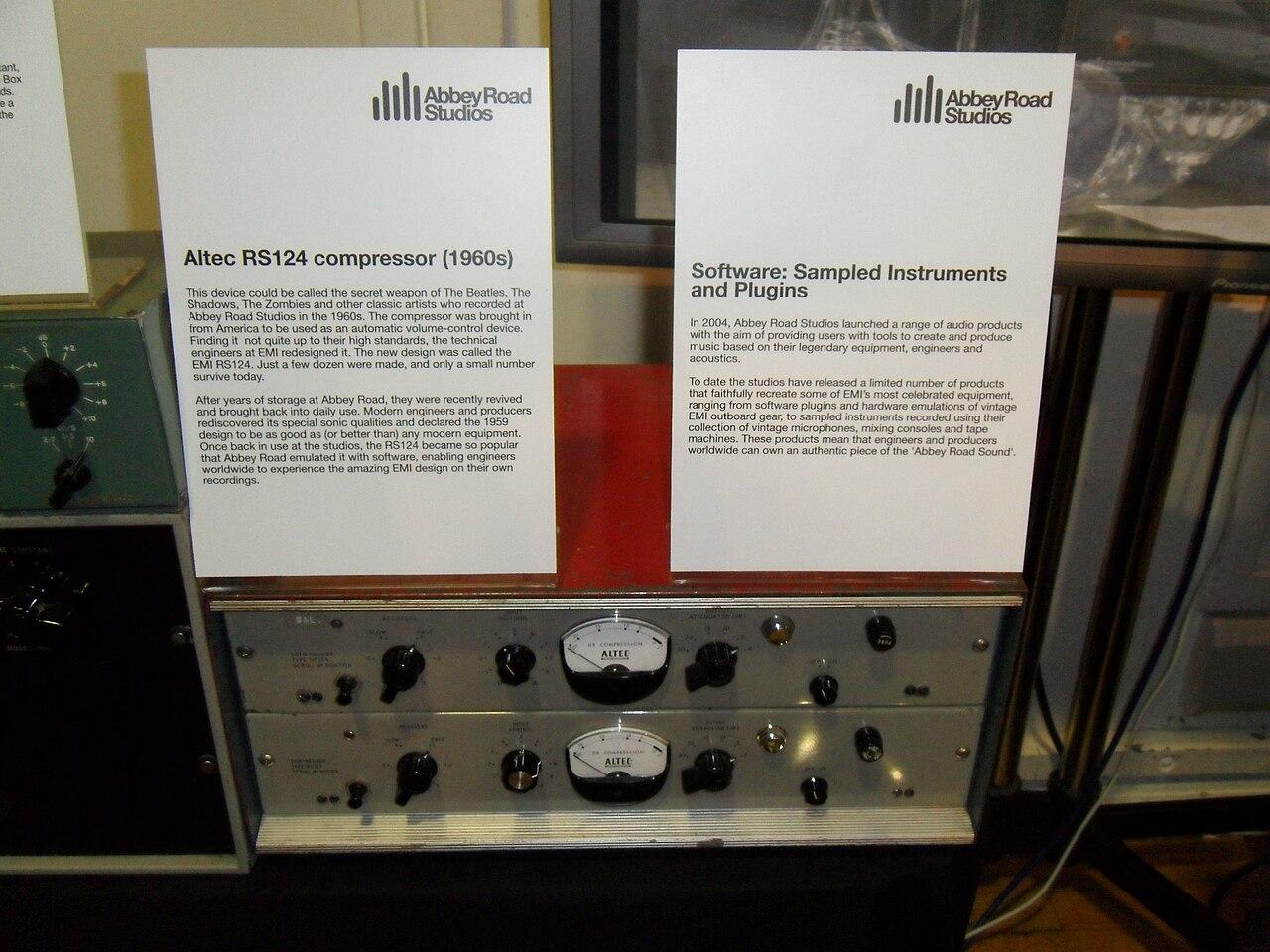
A needle drops on a 1997 pressing of Radiohead's OK Computer. The static hums through the speakers. The distorted guitar of Airbag creeps into the room, building a tension that forces the listener to wait for the payoff.
Nobody reaches for the skip button. The silence creates a thick atmosphere that demands your full attention. The intro builds slowly and painfully. This patience died with the rise of Spotify's Playlists and the shift toward high-utility, instant-gratification listening.
The economic engine of streaming operates on brutal, mathematical logic. Spotify pays artists an average of $0.003 per stream. This tiny fraction of a cent forces every songwriter to think like a high-frequency trader. The era of the slow-burning introduction is dying because the money only moves if the listener stays past the thirty-second mark. Every second of silence costs money.
The thirty-second mark acts as a gatekeeper for every cent earned in the digital age. Musicians once wrote songs that could breathe. They allowed a bassline to settle or a heavy drum fill to establish a groove before the vocals arrived. This rule turns the first few/seconds of every song into a high-stakes battle for survival, where the producer must win the listener's attention before the skip button becomes an option. It leaves no room for the long, cinematic openings that once defined the great rock records of the previous century.
Engineers at major labels now prioritize the front-loading of tracks. You can hear this in modern pop production. A recognizable hook or a heavy, rhythmic element often sits in the very first bars of a song. The fear of the skip button drives a stylistic homogenization. The artistic impulse to experiment with tempo or mood is suppressed by the financial necessity of immediate impact. This creates a strange, compressed feeling in modern singles, as if the song is trying to finish its main point before you can even settle into your seat.
The math of the streaming payout creates a permanent state of anxiety. When you earn only a fraction of a penny per play, you cannot rely on the deep engagement of a small fanbase to sustain a career. You need volume. This economic reality turns the listener into a metric, a data point that either stays or leaves, and it turns the song into a product that must perform a specific task within a very tight window of time. The loss of the slow build is a heavy price to pay for the convenience of streaming.
"The streaming economy demands that you hook the listener instantly, because the thirty-second rule makes the intro a liability than an asset."
Great albums often relied on the listener's willingness to endure a period of sonic tension. That patience is a luxury the Spotify royalty model simply does/not afford the modern artist. The industry has replaced the long-form narrative with a series of quick, high-impact bursts, designed to prevent the skip and secure the micro-payment. The impact of this rule reaches far beyond the financial ledger of a single artist. It changes the very texture of the music we consume, making it sharper, more aggressive, and less willing to wait for our attention.
Drake and the 25-Track Strategy
Drake released his album Scorpion in 2018 through OVO Sound. It represents a massive shift toward the era of volume. The album contained twenty-five tracks.


This bloated number seemed excessive to fans of the traditional twelve-track LP. The logic behind this massive tracklist was not about artistic breadth. It was about maximizing the sheer number of streaming-equivalent units to dominate the Billboard Hot 100. Every extra track on the album represented another opportunity to hit that thirty-second threshold and another chance to accumulate fractions of a cent.
The Billboard Hot 100 methodology changed how we define a hit. It weights streaming-equivalent units from individual tracks to determine chart position. By releasing a massive collection of songs, Drake could flood the charts with multiple entries from a single project. This strategy turns an album into a collection of individual lottery tickets. Each one hopes to catch the ear of a listener and contribute to the overall chart dominance of the artist. It is a way of using sheer scale to overwhelm the competition, turning the album into a tool for algorithmic visibility.
OVO Sound and the broader hip-hop industry recognized this shift early on. They moved away from the tight, cohesive statements of the 1990s. A twenty-five track album like Scorpion functions less like a single piece of art and more like a massive data dump of content. The tracks often feel like they could be removed without changing the core identity of the record. The goal is not cohesion, but saturation. This saturation ensures that no matter what mood a listener is in, there is a Drake track ready to meet their specific, momentary need.
The success of this strategy changed the expectations for what an album should look like. We no longer demand a unified concept or a consistent sonic arc across all tracks. The industry has taught us to expect a buffet of singles. The album has become a repository for various vibes. It is a way to keep the artist's name appearing in different corners of the streaming ecosystem. It is an effective way to win the charts, but it leaves the listener with a fragmented experience that lacks a clear, singular focus.
The weight of twenty-five tracks can be exhausting. There is no room for the quiet, experimental interludes that once gave the larger albums their sense of scale and importance. Instead, we get a relentless stream of high-production tracks, all optimized for the same algorithmic goals. The artist is no longer telling a story. They are managing a fleet of assets, each one designed to perform a specific task within the streaming marketplace. The sheer mass of the project often buries the best moments under a mountain of filler.
Lofi Girl and the Rise of Utility Music
Lofi Girl represents a different, more permanent shift in how we interact with sound. This phenomenon, spanning both YouTube and Spotify, relies on instrumental tracks that provide background utility instead of artist-driven narratives. The music does not ask for your attention. It does not demand that you learn the name of the producer or the lyrics of the song. It exists to provide a steady, unobtrusive layer of atmosphere for studying, working, or sleeping. It acts more like digital wallpaper than a musical performance.

The rise of utility music marks the disappearance of the artist's persona. In the Lofi Girl ecosystem, the individual tracks are interchangeable parts of a larger, atmospheric machine. You are not listening to a person express themselves. You are listening to a curated stream of beats that helps you focus on your chemistry homework or your coding project. This type of music thrives because it avoids the friction of identity. It provides a safe, predictable sonic environment that does not interrupt the listener's primary task.
The dominance of mood playlists like "Beast Mode" or "Chill Lofi Study Beats" further erodes the importance of the individual artist. These playlists prioritize atmosphere over specific artist identity. They group disparate musicians under a single, functional banner. A listener might enjoy a playlist for hours without ever realizing they have heard ten different producers. The common thread is the tempo and the weight of the texture, not the creator. The playlist becomes the star, while the musicians become the anonymous laborers providing the raw materials for the mood.
This shift creates a strange vacuum. The concept of a fanbase begins to dissolve into a userbase. A fan follows an artist because they connect with their perspective. A user follows a playlist because it serves their current lifestyle.
This distinction is vital. It changes the way music is consumed and valued. When music becomes a utility, it loses its ability to challenge or provoke. It becomes a comfortable, stagnant background element that reinforces the status quo of the listener's environment.
The economic implications for these anonymous producers are significant and often bleak. While the Lofi Girl phenomenon generates millions of streams, the individual artists often remain unrecognized. Their work stays buried under the weight of the playlist's brand. They are part of a massive, automated loop of content creation. The goal is to match the aesthetic requirements of the algorithm. It is a highly efficient way to generate revenue, but it offers very little in the way of cultural or artistic legacy.
The Hook-First Songwriting Trap
Ed Sheeran's "Shape of You" arrived in 2017. It immediately demonstrated the power of the immediate, rhythmic hook. The track uses a percussable, marimba-style loop that hits the listener within the first few seconds.
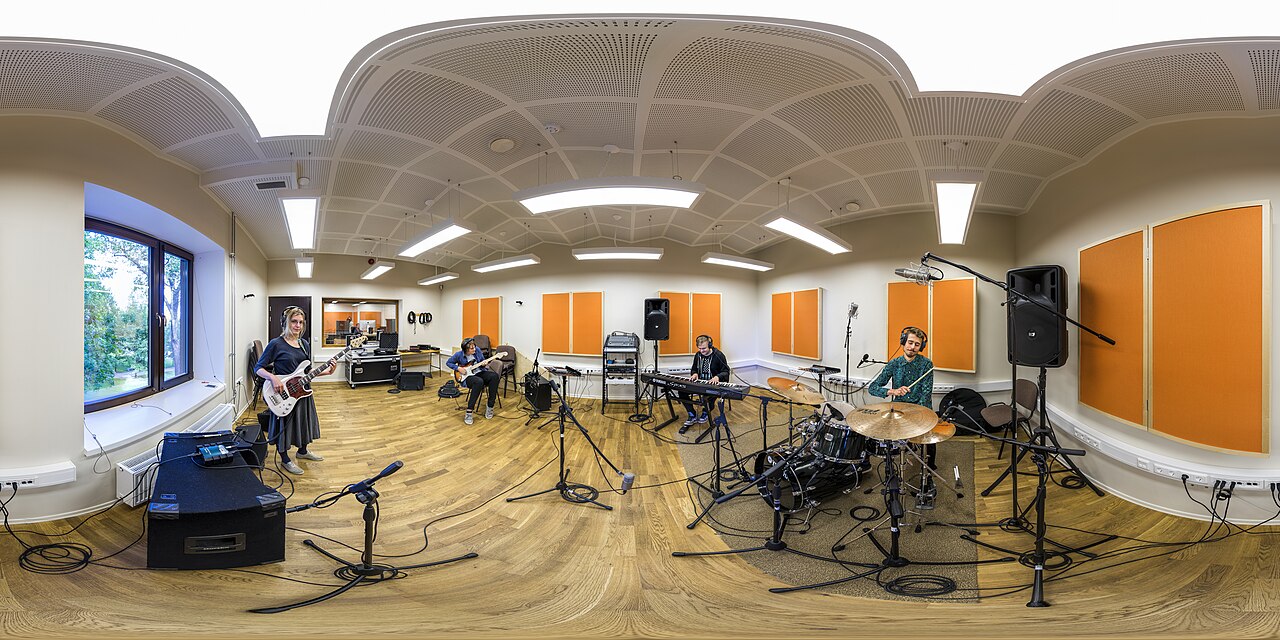
This establishes a groove that is impossible to ignore. This is the blueprint for the modern hit. A song that captures attention before the listener even has a massive chance to think about skipping. It is a masterpiece of rhythmic efficiency, designed to lock into the listener's brain through sheer, repetitive impact.
The hook-first approach is a response to the hyper-competitive environment of the streaming era. Producers now use tools like the Moog or various digital plugins to create sounds that are incredibly sharp and immediate. The goal is to create a sonic signature that is instantly recognizable. This helps it cut through the noise of a crowded playlist. This leaves very little room for the development of a song. The most important part must happen almost immediately to ensure the thirty-second royalty threshold is met.
This songwriting trap forces musicians into a cycle of constant, high-intensity engagement. If every song must start with a bang, then the music loses its ability to use silence, tension, or subtlety as tools for emotional impact. The entire structure of the song becomes a series of small, intense peaks.
It lacks a journey from one state to another. This creates a sense of exhaustion in the listener. The music never allows for a moment of rest or reflection. It constantly pushes for the next burst of dopamine.
The production choices in this era reflect a move toward extreme clarity and impact. Engineers focus on making the kick drum punch through the mix. They want the vocals to sit right at the front.
This ensures that the most important elements are impossible to miss. While this makes for a very polished and professional sound, it also makes for a very predictable one. Every track begins to sound like it was mixed in the same high-end studio with the same expensive gear. We lose the raw, human imperfections that once gave music its character.
We are seeing the death of the musical surprise. This is the moment where a song takes an unexpected turn or reveals a new layer of complexity. When the hook must come first, the rest of the song often becomes a mere repetition of that initial idea. The architecture of the song is flattened. A three-dimensional structure becomes a two-dimensional loop. This efficiency is great for the charts, but it is devastating for the art of songwriting.
The Algorithmic Echo Chamber
Spotify's data-driven playlists rely on a complex web of technology to dictate our musical tastes. The "Discover Weekly" feature is the crown jewel of this system. It uses collaborative filtering and natural language processing to suggest tracks based on user behavior. The algorithm analyzes millions of playlists created by other users. It looks for patterns in how songs are grouped together. If you and another user both enjoy the same set of indie rock tracks, the system will suggest the tracks that the other user likes.
Natural language processing allows the algorithm to understand the context of music through metadata. The machine can read the mood of a song by analyzing its tempo, its key, and the words used in its descriptions. This creates a feedback loop where the algorithm reinforces existing tastes. It suggests more of what you already like than challenging you with something truly different. It creates a personalized bubble. This sonic echo chamber is incredibly comfortable but very limiting.
The feedback loop of the algorithm creates a massive advantage for tracks that already have high engagement. If a song is being played frequently in popular playlists, the algorithm notes this. It begins to suggest it to a wider audience. This creates a rich-get-richer scenario.
The most popular tracks become even more dominant. It becomes nearly impossible for new, experimental sounds to break through the noise. The algorithm rewards the familiar and the frequent. It punishes the strange and the infrequent.
The precision of these data-driven playlists changes how we discover music. We are moving away from the human curation of radio DJs and music journalists. We no longer rely on a person with taste to guide us through the new releases.
Instead, we rely on a mathematical model that prioritizes engagement metrics. This might result in a more efficient discovery process. It lacks the cultural context and the human intuition that once defined the way we learned about new genres and artists. The machine can find a pattern, but it cannot understand a movement.
The consequence of this algorithmic dominance is the homogenization of the new. Because the system rewards tracks that fit into existing patterns, the music being discovered often feels like a slightly polished version of what we have already heard. The algorithm is a mirror. It reflects our own preferences back at us. It makes the world of music feel smaller, more predictable, and much more controlled by the logic of the machine.
The End of the Concept Album
The concept album is a dying breed in the age of the playlist. The idea of a unified, long-form work that explores a single theme is being dismantled by the fragmented nature of modern consumption. Listeners no longer approach an album as a complete entity. They see a collection of individual tracks that can be plucked out and placed into various mood-based playlists. The cohesive thread that once held an album together is being severed, one track at a time.
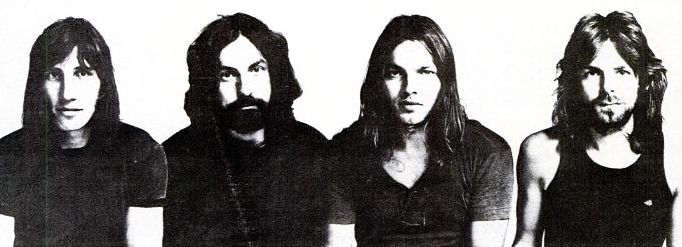
The loss of the concept album means the loss of the musical epic. These are the grand statements that require multiple listens to fully grasp. When the listener's attention is divided among a thousand different playlists, there is no room for the deep, sustained focus required for a concept work. We are losing the ability to experience music as a continuous, evolving story. We replace it with a series of disconnected, momentary experiences. The album has been stripped of its structural integrity, leaving behind only a collection of isolated singles.
The fragmentation of the album also affects how artists approach their own work. The incentive to create a cohesive, thematic project is much lower when the economic rewards are tied to individual track performance. It is much easier to release a series of singles that can be easily integrated into existing playlists than it is to build a complex, multi-layered album. The industry has shifted its focus from the project to the asset. The artist is the one who pays the price for this shift in perspective.
The death of the concept album is the final stage of the playlist's victory. We have moved from a world of intentional, curated listening to a world of passive, algorithmic consumption. The music is still there.
It is often technically brilliant. However, the sense of purpose and the sense of narrative have been lost. We are left with a vast, incredible, but fragmented collection of sounds. We have a beautiful but hollow collection of pieces that no longer form a whole.
The future of music will likely continue this trend toward the even more fragmented and the even more functional. We will see more utility music, more algorithmically optimized singles, and even fewer attempts at the long-form narrative. The technology is too efficient. The economic incentives are too strong to resist. The era of the album as a singular, powerful object is over. We are left with an infinite, ever-shifting, and indifferent stream.