November 1966 brought a biting chill to the London streets, but inside the walls of Abbey Road, the heat from vacuum tubes and the friction of spinning magnetic tape created a heavy, thick atmosphere. The control room smelled of ozone, stale coffee, and the metallic scent of heavy machinery. Engineers sat hunched over the massive Studer J37 machines, their eyes fixed on the four tracks of tape that held the weight of a changing era. Every movement carried the pressure of a band that no longer wanted to play the hits, but instead wanted to manipulate the very physics of sound. The Beatles 1967 studio sessions broke the very rules the engineers had spent years learning.
The EMI Studios staff lived by a strict code of technical perfection. They maintained a high fidelity signal to keep the noise floor as low as possible. You could hear the silence between the notes, a clean and sterile space that defined the professional standard of the mid-1960s. The Beatles arrived with a different set of demands, bringing a desire for distortion, pitch shifts, and textures that defied every manual in the EMI library. They wanted the sound to bleed, to wobble, and to vibrate in ways that the senior staff found deeply unsettling. This tension between tradition and experimentation defined the most productive years of the decade.
Abbey Road engineers like Geoff Emerick and Ken Scott worked within the rigid confines of four-track Studer J37 tape machines. These machines offered very little room for the massive layers of sound the band began to crave. Every time John Lennon or Paul McCartney wanted to add a new instrument, someone had even had to make a difficult choice about what to sacrifice on the existing tracks. The engineers bounced tracks down, a process that risked adding hiss and degrading the signal quality every single time they performed the task. This constant layering created a high-stakes environment where a single mistake could ruin a whole day of recording.
The 1967 sessions departed from the clean signal chain standard that EMI had maintained for decades. The band used varispeed recording, a technique where the engineer adjusted the tape machine speed to change the pitch and timbre of the instruments. While this created the strange, slightly detuned character found on many of their later tracks, it also meant the engineers could never rely on a stable pitch for the entire session. A guitar part recorded at one speed sounded completely different when played back at another. This instability made it difficult to keep the band in tune and even harder to match new recordings to existing ones.
Senior EMI staff viewed these changes with a deep sense of professional dread. They trained to preserve the integrity of the recording, not to distort it for the sake of a psychedelic effect. The band's move toward avant-garde textures often clashed with this traditionalist training, creating a friction that heated the control room. You could see it in the way the older engineers gripped their faders, hesitant to allow the grit and the wobble that the Beatles demanded. The band asked the engineers to abandon the very principles of high fidelity that they had mastered through years of rigorous study and practice.
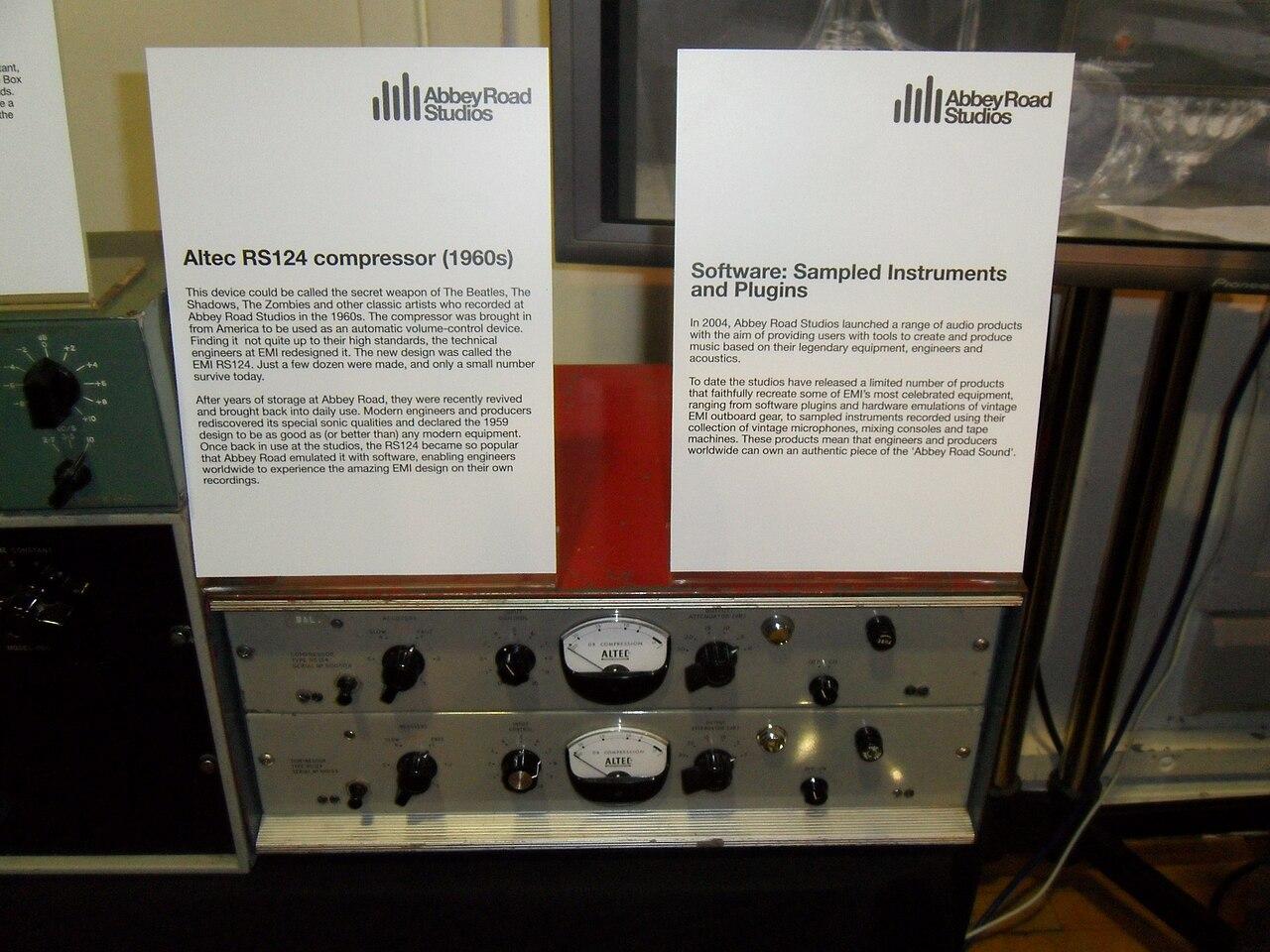
George Martin understood how to use this tension to his advantage. As the producer, he knew exactly when to push the engineers to break the rules and when to pull them back toward the safety of the established standard. He encouraged the use of heavy compression on drums to give the rhythm section a much more aggressive presence. On the Sgt. Pepper's Lonely Hearts Club Band sessions, he pushed for compressed piano parts that hit the listener with a percussive, almost metallic weight. This was not the polite, balanced sound of their early years, but a much denser, more confrontational approach to pop production.
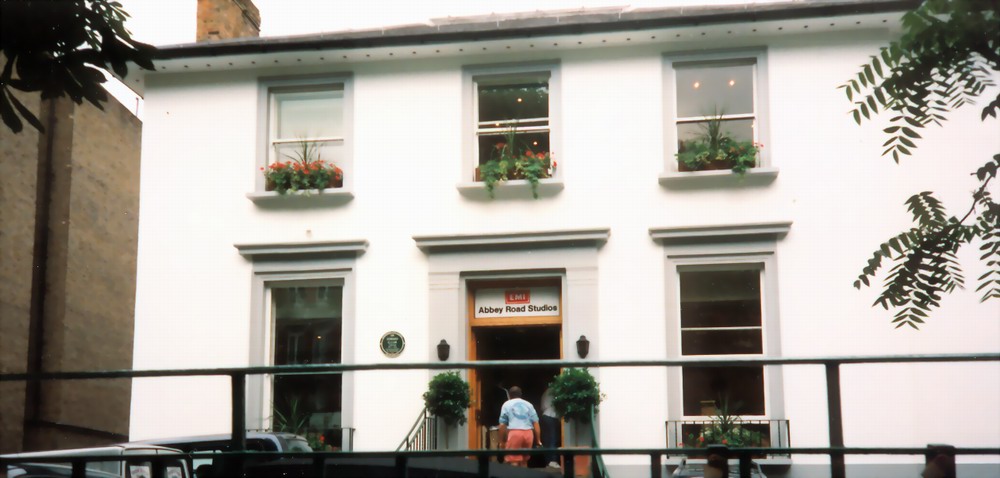
EMI Studios, London, 1966
The REDD.51 mixing console stood at the center of this chaos, providing the routing for every signal in the room. Engineers manipulated the tubular circuitry to find new ways to saturate the sound. They used the Fairchild 660 limiter to squash the transients of the drums, creating a heavy, pumping effect that felt entirely new. This era saw the birth of a production style that valued the character of the equipment over the purity of the signal. The engineers stopped trying to hide the gear and started using the gear to sculpt the song.
Technicians often struggled with the sheer amount of physical gear required for these sessions. They plugged microphones like the Neumann U47 and the AKG D20 into a web of patch cables that draped across the studio floor. Every new idea from the band required a new routing path through the patchbay, which slowed the momentum of the sessions. The engineers spent as much time managing cables as they did monitoring the music. This physical labor added a layer of exhaustion to the mental strain of the creative process.
The Beatles demanded a level of experimentation that pushed the limits of the 1/2 inch tape. They experimented with microphone placement, moving mics from several feet away to just inches from the drum skins. This change in distance altered the relationship between the direct sound and the room ambience. The engineers had to adapt to these constant shifts in the acoustic environment. They learned to embrace the unpredictying nature of the studio, turning the room itself into a participant in the recording process.
The Tape Loop Nightmare
Geoff Emerick often spoke about the physical difficulty of managing the massive amounts of tape loops used during the Sgt. Pepper era. These were not digital files that you could simply click and animate, but actual lengths of magnetic tape that had to be threaded through various playback heads and around microphone stands. The engineers threaded these loops around the studio, creating a literal web of tape that crisscrossed the room. Managing these loops required constant attention, as they could easily tangle, snap, or drift out of sync with the main four-track master. It was a chaotic, manual way of working that felt more like a laboratory experiment than a professional recording session.
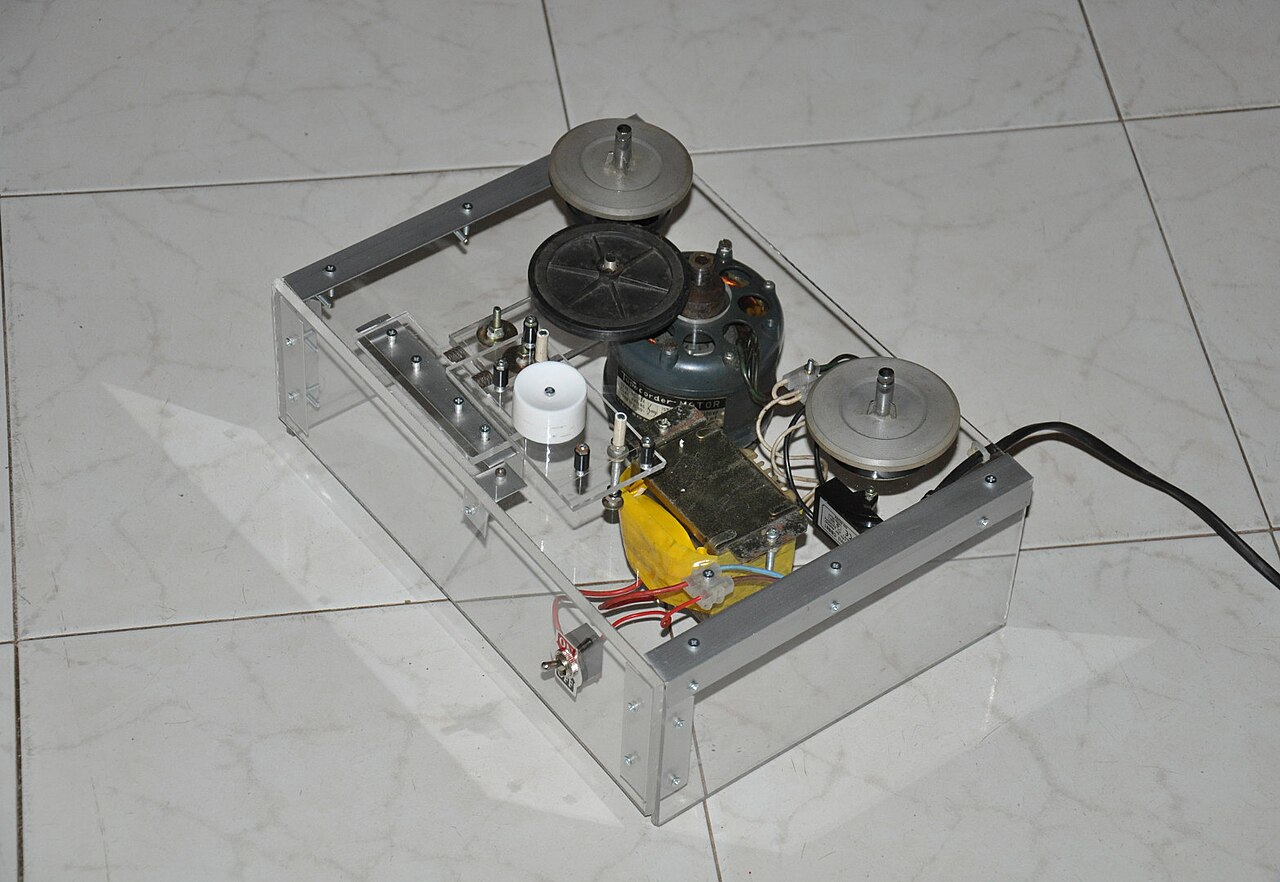
The sheer volume of these experimental sound effects added a layer of logistical madness to the studio routine. Every time the band wanted a new texture, the engineers hunted for the right loop, tested its speed, and then found a way to integrate it into the existing mix. This process consumed massive amounts of time and physically exhausted the staff. They acted as part of a complex, moving machine of tape and pulleys. The studio floor looked less like a music room and more like a construction site for a sonic art installation.
The sound these loops produced often felt strange and unsettling, much like the music itself. They created a swirling, disorienting effect that moved through the stereo field, making the listener feel as if the floor was shifting beneath them. This happened by manually controlling the speed of the playback, a task that required perfect timing from the person at the controls. One second the loop would be a low, growling drone, and the next it would be a high-pitched, chirping insect. There was no way to automate this; it all happened with hands on knobs and fingers on tape.
The physical strain of this work weighed heavily on the crew. The engineers spent hours standing over the machines, their ears ringing from the sudden bursts of experimental noise. They monitored the signal levels constantly to ensure the loops did enough damage to the core tracks or introduced too much unwanted hiss. It was a period of intense, manual labor that demanded a level of focus rarely seen in the more controlled sessions of the early sixties. The Beatles pushed the technology to its breaking point, and the engineers caught the brunt of the struggle.
"I was always trying to find ways to make the sound more interesting, even if it meant breaking the rules that everyone else followed." - Geoff Emerick
Breaking the Rules of High Fidelity
Ken Townsend changed the course of recording history with the invention of Artificial Double Tracking, or ADT. This technique emerged from a simple problem: John Lennon wanted his vocals to sound like they were doubled, but he did not want to sing the part twice. Townsend figured out a way to use a second tape machine to create a slight delay, which effectively thickened the vocal without the need for extra takes. The Paperback Writer single, released in June 1966, featured this heavy use of ADT to create a much denser, more present vocal sound. It was a brilliant hack that bypassed the need for more tracks on the Studer J37.
Geoff Emerick took a different approach when it came to the drum sounds on "Lucy in the Sky with Diamonds." He placed microphones much closer to the skins of Ringo Starr's drum kit than the standard EMI protocols allowed. This departed from the way drums were recorded in the early sixties, when engineers placed mics at a different distance to capture the natural room ambience. By moving the mics in, Emerick achieved a punchy, dry sound that cut through the mix with much more clarity. The drums no longer sounded like they were at the back of a hall, but right in front of your face.
This new, aggressive way of miking the drums changed the entire energy of the band's sound. It gave the rhythm section a much more muscular, driving force that supported the increasingly complex arrangements. The engineers created a new sonic language, one that prioritized impact and presence over the polite, distant fidelity of the past. It was a risky move, as close-mics can often capture too much of the mechanical noise of the kit, but for the Beatles, the trade-off was worth it. The result was a drum sound that felt modern, even by today's standards.
The tension in the control room during these sessions remained palpable. The senior engineers, the ones who had been at EMI for decades, watched these departures from protocol with a mix of curiosity and genuine concern. They saw the loss of the controlled, predictable room sound as a step backward into amateurism. Yet, they could not deny the results. The tracks became more exciting, more layered, and much more capable of capturing the psychedelic spirit of the era. The band broke the rules, and the music improved because of it.
The Splicing Disaster of Strawberry Fields
November 1966 brought the most significant technical challenge of the entire era during the recording of "Strawberry Fields Forever." The band had two different versions of the song that they wanted to combine into a single, cohesive track. One version, Take 7, existed in one key and tempo, while the other, Take 26, existed in a completely different key and tempo. This was not a simple matter of a quick edit; it was a technical nightmare that required the engineers to perform a feat of sonic surgery. They had to find a way to transition between these two vastly different musical states without the listener noticing the jump.

The engineers used varispeed to manipulate the pitch of both takes so that they could meet in the middle. This meant they changed the fundamental nature of the recorded performances to force them into alignment. The process required extreme care, as any error in the speed adjustment would result in a jarring, unpleasant shift in the music. They spent hours, perhaps even days, testing different combinations of speeds and playback rates. The sheer amount of precision required for this splice was unprecedented in the studio at that time.
The final result sounds like a dream, but the reality of its creation involved pure, unadulterated stress. The engineers worked with the limits of what the Studer J37 and the available outboard gear could handle. They fought against the physics of the tape itself, trying to bridge a gap that should have been impossible to close. When the final splice finally happened, it was a moment of pure technical triumph. They successfully merged two different musical worlds into one single, haunting piece of art.
This specific recording session remains one of the most famous examples of the technical chaos that defined the era. It proved that the studio itself could function as an instrument, a place where the boundaries of reality could be manipulated through engineering. The "Strawberry Fields Forever" splice signaled to the rest of the world that the era of the clean, simple pop song was over. The era of the studio as a laboratory had begun, and there was no going back to the way things were before.
Managing the 40-Piece Orchestra
The production of "A Day in the Life" in 1967 demanded a level of engineering control that pushed the studio's infrastructure to its absolute limits. The song required the orchestration of a 40-piece orchestra, a massive increase in the number of musicians and instruments in the studio at one time. This sudden influx of sound created a massive increase in decibel levels, forcing the engineers to manage a much more volatile acoustic environment. The sheer volume of the brass and string sections threatened to overwhelm the microphones and create a muddy, unusable mess.

Managing the signal routing through the studio's patchbay became a complex, almost impossible task during these sessions. Every new microphone, every new instrument, and every new amplifier required a new connection in the web of cables that powered the console. The engineers constantly rerouted signals, trying to find ways to capture the massive orchestral swell without causing feedback or distortion. The patchbay resembled a jungle of wires, and the engineers handled it under extreme pressure. It was a logistical battle that lasted for the duration of the entire recording.
Musicians filled the room, their instruments adding to a wall of sound that felt almost physical. The engineers ensured that the microphones could capture the subtle textures of the woodwinds while also handling the thunderous impact of the percussion. This required constant, vigilant monitoring of the levels, as a single spike in volume could clip the tape and ruin the take. The level of concentration required was immense, leaving no room for error or distraction.
The climax of the song, with its rising swell of brass and strings, remains one of the most intense moments in recorded music history. This moment relies entirely on the successful management of that massive, growing volume. Without the engineers' ability to control the signal and prevent the hardware from failing, the song would have lacked its defining, terrifying power. They captured the chaos and turned it into something controlled, something that could be listened to and understood. It was a masterclass in high-pressure engineering.
The Death of Stereo Separation
The 1967 sessions for Magical Mystery Tour signaled a final departure from the traditional stereo separation that had defined the early Beatles catalog. In previous years, the engineers used a hard left-right split, where certain instruments sat entirely in one channel and others in the second. This created a clear, if artificial, sense of space that was easy for the listener to follow. During the Magical Mystery Tour era, the band moved away from this separation, preferring a much denser, more unified stereo image.
This shift made the mixing duties for the engineering staff much more complicated and much more difficult. Without the clear boundaries of the left and right channels, the engineers had to find new ways to create depth and dimension within the mix. They used panning, reverb, and EQ to place instruments within the stereo field, than simply assigning them to a single side. This required a much more subtle approach to mixing, one that demanded much more creativity and much more technical skill. The old, easy way of mixing died.
The loss of clear separation also meant that the engineers had to be much more careful about frequency masking. When everything sits in the center of the mix, the instruments begin to fight for the same space in the frequency range. This can lead to a muddy, cluttered sound that is difficult to listen to. The engineers used aggressive EQ to carve out space for each instrument, ensuring that the drums, bass, and guitars could all be heard clearly. It was a much more taxing way to work, requiring constant, minute adjustments to the signal.
The result of this new approach was a much more immersive, much more enveloping sound. The music no longer felt like it was happening in front of you, but that it was surrounding you, pulling you into its strange, psychedelic world. It was a much more difficult sound to achieve, but it was exactly what the band wanted. The death of stereo separation represented a gain in atmosphere, a final step in the evolution of the studio as an experimental playground.
The legacy of these sessions lives on in every record that uses the studio as a tool for creation. The engineers at Abbey Road did not just document a band; they helped build the very foundation of modern production. They took the chaos, the noise, and the technical impossibility of the Beatles' vision and turned it into something permanent. The 1967 sessions presented a nightmare for the engineers, but they provided a triumph for the art of recorded sound.