London radio studios in 1958 smelled of stale cigarette smoke and cheap floor wax. A young disc jockey adjusted his headphones. His eyes fixed on the spinning 45 rpm record. This single piece of black vinyl held the power to change a career overnight.
To understand the UK chart control history, you must look past the melodies. See the machinery of the labels. Behind every hit song sat a network of deals and physical monopolies. These forces decided which songs reached the ears of the public.
Record labels never operated on pure merit. The industry relied on a system where visibility equaled victory. If a label could not place a record in a shop or on a radio playlist, the song did not exist. This era of control relied on physical presence and the manipulation of the very channels that delivered music to the masses. The labels built walls around the airwaves and the high streets.
Payola and the Radio Gatekeepers
London radio studios in the 1950s operated with very little oversight. Record companies understood that a single heavy rotation on a popular show could trigger a massive sales spike. This led to the practice of payola. Labels provided direct incentives to disc js to play specific singles.

These payments rarely appeared on any official ledger. The results appeared clearly on the weekly sales sheets. A DJ would receive a cash envelope or a luxury gift. Suddenly, a mediocre pop song would dominate the airwaves for weeks.
The mechanics of this influence remained simple and brutal. A label representative would visit a studio, often carrying a new promotional copy and a heavy bag of cash. They would meet with influential DJs in dim corners of Soho pubs or late-night diners.
The goal was to ensure that the song entered the rotation immediately. When a DJ played a record, listeners heard it on their transistor radios. They then rushed to the local corner shop to buy it. This cycle created a loop of manufactured popularity that bypassed the actual quality of the music.
Radio DJs held a massive amount of power because they were the gatekeepers of the airwaves. There were very few stations, and the ones that existed had huge, captive audiences. If a label could not secure a spot on a major show, their artist remained invisible to the public. The tracks that topped the charts often had more to do with the strength of the label's relationship with the DJ than the strength of the melody. It was a system of influence that favored the well-connected over the talented.
The tension in these studios felt heavy during live broadcasts. Engineers worked frantically to keep the signal clean while the DJs leaned into the microphone with practiced ease. The music played, the audience listened, and the labels waited to see if their investment had paid off. It was a high-stakes game of musical roulette played in the shadows of the broadcasting industry.
The Physical Monopoly of EMI and Decca
EMI and Decca Records dominated the 1960s with an iron grip on the industry. These two giants did not just sign artists; they owned the means of production and the routes to the consumer. They controlled a massive portion of the United Kingdom's pressing plants. This meant they decided how many copies of a single actually hit the market. If you were an independent artist, you fought against a wall of plastic that the majors controlled entirely. They could flood the market with their own artists while leaving little room for anyone else.


The distribution networks of EMI and Decca reached every corner of the country. They had established pipelines that moved vinyl directly into massive retailers like HMV and Woolworths. These shops were the primary battlegrounds for the charts, and the labels controlled the shelf space. A label could ensure their star performer had a prominent display at the front of a Woolworths store, right next to the checkout. This physical placement drove impulse buys from teenagers who walked in for candy and left with a new single.
The logistics of the 1960s relied heavily on the physical. Every record required a factory, a truck, and a warehouse. Because EMI and Decca owned so much of this infrastructure, they could squeeze competitors out of the supply chain. They could prioritize their own pressing schedules, ensuring that a Beatles or Rolling Stones single was available the second it was released. An independent label might struggle to get their stock into the hands of retailers in a time when the first week of sales decided everything.
The sheer volume of vinyl moving through these plants was staggering. During the height of the British Invasion, the presses ran day and night, churning out millions of 7-inch discs. The smell of hot, fresh plastic filled the factories in places like Hayes and London. This industrial might provided the true backbone of the charts, providing the physical substance that allowed the music to exist in the real world. Without this control over the physical object, the labels would have had no way to enforce their dominance.
Top of the Pops and the Big Four
The Big Four labels - EMI, CBS, Decca, and Pye - held the keys to the most important television program in Britain. Top of the Pops drove weekly sales. Being featured on the show was the primary goal for any artist. The labels used their immense influence to ensure their artists received the best slots and the frequent appearances. A single performance on a Friday night could send a song to number one by the following Monday. Producers and label executives worked closely to curate a lineup that reflected the power of these four companies.
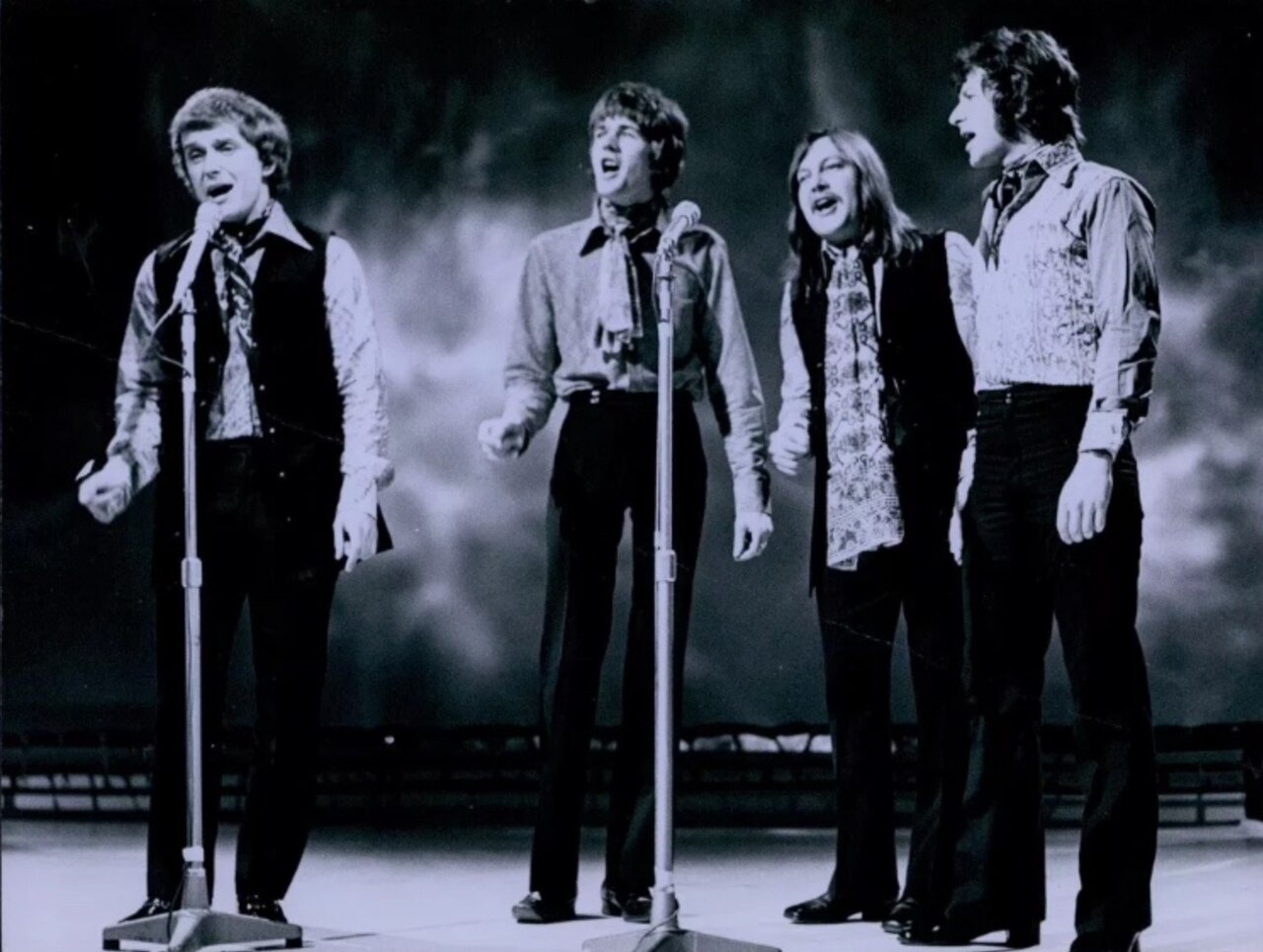
"The lights go up, the cameras roll, and suddenly the artist is part of the national conversation, whether they are ready or not."
The studio lights of the BBC's production facilities were blindingly bright. Performers stood on small stages, surrounded by cameras and a live, much smaller audience. The visual impact of a well-produced performance helped solidify a song's popularity in the minds of viewers. The Big Four labels understood this. They often provided the promotional support to make these appearances look spectacular. They wanted the artist to look like a star, because a star sold records.
Securing a spot on the show required more than just talent. It required a coordinated effort between the label's PR department and the BBC's production team. The labels used their influence to ensure that their biggest stars were always present, creating a sense of continuity in the charts. This helped maintain the visibility of their most profitable acts. If a label could keep an artist on the screen every week, they could keep the sales numbers high for months.
The Big Four also controlled the narrative of what was considered current. By dominating the television rotation, they could effectively decide which genres were in fashion. If the major labels focused on pop, the public saw pop. This created a closed loop where the music being played was the only music being seen, and the music being $only$ music being seen, and the music being seen was the only music being bought.
The Retail War and the Smash Hits Era
The 1970s brought a new way to manipulate the consumer through the power of the press. The "Smash Hits Effect" became a standard marketing strategy for labels looking to drive immediate sales spikes. Magazines like Smash Hits acted as massive, glossy advertisements for the latest singles. They featured bright, colorful posters and news that made every new release feel like an urgent necessity. Labels used these publications to build hype long before a record even hit the shelves.
High-frequency television advertising also played a role in this retail war. Labels spent huge sums on commercials that aired during breakfast television and children's programming. These ads were designed to trigger a sense of excitement and a desire for the physical product. The goal was to create a surge in pre-orders and a massive influx of shoppers into stores during the first week of release. This era of marketing focused on creating a fever pitch of demand that could be measured in the weekly charts.
Qdos, a prominent UK distributor, managed the massive physical supply chain during this decade. They were responsible for moving the heavy crates of vinyl from the pressing plants to the high street shops. The efficiency of distributors like Qdos was essential for the labels to capitalize on the hype created by magazines and TV. If a sudden burst of demand occurred due to a Smash Hits feature, the supply chain had to respond instantly. A failure in distribution meant lost revenue and a failure to reach the top of the charts.
Retailers like Woolworths and various independent record shops became the front lines of this struggle. The labels would often offer special deals or bulk discounts to these shops to ensure they were stocked with the right inventory. It was a battle for the physical shelf space, fought with much more than just music. The labels used every tool in their arsenal, from glossy magazine spreads to supply chain dominance, to ensure their artists won the weekly fight for attention.
The Visual Revolution and the MTV Influence
The 1980s changed the visual requirements for chart success. The launch of MTV in the United States, and its subsequent influence on the UK, meant that labels could no longer rely on radio alone. The era of "Video Killed the Radio Star" demanded that every major artist have a high-quality visual identity. This required a massive increase in marketing budgets. Labels had to fund the production of expensive, cinematic music videos to maintain visibility on music television channels.
The cost of producing these videos was often enormous. Labels were now paying for 16mm or 35mm film, professional directors, and elaborate set designs. A single music video could cost as much as a small house. The return on that investment was measured in chart positions. If a label failed to produce a compelling video, their artist risked disappearing from the airwaves. This created a high-pressure environment where visual content was just as important as the song itself.
The visual era also allowed for a new type of manipulation. A well-directed video could mask a mediocre song, providing the spectacle needed to capture the viewer's attention. Labels used these videos to build larger-than-life personas for their artists, making them more marketable to a global audience. The music became a secondary element to the visual narrative, which was designed to be unforgettable. The cost of this visual revolution was high, but for the major labels, it was a necessary expense to stay relevant.
The pressure on the artists was also immense. They had to be performers, models, and actors all at once. The era of the "pure" musician, who only cared about the sound, was fading. In its place came the era of the visual icon, whose image was carefully curated by label-funded production teams. The charts were no longer just about the best songs; they were about the most expensive and effective visual campaigns.
Britpop and the Sony-Controlled Indie
The 1990s brought a deceptive sense of independence to the UK music scene. The Britpop era seemed to celebrate the rise of the underdog, with bands from small labels suddenly topping the charts. However, the underlying mechanics of the industry remained heavily controlled by major players. Creation Records, the label behind iconic acts, was distributed by Sony. This meant that while the music felt raw and independent, the massive marketing machinery of a massive global giant was powering their ascent.
Sony used its massive budgets to manipulate the perception of indie success. They could provide the distribution, the radio promotion, and the massive retail presence needed to make a "small" label's artist a national phenomenon. This allowed the industry to maintain a veneer of authenticity while still operating under the same old rules of dominance. The "indie" success was often a highly managed phenomenon, backed by the same deep pockets that had controlled the charts for decades.
The marketing of Britpop was a masterclass in brand management. Labels used every available channel to create a sense of a cultural movement. They coordinated press releases, television appearances, and magazine features to ensure that the "Cool Britannia" narrative was inescapable. This was not a spontaneous movement. It was a carefully orchestrated campaign designed to drive record sales. The labels were the architects of this era, building a house of perception that looked much more organic than it actually was.
The competition between major label acts and indie-distributed bands created a false sense of drama. The battle between Blur and Oasis was framed as a clash of cultures, but both were supported by massive industry infrastructures. The labels understood that this perceived conflict would drive even more engagement and sales. By fueling the fire of competition, they could ensure that the entire country was focused on the weekly chart results.
The Gallup Era and Data Manipulation
The technical foundation of the UK charts relied on the Gallup organization. In the decades before digital-age automation, the "Chart Return" system was a physical, labor-intensive process. Record store owners had to physically mail or phone in their sales data to Gallup to be counted. This manual system was vulnerable to influence. Labels could target their promotional efforts toward specific retailers to sway the final numbers.
A primary tactic involved providing targeted promotional discounts to large-scale retailers. If a label could convince a major chain to heavily discount a specific single, that retailer would see a massive spike in sales. Because these sales were reported directly to Gallup, the sudden surge in volume would reflect in the official chart position. This was a way of manufacturing a "hit" through retail manipulation than organic popularity. The labels were buying their way into the top positions.
The reliance on telephone and mail-in data meant that the process was prone to human error and intentional bias. A well-placed phone call from a label representative to a shop manager could ensure that the correct numbers were emphasized. The labels worked tirelessly to monitor these returns, looking for any opportunity to nudge a single upward. The entire system was a game of numbers, and the labels had the most pieces on the board.
This era of chart reporting ended only when digital tracking became the industry standard. The era of the manual return was a period where the margins for manipulation were wide and the rewards were massive. The charts were a reflection of both the music and the immense, hidden power of the labels. Behind every number one hit sat a complex web of retail discounts, promotional pressure, and calculated data management.
The history of the UK charts is often told through the lens of the artists, but the real story lies in the hands of the distributors, the promoters, and the label executives. They built the systems that decided what we heard and what we bought. The music was the surface, but the machinery was the true driver of the culture.