Why Bass Drops Trigger Physical Fear and Arousal
London, 1994. Underworld played "Born Slippy .NUXX" inside a sweat-drenched club, and the air felt thick with stale beer and adrenaline. The low-end pulse did more than provide a rhythmic anchor for the crowd. It hammered against every ribcage in the room with a relentless, driving force that forced bodies to move in unison. This specific frequency pattern triggered an immediate physiological spike, a sudden rush of heat and a racing heart. This visceral reaction forms the core of the psychology of the bass drop, where sound ceases to be something we merely hear and becomes something we feel.
A heavy sub-bass frequency does not stay in the ears. It travels through the floor, up the legs, and settles deep in the chest cavity. Listeners experience what scientists call vibrotactile perception. This phenomenon describes how humans perceive sound through skin and bone conduction. When a massive low-frequency wave hits, your body registers the pressure change as a physical impact. It feels like a heavy weight pressing against your sternum or a sudden jolt to the solar plexus.
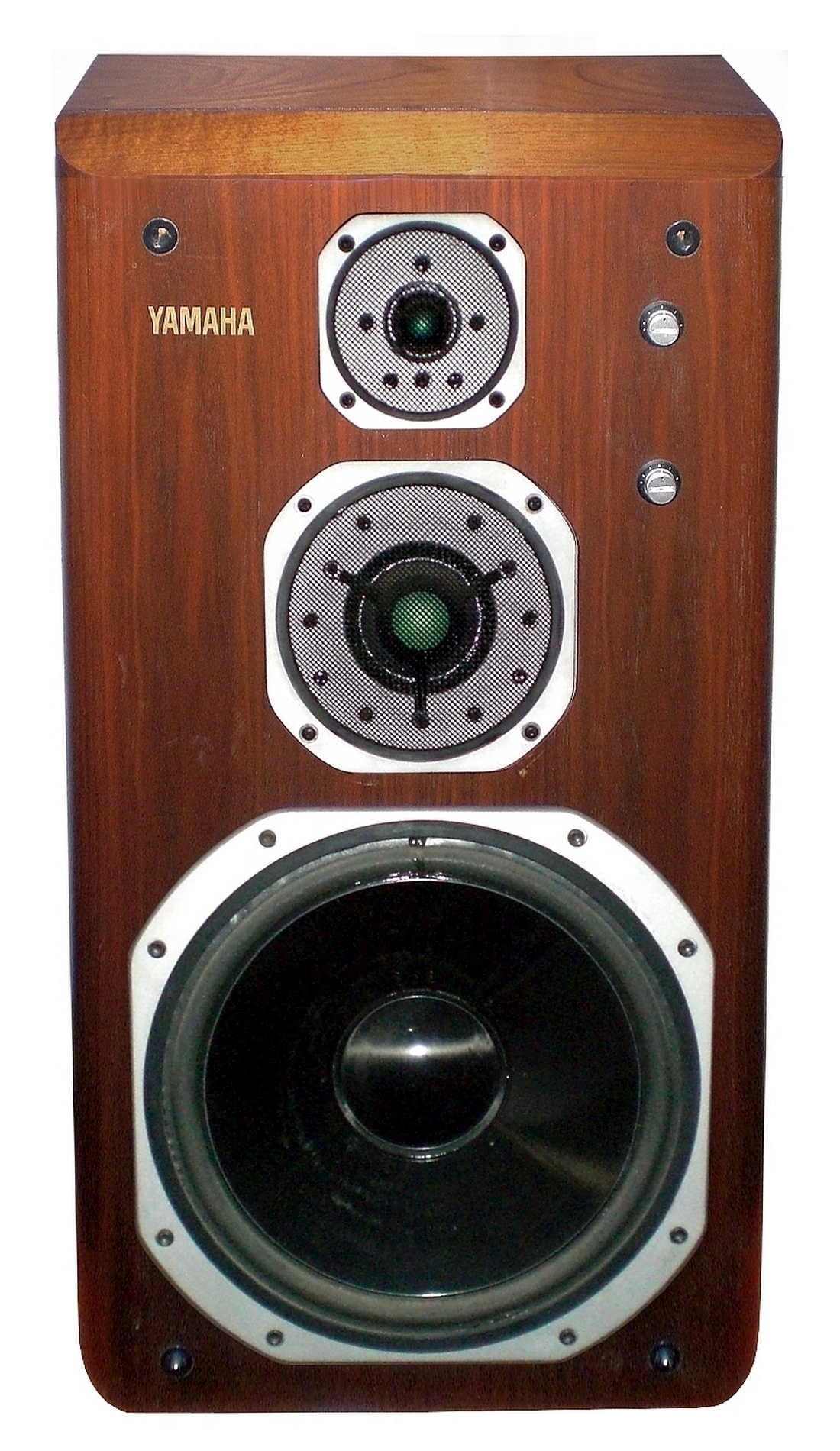
The physical sensation of a well-engineered drop relies on the movement of actual air. Modern club sound systems like the Funktion-One achieve this through sheer brute force. These massive speaker stacks focus on the sub-bass frequency range, specifically between 20Hz and 60Hz. At these levels, the speakers move huge volumes of air to create a pressure wave. This wave hits the listener with the force of a physical object, creating a sense of bodily invasion.
This physical impact creates a strange duality in the human brain. Sudden pressure can trigger a mild fight-or-flight response. The rhythmic predictability of the beat creates a sense of euphoria. You feel the threat of the impact, but you also crave the release of the drop. It is a controlled form of sonic aggression that keeps the dance floor locked in a massive cycle of tension and resolution.
The Roland TR-808 and the Birth of Sub-Bass
Afrika Bambaataa changed hip-hop forever in 1982. He released "Planet Rock" on the Streetwise label, a track that relied heavily on the Roland TR-808 drum machine. This machine did not just provide a beat; it provided a new way to experience rhythm through extreme low-end decay. The 808 kick drum features a long, synthetic decay that stretches far below the range of a standard acoustic drum. This long, ringing sub-bass note became the foundation of an entire genre.
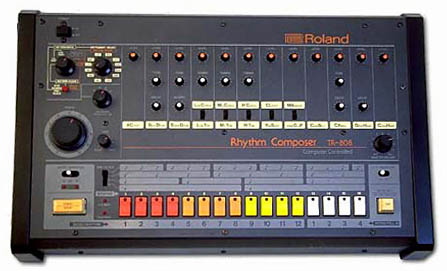
Early hip-hop producers discovered that these decaying notes could fill a room in ways a live drummer never could. The 808 kick behaves more like a bass note than a percussive strike. It lingers in the air, vibrating the very structure of the venue. This extended decay allows the producer to manipulate the tension of a track. By cutting the decay short, they create a vacuum. When they let that note ring out, the sudden release of energy feels massive.
The 808 sound also introduced a specific type of sonic texture. It is clean, synthetic, and incredibly heavy. Unlike a natural drum, which has complex overtones, the 808 kick focuses energy into a singular, concentrated frequency. This focus makes it much easier to manipulate the psychology of the bass drop. Producers use this precision to build a massive sense of dread before the kick finally hits the floor.
Snap! took this concept into the European mainstream in 1992. Their hit "The Power," released on the RCA label, utilized heavy, subsonic frequencies that helped define the early 90s Eurodance sound. They pushed the low-end into a space that was previously reserved for underground clubs. This track showed that the massive, vibrating bass could work on a global scale. It brought the physical sensation of the club into the lives of millions of listeners via radio and television.
Neurobiology and the Auditory-Motor Connection
Dr. Robert Zatorre conducts his research at McGill University in Montreal. He studies the complex relationship between sound and human movement.
His work into the auditory-motory connection reveals how our brains process rhythm. The brain does not just interpret a beat as a sequence of sounds. It prepares the body to move in anticipation of the next strike. This preparation is a fundamental part of the psychology of the bass drop.
Low-frequency vibrations do more than just stimulate the eardrum. They stimulate the vestibular system in the inner ear. This system is responsible for our sense of balance and spatial orientation. When a massive sub-bass note hits, it physically disturbs this system. The brain receives conflicting signals: the ears hear a sound, but the even more primitive inner ear feels a shift in equilibrium. This sensory conflict creates a sense of disorientation that mirrors the feeling of being startled.
This disorientation is a key component of the excitement found in electronic music. The brain struggles to process the sudden physical change, leading to a spike in physiological arousal. We experience a heightened state of alertness. The music forces our nervous system to react to a physical stimulus that mimics a real-world impact. It is a controlled way to experience a loss of stability.
"The brain's response to rhythm is not just about pattern recognition; it is about the physical anticipation of movement."
The connection between the auditory and motor systems means that we cannot listen to heavy bass without our bodies participating. The rhythm dictates our muscle tension and our heart rate. A producer who understands this can manipulate a crowd by controlling the timing of these physical cues. They use the buildup to increase muscle tension and the drop to trigger a massive release.
Infrasound and the Science of Unease
Frequencies below 20Hz exist just below the threshold of human hearing. We call this range infrasound. While we cannot hear these notes in a traditional sense, our bodies still react to them. These waves are long and carry immense energy. They can pass through walls, clothing, and even human flesh with very little attenuation. This creates a sense of unseen pressure in the environment.
Researchers studied the infrasound phenomenon in various settings, such as the Elmsley Hall studies. In these environments, low-frequency vibrations have been linked to feelings of unease or "hauntology." People often report a sense of being watched or a feeling of inexplicable dread when exposed to certain infrasonic levels. This happens because the body detects a physical threat that the conscious mind cannot identify. It is a primal, instinctive reaction to a hidden presence.
Music producers use this science to create tension. By layering frequencies that sit right at the edge of audibility, they can induce a massive sense of anxiety in the listener. This is the dark side of the bass drop. The buildup uses these unsettling frequencies to make the listener feel uncomfortable. The drop then provides the resolution by bringing the energy back into the audible, rhythmic range.
This use of infrasound turns a musical performance into a psychological event. The music becomes an environmental force. It is no longer just about a melody or a beat. It is about the manipulation of the very air the audience breathes. The producer uses the sub-bass to turn a room into a space of heightened emotional intensity, where the line between music and physical sensation disappears.
The Evolution of Sonic Violence in Electronic Music
The 1997 release of "The Fat of the Land" by The Prodigy marked a shift in how producers used low-end energy. Liam Howlett produced this album in various UK studios with a clear goal. He wanted to use aggressive, distorted low-end frequencies to induce a sense of urgency and physical tension. The tracks on this album do not just dance; they attack. The bass does not just pulse; it bites.

This era introduced the concept of sonic violence to the mainstream. The distortion added harmonic content to the sub-bass, making it even more perceptible to the ear. These extra frequencies made the bass feel grittier and more aggressive. It was no longer a clean sine wave; it was a jagged, tearing sound. This approach pushed the listener into a state of high-intensity arousal that bordered on aggression.
The 2012 dubstep era took this even further. Skrillex released "Scary Monsters and Nice Sprites," a track that utilized aggressive mid-range wobbles and massive sub-bass drops. This style of production focused on extreme contrast. The mid-range wobble provided a frantic, almost painful texture. This was then punctuated by a massive, clean sub-bass drop that felt like a sudden drop in atmospheric pressure. It was a visceral, jarring experience.
This evolution shows a clear trajectory toward more extreme physical stimulation. Producers moved away from the smooth, hypnotic pulses of early house music toward much more disruptive and impactful sounds. The goal became the creation of a drop that could physically shock the listener. This requires a mastery of both the extreme low-end and the aggressive mid-range frequencies to maximize the impact of the transition.
Engineering Tension: The Moog Model D and Beyond
Engineers in the 1970s laid the groundwork for these modern techniques. The Moog Model D synthesizer became a staple in heavy, bass-driven electronic music. Its ability to produce thick, unstable low-end oscillators allowed for a level of depth that was previously impossible. The Model D does not just play a note; it creates a massive, organic texture. The slight instability in its oscillators adds a sense of life and movement to the bass.

This instability is crucial for creating tension. A perfectly stable, digital sine wave can feel sterile and lifeless. An analog oscillator that drifts slightly in pitch creates a sense of unease. It feels as though the sound is struggling to remain controlled. When a producer layers these unstable Moog tones with modern, precise sub-bass, they create a complex sonic space of tension and release.
Modern production relies on this blend of the organic and the digital. We use the precision of digital software to control the exact timing of the drop. However, we use the character of analog-style synthesis to provide the emotional weight. The heavy, distorted textures of a Moog-style patch provide the threat, while the clean sub-bass provides the impact. This combination is what makes a modern drop feel so much more powerful than its predecessors.
The technical specifications of these instruments allow for a level of manipulation that borders on psychological warfare. A producer can precisely control the frequency, the decay, and the harmonic content of every single note. They can engineer a buildup that physically tightens the listener's muscles and a drop that forces them to exhale. It is a highly calculated, technical approach to the most primal of human emotions.
The mastery of the bass drop requires more than just loud speakers. It requires an understanding of how sound interacts with the human body and the human brain. From the 808 kicks of the 1980s to the distorted aggression of the 2010s, the goal has remained the same. Producers seek to bypass the intellect and strike the listener directly in the nervous system. When the drop hits, there is no thinking involved. There is only the sudden, physical reality of the sound.