The Physics of Heavy: Why Metal Needs Low-End Frequency
Birmingham, 1970. Black Sabbath stepped onto the stage at the Town Hall with a sound that dropped like a physical weight onto the audience. Tony Iommi did not just play notes; he manipulated air pressure.
He plugged a Gibson SG into a Laney Supergroup amplifier and ran the signal through a Dallas Arbiter Treble Booster to find a specific, sludge-heavy grit. This setup allowed him to achieve a detuned, thick texture that defined the very concept of heavy metal low-end frequency. The strings rattled against the frets with a loose, menacing tension. This sound grew from necessity and accident, yet it established the fundamental physics of the genre.
Metal lives in the chest, not the ears. When a kick drum hits, the listener feels a percussion of the sternum. This sensation exists primarily in the 4-to-100Hz range. This sub-bass zone provides the physical vibration felt in the bones during a set at a venue like the Hammersmith Odeon. If you remove these frequencies, the music becomes thin, brittle, and loses its ability to command the room. The heaviness of metal depends entirely on the displacement of air in this specific low-end window.
The physics of sound dictates that lower frequencies require more energy to move larger volumes of air. A high-pitched guitar squeal moves tiny particles of air. A low-tuned power chord moves the entire room. You cannot have heavy metal without this physical displacement. It is the difference between a light breeze and a tidal wave hitting the shoreline. Without the low-end, the genre loses its most essential weapon: the ability to physically overwhelm the listener.
The Dreadful Weight of 1970
Birmingham's industrial atmosphere in 1970 provided the perfect backdrop for this sonic mutation. The factories produced a constant, low-frequency hum that permeated the city's air. Tony Iommi took that mechanical dread and translated it into his guitar tone. He used a Laney Supergroup amplifier to push the low-mids into a muddy, menacing territory. This was not a clean, polite sound. It was a thick, suffocating wall of noise that felt like it could crush anything in its path.
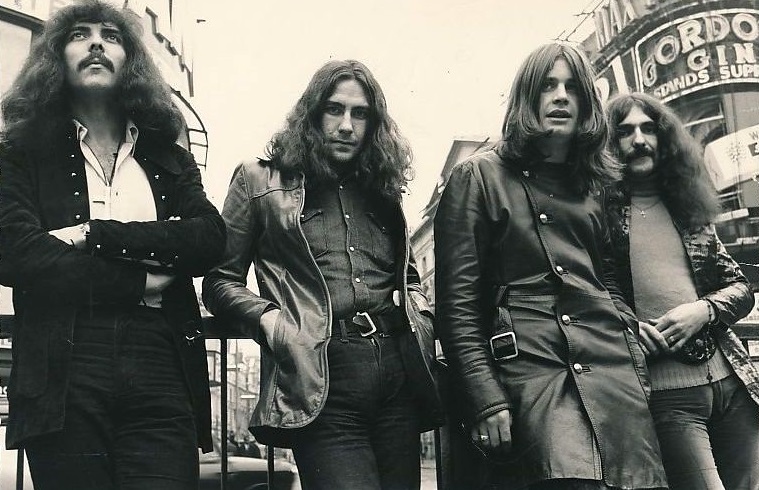
The Dallas Arbiter Treble Booster played a strange, vital role in this equation. While the name suggests a focus on high frequencies, the device actually helped Iommu cut through the mix without losing the fundamental heaviness. It pushed the Laney amps into a specific type of saturation that emphasized the low-end growl. The result was a detuned, sludge-heavy riff style that felt much larger than a four-piece band. Listeners did not just hear the first track of the Black Sabbath debut; they felt the floorboards tremble.
Music historians often focus on the riffs, but they miss the sheer mass of the production. The 1970 self-titled album carries a density that modern digital recordings struggle to replicate. The engineers captured a sense of air moving around the amplifiers. You can hear the decay of the notes as they bleed into the room. This sense of space allows the low-end to breathe, making the heavy parts feel even more massive when they land.
The Altamont Free Concert in 1969 serves as an earlier, more chaotic example of low-frequency psychological impact. The massive Wall of Sound used by certain acts that year demonstrated how sheer volume and low-frequency pressure can alter a crowd's state. High-volume, low-frequency waves can induce anxiety or even physical nausea in some listeners. Black Sabbath harnessed this exact primal tension, turning a physical sensation into a stylistic cornerstone of heavy metal.
The Low-End Architecture of Slayer
Rick Rubin entered the studio in 1986 with a singular, violent vision for Slayer. He wanted the production on Reign in Blood to hit like a serrated blade. To achieve this, he worked closely with engineer Paul Northfield to strip away any unnecessary sonic clutter. The drum sound is famously dry and tight. There is no massive, artificial reverb masking the impact of the kit. Every strike of the kick drum lands with a surgical, punishing precision.
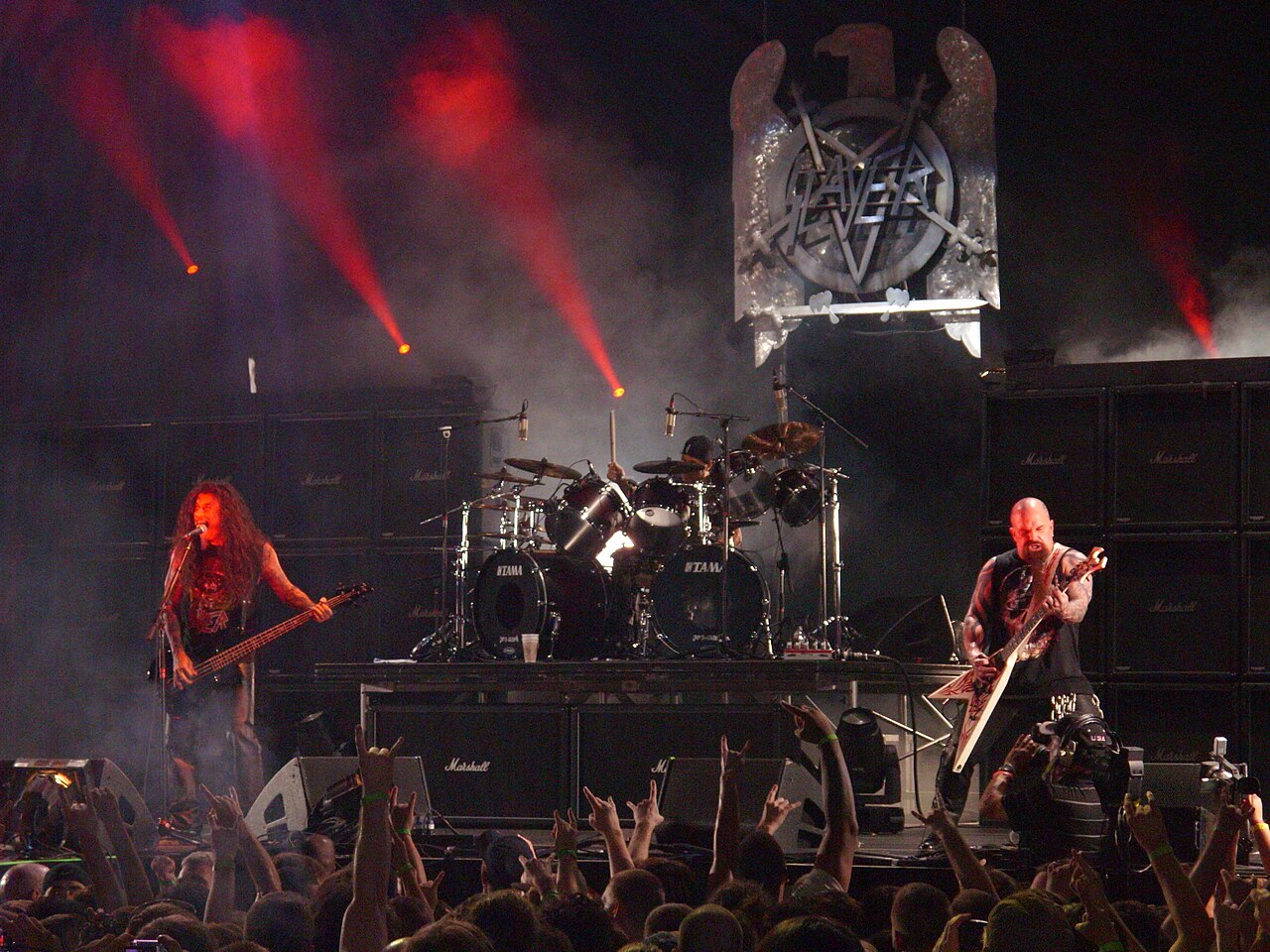
This dry production technique emphasizes the kick drum's low-end punch. By removing the "wash" of the room, Northfield allowed the transient of the kick to cut through the distorted guitars. The low-end does not bloom or linger; it strikes and disappears. This creates a sense of incredible speed and aggression. The listener experiences the drums as a series and rapid-swinging physical impacts against the chest wall. It is a masterclass in using frequency to drive tempo and intensity.
"I want the drums to sound like they are right in your face, no bullshit." - Rick Rubin
The guitars on Reign in Blood occupy a different part of the frequency spectrum than the drums. While the guitars provide the mid-range grit, the kick drum occupies that crucial 60Hz pocket. This separation prevents the mix from becoming a muddy mess. When the kick drum and the bass guitar sync up, they create a unified, percussive force. This architectural approach to the mix ensures that the speed of the thrash beat never loses its clarity or its weight.
Slayer's success with this sound changed how extreme metal was recorded. They proved that you do not need massive amounts of reverb to sound "big." In fact, the lack of space makes the music feel more claustrophobic and intense. The tightness of the low-end frequency creates a sense of unrelenting pressure. It is a sonic assault that relies on the precision of the low-end transient rather than the volume of the room.
The Rotosound Distortion of Lemmy
Lemmy Kilmister played the bass like a lead instrument. His setup on Motörhead's 1980 masterpiece Ace of Spades departed from the traditional role of the bass guitar. He utilized a Marshall Major amplifier, an amp designed for guitarists, to drive his signal into heavy distortion. This choice pushed the fundamental notes into a gritty, mid-range territory that competed directly with the guitars. He did not just support the rhythm; he drove it.

Rotosound swing bass strings provided the necessary brightness and sustain for this approach. These strings allowed his bass to function as a distorted rhythm guitar. The combination of the Marshall's mid-range punch and the Rotosound's metallic clank created a massive, harmonically rich sound. When Lemmy played, the bass occupied the same frequency space as the guitars, filling the sonic gap with sheer distortion. This created a wall of sound that felt far more dense than a standard rock arrangement.
The low-end on Ace of Spades is not polite or subtle. It is a distorted, rumbling force that provides the melodic foundation for the song. You can hear the individual notes of the bass line, but they are wrapped in a layer of grit. This grit allows the bass to bridge the gap between the kick drum and the guitar. It creates a continuous stream of low-frequency energy that never lets up during the track's frantic pace.
Lemmy's approach fundamentally altered the perception of the bass player's role in metal. He proved that the bass could be a primary source of aggression. By focusing on the mid-range bite and the heavy low-end punch, he created a sound that was both melodic and punishing. His signal chain was a deliberate attempt to destroy the boundary between rhythm and lead, resulting in one and of the most iconic tones in the history of heavy music.
The Rise of the Five-String Era
The 1990s brought a new level of technical complexity to death metal. Bassists no longer felt content with just following the root notes. They wanted to explore the darker, deeper reaches of the fretboard. This demand led to the widespread development of the 5-string bass by manufacturers like Ibanez and Warwick. These instruments added a low B string, expanding the playable range downward and allowing for much more complex, melodic movements in the sub-bass territory.
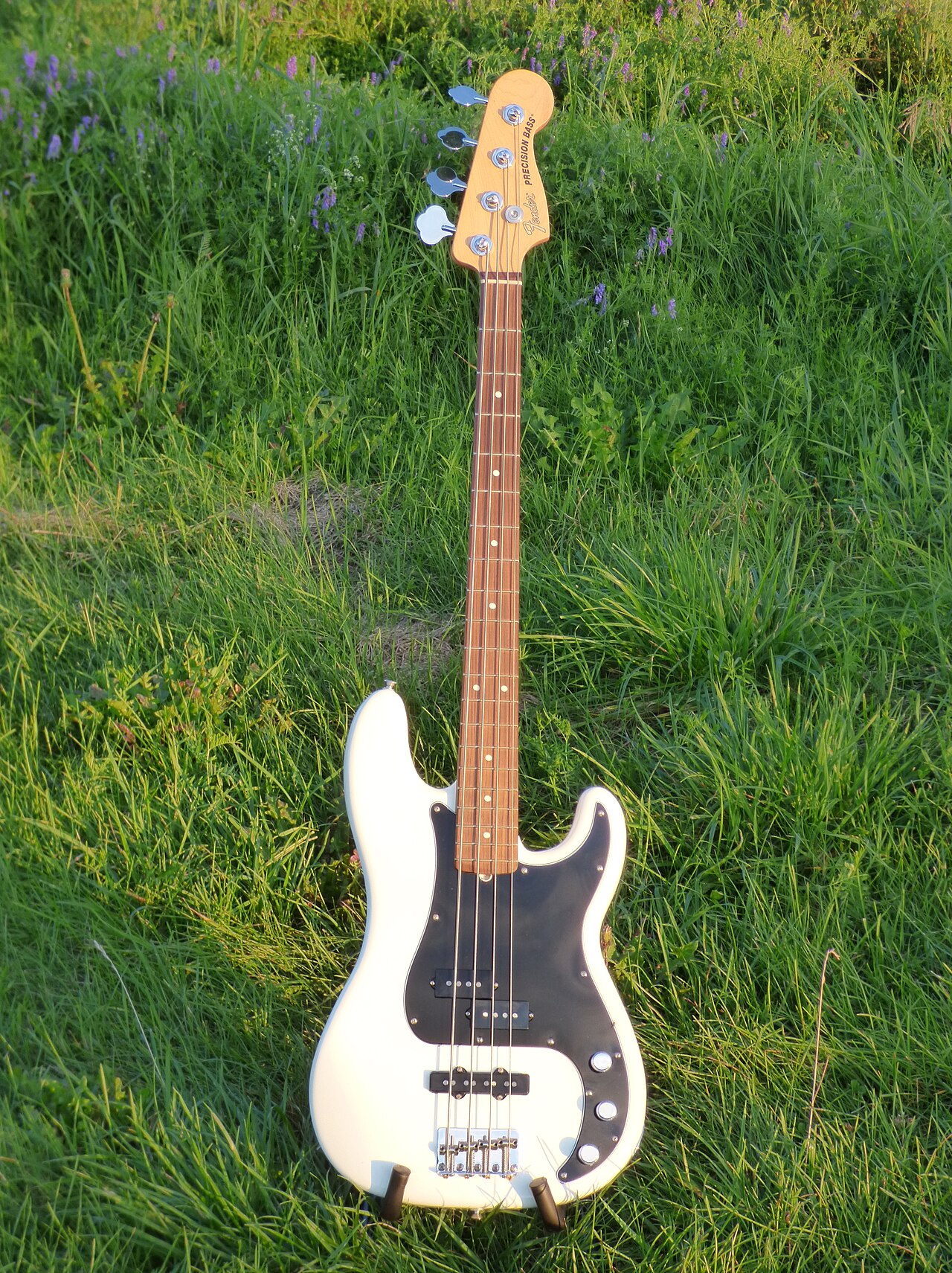
Steve Diज्योia of Death became a central figure in this movement. His ability to play the low A and B notes allowed him to match the intensity of the guitars. The 5-string bass provided the necessary tools for the technicality of death metal. Without that extra string, the intricate, downward-drifting riffs would have lost their foundational weight. The extra low notes allowed the bass to anchor the increasingly complex and fast-paced compositions of the era.
Ibanez and Warwick engineered these instruments to handle the high tension of heavier strings. These basses needed to maintain clarity even when playing at extreme speeds. A muddy 5-string is useless in a death metal mix. The engineers had to ensure that the low B string had enough definition to be heard through the wall of distorted guitars. This era of instrument design was a direct response to the evolving needs of the genre's most extreme practitioners.
The shift to 5-string basses changed the very architecture of the metal mix. The frequency spectrum expanded downward, forcing producers to rethink how they balanced the low-end. There was more information to manage in the 40Hz to 100Hz range. This era demanded much cleaner production to prevent the extra low frequencies from turning the entire song into an indistinct blur. The evolution of the instrument drove the evolution of the recording studio.
The Death of Dynamics in the Loudness War
The late 1990s and early 2000s introduced a period of sonic destruction known as the Loudness War. Mastering engineers began using heavy compression to make albums sound louder than their predecessors. This process involved squashing the dynamic range of a recording to bring the quietest parts up to the level of the loudest. While this made tracks jump out of the radio, it had a devastating effect on the impact of heavy metal releases.
Heavy compression on the mastering desk reduced the perceived impact of low-end transients. In a good metal mix, the kick drum should hit with a sudden, sharp energy. When you compress the signal heavily, that initial "hit" is flattened. The transient is smoothed out, making the kick drum feel like a dull thud rather than a sharp strike. This loss of dynamic range stripped the music of its physical punch. The music became a constant, unmoving wall of noise that lacked the ability to surprise or overwhelm.
The loss of the 40Hz to 100Hz "punch" was particularly noticeable. Without the contrast between the quiet moments and the heavy hits, the low-end lost its ability to move the listener. The music became fatiguing to listen to. Instead of feeling the music in the chest, listeners were simply subjected to a relentless stream of compressed frequencies. This era of mastering prioritized volume over the physical sensation of rhythm and weight.
Many modern metal fans look back at the pre-Loudness War era with a sense of loss. Albums from the 1980s and early 90s possess a dynamic breath that modern digital releases often lack. You can hear the drummer's foot hitting the pedal. You can hear the decay of the cymbals. This dynamic range is what allows the low-end to feel massive. When everything is at maximum volume, nothing feels heavy.
The Engineering of Sonic Density
Tampa, Florida, became the epicenter of death metal production in the early 1990s. Morrisound Recording was the laboratory where the genre's sonic density was perfected. Producer Scott Burns engineered the low-end density of legendary albums by Cannibal Corpse and Sepultura. He understood how to layer guitars and drums to create a sense of overwhelming, crushing weight. His approach focused on density rather than volume.

Burns focused on the relationship between the kick drum and the bass guitar. He ensured that the low-end frequencies occupied a unified space. In tracks like "Hammer Smashed Face," the kick drum and bass guitar move in perfect synchronization. This creates a singular, massive low-frequency event every time the drummer hits the pedal. The density of the sound comes from this tight integration of frequencies. It creates a sense of a single, enormous instrument hitting the listener.
The studio setup at Morrisound allowed for precise control over the low-mid frequencies. Burns used specific EQ techniques to carve out space for the guitars without sacrificing the fundamental weight of the rhythm section. This required a deep understanding of how different instruments interact in the 100Hz to 300Hz range. If the guitars are too thick in this area, they mask the kick drum. If they are too thin, the music loses its grit. Burns mastered this delicate balance.
Pantera's 1996 release Far Beyond Driven represents another peak in this pursuit of weight. Using a 4-string Ibanez Waybd tuned to D standard, Dimebag Darrell achieved a massive, downtuned crunch. The album hit number one on the Billboard Heatseekers chart, proving that extreme low-end heaviness had massive appeal. The production on this record is incredibly dense and punishing. It relies on the heavy, slow-moving transients of the low-tuned guitars to create a sense of immense physical pressure.
Replicating the Physical Sensation
Modern live audio engineering faces a new challenge: how to replicate the physical sensation of low-frequency transients for an audience. In a large arena, the low-end can easily become lost or muddy. The air is too vast, and the energy dissipates before it can reach the back of the room. Engineers now use specialized technology to ensure the heavy metal low-end frequency remains impactful even in massive spaces.
The Subpac and similar haptic feedback technologies are part of this technological evolution. These devices use actuators to physically vibrate the wearer or the seating, mimicking the sensation of a kick drum hitting the chest. While primarily used in personal listening or specialized installations, the principle is the same. The goal is to recreate the physical displacement of air that occurs in a smaller, more intimate venue like the Hammersmith Odeon.
Modern subwoofers are also much more capable than their predecessors. Engineers can now deploy massive, high-output sub arrays that can project 40Hz signals with incredible clarity. This allows them to maintain the "punch" of the kick drum even in stadiums. The challenge is managing the phase relationships between multiple subwoofers. If the waves are out of sync, they cancel each other out, and the heaviness disappears. Precision engineering is now just as important as the music itself.
The physical nature of metal will always depend on the ability to move air. Whether through a Laney amp in 1970 or a high-tech sub array in 2024, the goal remains the same. The music must be felt as much as it is heard. The true power of the genre lies in that low-frequency vibration that hits the sternum and refuses to let go. It is a primal, physical connection that transcends mere melody.