The Low-End Science of 90s Grunge Frequency
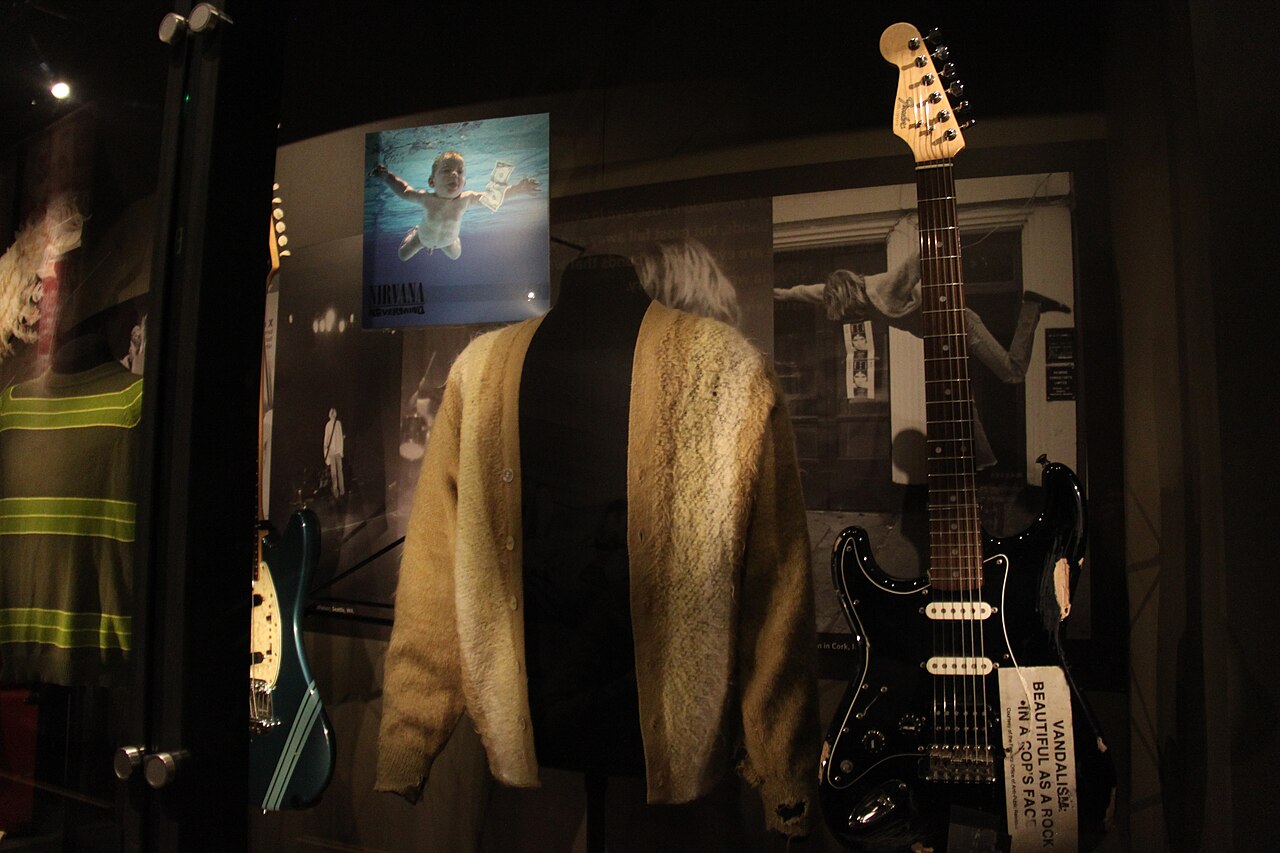
Recwest Studio in Seattle smelled of stale coffee and damp flannel in early 1991. Kurt Cobain sat in a small corner, plugged a Fender Mustang into a tiny, distorted amp, and tracked the demo for "Smells Like Teen Spirit." This recording lacked the polished sheen of a big-budget studio production. It relied on a raw, unrefined grit that would soon define the 90s Grunge Frequency for an entire generation. The tape hiss and the loose, muddy guitar tones felt more honest than anything playing on MTV at the time.
Seattle musicians rejected high-fidelity perfection. They wanted sounds that felt like they had been pulled out of a basement or a garage. This preference for grit shaped the way engineers approached the mixing board. You could hear the weight of the music in the way the low-mids swallowed the treble. It was a heavy, physical sensation that hit the listener in the chest rather than the ears.
Bruce Pavitt and Jonathan Poneman founded the Sub Pop label in 1988 to codify this sonic aesthetic. They marketed a specific type of low-fidelity audio to a growing underground audience. Their releases prioritized heavy bass and mid-range grit over the crystal-clear high-end clarity found in mainstream pop. This approach turned technical limitations into a deliberate artistic choice. The lack of treble made the music feel thick and suffocating in the best possible way.
The Heavy Weight of the 400 Hz Zone
Engineers working in the Pacific Northwest understood the power of the middle frequencies. The "Seattle Sound" relied heavily on the 200-400 Hz frequency range. Many engineers call this the "mud" or "warmth" zone. It is the part of the spectrum where the music starts to feel dense and difficult to ignore. If you push this range too hard, the mix turns into a blurry mess. If you find the sweet spot, the music gains a massive, physical presence.
Mudhoney demonstrated this perfectly on their 1988 release, Superfuzz Bigmuff. The guitars on that record do not shimmer; they rumble. The frequencies sit right in that heavy, mid-low pocket, creating a texture that feels like sludge moving through a pipe. This density creates a sense of claustrophobia that defines the genre. You do not just hear the guitars; you feel them pressing against your eardrums.
The 400 Hz zone acts as the glue for the entire arrangement. It fills the gap between the kick drum and the guitars. When a band like Mudhoney or early Nirvana emphasizes this range, the instruments bleed into one and another. This bleeding creates a wall of sound that feels much larger than a four-piece band. It is a messy, glorious way to mix a record.
Listeners often mistake this density for poor engineering. They think the lack of high-cap clarity means the recording is bad. In reality, the engineers leaned into the "mud" to create an atmosphere of grit. They wanted the listener to feel the weight of the distortion. This frequency choice made the music feel grounded and real, unlike the plastic-sounding pop of the late 1980s.
Butch Vig and the Sound City Punch
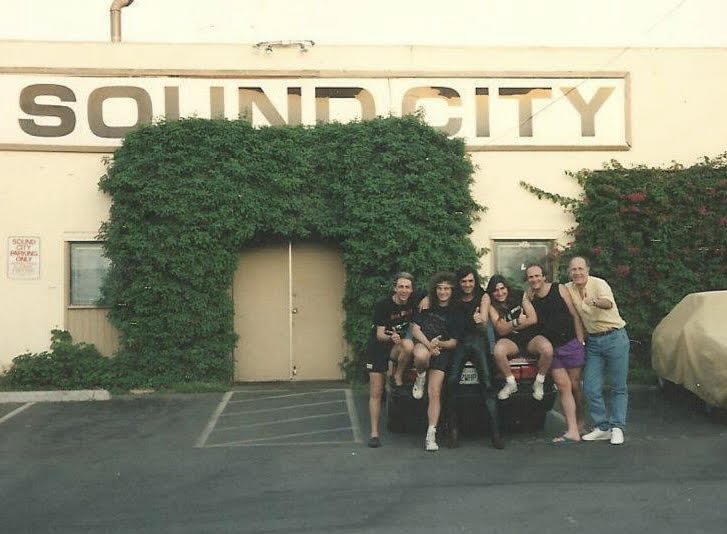
Sound City Studios in Van Nuys, California, provided the perfect canvas for the expansion of this sound. During the 1991 production of Nirvana's Nevermind, engineer Butch Vig changed the way the world heard grunge. He did not just capture the band; he sculpted a sonic powerhouse. Vig understood that for the 90s Grunge Frequency to work, the drums needed to punch through the thick guitar layers.
Vig applied heavy compression to Dave Grohl's drum tracks to achieve a massive, physical impact. He wanted the snare to crack like a whip and the kick drum to hit like a sledgehammer. This compression tightened the transients, making the drums feel incredibly aggressive. When Grohl hit the kit, the sound stayed centered and powerful despite the wall of distorted guitars swirling around it.
The result was a record that sounded massive on both radio and club systems. The drums provided a rhythmic skeleton that could support the heavy mid-range weight of the guitars. Without this drum punch, Nevermind might have just sounded like a noisy, indistinct mess. Vig's precision allowed the melody to exist within the chaos. He gave the chaos a heartbeat.
Listening to "Smells Like Teen Spirit" reveals this exact dynamic. The drums drive the song forward with an almost violent energy. Each beat feels deliberate and heavy. The compression brings the listener closer to the kit, making it enough that Groel seems to be playing in the room with you. It is a masterclass in using studio technology to enhance the raw energy of a performance.
The Fuzz Pedal and Midrange Saturation
Kim Thayil of Soundgarden knew how to manipulate the listener's perception of space using gear. On the 1994 single "Black Hole Sun," his guitar work utilized heavy-gauge strings and wah-based modulation to create a swirling, psychedelic effect. This was not about clean notes; it was about texture and movement. The heavy strings allowed for a deeper, more resonant vibration that complemented the song's dark atmosphere.
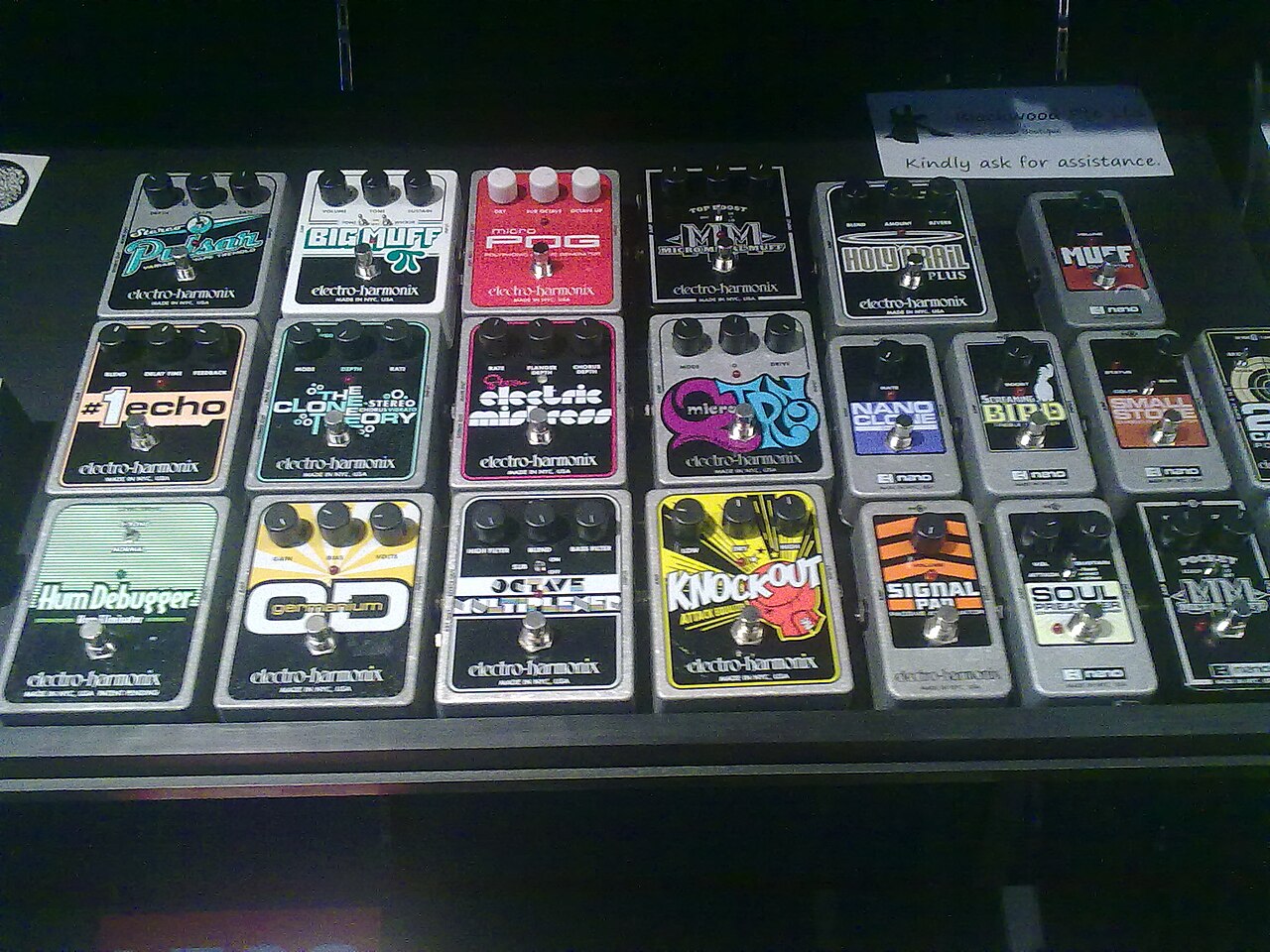
The Big Muff Pi fuzz pedal played a massive role in this era of heavy rock. Musicians like Kim Thayil and the members of Melvins used this pedal to achieve a specific type of saturation. Unlike standard overdrive, which adds a light grit to the existing tone, the Big Muff emphasizes a thick, saturated midrange. This pedal physically vibrates at a lower hertz level than most other distortion effects. It fills the frequency spectrum with a thick, creamy distortion that feels almost liquid.
This saturation creates a sense of immense volume even at lower levels. The pedal pushes the mid-range frequencies so hard that they seem to overflow the boundaries of the guitar signal. It fills the gaps between the bass and the cymbals. When you layer a Big Muff over a clean signal, the sound expands outward like an inflating balloon. It is a tactile, heavy sensation that defines the sludge-heavy side of the genre.
"I've always preferred the 'ugly' and 'unarmored' side of the guitar tone. I never wanted that polished, high-frequency sheen you heard in 80s hair metal."
- Kurt Cobain, Rolling Stone, 1992
Cobain's preference for "ugly" textures was a deliberate rejection of the era's prevailing trends. He wanted the listener to hear the friction of the pick against the string. He wanted the distortion to feel unrefined and even slightly unpleasant at an edge. This rejection of polish was central to the movement's authenticity. It was a move away from the artifice of the previous decade toward something much more visceral.
Low-End Resonance in the Seattle Sound
London Bridge Studios in Seattle served as the birthplace for some of the heaviest vocal performances in rock history. When Alice in Chains recorded Dirt in 1992, producer Dave Jerden focused on capturing a specific kindest of grit. The production utilized specific low-mid frequency resonance to emphasize the "sludge" texture of the tracks. This was not about making the vocals pretty; it was about making them heavy.
Layne Staley's vocal delivery on Dirt carried a weight that few singers could replicate. His voice sat deep within the mix, often blending with the bass frequencies. This created a sense of unified, heavy texture where the vocals felt like another instrument in the sludge. You could hear the grit in his throat, and the production emphasized every rasp and moan. The vocals felt like they were emerging from the same mud as the guitars.
Pearl Jam also utilized the unique acoustics of London Bridge Studios to great effect on Ten in 1991. Eddie Vedder's baritone vocals utilized a resonant frequency profile that sits heavily in the lower registers of the human vocal range. This low-frequency vocal presence anchored the band's melodic anthems. It gave songs like "Jeremy" a sense of gravitas and emotional weight that a higher, thinner voice could not have provided.
The interplay between the low-register vocals and the heavy bass lines created a monolithic sound. The music did not just sit on top of the rhythm section; it lived within it. This integration made the songs feel incredibly dense and difficult to shake. It was a sonic environment that felt both oppressive and incredibly comforting to those who loved the genre.
Abandoning the 80s High-Frequency Sheen
The late 1980s were defined by a bright, treble-heavy production style. Hair metal bands used high-frequency sheen to make their guitars sound massive and polished. Everything was crisp, clean, and incredibly shiny. The grunge movement arrived like a blunt instrument, smashing that glass aesthetic to pieces. The shift was not just stylistic; it was a fundamental change in how engineers approached the frequency spectrum.

Kurt Cobain's 1992 interview with Rolling Stone made his stance clear. He explicitly moved away from the polished, high-frequency sheen of 80s hair metal. He sought out the "unrefined" and "ugly" textures that felt more aligned with the punk roots of the Seattle scene. This meant reducing the treble and boosting the mids and lows. It meant letting the distortion bleed and the frequencies overlap in a way that felt messy.
This departure from the 80s sound changed the way listeners experienced rock music. The new sound was less about technical virtuosity and more about emotional weight. The lack of high-end clarity made the music feel more grounded and less like a performance. It felt like something that was happening right in front of you, unmasked and raw. The removal of the "sheen" removed the barrier between the artist and the audience.
Musicians began to favor gear that produced more harmonic distortion in the lower frequencies. They moved away from the bright, thin tones of the 80s toward the saturated, mid-heavy tones of the 90s. This shift helped create the thick, wall-of-sound effect that became the hallmark of the era. The 90s Grunge Frequency was a direct response to the perceived superficiality of the decade that preceded it.
The Physics of Drop D and Sludge
Jerry Cantrell of Alice in Chains mastered the use of tuning to manipulate the physical weight of a song. He often utilized the "drop D" tuning method on his guitars to create a darker, more ominous sound. This technique involves lowering the pitch of the lowest string by a whole tone. By doing this, the fundamental frequency of the lowest string is physically lowered, creating a heavier sonic weight.
This change in tuning does more than just make the notes sound lower. It changes the tension of the strings and the way the guitar vibrates. The lower frequency creates a more sluggish, "droopy" feeling in the riffs. It allows the guitar to inhabit a frequency space that is much closer to the bass guitar. This proximity between the guitar and bass is what creates the "sludge" effect.
When the guitar and bass occupy the same low-frequency space, the distinction between the two instruments begins to blur. This creates a single, massive unit of sound. The listener can no longer tell where the bass ends and the guitar begins. This lack of separation is the essence of the sludge sound. It is a dense, impenetrable wall of low-end energy that feels incredibly powerful.
The physics of tuning is a simple tool, but its impact on the 90s Grunge Frequency was massive. It provided the foundation for the heavy, brooding atmosphere that defined the era's most iconic bands. Without the weight of drop D and the saturation of the Big Muff, the music would have lacked its signature gravity. The era was defined by its ability to make sound feel like a physical object, heavy and unavoidable.
The era of grunge was never about being pretty. It was about being present. The engineers and musicians of Seattle found beauty in the mud, the fuzz, and the low-end resonance. They took the broken, unrefined parts of the frequency spectrum and turned them into a revolution. The weight of that sound still pulls at the listener today, proving that some frequencies are simply too heavy to ever truly fade away.