The Science of the Telecaster Crunch
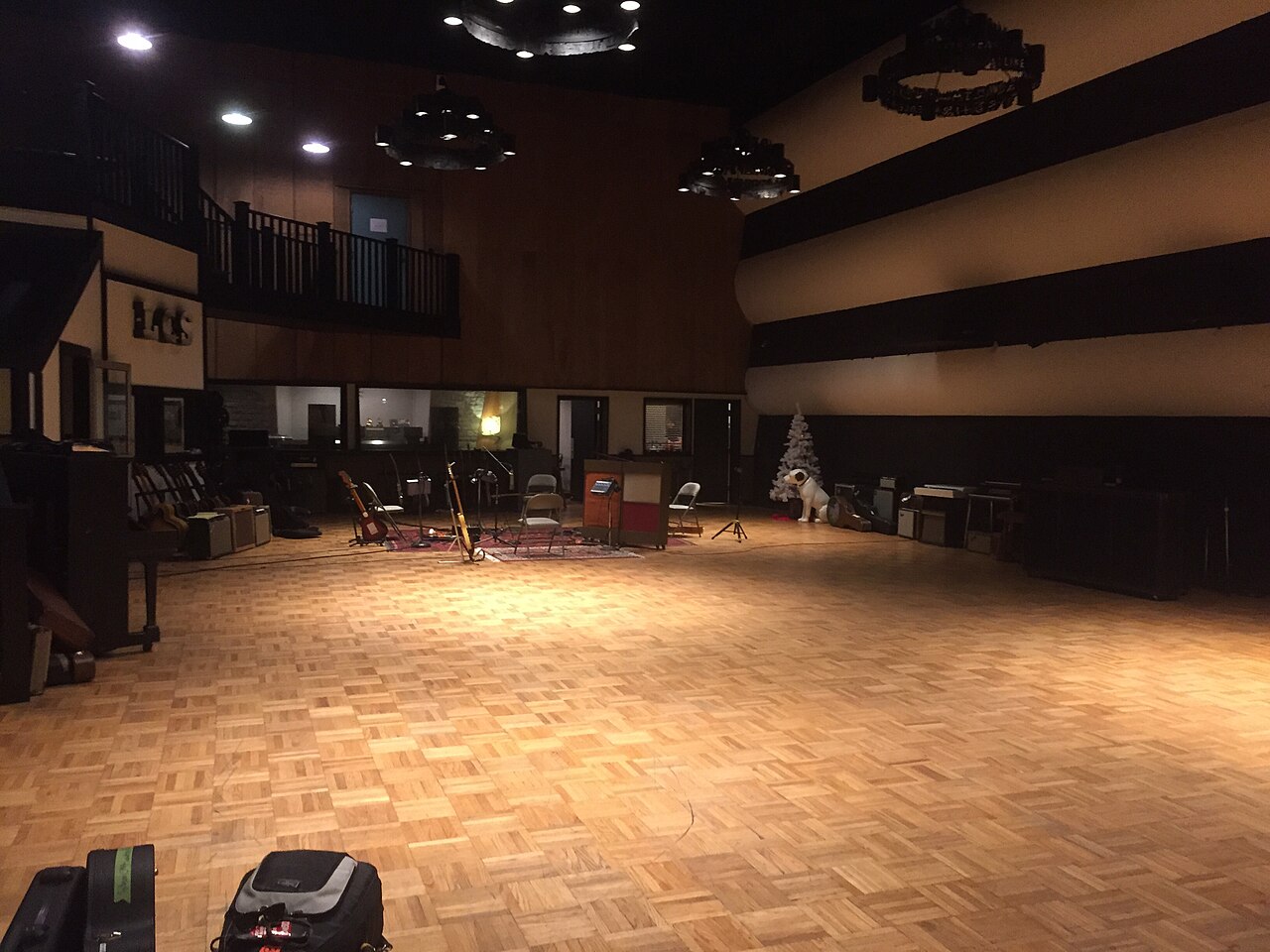
London's RCA Studios smelled of stale cigarettes and ozone in 1965. Keith Richards sat in a dim corner, gripping a 1952 Fender Telecaster. He struck a single, distorted riff that changed pop music forever. This riff birthed the "(I Can't Get No) Satisfaction" hook. That specific Telecaster crunch defined the Rolling Stones' early sound.
The riff sounded like a jagged piece of glass sliding across a sidewalk. It lacked the warm, polite tone of the era's cleaner blues recordings. Instead, the guitar bit into the listener with sudden, electric aggression. Richards used the guitar to create a rhythmic snarl. This moment signaled a shift from melodic pop toward a more visceral, guitar-driven rock energy.
Engineers at RCA struggled to capture such a raw, overdriven signal. They captured clean vocal tracks and smooth brass sections most days. Richards pushed his equipment to the limit to achieve that gritty, saturated texture. The resulting recording provided a blueprint for every garage rock band that followed. It proved that a single, biting guitar line could carry an entire anthem.
The Stones did not act alone in their pursuit of this sharp, biting tone. The mid-sixties saw a massive move toward more aggressive guitar figures across the Atlantic. While the British Invasion was already in full swing, the Telecaster provided a different weapon. It offered a metallic edge that the hollow-body guitars of the previous decade could not match. This era introduced the dominance of the riff.
The 1965 RCA Studios Breakthrough
RCA Studios in London served as the laboratory for this sonic revolution. The technical constraints of the time actually helped shape the final product. Producers like Andrew Loog Oldham understood that the grit was the point. They did not try to polish away the distortion. They leaned into the messiness of the signal to capture the band's rebellious spirit.
Richards played with a specific, percussive intent on that 1952 Telecaster. He used the bridge pickup to emphasize the attack of his pick against the strings. This technique created a rhythmic pulse that felt more like a drum than a melody. The distortion was not just a byproduct of volume. He used the guitar as a rhythmic engine.
The success of "(I Can't Get No) Satisfaction" changed the expectations for studio recordings. Every kid with a cheap amplifier now wanted that same biting, distorted sound. The industry had to adapt to a new kind of sonic demand. Cleanliness was no longer the gold standard for rock and roll. The era of the Telecaster crunch arrived in the mainstream.
This breakthrough also highlighted the importance of the right gear in the right room. The interaction between the Telecaster and the studio microphones created a unique frequency response. The high-end frequencies popped with an almost unnatural clarity. It felt as though the guitar sat right in front of the listener's face. This immediacy became a hallmark of the Stones' early discography.
Engineers like Dave Hassinger worked tirelessly to manage the signal levels. They faced the challenge of capturing a sound that technically broke the rules of fidelity. Distortion usually meant a failed take or a broken tube. For the Stones, it was the very soul of the track. This fundamental change in recording philosophy paved the way for the heavy blues-rock of the late sixties.
The cultural climate of 1965 demanded this new sonic friction. The polite, orchestrated pop of the early sixties felt increasingly disconnected from the rising youth movement. A Telecaster through a pushed Vox AC30 or a Fender amp provided the necessary grit. It provided the sound of a generation that no longer wanted to be smoothed over. The crunch was the sound of truth.
The Physics of the Bridge Pickup
The single-coil design of the Telecaster's bridge pickup lacks the mid-range warmth of a humbucker. This absence of middle frequencies makes the instrument effective in a loud band. It creates the specific, percussive harmonic content essential to rock rhythm playing. You hear the strike of the plectrum before you hear the note itself. This provides a physical sensation rather than just a musical one.
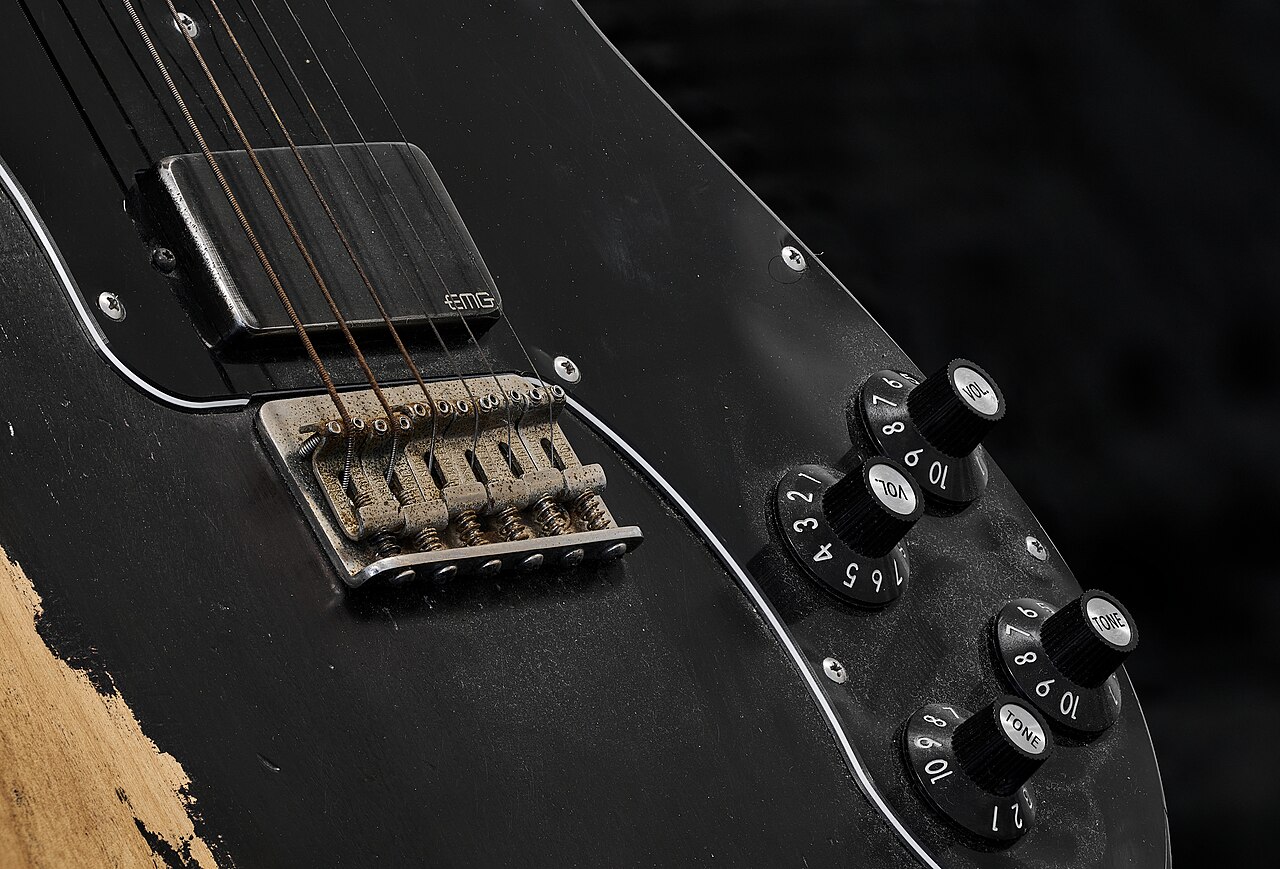
Physics dictates how these magnets and copper coils interact with vibrating steel. The bridge pickup sits directly beneath the strings where they are most taut. This position captures the highest-frequency harmonics with extreme precision. When a player strikes a chord, the pickup registers a sudden burst of energy. This creates a sharp, transient spike in the audio signal.
The "bite" of the Telecaster's bridge pickup produces high-frequency harmonics that trigger a physiological response in the human auditory cortex. These frequencies hit the ear with a sharp, piercing quality. It feels like a sudden jolt of electricity. This allows the instrument to grab a listener's attention in a dense mix. It cuts through the low-end rumble of drums and bass like a knife.
Engineers often struggle to tame this aggressive frequency range during a mix. If you boost the mids too much, the guitar loses its identity. If you leave the highs untouched, it can become fatiguing to the ear. The magic lies in the balance of those upper-mid harmonics. A well-engineered Telecaster track provides clarity without causing literal pain to the listener.
"I've always loved the Telecaster because it cuts through the mix like no other instrument."
Eric Clapton shared this sentiment during a 1990 interview. He recognized that the instrument's strength lies in its refusal to blend in. While a Gibson might sit comfortably within a lush arrangement, the Telecaster demands its own space. It refuses to be ignored by the listener or the rest of the band. This clarity drives the fundamental science behind the instrument's enduring popularity.
The magnetic field of the Alnico magnets plays a vital role here. These magnets create a concentrated pull on the steel strings. As the string vibrates, it disturbs this field, inducing a current in the copper wire. Because the bridge pickup is placed at the point of highest string tension, the magnetic flux changes most violently there. This violence translates to the treble-heavy "twang" that defines the genre.
This mechanical precision is why the Telecaster remains a staple in session work. A producer knows exactly where that guitar will sit in a frequency spectrum. It occupies the 2kHz to 5kHz range with ruthless efficiency. This allows a mix to feel wide and deep without the guitars masking the vocals. The physics of the instrument practically do the mixing work for you.
Cutting Through the Mix
New York City's Record Plant provided the backdrop for another massive moment in 1975. Bruce Springsteen sat in the studio, working on the sessions for Born to Run. He utilized a 1950s Fender Telecaster to anchor the E Street Band's wall of sound. The guitar provided a sharp, rhythmic foundation that could stand up to the heavy organ and saxophone. It acted as the heartbeat of the entire production.
Springsteen's use of the instrument demonstrated its ability to handle massive, cinematic arrangements. The Telecaster did not get lost behind the heavy percussion or the soaring melodies. Instead, it provided a rhythmic skeleton that held the entire song together. The player's aggressive strumming style relied on the instrument's natural percussive attack. Every downstroke felt like a heavy beat hitting the listener.
The Fender Twin Reverb amplifier plays a massive role in this sonic equation. The "twang" characteristic of the Telecaster often relies on the interaction between the bridge pickup and a Fender Twin Reverb amplifier set with high treble. This combination creates a bright, almost clinical clarity. The amplifier's clean headroom allows the high-frequency transients to remain uncompressed. This prevents the sound from becoming a muddy mess of distortion.
Mixing a Telecaster requires a deep understanding of these high-end frequencies. A producer must ensure the treble does not become shrill or piercing. Removing too much of that top end destroys the instrument's primary advantage. The goal is to preserve the "snap" of the attack. You want the listener to feel the pick hitting the string.
The interplay between the guitar and the amp creates a specific frequency pocket. This pocket sits right above the fundamental notes of the bass and the lower frequencies of the snare. By occupying this specific space, the Telecaster avoids clashing with the rest of the rhythm section. It occupies a frequency range that is relatively unoccupied by other instruments. This is the secret to its legendary clarity.
Clarence Clemons and Springsteen used this frequency separation to create a massive stereo image. The saxophone occupied the lower-mid warmth, while the Telecaster sat in the upper-mid bite. This prevented the "wall of sound" from turning into a "wall of mud." It allowed the listener to track every individual element within a dense, maximalist arrangement. The Telecaster was the sharp edge of that sonic blade.
Modern digital mixing has actually made this harder to achieve. Compression algorithms often squash the very transients that make the Telecaster special. A contemporary engineer must use multiband compression to control the harshness without killing the life. You have to protect the "crack" of the note. If you lose the transient, you lose the Telecaster.
The Evolution from Broadcaster to Icon
Fender introduced the Telecaster under the name Broadcaster in 1950. Leo Fender wanted a versatile tool for the post-war era. The design was simple, utilitarian, and incredibly effective. It was not a luxury item but a working man's tool. This ruggedness eventually defined the instrument's reputation.
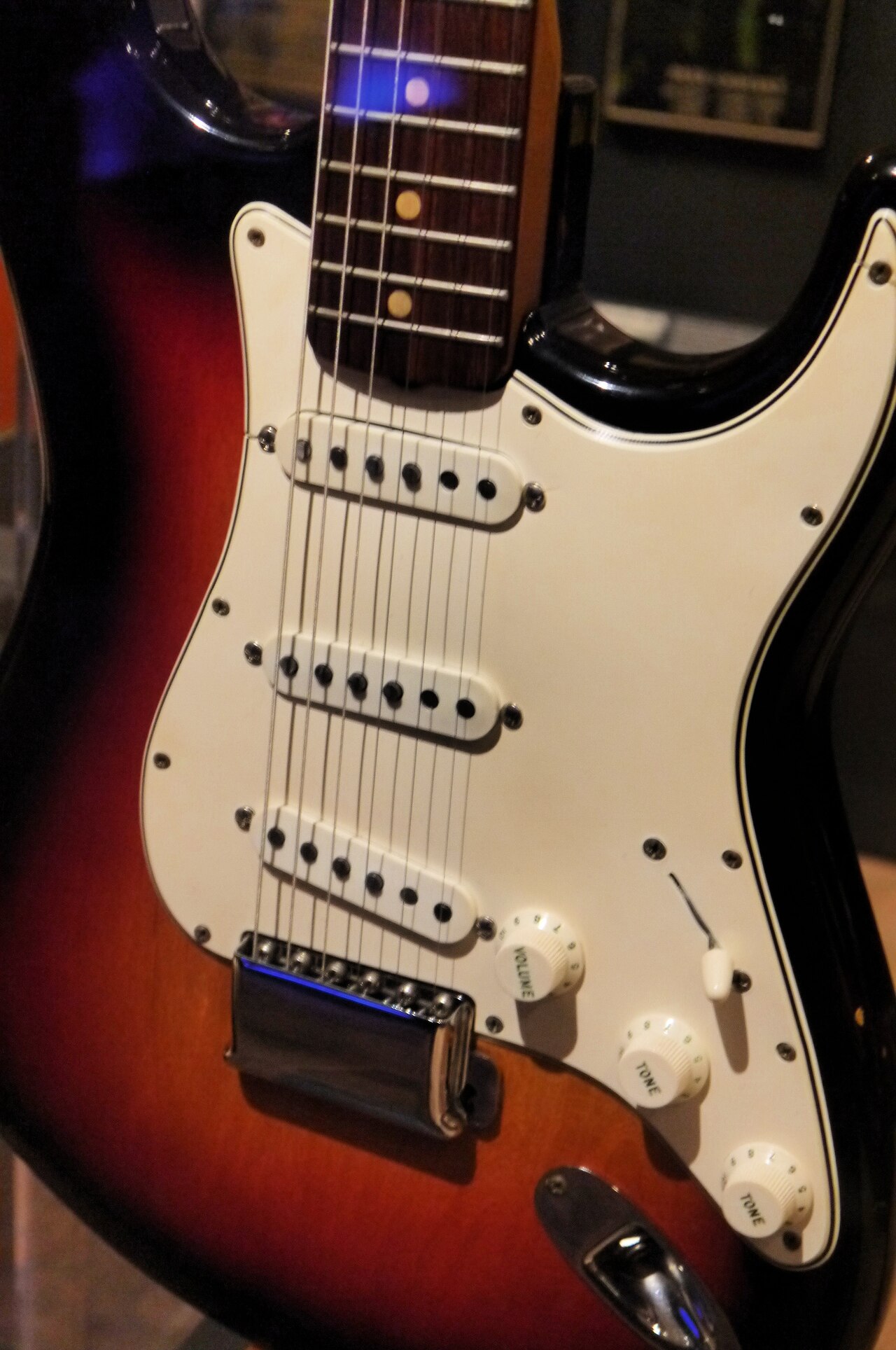
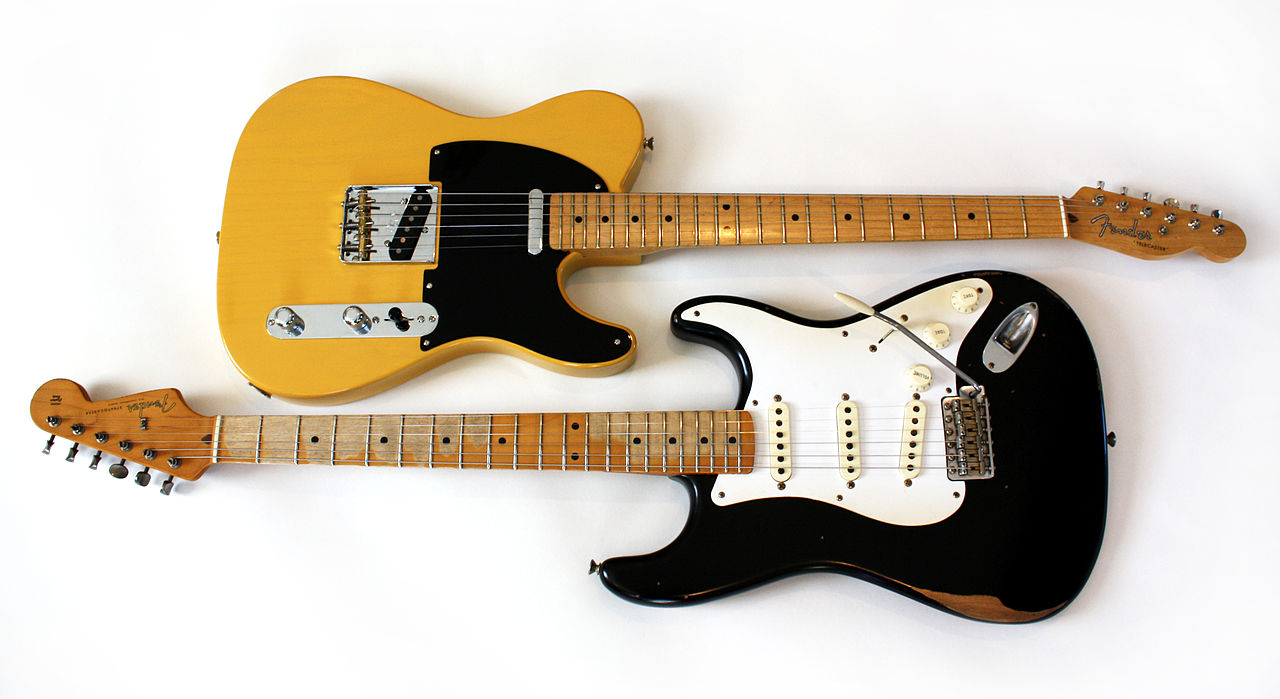
A trademark dispute forced a quick rebranding of the instrument. Broadcasters Inc. held the rights to the original name. Fender rebranded the guitar as the Telecaster shortly after the initial release. This change had no impact on the instrument's physical construction or its sonic characteristics. The name change merely added to the instrument's legendary, almost accidental aura.
The transition from a niche tool to a global icon happened through sheer utility. Musicians found that the instrument could handle almost any genre, from country to rock. Its construction was incredibly durable for touring musicians. It could withstand the rigors of life on the road better than most hollow-body guitars. This durability made it a favorite among the most hard-working players in the industry.
Early models featured a single-coil pickup configuration that emphasized clarity. As the decades passed, players began experimenting with different bridge setups and wiring. Some added humbuckers, while others sought even more treble through specialized wiring. This adaptability ensured the instrument stayed relevant as musical tastes shifted from honky-tonk to heavy metal.
The 1970s brought the introduction of the Telecaster Deluxe, featuring humbuckers. This model offered a thicker, warmer sound that appealed to blues-rock players. However, the original single-coil Telecaster remained the gold standard for anyone needing to cut through a dense mix. The instrument's DNA remained rooted in that sharp, immediate attack that Leo Fender originally envisioned.
Keith Richards' influence cannot be overstated in this evolutionary timeline. He took a tool designed for country picking and repurposed it for rock and roll rebellion. He showed the world that the Telecaster's "thin" sound was actually a weapon of precision. By leaning into the treble, he created a sonic signature that defined an entire era of music. The instrument's identity changed from a polite accompanist to a lead protagonist.
The Telecaster remains a cornerstone of the electric guitar's history. It is a masterclass in functional design where every element serves a sonic purpose. Whether it is the ash body providing resonance or the maple neck adding brightness, the parts work in unison. It is a machine built for the specific purpose of making noise that demands attention.
The Telecaster crunch is more than just a technical phenomenon. It is a deliberate choice to embrace the raw, the unpolished, and the piercing. It is the sound of a guitar refusing to hide behind the rest of the band. When you hear that unmistakable bite, you are hearing decades of musical defiance captured in a single, electric strike.