The Science of the Earworm: Why Hooks Get Stuck
Starship blasted "We Built This City" across American FM radio in 1985, and no one escaped those high-frequency synth hooks. The track climbed to number 2 on the Billboard Hot 100 through the sheer force of repetitive, bright melodies. You hear that shimmering keyboard line and your brain instantly locks into a loop. It feels less like a choice and more like a biological takeover. This phenomenon defines the psychology of the hook, a mental loop that refuses to exit your skull.
Researchers call this mental loop Involuntary Musical Imagery, or INMI. Dr. Vicky Williamson popularized this term through psychological studies on how melodies hijack our internal monologue. These tracks do not just play in your head; they colonize it. Your brain treats these fragments like a puzzle it cannot solve, forcing you to replay the loop to find a resolution that never arrives. It acts as an intrusive, rhythmic itch that only the next repetition can scratch.
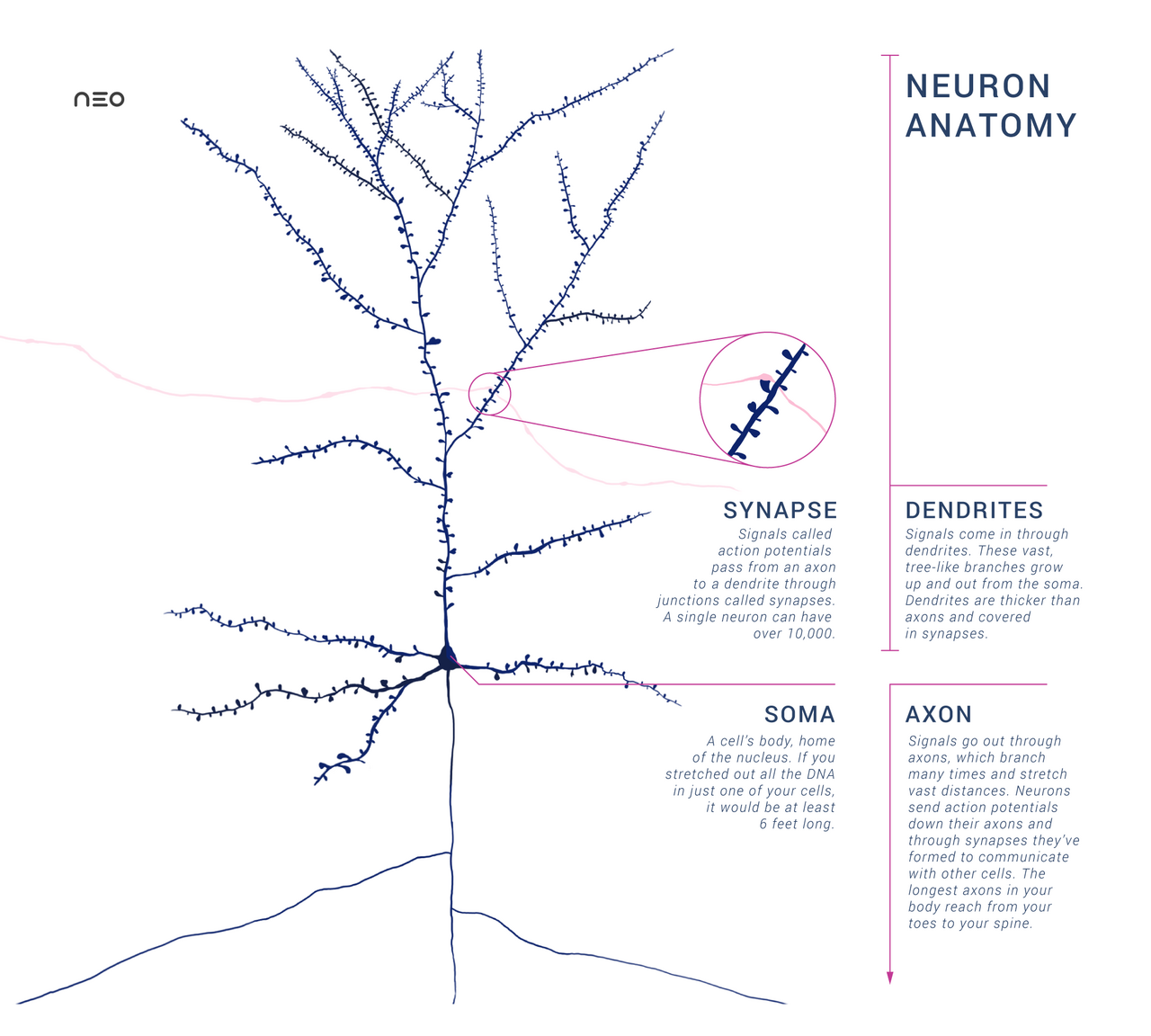
Neuroscience provides the hard evidence for why these melodies stick. Dr. David Komlósi, a neuroscientist at the University of California, San Diego, published research in 2014 regarding how the brain processes these patterns. His work shows that the auditory cortex reacts specifically to rhythmic patterns and melodic intervals. The brain identifies these structural building blocks and stores them in a loop. When the melody lacks a clear exit, the auditory cortex keeps the track running in the background like a stalled engine.
The Biology of the Involuntary Earworm
The human brain loves a pattern it can predict. Dr. David Komlósi found that our neurons fire in anticipation of the next rhythmic beat or melodic leap. When a song provides a predictable structure, the brain settles into a comfortable state of recognition. This recognition creates the foundation for the involuntary earworm. The brain recognizes the pattern, starts the playback, and then gets stuck because the pattern lacks the complexity to move past.
Paul McCartney experienced this spontaneous melody creation during a legendary session in the 1960s. In a 1998 interview with Rolling Stone, McCartney described the songwriting process for "Yesterday" as a sudden, melodic emergence. The melody arrived in his mind fully formed before he even wrote a single word of lyrics. He often described the sensation of melodies simply appearing, complete with their own internal logic and rhythmic drive. This shows that the brain often generates its own internal loops before a producer even touches a fader.
"Yesterday, all my troubles seemed so far away..."
The Beatles track "Help!" from 1965 uses a different biological trigger to grab attention. The song features a sudden, sharp shift in melodic contour right at the start. This movement triggers a cognitive startle response in the listener. Your brain hears the unexpected leap and must immediately process the change in pitch. This sudden spike in attention makes the opening phrase nearly impossible for the brain to ignore or forget.
Brain chemistry also plays a role in how we perceive these musical loops. Dopamine releases when we successfully predict a musical resolution. If a song provides just enough tension to keep us guessing, the brain stays engaged. When the song finally resolves, the reward makes the melody more memorable. This chemical feedback loop turns a simple melody into a permanent resident of your short-term memory.
Max Martin and the Math of Pop
Cheiron Studios in Stockholm became a laboratory for musical engineering during the late 1990s. Producer Max Martin applied a technique he called "melodic math" to create some of the most effective hooks in pop history. He focused on the relationship between syllables, rhythm, and pitch to ensure every phrase felt inevitable. This method stripped away the fluff and left only the most addictive structural elements. The results were not accidental; they were calculated.

Britney Spears's "...Baby One More Time" (1999) stands as a masterclass in this mathematical approach. The track features repetitive, syllable-heavy hooks that hit with the precision of a metronomic beat. Every note serves a rhythmic purpose, driving the listener toward the next predictable beat. Martin used specific intervals that felt familiar even on the first listen. This familiarity reduces the cognitive load required to process the song, making it easier for the brain to loop the melody.
The arrangement relies on a tight, percussive vocal delivery. Each word lands on a specific beat, creating a percussive effect within the melody itself. This turns the human voice into a rhythmic instrument, much like a drum machine. When the melody and rhythm perfectly synchronize, the brain finds it much harder to disengage. The math works because it exploits the brain's natural affinity for rhythmic regularity.
Swedish pop production during this era often utilized heavy compression on vocal tracks. This technique brings the subtle nuances of the singer's breath and articulation to the front of the mix. By making the vocals sound larger than life, producers ensured the hooks dominated the audio space. The listener cannot ignore a melody that feels like it is happening right inside their own ear canal. Martin's math focused on dominance through structural clarity.
Rhythmic Tension and the Startle Response
Goldsmiths, University of London, conducted research into the mechanics of musical tension. Their findings indicate that tension and release rely heavily on the listener's ability to predict the next note. If a songwriter introduces a note that deviates from the expected pattern, the brain experiences a momentary state of tension. This tension demands a resolution, which creates a sense of satisfaction when the melody returns to the home key. This cycle of tension and release drives the engine of a great hook.
ABBA's "Dancing Queen" (1976) uses this principle to perfection on the album *Arrival*. The chorus utilizes a specific descending melodic pattern that creates a sense of resolution and familiarity. As the notes descend, the listener feels a sense of gravity pulling the melody toward a safe landing. This descending motion feels natural and soothing, which encourages the hoop to repeat the pattern. The familiarity of the descending scale makes the song feel like an old friend.
Tension also arises from rhythmic displacement, where a beat falls just where you do not expect it. This creates a "stumble" in the listener's internal rhythm. When the rhythm eventually aligns with the expected beat, the relief is palpable. This relief makes the "release" part of the tension-release cycle so addictive. A song that stays too safe becomes boring, but a song that stays too chaotic becomes unlistenable. The best hooks live in the narrow margin between the two.
The physical sensation of rhythm can also trigger a startle response. A sudden snare hit or a heavy bass drop interrupts the established flow. This interruption forces the brain to re-evaluate the audio. If the interruption is followed by a catchy melodic return, the brain associates that sudden change with a rewarding musical event. This reinforces the loop and strengthens the earworm's grip on your consciousness.
Precision Engineering at Westlake Studios
Westlake Recording Studios in Los Angeles provided the perfect environment for sonic perfection in the early 1980s. Quincy Jones understood that a great hook requires more than just a good melody; it requires a perfect mix. For Michael Jackson's "Billie Jean" (1982), Jones utilized precise frequency layering and compression to ensure the track worked everywhere. He specifically focused on the relationship between the drum and bass hook to ensure it remained prominent on AM radio.

The bassline in "Billie Jean" sits in a frequency range that feels physical. It hits with a consistent, driving force that anchors the entire composition. Jones and engineer Bruce Swedien used careful EQ techniques to carve out space for the kick drum and the Fender Precision Bass. This prevented the low-end frequencies from becoming a muddy mess. By keeping the low-end clean and punchy, they ensured the rhythmic hook would cut through even the poorest speakers.
Compression played a vital role in the track's sonic density. By narrowing the dynamic range of the drums, they made every snare hit sound as loud as the last. This consistency creates a hypnotic effect that is essential for an earworm. The listener enters a trance-like state because the rhythmic pulse never wavers. This stability allows the melodic elements to float on top of a rock-solid foundation.
Layering instruments also allowed for a richer, more complex sound that still felt simple. Jones layered subtle percussion and synth textures to fill the frequency spectrum without cluttering the melody. This density provides enough detail to keep the brain engaged during repeated listens. The more layers a brain can discover, the longer the song remains interesting. This engineering ensures the hook is not just heard, much less felt.
The Predictability of the Perfect Chorus
Predictability is the secret ingredient of the most successful pop choruses. While songwriters often talk about surprise, the most enduring hooks rely on the listener knowing exactly what is coming next. This creates a sense of psychological safety and satisfaction. When the chorus hits, the brain recognizes the familiar interval and rewards the listener with a hit of dopamine. The "perfect" chorus blends the expected with the slightly transformed.

A successful chorus often uses a repetitive melodic cell that stays within a limited range of notes. This prevents the melody from becoming too complex to remember. If a melody jumps too far across octaves, the brain struggles to track the pitch. By staying within a narrow melodic window, the songwriter makes the tune easy to hum. This ease of imitation is crucial for a song to move from the radio to the listener's internal monologue.
The structural integrity of a chorus also depends on its relationship to the verse. The verse provides the tension and the narrative, while the chorus provides the resolution. If the chorus is too similar to the verse, the song lacks impact. If it is too different, it feels disjointural. The most effective hooks use a "bridge" of melodic tension in the pre-chorus to prepare the listener for the eventual arrival of the main theme.
Repetition within the chorus itself reinforces the memory. A common technique involves repeating a three-note motif four times in a single phrase. This repetition hammers the melody into the listener's long-term memory. By the time the second chorus arrives, the listener is often singing along unconsciously. The song has transitioned from an external stimulus to an internal rhythmic habit.
Priming the Brain for the Payoff
Lady Gaga's "Bad Romance" (2009) demonstrates how producers use structural priming to maximize a hook's impact. The song employs a "hook within a hook" structure that prepares the brain for the main melodic payoff. In the pre-chorus, Gaga uses a heavy, stuttering vocal rhythm that creates a sense of rhythmic instability. This stuttering effect builds a specific kind of tension that demands a smooth, flowing resolution in the chorus.
This technique works by creating a "cognitive hunger" in the listener. The brain becomes primed for the release of the main melody because the pre-chorus has disrupted the established rhythm. When the chorus finally arrives with its driving, Four-on-the-floor beat, the sense of relief is massive. The contrast between the stuttering pre-chorund and the fluid chorus makes the hook feel explosive. The producer essentially manipulates the listener's expectations.
Priming also involves the use of frequency-based cues. A sudden increase in brightness or a shift in the stereo field can signal that a major musical event is approaching. These subtle changes act as psychological cues, much like a deep breath before a sprint. They alert the auditory cortex to prepare for a change in the musical density. This preparation makes the eventual hook feel more significant and impactful.
The most effective earworms use every tool available to manipulate the listener's focus. They use rhythm to grab attention, melody to create familiarity, and production to ensure clarity. Whether it is the mathematical precision of Max Martin or the frequency engineering of Quincy Jones, the goal remains the same. These creators understand that a great hook is not just a melody, but a calculated psychological event designed to bypass the listener's defenses and take up permanent residence in their mind.
Music is often more than just sound; it is a physical interaction between frequencies and our neural pathways. We do not just listen to these songs; we experience them as biological imperatives. The next time a song gets stuck in your head, do not fight it. Your brain is simply doing what it was designed to do: find the pattern, solve the puzzle, and celebrate the resolution.