Why Abbey Road Engineers Hated the 1967 Psychedelic Shift
London's EMI Studios smelled of stale tea and ozone in early 1967. Engineers sat behind heavy consoles, staring at the spinning reels of four-track Studer J37 tape machines with growing dread. The Beatles had stopped being a pop group and started acting like experimental scientists. This change turned the orderly world of EMI into a laboratory of sonic chaos. The technical staff faced a fundamental conflict between their training and the band's new, messy vision.
Technicians at Abbey Road lived by a single set of rules. They valued clarity, separation, and a predictable signal path. Every session followed a blueprint designed to ensure high-fidelity results for the BBC and classical labels. Then the Lennon-McCartney songwriting machine began demanding sounds that literally could not exist within the existing studio framework. This tension defined the era of the 1967 psychedelic shift.
The engineers did not just witness the change; they had to physically endure it. They spent nights rerouting cables and fighting the limitations of their own equipment. A single mistake during a session could erase hours of painstaking work. The studio was no longer a place for capturing performances, but a place for manufacturing hallucinations.
The Four-Track Nightmare at EMI Studios
Four tracks offered very little room for error. Each Studer J37 machine provided only four separate lanes of recorded audio for the entire band. When the Beatles arrived to record Sgt. Pepper's Lonely Hearts Club Band, they brought a list of requirements that ignored these physical boundaries. They wanted strings, brass, woodwinds, and percussion all playing at once. Fitting that much information onto four tracks required a level of mathematical precision that pushed even the most seasoned staff to their breaking point.
Engineers viewed the tape as a finite resource. Every new instrument added to the arrangement ate into the precious real estate of the remaining tracks. If John Lennon wanted a piano and Paul McCartney wanted a bass, only two tracks remained for everything else. This scarcity forced the staff into a state of constant anxiety. They had to plan every layer of the song before the first note even hit the tape.
The sheer density of the 1967 sessions created a claustrophobic atmosphere in the control room. A single misplaced drum hit could ruin the entire balance of a song. There was no way to go back and fix a bad take once the tracks merged. The engineers felt the weight of every decision pressing down on them during those long, humid London nights. They were no and longer just capturing music; they were managing a crisis of information density.
Defying the EMI House Style
Geoff Emerick broke every rule in the EMI handbook. The house style demanded distant, ambient miking to capture a natural, polite room sound. This approach worked for orchestral recordings and standard pop, but it failed the new psychedelic vision. Emerick decided to move the microphones closer to the source than any senior engineer would permit. He placed mics inches away from Ringo Starr's drum kit to capture the aggressive thud of the kick drum.
This close-miking technique changed the texture of Revolver and Sgt. Pepper. It brought a gritty, immediate presence to the drums that felt invasive to the old guard. The sound did not sit far back in a polite hall; it hit the listener with a physical, dry impact. Older engineers viewed this as "unmusical" and technically improper. They believed the microphones should capture the room, not the skin of a drum.
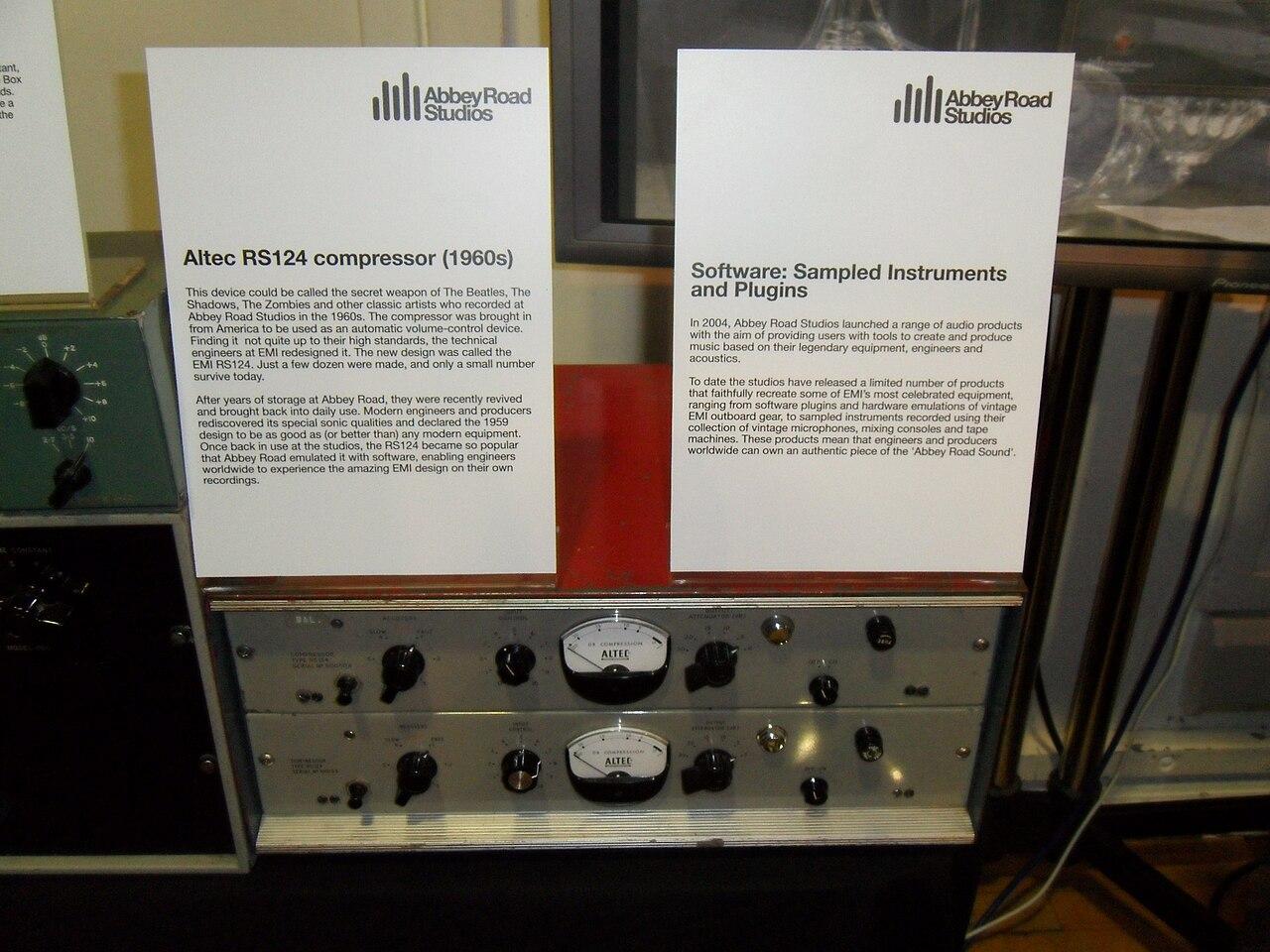
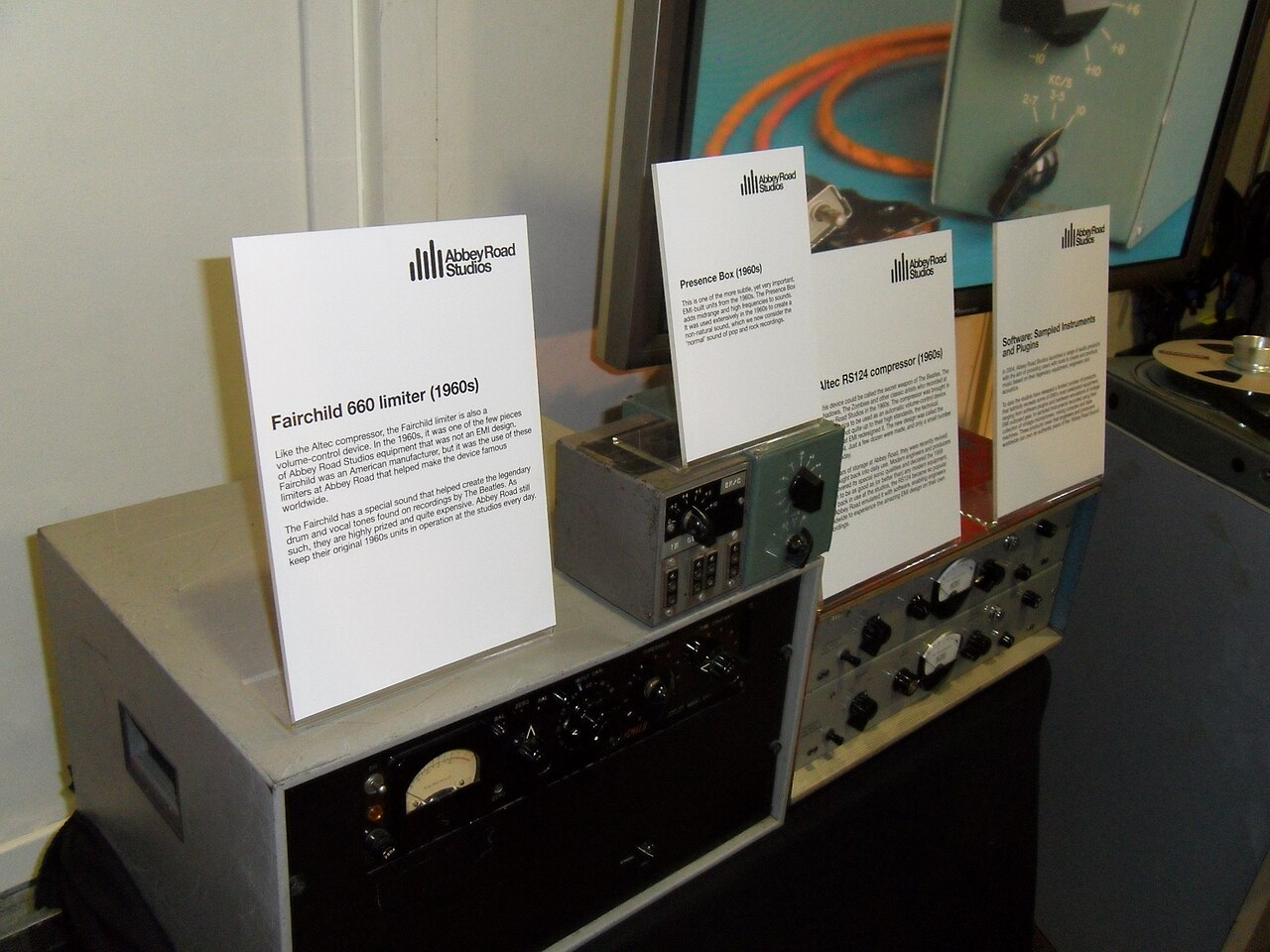
The Beatles also demanded strange, distorted textures that violated EMI's strict technical regulations. The studio's rules prohibited extreme equalization or heavy distortion that might damage playback equipment. Emerick and Ken Scott found ways to bypass these restrictions using the Fairchild 660 limiters. They pushed the signal into the red, finding a way to use the gear's own saturation to their advantage. This defiance created the very character that fans now celebrate as the sound of the era.
"I was always trying to do things that the engineers at EMI would say were not possible or were not allowed." - Geoff Emerick regarding the 1966-1967 sessions.
The tension between the engineers' training and the band's desires created a unique friction. It was this friction that generated the heat necessary to forge such a distinct sound. Without the pushback from the much older staff, the music might have remained too polite. Without the rebellion of the young engineers, it might have lacked its essential, raw edges.
The High Stakes of Reduction Mixing
Reduction mixing, or "bouncing," served as the primary tool for expanding the band's sonic palette. This process involved mixing several tracks from one machine down to a single track on a second machine. It freed up three tracks for new layers of instrumentation. However, this technique turned every session into a high-stakes gamble. One wrong move with the faders during a bounce would permanently bake the error into the foundation of the song.

The Sgt. Pepper sessions demanded hundreds of these bounces. The engineers had to balance the piano, the vocals, and the percussion perfectly before committing them to a single track. If the vocal was too quiet during the bounce, you could not fix it later. The margin for error shrank with every single layer the Beatles added to the arrangement. The pressure in the control room was palpable as the tape heads spun.
Ken Scott and the rest of the staff worked under a constant threat of catastrophic failure. A single burst of static or a bumped fader meant starting the entire layering process from permanent scratch. This tedious work turned the engineering role into one of extreme mental endurance. They were managing a delicate, multi-layered architecture where the foundation was constantly being rewritten. The exhaustion of these sessions is visible in the very grain of the recorded audio.
The sheer volume of tracks being collapsed created a sonic sludge if not managed with extreme care. Engineers had to fight to maintain clarity while simultaneously adding more density. They were essentially building a skyscraper one brick at a time, but each brick was made of glass. The technical difficulty of this process remains extreme for anyone who has worked with analog tape.
Engineering Loops and Technical Loopholes
Ken Townsend changed the game with the invention of Artificial Double Tracking (ADT). Before 1966, vocal doubling required a singer to perform two takes with perfect precision. Townsend figured out how to use a second tape machine to slightly delay the signal, creating a thick, shimmering effect. This allowed the Beatles to achieve a lush, psychedelic vocal texture without the fatigue of multiple takes. It turned a technical limitation into a signature aesthetic.
The use of the Leslie 122 rotating speaker cabinet added another layer of complexity. This device typically lived in the organ section of the studio, designed to spin air around a wooden cabinet. The Beatles began routing guitars and vocals through it to create a psychedelic, wobbling effect. This forced engineers to reconfigure signal paths and patch bays mid-session. Every time a new instrument entered the Leslie, the entire routing logic of the studio changed.
Tape loops provided the most extreme challenge for the technical staff. Influenced by the work of Peter Zinovieff and the BBC Radiophonic Workshop, the band began using musique concrète elements. On tracks like "Revolution 9" from the White Album, the engineers had to physically cut and splice loops of magnetic tape. These loops were spliced together to create a continuous, non-linear stream of sound. It was a messy, physical process that ignored all standard recording protocols.
The engineers had to become tape editors as much as sound technicians. They spent hours hunched over the tape machines, using razor blades to create the loops. This was not the clean, digital editing of the modern era. It similar to surgery, it was a tactile, dangerous, and incredibly slow way to manipulate sound. The sheer audacity of these experiments pushed the Abbey Road staff into a new era of sonic manipulation.
The Chaos of the Stereo Transition
The move from mono to stereo mixing created a nightmare for the engineering department. During the 1960s, the Beatles still prioritized the mono mix for the UK market. They also demanded unique, experimental textures for the stereo versions. This meant the engineers often had to perform two entirely different creative processes for every single song. One mix might be punchy and centered, while the other was wide and disorienting.
Late-night sessions at Abbey Road became common as the band demanded different spatial arrangements. They wanted instruments panned hard left or hard right to create a sense of psychedelic disorientation. This left the center of the stereo image empty and often made the mixes feel unbalanced. Engineers struggled to find a middle ground that satisfied the band's desire for weirdness and the listener's need for musicality. The workload essentially doubled for every track on the album.
The transition was not just about panning; it was about fundamental sonic identity. A song could sound like a standard rock track in mono and a completely different piece of avant-garde art in stereo. This split-personality approach to mixing placed immense pressure on the staff to maintain consistency across formats. They had to ensure the core energy remained while the spatial architecture shifted wildly. The technical logistics of managing two distinct sonic visions were staggering.
Exhaustion became a permanent resident in the control room. The sheer volume of work required to finalize both versions of Sgt. Pepper pushed the staff to their limits. They were managing two different masters, two different listening experiences, and two different sets of technical requirements. The 1967 psychedelic shift was not just a change in songwriting; it was a total overhaul of the engineering workflow.
George Martin and the Buffer Zone
George Martin acted as the essential bridge between two warring factions. On one side stood the Beatles, a group of increasingly radical artists. On the other side stood the EMI hierarchy, a rigid institution built on tradition and technical accuracy. Martin understood the technical constraints of the studio, but he also understood the artistic necessity of the band's experiments. He served as the translator who turned wild ideas into actionable engineering tasks.
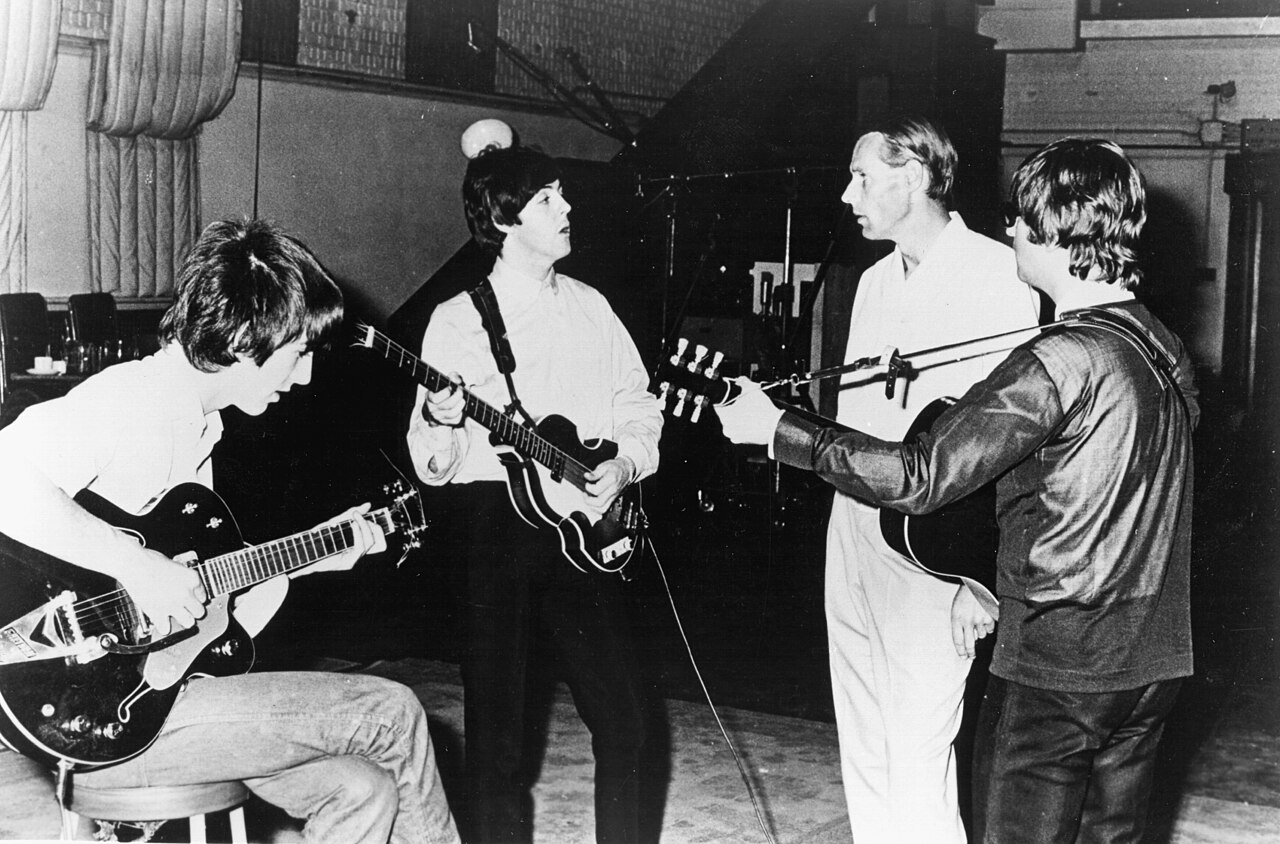
The band would arrive with a concept that seemed physically impossible. They might want a sound that required a specific frequency range the equipment could not handle. Martin would work with engineers like Geoff Emerick to find a way to approximate the idea within the rules. He protected the engineers from the band's most unreasonable demands while shielding the band from the studio's bureaucracy. Without Martin, the 1967 sessions would likely have collapsed under the weight of their own complexity.
He also provided the musical structure that kept the experiments from becoming pure noise. While the engineers struggled with tape loops and Leslie speakers, Martin ensured the melodies and harmonies remained coherent. He knew how to use the studio's existing tools to support the band's new direction. He turned the chaos of the psychedelic shift into a controlled, repeatable process. His presence allowed the engineers to push the boundaries without breaking the entire studio.
The relationship between Martin, the engineers, and the band was a delicate ecosystem. It required a shared respect for the technical difficulty of the task. The engineers provided the means, the band provided the vision, and Martin provided the direction. This triad is what allowed Abbey Road to become the most important recording studio in the world during this era. They turned technical limitations into the building blocks of a new musical language.
The era of the 1967 psychedelic shift ended, but the scars remained on the engineers' psyches. They had survived a period of unprecedented technical volatility and emerged with a new way of hearing sound. The heavy, distorted, and spatially disoriented recordings of that year changed the very definition of what a studio could achieve. The engineers may have hated the chaos, but they ultimately mastered it.