The Studio Owners Who Controlled Merseybeat
Lime Street, Liverpool, smelled of damp pavement and stale tobacco in early 1962. Brian Epstein walked into NEMS, a storefront on the corner of the busy thorough and bustling thoroughfare, clutching a heavy folder of demo tapes. He had spent months trying to convince the local establishment that his four musicians from the Cavern Club were more than just a local novelty. The Beatles needed a professional space to move beyond the scratchy, lo-fi recordings that defined their early years. Epstein secured a session at NEMS Studios, a converted cinema that offered more than just a room with microphones. It offered a sense of legitimacy that the group desperately lacked.
NEMS Studios provided the first real taste of professional-grade capture for the Merseybeat sound. The space sat inside a repurposed cinema, meaning the acoustics carried a strange, wide-open character. Engineers worked around the physical limitations of the old theater layout to find a balance. They used heavy baffles to isolate the drums from the vocal mics. This struggle for clarity became the foundation of the group's early studio identity. Without this specific room, the transition from club band to studio entity might never have happened.
The equipment at NEMS lacked the polish found in London. The engineers relied on basic ribbon microphones and rudimentary mixing desks to catch the energy of the band. You could hear the grit of the Liverpool streets in the way the guitars buzzed. The room captured the physical vibration of the bass strings against the floorboards. It was a raw, unpolished environment that forced the musicians to play with precision. If you could not hold the beat in that room, the microphones would expose you instantly.
Epstein knew that the NEMS sessions were a stepping stone toward something much larger. He pushed for better takes and more controlled environments. The sessions in 1962 acted as a bridge between the amateurism of the 1950s and the professional era. He was not just managing a band; he was managing a brand that needed a professional sonic signature. The cinema on Lime Street gave them the first professional ink on their record. It turned a local phenomenon into a recorded reality.
The Hamburg Connection and German Engineering
Hamburg offered a different kind of intensity for any Liverpool musician. The Reeperbahn clubs demanded long, grueling sets that forced bands to toughen up. Tony Sheridan and The Beat Brothers stepped into Studio La Matron in October 1961 to record "My Bonnie." This session relied heavily on professional German engineering to polish the raw R&B influences. The engineers in Hamburg understood how to balance heavy brass and driving percussion. They brought a level of discipline that the Liverpool clubs lacked.

German studios operated with a technical rigor that intimidated many visiting British acts. The engineers utilized much cleaner signal paths than the makeshift setups found in the UK. This precision allowed for a much broader frequency response on the recordings. You could hear every sharp snap of the snare and the deep thump of the kick drum. This clarity helped establish a template for what a professional pop record should sound and feel like. It was a lesson in the importance of high-fidelity capture.
Bert Kaempfert played a massive role in this international sonic development. The German arranger produced the 1963 hit "She Loves You" at Polydor Studios in Hamburg. He brought a sophisticated understanding of arrangement and separation to the session. His influence helped define the international template for the Merseybeat beat. He knew how to make a rhythm section drive a track without muddying the vocals. This approach gave the Liverpool sound its necessary punch for global radio play.
"I want to hold your hand" - The Beatles, "I Want to Hold Your Hand", 1963, Parlophone.
Hamburg acted as a laboratory for the Merseybeat sound. The bands practiced their endurance in the clubs and their precision in the German studios. The contrast between the sweaty, loud clubs and the sterile, professional studios created a unique tension. This tension pushed the music toward a more refined, yet still aggressive, pop structure. The German engineers taught the Liverpool bands that a good performance required more than just volume. It required control.
The London Standard and EMI's Grip
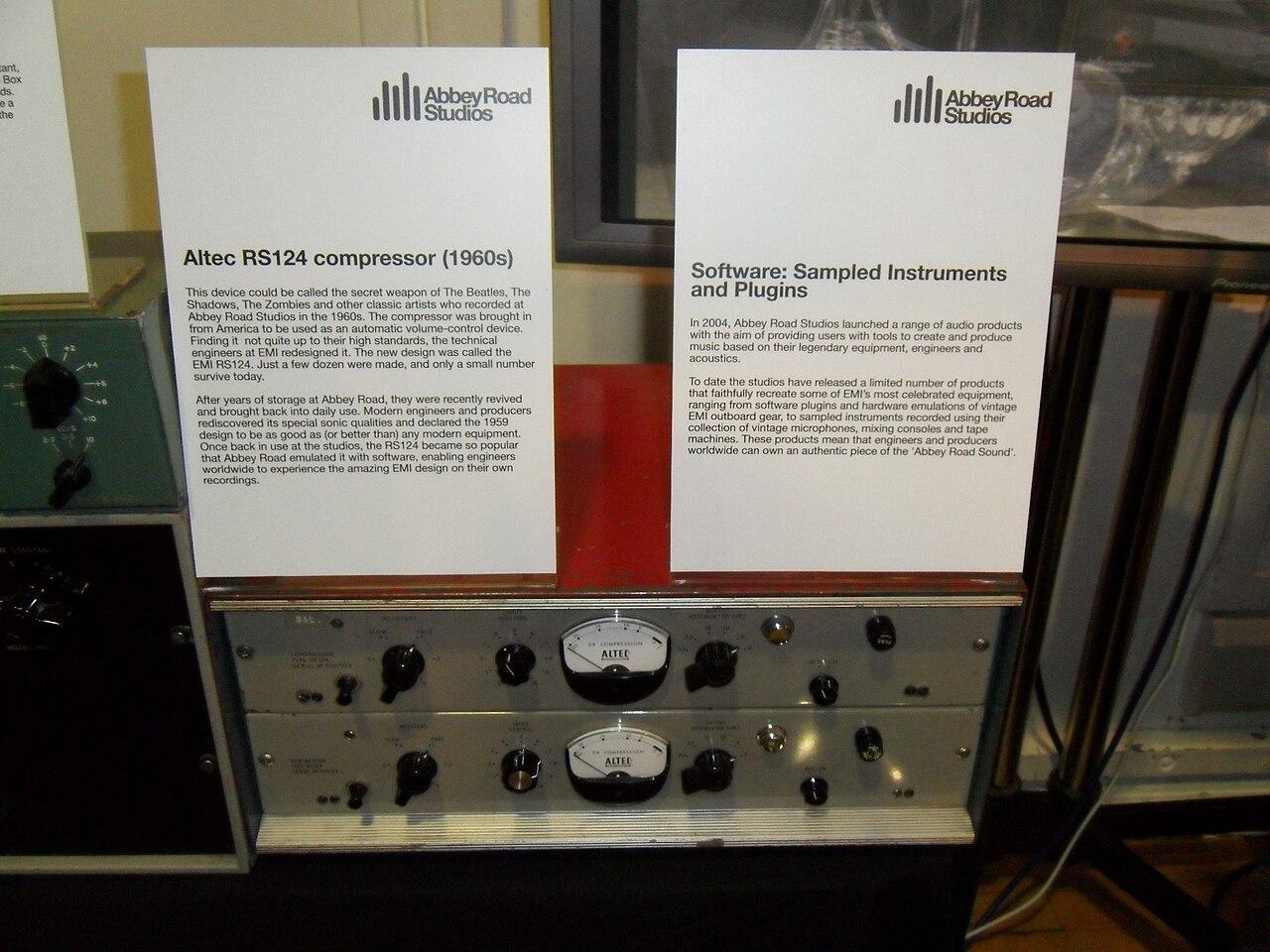
London held the keys to the global music industry in the 1960s. EMI Studios, later known as Abbey Road, set the gold standard for every aspiring musician. Geoff Emerick began his career at these studios, learning the ropes under the watchful eye of George Martin. He studied how to capture specific drum compression and high-end frequencies. This technical obsession defined the 1960s Liverpool sound as it moved toward the global stage. Emerick knew how to manipulate the room to make a drum kit sound massive.
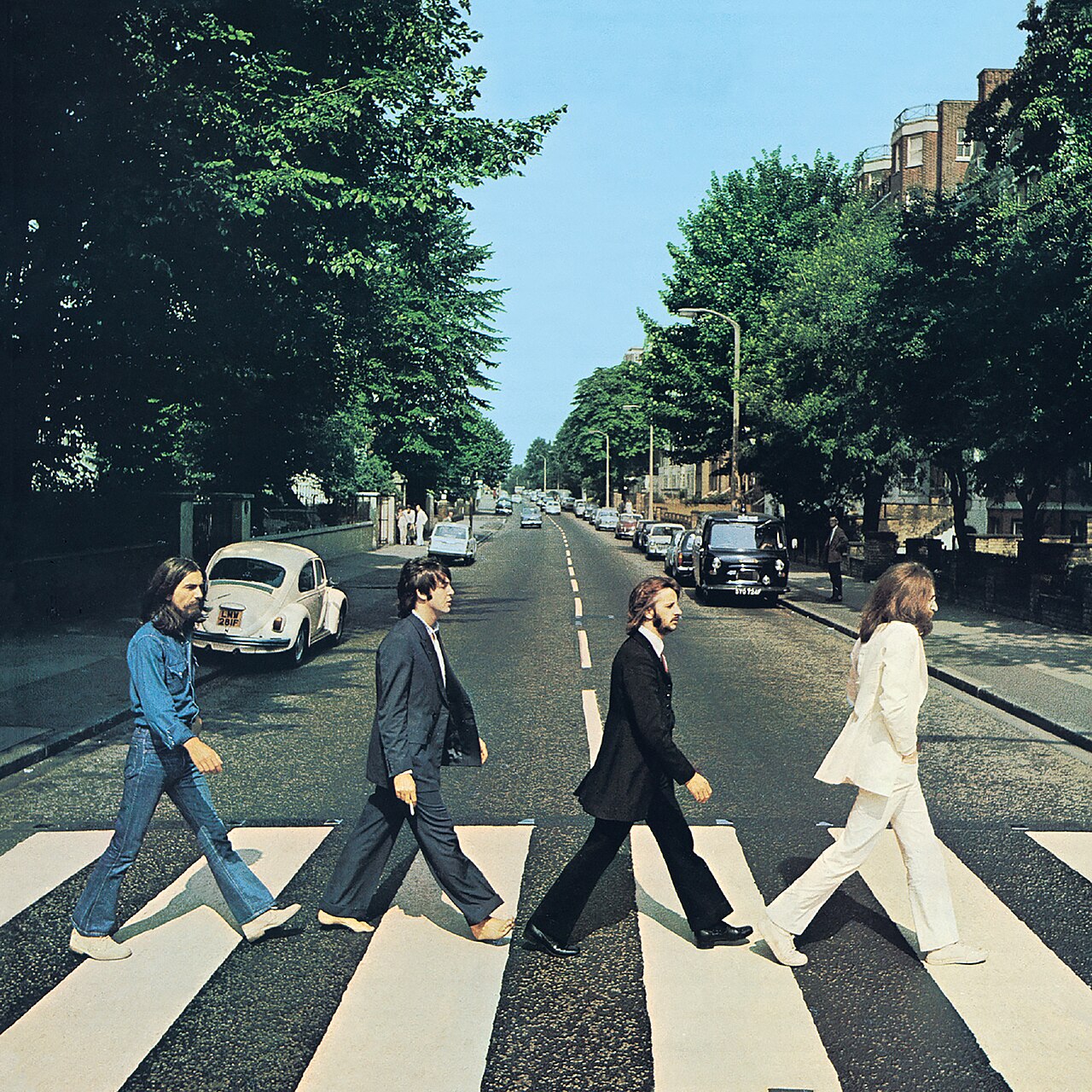
The engineers at Abbey Road used much more advanced technology than their counterparts in Liverpool. They had access to high-end Neumann microphones and sophisticated limiters. This allowed them to shape the sound with a density that was impossible elsewhere. They could compress a snare hit until it bit through the mix. They could brighten a vocal until it shimmered above the guitars. This level of control transformed raw rock and roll into polished pop art.
The Shadows provided a clean, instrumental blueprint that every Liverpool group studied. They recorded at Abbey Road Studios under various engineers, utilizing Fender Stratocasters through clean, bright signal chains. Their sound relied on a precise, melodic approach to the electric guitar. Many Merseybeat groups tried to replicate this clean, Fender-driven aesthetic. They wanted that same clarity and punch that the London studios provided. It became the benchmark for professional success.
EMI's standards were often rigid and demanding. The studio culture demanded a level of professionalism that clashed with the loose energy of the Liverpool clubs. This tension produced some of the greatest recordings in history. Musicians had to adapt to the technical requirements of the engineers. They had to learn how to play for the microphone, not just the crowd. This shift in focus from the stage to the studio changed the trajectory of pop music forever.

Replicating the Cavern Echo
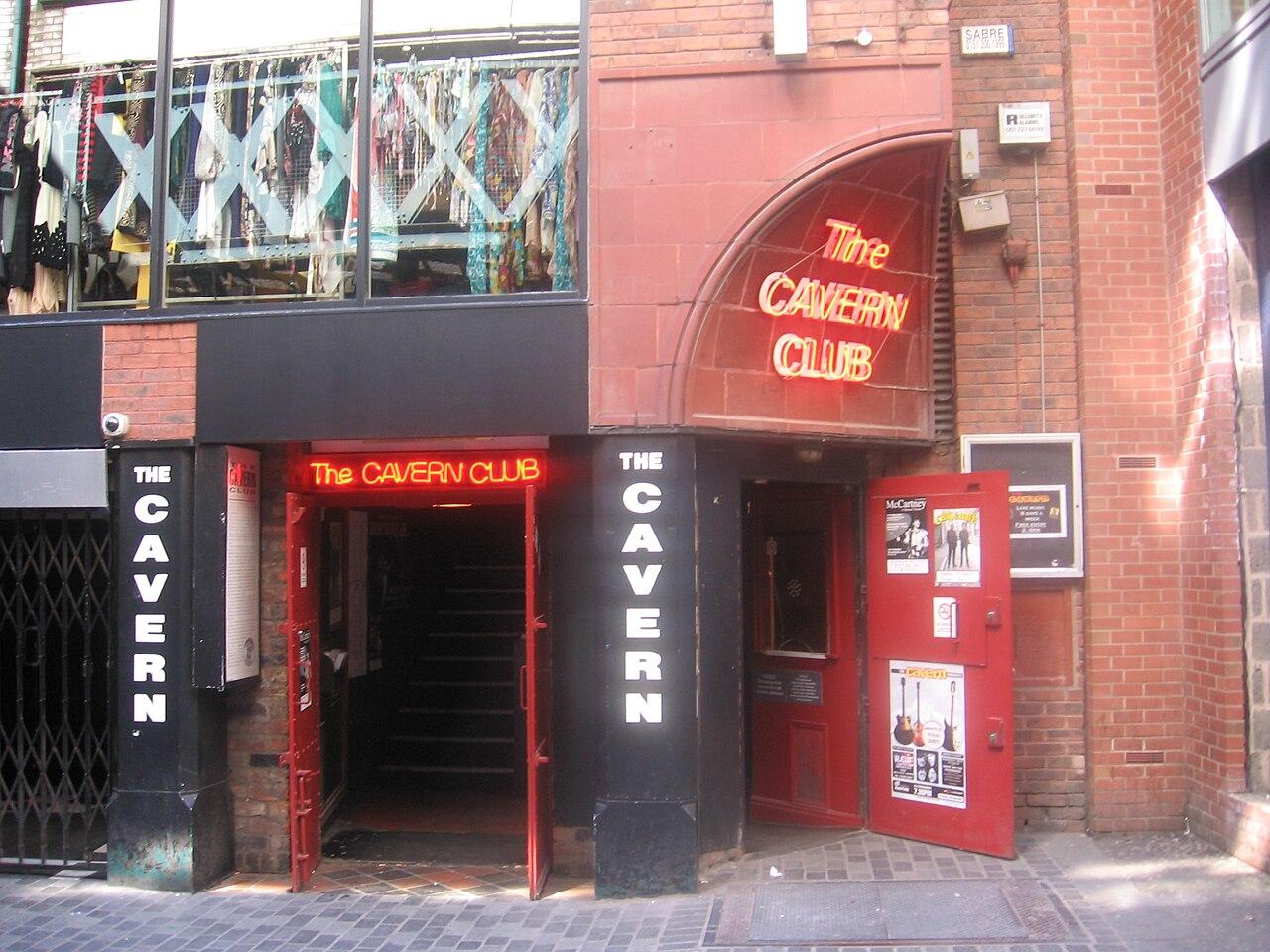
Roger Dalrymple operated the local Liverpool studio, Cavern Studio, with a specific mission. He understood the power of the local aesthetic and sought to capture it. Many local bands recorded early demos there that mimicked the cavernous, reverb-heavy atmosphere of the Cavern Club. They wanted their records to sound like the room where they earned their living. This required a specific use of echo chambers and plate reverb to simulate that damp, underground feeling. It was a clever way to sell a sense of place to listeners.
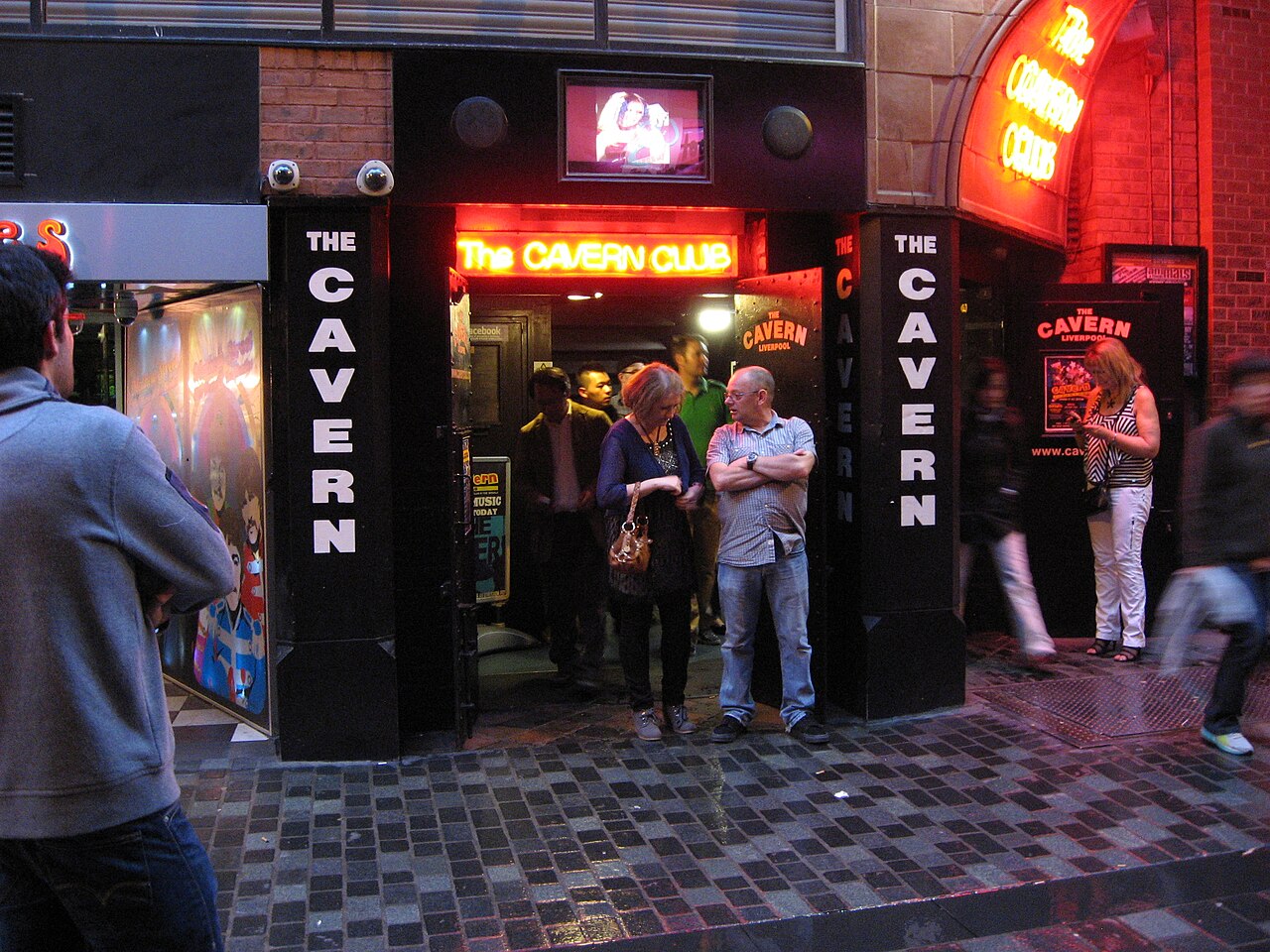
The Cavern Club itself was a sensory overload of sweat and loud rhythm. The acoustics were difficult, characterized by low-end buildup and muddy mid-range frequencies. Dalrymple used these challenges to his advantage during recording sessions. He captured the way the bass seemed to vibrate through the very walls of the studio. This created a sense of immersion for the listener. The recordings felt like you were standing right in the middle of the dance floor.
Early recordings by the Quarrymen lacked this professional polish. The group recorded primitive tracks in various Liverpool locations throughout 1957 and 1958. They used rudimentary portable tape recorders that struggled to capture even basic vocal clarity. These sessions were more about documentation than production. They lacked the intentionality of the later Merseybeat era. However, these tapes held the DNA of the band that would eventually conquer the world.
The transition from portable tape recorders to dedicated studio spaces changed everything. The move from 1957's lo-fi captures to 1963's high-fidelity hits represents the evolution of the genre. Musicians began to understand how the studio could act as an instrument itself. They were not just recording a performance; they were constructing a sonic experience. The Cavern Studio helped bridge that gap for the local scene.
The local Liverpool scene thrived on this sense of identity. Every band wanted to sound like they belonged to the same movement. The use of reverb and specific EQ settings helped create a unified sound for the city. It made the Merseybeat movement feel like a cohesive, unstoppable force. When you heard a track from that era, you knew exactly where it came from.
The Shadow of Joe Meek
London's independent scene offered a much darker, more experimental alternative to the EMI standard. Joe Meek operated out of a small flat in Holloway, creating sounds that defied conventional logic. He used extreme compression and heavy echo on his independent recordings. This technique heavily influenced the way Merseybeat producers approached their own work. Meek's recordings sounded like they were being broadcast from another planet. They were compressed, loud, and strangely intimate.

Meek's approach to the studio was more about alchemy than engineering. He treated the mixing desk like a way to manipulate reality. He would push signals into the red to achieve a thick, saturated texture. He used spring reverbs to create strange, swirling effects around the vocals. This sense of sonic experimentation trickled down to the Liverpool producers. They began to experiment with the limits of their own equipment to find that same level of impact.
The influence of Meek's sonic density is visible in the heavier Merseybeat tracks. You can hear it in the way the drums hit with a sudden, compressed urgency. You can hear it in the way the guitars occupy a wide, aggressive space in the mix. While the Liverpool bands were not trying to be avant-garde, they were certainly trying to be loud and impactful. They took the lessons of independent compression and applied them to pop melodies.
Meek's work proved that you did not need a massive studio to make a massive sound. You just needed a vision and a way to manipulate the signal. This democratized the idea of recording for smaller, independent labels. It gave permission to the Liverpool producers to push their boundaries. The fear of the "clean" London sound was replaced by a desire for texture and grit. This tension between polish and chaos defined the era.

The Rejection at Decca Studios
January 1962 brought a crushing blow to the Liverpool music scene. The Beatles arrived at Decca Studios in London for their audition, carrying the weight of their local fame. They performed for a panel of producers who were looking for the next big thing. The session ended in a famous rejection. Producer Dick Rowe famously stated the group lacked lasting appeal. This decision remains one of the most significant failures in music history.
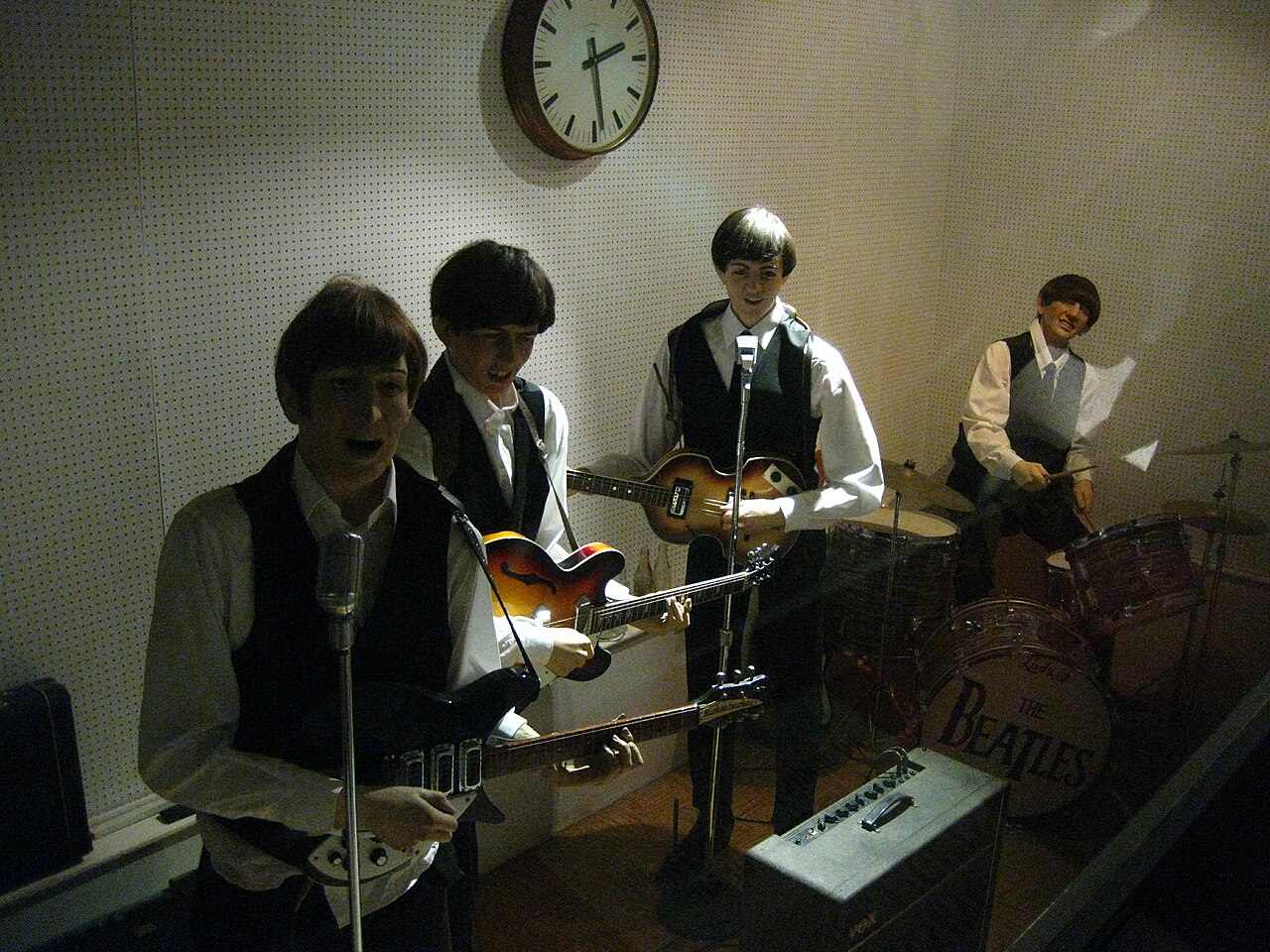
Decca's rejection stemmed from a very specific, very narrow view of what a pop group should be. They wanted something more aligned with the existing vocal group tradition. They did not see the potential in the self-contained, guitar-driven unit that The Beatles represented. The engineers at Decca focused on clean, vocal-centric captures. They were not prepared for the raw, rhythmic energy of the Liverpool sound. Their refusal to understand the genre's evolution cost them everything.
The dismissal of Pete Best in August 1966 also reflected this same pressure for professionalism. The move followed the professional demands of EMI's studio standards. The industry moved toward a more polished, globally playable production style. The band needed a drummer who could meet the technical rigors of international radio. This was a hard, clinical decision that prioritized the music's survival over personal loyalty. It showed the ruthless nature of the professionalizing industry.
Decca's mistake was not just about a single band; it was about a failure to recognize a shift in culture. They looked backward at the era of crooners and vocal groups. They ignored the era of the band. The rejection at Decca Studios serves as a warning to any label that ignores the emerging sound of the streets. The Merseybeat sound happened whether the major labels believed in it or not.
The studios of the 1960s were more than just rooms for recording. They were the architects of a new musical reality. From the cinema on Lime Street to the halls of Abbey Road, these spaces shaped the very notes being played. The owners and engineers controlled the texture, the depth, and the ultimate impact of the music. They turned local rhythms into a global language that changed the world.