The Ghost in the Mersey: Lost Liverpool Club Legends
The damp, salt-heavy air of the River Mersey carried more than just the scent of industrial decay and tidal silt during the early 1960s. It carried the heavy, rhythmic thud of American R&B, a sound that arrived in Liverpool via the massive hulls of cargo ships docking at the Port of Liverpool. These vessels brought crates of Atlantic, Chess, and Motown records, providing the raw, distorted ingredients for the Liverpool Merseybeat club scene. Musicians in sweaty, crowded basements traded these imports like contraband, and they learned their craft through the scratchy grooves of Chuck Berry and Little Richard. This influx of rhythm and blues transformed a provincial port city into a frantic, self-contained musical ecosystem.
Dockworkers and sailors acted as the unintended DJs of this era, dropping new 45s into local shops and secondhand stalls. A teenager in a Liverpool flat could hear the same biting guitar sting from Buddy Holly that a kid in Memphis was hearing. This direct pipeline of American soul and rock and roll bypassed the polite, sanitized BBC radio broadcasts of the time. The music felt immediate, dangerous, and physically present in the cramped venues of the city. This sonic invasion refused to be ignored by the local youth.
The sheer volume of these imports created a competitive, high-stakes environment for local bands. If you could replicate the grit of a Muddy Waters blues lick or the frantic energy of a Gene Vincent rockabilly swing, you could command a room. Every band chased a specific, visceral standard of excellence. The port provided the ammunition, but the clubs provided the battlefield. Without that steady stream of American records, the Merseybeat sound would have lacked its essential, driving backbone.
The R&B Engine of the Port of Liverpool
Every crate of vinyl that moved through the Liverpool docks functioned as a vital organ in the city's musical anatomy. The Port of Liverpool served as a gateway, acting as a massive, mechanical lung that inhaled American blues and exhaled the Merseybeat sound. Sailors brought more than just supplies, as they carried the frantic syncopronation and the distorted electric blues that the local clubs craved. You could hear the influence of the Delta in the sweating bodies of the Cavern Club, even if those musicians had never stepped foot in Mississippi. The connection remained physical, a direct line of transmission through the very commerce that sustained the city.
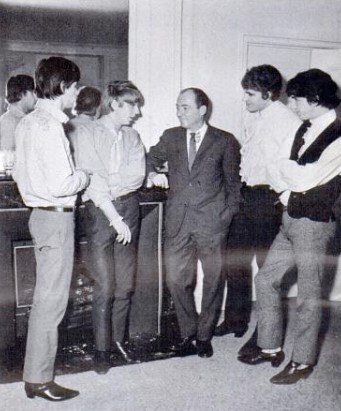
The sounds of the American South arrived through the cracks in the maritime industry, finding their way into the hands of local enthusiasts. This was not a curated, academic appreciation of blues, but a frantic, hands-on adoption of rhythm. When a band played a cover of a Fats Domino track, they played the sound of the docks themselves. The heavy, industrial rhythm of the port mirrored the driving, backbeat-heavy compositions of the era. A symbiotic relationship existed between the city's economic lifeblood and its cultural output.
This period of intense musical exchange relied on the sheer physical presence of the music. A record was a heavy, tangible thing, often worn down by repeated play on cheap, spinning turntables. The grit of the blues matched the grit of the Liverpool streets, creating a unified, local identity. Musicians spent their meager earnings on the latest imports, desperate to stay ahead of the local competition. The docks provided the fuel, but the passion of the players ignited the flame.
The music lived in the shops and the cafes where sailors and locals mingled, far beyond the confines of the clubs. A conversation in a pub near the Pier Head could easily turn into a debate about the merits of a new rhythm and blues 45. This constant, low-level circulation of new sounds ensured that no one stayed stagnant for long. The Liverpool Merseybeat club scene thrived on this state of perpetual, rhythmic motion. The city existed in a constant state of sonic evolution, driven by the tide of the Mersey.
The Casbah and the Birth of a Beat
Eighty-eight Conduce Street sat far from the polished lights of the mainstream, yet it functioned as the true cradle of the era. The Casbah Coffee Club, run by Pete and Mona Best, offered a much more intimate, almost domestic setting than the larger, more cavernous venues. This was the place where the Beatles, then still finding their footing, could experiment without the pressure of a massive, judgmental crowd. The air in the basement was thick with cigarette smoke and the scent of damp stone, providing a gritty, authentic backdrop for the early Merseybeat sound. The group's identity began to harden here, away from the more commercialized stages of the city.
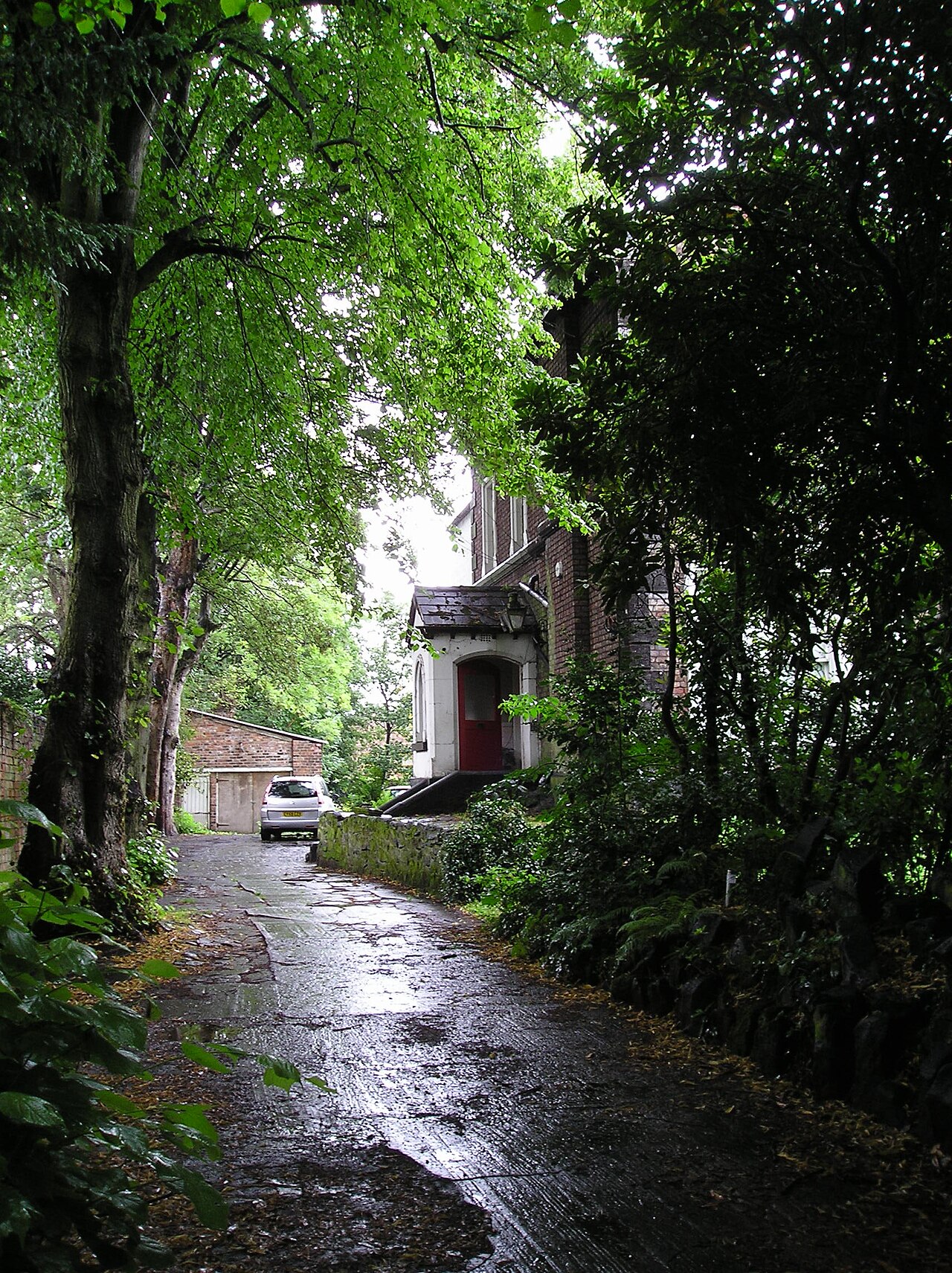
The Best family provided more than just a venue, as they provided a foundation for the entire movement. Pete Best, the original drummer for the Beatles, sat at the heart of this small, intense community. The Castbah was a sanctuary for the local, a place where the music was personal, even when it was loud. Unlike the larger clubs that catered to a broader, more transient crowd, the Casbah felt like a private club for the initiated. You were not just watching a band, you were part of a localized, musical movement. The connection between the performer and the audience was uncomfortably close, and that proximity drove the energy of the performances.
The early sets at the Casbah were raw, often stumbling through covers of American rock and roll classics. There was no polished production here, only the sound of hollow-on guitars and the frantic, unrefined drumming of a young band. This lack of polish allowed for a certain kind of creative freedom that larger venues could not afford. The mistakes were part of the charm, adding to the sense of a living, breathing, and imperfect musical moment. This space acted as a laboratory of sound, where the fundamental building blocks of the Merseybeat sound were being tested and refined.
The Casbah's significance remains clear, even if its physical presence has long since faded from the modern Liverpool skyline. It represented the grassroots, the very bottom of the musical hierarchy, where the most important ideas are often born. The influence of the Casbah era can be held in the DNA of every Liverpool band that followed. It was the starting point, the small, flickering light before the explosion of global fame. Without the safety of Conduce Street, the larger, more public stages might have been too intimidating for such a young, unformed group.
"I was just a kid from Liverpool, playing in a basement, not knowing that the whole world was about to listen."
From Brian Epstein to International Stardom
The year 1962 changed everything for the Liverpool music scene, as Brian Epstein stepped into the orbit of the Beatles. Epstein was not a scruffy, local club promoter, but a man of refined tastes, wearing sharp suits and possessing a vision that extended far beyond the Mersey. He saw something in the group that the local club owners had missed, a polished, marketable potential that could survive outside of the North West. His management brought a sudden, jarring professionalism to a group that had previously thrived on chaos. He moved them from the sweat-soaked basements of the city to the sophisticated stages of London.
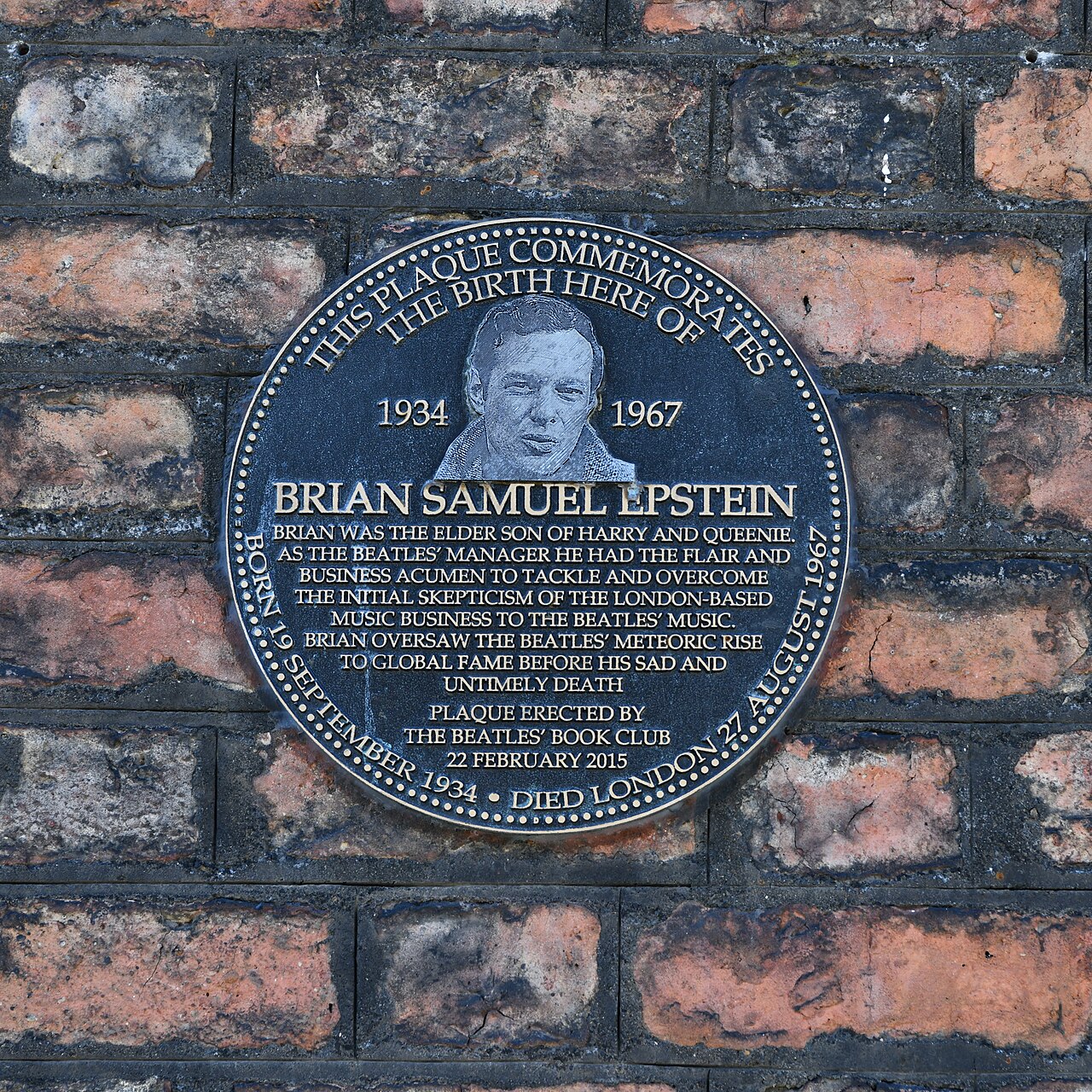
Epstein's intervention turned a local phenomenon into a global industry. He understood the importance of image, the necessity of the suit, and the power of the press. Under his guidance, the band's repertoire shifted, moving away from pure, unadulterated R&B toward something more structured and melodic. This transition created tension, as the band had to balance their raw, club-bred energy with the requirements of the mainstream. He brought order to the chaos, but in doing so, he also brought the scrutiny of the entire world. The local, much more private, nature of their success began to evaporate.
The momentum built rapidly, leading to the massive, chart-topping success of Gerry and the Pacemakers in 1964. When "You'll Never Walk Alone" hit the top of the UK Singles Chart, it signaled that the Liverpool sound had officially conquered the national consciousness. This was not just a musical victory, but a cultural one, as the melodies of the Mersey became the soundtrack of a nation. The success of Gerry and the Pacemakers proved that the Liverpool style was not a fluke, but a legitimate, powerful force. The eyes of the world were now fixed on the North, and the stakes had never been higher.
This international ascent came at a cost to the local, intimate connection the bands once enjoyed. As the Beatles and their contemporaries moved into the global spotlight, the original, gritty charm of the Liverpool clubs began to feel like a distant memory. The music was no longer something you shared in a basement on Conduce Street, but something you consumed through a television screen. The scale of success had grown too large for the small, damp rooms that had nurtured it. The stars escaped the gravity of the Merseb, leaving the local scene to grapple with its own sudden, massive importance.
The Vanishing Act of the Local Circuit
The decline of the Liverpool music scene began with a series of quiet, structural collapses. By the late 1960s, the legendary venues that had once defined the city's nightlife were simply disappearing. The Iron Door, a place of intense, sweaty energy, vanished from the local area, leaving a hole in the city's musical fabric. Similarly, The Grapes, which had hosted countless influential performances, ceased to be a central pillar of the beat group era. These closures were not just business failures, but the loss of the physical spaces where the music actually lived and breathed. The geography of the Liverpool Merseybeat club scene was literally being erased.
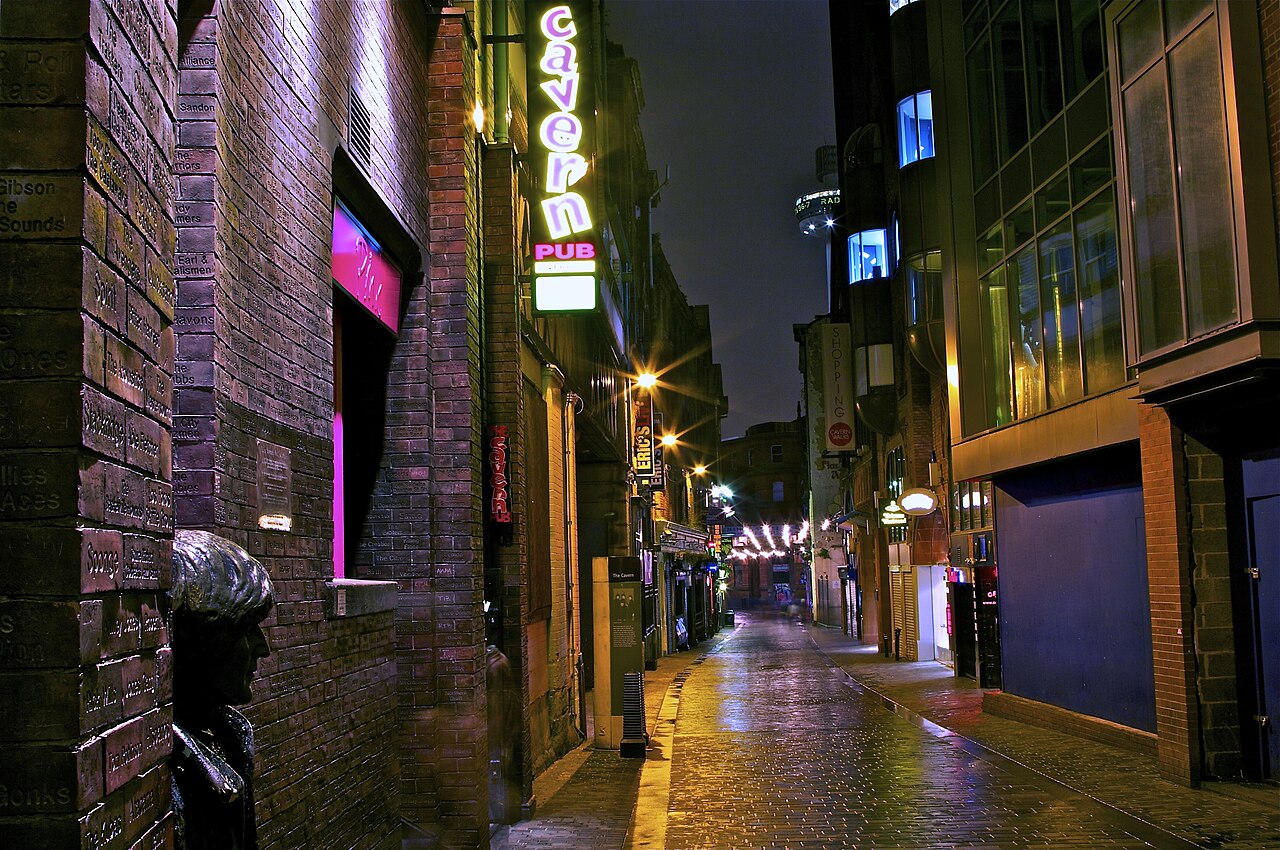
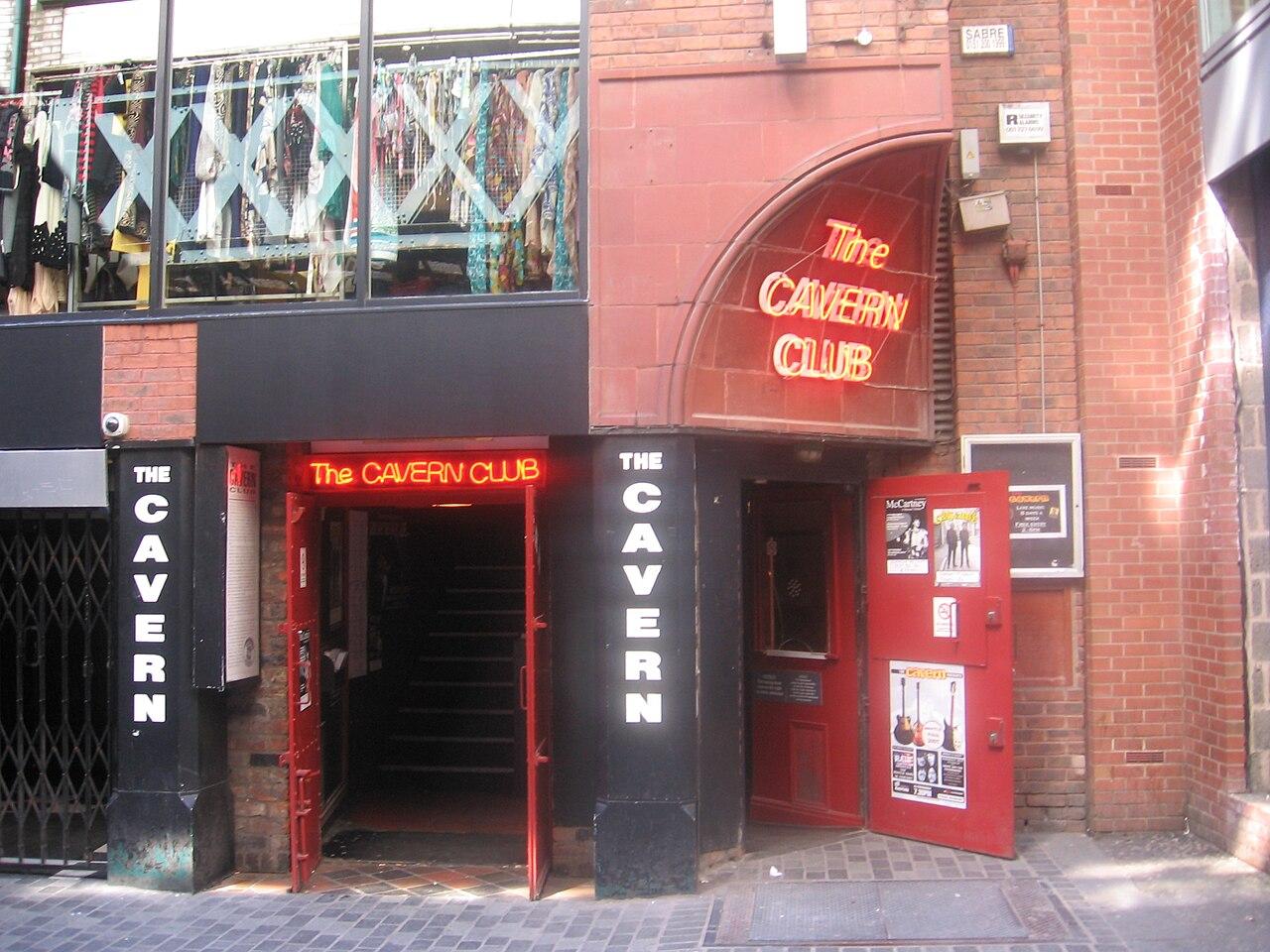
The most devastating blow came in February 1973, with the permanent closure of the Cavern Club. The legendary basement on Mathew Street, the very site where the Beatles had forged their early reputation, faced demolition. This was more than the loss of a nightclub, it was the destruction of a cultural landmark. The subsequent demolition of the Mathew Street cellar felt like a final, physical erasure of the city's musical history. The space that had housed so much raw, unbridled talent was replaced by something far more mundane, a sterile, modern development. The heart of the Merseybeat era was physically torn out of the earth.
The disappearance of these venues left the remaining musicians without a home, a place to fail, and a fundamental place to grow. The local circuit, which had once been a dense, interconnected web of clubs and bars, became fragmented and thin. Without the Cavern or the Iron Door, there was no way to sustain the momentum of new, local talent. The infrastructure of the scene had simply evaporated, leaving the musicians to wander a much more desolate, less connected landscape. The loss of these spaces was the loss of the city's musical memory.
As the venues closed, the very nature of the music began to change, losing its connection to the local, physical reality. The music became something that was made in studios, not something that was forged in the heat of a crowded club. The loss of the clubs meant the loss of the audience, the loss of the immediate, visceral feedback that drives a live performer. The Liverpool music scene became a ghost, a memory of a time when the city's streets and basements were alive with the sound of the Mersey.
The Death of the Beat Group Era
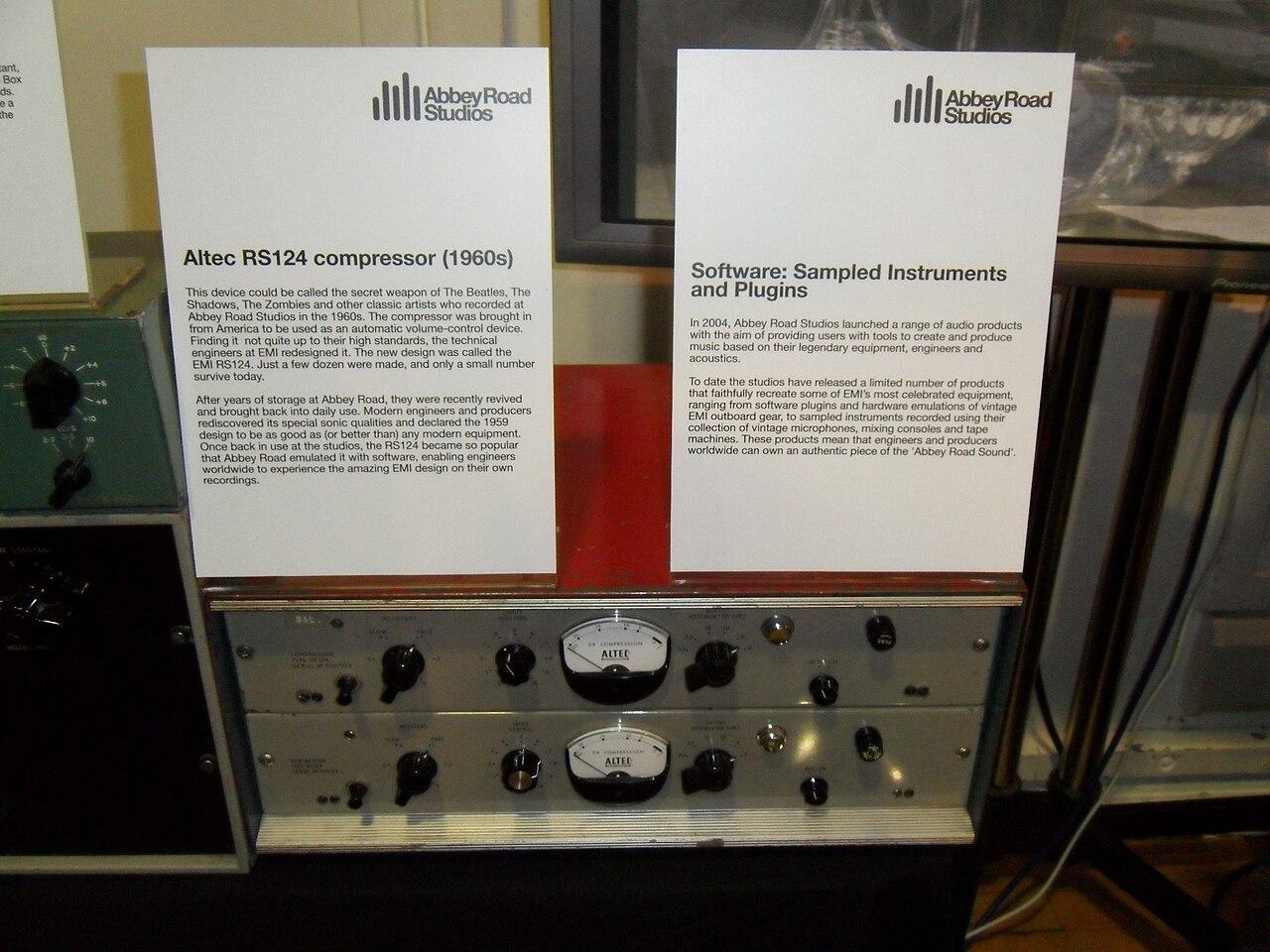
The end of the beat group era arrived with the release of Sgt. Pepper's Lonely Hearts Club Band in 1967. This album represented a fundamental shift in the way music was made, moving away from the live, performance-based energy of the clubs toward a studio-driven, experimental approach. The raw, driving R&B that had fueled the Liverpool scene was replaced by layers of orchestration, tape loops, and psychedelic textures. George Martin and the engineers at Abbey Road Studios had turned the studio into an instrument itself, a place of infinite, controlled possibility. The focus was no longer on the band's ability to hold a crowd in a basement, but on the producer's ability to manipulate sound in a vacuum.
This shift coincided with the broader, global rise of the psychedelic movement, which effectively smothered the original, Merseybeat subculture. The grit and the sweat of the 1960s club scene felt suddenly, almost embarrassingly, outdated in the face of the swirling, lysergic textures of 1967. The music had moved from the feet to the head, from the dancefloor to the inward-looking, drug-fueled experience. The local, communal energy of the Liverpool clubs could not compete with the cosmic, expansive ambitions of the new, psychedelic era. The subculture that had been born in the docks was being overwritten by a global, much more abstract, movement.
The transition was complete when the musical focus moved entirely to the studio, leaving the old, live-oriented bands behind. The era of the beat group, characterized by simple, effective arrangements and a focus on the live performance, was over. In its place came a period of intense, often inaccessible experimentation that demanded a different kind of listener. The listener was no longer a dancer in a crowded club, but a consumer of complex, studio-crafted art. The connection between the music and the local, physical space of the Liverpool clubs was finally, irrevocably severed.
Looking back, the Liverpool Merseybeat club scene was a brief, intense burst of cultural energy, a moment of perfect alignment between commerce, geography, and talent. The docks brought the sound, the clubs provided the stage, and the musicians provided the fire. While the physical venues are gone and the sound has evolved into something unrecognizable, the impact remains. The ghost of that era still haunts the streets of Liverpool, a reminder of a time when the city's pulse was matched by the rhythm of the Mersey.