Why 90s Britpop Relied on Cheap Analog Gear
London in 1994 felt like a fever dream of loud guitars and expensive, sweaty studio sessions, where the air in the mid-90s UK music scene carried the scent of stale lager and overheated vacuum tubes. This atmosphere provided a physical sensation that the polished pop of the previous decade lacked, and while the radio played glossy, programmed hits, a group of bands began digging through the closets of their parents' garages to find something that actually felt alive. This obsession with Britpop analog gear acted as a deliberate, sonic war against the digital sterility that had begun to dominate the airwaves.
The transition from the mid-80s to the early 90s saw a massive shift in how musicians approached the recording process, as producers moved away from the pristine, clinical perfection of early digital workstations and returned toward the grit of the physical world. Every crackle on a record, every hiss from a tape machine, and every slightly out-of-tune guitar note served a purpose. These imperfections provided the human heartbeat that the era of FM synthesis had tried to erase.
The movement functioned as a direct sonic rebellion against the digital dominance of the 1980s, specifically targeting the sterile, FM-synthesis-driven sounds produced by the Yamaha DX7. That specific synthesizer, with its metallic, bell-like tones and cold, glassy textures, had defined the decade's pop music. Britpop artists viewed that sound as an enemy of authenticity, preferring the warmth of a signal that had traveled through physical circuitry and magnetic tape, and they wanted music that sounded like it was being played in a room rather than programmed into a computer.
A Rebellion Against the DX7
The Yamaha DX7 sat at the center of a decade of synthesized perfection, providing the backbone for every glossy pop anthem of the 1980s. Its digital precision allowed for sounds that were impossible to achieve on older, analog hardware, but the machine lacked any sense of organic movement. When Blur arrived with their 1994 album Parklife, they clearly had no interest in competing with the digital sheen of the previous era. Producer Stephen Street helped the band look backward to move forward, using the Mellotron and various analog keyboard textures to evoke the baroque pop sensibilities of the 1960s.
The Mellotron, a machine that uses loops of magnetic tape to play sampled sounds, provided a ghostly, wobbling quality that no digital preset could replicate. These instruments brought a sense of instability to the tracks, creating a feeling that the music might fall apart at any moment. This was a deliberate choice to avoid the rigid, quantized feel of MIDI-driven arrangements, and by leaning into the wobbling pitch of tape-based playback, Blur created a sense of nostalgia that felt both playful and deeply rooted in British musical history.
Supergrass entered the fray in 1995 with their debut, I Should Coco, and they brought an even more aggressive rejection of digital polish. The band leaned into a high-gain, lo-fi garage aesthetic, favoring the natural distortion of overdriven tube amps over any polished digital processing. They didn't want the clean, compressed clarity of a modern studio; they wanted the sound of a band playing too loud in a basement, and this preference for grit over gloss helped define the early energy of the movement.
The sound of I Should Coco relies on the way a guitar signal breaks up when it hits the edge of an analog amplifier's headroom. There is no digital limiter smoothing out the peaks, only the natural, unpredictable compression of a warm tube circuit. This approach made the music feel immediate and tactile, allowing the listener to feel the vibration of the strings against the pickups in a way that digital emulations often fail to capture with any real conviction.
The Thick Texture of Monnow Valley
Monnow Valley Studios in Wales provided the perfect laboratory for this era of heavy, textured rock, as the studio's legendary status grew from its ability to capture massive, organic sounds that felt physically large. This was particularly evident during the sessions for Oasis's 1994 debut, Definitely Maybe. The album relied heavily on the thick, overdriven textures of Vox AC30 amplifiers to create Noel Gallagher's signature wall of sound, and each guitar track felt like another layer of heavy, textured velvet being draped over the listener.
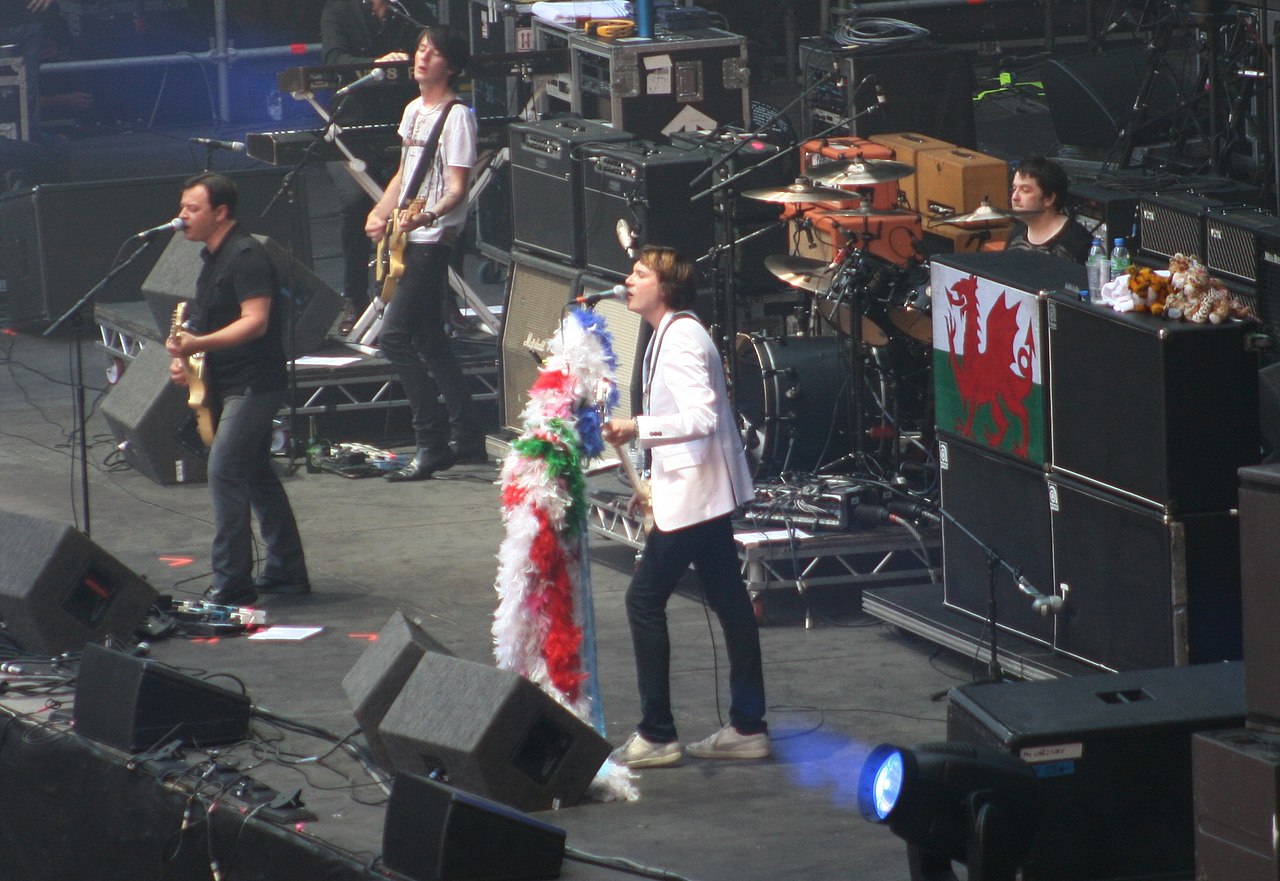
The AC30 is a specific beast, known for its chime and its ability to growl when pushed hard. By stacking multiple tracks of these amplifiers, the production team created a density that felt impenetrable. It was not just a collection of guitars, but a single, massive entity of sound that surged forward with every chord change, and the way the mid-range frequencies interacted with the high-end chime of the Vox amps gave the album a weight that digital plugins simply cannot mimic.
Recording at legendary analog-centric spaces like Rockfield Studios in Monmouth, Wales, allowed bands to capture natural room acoustics and drum resonance that digital reverb units of the same era could not replicate. There is a specific type of decay that occurs when a snare drum hits the air in a large, stone-walled room. Digital reverb often sounds like an effect applied to a sound, whereas the natural reverb of a room like Rockfield is an integral part of the sound itself, providing a sense of space and depth that makes the listener feel present in the recording session.
The drums on these records do not just sit in the mix, they inhabit the room. You can hear the way the cymbals bleed into the overhead microphones, creating a cohesive, blurry atmosphere. This lack of surgical isolation was a feature, not a hungry attempt at perfection, and it allowed the instruments to bleed into one another to create a unified sonic character that defined the Britpop era. The drums felt heavy because they were recorded in a space that allowed them to breathe.
Tape Saturation and Kitchen-Sink Realism
Pulp brought a different kind of weight to the movement, one that was more grounded in the grit of everyday life. Their 1995 masterpiece, Different Class, employed analog compression and tape saturation to highlight the gritty, "kitchen-sink" realism of Jarvis Cocker's lyrics. The production did not attempt to hide the roughness of the subject matter; instead, it leaned into it, using the subtle distortion of the tape to ground the songs in a sense of reality that made the observations of social class and desire feel more visceral.

Tape saturation acts as a natural, soft-clipping mechanism that rounds off the harshest transients of a recording. This process adds a layer of harmonic richness that makes the entire mix feel more cohesive. When Cocker sings about the mundane details of British life, the warmth of the analog signal prevents the songs from feeling too clinical or detached, ensuring the music feels as lived-in as the characters described in the lyrics.
"You'll never live like common people, you'll never see the light."
The use of 2-inch analog tape machines was central to the era's production, as the inherent warmth and natural compression of tape saturation provided a cohesive sonic glue for much of the Britpop roster. This was not merely a stylistic choice, but a technical necessity for achieving a unified sound. The tape machine acted as a final, uninvited producer, smoothing out the edges and binding the various elements of the hard mix together, which provided a sense of continuity that helped the era's disparate bands sound like they belonged to the same movement.
Every track on Different Class benefits from this subtle, magnetic glue. The bass sits firmly beneath the guitars, and the vocals feel embedded within the music rather than sitting on top of it. This level of integration is difficult to achieve with digital editing, where every element can be perfectly isolated and manipulated, and the era's reliance on tape forced engineers to make decisions during the recording process, leading to a more organic and less manipulated final product.
Reverb, Reverb, and More Reverb
While some bands sought the grit of the garage, others sought the grandiosity of the studio. Suede's 1996 album, Dog Man Star, utilized heavy analog reverb and dense, multi-tracked guitar layers to create a dark, claustrophobic atmosphere that contrasted with the brighter pop of their debut. This was a much more ambitious, much more expensive-sounding record, and it moved away from the directness of the early 90s and into something much more psychedelic and unsettling.

The reverb used on Dog Man Star does not feel like a simple echo effect. It feels like a physical space that the band is trapped inside, a cavernous, swirling void that swallows the melodies. This use of space was essential for the album's themes of decadence and decay, and the guitars do not just play notes; they haunt the halls of the song, their tails stretching out into the darkness of the mix. It is a masterclass in using production to dictate emotional response.
This reliance on analog-driven space stood in stark contrast to the dry, close-miked sounds of the burgeoning indie-pop scene. By using large plates and spring reverbs, producers could create a sense of scale that felt both epic and unnervingly intimate. The reverb would catch the high-frequency transients of a snare hit, blooming into a wash of sound that filled the gaps between the notes, creating a sense of continuity and atmosphere that was much more complex than simple digital delay.
The density of the multi-tracking on this album is almost overwhelming. Layers upon layers of guitars, some clean and some heavily distorted, overlap to create a thick, swirling mass of sound. This was not achieved through digital layering, but through the physical process of bouncing tracks to tape. Each bounce added a small amount of noise and a slight loss of high-end detail, which contributed to the overall sense of decay and grandeur, resulting in a beautiful, decaying architecture of sound.
The Punch of the 1176 Era
Achieving the characteristic punch of the mid-90s UK charts required more than just good playing and great rooms. It required the surgical, yet musical, intervention of vintage outboard gear. The ubiquitous use of the 1176 Peak Limiter and other vintage hardware helped engineers like Stephen Street and Mark "Spot" Stent achieve the punchy, mid-range heavy drum sounds that defined the era. These compressors were capable of incredibly fast attack times, allowing them to catch the initial transient of a drum hit and then release just in time to let the meat of the sound through.
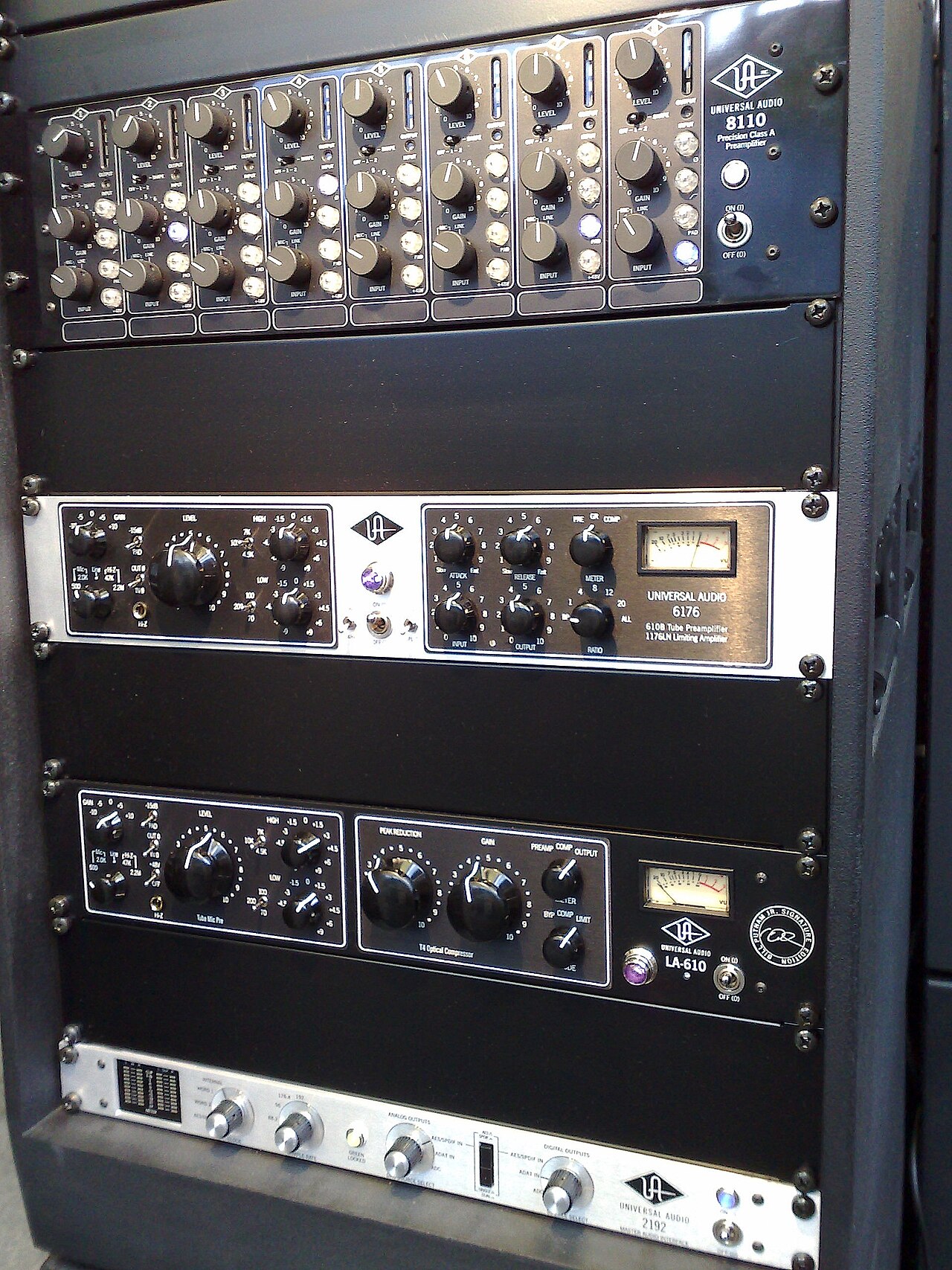
This specific type of compression creates a "pumping" sensation that drives the rhythm of a track forward. When a snare drum is processed through an 1176, it doesn't just hit; it explodes and then breathes. This adds a level of kinetic energy to the music that makes it feel much more aggressive and physical, sounding like a drum kit being pushed to its absolute limit, right on the edge of breaking.
Engineers used these tools to emphasize the mid-range frequencies, which is where the "meat" of the Britpop sound lives. By compressing the mids, they could make the guitars and drums feel much more prominent in the mix. This helped the music cut through the clutter of FM radio, providing a sonic signature that was instantly recognizable, and it created a heavy, centered sound that demanded attention.
The era's success was built on this marriage of high-level musicianship and old-school engineering. The bands brought the songs and the energy, but the engineers brought the tools to make that energy palpable. The reliance on analog hardware meant that the technical process was just as much a part of the artistic statement as the lyrics or the melodies, and it was a period when the gear, the room, and the player all worked in unison to create something that felt real.