The Streaming Lie: Why Musicians Are Still Broke
A mid-tier indie singer-songwriter sits in a cramped apartment in Hackney, staring at a Spotify for Artists dashboard that shows four hundred thousand streams for their latest single. While that number looks impressive on a press release, the actual bank transfer arriving from a distributor like DistroKid covers little more than a single grocery shop and a pack of cigarettes. The math of the modern music industry operates as a cold, unfeeling machine that rewards scale while starving the very creators who provide the platform's content. This reality defines the streaming lie, a systemic failure that has hollowed out the middle class of professional musicians.
The digital era promised a democratic utopia where any artist with a laptop and a decent microphone could reach a global audience without the gatekeepers of the old record label system. Instead, we have built a digital feudalism where the lords of the platform collect the vast and growing majority of the wealth. The numbers simply do not add up for anyone who does not command millions of monthly listeners. We are witnessing a massive redistribution of value from the creator to the distributor, leaving the actual architects of culture to scramble for crumbs.
The Myth of the Digital Gold Rush
Spotify emerged as the savior of the music industry during a period of devastating piracy and declining revenues, yet its success came at a steep cost to the individual artist. The platform changed the fundamental unit of music consumption from the album to the single, and in doing so, it stripped away the cohesive artistic statement. For a developer in Stockholm, the goal is engagement and retention, but for a musician, the goal is a sustainable livelihood. These two objectives often sit in direct conflict.
The current payout model functions on a pro-rata basis, meaning the system distributes all revenue in a specific pool based on a share of the total streams. This system favors the massive pop machines that can drive billions of plays through playlist placement and heavy marketing budgets. An artist with a dedicated, cult following might see much higher engagement than a global superstar, but they will even never see a proportional slice of the revenue. The wealth is not being shared; it is being concentrated.
Recent IFPI reports confirm this trend, showing a massive concentration of wealth in the top 1% of artists. A tiny fraction of global stars command the majority of all streaming revenue, while the rest of the pool is divided among millions of creators. This is not just a minor imbalance, as it represents a structural flaw that prevents the emergence of a stable, professional middle class in the music industry. The top of the pyramid is bloated with gold, while the base is eroding into dust.
The sheer scale of this disparity makes it impossible to ignore the systemic nature of the problem. When we talk about the "democratization" of music, we usually talk about the ease of distribution rather than the ease of monetization. Anyone can upload a song to DistroKid or TuneCore, but almost no one can make a living from the resulting streams. The accessibility of the tools has not been matched by the accessibility of the income.
The Mathematical Impossibility of the Middle Class
Numbers do not lie, even when the marketing departments of major tech companies do. The Spotify payout rate fluctuates between $0.003 and $0.005 per stream, a figure that makes it mathematically impossible for mid-tier artists to survive on recorded music alone. To earn the equivalent of a modest monthly rent of $1,500, an album would need roughly 300,000 to 500,000 streams every single month. This requirement ignores the costs of recording, mixing, mastering, and marketing, which can easily run into the thousands of dollars.

The math is brutal and unforgiving. If you are an artist with a loyal following of fifty thousand people, you simply cannot reach the necessary stream counts through your core audience alone. You are forced to chase the algorithm, hoping for a placement on a massive editorial playlist like "New Music Friday" or "Pollinate." This creates a desperate cycle of content production where quantity often supersedes quality, because the algorithm demands constant fresh input to keep the momentum alive.
Financial pressure forces musicians into a state of permanent gigging, where they must spend every waking hour touring, merchandising, and managing social media. The recorded music has become a loss leader, acting as a promotional tool designed to drive sales of much more profitable assets like vinyl or concert tickets. While this model worked for the legends of the 1970s, it is incredibly difficult to sustain when your primary revenue stream is essentially a digital tip jar that only accepts pennies.
This economic reality has fundamentally altered how music is made. The long-form, experimental album is being replaced by the snackable, high-impact single designed for maximum replayability. We are losing the depth of the medium because the economic incentives no longer support the time required for deep, thoughtful composition. The industry is trading artistic longevity for immediate, algorithmic gratification.
The Era of the High-Margin CD
The late 1990s represented the absolute peak of the music industry's financial power, a period characterized by the massive, high-margin era of physical CD sales. In 1999, the industry was flush with cash, driven by consumers purchasing full-priced albums for every single song they liked. This was the era of the "blockbuster" album, where a single release could generate hundreds of many millions of dollars in pure profit for labels and artists alike. The margins were enormous, and the control over the medium was total.
Everything changed when Napster arrived in 1999, bringing with it a decentralized, free, and uncontrollable method of music distribution. The decline began with a sudden, violent shift in consumer behavior that the industry was entirely unprepared to handle. The loss of the physical sale meant the loss of the high-margin transaction, replaced by a model that prioritizes access over ownership. The industry moved from selling a product to renting a service, and the economic power shifted from the creators to the gatekeepers of that service.
The transition from the CD to the MP3 and eventually to the stream was not just a change in format, it was a change in the very nature of value. In the 1990s, a listener bought a physical object, a tangible piece of art that held intrinsic value and could be resold or kept. Today, a listener pays for a subscription that grants them temporary access to a vast, ephemeral library. The concept of the "album era" has been dismantled by the convenience of the digital library, leaving artists with less leverage than ever before.
Looking back at 1999, it is easy to feel a sense of mourning for the lost revenue, but the real loss is the loss of the artist's agency. The industry was certainly predatory, but it operated on a model where the sale of a physical unit provided a clear, trackable, and significant amount of income. The digital era has replaced that clarity with a fog of micro-payments and complex royalty calculations that are nearly impossible for an independent creator to audit.
The Legal Theft of the Groove
Legal battles in the music industry often move beyond the theft of melodies and into the much more nebulous territory of "vibe." The 2015 verdict in the Blurred Lines lawsuit changed the landscape of copyright forever, creating a precedent that many fear will stifle creativity. When the Marvin Gaye estate won against Robin Thicke and Pharrell Williams, the court expanded the scope of copyright infringement to include the "groove" and the "feel" of a song. This was a terrifying expansion of what constitutes theft.
Before this verdict, copyright law focused on the specific notes, lyrics, and melodies that comprised a composition. Now, an artist can be sued for emulating the rhythmic pocket or the specific atmospheric textures of an older track. This creates a massive chilling effect on producers and songwriters who rely on the tradition of interpolation and stylistic homage. The fear of litigation becomes a tax on innovation, making artists hesitant to experiment with sounds that might sound too much like their predecessors.
"I don't want to be sued for a vibe, because a vibe is just how you play your instruments."
The implications of this legal shift are profound for the development of genres like hip-hop and electronic music, which are built entirely on the foundation of sampling and sonic recontextualization. If the "groove" is now a proprietary asset, the very DNA of these genres is under threat. We are seeing a legal framework that attempts to privatize the common language of rhythm and atmosphere. This is not just about protecting creators; it is about allowing the wealthiest litigants to claim ownership over entire musical aesthetics.
This legal instability adds another layer of financial risk to an existing precarious career. An artist might spend months perfecting a track, only to have it pulled from streaming platforms due to a copyright claim based on a subjective interpretation of "vost." The cost of defending oneself against such claims is often beyond the reach of anyone not backed by a major label. The law, which should protect the creator, is increasingly being used as a weapon of litigation.
The Black Box and the Metadata Crisis
Money frequently disappears in the digital plumbing of the music industry, vanishing into what engineers call "black box" royalties. These consist of millions of dollars in unclaimed publishing income that sit in distributor accounts because of faulty or missing metadata. When a stream occurs, the system must know exactly who wrote the song, who performed it, and who owns the publishing rights. If any of that data is incorrect, the money cannot be routed to the rightful owner and instead pools in a stagnant, unallocated account.
The 2018 Music Modernization Act attempted to address some of this chaos by creating the Mechanical Licensing Collective (MLC) to fix the digital mechanical royalty mess. The MLC serves as a centralized database designed to ensure that songwriters receive their rightful share of streaming revenue. While this was a significant legislative step, the underlying problem of messy, fragmented metadata remains a massive hurdle for the industry. The digital infrastructure is simply too old and too disorganized to handle the sheer volume of data being generated every second.
The complexity of modern credits makes this problem even harder to solve. A single song might have six writers, three producers, and various sample clearances, all of which must be perfectly documented in the digital ecosystem. One typo in a songwriter's name or a missing ISRC code can cause a royalty payment to vanish into the black box for years. This is not just a technical error; it is a systemic drain on the resources of the global songwriting community.
For the independent artist, the black box is a ghost that haunts their bank account. They may see millions of plays on their dashboard, yet their actual royalty statements show almost nothing. The frustration of knowing the money exists, but being unable to claim it because of a clerical error in a database in New York or London, is maddening. We have built a high-tech delivery system that is fundamentally broken at the point of delivery.
The Fight for Ownership and Control
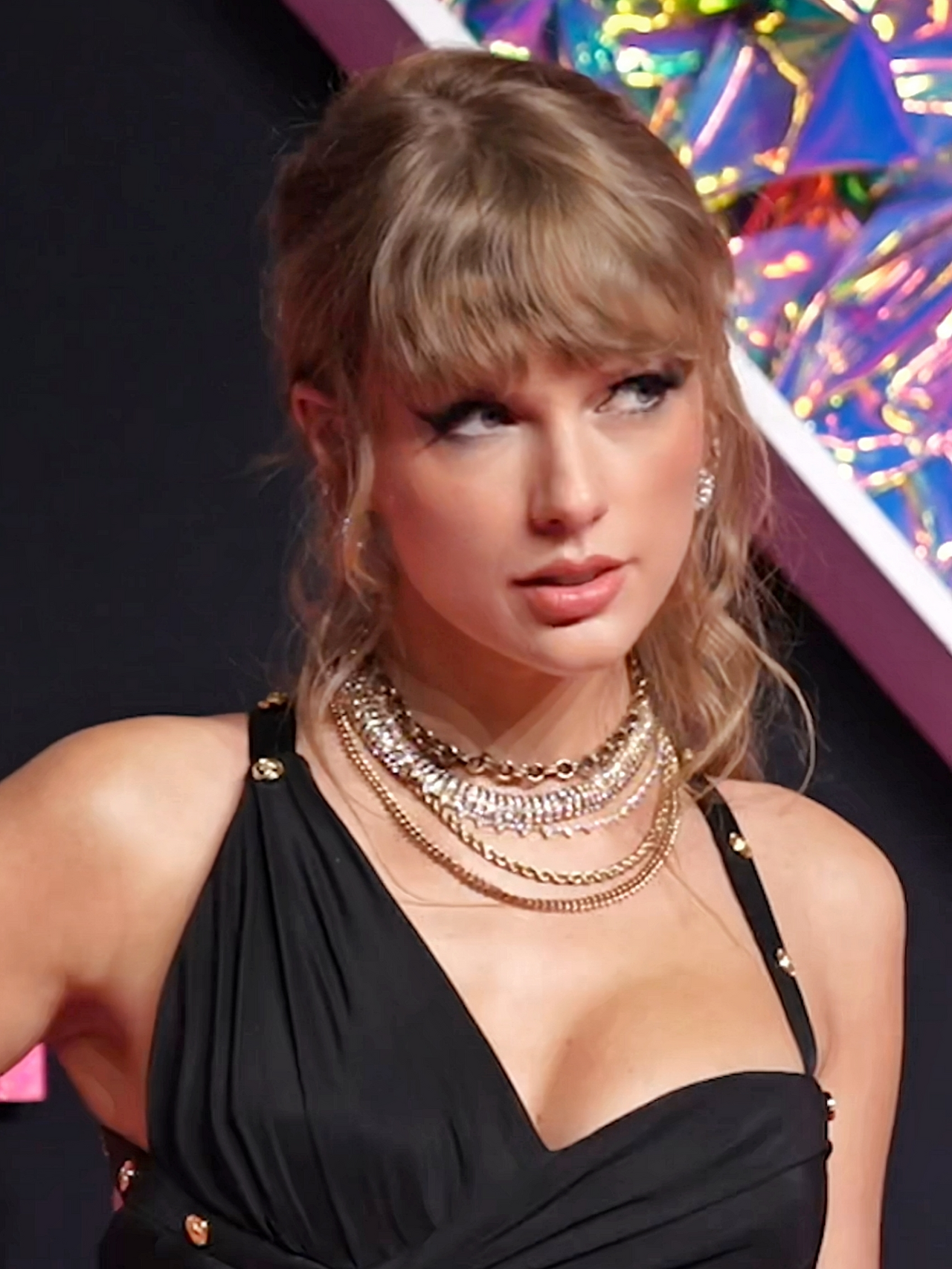
The struggle for the soul of the music industry often centers on the concept of the master recording. The ownership dispute between Taylor Swift and Big Machine Label Group, led by Scott Borchetta, became the most visible example of this battle in the modern era. When Swift discovered that her masters were being sold to a private equity firm, she took the unprecedented step of re-recording her entire back catalog to regain control. This was not just a PR move; it was a calculated economic strike against the traditional label model.
The battle for masters highlights the fundamental power imbalance between artists and the institutions that fund them. For decades, the standard contract involved the label owning the recording in perpetuity in exchange for the initial investment. While this provided the capital necessary to record and distribute music, it left the artist with no long-term equity in their own work. Swift's move demonstrated that an artist with enough leverage can bypass the traditional ownership structure and reclaim their intellectual property.
This level of leverage remains almost entirely unavailable to the average musician. The vast majority of artists are still bound by contracts that strip them of their rights before they even record a single note. The legal and financial barriers to reclaiming ownership are immense, requiring a level of legal expertise and capital that most creators simply do not possess. The fight for control is a fight for the very survival of the artist as an independent economic actor.
There is also a massive disparity in how performance royalties are handled across different borders. US songwriters lack performance royalties on terrestrial radio, which creates a massive financial gap when compared to the UK's PRS for Music system. In the UK, the songwriters receive a share of the revenue every time a song is played on the airwaves, providing a vital secondary income stream. In the US, the radio stations pay the performers and the labels, but the writers are left out of the loop. This structural inequality ensures that American songwriters remain even more vulnerable to the whims of the streaming giants.
The future of the music industry depends on fixing these broken links in the chain of value. We need a system where metadata is standardized, where the "vibe" is not a litigious minefield, and where artists can actually own the fruits of their labor. Until then, the digital gold rush will continue to enrich the platforms while leaving the creators to starve in the shadows of their own success.