Searching for the Lost Sounds of Merseybeat
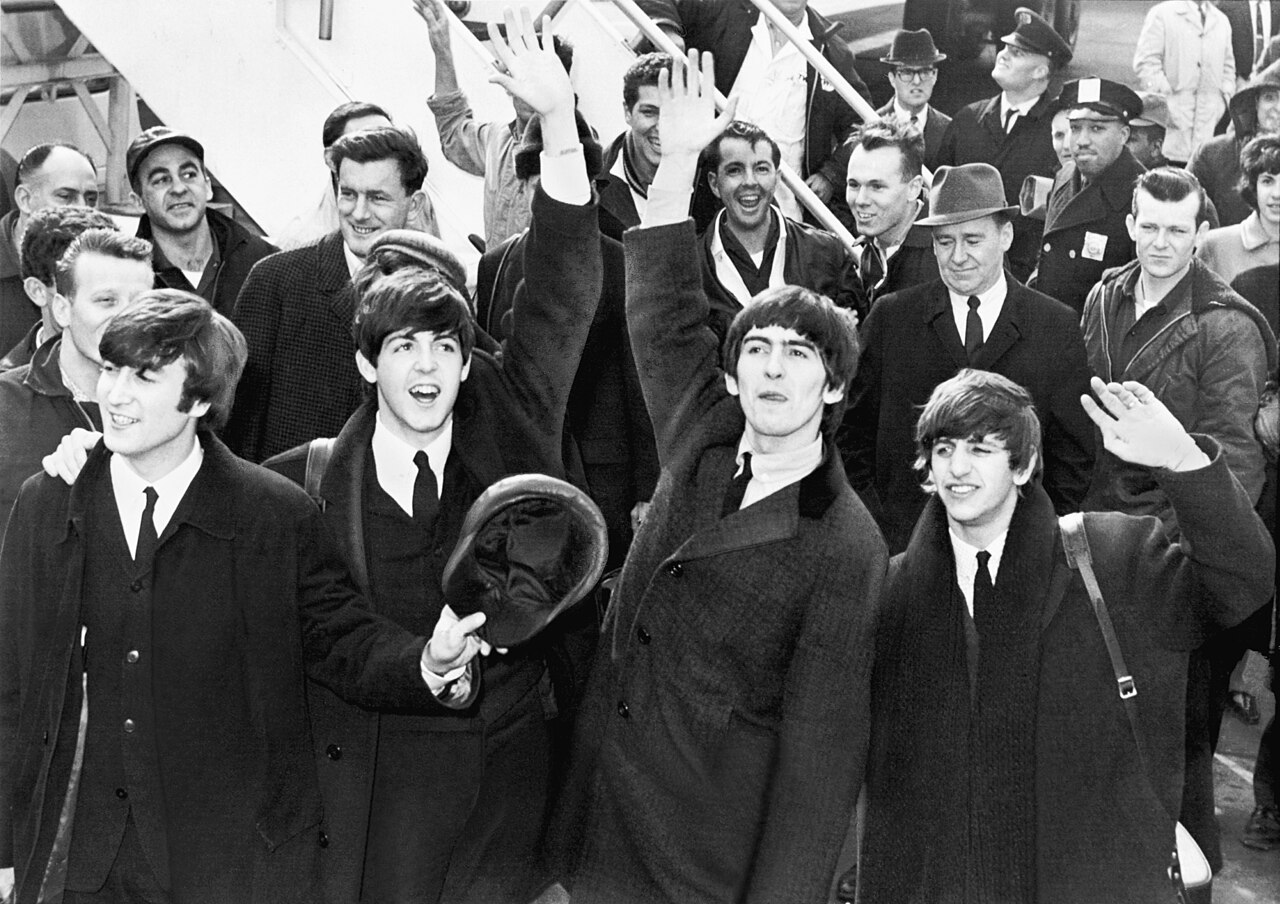
London's West End studios felt sterile and imposing on the afternoon of January 1, 1962, providing a stark contrast to the humid, sweat-soaked clubs of Liverpool. Four young men from the Cavern Club stood before the microphones, clutching instruments that smelled of cheap tobacco and frantic rehearsals, waiting for a verdict. They played for Dick Rowe, the A&R executive at Decca Records, who held the power to validate or erase their entire existence with a single decision. The air in the studio carried the weight of a judgment that would change pop history, yet Rowe delivered a resounding rejection. He famously decided that guitar groups were a passing fad, leaving the Beatles to return to the Mersey docks with nothing but a bruised sense of purpose.
This failure, while stinging, forced the band toward a different path that eventually led them to the Parlophone label. The rejection at Decca remains the most expensive mistake in the history of the British recording industry, a blunder that redirected the course of modern music. The Merseybeat studio tapes we cherish today grew from the wreckage of that failed audition, blooming from the very error that threatened to end them. Without that specific sting of rejection, the group might have settled for a standard contract that lacked the creative freedom George Martin would later provide. The loss of the Decca deal allowed a deeper connection to form between the Liverpool scene and the technical precision of Abbey Road.
The rejection sent the band back to a city that was already beginning to boil with its own rhythmic energy. Liverpool functioned as a pressurized chamber of American R&B and skiffle influences, acting more as a cultural crucible than a mere place of docks and industry. While London looked toward polished, orchestrated pop, the North cultivated a raw, unpolished sound that relied on vocal harmonies and driving backbeats. This tension between the polished London establishment and the grit of the Mersey side defined the early sixties. The Decca failure created the first crack in the dam that would eventually flood the global charts with Liverpudlian accents.
The Decca Rejection and the London Failure
Dick Rowe sat in the control room, listening to a group of boys who lacked the professional sheen the London studios demanded. He heard the energy, but he did not hear the commercial viability required for a major label roster in 1962. The Beatles presented a sound that was too loud, too abrasive, and far too rooted in the American rock and roll that the British establishment viewed with suspicion. This specific moment of rejection created a vacuum that the Liverpool music scene rushed to fill with its homegrown stars. It forced the band to look for a producer who understood the potential of their rough edges.
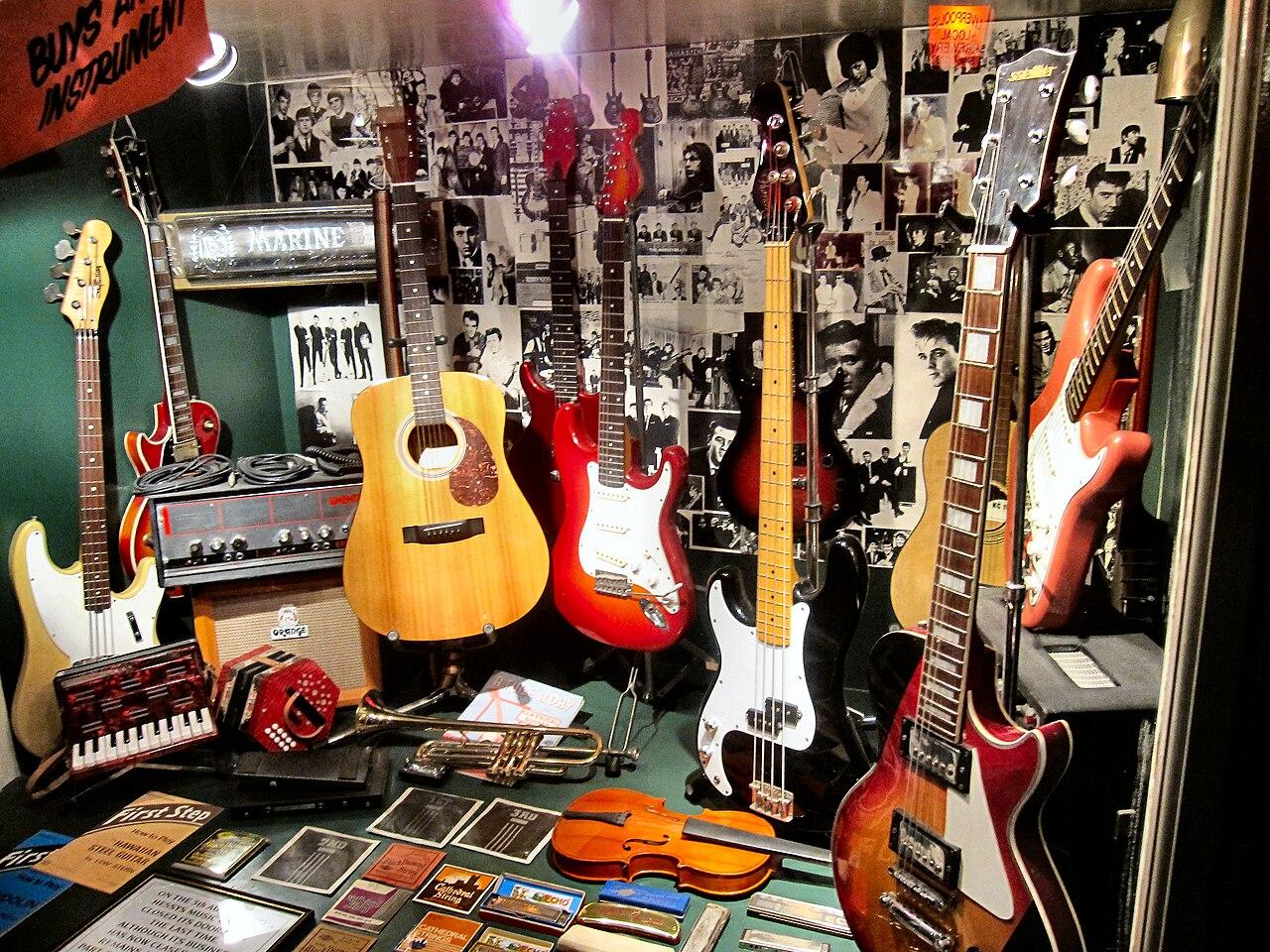
The failure at Decca did not stop the momentum of the Liverpool scene, because the energy was already too great to contain. Other groups like The Searchers and Gerry and the Pacemakers were already establishing their own territories in the local clubs, carving out a space that felt entirely their own. These artists were not looking for London's approval, they were looking for a way to capture the lightning they felt in the Cavern. The rejection of the Beatles pushed the focus back toward the local infrastructure of the Merseybeat sound. It turned the eyes of the industry toward the North, even if those eyes were initially skeptical of the raw talent on display.
London's music industry remained largely insulated from the seismic shifts occurring in the North during those early months of 1962. The executives in the West End were accustomed to managing polished vocalists and well-rehearsed orchestras that adhered to strict studio protocols. The Beatles, however, brought a chaotic, unrefined energy that defied the standard recording techniques of the era. Their sound focused on the visceral impact of a Rickenbacker guitar and a driving beat rather than perfection. This fundamental clash of ideologies would eventually lead to the total transformation of the and global pop scene.
The loss of the Decca opportunity meant the band had to find a new home, a task that eventually brought them to the doorstep of George Martin. This transition changed more than just a label, it changed a musical philosophy. The Parlophone label provided a different kind of support, one that valued the experimental potential of the Liverpool sound. The rejection at Decca stripped away the safety net, leaving the band to rely on their own chemistry and the burgeoning support of their local fanbase. This period of intense uncertainty paved the way for the most significant era in pop recording.
The Abbey Road Marathon of 1963
February 11, 1963, remains one of the most legendary dates in the history of Abbey Road Studios. The Beatles walked into the studio with a massive list of songs and a very limited amount of time, knowing the clock was their primary enemy. They recorded the majority of the Please Please Me album in a single, grueling day, pushing their stamina to the breaking point. The atmosphere mixed high-stakes pressure with a strange, manic creativity that only occurs when the deadline is immediate. Engineers worked frantically to set up microphones, while the band moved from track to track with a relentless, almost desperate pace.
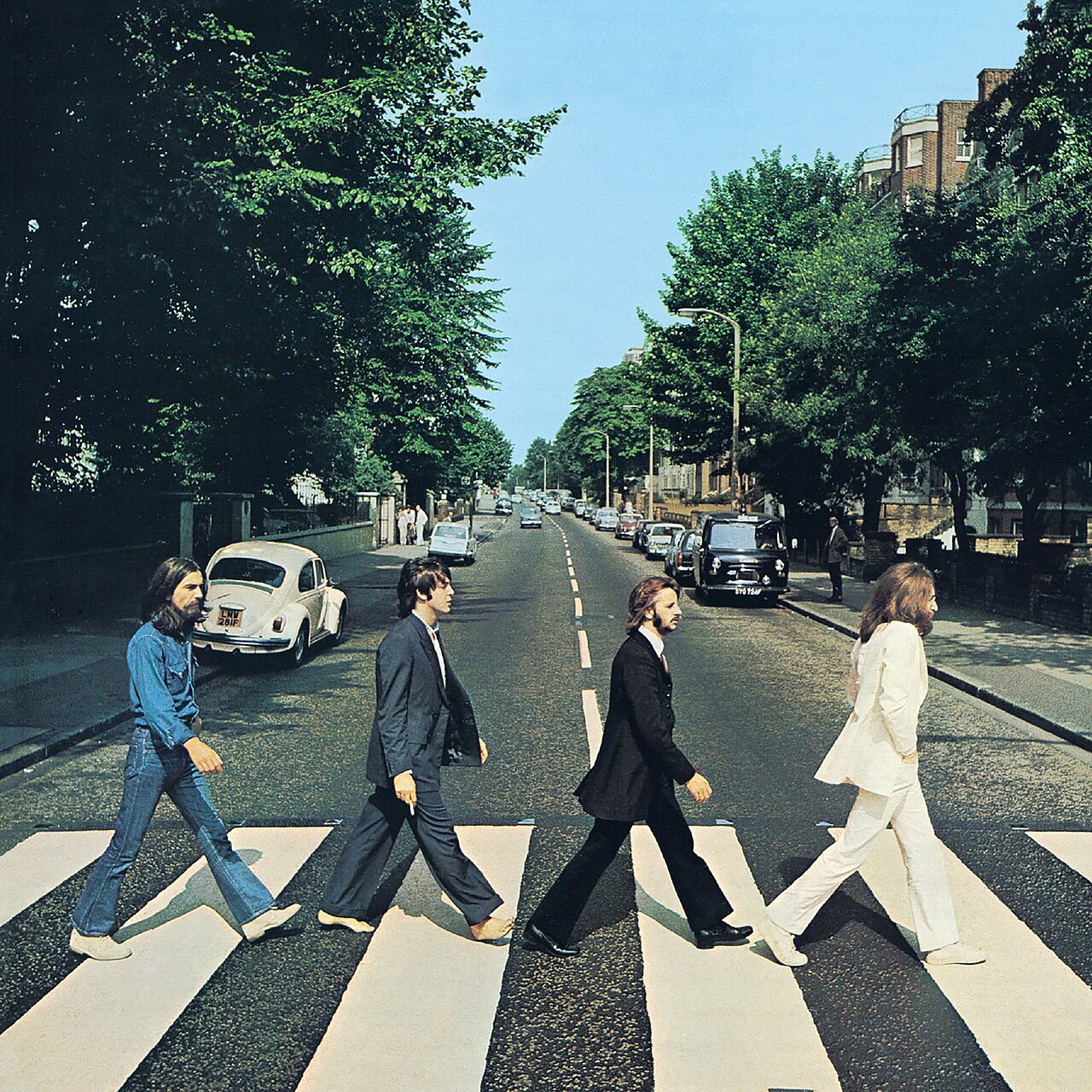
The sessions focused on capturing the raw, live energy of the band's stage show rather than polished perfection. You can hear it in the way the vocals occasionally strain, or how the drums hit with a slightly unpolished, heavy thud. The engineers struggled to keep up with the band's momentum, often leaving the tracks sounding slightly breathless and urgent. This lack of overdubbing gave the album a cohesive, singular identity that few records have ever matched. It sounds like a band playing in a room, a feeling that is increasingly rare in the era of digital perfection.
George Martin sat behind the glass, acting as both a conductor and a highly skilled filter for the band's raw energy. He understood that the magic lay in the immediacy of the performances, so he did not try to over-rehearse the tracks. He used the studio tools available to him to enhance the natural punch of the rhythm section without sanitizing the grit. This approach allowed the Please Please Me sessions to document a band at their most vital. The exhaustion of the marathon session is audible in the late-night tracks, adding a layer of weary soul to the upbeat melodies.
The sheer volume of material recorded that day was staggering, a feat that remains almost impossible in a modern studio setting. They moved through tracks like "I Saw Her Standing There" and "Misery" with a rhythmic fluidity that suggested months of rehearsal. The technical limitations of the time, such as the lack of multi-track layering, forced the band to get the performance right the first time. This necessity created a sense of unified purpose, where every member had to be perfectly in sync to avoid a wasted take. The result was an album that felt like a single, continuous burst of Liverpool energy.
The physical toll of the session was evident by the time the sun began to rise over North London. The musicians were physically drained, yet the energy of the recorded material remained incredibly high. This paradox makes the 1963 sessions essential to the study of the Merseybeat sound. It was a moment where technical exhaustion met creative peak, resulting in a collection of songs that defined a generation. The tapes from that day carry a specific, kinetic heat that no amount of post-production could ever replicate.
The Rhythm Shift After Pete Best
August 1962 marked a definitive, often painful, shift in the rhythmic foundation of the Beatles. The dismissal of drummer Pete Best changed the very heartbeat of the band's studio output. Best had a heavy, straightforward style that anchored the band's early, more traditional rock and roll period. His departure changed the group's sonic DNA rather than just being a personnel change. When Ringo Starr joined, he brought a different kind of musicality, a more nuanced and swing-heavy approach to the kit.

Ringo's drumming style featured a subtle, swinging precision that allowed the melodies to breathe more freely. He understood the space between the notes, a skill that was essential as the band's songwriting moved toward more complex structures. The heavy, driving thud of the Best era gave way to a more sophisticated, syncopated rhythm that could support more intricate arrangements. This transition helped the band evolve from a beat group to a studio-driven powerhouse. You can hear the shift in the way the backbeat interacts with the bass lines in the mid-1963 recordings.
"I was just a drummer, I played what was written, but Ringo brought a swing that we simply didn't have before."
The loss of Best provided the necessary friction for growth despite the profound instability it caused the group. The transition period was fraught with tension, but the musical results were superior in terms of versatility. Ringo's ability to lock in with Paul McCartney's melodic bass lines created a foundation that was both solid and incredibly agile. This new rhythmic identity allowed the band to experiment with much more varied tempos and textures. The early, heavier tracks still retain some of the Best-era weight, but the swing is unmistaktonably Starr.
The impact of this change appears specifically in the way the percussion sits in the mix of the later 1963 tracks. The drums no longer just provide a metronomic pulse, they actively participate in the melodic conversation of the song. This shift enabled the band to move away from the standard 4/4 stomp of early rock and roll and toward something more layered. It allowed for the introduction of more complex fills and a more dynamic use of the hi-hat and snare. The rhythmic identity of the band became less about brute force and more about musicality.
Many fans still mourn the loss of the original lineup, but the musical argument for the change remains strong. The Beatles' ability to move from a local beat group to a global phenomenon required this rhythmic evolution. Without the swing and precision that Starr brought to the kit, the more experimental later works might have lacked their essential groove. The shift in August 1962 expanded the band's rhythmic potential. It was the moment they stopped being just a loud band and started being a sophisticated musical unit.
George Martin and the Parlophone Sound
George Martin brought a level of professional discipline to the Parlophone label that the Liverpool scene desperately needed. He was more than a producer, he was an audiophile architect who understood how to frame the raw talent of the Merseybeat artists. His background in classical music and his familiarity with the technical constraints of Abbey Road allowed him to manipulate the band's energy. He could take a simple, three-chord progression and use orchestration or subtle multi-track techniques to give it depth. This was the beginning of the "Parlophone sound," a blend of pop accessibility and studio sophistication.

The use of early multi-track technology at Abbey Road allowed Martin to begin experimenting with the layering of sounds. While the technology was primitive by today's standards, the ability to bounce tracks and add subtle textures was revolutionary for the time. He used these tools to enhance the vocal harmonies of the Beatles and other Liverpool artists, creating a sense of depth that was missing from live performances. He could place the vocals slightly forward in the mix, ensuring that the melodies remained the focal and most impactful element. This meticulous attention to detail helped define the sonic identity of the era.
Martin's production work focused on highlighting the band's strengths rather than masking their flaws. He understood that the charm of the Merseybeat sound lay in its grit and its occasional roughness. He would use the natural reverb of the Abbey Road studios to give the drums a larger-than-life presence, making them hit harder in the listener's ear. He also knew when to pull back, allowing the acoustic elements of a track to stand out against the electric guitars. This balance between the raw and the refined was his greatest contribution to the Parlophone catalog.
The production of the Beatles' early albums, particularly Please Please Me, serves as a masterclass in working within limitations. Every decision Martin made responded to the technical realities of the 1963 studio environment. He worked with engineers like Norman Smith to create a sound that was both punchy and clear, a feat that required incredible precision. The way the bass sits in the mix, providing a melodic countercurrent to the guitars, is a direct result of his vision. He transformed a collection of energetic songs into a cohesive, professional recording.
Martin's influence extended to the wider roster of the Parlophone label, beyond just the Beatles. He brought a sense of order and high-quality standards to every session he oversaw, which elevated the entire Liverpool scene. He treated the music of the Mersey side with the same respect he would accord a classical recording, which gave the genre a much-needed legitimacy. This approach helped the Merseybeat sound move past its local origins and become a global standard. The Parlophone sound was the sound of a producer and a city in sync.
The BBC Archives: A Preservation Effort
The BBC archives serve as a vital, often overlooked, repository for the sonic history of the Liverpool explosion. Programs like Top Gear and Pop Go The Beatles captured the energy of the era in a way that studio recordings often could not. These broadcasts provided a platform for a wide array of Liverpool artists, from The Searchers to Billy J. Kramer. The BBC's commitment to recording these sessions ensured that the ephemeral nature of live pop music was captured for posterity. Without these archives, much of the breadth of the Merseybeat movement would be lost to time.
The recordings from Pop Go The Beatles offer a unique window into the variety of the Liverpool scene. These were not just covers of American hits, they were original compositions that showed the creative diversity of the North. The BBC's studio environment, while somewhat formal, allowed the artists to experiment with different arrangements and textures. You can hear the transition from the more traditional beat group sound to the more experimental pop that would follow. These archives preserve the voices of artists who might otherwise have faded into the footnotes of music history.
The Top Gear archives are particularly valuable for their documentation of the more raw, unarmored side of the movement. These sessions often captured the grit of the live club experience, with more aggressive guitar tones and driving, unrefined rhythms. The BBC engineers, tasked with maintaining broadcast quality, inadvertently created a high-fidelity document of a low-fidelity era. The clarity of the vocals and the separation of the instruments allow modern listeners to dissect the nuances of the Merseybeat sound. It is a treasure trove for anyone interested in the technical evolution of the genre.
Preserving these recordings required a massive, ongoing effort from BBC technicians and archivists. The tapes often sat in suboptimal conditions, and the sheer volume of material made organization a monumental task. However, the decision to maintain these archives has paid off immensely for music historians and fans alike. These recordings provide the necessary context to understand how the Liverpool scene interacted with the broader British pop landscape. They offer a sense of continuity that the single-album releases cannot provide on their own.
The BBC acted as a curator of a cultural moment rather than just a broadcaster for the Liverpool explosion. By providing a national stage for these artists, they helped turn a local phenomenon into a global sensation. The archives are more than just old tapes, they are a living record of a city's musical identity. They allow us to hear the evolution of the sound in real-time, through the changing arrangements and the maturing songwriting. The BBC archives are the backbone of our understanding of the Merseybeat era.
The Unreleased Echoes of Apple and Cilla Black
The 1969 "Get Back" sessions at Apple Studio represent a fascinating, raw departure from the polished perfection of the later Beatles years. These sessions intended to capture a return to the band's roots, a way to strip away the studio artificing and return to the energy of their early days. The resulting tapes, including unreleased takes of "Teddy Boy" and unpolished versions of "Old Brown Shoe," offer a glimpse into a band in flux. The fidelity is raw, the performances are often loose, and the sense of musical experimentation is palpable. It is a stark, honest contrast to the heavily produced Abbey Road album.
Listening to the "Get Back" sessions feels like peering into a rehearsal room, where the boundaries between performance and experimentation are blurred. You can hear the band arguing over tempos, trying out different melodic lines, and simply playing for the sake of the music. The lack of multi-track layering in these sessions forces a focus on the fundamental interaction between the musicians. It is a sonic document of a band trying to find their way back to the simplicity that originally defined them. These tapes remain an essential part of the Merseybeat legacy, showing the end of an era as much as its beginning.
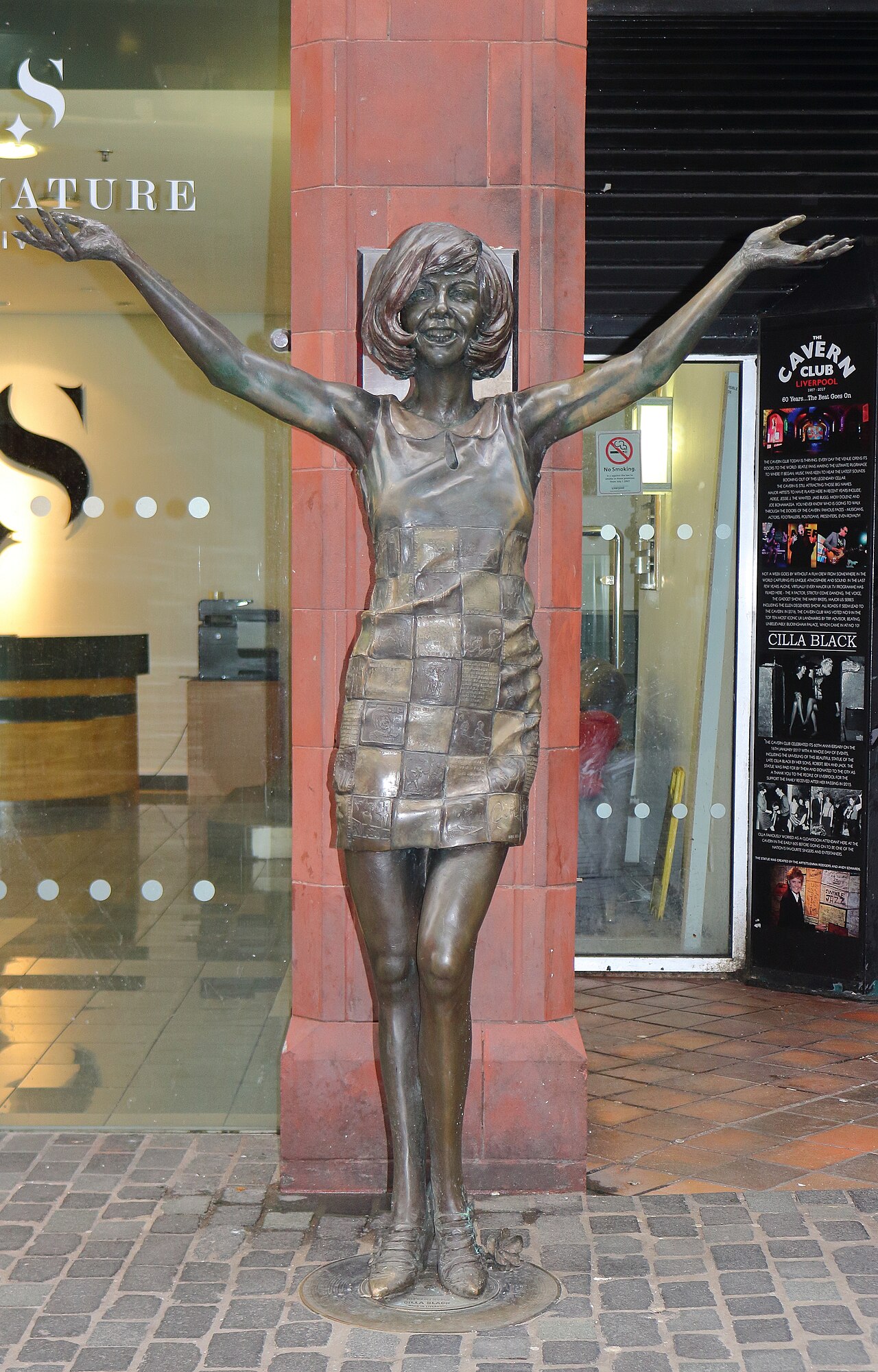
The 1964 sessions for Cilla Black at Abbey Road provide another, much more polished, layer to this musical history. Cilla Black, a powerful vocalist with a deep connection to the Liverpool scene, benefited immensely from the studio's technical prowess. The sessions included various studio outtakes and alternate arrangements that showed her range and versatility. These recordings highlight the transition of the Merseybeat sound from a guitar-driven movement to a more sophisticated, vocal-centric pop style. The production on these tracks was much more lush, reflecting the changing tastes of the mid-sixties.
The Cilla Black sessions also demonstrate the collaborative nature of the Liverpool music community. Many of the musicians and engineers working on her tracks were the same individuals who had shaped the early Beatles sound. This continuity of personnel ensured that the DNA of the Merseybeat movement remained present, even as the music became more orchestrated. The unreleased outtakes are particularly interesting, as they reveal the trial and error involved in crafting a pop masterpiece. They show a much more experimental side to the production process than the final, polished singles suggest.
The unreleased echoes of both the Apple Studio and the Cilla Black sessions remind us that the story of Merseybeat is not just found in the hits. The true depth of the movement lies in the margins, in the outtakes, the rehearsals, and the failed experiments. These recordings provide the texture and the nuance that make the era so enduringly fascinating. They allow us to hear the music as it was being made, in all its messy, beautiful, and unpolished glory. The search for these lost sounds is the search for the heart of the music itself.