The 1977 Manchester Punk Myth and Reality
The air inside the Lesser Free Trade Hall on June 4, 1976, smelled of stale beer, cheap cigarettes, and the heavy humidity of a Manchester summer night. A small, sweating crowd of roughly fifty people squeezed into the cramped space, watching as the Sex Pistols tore through a set that felt more like a physical assault than a concert. This single, chaotic performance provided a blueprint for every musician in the room who would eventually abandon their prog-rock pretensions. You could see the future of British independent music standing in that crowd, specifically the young men who would later form the skeletal, brooding foundations of Joy Division and The Fall.
The Sex Pistols brought a jagged energy that the North of England had never witnessed in a venue of that size. Johnny Rotten's sneering vocals and Steve Jones's thick, distorted guitar tones provided a sharp contrast to the polished, bloated stadium rock dominating the airwaves in 1976. The performance stripped away the necessity for technical virtuosity, replacing it with a raw, urgent need to communicate. This moment dissolved the barrier between the stage and the audience, using music as a blunt instrument to shatter the complacency of the post-war era.
Witnesses from that night frequently recall the sheer shock of seeing such a confrontational act in such a modest setting. Musicians like Bernard Sumner and Peter Hook, who were present and would later define the post-lux era, absorbed the sonic violence of the performance. They felt the structural collapse of the old musical order rather than just hearing the noise. The performance acted as a sudden, violent introduction to a new way of existing within a subculture, igniting a much larger, more complex fire across the city.
The Lesser Free Trade Hall Spark
Manchester in the mid-1970s felt stuck in a cycle of industrial decay and cultural stagnation, a grey expanse of brick and rain. The arrival of punk provided a way to repurmoded that decay into something creative and confrontational. While London often claimed the spotlight for the punk explosion, the real structural shifts occurred in the small, sweaty rooms of Manchester. The Lesser Free Trade Hall provided the initial physical space where these disparate, angry youths could congregate and find common ground. It was a place where the high-concept art of the era met the grit of the working class.
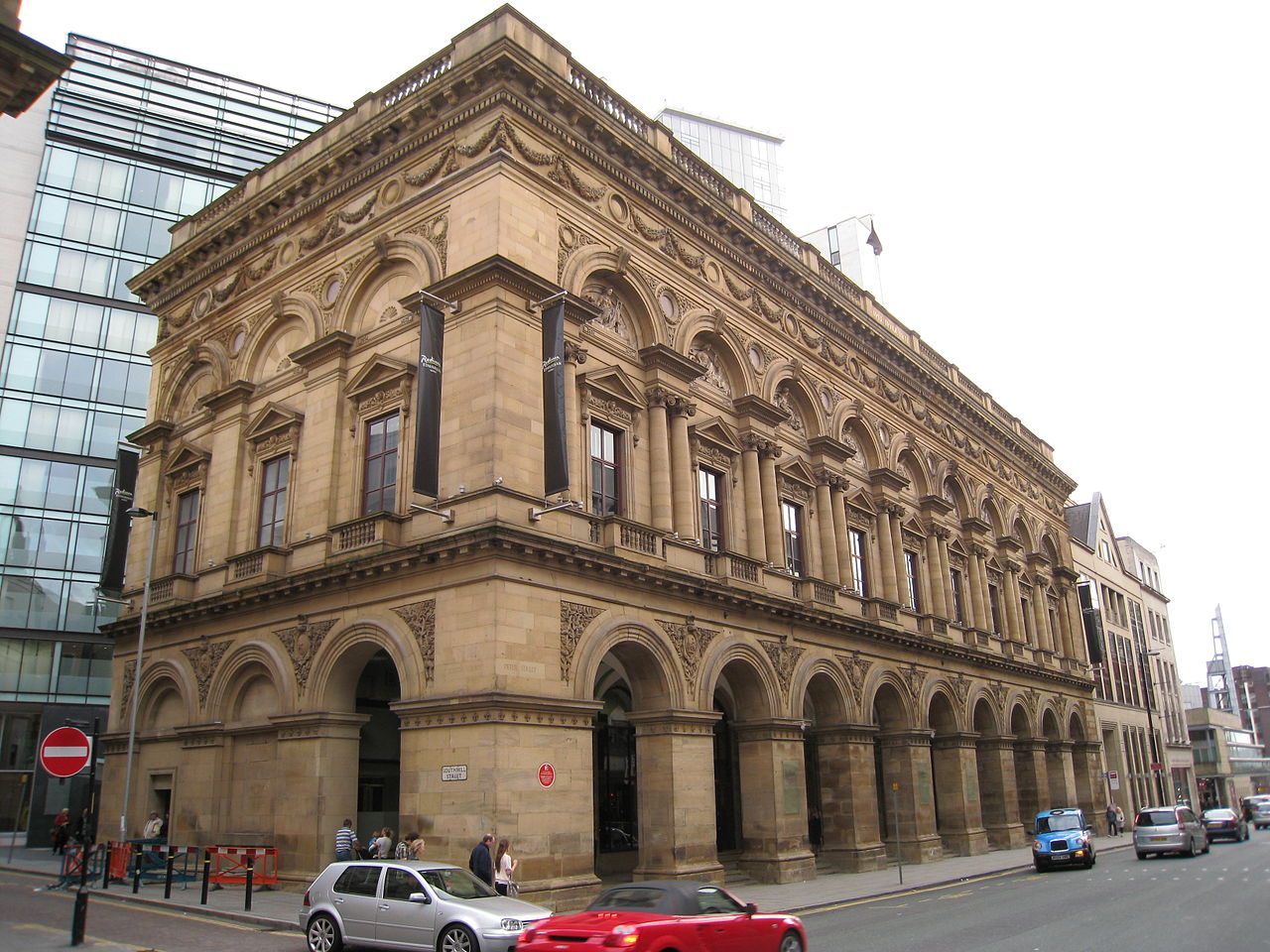
The June 4th show held weight because of the specific identities of the people standing in that room. You had the seeds of the Manchester underground, a group of individuals who would reject the polished production of major labels in favor of something far more experimental. The influence of the Sex Pistols was immediate, yet the people in attendance were already beginning to move toward a different, more brooding sound. They took the energy of the punk movement and filtered it through a much darker, more introspective lens. This transition represented a gradual, necessary evolution of the city's sonic identity.
The energy of the night felt thick with the scent of sweat and the vibration of heavily overdriven Marshall amps. Every chord struck by Steve Jones seemed to reverberate through the very floorboards of the hall, leaving a permanent mark on the psyche of the attendees. It was a moment of pure, unmediated connection between performer and spectator. This connection formed the foundation for everything that followed in the Manchester underground. The walls of the even seemed to shrink around the crowd, creating an intense, pressure-cooker environment that forced creativity to erupt.
That night remains the most important single event in the history of the city's independent music. Without that specific collision of London's aggression and Manchester's industrial gloom, the subsequent decades of post-punk would have lacked their essential, driving force. The musicians who were there did not just witness history; they were actively preparing to rewrite it. They took the wreckage of the Sex Pistels' performance and used it to build something entirely new and uniquely Northern. The spark had been struck, and the city was about to burn.
The Buzzcocks and the DIY Blueprint
By July 1977, the initial shock of punk had begun to settle into a more structured, self-sufficient way of operating. The release of the Spiral Scratch EP by the Buzzcocks changed the way musicians thought about the industry entirely. This record, released on the band's own label, proved that a group of musicians could bypass the gatekeepers of London-based record companies through local production and direct distribution. It established a new standard for independent music, demonstrating that the means of production could belong to the artists themselves. This was the birth of the true DIY ethos in the North.
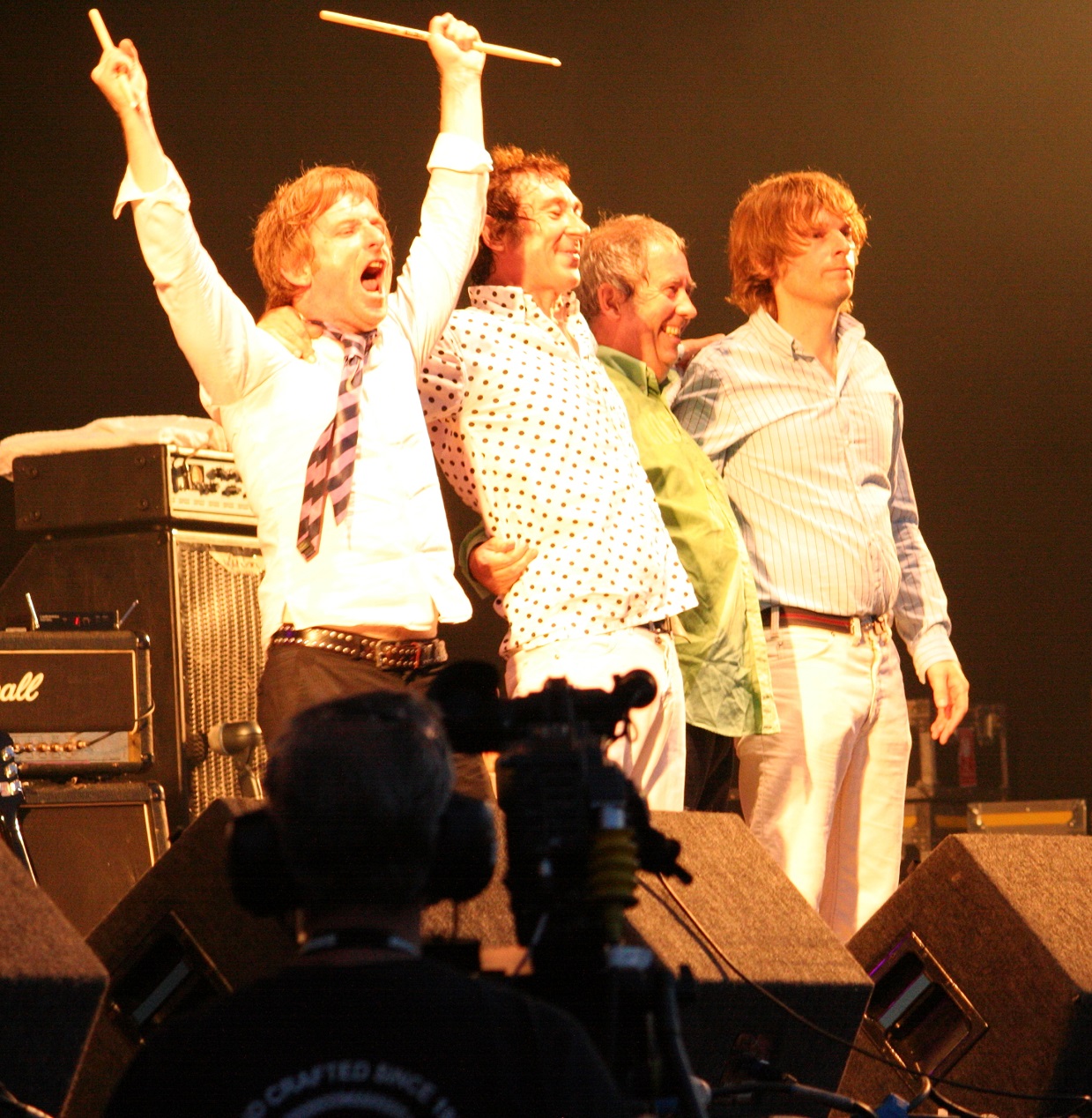
Pete Shelley's songwriting provided the essential bridge between the raw, unrefined energy of early punk and a more melodic, pop-oriented sensibility. He understood that while the aggression was necessary, a well-crafted melody could carry the message much further. His songs, characterized by bright, driving guitar lines and infectious, albeit nervous, vocal deliveries, brought a sense of accessibility to the underground. The Buzzcocks did not just play punk; they refined it into something that could exist alongside pop music without losing its edge. They proved that brevity and melody were not enemies of rebellion.
"Ever fallen in love (with someone so fine) / Ever fallen in love (with someone so fine)"
The production on Spiral Scratch emphasized the urgency of the performances and the clarity of the melodies. The drums hit with a dry, snapping precision, while the guitars buzden with a thin, piercing intensity that cut through the mix. This lack of studio gloss was a deliberate choice, a rejection of the overproduced, bloated rock of the previous decade. It sounded like a band playing in a small, cramped room, which was exactly what they were doing. This sonic honesty became the benchmark for every independent release that followed in the city.
The success of the Buzzcocks' independent model paved the way for the formation of the New Hormones label, the first independent label to emerge from the Manchester punk movement. This label provided a platform for other local acts, creating a self-sustaining ecosystem that did not rely on the approval of the London-based press or major labels. It was a localized, highly efficient method of cultural production that relied on hand-to-hand distribution and local knowledge. The Buzzcocks had provided the blueprint, and now the rest of the city was following the instructions. The infrastructure of independence grew, brick by brick, record by record.
This period saw the emergence of a community that valued autonomy above all else. The musicians were not just players; they were promoters, distributors, and label owners. They handled their own printing, their own shipping, and their own marketing. This level of control was radical, providing a sense of agency that had been absent from the music industry for decades. The 1977 Manchester punk scene was not just a musical movement, but a logistical revolution. It was a declaration of independence from a system that had long ignored the North.
Mark E. Smith and the Abrasive Edge
While the Buzzcocks were perfecting the art of the pop-punk melody, another, much more unsettling force was coalescing in the shadows of the city. Mark E. Smith and The Fall represented the abrasive, experimental edge of the Manchester underground, a band that refused to adhere to any recognizable structure. Smith's vocals were not melodic; they were a rhythmic, often unintelligible stream of consciousness that felt like a direct transmission from the city's industrial grit. His lyrics were cryptic, biting, and often deeply cynical, reflecting a worldview shaped by the decline of the North's manufacturing heartland.
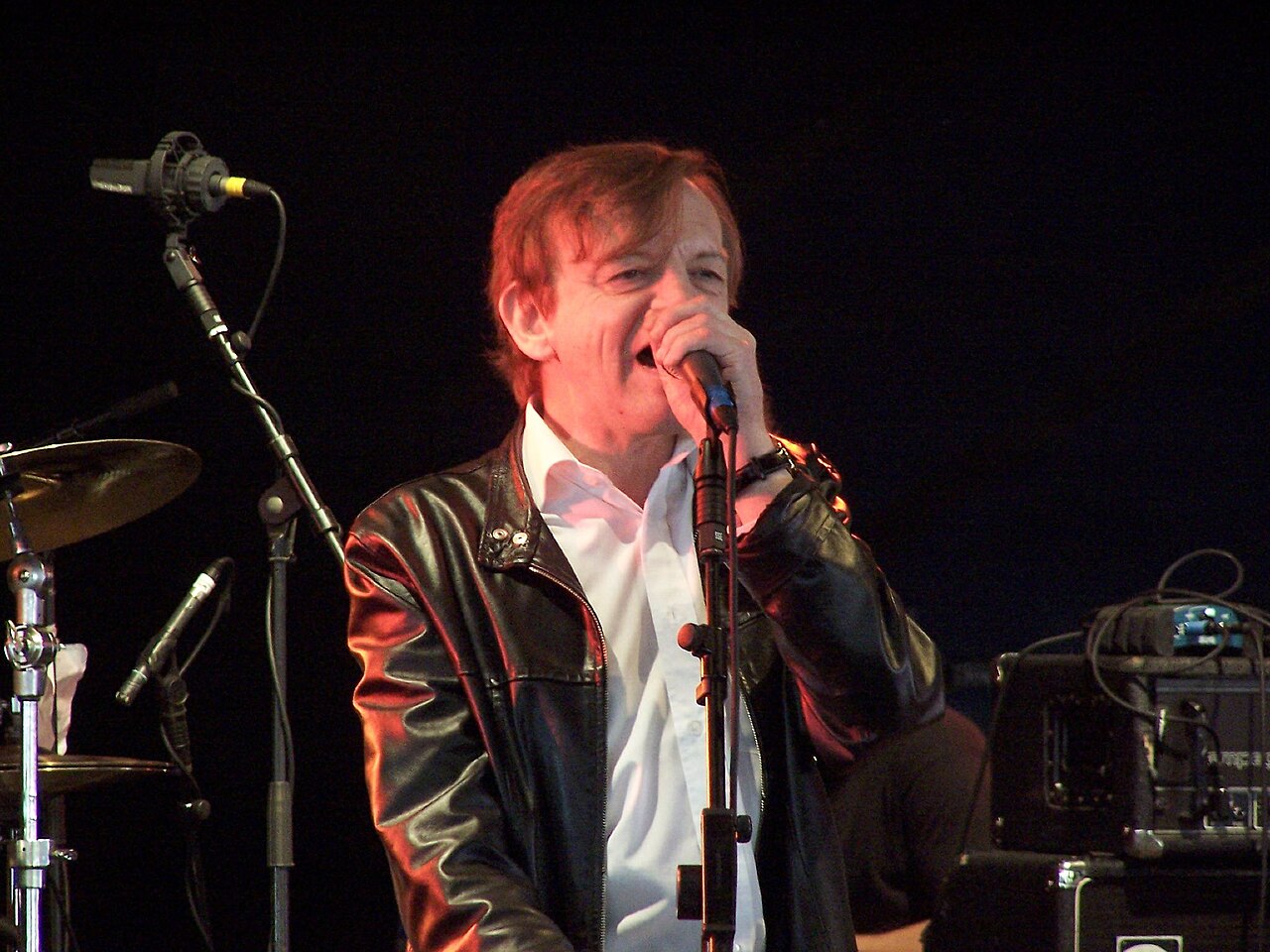
The sound of The Fall acted as a relentless, driving force, characterized by repetitive, motorik rhythms and guitars that scraped against the ears like metal on concrete. There was no warmth in the production, only a cold, mechanical precision that mirrored the factory lines of the surrounding suburbs. The bass lines were heavy and prominent, often driving the song forward while the guitars provided a layer of jagged, discordant texture. It was music that demanded attention, even if that attention was born of discomfort or confusion. Smith's presence was a constant, unpredictable variable that kept the band in a state of permanent tension.
The Fall embodied the rejection of the "rock star" archetype, opting instead for a gritty, working-class aesthetic that felt entirely authentic to Manchester. Smith often appeared on stage looking like a man who had just stepped off a late-shift factory floor, his demeanor one of studied indifference or outright hostility. This lack of artifice was essential to the band's power, as it prevented the music from ever feeling like a performance. It felt like a confrontation, a sudden, uninvited intrusion into the listener's headspace. They were the sonic embodiment of the city's unresolved tensions.
The influence of The Fall extended far beyond the boundaries of the Manchester punk scene, as they became a cult phenomenon that influenced generations of experimental musicians. Their ability to blend post-punk aggression with avant-garde experimentation made them a unique entity in the British underground. Smith's refusal to compromise, even when the music became nearly unlistenable to the uninitiated, earned the band a level of respect that few of their contemporaries could claim. They were the dark, uncompromising heart of the movement, the part that refused to be polished or made palatable for the mainstream.
From Warsaw to Joy Division
The transition of the band Warsaw into Joy Division marked a profound metamorphosis that occurred as the initial 1977 punk energy began to shift toward the more atmospheric textures of post-punk. The raw, aggressive impulses of the early movement were being replaced by a sense of space, tension, and existential dread. This was not a rejection of punk, but rather an expansion of its emotional vocabulary. The musicians were no longer just shouting about anger; they were exploring the hollow, echoing silence that follows the scream. The music became more skeletal, more deliberate, and infinitely more haunting.
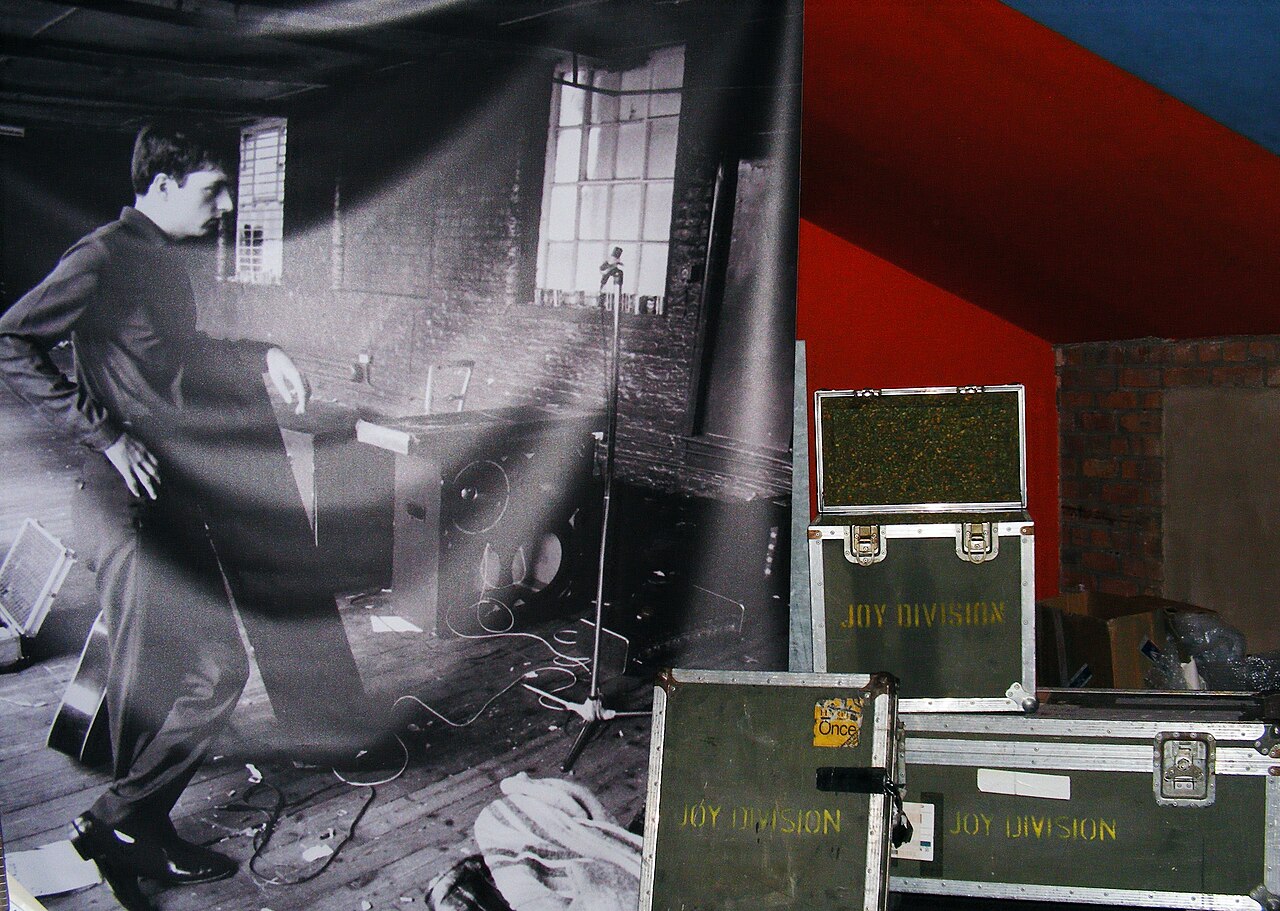
Ian Curtis's vocal performance was central to this shift, moving from the frantic energy of the early days to a baritone, commanding presence that could convey immense weight with a single, sustained note. His lyrics, often dealing with themes of alienation, isolation, and the struggle for meaning, provided a profound emotional anchor for the band's sonic experimentation. The music around him was sparse, built on a foundation of Martin Hannett's revolutionary production techniques. Hannett used the studio as an instrument, creating vast, artificial spaces where a single drum beat could echo like a gunshot in an empty warehouse.
The bass playing of Peter Hook became the melodic lead, a heavy, driving force that sat low in the mix, providing the melodic backbone while the guitars provided texture. This inversion of the traditional rock hierarchy was a hallmark of the post-punk era, allowing for a more complex, layered approach to songwriting. The drums, played with a disciplined, metronomic precision, provided the heartbeat for this new, darker landscape. Every element of the band focused on creating an atmosphere of intense, localized tension. They were not playing songs; they were constructing environments.
This evolution from the primitive aggression of Warsaw to the sophisticated gloom of Joy Division mirrored the broader cultural shift in Manchester itself. The city was moving from the immediate, outward-confronting rage of punk to a more inward-looking, introspective state of being. The music reflected the literal and figurative emptiness of the post-industrial landscape, where the factories were closing and the future felt increasingly uncertain. Joy Division captured this sense of loss and transformation with an intensity that few bands have ever matched. They turned the decay of their environment into a profound, universal art form.
The Electric Circus and the Factory Vision
The Electric Circus served as a primary site for the city's punk and post-punk evolution, a venue that acted as a laboratory for the new sounds of the era. It was a place of neon lights, heavy smoke, and a constant, churning energy that brought together the various factions of the underground. The club provided the physical stage where the transition from punk to post-punk could be observed in real-time, as the aggressive rhythms of the early years gave way to the more textured, atmospheric experimentation of the late seventies. It was the beating heart of the Manchester scene.
Tony Wilson, a man whose vision was as large as the city's industrial ambitions, was a central figure in this movement. His experiences within the 1977 Manchester punk scene, witnessing the chaos of the clubs and the creativity of the musicians, directly led to the founding of Factory Records in 1978. Wilson did not just want to run a record label; he wanted to curate a culture. He understood that the music needed a structure, a way to professionalize the DIY spirit without stripping it of its essential, subversive character. His approach remained deeply rooted in the visual and the conceptual, treating every release as a piece of art.
Factory Records became more than just a label; it became a brand, a way of life, and a symbol of Manchester's cultural resurgence. The label's aesthetic, heavily influenced by graphic designer Peter Saville, was as much a part of its success as the music itself. The stark, minimalist sleeve designs for releases like Joy Division's Unknown Pleasures became iconic, providing a visual language for the music's stark, emotional intensity. This integration of music, art, and design was a direct continuation of the DIY ethos, but elevated to a level of high-concept sophistication. It was the ultimate realization of the city's creative potential.
The legacy of this era lives in the enduring influence of the ideas that were forged in those Manchester clubs, rather than in chart positions or massive sales. The 1977 Manchester punk scene created a template for independence, for the idea that culture can be manufactured from the ground up, using nothing but local talent and a refusal to conform. The cities of the world continue to look to Manchester as a model for how a sense of place can be transformed into a global cultural force. The echoes of the Electric Circus and the early Factory releases still vibrate through the foundations of modern independent music, a permanent, rhythmic reminder of a time when the North took center stage.