Why 1970s Horror Scores Trigger Our Primal Fear
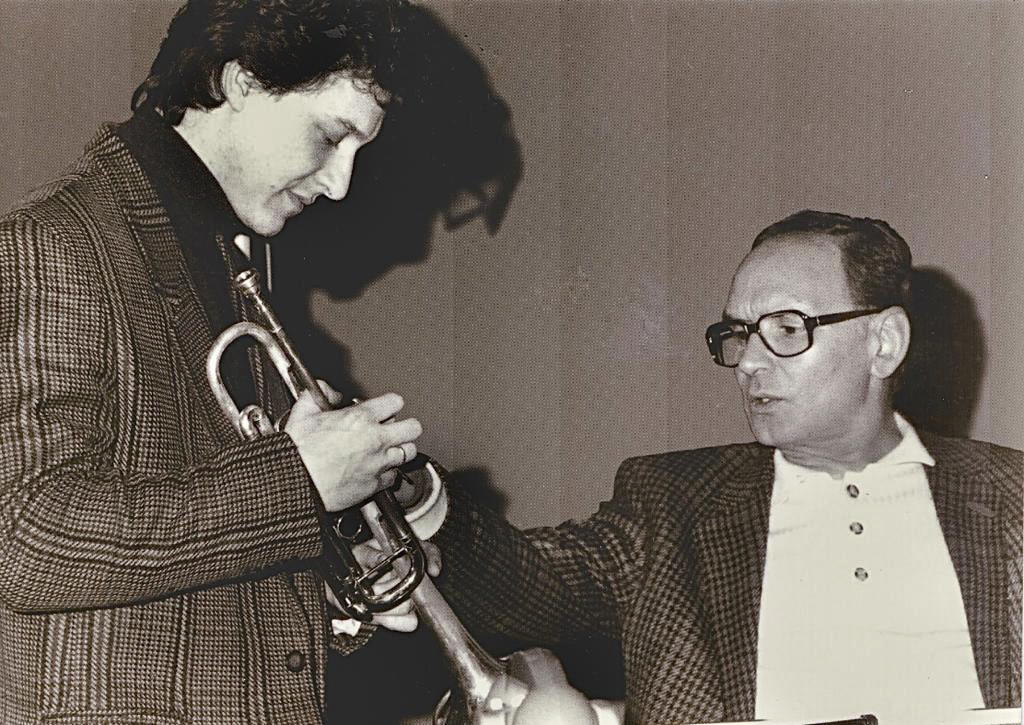
Rome, 1968, smelled like cigarette smoke and expensive floor wax at the Forum Studios. Ennio Morricone sat behind a mixing desk, guiding a group of session musicians through the jagged, nervous energy of The Bird with the Stained Plumage. The strings did not sing. Instead, they shrieked with a dissonant, avant-garde bite that clawed at the listener's nerves. This specific brand of tension defined the 1970s horror scores that would soon dominate the global psyche.
Morricone understood that fear requires instability. He used sharp, angular violin figures to mimic the sudden, violent movements of a killer in a giallo film. These notes felt like glass shards sliding across a silk sheet. The music lacked a comfortable place to resist, forcing the audience to remain hyper-vigilant. You could not relax because the melody refused to resolve.
The studio environment in Rome allowed for this experimentation. Engineers captured the raw, unpolished edges of the string section with a clarity that made every scrape of the bow audible. This proximity created an intimacy that felt invasive. When the music hits a sudden, high-pitched cluster, it feels like a physical jump scare. It is not just a sound; it is an intrusion into your personal space.
Morricone’s work laid the groundwork for a decade of sonic dread. He moved away from the lush, romantic orchestras of the 1950s. He replaced warmth with cold, clinical precision. This shift changed how directors approached the concept of psychological terror in cinema.
The Screech of Rome's Forum Studios
Forum Studios served as the laboratory for some of the most unsettling sounds of the era. The Italian progressive rock band Goblin arrived here in 1977 to score Dario Argento’s Suspiria. They did not bring orchestral elegance to the session. They brought heavy percussion and distorted electric guitars that mimicked the frantic pulse of a nightmare. The drums hit with a heavy, thudding weight that felt like a heartbeat racing during a panic attack.
The guitars in Suspiria do not play melodies. They grind against the rhythm, creating a layer of sonic grime that coats the entire film. This approach turned the soundtrack into an uninvited guest in the horror. The music does not just accompany the screen; it attacks the viewer. Every distorted chord feels like a heavy object falling in a dark room.
The production team at Forum Studios utilized the room's natural acoustics to enhance this feeling of claustrophobia. They pushed the electric instruments into the red, allowing for a slight, gritty saturation. This saturation adds a layer of heat to the cold horror of the film. It sounds like sweat and blood. The percussion provides a relentless, driving force that prevents any sense of rhythmic relief.
Argento and Goblin shared a vision of sensory overload. They wanted the audience to be overwhelmed by the sheer density of the sound. This density creates a sense of being trapped within the music itself. You cannot find an unescapable exit from the wall of distorted sound.
"The music is the heartbeat of the film, a pulse that drives the terror forward."
This philosophy of sonic aggression became a hallmark of the decade. Composers stopped trying to soothe the audience. They started trying to unsettle them. The goal was to create a physical reaction in the listener's body.
The Devil in 1970s Horror Scores
Bruno Blunden brought a different kind of tension to the 1975 production of The Rocky Horror Picture Show. While the film leans into camp, the underlying musical structure utilizes the "trunone" to unsettle the listener. Music theorists call this interval the augmented fourth. In the Middle Ages, musicians labeled it diabolus in musica, or the devil in music. It is a sound that feels inherently unstable and slightly "wrong" to the hyper-sensitive ear.
This interval creates a sense of unresolved tension. When a melody moves through a tritone, the listener waits for a resolution that never arrives. It creates a feeling of suspended animation. The notes hang in the air, vibrating with a nervous energy. This technique prevents the listener from ever feeling truly safe within the song's structure.
Blunden used this interval to bridge the gap between glam rock energy and gothic unease. The music dances on the edge of chaos. You can hear the tension in the vocal harmonies and the biting guitar riffs. It is a playful use of a terrifying musical concept. It reminds us that even in a campy spectacle, something sinister lurks just beneath the surface.
The use of the tritone is a masterclass in psychological manipulation. It targets the brain's natural desire for harmonic stability. By denying that stability, the composer keeps the audience in a state of constant, low-level anxiety. It is a trick as an old as the era of plainchant, yet it felt fresh in the mid-70s.
Composer Donaldson also exploited similar intervals in various 1970s exploitation films. He leaned heavily on the semitone, the smallest interval in Western music. This tiny distance between notes creates a micro-tension. It sounds like a physical itch you cannot scratch. It triggers an instinctive, biological feeling of unease.
The semitone creates a sense of compression. It feels as if the music is closing in on you. When a melody crawls upward through semitones, it mimics the sensation of something creeping closer in the dark. It is a subtle, effective way to build dread without relying on loud noises.
Synthesizing Instability with John Carpenter
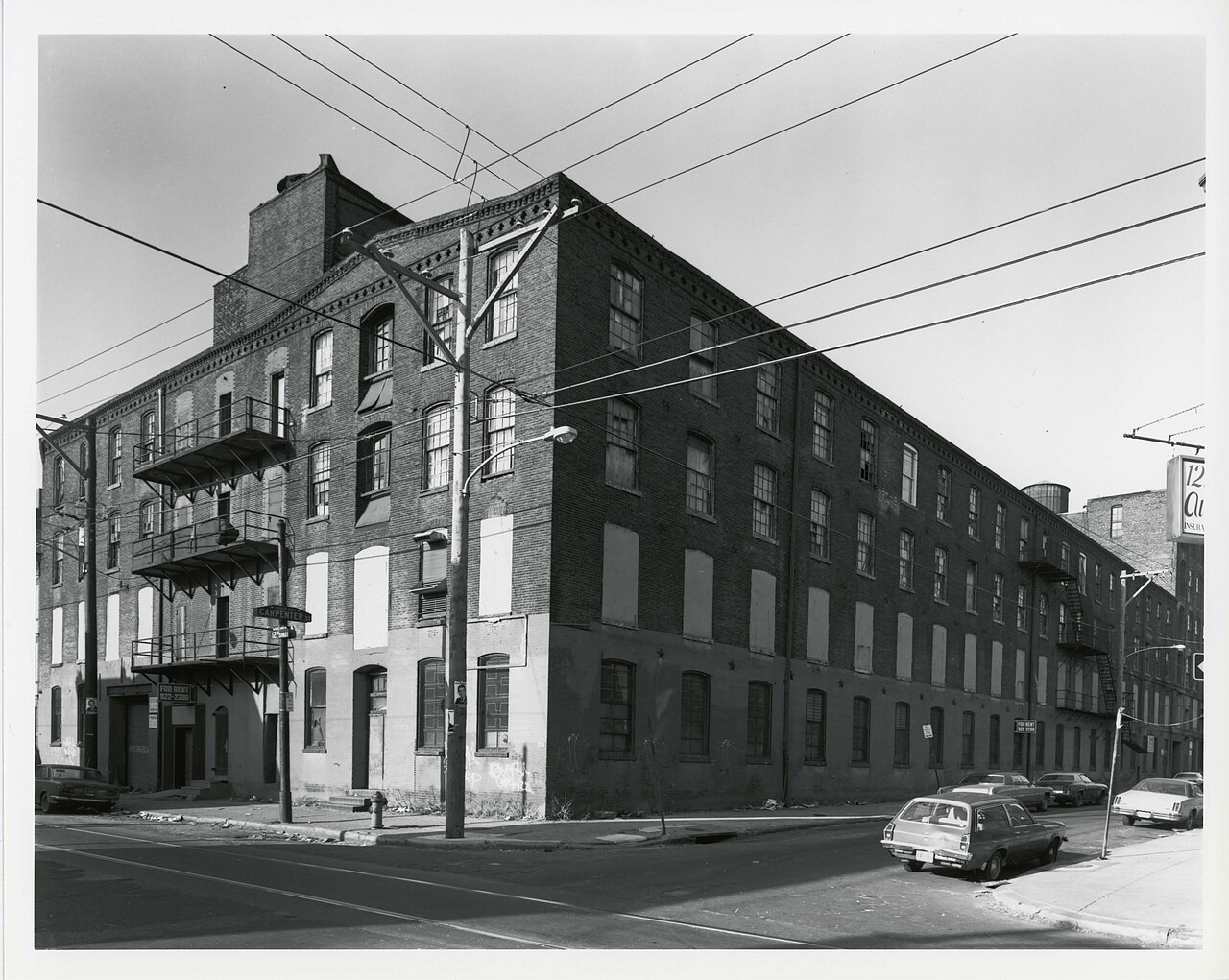
John Carpenter changed the horror landscape in 1978 with Halloween. He did not rely on a full orchestra to build his tension. Instead, he turned to a single Moog Modular synthesizer. He programmed a driving, repetitive bassline that became the film's sonic spine. The sound is dry, clinical, and incredibly persistent. It feels like a machine that cannot be turned off.
Carpenter utilized a 5/4 time signature to craft this theme. Most Western music relies on 4/4 or 3/4 time. Moving to a 5/4 rhythm creates a sense of rhythmic instability. The extra beat feels like a stumble. It prevents the listener from settling into a predictable groove. You are always waiting for the beat to drop, but it simply keeps pushing forward in an uneven loop.
The Moog synthesizer provides a texture that is both metallic and organic. The notes pulse with a rhythmic urgency that mirrors Michael Myers' steady, unstoppable approach. The bassline does an act of marching. This mechanical precision makes the character feel less like a man and more like an elemental force of nature.
The simplicity of the composition is its greatest strength. There are no complex flourishes to distract from the core dread. The repetition acts as a form of psychological conditioning. The more the theme repeats, the more the dread settles into your bones. It becomes an inescapable loop of anxiety.
Carpenter's approach stripped away the romanticism of film scoring. He proved that a single, well-placed electronic pulse could be more terrifying than a hundred violins. This minimalist approach influenced an entire generation of electronic horror composers. It turned the synthesizer from a novelty into a weapon of terror.

The Wall of Sound and Microtonality
Krzysztof Penderecki changed the way composers thought about pitch with his 1960 work, Threnody for the Victims of Hiroshima. While not a film score, its influence on 1970s horror was massive. He used microtonality and "cluster chords" to create a wall of screeching sound. These clusters involve packing notes so closely together that the individual pitches disappear. What remains is a dense, vibrating mass of sonic friction.
This technique eliminates the concept of melody entirely. You cannot hum a cluster chord. You can only endure it. The sound mimics the physical sensation of a scream. It is a wide, abrasive texture that feels like it is physically scraping against your eardrums. When 1970s composers adopted these techniques, they brought a new level of sonic violence to the cinema.
The use of microtonality - notes that fall between the standard keys of a piano - creates a sense of "out-of-tune" horror. It sounds like something is fundamentally broken. It mimics the sensation of vertigo or nausea. The listener loses their grip on the musical center because the pitches are constantly shifting in ways the brain cannot categorize.
This method of scoring relies on the absence of atonalism. By removing a tonal center, the composer leaves the listener untethered. You have no musical home to return to. Every note feels like a departure from safety. It is a state of permanent musical homelessness.
The effect is visceral. It is not a sound you hear with your ears so much as you feel in your chest. The density of the clusters creates a physical pressure. It feels as if the air in the theater is thickening. This is the peak of sonic aggression in the genre.
Folk Melodies and Hidden Dread
Paul Giovanni took a much more deceptive approach for the 1973 film The Wicker Man. He did not use screeching strings or heavy synths. Instead, he composed a soundtrack filled with folk-inspired melodies and acoustic instruments like the mandolin. The music sounds bright, pastoral, and even cheerful. It evokes the rolling hills of a summer afternoon in the British countryside.
This pleasantness acts as a mask for the underlying dread. The melodies are deceptively simple, almost like nursery rhymes. They create a false sense of security. As the film progresses and the cult's true intentions are revealed, the music begins to feel increasingly sinister. The same mandolin notes that sounded festive now feel mocking and cultish.

The horror in The Wicker Man comes from the contrast. The music provides a rhythmic, upbeat energy that clashes violently with the ritualistic violence on a screen. This dissonance between sight and sound creates a profound sense of cognitive dissonance. You see a sacrifice, but you hear a folk dance. This gap is where the true terror lives.
Giovanni's use of acoustic textures makes the dread feel grounded and real. It is not an abstract, cosmic fear. It is a human, earthly fear. The music feels like something that belongs to the landscape, making the horror feel inescapable and ancient. It suggests that the violence is part of the very soil of the community.
This style of scoring proves that volume is not the only way to scare an audience. Silence or sweetness can be just as effective when used to hide a knife. The pastoral calm is merely the thin veil covering the fire.
Manipulating Reality with Tape Speed
Studio engineers at Abbey Road and other major facilities in the 1970s possessed tools that could distort reality. They used tape manipulation techniques like varispeed to alter the pitch and speed of orchestral recordings. By speeding up a recording, they could make brass instruments sound small and squeaky. By slowing it down, they could make a cello sound like a groaning beast.
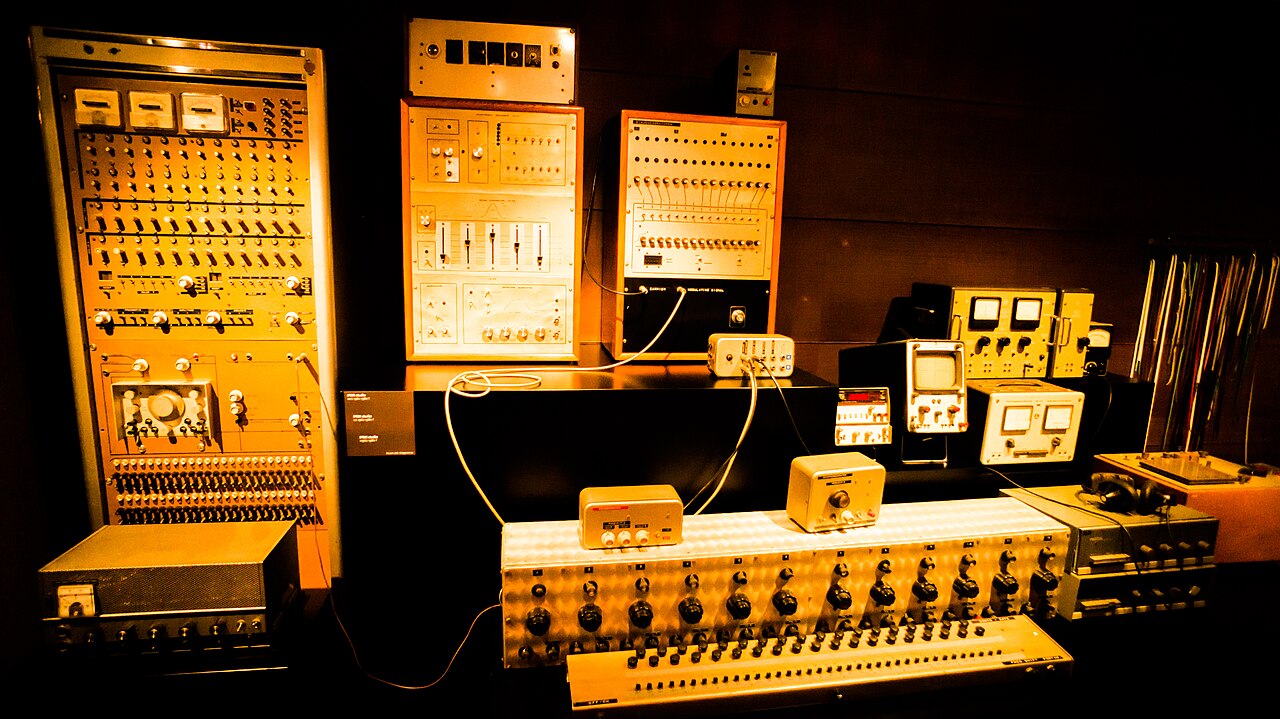
This technique adds an uncanny quality to the playback. The sounds are recognizable, yet they feel fundamentally unnatural. It creates a sense of "un-reality" that is perfect for horror. The listener hears something that should be human or orchestral, but it has been warped into something alien. It is the sonic equivalent of seeing a face that is slightly too long.
The use of varispeed affects the timbre of the instruments as much as the pitch. The attack of the notes becomes smeared or sharpened. This manipulation creates a sense of temporal instability. It feels as though time itself is stretching or compressing alongside the music. It is a way to physically manifest the disorientation of a nightmare.
Jerry Goldsmith utilized similar unconventional approaches in his 1968 score for Planet of the Apes. He used a percussion section consisting of bongos, congas, and various metallic objects. This choice created an alien, primal atmosphere. The metallic clangs and hollow thuds feel disconnected from a traditional orchestral language. They sound like something found in a jungle or a wasteland.
The percussion in Planet of the Apes hits with a dry, percussive force. It lacks the lushness of a standard Hollywood score. This austerity makes the film's world feel harsh and unforgiving. The music does not romanticize the apes; it presents them as a visceral, biological threat. Every metallic strike sounds like a primitive weapon hitting bone.
The 1970s was a decade of sonic experimentation where the studio itself became an uninvited instrument. Composers and engineers worked together to break the rules of harmony and physics. They found that the most profound fears are not found in the loud or the obvious. They are found in the distorted, the unstable, and the unnervingly familiar.