The War Over Napster and the Death of Music Sales
June 1999 changed everything for a teenager sitting in a dimly lit bedroom in suburban Ohio. The dial-up modem screamed its digital handshake, a series of static chirps and hisses that signaled a new era. Suddenly, the heavy, physical weight of a CD jewel case mattered much less than a tiny, compressed MP3 file. Napster arrived with a promise of infinite access, turning the solitary act of listening into a global, decentralized exchange. This sudden influx of free music triggered a massive conflict between Napster and digital piracy advocates, forever altering how we value a song.
Shawn Fanning and Sean Parker built something that felt like magic. The interface was simple, a list of usernames and song titles scrolling past on a low-resolution screen. Users shared files using Peer-to-Peer technology, bypassing the traditional gatekeepers of the radio and the record store. You did not need a label to find a rare B-side or a live bootleg from a 1977 London gig. You just needed a connection and a bit of patience while the progress bar crawled across the screen.
The industry felt the sting immediately. In 2000, total music revenue in the United States hit $14.6 billion, a peak that felt like the end of an era. Dr. Dre released 2001 on Aftermath/Interscope Records that same year, a polished masterpiece of West Coast G-Funk that drove massive physical sales. The production on tracks like "Still D.R.E." featured those signature high-pitched piano stabs and a bassline that felt thick and heavy. People still bought the discs, but the foundation was already cracking under the weight of the digital revolution.
The Napster Explosion and the Death of Ownership
San Francisco served as the epicenter for this digital uprising. The Napster software allowed users to browse libraries of strangers across the globe without any central authority. It felt like a democratic utopia where the hierarchy of the music business vanished overnight. A kid in Tokyo could send a track to a girl in Berlin in a matter of hours. The concept of ownership began to dissolve into the concept of access.

The technology relied on a central server to index files, even if the files themselves lived on individual hard drives. This technical loophole created a massive target for legal action. Users flooded thesite with everything from heavy metal to hip hop, creating a library larger than any retail store could hold. The sheer volume of data moving through these networks felt like a tidal wave hitting a shoreline of fragile glass.
Radiohead released Kid A in October 2000, a record that sounded like a nervous breakdown in a computer lab. The album utilized modular synths and jittery, fragmented rhythms that mirrored the era's technological anxiety. While the band used a clever online release strategy to bypass some retail friction, the underlying shift toward digital consumption was already unstoppable. The band's move signaled that even the most respected artists were sensing the change in the software.
The sheer speed of adoption caught the industry completely off a guard. One day, a record label was counting boxes in a warehouse; the next, they were fighting a ghost in the machine. The MP3 format provided just enough compression to make files small enough for slow connections while keeping enough fidelity to satisfy most listeners. It was the perfect weapon for a quiet revolution.
Metallica vs. Napster: The Lawsuit
January 2000 brought a thunderclap of litigation to the tech world. Metallica, led by the aggressive legal stance of their lawyers at Phaidon Lawyers, filed a massive copyright infringement lawsuit against Napster. James Hetfield and Lars Ulrich saw their work being distributed without permission or payment. They viewed the service not as a tool for discovery, but as a direct theft of their intellectual property. The heavy metal legends refused to let their catalog become free commodities.

Lars Ulrich became the face of this corporate retaliation. His frustration boiled over in public forums, where he argued that the very concept of a song's value was being eroded. The litigation focused on the idea that Napster facilitated the very act of infringement. The band's lawyers argued that the service provided the infrastructure for widespread piracy. This was not just a legal battle; it was a fight for the soul of the music business.
"The industry is in a single state of chaos regarding digital rights." - Lars Ulrich, The New York Times, 2004
The courtroom drama lacked the nuance of a well-undercut album. It was a blunt force instrument of litigation. The Napster defense relied on the idea that the users, not the service, were responsible for the sharing. This distinction would eventually decide the fate of the platform. The tension between the creators and the distributors reached a breaking point that no settlement could easily fix.
The lawsuit changed the public perception of the tech founders. Shawn Fanning, the creator of Napster, found himself in the crosshairs of the most powerful band in metal. He later testified before the U.S. House of Representatives Judiciary Committee in 2000. He defended the legality of P2P networks, arguing that the technology itself was neutral. The hearings were a clash of two different worlds: the old guard of copyright and the new frontier of the internet.
The RIAA and the War on Users
The Recording Industry Association of America (RIAA) decided that targeting the platform was not enough. They turned their sights on the individual. In 2003, the RIAA began suing thousands of individual internet users to curb the spread of file-sharing sites like Kazaa and Limewire. This strategy felt like a scorched-earth campaign. Parents and students woke up to legal notices in their mailboxes, accused of digital theft. The industry was now hunting the very fans who built its foundation.

The backlash against these lawsuits was intense and visceral. People felt the industry was acting like a massive bully. The legal pressure did not stop the downloading; it just pushed it into darker, more fragmented corners of the web. As one site died, three more emerged to take its place. The war on users created a culture of resentment that would haunt labels for decades.
Kazaa and Limewire operated with even less central oversight than Napster. These networks used more decentralized structures, making them much harder to shut down with a single court order. The sheer chaos of the era made the music business feel like a sinking ship. Every new victory for the RIAA seemed to inspire a new generation of hackers and pirates to find a way around the law.
The human cost of this litigation was significant. Families faced massive legal fees and the social stigma of being labeled a pirate. It was a period of extreme friction. The music industry spent more time in court than in the studio. This era of litigation essentially taught a generation that music was something you could take without asking.
The Rise of the 99-Cent Alternative
Apple changed the rules of the game in April 2003. Steve Jobs walked onto a stage and introduced the iTunes Music Store. He offered a simple, irresistible proposition: 99 cents per song. This was a legal, streamlined, and incredibly easy alternative to the messy world of piracy. For the first time, the convenience of a legitimate store matched the convenience of the pirate networks. It was a masterstroke of retail strategy.
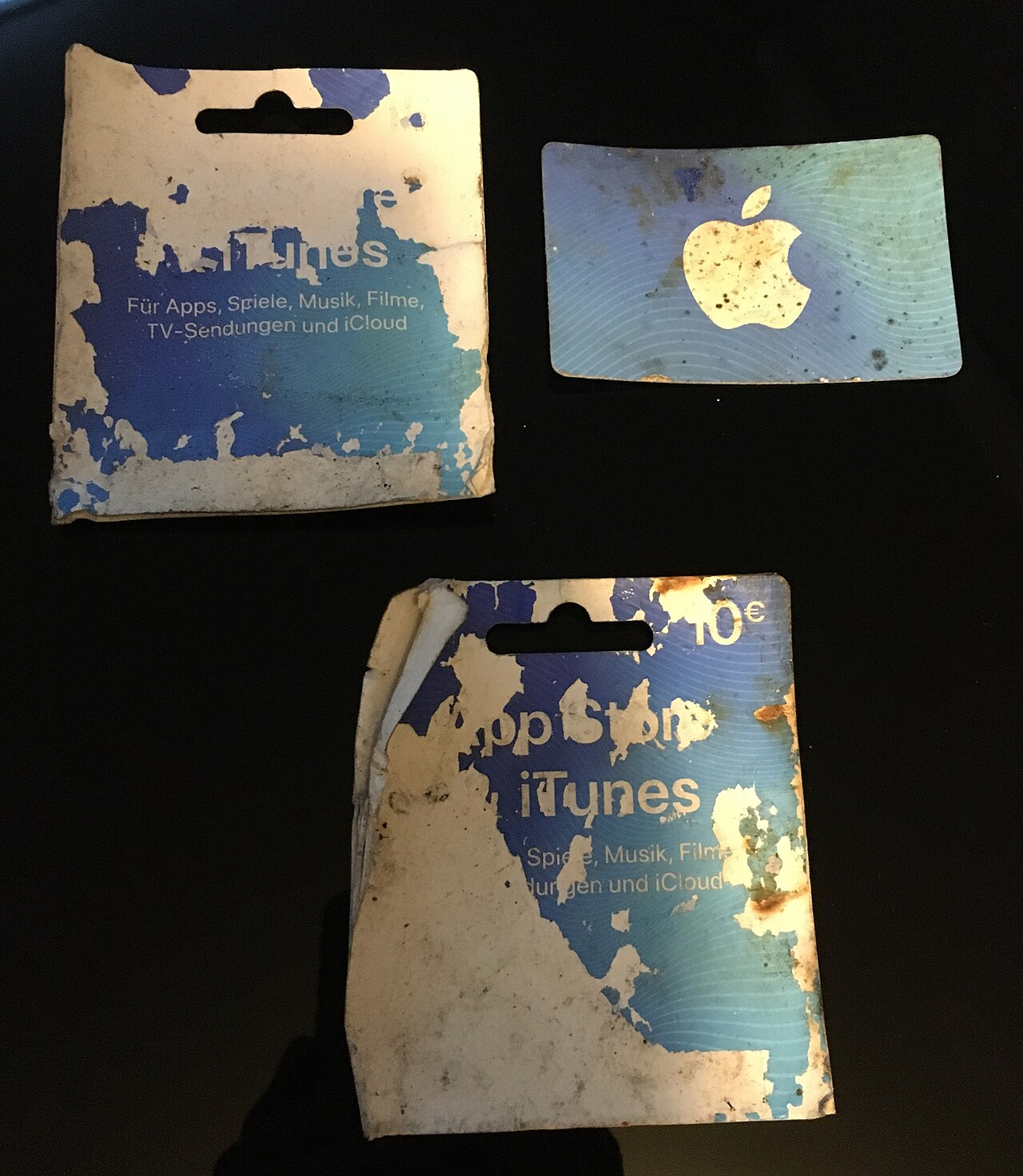
The iPod became the physical companion to this digital shift. The device featured a click wheel that felt incredibly tactile and intuitive. It allowed users to carry a thousand songs in their pocket, a feat that previously required a massive backpack of CDs. The integration of hardware and software created a closed loop that the music industry could not break. Apple took control of the distribution chain.
The 99-cent model stripped away the need for the album as a cohesive unit. People stopped buying $18 albums for one hit single. They bought the single, the one track that gripped them. This shift fundamentally altered the economics of the industry. The "album era" began to die, replaced by the "track era." The profit margins on a single song were thin, but the volume was massive.
Apple's success proved that consumers were willing to pay if the friction was removed. The frustration of searching through messy Napster folders was replaced by the clean, organized interface of the iTunes library. The industry had lost the war for the culture, but Apple won the war for the commerce. The digital storefront became the new record shop, but with much higher margins for the tech giants.
The Chaos of the Digital Shift
The transition from physical to digital was not a smooth glide. It was a violent, jagged rupture. The industry's revenue began a steep, decade-long decline following the peak of the year 2000. Labels watched as their margins evaporated and their control over the charts vanished. The very concept of a "hit" became harder to track when anyone could upload a track to a server in an instant.
The middle class of the music industry began to disappear. Smaller labels that relied on the high margins of CD sales found themselves unable to compete with the massive overhead of legal battles and digital distribution costs. The era of the superstar remained, but the ecosystem that supported everyone else was being hollowed out. The industry was becoming top-heavy and fragile.
Technological shifts also changed how music sounded in the public consciousness. The compression of MP3s, while efficient, stripped away some of the dynamic range that audiophiles craved. The lush, wide soundstages of 1970s rock were replaced by the compressed, mid-range heavy sound of the digital age. While most people did not notice, the loss of sonic depth was a subtle tragedy for the art form itself.
Broadband internet slowly replaced dial-up, making the downloading of even larger files possible. The speed of the internet grew, but the stability of the music market shrank. The chaos of the shift meant that no one knew where the ground would settle. We were living through a period of permanent instability, where the old rules were dead and the new ones were still being written in code.
A New Reality for the Industry
The legal battle for Napster ended in July 2001. The Ninth Circuit Court of Appeals ruled against the service, effectively forcing its shutdown. While the platform died, the spirit of the movement lived on in every corner of the internet. The genie was out of the bottle, and no amount of litigation could force it back inside. The era of Napster and digital piracy had fundamentally broken the traditional model of music sales.
Today, we live in the aftermath of that explosion. Streaming services like Spotify and Apple Music have solved the problem of access, but they have also completed the transformation of music into a utility. We no longer own songs; we rent access to a massive, cloud-based library. The concept of the permanent collection has been replaced by the ephemeral stream.
The industry has found a way to survive, but it is a different beast entirely. The revenue models now rely on massive scale and constant engagement. The battle moved from the courtroom to the algorithm. Success is no enough about selling a million copies of a single disc; it is about staying relevant in a feed that never stops scrolling.
The war over Napster was never really about the software. It was a war about who controls the cultural conversation. The labels fought to keep the gates closed, but the gates had already been torn down by a generation of users who valued convenience over copyright. We are still living in the wreckage of that collision, navigating a world where the music is always available, but the price of that availability is the loss of the music as a tangible, owned object.