The 1970s London Studio Curse: Why Producers Fled Abbey Road
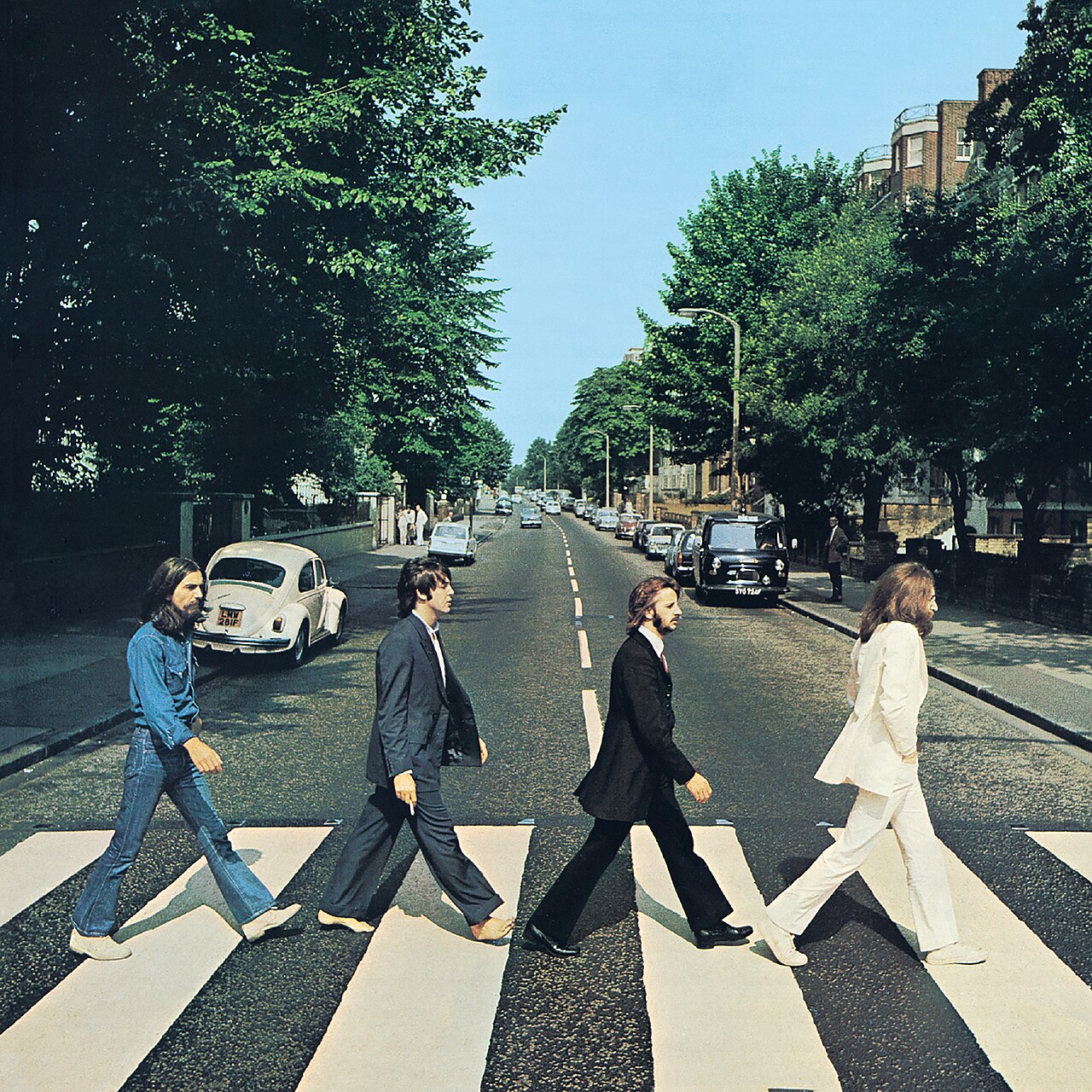
London fog choked the streets around St. John's Wood in early 1970. The Beatles had officially splintered, leaving the massive EMI facility without its primary North Star. This departure triggered a 1970s London studio curse that fundamentally altered how the world recorded rock music. The studio lost its sense of purpose almost overnight.
George Martin watched his influence retreat from the center of the room. He had been the architect of the most sophisticated pop experiments of the previous decade. After the 1970 release of Let It Be, the maestro began scaling back his intense involvement with the studio's prestige roster. The era of the supergroup was dying, replaced by a fragmented world of session musicians and solo acts.
The loss of the Fab Four left a vacuum that no single artist could fill. Engineers walked through the hallways of Studio Two feeling the weight of departed legends. The prestige of the EMI brand relied on those specific, transformative sessions. Without that gravity, the studio felt like a museum rather than a laboratory.
A shift in power arrived with the transition from the 1960s to the 1970s. The industry moved away from the idea of a singular, studio-bound deity. Instead, the new decade favored a more distributed, less centralized approach to recording. This change broke the spell that had held Abbey Road in a state of permanent importance.
The Ghost of The Beatles at Abbey Road
Studio Two felt cavernous and empty during those first months of the new decade. Every time a producer sat at the desk, the shadow of the 1960s loomed large. The departure of The Beatles left Abbey Road Studios facing a massive identity crisis. The era of the supergroup transitioned into the era of the session musician.
Engineers no longer had a consistent, high-stakes mission to complete. The sessions became more routine and less about rewriting the rules of sonic architecture. People stopped coming to the studio to change the world. They came to record tracks that followed existing, established patterns of pop production.
The technical staff still possessed the skills, but the creative North Star had vanished. You could hear the lack of direction in the early 70s EMI releases. The records lacked that specific, unpredictable tension that defined the late sixties. It felt like a period of mourning for a lost golden age.
George Martin remained a presence, but his focus shifted toward a broader, less centralized scope. He could no longer anchor the entire studio's prestige with a single band. This left the technical staff to manage a collection of much smaller, less influential projects. The studio's identity became untethered from the vanguard of musical progress.
The massive consoles and expensive microphones remained, but the magic had migrated. The sheer scale of the Beatles' ambition had required a specific kind of studio madness. When that madness ended, the remaining sessions felt strangely polite and overly controlled. The industry was moving toward something much less structured.
Many engineers who had thrived under the pressure of the Beatles' sessions found the new atmosphere stifling. The studio started to feel more like a factory than a laboratory. This shift in perception drove many of the most creative minds to seek out more flexible environments. They wanted the chaos that the new decade promised.
The Death of the Analog Warmth
Ken Scott sat in the control room of Trident Studios in 1972. He had just finished working on David Bowie's Ziggy St Stardust. He looked at the gear and saw a different future forming. Scott often cited the shift toward cleaner, more clinical digital-ready sounds as a reason for the move away from the heavy, saturated analog warmth found in the older London rooms.
The thick, saturated tape hiss of the 1960s began to feel like an outdated relic. Producers wanted a precision that the old, heavy EMI consoles struggled to provide. They craved a separation between instruments that the massive, multi-track layering of the past often blurred. The warmth was becoming a muddy obstacle to clarity.
Geoff Emerick knew this transition intimately. He had engineered the drum sounds on Revolver in 1966 and Sgt. Pepper's Lonely Hearts Club Band in 1967. He used heavy compression and close-miking to create a dense, physical sound. By the mid-70s, the industry demanded something entirely different.
"The transition from the heavy compression of the 60s to the more dry, isolated tracking methods required for the mid-70s soft rock era changed everything."
Emerick discussed how the era of the "big" sound was fading. The new preference was for dry, isolated tracks that could be manipulated with surgical precision. The thick, bleeding microphones of the psychedelic era felt too messy for the new pop standards. Engineers were now chasing a sterile, separated aesthetic.
This era demanded a different kind of discipline from the technical staff. You could not hide a poor performance behind a wall of tape saturation anymore. The cleaner signal paths of newer studios allowed every mistake to stand hungry in high definition. This technical evolution made the older, heavier rooms feel cumbersome and imprecise.
The loss of that warmth felt like a loss of soul. The tracks became more legible, but they also became more lifeless. The move toward a "dry" sound stripped away the atmosphere that had made the 1960s so immersive. It was a trade-off between clarity and character.
The Rise of the Agile Studio
Mickie Most understood the economics of the new decade better than anyone. The producer behind hits for The Animals and Herman's Hermits saw the writing on the wall. He moved his operations toward more cost-effective, streamlined setups. He prioritized quick single production over the months-long experimental sessions typical of the late 1960s.
The massive, expensive consoles of Abbey Road were no longer efficient for hit-making. A producer like Most needed speed and low overhead to keep the hits flowing. He did not need a sprawling, unionized facility to record a two-minute pop song. He needed a room that could be booked, recorded, and vacated in a single afternoon.
Small, agile facilities began to pop up across London. These studios lacked the prestige of EMI, but they possessed a much higher degree of flexibility. They did not have the rigid, bureaucratic rules that governed the older, established institutions. You could move faster, experiment more cheaply, and take more risks.
The financial decline of the British recording industry in the mid-1970s accelerated this trend. High inflation and the skyrocketing cost of 24-track tape machines made the big studios a liability. Producers could not justify the massive daily rates of a large-scale facility. They moved to smaller rooms where the budget went further.
This economic pressure forced a change in how music was constructed. The 24-track era required significant investment in hardware and maintenance. Smaller studios focused on essential gear that provided the most impact for the least cost. This lean approach changed the very texture of the recorded output.
Trevor Horn later noted how these technical limitations shaped the future of production. He observed that the "polite" atmosphere of the older EMI-controlled studios eventually gave way to more aggressive, synth-driven production styles. The new, smaller studios were much better suited for this aggressive, electronic approach. They were the breeding ground for the next generation of sound.
Escape to the Welsh Countryside
Rockfield Studios in Wales offered a different kind of sanctuary. The facility provided a massive alternative for bands who felt suffocable by the London system. Queen chose this path when they recorded A Night at the Opera in 1975. They wanted to escape the rigid, unionized, and expensive clock-swapping culture of the London studio system.

The Welsh countryside provided a sense of freedom that London could not match. There were no union stewards breathing down your neck about break times. There was no pressure to finish a session by midnight to avoid massive overtime fees. You could live in the studio and let the music breathe.
This freedom allowed for much longer, more sprawling recording sessions. Queen could layer their vocal harmonies and operatic guitars without watching the clock. The ability to experiment without financial penalty changed the scale of their ambition. The album became a sprawling, multi-layered epic because the environment allowed it.
The move away from London was not just about cost. It was about the psychological impact of the recording environment. The isolation of a rural studio allowed bands to focus entirely on the art. The distractions of the city were replaced by the quiet focus of the countryside.
Rockfield's success proved that the future of rock did not have to live in a metropolitan hub. The studio's ability to handle large-scale, high-fidelity recordings made it a legitimate competitor to the London giants. It offered the same technical capability but with a much more relaxed, creative atmosphere.
This decentralization of recording power was a crucial part of the 1970s studio shift. It broke the monopoly that the major London labels held over the creative process. It allowed for a more organic, less controlled form of musical development. The era of the studio-as-a-fortress was ending.
The Punk Explosion and the End of Polished Production
Denmark Street's small studios hosted the Sex Pistols in 1976. These cramped, gritty rooms were the birthplace of a new, raw aesthetic. The emergence of punk rock demanded an unpolished sound that directly contradicted the high-fidelity techniques of Abbey Road. The polished, expensive multi-track layering of the past was suddenly obsolete.
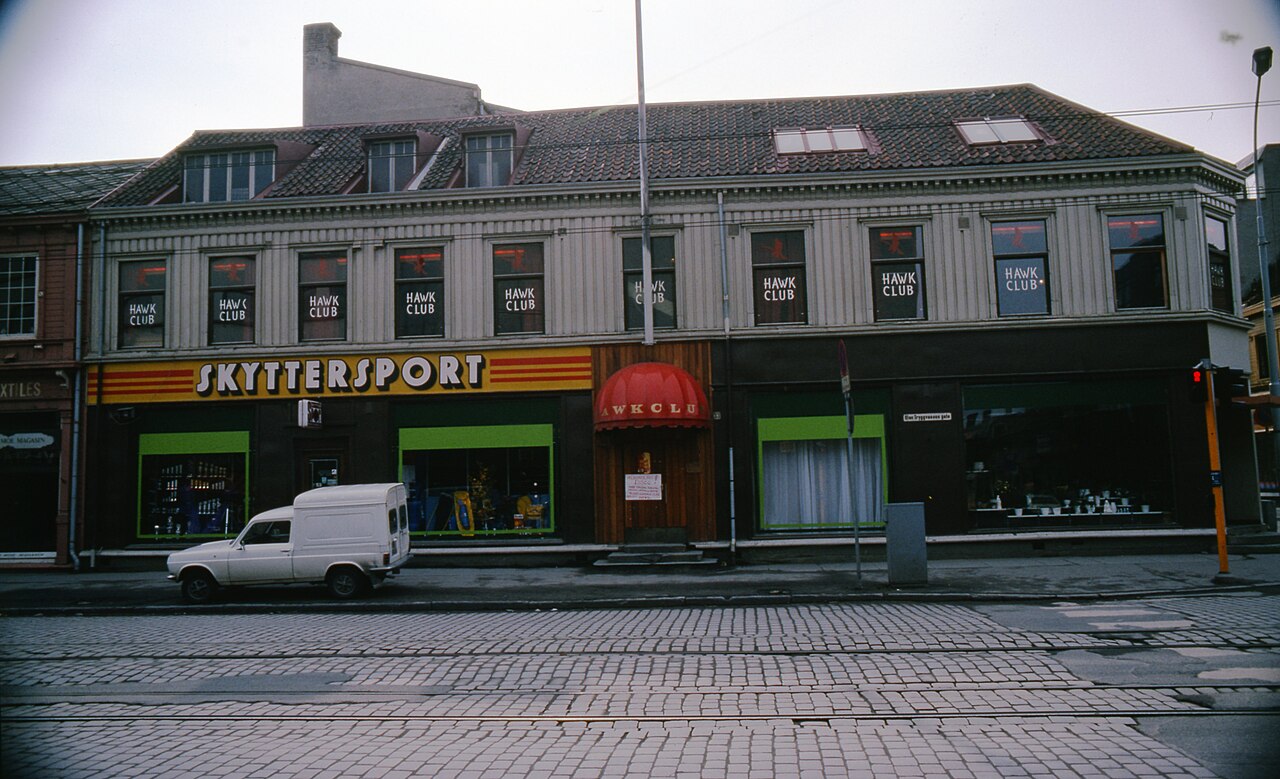
Punk was a rejection of the entire production-heavy era. The musicians did not want perfection; they wanted energy and aggression. They did not need a 24-track machine or a room with perfect acoustics. They needed a microphone, a distorted amp, and a sense of urgency.
The technical mastery of the 1960s felt like an affectation to the punks. The meticulous layering of guitars and vocals seemed bloated and dishonest. They preferred the sound of a band playing in a small, sweaty room. The goal was to capture the moment, not to construct a masterpiece.
This movement fundamentally changed the demands placed on engineers. The job was no longer about achieving sonic perfection. The new job was about capturing the raw, visceral energy of a live performance. The era of the "producer as auteur" faced a challenge from the "producer as documentarian."
The small, cheap studios around Denmark Street were perfect for this mission. They were part of the urban fabric, close to the clubs and the chaos. They provided the essential, gritty backdrop for a musical revolution. The polished sheen of the Abbey Road era could not survive this onslaught.
Punk stripped the recording process down to its barest essentials. It removed the layers of artifice that had accumulated over the previous decade. This simplicity was a powerful reaction to the overproduced stadium rock of the mid-70s. It brought the focus back to the song and the performance.
The High Cost of High Fidelity
The mid-1970s brought a harsh economic reality to the British recording industry. High inflation and the skyrocketing cost of 24-track tape machines made the old way of working impossible. Many producers abandoned the massive, expensive consoles of Abbey Road. They moved toward smaller, more agile facilities that could survive the inflation.
Maintaining a large-scale studio like Abbey Road required immense capital. The cost of electricity, staff, and hardware rose faster than the revenue could keep up. The industry faced a squeeze between rising costs and a shrinking profit margin. The era of the massive, loss-leading studio ended.
The 1973 release of Pink Floyd's The Dark Side of the Moon at Abbey Road represented the final peak of the studio's experimental era. Produced by Alan Parsons, it was a masterpiece of technical precision and sonic depth. It showed what the studio could still achieve at the height of its power.
Financial cracks already began to show. Budget constraints and the rise of cheaper, more flexible studios like Sarm West drained the talent pool. The era of the massive, multi-year-budget album became a rarity. The industry moved toward a more fragmented, cost-conscious model.
The technology itself also became a burden. The move toward larger track counts meant larger, more expensive machines. The complexity of the patch bays and the sheer volume of cabling made the studios harder to manage. The technical sophistication became a financial liability.
The 1970s London studio curse was not a single event but a gradual erosion. It combined economic pressure, technological shifts, and a change in musical taste. The era of the grand, centralized recording institution reached its natural conclusion. The future belonged to the lean, the fast, and the raw.
The transformation of the recording industry during this decade remains one of the most significant shifts in music history. We lost the warmth of the analog era, but we gained the precision of the modern age. The massive, expensive halls of the 1960s gave way to the agile, democratic studios of the future. The era of the super-studio died so that the era of the independent creator could begin.