Five Lies Taught to Aspiring Session Musicians
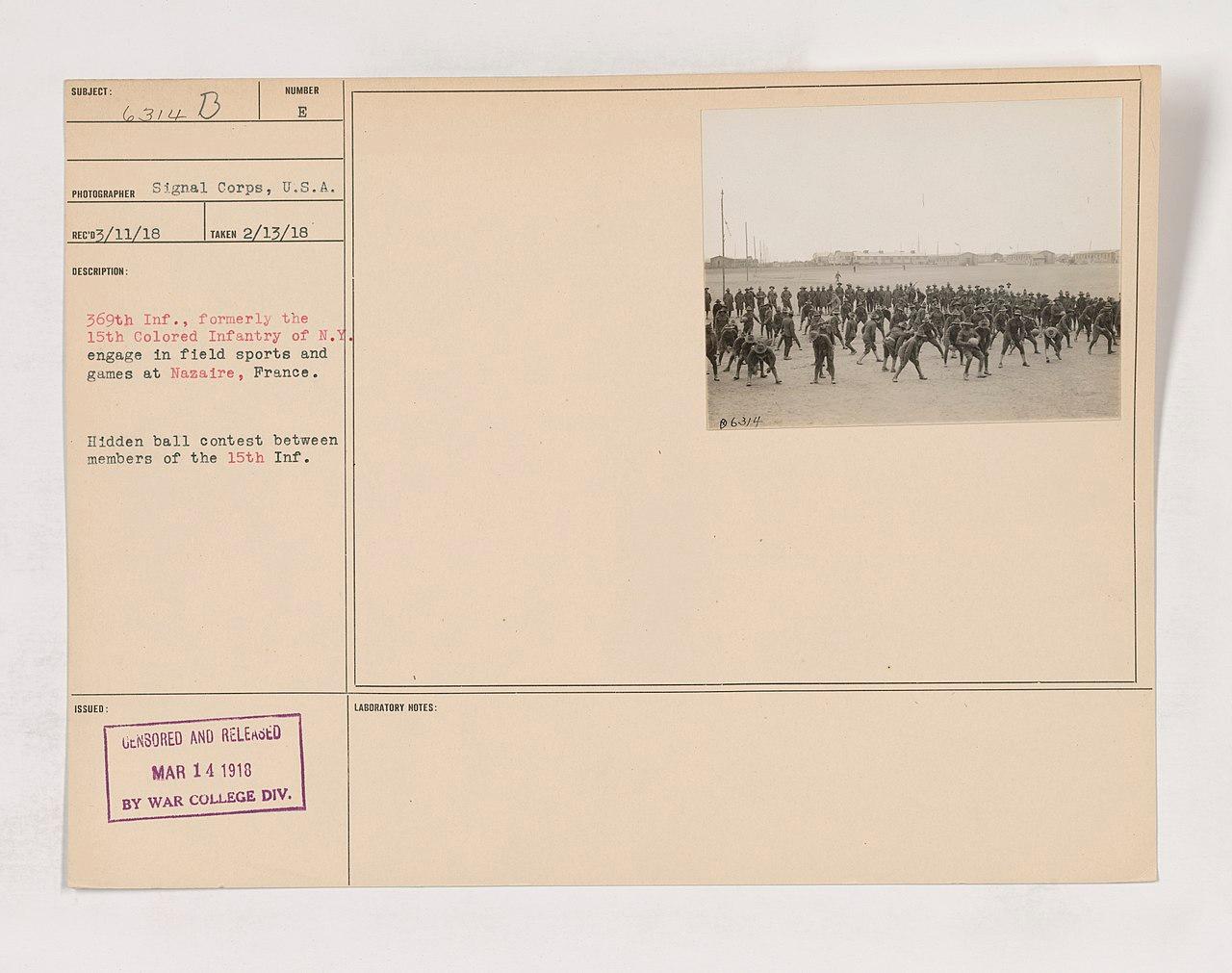
Hollywood, 1965. The air inside Studio A at Capitol Records smells like stale coffee and expensive cigarette smoke. A group of musicians sits in the dim light, waiting for the conductor to signal the start of a take. They do not see the magic. They only see the microphones and the heavy wooden baffles. This room contains a physical soul that no piece of software can ever replicate.
Every kid with a Fender Stratocaster and a MIDI controller believes they can find the shortcut to success. They believe that a high-end plugin or a bedroom setup can replace the physical weight of a legendary room. This represents one of the most pervasive session musician lies circulating in music schools today. You cannot code the way sound waves bounce off the specific plaster and wood of a mid-century studio.
Studio A provides a specific acoustic signature that defines the era of 1960s pop. The decay of a snare hit in that room carries a natural, rounded warmth. Digital reverb emulates the tail of a sound, but it fails to capture the complex, early reflections that define the character of the space. Modern engineers try to fake it with convolution reverbs, but they miss the physical movement of air.
The legendary Wrecking Crew dominated the Billboard charts during this period without ever appearing on a television screen. Players like bassist Carol Kaye or drummer Hal Blaine functioned as the invisible engine of American pop. They worked in rooms like Studio A to create sounds that felt massive and immediate. You cannot find that specific gravity in a laptop screen.
The Myth of Technical Perfection
Technical precision is a trap. Students spend thousands of dollars on masterclasses to ensure every note lands exactly on the highly regulated grid. They practice scales until their fingers bleed, chasing a clinical, sterile accuracy. This pursuit often kills the very thing a producer actually wants to hire: the human element.
Quincy Jones sat in the control booth at Westlake Recording Studios in 1982 during the sessions for Michael Jackson's Thriller. He did not care about a slightly flat note or a microsecond of rhythmic drift. He hunted for the feeling. He demanded a specific groove that prioritized the emotional impact of the take over a sterile, metronately perfect performance.
"The feel of the take is what matters most to me. If the groove is there, the technical errors become part of the character."
Steve Gadd provides the ultimate blueprint for the working professional. Listen to his work on Paul Simon's 1975 album Stillwater. His hi-hat and snare interplay requires immense control, yet it breathes with a rhythmic swing. He does not play like a programmed drum machine. He plays with a deliberate, pocket-driven tension that a computer cannot simulate.
Carol Kaye's bass lines on the Beach Boys' 1966 masterpiece Pet Sounds prove this point. Her playing is incredibly sophisticated and technically demanding. She never plays a note that distracts from the melody. She serves the song's structure with a disciplined, melodic approach. Perfection in a session means knowing when to play less, not how to play more.
The 1979 release of Dave Grusin's Trilogy album illustrates this tension perfectly. Grusin mastered the ability to move between jazz-fusion improvisation and the rigid, score-driven discipline of a composer. A session player must master both worlds. You need the skill to execute a difficult chart, but you also need the soul to improvise when the moment demands it.
The Illusion of the Digital Sound
Engineer Bruce Swedlin used the "Acusonic Recording Process" to create the massive, wide sound of Michael Jackson's greatest hits. This method involved complex multi-track synchronization techniques across multiple tape machines. It created a physical depth and a stereophonic spread that felt three-dimensional. Modern musicians often mistakenly believe that simple software automation can achieve this same result.
Software automation controls volume and panning, but it does not control the physical interaction of sound sources. Swedlin's process relied on the way different machines drifted and bled into one another. These micro-variations in timing and phase created a sense of life. Digital plugins can mimic the frequency response of a hard-wired tape machine, but they cannot replicate the organic instability of multiple spinning motors.
The 1980s session king era featured players like bassist Nathan East and guitarist Michael Thompson. These musicians commanded massive workloads at Westlake Recording Studios in Los Angeles. They often recorded multiple tracks in a single day, delivering high-quality parts that sounded expensive and polished. Their sound came from a combination of high-end signal chains and real, physical room interaction.
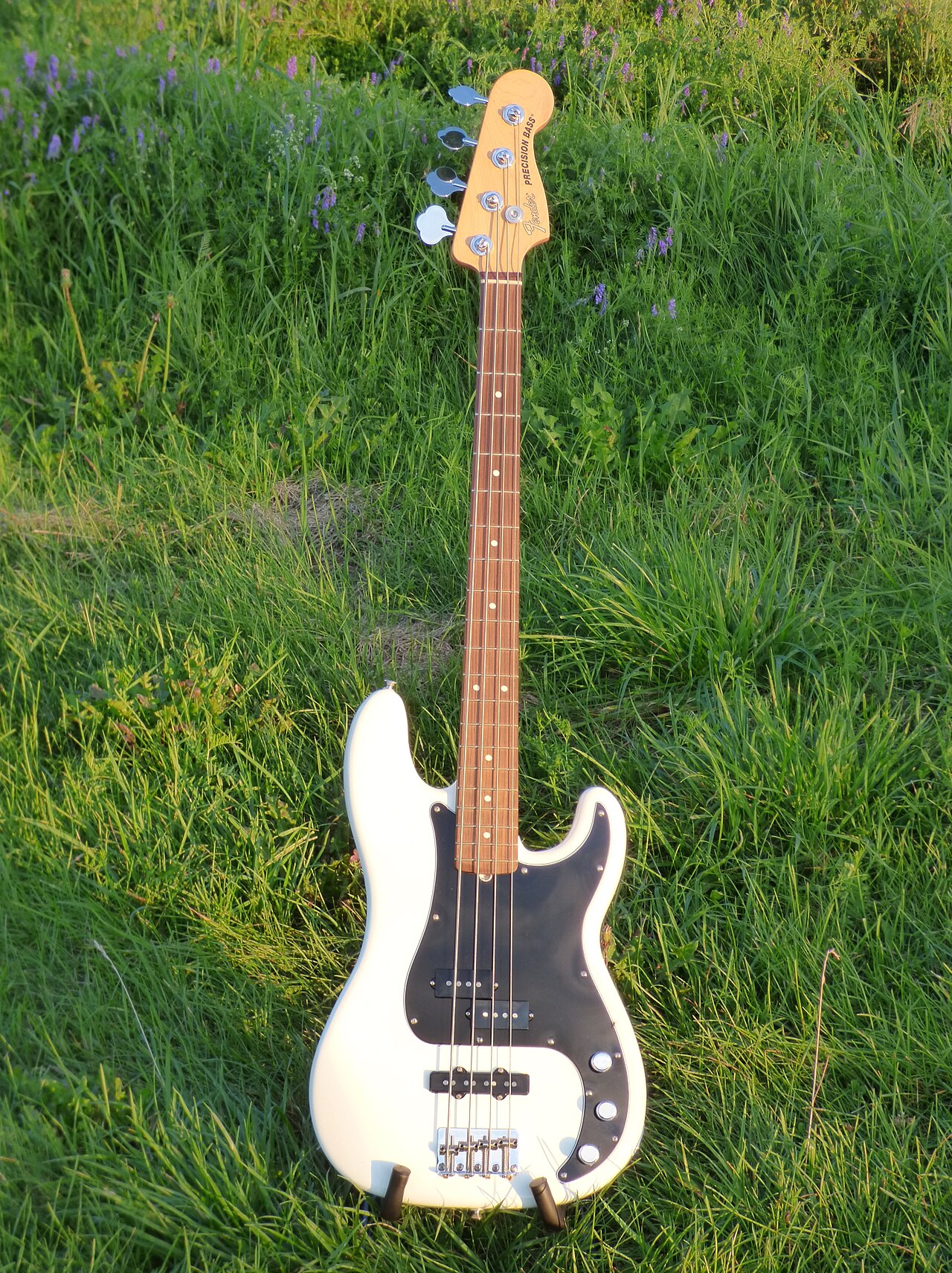
A Fender Precision Bass through a vintage Ampeg B-15 rig produces a low-end growl that a VST cannot match. The way the tubes saturate and the speakers move air creates a texture you can feel in your chest. You can layer ten different bass plugins, but you will never achieve that single, cohesive, physical punch. The illusion of the digital sound is a dangerous comfort for the unprepared musician.
The era of massive, multi-track analog recording relied on the physical limitations of the medium. Producers had to make permanent decisions about EQ and compression during the tracking process. This forced a level of decisiveness that modern, infinite-undo culture has eroded. When you can change everything in post-production, you stop making meaningful decisions during the performance.
The Death of the Orchestral Session
The late 1990s saw a sharp decline in large-scale orchestral session work. This shift correlates directly with the rise of MIDI technology and the widespread use of Kontakt sampling libraries. Advertisers and film composers began replacing live players with digital assets that cost a single fraction of a union session. This economic reality changed the career trajectory for thousands of classically trained musicians.
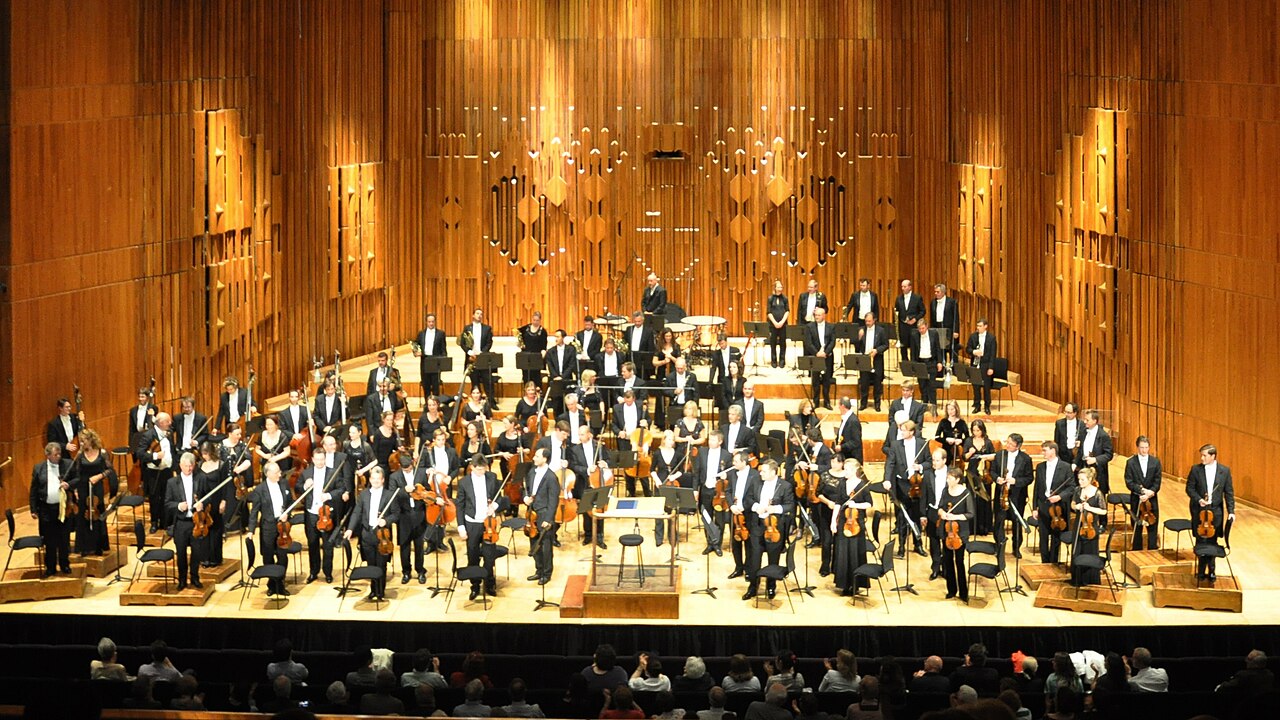
The convenience of a sample library works for a composer on a budget. You can drag a cello patch into your DAW in seconds. A sample is a frozen moment of a single note. It lacks the micro-dynamics of a real string section responding to a conductor's gesture. A real orchestra breathes together, swelling and receding in a way that no algorithm can truly capture.
Commercial advertising in the early 2000s relied heavily on these digital approximations. The cost-cutting measures of agencies decimated the need for live players in jingles and background scores. This killed the middle-class session musician. The players who remained had to adapt or face obsolescence. They could no longer rely on the steady stream of orchestral work that had sustained them for decades.
The loss of these sessions also meant the loss of a specific type of musical apprenticeship. Young players learned the art of the session by sitting in the room with veterans. They observed how to prepare a part, how to tune an instrument quickly, and how to blend with a section. The digital shift replaced this human mentorship with YouTube tutorials and software manuals.
A single person can now produce an entire orchestral score from a bedroom. While this democratizes music production, it strips away the communal aspect of the craft. The session room was a single place of shared tension and shared triumph. A software library offers no such connection. It provides the notes, but it cannot provide the atmosphere.
The False Promise of Union Minimums
The concept of union-mandated session minimums and residuals changed following the shift from physical media to digital streaming. In the decades of the Wrecking Crew, a successful session could provide a stable, long-term income. Musicians earned residuals from record sales that functioned as a safety net. This allowed them to focus on the craft rather than the hustle.
The mid-2010s arrival of streaming royalties decimated the traditional session economy. The revenue generated from a stream is a tiny fraction of what a physical sale once provided. The financial structure that supported the professional session player has effectively evaporated. Many musicians now find themselves working for much lower rates than the old union standards would have allowed.
The shift from physical assets to digital access changed the very definition of a "hit." In the 1970s, a hit record meant millions of plastic discs moving through stores. Today, a hit is a high number of plays on a server in California. This change has stripped the session player of their secondary income streams. You can play on a global smash, yet still struggle to pay your rent.
The WGA and other union structures struggle to adapt to this new reality. The legal frameworks for royalties were designed for a single world of tangible goods. They are not equipped to handle the infinite, microscopic micro-payments of the streaming era. This leaves the modern session musician in a state of constant financial instability. The dream of the "steady session gig" is largely a relic of the 20th century.
This economic pressure forces musicians to become entrepreneurs. They must manage their own marketing, their own distribution, and their own branding. The purely musical focus of the past has been replaced by the necessity of the hustle. You are no longer just a bassist or a drummer. You are a content creator, a social media manager, and a small business owner.
The Reality of the Modern Session Player
Success in the modern era requires a different kind of versatility. You cannot just be a great player; you must be a reliable collaborator. The modern session player must understand signal flow, microphone placement, and basic MIDI programming. The boundaries between playing, engineering, and producing have completely blurred.
The most successful players today are those who embrace the hybrid nature of the industry. They can show up to a high-end studio like Westlake and play with the precision of a veteran. They can also go home and record a brilliant, textured part using their own home setup. They bridge the gap between the analog past and the digital future.
Adaptability is the only way to survive the disappearance of the traditional session model. You must be able to provide the "feel" that Quincy Jones demanded while navigating the technical hurdles of a modern DAW. You must understand how to make your recorded tracks sit perfectly in a digital mix. The modern session player is a technician, an artist, and a survivor.
The core of the job remains the same. You are there to serve the song. Whether you are playing on a 1966 Beach Boys record or a 2024 indie pop track, your primary goal is to enhance the composition. The tools change, the studios change, and the economics change. But the need for a human touch that honors the melody remains absolute.
The era of the invisible superstar is over. You can no longer hide in the shadows of a great studio like Capitol Records. The modern world demands visibility. Yet, the greatest players still understand that the most important part of the session is the sound that happens when the musicians, the room, and the song finally align.