The Scouse Sound: Liverpool's Underground Revolution
Pete Skelton wiped sweat from his brow in the damp basement of the Casbah Coffee Club. The year was 1959, and the air in that Liverpool cellar smelled of stale beer and cheap cigarettes. A young band called The Beatles played a set that felt nothing like the polished ballroom acts of the era. They played loud, messy, and with a rhythmic aggression that rattled the coffee cups on the tables. This raw, unpolished energy formed the seed of the Scouse Sound, a movement born in basements far from the bright lights of London.
The Casbah Coffee Club provided the friction needed for a new musical identity to form. Skelton ran the venue as a refuge for musicians who hated the stiff etiquette of the local dance halls. Here, the "Beat Group" aesthetic grew without the watchful gaze of traditional ballroom promoters. Bands experimented with electric guitars and heavy backbeats that defied the polite standards of the time. The club's narrow, low-ceilinged rooms forced musicians to play with a compressed, intense energy.
Roger McGuinn, the man who would later define folk-rock with The Byrds, actually cut his teeth in this local circuit. He played in a Liverpool group called The Beefeaters, touring the same sweaty clubs as the era's most influential Merseybeat musicians. These musicians shared a common language of American R&B and rock and roll. They took the sounds of Chuck Berry and Little Richard and filtered them through a gritty, northern English lens. The Casbah gave them permission to be loud.
The Casbah's influence hit the city hard. Without this basement, the transition to the more famous venues might never have happened. The club offered a space where the rhythm mattered more than the melody. The drums hit harder against the concrete walls. Every drummer in the club learned how to drive a crowd in that small, dark room.
Mathew Street: The Cavern Club's Underground Reign
Mathew Street echoed with the sound of crashing cymbals and howling vocals during the early 1960s. The Cavern Club sat underground, acting as the primary incubator for the Merseybeat explosion. This basement club on Mathew Street hosted The Beatles for hundreds of residencies throughout 1961 and 1962. You could feel the vibration of the Vox amplifiers through the soles of your shoes. The claustrophobic, electric environment demanded total attention.
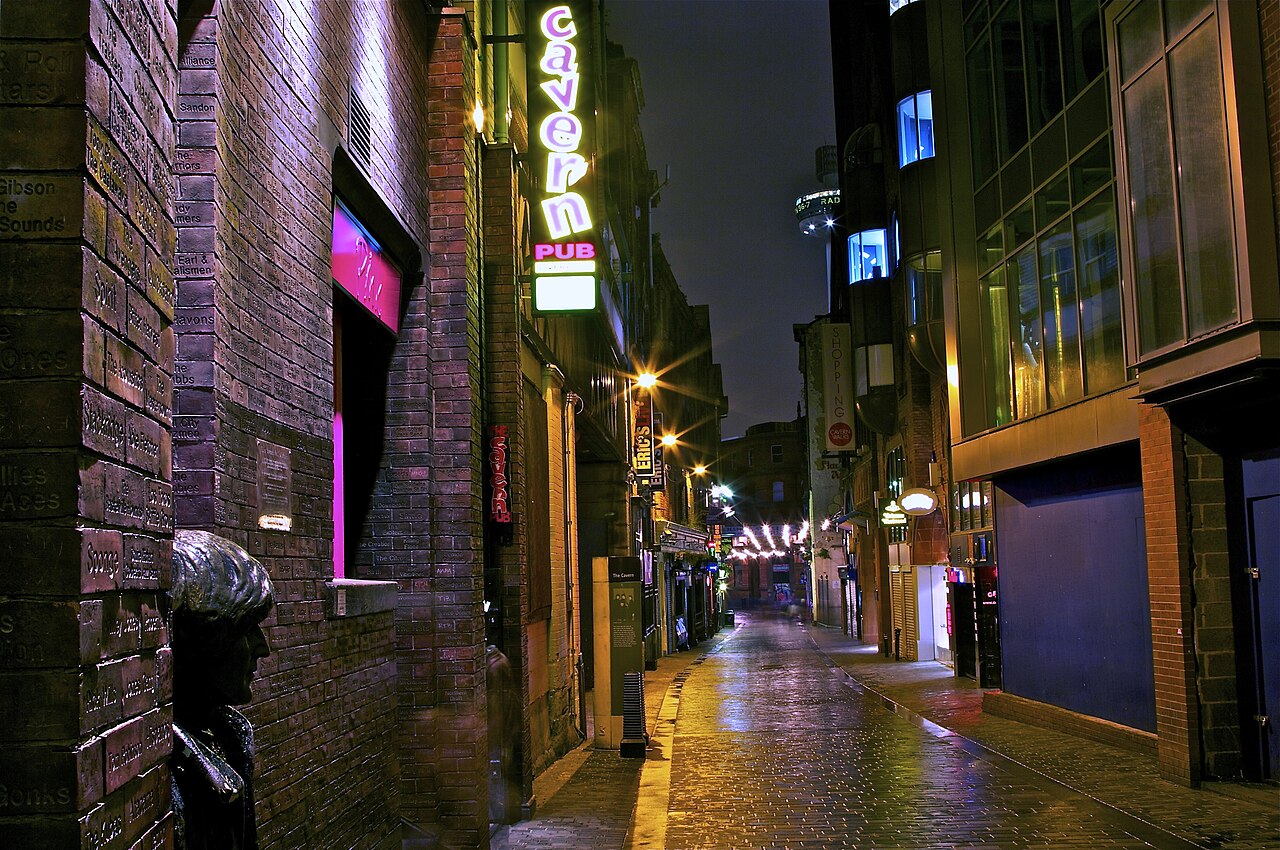
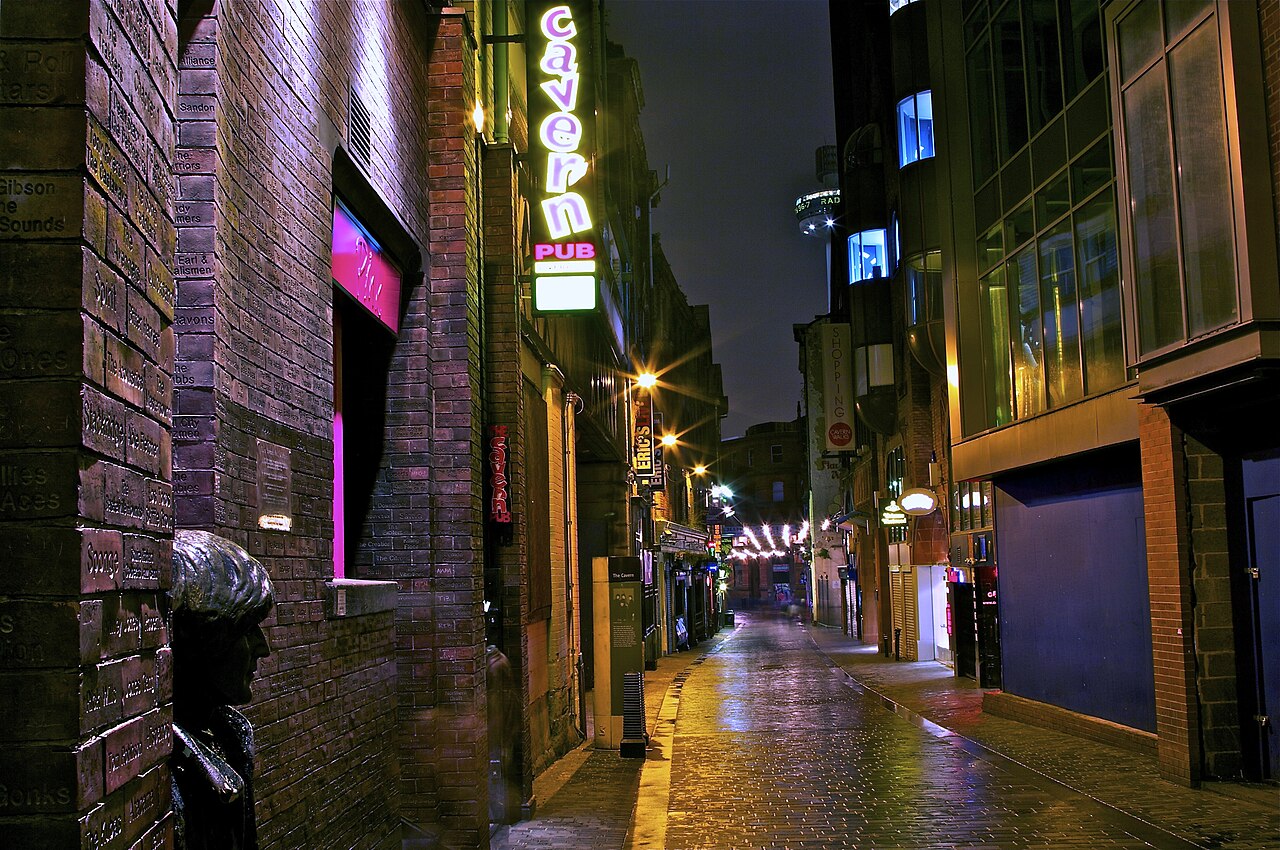
The Cavern Club forged bands rather than just hosting them. The thick, damp walls of the club compressed the sound, making every guitar riff feel denser. Musicians played for crowds that stood inches away from their pedalboards. This proximity forced a level of intensity that polished studio recordings often lacked. If you played a weak set, the audience let you and your even your bandmates know with a roar of disapproval. If you played with fire, they became part of the performance.
The Beatles used these residencies to refine their stagecraft and their repertoire. They played everything from Buddy Holly to Motown, absorbing a wide spectrum of influences. The club's unique acoustics favored a heavy, mid-range driven sound. This helped create the specific signature that would later define the Liverpool era. The sound relied on grit rather than gloss.
Other bands crowded into this same space, all vying for the same local glory. The competition drove the quality of the music upward. Every band wanted to capture that specific Cavern energy. They wanted that heavy, driving beat that seemed to pulse from the very foundations of the building. The Cavern acted as the heart of the city's musical rebellion.
The sheer density of talent in the Cavern was staggering. Groups like The Searchers, The Merseybeats, and The Eddie Cochran-inspired local acts all shared the same sweaty floorboards. You could hear the hollow thump of a Ludwig drum kit fighting against the feedback of a Rickenbacker guitar. This was not a place for delicate melodies. It was a place for volume, sweat, and the pursuit of a beat that could shake the very foundations of the Liverpool docks.
The atmosphere inside the club felt more like a riot than a concert. Fans crowded into the damp, brick-lined cellar, oblivious to the lack of ventilation. This physical closeness created a feedback loop between the stage and the crowd. The musicians fed off the frenetic energy of the teenagers, and the teenagers mirrored the aggression of the music. This cycle of energy defined the era.
From Local Residencies to Parlophone Records
Brian Epstein walked into a different world when he looked at The Beatles in 1962. He saw more than just a local club act with messy hair and loud guitars. He saw a global recording entity waiting to happen. Epstein's decision to sign the band to Parlophone Records changed the course of music history. He moved them from the damp basements of Liverpool to the professional studios of London. This transition required a complete overhaul of their presentation, but not their soul.
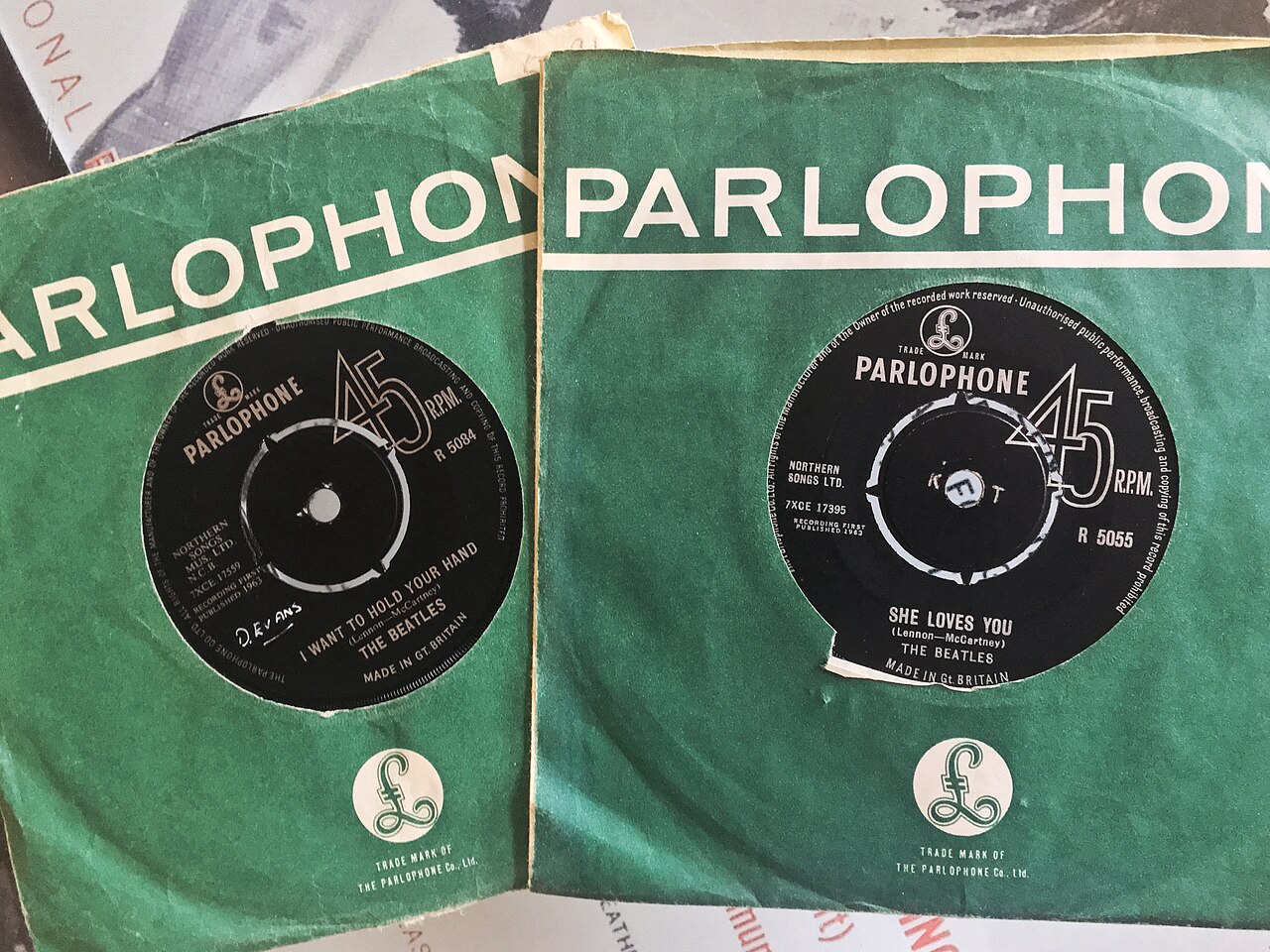
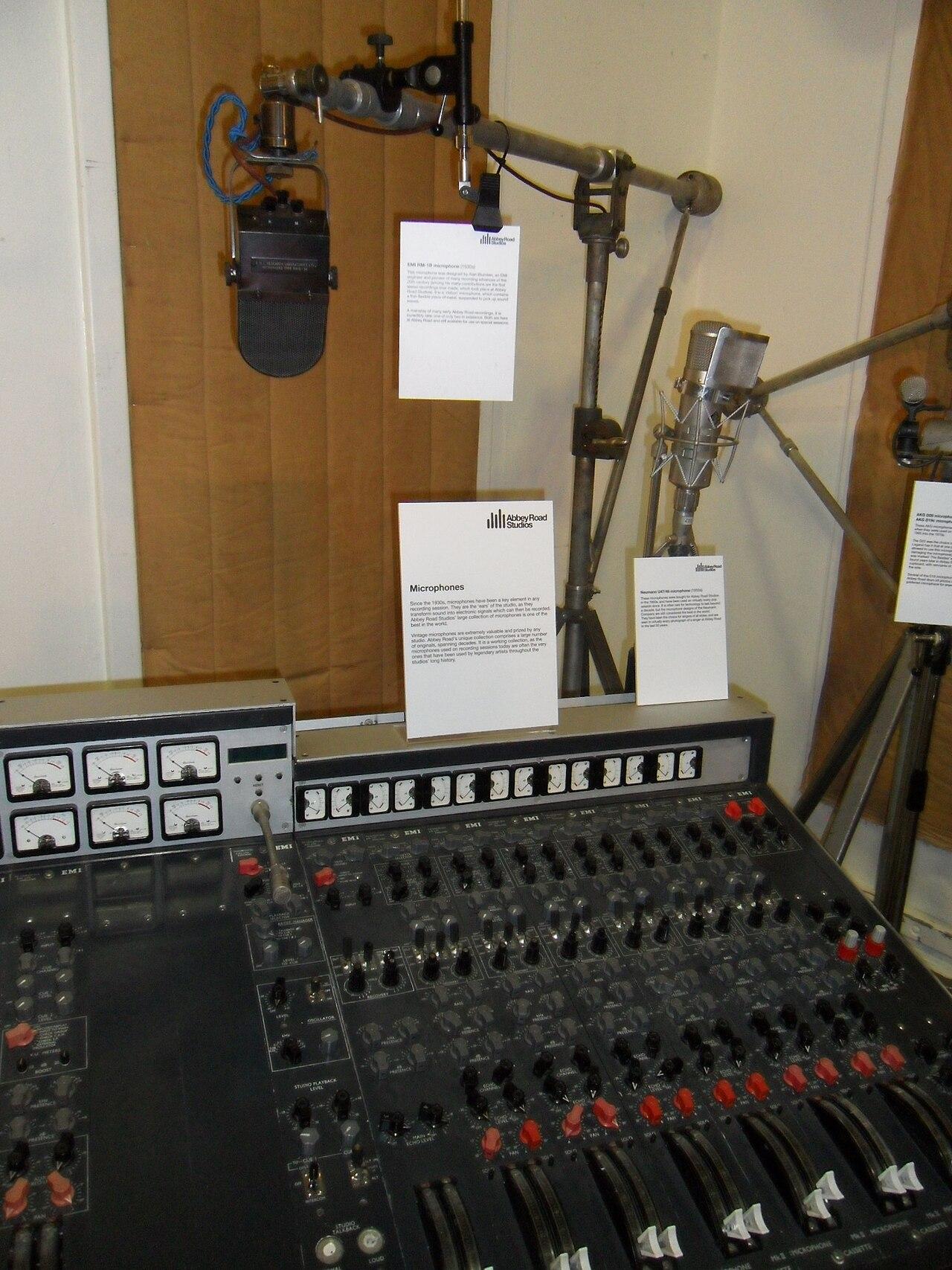
George Martin stepped into the studio with a producer's ear for detail. He took the raw energy of the Liverpool clubs and applied a layer of professional precision. He understood how to capture the band's essence without stripping away the grit. Working at Abbey Road Studios, Martin helped bridge the Scouse Sound between the underground and the mainstream. He used the studio as an instrument in and of itself.
"I was just a kid from Liverpool, and suddenly we were in the studio with George Martin, trying to make sense of all these sounds."
The recording process at Abbey Road brought a new dimension to the band's sound. Martin encouraged experimentation with textures and arrangements. He pushed them to think beyond the simple three-chord structures of their live sets. Yet, he never lost the core of that Liverpool drive. The tension between the raw club energy and the polished studio technique created something entirely new.
The move to Parlophone provided the infrastructure for global distribution. Suddenly, a band from a northern port city could reach ears in London, New and Tokyo. The machinery of the music industry began to turn around the Liverpool sound. It was no longer a local secret; it was a commercial force. The world finally listened to what had been happening on Mathew Street.
Martin's work with the band during the 1963 sessions for "Please Please Me" was particularly crucial. He managed to capture the frantic, live-in-the-studio feel that the band had perfected at the Cavern. He used microphones like the Neumann U47 to catch the subtle nuances of Lennon's vocal grit. This technical prowess ensured the record sounded massive on transistor radios. The transition from the Merseybeat clubs to the EMI studios was not a loss of identity. It was an amplification of it.
The technical side of this shift cannot be ignored. Engineers at Abbey Road worked tirelessly to balance the heavy Rickenbacker jangle with the driving rhythm of the drums. They used compression and tape echo to add a sense of depth to the recordings. This helped the Liverpool sound travel through the airwaves without losing its punch. The studio became a laboratory for the Scouse revolution.
The Chart Dominance of 1963
January 1963 changed everything for the British music industry. The release of "Please Please Me" on Parlophone climbed straight to number one on the UK Singles Chart. This moment signaled the arrival of the Liverpool sound in the mainstream. It was a sudden, violent shift in the musical hierarchy. The era of polite pop ended, replaced by something far more aggressive and rhythmic.
Gerry and the Pacemakers proved that the Liverpool surge was not a one-hit wonder. In 1963, they achieved a unique distinction by hitting number one twice in rapid succession. "How Do You Do It?" and "I Like It" both topped the UK charts within months of each other. This level of dominance suggested a much larger movement was underway. The entire city seemed to be producing chart-topping hits.
The BBC's "Top of the Pops" played a massive role in this spread. The term "Merseybeat" gained traction through these broadcasts as journalists struggled to categorize the sound. They tried to describe the specific rhythmic drive of these guitar-driven bands. The press used the term to describe a specific phenomenon: a wave of energetic, melodic, and slightly rough-edged pop. It became a brand that the entire world recognized.
London felt the impact of this northern invasion. The charts no longer belonged to London-based studio creations. A new, more visceral energy flooded the airwaves. This wasn't just about catchy melodies; it brought a street-level authenticity that the capital lacked. The music felt like it belonged to the people, not the industry executives.
Cilla Black's success helped broaden the appeal of the Liverpool scene. She appealed to a much wider demographic than the rock and roll enthusiasts. Her music had a crossover appeal that brought the Scouse influence into the heart of the pop mainstream. She was a powerhouse of the era, a vocal force that commanded respect across the UK. Her voice became a symbol of the city's musical prowess.
The charts in 1963 were a battlefield for the Liverpool sound. Every week, new bands from the North climbed the rankings. This wasn't a slow ascent; it was an occupation. The sheer volume of hits from Liverpool artists made it impossible for the London-centric media to ignore the movement. The North had arrived, and they had brought their own rhythm.
This period also saw the rise of the Merseybeat beat. It was a specific, syncopated style that relied heavily on the interplay between the bass and the snare drum. This driving force made the songs incredibly danceable. It was the perfect soundtrack for the burgeoning youth culture of the 1960s. The charts reflected a city that had found its groove and refused to let go.
The Mersey Sound: Music Meets Literature
Liverpool's creative explosion was not confined to the recording studio. The energy of the music seeped into the city's literary scene. In 1965, the "Mersey Sound" anthology was released, featuring poetry by Liverpool writers like Roger McGough and Adrian Henri. This collection linked the city's musical energy to its literary movement. It showed that a shared cultural identity drove all forms of expression in the city.
The poets of the Mersey Sound used a language that felt immediate and local. Their work reflected the same raw, unpretentious attitude found in the music. They wrote about the streets, the docks, and the everyday lives of the people. There was no pretension in their verses, much like there was no pretension in the Merseybeat bands. They captured the pulse of the city in print.
Adrian Henri's work often blended the mundane with the surreal. His poems had a rhythmic quality that echoed the beat of the music. This connection made the literary movement feel like a natural extension of the musical one. The two movements fed off each other, creating a unified cultural moment. Liverpool experienced a true renaissance of the arts.
The anthology helped solidify the idea of a distinct Liverpool identity. It gave the world a way to even understand the city beyond its industrial reputation. The "Mersey Sound" became a way to describe a specific, localized creativity. It was a moment where art and life in Liverpool were inextricably linked. The city spoke to the world in its own unique voice.
This literary movement shared the same democratic spirit as the music. Anyone with a story or a poem could participate. The poets didn't use academic jargon or obscure metaphors. They used the vernacular of the streets. This accessibility mirrored the way a Beatles song could be understood by a dockworker and a university student alike. The cultural revolution was truly populist in nature.
The synergy between these two art forms created a sense of permanent change. It wasn'ed just about catchy tunes or clever rhymes. It was about a city reclaiming its narrative. Liverpool was no longer just a place of labor and industry. It was a place of profound, irrepressible creativity. The music and the poetry were two sides of the same coin.
The Lasting Impact of the Liverpool Sound
The influence of the Liverpool sound extends far beyond the 1960s. The techniques developed at Abbey Road and the energy of the Cavern Club changed how music was recorded and performed. The idea of a local scene with its own distinct identity became a blueprint for later movements. From punk to Britpop, the shadow of the Merseybeat era remains visible. The DNA of that early, aggressive rhythm lives on in every guitar-driven band that prioritizes energy over perfection.
The Beatles' transition from local legends to global icons remains the ultimate success story of the era. They proved that a specific, localized sound could conquer the world. This achievement broke the monopoly that London held on the British music industry. It opened the door for other regional scenes to find their own voices. The world learned that greatness could emerge from any corner of the map.
The technical innovations of George Martin and his engineers also left a permanent mark. The way they captured the raw power of the Liverpool bands set new standards for studio production. They showed how to balance grit with clarity. This approach influenced decades of pop and rock production. The studio became a place of experimentation and discovery.
Liverpool remains a city with a profound musical soul. The legacy of the Cavern and the Casbah continues to inspire new generations of musicians. The city's history lives in the grooves of those early 45s. The Scouse Sound was never just a trend; it was a fundamental shift in the way music felt and functioned. The revolution started in a basement and ended by changing the world.
The scars of the era are still visible in the architecture of the city. You can still walk past the site of the old Cavern and feel the ghost of that electric energy. The music didn't just pass through Liverpool; it transformed it. It turned a provincial port into the center of the musical universe. That transformation remains the city's greatest achievement.
The true power of the Scouse Sound lies in its refusal to be polite. It was a loud, messy, and brilliant disruption of the status quo. It demanded that the world stop and listen to the beat coming from the underground. Even decades later, that beat still pulses through the streets of Liverpool.