The Lost Sessions: Abbey Road 1969 Uncovered
September 26, 1969, saw Apple Records release a gleaming, polished masterpiece to a world still reeling from the summer's chaos. The Abbey Road 1969 sessions produced an album that felt like a farewell, even as the band members still occupied Studio Two. While cracks widened in the group, the music they captured remained tight, professional, and incredibly focused. You can hear the tension in the very grain of the magnetic tape.
London air felt heavy that autumn. The Beatles sat in a studio surrounded by high-end gear, yet the interpersonal atmosphere felt thin. John Lennon walked into the room with Yolo Ono at his side, a move that changed the group dynamic forever. This shift created a friction that biographer Peter GSE documents in his work, The Beatles. The presence of an outsider during these final months of creative output fundamentally altered how the four men interacted behind the microphones.
Mal Evans stood in the corners of the studio, acting as a human buffer. As the band's longtime road manager, he managed the logistics of their increasingly difficult lives. He saw the shift from the playful camaraderie of the mid-sixties to the weary professionalism of 1969. His presence provided a sense of continuity when the band members stopped looking at each other. He kept the coffee flowing and the equipment moving even as the band members drifted into separate orbits.
Tension in Studio Two
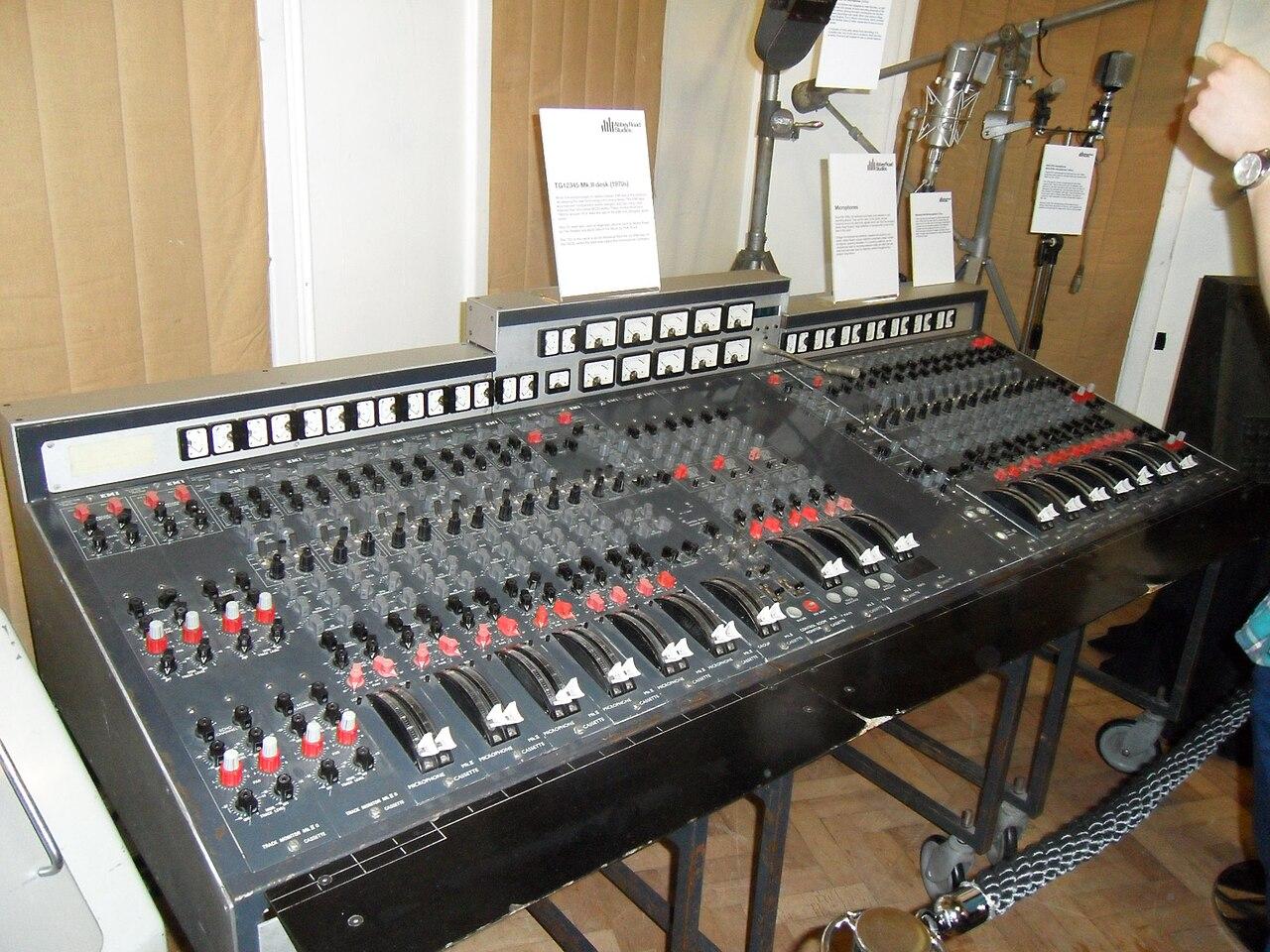
Studio Two at Abbey Road provides a specific kind of acoustic pressure. The room holds a natural resonance that makes a drum kit sound massive and a piano sound intimate. During the 1969 sessions, this space became a pressure cooker for the four musicians. The Beatles no longer presented a unified front of mop-top optimism. They operated as four individuals with diverging interests and mounting resentment.
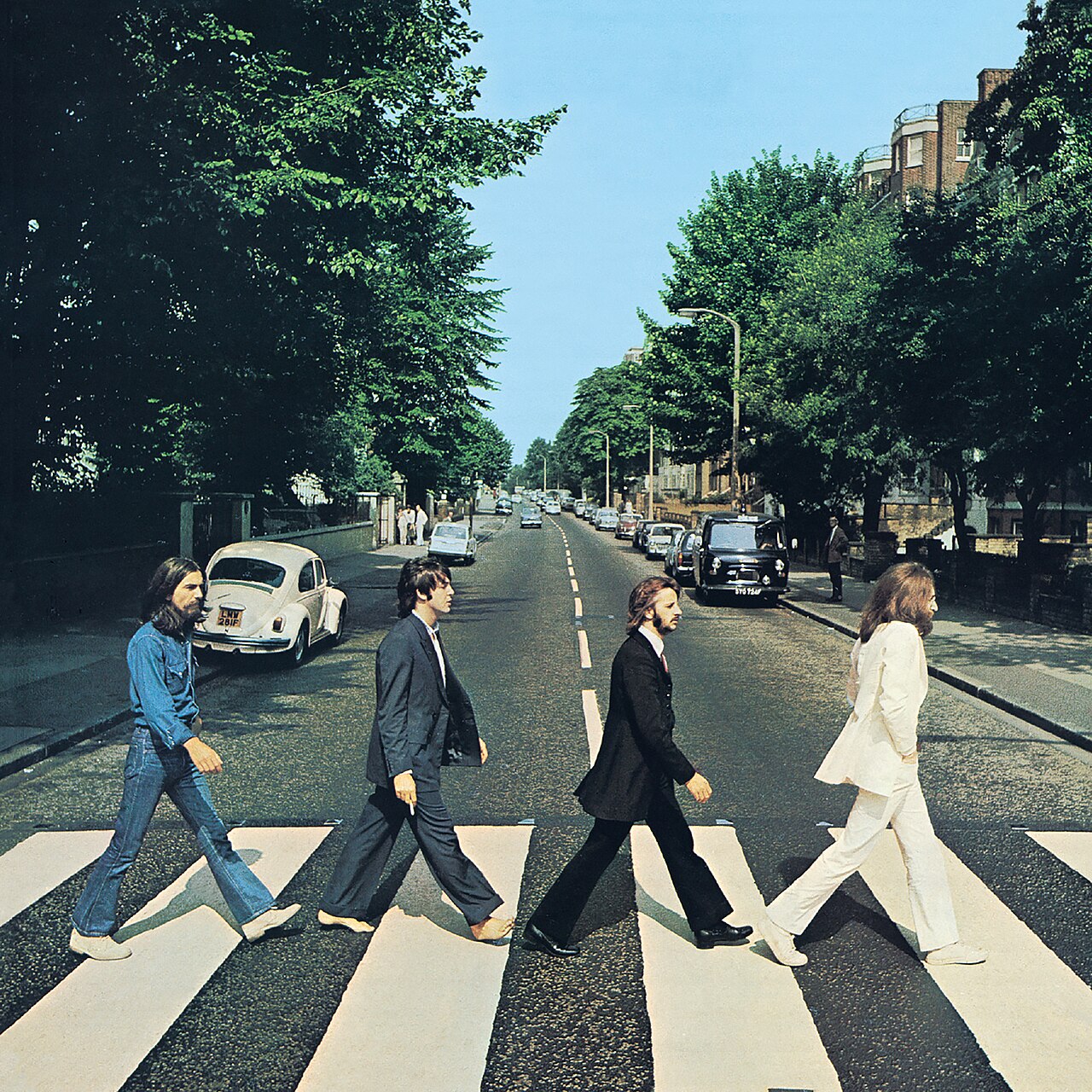
Yoko Ono's presence sat heavy in the room during these late sessions. Her proximity to John Lennon drove a heavy wedge between him and the rest of the group. Paul McCartney, George Harrison, and Ringo Starr struggled to find the old rhythm with a third party observing their every move. This change involved more than just a girlfriend; it involved a fundamental shift in the band's internal privacy. The studio walls seemed to shrink around them as the interpersonal politics intensified.
George Harrison felt the weight of this shift more than anyone. He moved away from the collaborative songwriting structures that had defined their earlier years. He began carving out his own space, both musically and emotionally. The sessions no longer centered on the "Beatles" as a singular entity. The men simply tried to finish a job while their shared identity disintegrated.
The tension manifested in the way they tracked songs. You can hear the lack of eye contact in the rhythm tracks. Some songs feel like they recorded separate universes, even when the musicians played together. The band members often worked in isolation, focusing on their specific parts rather than the collective groove. This fragmentation defined the end of an era.
The Sound of a Fractured Band
January 1969 brought the band to Twickenham Film Studios for the "Get Back" sessions. That environment felt cold, industrial, and entirely unsuitable for high-level recording. The lack of controlled acoustics at Twickenham led to a raw, often frustrating sound. The band struggled to find their footing without the comfort of their home base at Abbey Road. They tried to capture a live, spontaneous energy that simply was not there because they spent too much time arguing.
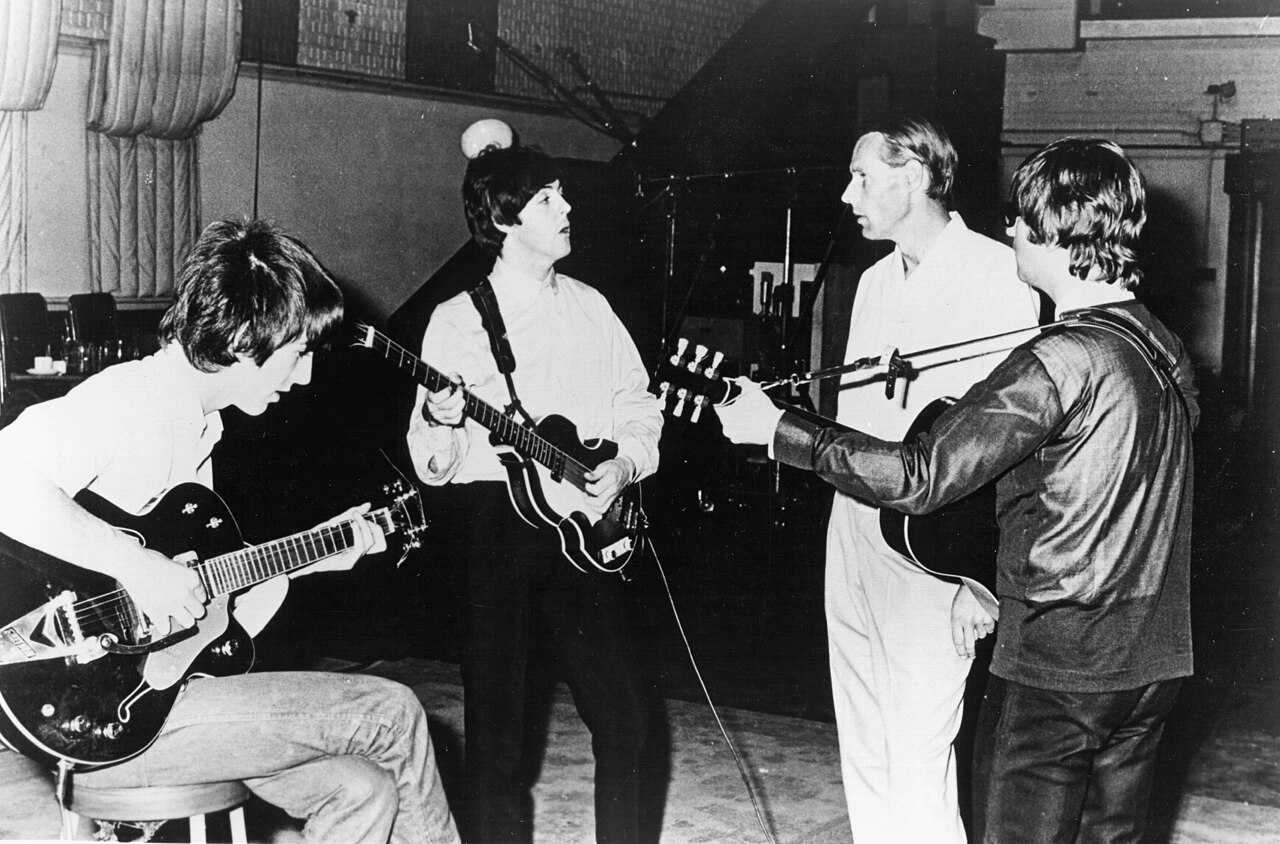
Returning to Abbey Road changed the technical approach. The musicians found comfort in the familiar consoles and the reliable signal paths of Studio Two. They moved away from the unvarnished grit of the Twickenham tapes toward something more deliberate. This transition allowed them to use the studio as an instrument. They began to layer sounds with a level of precision that the earlier sessions lacked.
The track "I Want You (She's heavy)" provides a perfect example of this late-period competence. Recorded during the Abbey Road sessions, it displays a crisp, punchy energy. The guitars bite with a clean, sharp edge that avoids the fuzz of their psychedelic years. The song sounds like a band that has mastered their tools even if they have lost their connection to one another.
One can hear the struggle between the raw and the refined. The band used the studio's unique properties to mask the underlying discord. They took the loose energy of the "Get Back" period and polished it until it shone. This polish acted as a defensive mechanism. If they could make the record sound perfect, perhaps they could ignore the fact that the band was dying.
"It's a very difficult time, and the transition from the raw energy of the Let It Be era to the meticulous studio craft found on the Abbey Road tracks was a heavy lift." - George Harrison, 1970 interview with Rolling Stone
Billy Preston and the Soulful Shift
Billy Preston brought a necessary warmth to the coldness of the late 1969 sessions. His electric piano playing added a soulful, gospel-influenced texture that the band desperately needed. Preston did not just play notes; he provided a rhythmic pulse that felt alive. His presence helped bridge the gap between the band members' individual playing styles. He acted as a musical glue during a period of extreme fragmentation.
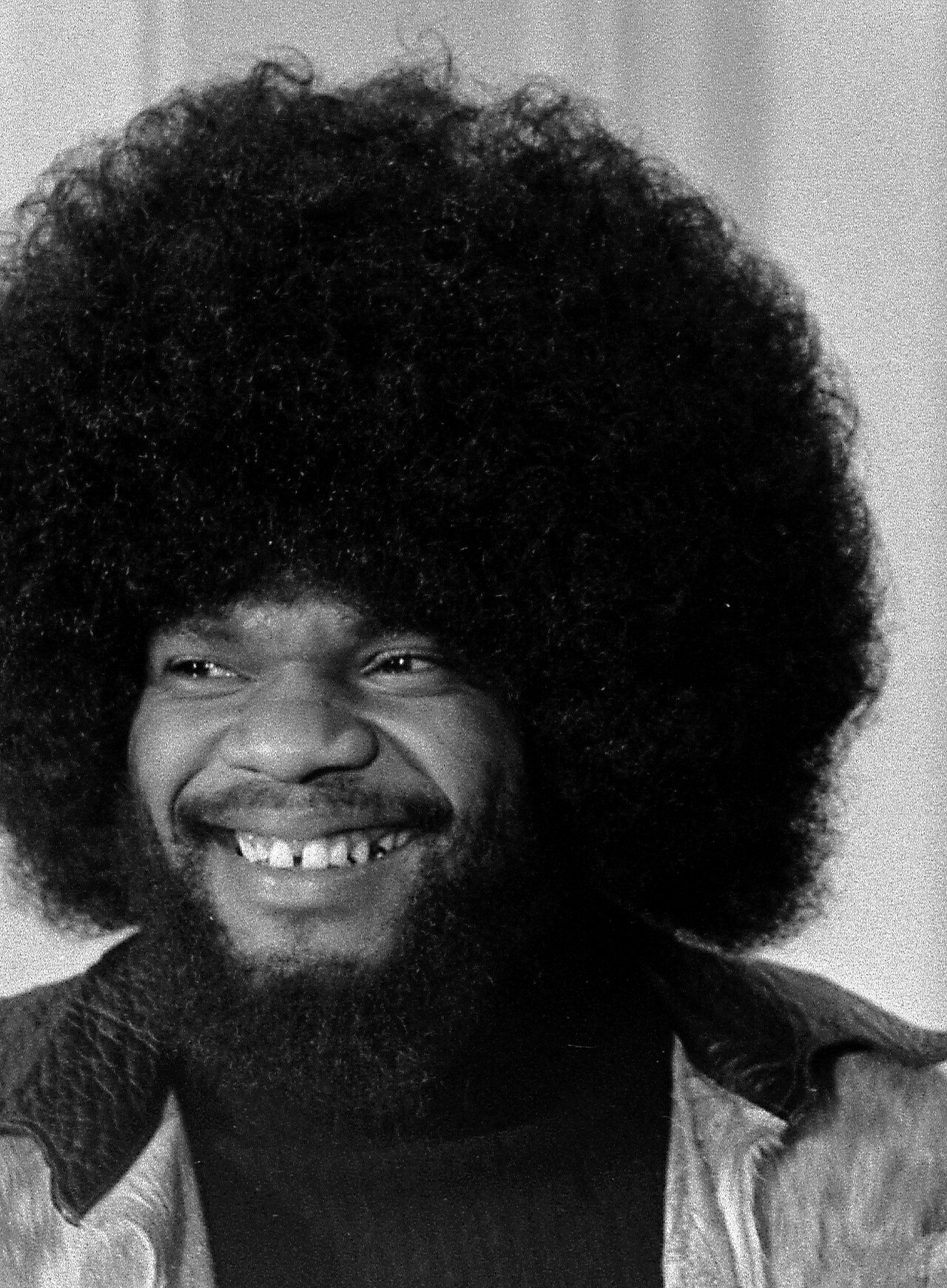
The electric piano tracks on "Get Back" and "Let It Be" show his influence. He used the instrument to add a layer of grit and movement to the arrangements. His style was fluid and rhythmic, much like the Motown artists he admired. This soulful infusion prevented the 1969 sessions from sounding too sterile or overly produced. He pushed the band toward a more organic, R&-B-inflected sound.
The band frequently employed the Leslie 122 rotating speaker cabinet to enhance this effect. This cabinet creates a swirling, psychedelic movement by physically spinning the sound through motorized rotors. When Preston's electric piano or George Harrison's guitars passed through the Leslie, the audio gained a shimmering, liquid quality. It added a sense of motion to the tracks that mirrored the era's psychedelic roots while feeling much more mature.
Preston's relationship with the group remained one of the few bright spots in the studio. He was a professional who could navigate the egos in an even-handed way without becoming part of the friction. His ability to lock in with Ringo Starr's drumming provided a stable foundation for the rest of the melodies. He helped the band find a groove that felt both modern and deeply rooted in musical tradition.
The Precision of George Martin
George Martin approached the 1969 sessions with the mindset of a master craftsman. He knew how to use the Abbey Road infrastructure to achieve a specific, high-fidelity result. As the producer, he guided the band through the technical complexities of their late-tstage compositions. He utilized engineers like Geoff Emerick to capture a sound that was both massive and detailed. The result was a sonic clarity that few contemporary recordings could match.
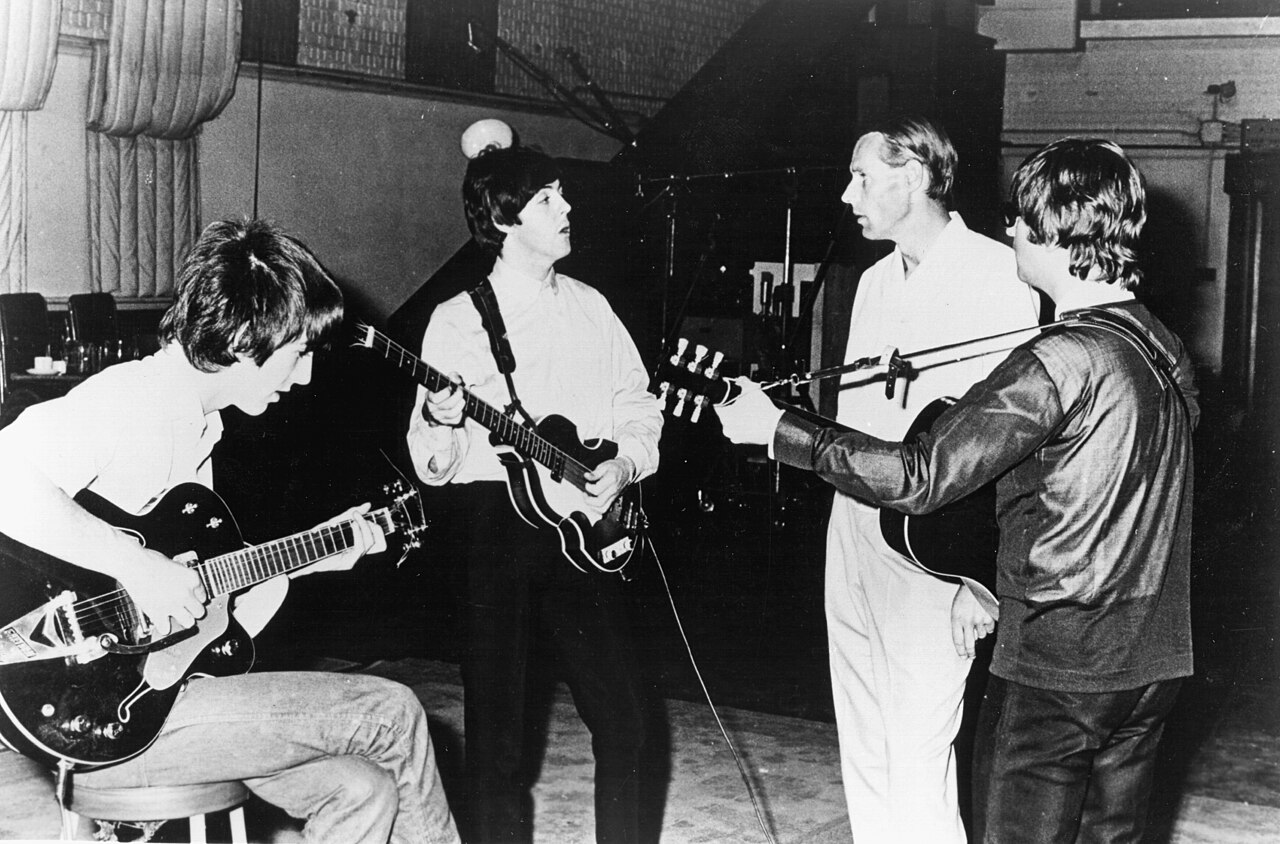
Paul McCartney relied heavily on the Steinway Model D grand piano during these sessions. This instrument sits prominently in Studio Two and offers a wide dynamic range. McCartney's melodic work on the piano provided the structural backbone for many of the tracks. The Steinway's resonance allowed for a lush, orchestral feel even in simpler arrangements. It gave the songs a sense of weight and permanence.
The engineering choices during these sessions were incredibly deliberate. The team used the studio's unique acoustics to create a sense of depth. They did not just record instruments; they sculpted the air around them. Every drum hit and guitar pluck occupied a specific place in the stereo field. This precision defined the "polished" sound that characterizes the Abbey Road era.
Martin's ability to manage the band's erratic energy proved essential. He knew when to push for more takes and when to let a performance stand. He understood that the technical perfection of the recordings could act as a final, beautiful statement for the group. He helped them transform their internal chaos into a cohesive, high-fidelity document of their final months.
Beyond the Twickenham Chaos
Twickenham Film Studios represented the low point of the band's recent history. The sessions there lacked direction and carried a palpable sense of dread. No producer guided them and no studio comfort protected them. The band simply tried to exist in a space that felt hostile to their creative process. It was a period of pure, unadulterated friction.
The return to Abbey Road allowed for a reclamation of their musical identity. They moved away from the documentary style of the "Get Back" project and back toward the studio-as-laboratory approach. This shift allowed for the creation of more complex, multi-tracked arrangements. They could finally use the technology at their disposal to build something grand. The 1969 sessions attempted to rebuild what had been broken at Twickenham.
George Harrison's "Something" stands as a high point of this period. Reaching number 1 on the UK Singles Chart in July 1969, it remains a masterclass in melodic songwriting. The track possesses a timeless quality that transcends the era's technical trends. It showed that even amidst the breakup, the band's individual songwriting prowess was at its peak. The song's success provided a brief moment of unified triumph.
The sessions were a battle between the desire to end and the need to create. Every track was a struggle to find a way forward. The band used the controlled environment of Abbey Road to impose order on their internal disorder. They made music that sounded like a finished product, even though they were fundamentally unfinished as a group. The technical success of the sessions triumphed over their personal failures.
The Legacy of the Final Polished Sound
The Abbey Road album remains one of the most listened-to records in history. Its production quality set a standard for the decades that followed. The clarity of the instruments and the balance of the mix created a template for rock production. You can hear the influence of these sessions in almost every well-produced rock album of the 1970s. The band perfected the art of the studio recording.
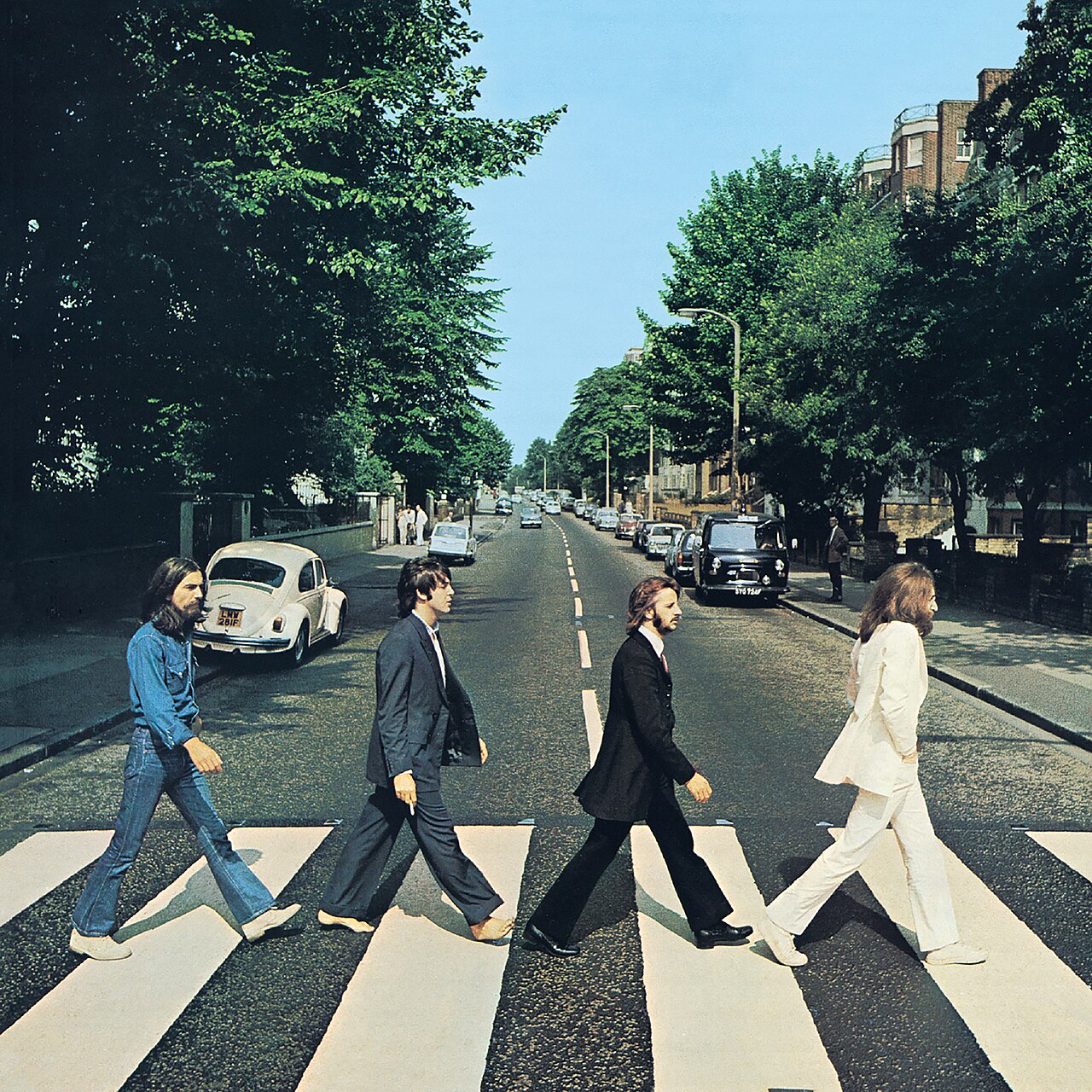
The 1969 sessions captured a band at the height of their technical ability. While their interpersonal relationships were crumbling, their musical output was more refined than ever. They learned how to use the studio to create a sense of grandeur and atmosphere. The use of the Leslie speaker, the Steinway piano, and the expertise of George Martin all converged to create a singular sound. It was a sound of immense power and controlled beauty.
We often focus on the drama of the breakup, but the music tells a different story. The music tells a story of incredible discipline and artistic growth. The band refused to let their personal grievances degrade the quality of their work. They delivered a final, polished performance that honored their entire career. They said goodbye with excellence rather than with bitterness.
The Abbey Road 1969 sessions stand as a monument to the power of the studio. They show how a group of musicians can use technology to transcend their own limitations. Even when the people behind the instruments are at odds, the music can find a way to be whole. The final notes of that era still vibrate with a clarity that refuses to fade.